When you think about the top athletes of the animal kingdom, it’s easy to focus on the ones that can run at a massive clip or have the most brute strength.
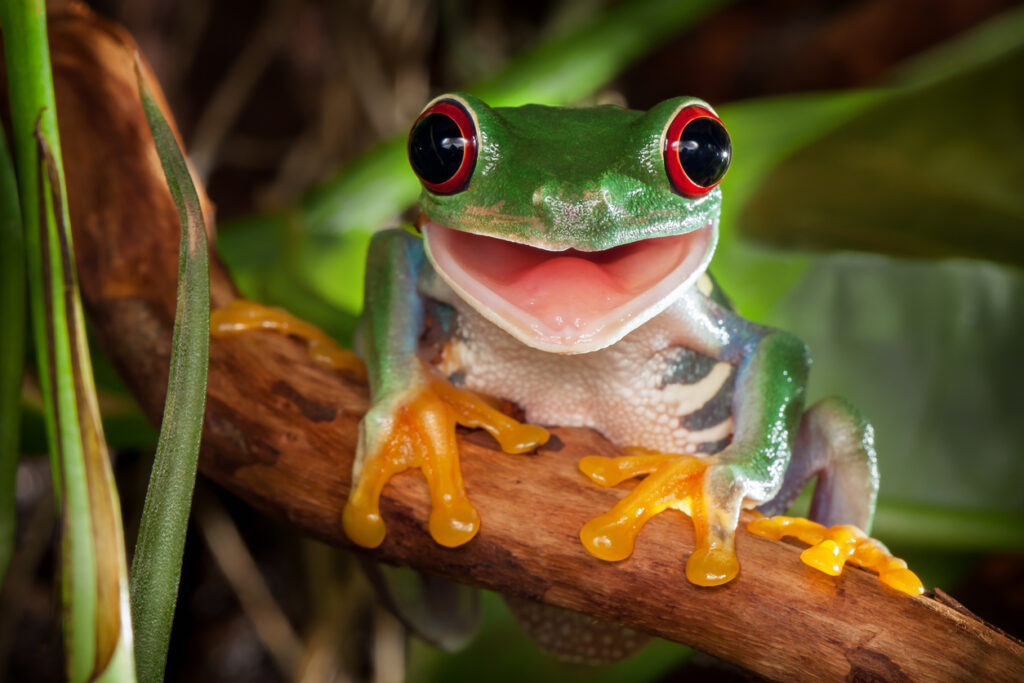
However, there’s something particularly impressive about the creatures that have mastered the art of defying gravity, whether they’re doing it to dodge a predator or just to get a better view of their next meal. These aren’t just little hops; we’re talking about explosive power that allows some of these animals to clear heights and distances that would make an Olympic high-jumper look like they’re standing still.
From tiny insects that use their whole bodies like a spring to massive mammals that can launch themselves over a garden fence without breaking a sweat, the mechanics behind these leaps are nothing short of incredible.
1. Fleas can jump 150 times their own height.
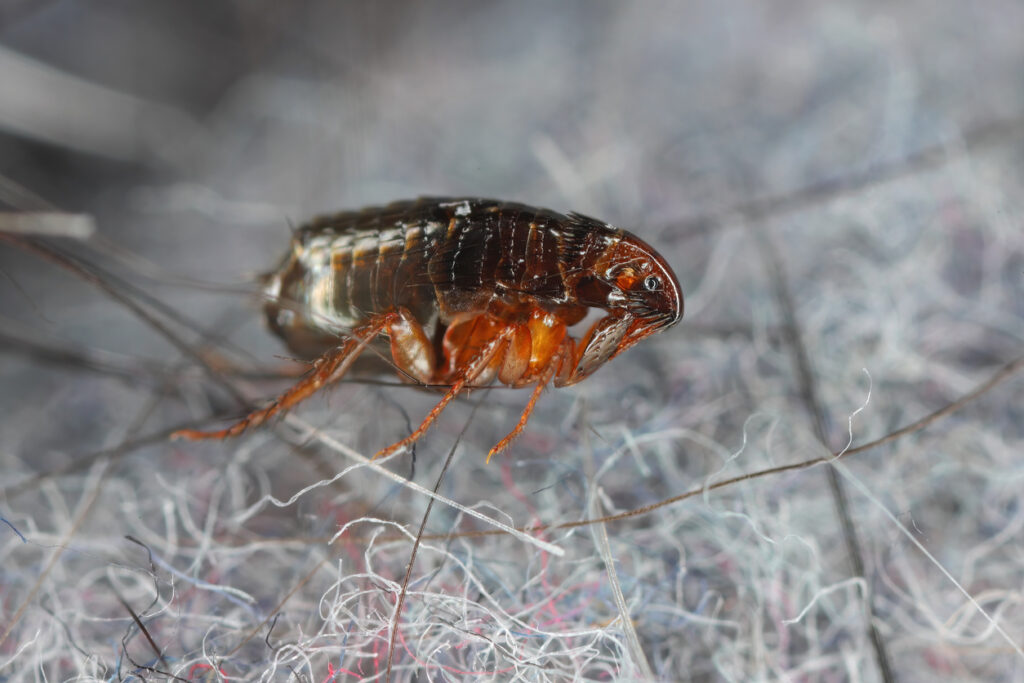
These tiny parasites are less than 3 mm long but can leap up to 18 cm vertically and 33 cm horizontally, which is absolutely ridiculous when you scale it to their size. If a human had the same jumping ability, we’d be able to clear a 90-storey building in one go.
Fleas achieve this through a special protein called resilin in their legs that acts like a spring, storing energy and releasing it explosively. They can perform this jump about 30,000 times without stopping, which they need to do to find new hosts. The acceleration during takeoff is around 100g, which would knock a human unconscious, but fleas are built to handle it.
2. Mountain goats scale nearly vertical cliff faces.

Mountain goats aren’t technically goats, but they’ve got jumping abilities that make them look like they’re defying physics on cliffsides. They can jump up to 3.5 metres in a single bound and land confidently on ledges that are barely wider than their hooves.
Their feet have two toes that can spread apart to improve balance, and the bottom of each hoof has a soft inner pad that grips rock like climbing shoes. They use these skills to reach vegetation and mineral licks on cliff faces where predators can’t follow them. Watching them hop from tiny outcrop to tiny outcrop hundreds of metres above the ground is genuinely nerve-wracking, but they rarely miss their mark.
3. Red kangaroos cover 9 metres in one hop.
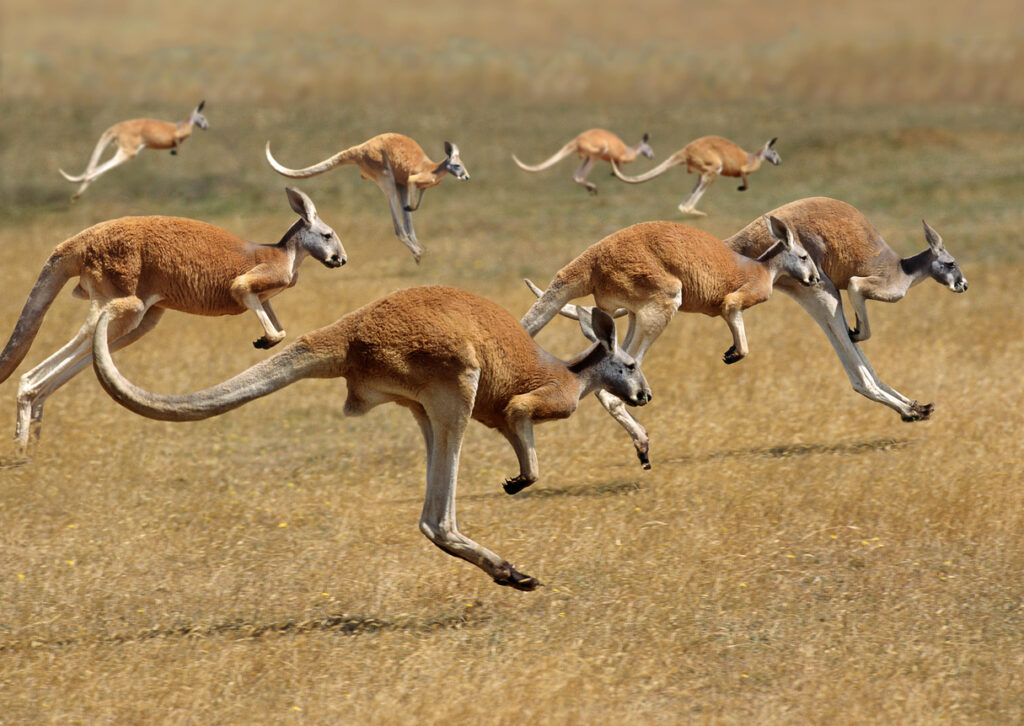
Red kangaroos are the largest marsupials, and they’ve turned hopping into the most efficient way to travel across the Australian outback. They can leap forward 9 metres and reach heights of 3 metres, using their powerful hind legs and thick tail for balance and propulsion.
The faster they go, the more efficient their hopping becomes because they’re basically using their tendons as springs that store and release energy. At full speed, they can hit 56 km/h, which is faster than most predators can sustain. Their tail acts as a fifth leg when they’re moving slowly, and during a jump, it works as a counterbalance to keep them stable in the air.
4. Jumping spiders leap 50 times their body length.

Jumping spiders are tiny hunters that don’t build webs, but instead stalk and pounce on their prey with incredible accuracy. They can jump distances of 50 times their body length, which would be like a human leaping the length of a football pitch.
What’s mental is that they don’t even have special leg muscles like other jumping animals. Instead, they use hydraulic pressure, rapidly increasing the blood pressure in their legs to catapult themselves forward. Before they jump, they attach a silk safety line to wherever they’re standing, so if they miss they can climb back up. Their eight eyes give them excellent depth perception, letting them calculate jumps with remarkable precision even when targeting moving insects.
5. Klipspringers bounce on their tiptoes up rocky terrain.
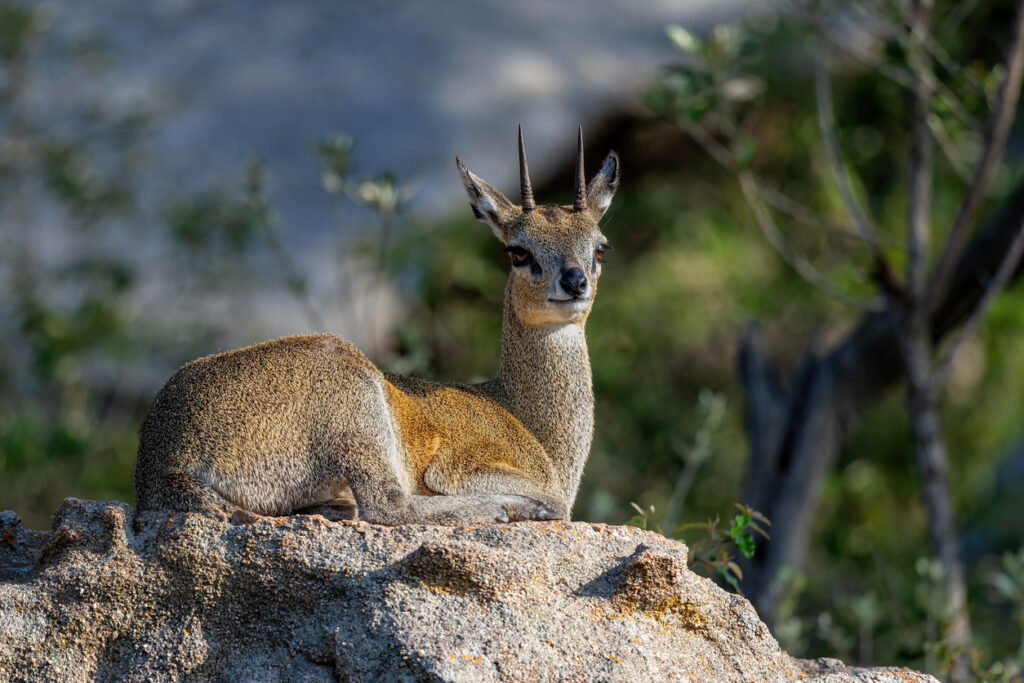
Klipspringers are small African antelopes that live on rocky outcrops and have evolved to be absolute experts at navigating steep, uneven terrain. They can jump 7.5 metres horizontally and spring from rock to rock whilst literally standing on the tips of their hooves, which are specially adapted for gripping smooth stone surfaces. Each hoof is only about the size of a coin, but the rubber-like consistency lets them stick to rock faces that look impossible to climb.
They move in a series of bouncing hops that make them look like they’re on springs, and this method lets them escape predators by going places nothing else can follow. Mating pairs stay together for life and often stand on the same rock for hours, surveying their territory from high vantage points.
6. Snow leopards leap 15 metres across mountain gaps.

Snow leopards live in some of the most extreme mountain terrain on Earth, and they’ve developed jumping abilities that match their environment. They can leap up to 15 metres horizontally across ravines and chasms, and pounce up to 6 metres vertically to catch prey on steep mountainsides.
Their exceptionally long tail, which can be almost as long as their entire body, acts as a counterbalance during these massive jumps and helps them make sharp turns mid-leap. They hunt animals like blue sheep and ibex that are also skilled climbers, so snow leopards need to be even better at navigating cliffs and rocky slopes. Their huge paws act like snowshoes, distributing their weight so they don’t sink into deep snow, which also helps with landing jumps on unstable surfaces.
7. Froghoppers produce more g-force than a space rocket.
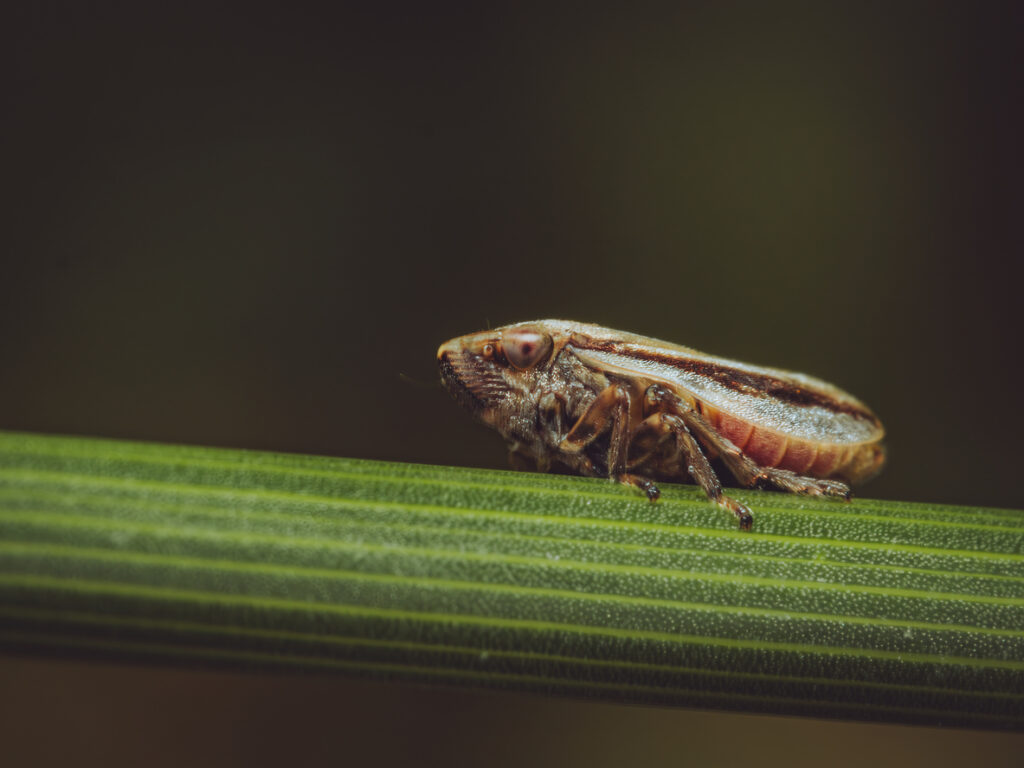
Froghoppers, also called spittlebugs, are tiny insects that can jump 70 cm high despite being only 6 mm long. That’s 100 times their body length, and the acceleration during takeoff reaches over 400g, which is more than any other animal on Earth including fleas.
A space shuttle astronaut experiences around 3G during launch, so froghoppers are dealing with forces that would absolutely destroy a human. They achieve this by using a catapult mechanism in their hind legs that stores energy like a compressed spring and releases it in less than a millisecond. The jump happens so fast that high-speed cameras are needed to see exactly what’s going on. They use these incredible jumps to escape predators and move between plants.
8. Hares reach speeds of 72 km/h in bouncing leaps.

Brown hares are built completely differently to rabbits and their long powerful back legs let them achieve speeds of up to 72 km/h across open ground. They can jump 3 metres high and 4.5 metres forward in a single bound, which they use both for covering distance quickly and for escaping predators. When they’re being chased, hares perform zigzagging leaps that change direction unpredictably, which confuses pursuers and makes them harder to catch.
They can maintain high speeds for much longer than most predators, essentially outrunning things rather than hiding like rabbits do. During mating season, male hares perform “boxing” matches where they stand on their hind legs and jump at each other, which is where the phrase “mad as a March hare” comes from.
9. Dolphins launch themselves 6 metres out of the water.
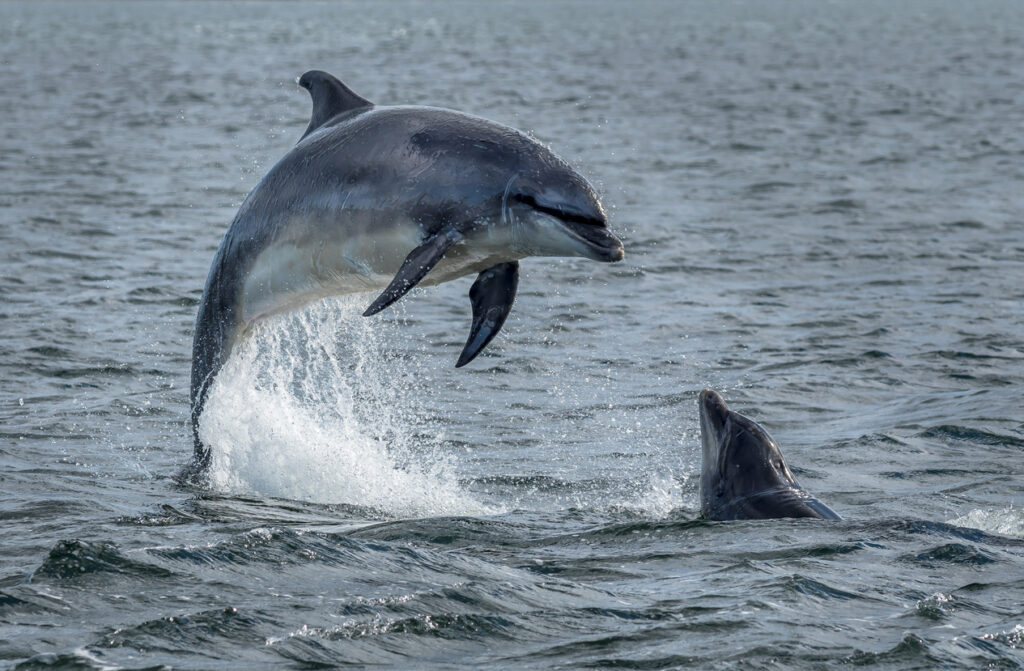
Bottlenose dolphins can leap incredibly high by building up speed underwater and breaking the surface at just the right angle to propel themselves up to 6 metres into the air. They often spin or perform flips before splashing back down, and scientists think they do this for several reasons including communication, removing parasites, and just playing. Dolphins use their powerful tail flukes to generate thrust, and they can reach speeds of 30 km/h underwater before launching.
When they’re travelling, they often leap in and out of the water in a technique called porpoising, which is actually more energy-efficient than swimming at the surface because there’s less resistance in the air. Groups of dolphins will sometimes leap together in coordinated displays that are genuinely spectacular to watch.
10. Tree frogs stick perfect landings on vertical surfaces.
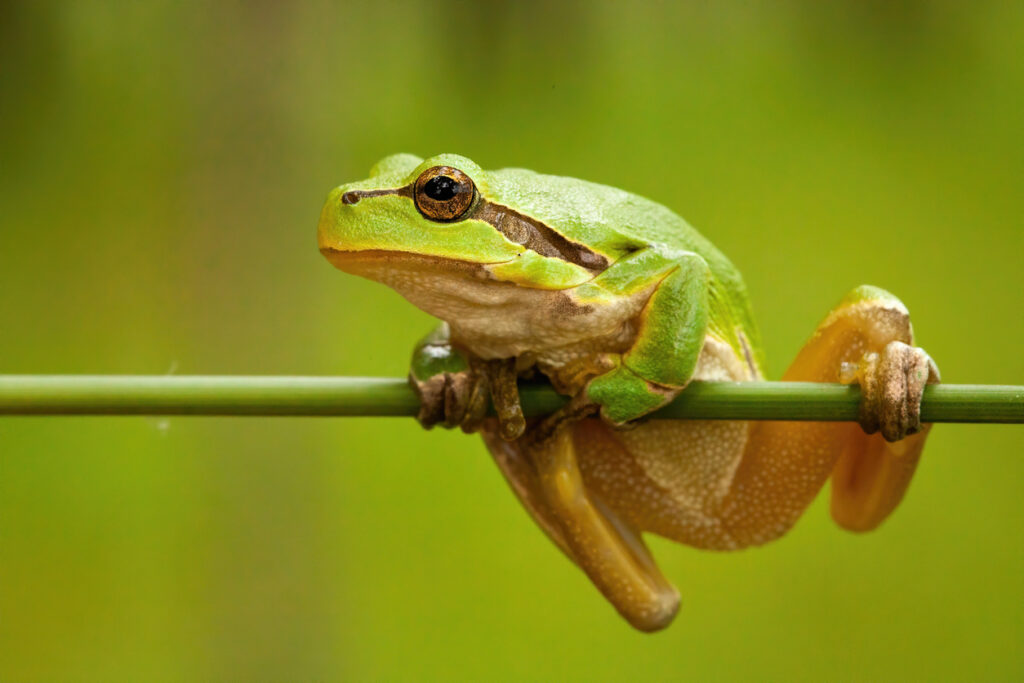
Tree frogs have evolved some of the most impressive jumping and landing abilities in the animal kingdom because they need to navigate through three-dimensional forest environments. Some species can jump 50 times their body length and land precisely on leaves, branches, or even vertical tree trunks without falling.
Their toes have special adhesive pads covered in microscopic hexagonal structures that create friction and slight suction, letting them grip surfaces at any angle, including upside down. They can adjust their body position mid-flight to ensure they hit their target at the right angle, and their lightweight bodies mean they can land on thin branches without breaking them. Different species have evolved different jumping styles depending on whether they live high in the canopy or closer to the ground.