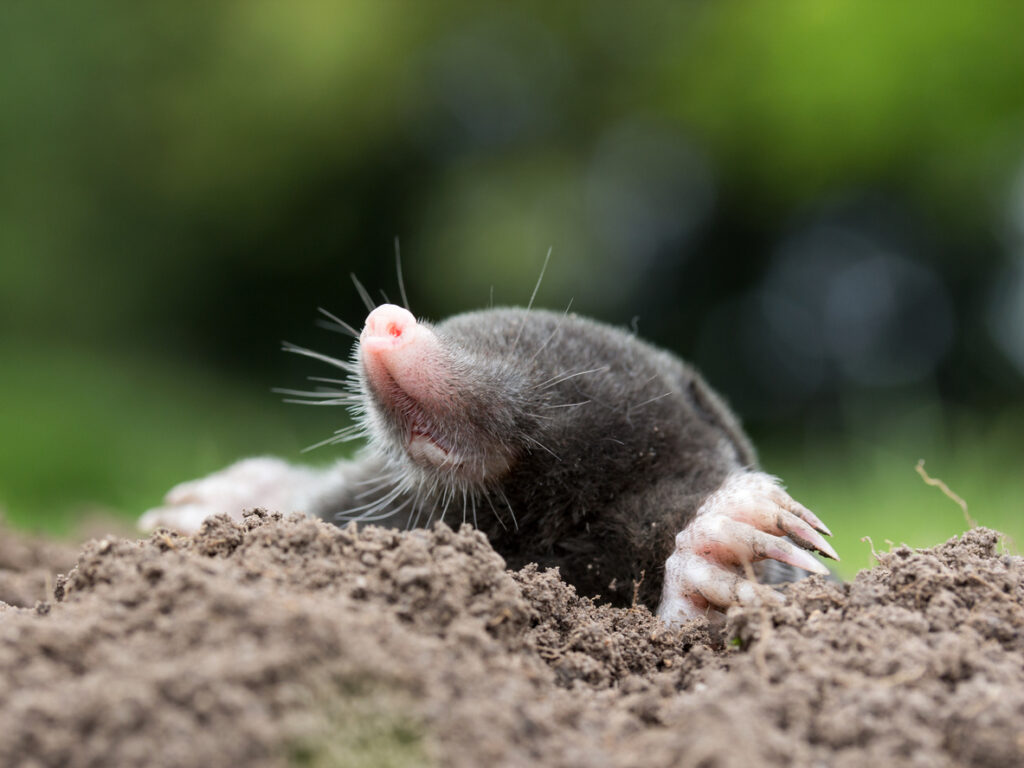
Moles might be small, nearly blind, and spend their entire lives in darkness, but they’re actually some of the most impressive engineers and hunters in the animal kingdom. These tiny powerhouses have turned underground living into an art form, creating sophisticated tunnel systems and dominating their subterranean world with remarkable efficiency and determination.
1. They’re basically living bulldozers with fur.
A mole’s body is perfectly designed for non-stop digging, with massive shoulder muscles that make up about 40% of their total body weight. Their front paws are turned permanently outward like shovels, and their entire skeletal structure is built for pushing through soil with incredible force.
These little digging machines can move through soil at speeds that would make construction equipment jealous. A single mole can dig up to 18 feet (5.49 m) of tunnel in just one hour, which is like a human digging a trench the length of a school bus in the same time.
2. They eat their weight in food every single day.
Moles have such incredibly fast metabolisms that they need to consume 70-100% of their body weight in food every day just to survive. Missing a meal for more than 12 hours can actually kill them, making them some of the most demanding eaters in the animal kingdom.
Their diet consists mainly of earthworms, grubs, and other soil-dwelling creatures that they catch during their constant digging expeditions. A single mole can eat over 200 earthworms in one day, clearing out entire sections of underground real estate of their prey.
3. Their tunnel systems are more complex than city subway networks.
Mole tunnel networks aren’t random holes in the ground — they’re sophisticated underground cities with different levels serving specific purposes. They create shallow hunting tunnels near the surface, deeper main highways for travel, and special chambers for sleeping, food storage, and raising babies.
Some mole tunnel systems can extend over several acres and include multiple levels connected by vertical shafts. These underground networks can take years to complete and often get passed down through generations of moles who inherit and expand the family real estate.
4. They can smell in stereo to track prey underground.

Moles have developed an incredible sense of smell that works almost like echolocation, allowing them to detect and track earthworms and other prey moving through the soil around them. They can actually smell in three dimensions, pinpointing exactly where their next meal is located.
This stereo-smell ability lets them hunt efficiently in complete darkness by following scent trails through the soil. They can detect the chemical signatures of different prey species and even determine which direction an earthworm is moving through their tunnel system.
5. They’re nearly indestructible when it comes to low oxygen.
Living underground means dealing with much lower oxygen levels than surface animals experience, but moles have adapted to thrive in conditions that would quickly suffocate other mammals. Their blood carries oxygen much more efficiently than most animals their size.
Moles can survive in environments with oxygen levels that would be lethal to humans, and they can even survive for hours in completely oxygen-free environments by slowing their heart rate and metabolism. They’re basically the ultimate survivalists of the mammal world.
6. They’re surprisingly fast swimmers despite living underground.
Although they spend their entire lives in soil, moles are excellent swimmers who can navigate flooded tunnels or cross streams when necessary. Their powerful digging muscles work just as well for propelling them through water as they do for moving through dirt.
Some mole species are so comfortable in water that they hunt aquatic prey and can dive several feet deep to catch underwater insects and larvae. They can hold their breath for extended periods and use their sensitive snouts to hunt by touch in murky water.
7. They have built-in GPS systems for navigating in darkness.
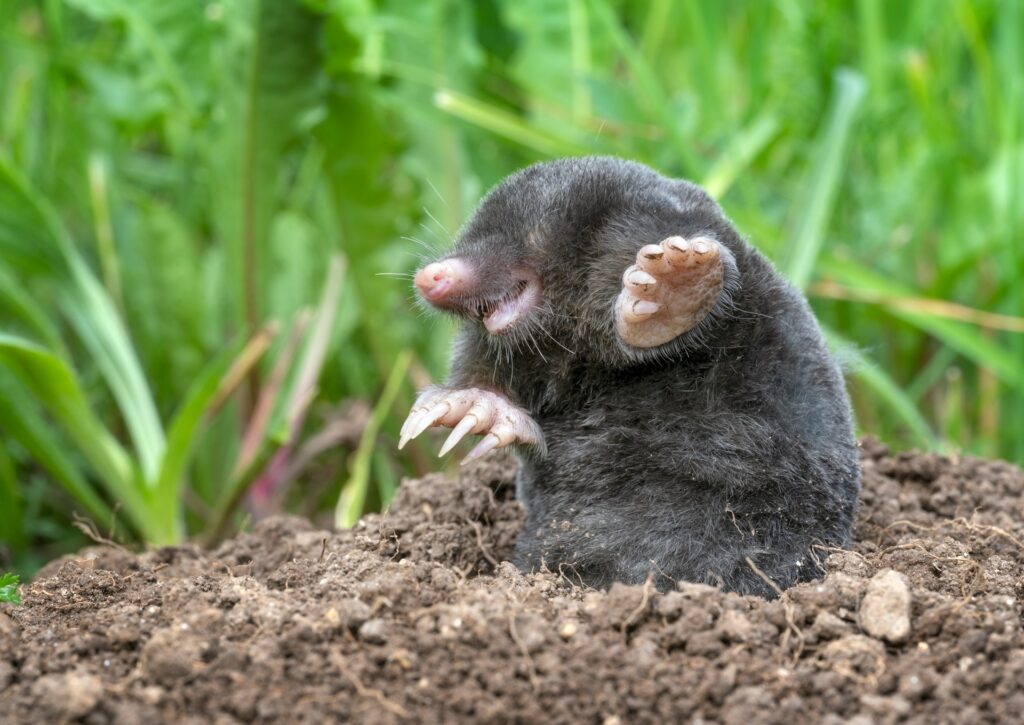
Moles navigate their complex tunnel networks using a combination of magnetic sensing, vibration detection, and spatial memory that rivals the most advanced GPS technology. They can travel through miles of tunnels in complete darkness and never get lost.
Their internal compass system is so accurate that they can return to specific locations within their tunnel network with pinpoint precision. They remember the layout of their territory so well that they can take shortcuts through new tunnels to intercept prey or avoid flooding.
8. They’re territorial warriors who fight to the death over real estate.
Despite their cute appearance, moles are fierce territorial animals who will fight viciously to defend their tunnel networks from intruders. When two moles encounter each other underground, battles can be brutal and often end with one mole becoming dinner for the other.
These underground turf wars are serious business because tunnel systems represent years of hard work and prime hunting territory. Moles will chase intruders through their tunnels at high speeds, engaging in wrestling matches that can last for hours until one gives up or dies.
9. They can detect earthquakes and other ground vibrations from miles away.
Moles are incredibly sensitive to ground vibrations and can detect footsteps, machinery, and even small earthquakes from remarkable distances. Their entire bodies work like living seismographs, picking up vibrations through their tunnels and the surrounding soil.
Their vibration-sensing ability helps them avoid predators digging from above, detect the movement of prey animals, and even predict weather changes that might flood their tunnels. They’re basically living early warning systems for underground activity.
10. They stockpile live worms like underground farmers.
Moles don’t just catch and eat their prey immediately — they often capture earthworms alive and store them in special larder chambers for later consumption. They bite the worms to paralyse them without killing them, keeping their food fresh for days or weeks.
Some mole larders have been found containing hundreds of live, paralysed earthworms stored like canned goods in underground pantries. That food storage system helps them survive during harsh weather or when prey is scarce, showing remarkable planning abilities for such small animals.
11. They can reverse direction in tunnels faster than you can blink.
Moles have developed the ability to flip around in narrow tunnels almost instantaneously, allowing them to change direction without needing to back up or find wider spaces. Their flexible bodies and specialised joints make their lightning-fast manoeuvring possible.
This quick-change ability is crucial for escaping predators, chasing prey, or avoiding flooded sections of their tunnel networks. They can literally run backward through tunnels almost as fast as they can run forward, making them incredibly elusive underground.
12. They’re basically immune to carbon dioxide poisoning.
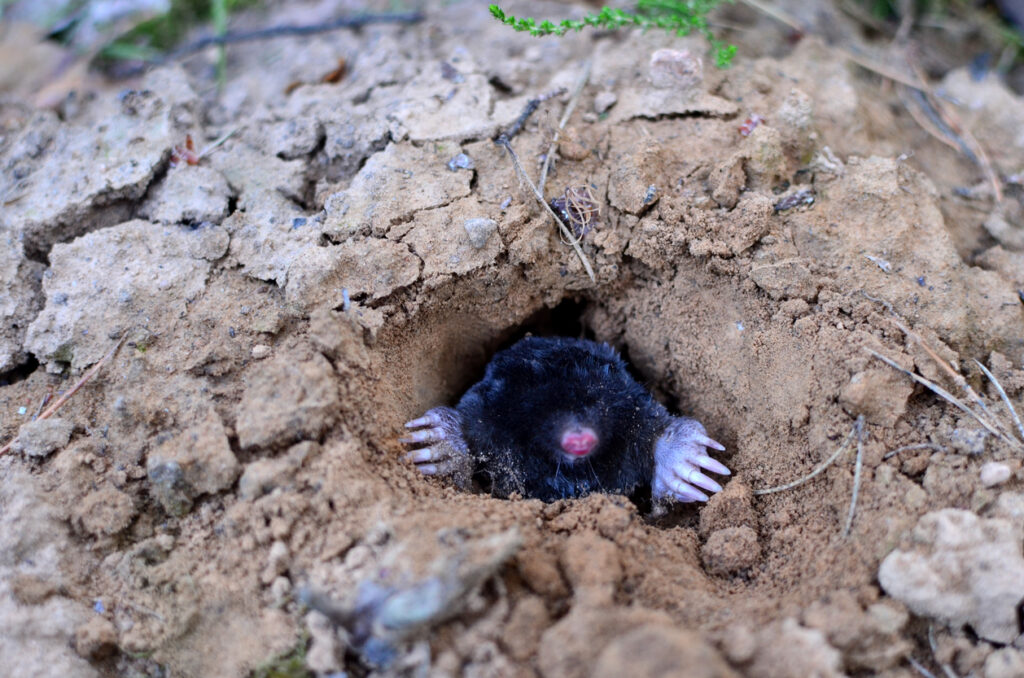
The air in underground tunnels contains much higher levels of carbon dioxide than surface air, but moles have adapted to handle concentrations that would quickly kill most other mammals. Their respiratory systems are specially designed to function efficiently in high CO2 environments.
This adaptation allows them to work and live in conditions that would be toxic to other animals, giving them exclusive access to underground habitats. They can even survive in flooded tunnels by breathing the small air pockets that get trapped against tunnel ceilings.
13. They reshape entire ecosystems from below ground.
Mole activity has profound effects on soil health, plant growth, and overall ecosystem balance in ways that most people never realise. Their constant tunnelling aerates soil, improves drainage, and brings nutrients from deeper soil layers to the surface where plants can access them.
A single mole’s territory can contain over 200 yards of tunnels that improve soil structure across several acres of land. Their pest control services also benefit gardens and farms by consuming huge quantities of grubs and other insects that damage plant roots.