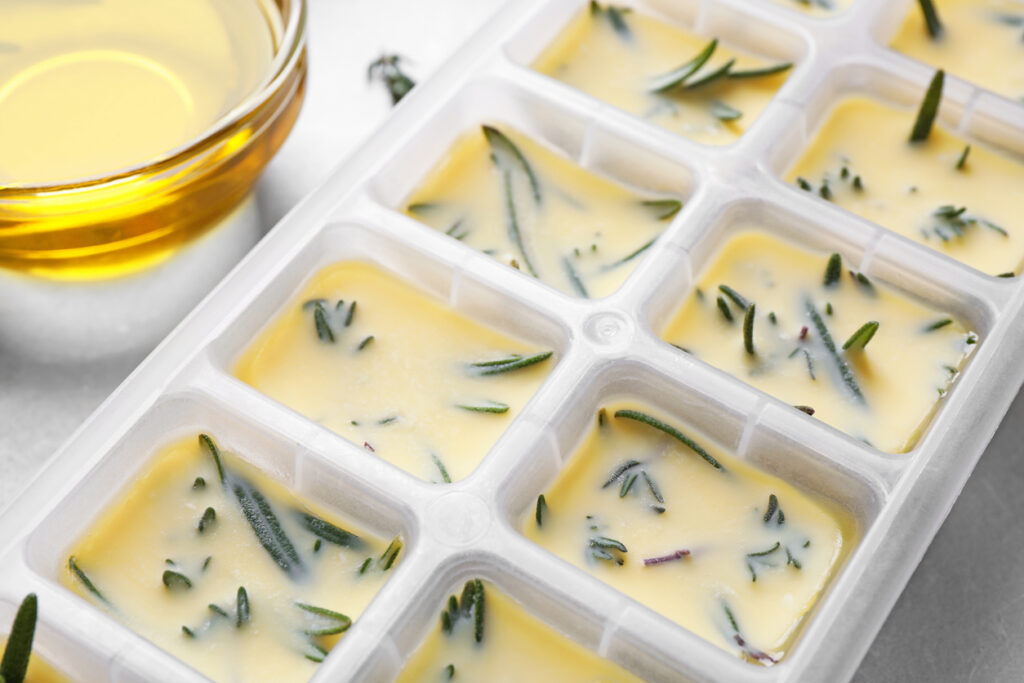
Fresh herbs are brilliant for flavour, but they rarely last as long as we want them to. Storing them in ice cubes is one of the simplest tricks to keep them useful long after they would normally wilt. With a little preparation, you can have months of ready-to-use flavour on hand. Here are 10 practical tips for freezing herbs in ice cubes effectively. This way, you’ve always got some to hand when making an impromptu recipe.
1. Choose the right herbs.
Some herbs freeze beautifully, while others struggle. Woody types such as rosemary, thyme, oregano, and sage hold their flavour and texture well because their leaves are sturdier. More delicate herbs, like basil, coriander, or parsley, can darken or lose some punch unless they’re frozen in oil or butter rather than plain water.
Knowing which herbs respond best saves time and prevents wasted effort. You can still freeze soft herbs, but adjusting how you prepare them ensures they retain their character. Matching the method to the herb makes the cubes far more reliable and flavourful when you use them later.
2. Wash and dry thoroughly.
Rinsing herbs under cool water removes any soil, pesticides, or dust, which is important before freezing. Skipping this step means dirt and bacteria could end up locked inside the cubes, and that can shorten storage life or affect taste. Clean herbs also freeze more evenly and look fresher once thawed.
Drying is just as vital. Excess water forms ice crystals that dilute the flavour and make cubes cloudy. Lay herbs on a clean tea towel, gently pat them dry, and give them a few minutes to air-dry before chopping. This simple habit makes a big difference to quality.
3. Chop before freezing.
Leaving herbs whole might seem quicker, but it makes them harder to use once frozen. Large leaves can clump together or turn tough, while chopped herbs distribute flavour far more evenly. Cutting them into small pieces before freezing saves hassle later when you are cooking.
Finely chopping also helps pack more into each cube, giving you stronger flavour in a small portion. When you drop a cube into a sauce or stew, the herbs melt in smoothly without needing further preparation, which makes cooking quicker and more enjoyable.
4. Pick your freezing liquid.
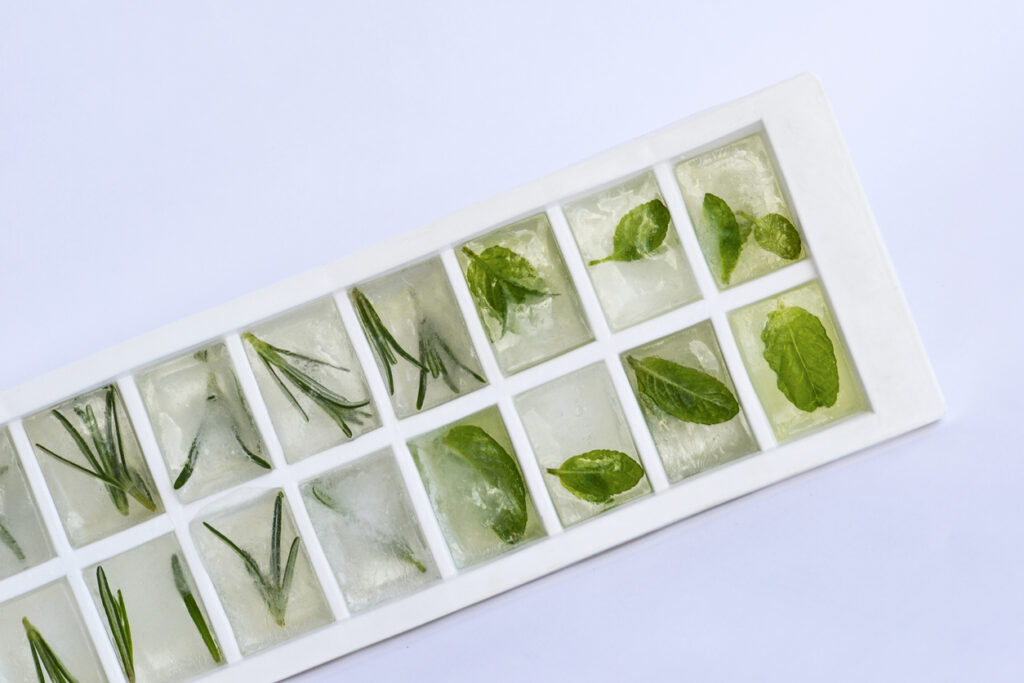
The liquid you choose has a big effect on the end result. Freezing in water is simple and versatile, yet it can sometimes blunt delicate flavours. Oil, such as olive or rapeseed, locks in the aroma and makes herbs more useful for frying or roasting. Melted butter adds richness, perfect for sauces or finishing vegetables.
You can also use stock if you want to create savoury cubes ready for soups and stews. Choosing the right liquid is about matching storage to your cooking style. Having a mix of water-based and oil-based cubes in the freezer gives you options for different dishes.
5. Use the right tray.
Ice cube trays come in different shapes and sizes, and picking the right one makes freezing easier. Standard trays work for general cooking, but mini-cubes give you flexibility if you only need a small burst of flavour. Larger trays create cubes that suit slow-cooked meals or roasts where you want a stronger presence.
Silicone trays are the easiest to use because cubes pop out without cracking. They also withstand repeated use and clean up quickly. Investing in a couple of trays in different sizes means you can store herbs in the portions that suit your everyday cooking.
6. Label carefully.
Once frozen, most herbs look alike, especially when chopped finely. Without labels, you could easily mix up parsley with coriander or thyme with oregano. That confusion can throw off a dish, particularly when the flavours are strong and distinctive.
A permanent marker on freezer bags or a strip of masking tape on containers works well. Include both the herb name and the date you froze it. Clear labelling makes it quick to find what you need, and it reminds you to use older cubes before flavour starts fading.
7. Freeze in stages.
Herbs often float to the top of cubes if you fill the tray and freeze in one go. The result is uneven, with herbs concentrated on one side. Freezing in stages prevents this by keeping herbs suspended throughout the cube, which makes them more useful in cooking.
Start by filling trays halfway with liquid and herbs, then freeze until firm. Top up with more liquid and return to the freezer. The extra step takes a little longer but produces cubes that are neat, balanced, and easier to use in a variety of dishes.
8. Store properly once frozen.
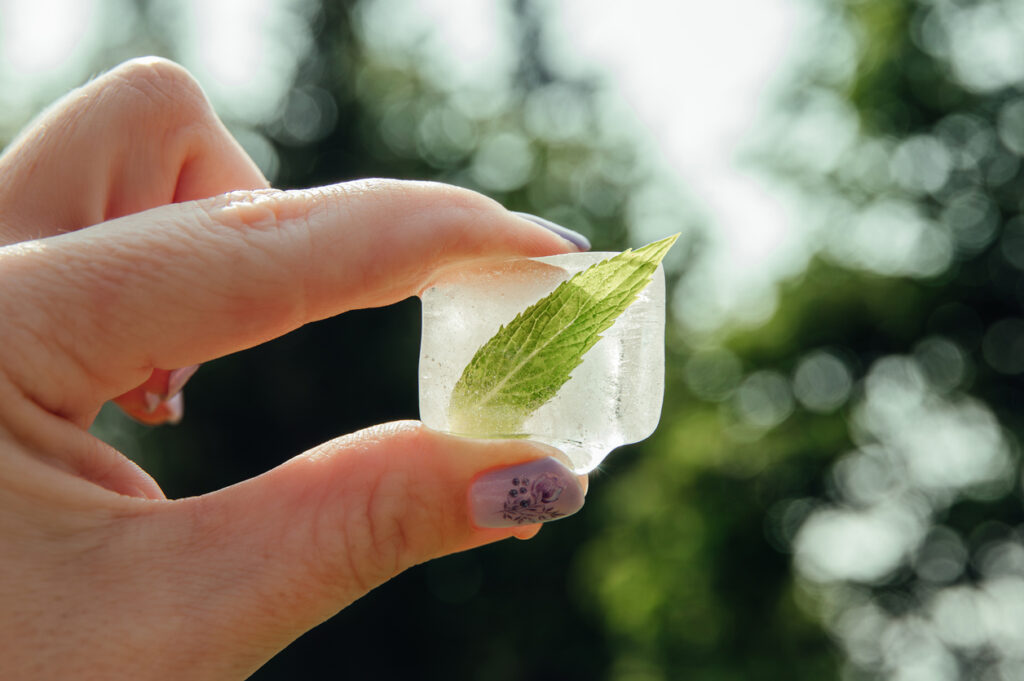
Leaving herbs in trays is fine for a day or two, but long-term storage requires more care. Freezer air causes burn and frost build-up if cubes are left exposed. Once frozen solid, transfer cubes into freezer bags or airtight containers to keep them fresh and compact.
Pressing out as much air as possible before sealing prevents ice crystals forming and preserves flavour for longer. Stacking neatly in labelled bags also saves freezer space and makes it easy to grab the cubes you need without rummaging through trays.
9. Know how long they last.
Frozen herb cubes are best used within three to four months. After that, they’re still safe, but the flavour begins to fade, and delicate herbs lose vibrancy more quickly. Sticking within this time frame ensures you get the most out of each batch.
Dating your bags or containers helps track freshness. Building the habit of rotating older cubes to the front of the freezer makes sure nothing is forgotten. This way you always have a reliable supply of flavour at its best.
10. Drop straight into dishes.
The real benefit of herb ice cubes is their convenience. There is no need to defrost them separately; you can drop them directly into soups, sauces, stews, or roasting trays. As they melt, the herbs release flavour evenly, saving you time in preparation.
Keeping a mix of cubes ready to go means you can add depth to meals instantly. Whether you are making a quick pasta sauce, seasoning roasted vegetables, or finishing a casserole, herb cubes turn leftover greens into effortless bursts of freshness whenever you need them.