It sounds like the stuff of science fiction, but extinction-level events are more than just Hollywood plots.
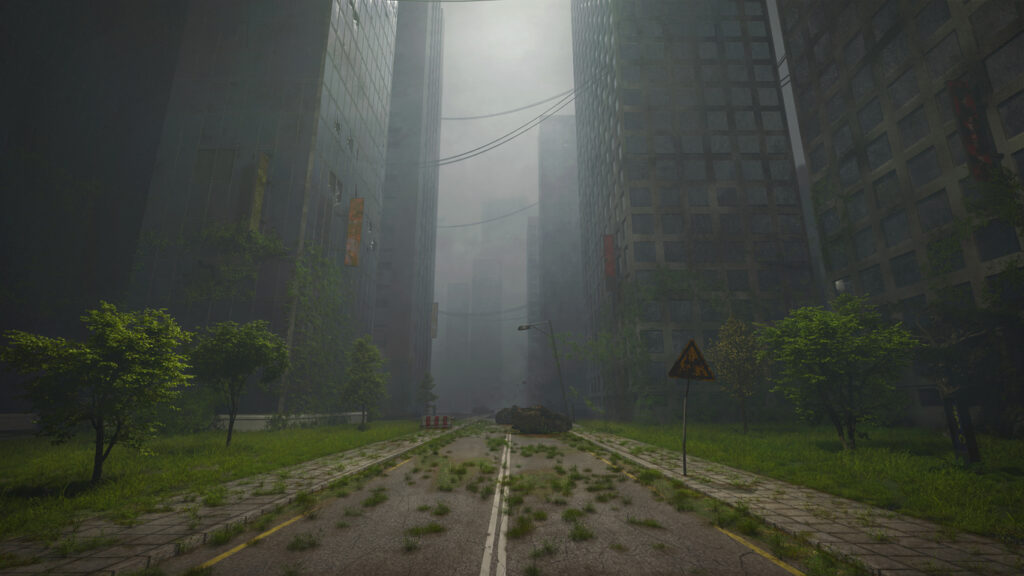
Earth has faced several brushes with annihilation over the millions of years it’s been in existence, and not all of them are safely in the past. From cosmic chaos to man-made disasters, here are some of the scariest ways life on Earth could end, along with how close we’ve actually come. While they’re unlikely to happen in our lifetimes (fingers crossed!), they certainly could.
1. Asteroid impact
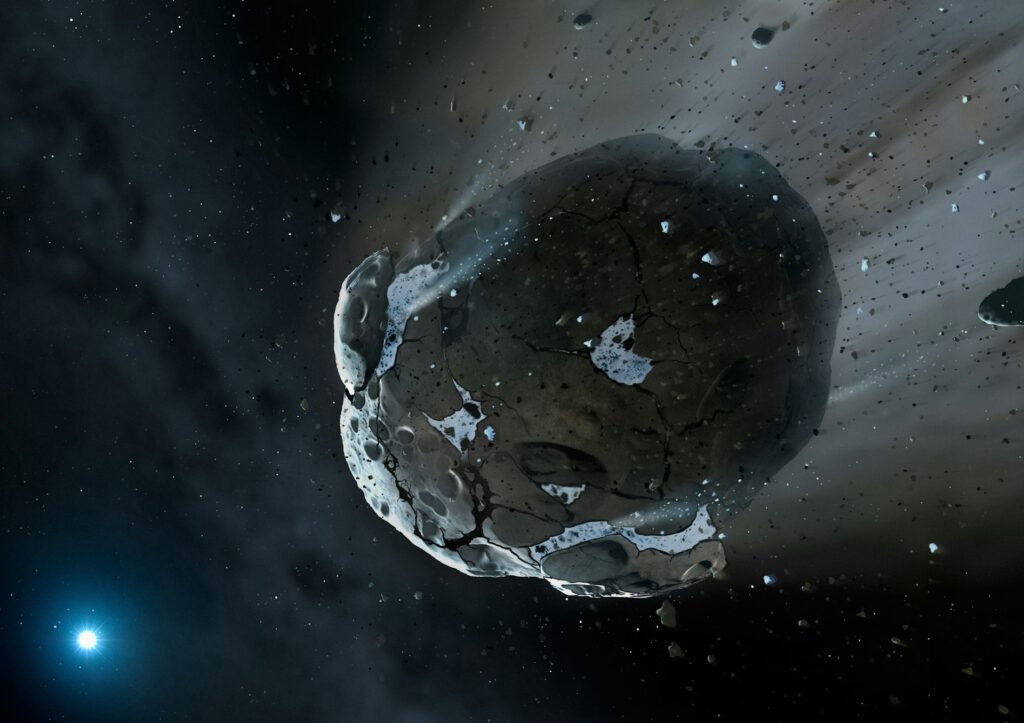
It’s the classic scenario. A massive space rock slams into the planet, throwing up dust, starting wildfires, and triggering a “nuclear winter.” It’s not just a theory, either. We have solid evidence that this is how the dinosaurs were wiped out 66 million years ago.
NASA and ESA now monitor thousands of near-Earth objects through planetary defence programmes. In 2022, NASA’s DART mission even successfully nudged an asteroid off course—proof we might be able to prevent a repeat. But we’re still finding new asteroids all the time, and a big one with Earth in its sights could change everything overnight.
2. Supervolcano eruption
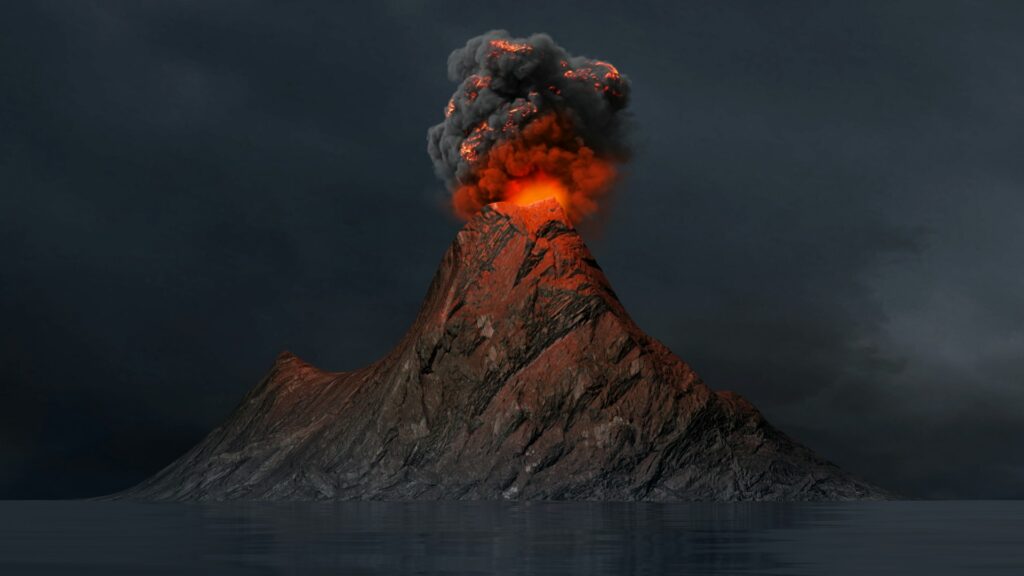
Yellowstone, Toba, Campi Flegrei—these aren’t your average volcanoes. Supervolcanoes don’t erupt often, but when they do, it’s catastrophic. A major eruption could spew ash and gases into the stratosphere, blocking sunlight and collapsing agriculture worldwide.
The last known super-eruption, from Toba in Indonesia around 74,000 years ago, may have caused a near-extinction of early humans. Scientists still debate the scale of the damage, but the potential is real—and some volcanoes are due. We’re not great at predicting when they’ll blow, either.
3. Nuclear war
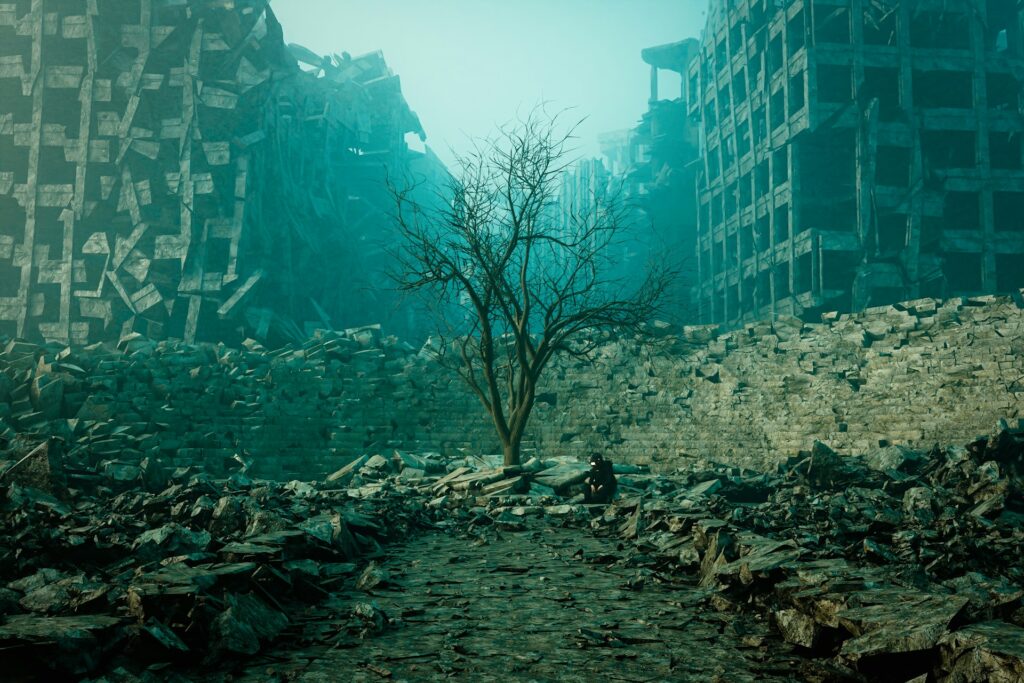
We’ve come alarmingly close before. The Cuban Missile Crisis in 1962 nearly kicked off a full-scale nuclear exchange, and there have been other near-misses due to faulty warnings or miscommunication. If multiple nuclear powers exchanged weapons today, it would not only kill millions instantly—it could create a “nuclear winter,” where sunlight is blocked for months, collapsing ecosystems.
Even a limited exchange between two countries could have devastating global consequences. Nuclear war remains one of the few extinction threats that’s entirely within human control, and we still haven’t eliminated the risk.
4. Climate collapse
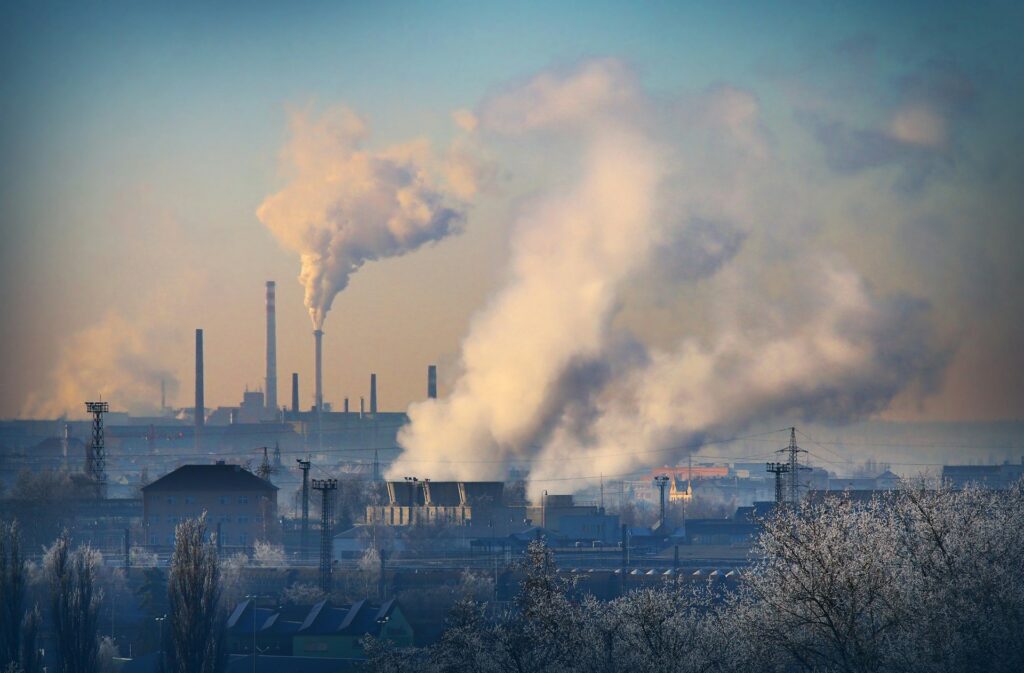
This one isn’t sudden, but it’s slow and deadly. Climate change is already reshaping the planet, and unchecked, it could eventually render large parts of Earth uninhabitable. Sea level rise, extreme weather, droughts, and ecosystem collapse could trigger mass migration, conflict, and famine.
Scientists say we’re likely to pass 1.5 °C of warming in the next decade. Beyond 2 °C, tipping points like ice sheet collapse or rainforest dieback could accelerate the crisis. The threat is real, and we’re edging closer by the year.
5. Global pandemic

COVID-19 showed how fast a novel virus can spread and disrupt the world. But it wasn’t the worst-case scenario. A more lethal, more transmissible pathogen, especially one that jumps species or is engineered, could do far more damage.
The 1918 flu killed an estimated 50 million people. Experts warn we’re still vulnerable, particularly with antibiotic resistance on the rise and high-speed global travel connecting every corner of the world. Next time, we might not get off so lightly.
6. Artificial intelligence gone wrong
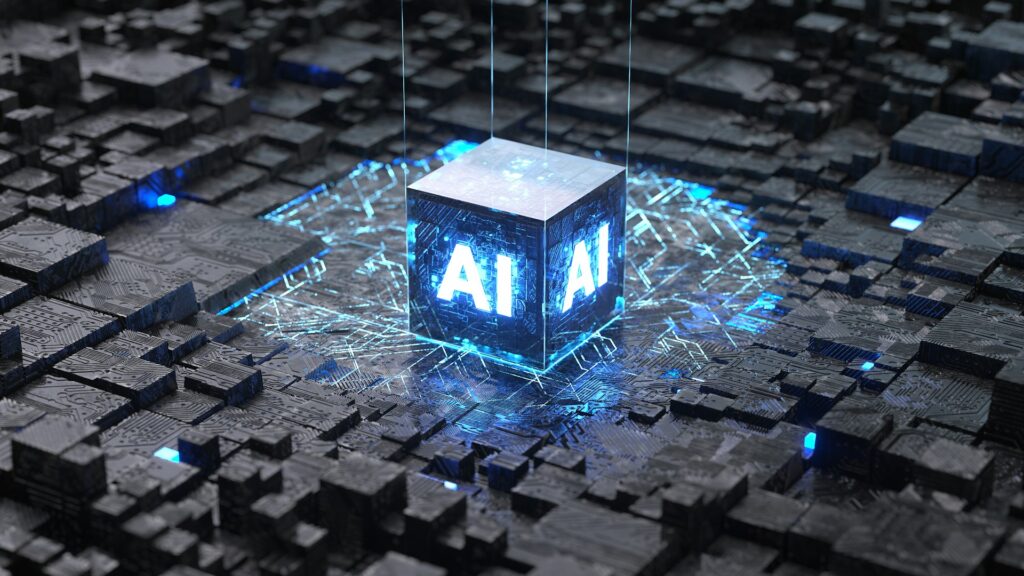
AI has massive potential, but experts from Stephen Hawking to current researchers at OpenAI and DeepMind have warned about risks. If we lose control of a powerful AI, or if it’s programmed with goals that conflict with human survival, it could pose an existential threat.
We’re still in early days, but progress is rapid. The debate isn’t just about killer robots; it’s about systems making decisions too fast for us to correct, or manipulating us in ways we don’t understand. It’s not Terminator. It’s slow, subtle, and possibly irreversible.
7. Gamma-ray burst
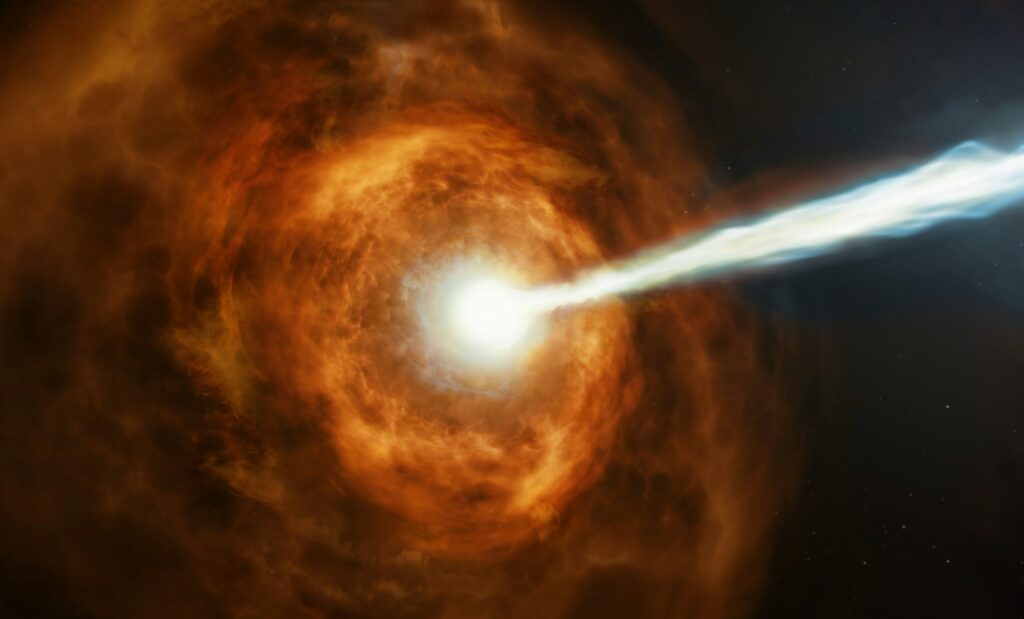
Rare but terrifying, a gamma-ray burst is an intense beam of radiation from a collapsing star. If one hit Earth from close enough, it could strip away the ozone layer and expose the planet to deadly UV radiation, wiping out most life.
These bursts happen in other galaxies all the time. We haven’t seen one pointed our way, but astronomers believe it’s happened in Earth’s deep past, possibly contributing to mass extinctions. It’s a cosmic roll of the dice.
8. Runaway AI biotech

Gene editing is revolutionising medicine, but it’s also raising serious biosecurity concerns. With tools like CRISPR, it’s possible to create viruses or bacteria that are deadlier and harder to detect. The combination of AI and biotech could accelerate this risk.
A malicious actor, or even a well-intentioned mistake, could unleash a synthetic organism that spreads rapidly or behaves unpredictably. Unlike nuclear weapons, this kind of threat doesn’t require a nation-state. That makes it harder to detect, regulate, or stop.
9. Ecosystem collapse
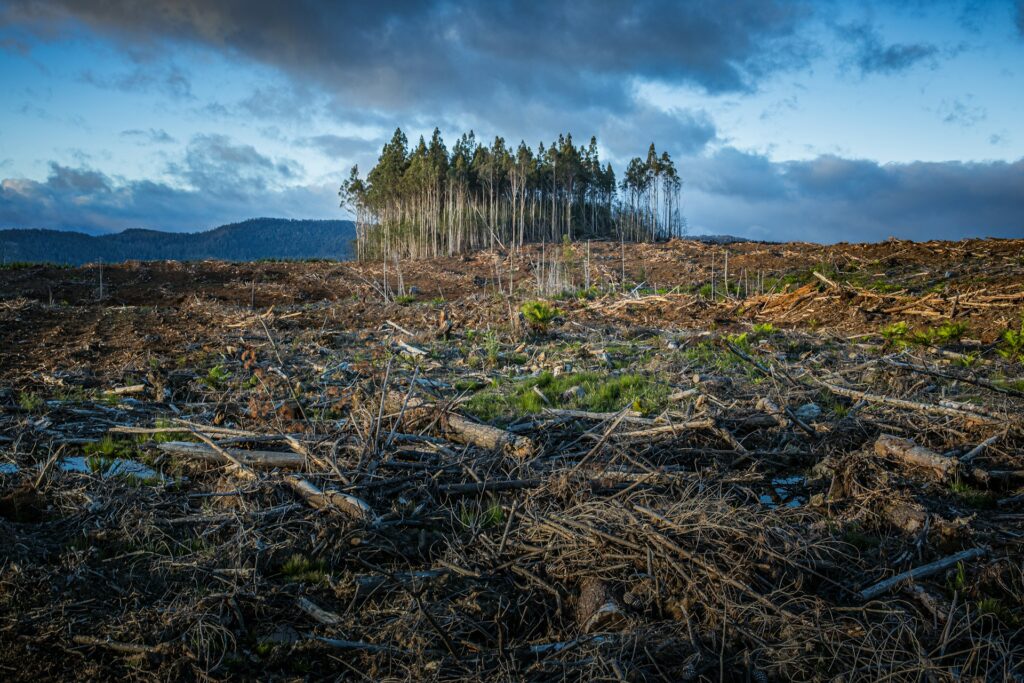
It’s not always the flashy disasters that end things. Sometimes, it’s the slow unravelling of life-support systems. Ocean acidification, pollinator loss, overfishing, and deforestation are weakening ecosystems that we rely on for food, water, and air.
We’ve already pushed some ecosystems past the point of no return. Coral reefs, for example, are bleaching at unprecedented rates. If enough of these systems collapse, the domino effect could make the planet increasingly inhospitable—not just for wildlife, but for us.
10. The Sun misbehaving
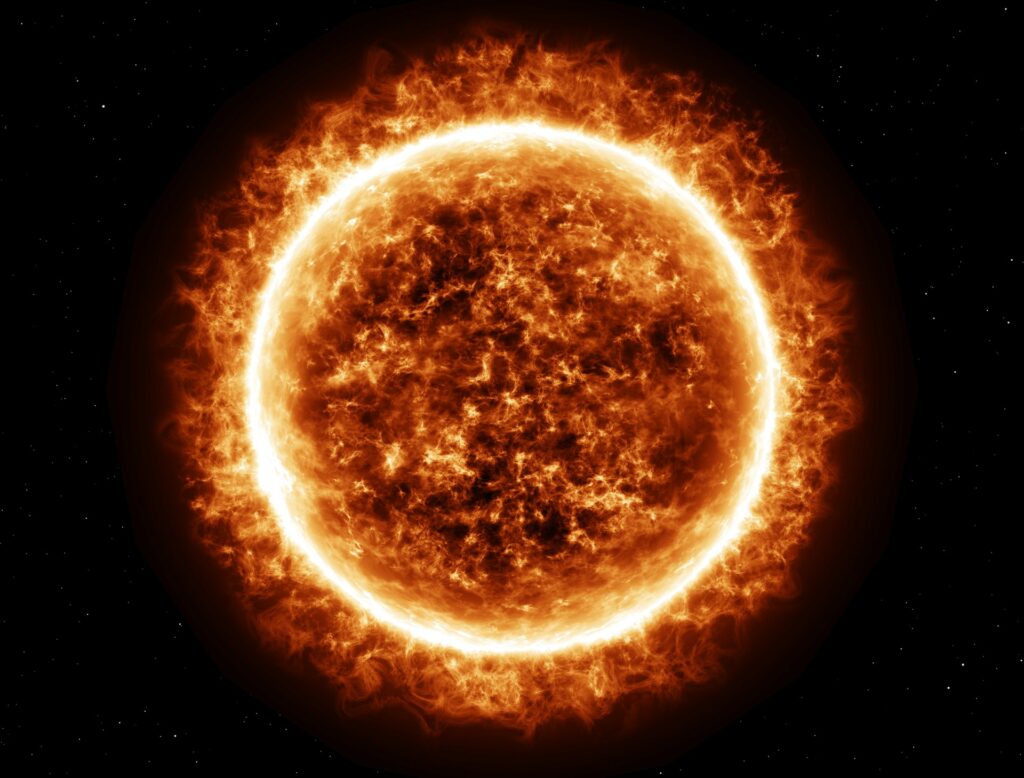
The Sun isn’t just a life-giver—it’s a potential threat. A powerful solar flare or coronal mass ejection could fry satellites, disable power grids, and crash global communications. In 1859, the Carrington Event caused massive electrical disruptions. If it happened today, damage would run into the trillions.
Over longer timescales, the Sun’s gradual brightening will eventually boil Earth’s oceans. But even before that, a rogue solar event could knock us back centuries in a single day.