Dinosaurs capture our imagination, but not all the theories about them have stood the test of time.
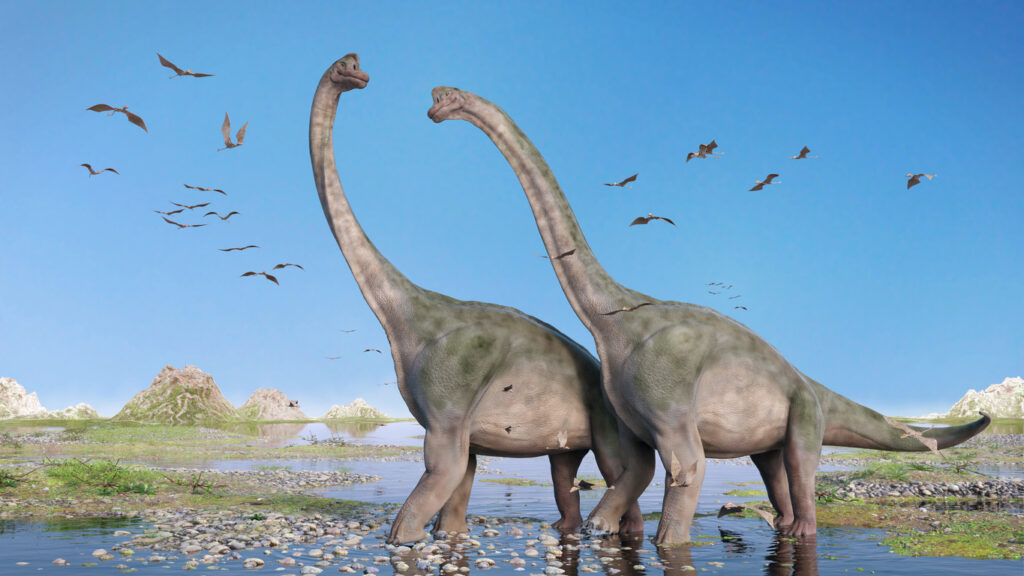
Science has corrected many of the myths once taught as fact. This has only been possible with the discovery of more fossils and other traces of these Jurassic giants, and the more we learn, the more fascinating they become. Here are 12 of the most outdated ideas about how dinosaurs lived that we’ve now proven to be false.
1. Dinosaurs were sluggish and cold-blooded.
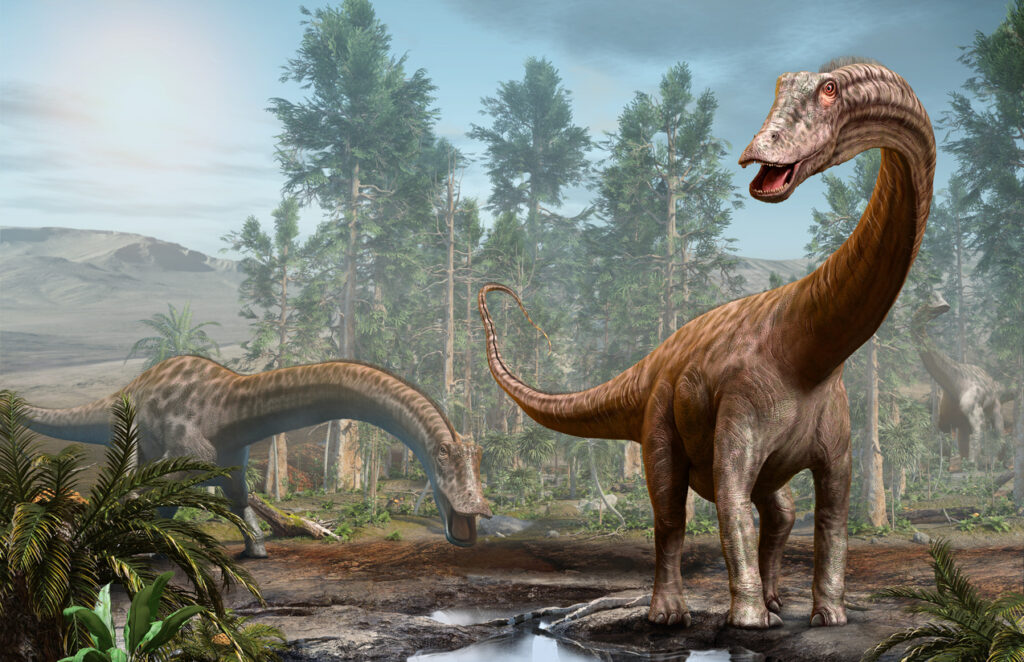
For decades, dinosaurs were thought to be lumbering, reptile-like creatures with slow metabolisms. Early depictions showed them as swamp-dwellers that barely moved and relied solely on external heat to survive.
Modern research shows many dinosaurs were active and warm-blooded, with metabolisms closer to birds than lizards. Fossil evidence of rapid growth and active lifestyles has completely overturned the sluggish stereotype.
2. Dinosaurs dragged their tails on the ground.
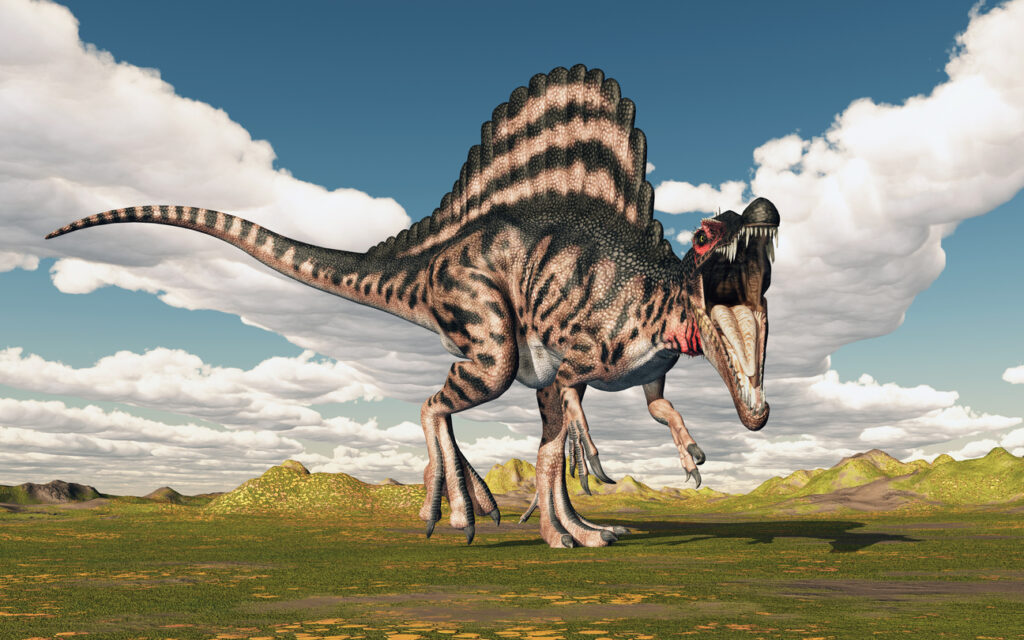
Old museum displays often showed dinosaurs with tails dragging behind them like giant lizards. This theory suggested tails were useless and simply trailed along as they moved. Trackway evidence proves otherwise. Dinosaurs held their tails aloft for balance, especially when running. The idea of tail-dragging has been replaced by a much more dynamic view of how they carried themselves.
3. All dinosaurs lived in swamps.

Early palaeontologists imagined dinosaurs as too heavy to walk on land, so they must have wallowed in swamps to support their weight. This was once the common explanation for their survival. Fossil finds across deserts, plains, and forests show they thrived in diverse environments. They adapted to many climates, proving they weren’t restricted to watery swamps at all.
4. Dinosaurs were evolutionary failures.
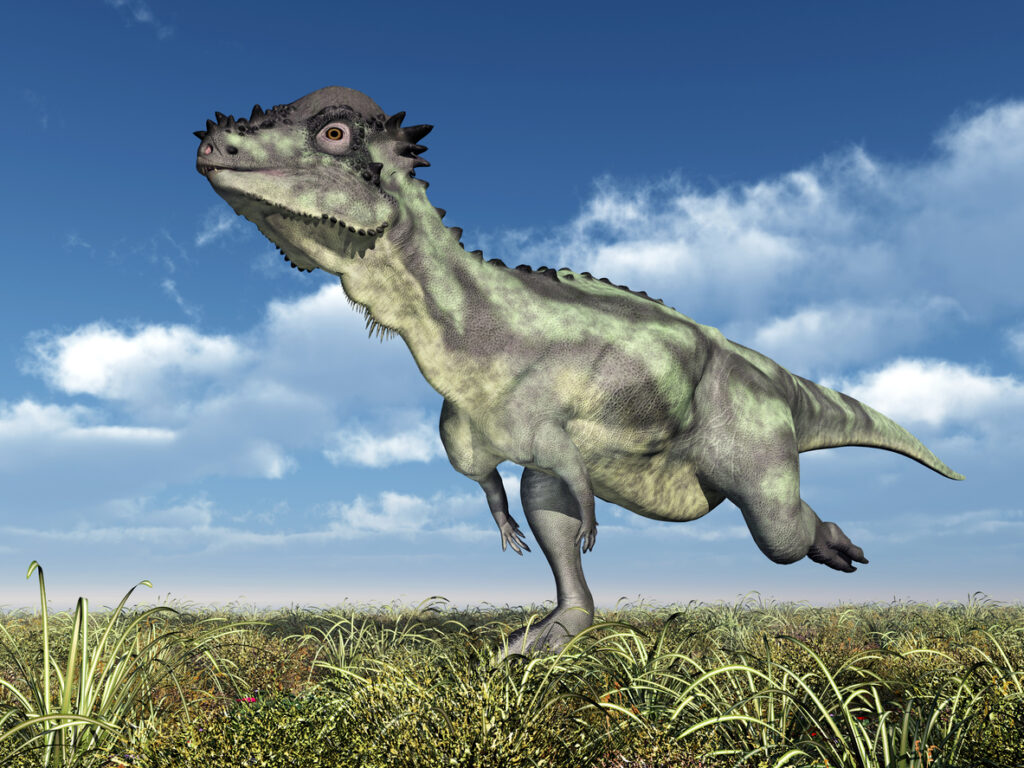
Because they went extinct, dinosaurs were once labelled as evolutionary dead-ends. The belief was that they were poorly adapted and couldn’t compete with more “advanced” species. We now know they thrived for over 165 million years, far longer than humans have existed. Their long reign shows they were highly successful, not failures.
5. Dinosaurs were scaly and drab-coloured.
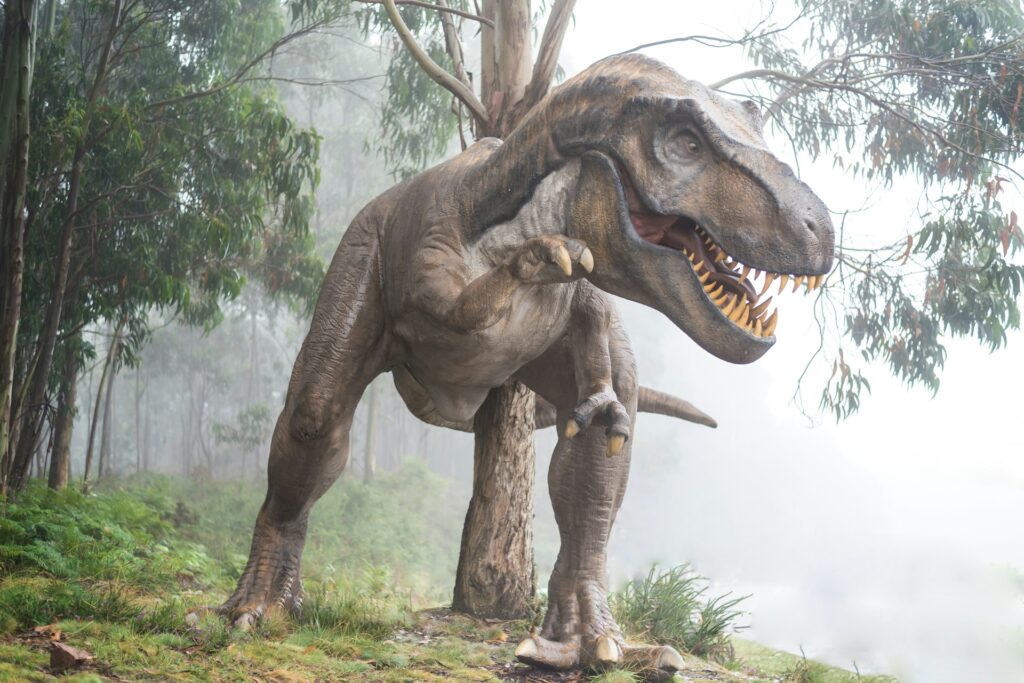
For years, dinosaurs were reconstructed with dull, lizard-like scales. The idea was that they blended into their environment with muted colours and simple textures. Fossil evidence of feather impressions has overturned this view. Many species had feathers and vibrant colours, suggesting dinosaurs were more diverse and visually striking than we ever imagined.
6. Dinosaurs weren’t related to birds in any way.

For a long time, birds were thought to be completely separate from dinosaurs. Theories treated them as unrelated creatures that evolved independently after the dinosaurs disappeared. Now, it’s widely accepted that birds are direct descendants of theropod dinosaurs. This connection has transformed our understanding of how dinosaurs lived and what traits they passed on.
7. Dinosaurs couldn’t run fast.
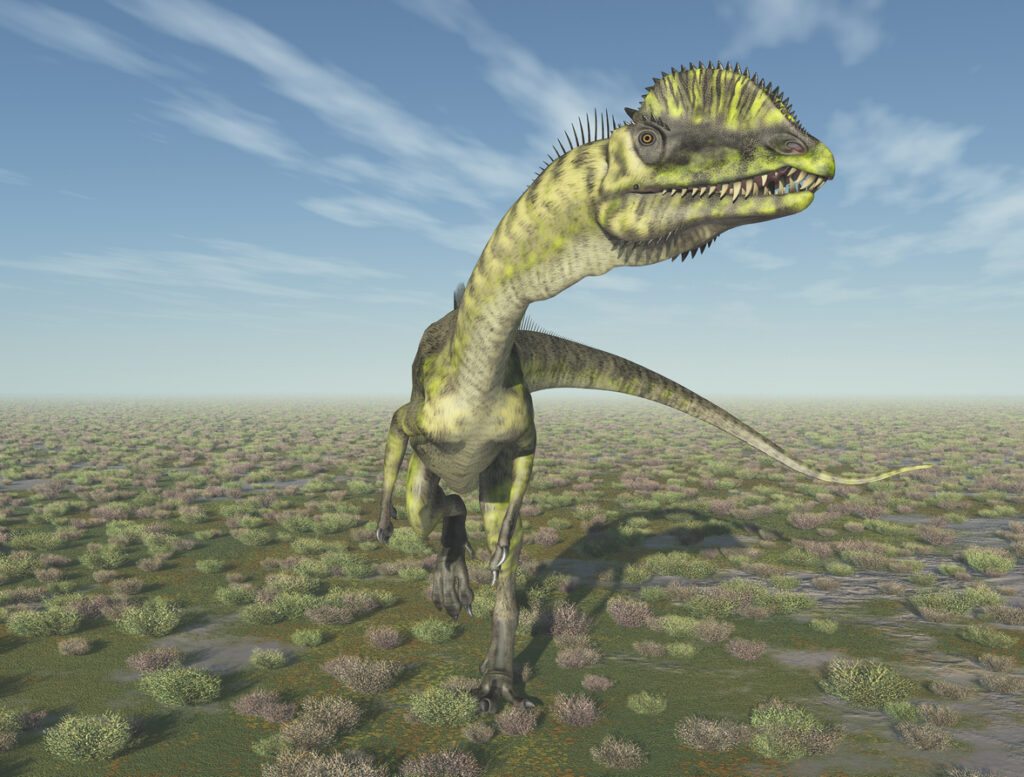
Some scientists once believed dinosaurs were too large and clumsy to run quickly. Early reconstructions made them look stiff and incapable of chasing prey or escaping predators. Fossilised trackways and biomechanical studies prove otherwise. Species like Velociraptor and Ornithomimus were swift and agile, capable of high speeds that helped them hunt and survive.
8. All dinosaurs were giants.
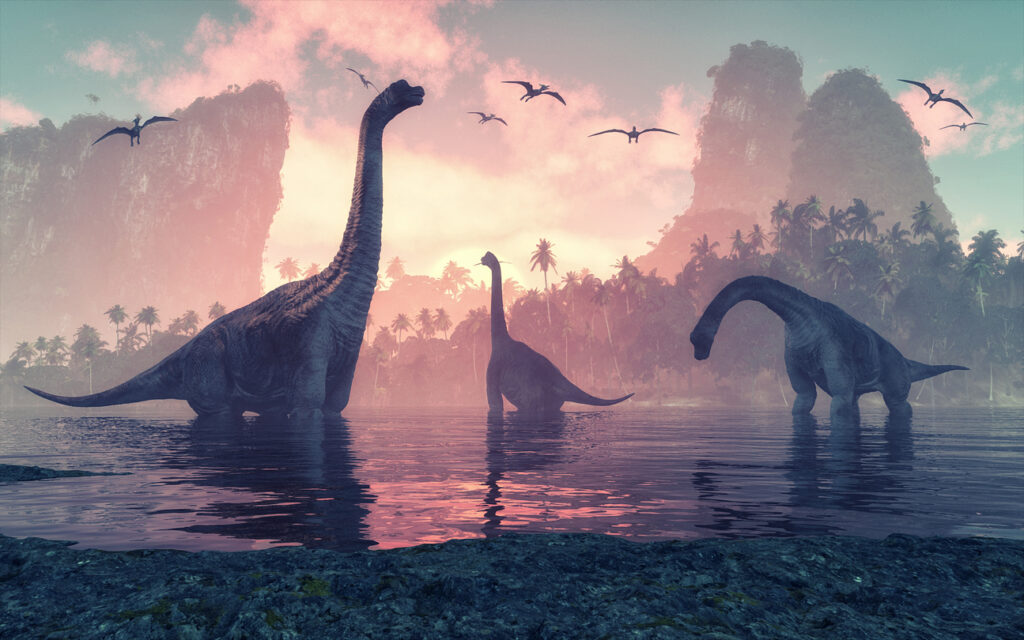
Dinosaurs were once depicted almost exclusively as towering monsters. This fed the idea that their sheer size was their defining characteristic, with little room for variation. Discoveries of smaller species prove this wrong. Dinosaurs came in many sizes, from chicken-sized feathered predators to massive sauropods, showing they were far more diverse than once thought.
9. Dinosaurs were solitary creatures.
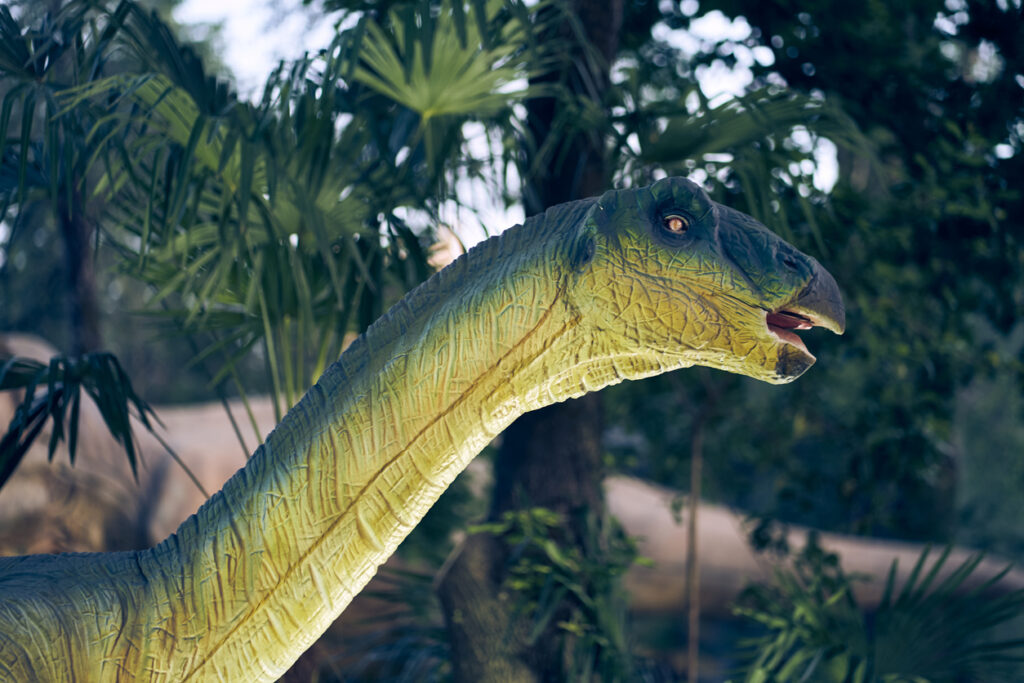
It was once assumed that dinosaurs lived mostly alone, coming together only to mate. This theory suggested they had little social structure or interaction beyond survival. Fossil evidence of group nesting sites and trackways tells a different story. Many dinosaurs lived in herds, cared for their young, and engaged in social behaviours similar to modern animals.
10. Dinosaurs disappeared instantly after an asteroid impact.
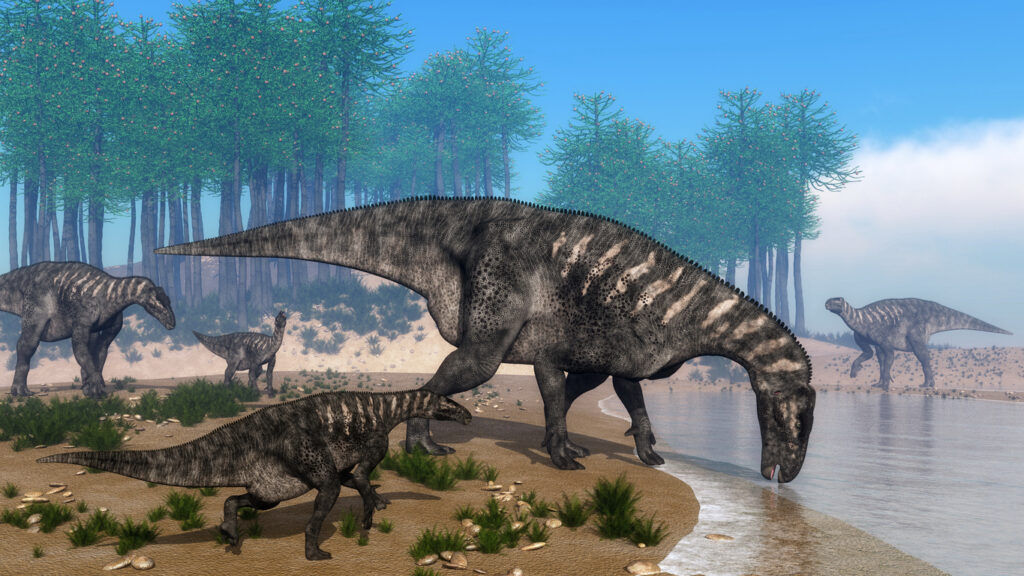
The asteroid strike 66 million years ago was long believed to have wiped dinosaurs out in a single moment. The theory was that their extinction was immediate and absolute. Research now shows it was more gradual. While the impact was devastating, environmental changes unfolded over time, and some dinosaur groups lingered before birds carried the lineage forward.
11. Dinosaurs had tiny brains and were unintelligent.
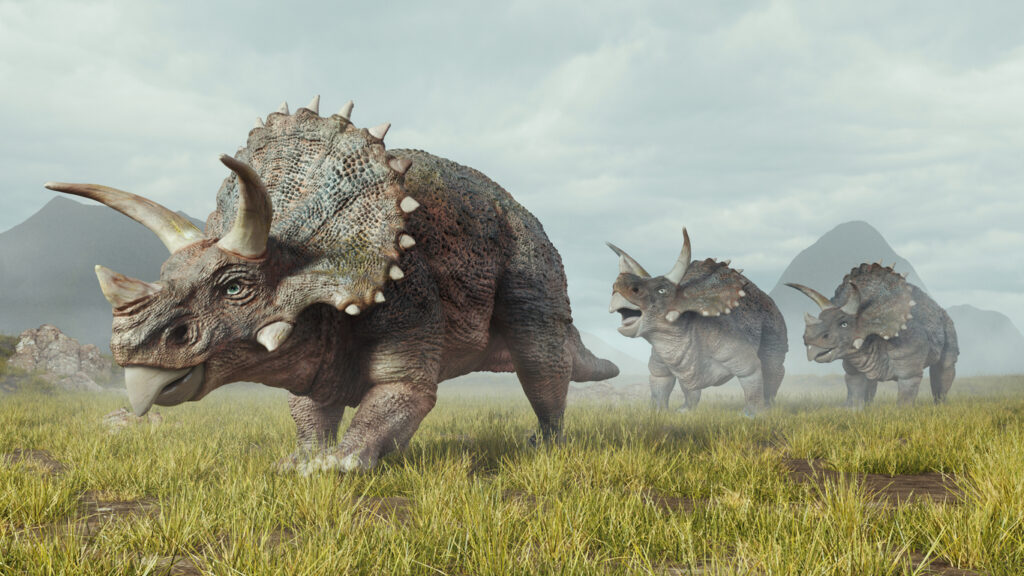
Dinosaurs were often dismissed as stupid because of their small brain-to-body ratio. They were thought to rely only on instinct, with no capacity for problem-solving or complex behaviour. New studies show intelligence varied widely among species. Some dinosaurs demonstrated advanced behaviours such as pack hunting, communication, and even nurturing their young, proving they were not simply brainless beasts.
12. Dinosaurs were doomed from the start.
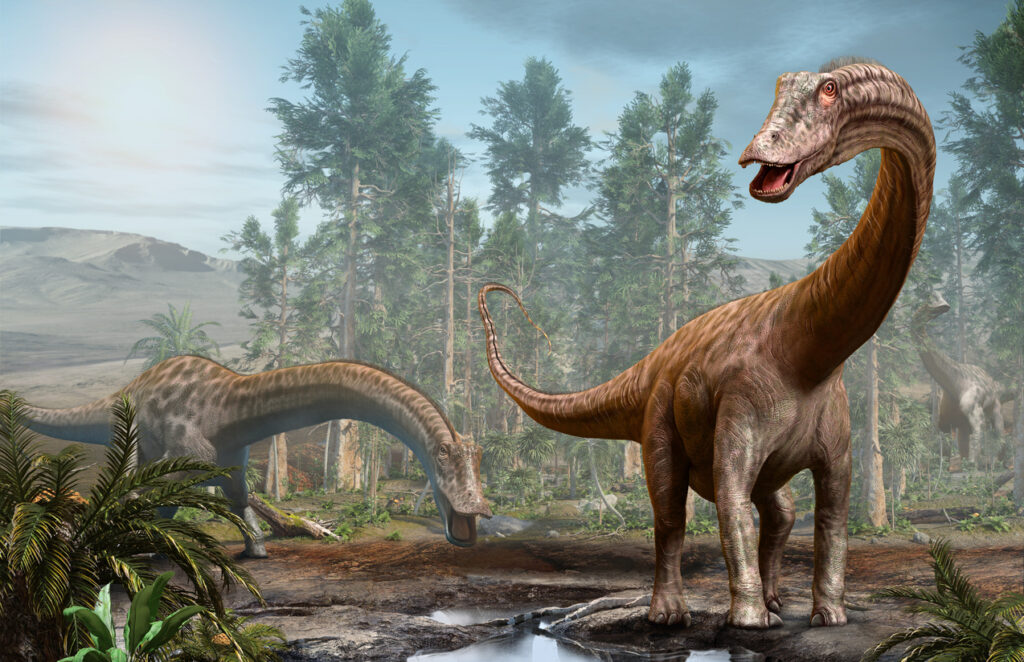
For years, it was assumed that dinosaurs were destined for extinction because of inherent weaknesses. This belief painted them as evolutionary oddities that couldn’t adapt to change. Fossil records show they adapted to multiple mass extinctions before their final one. Far from being doomed, they were remarkably resilient and dominant for millions of years.