Britain has some incredible spots for birdwatching, but a few counties stand out for sightings you won’t get anywhere else.
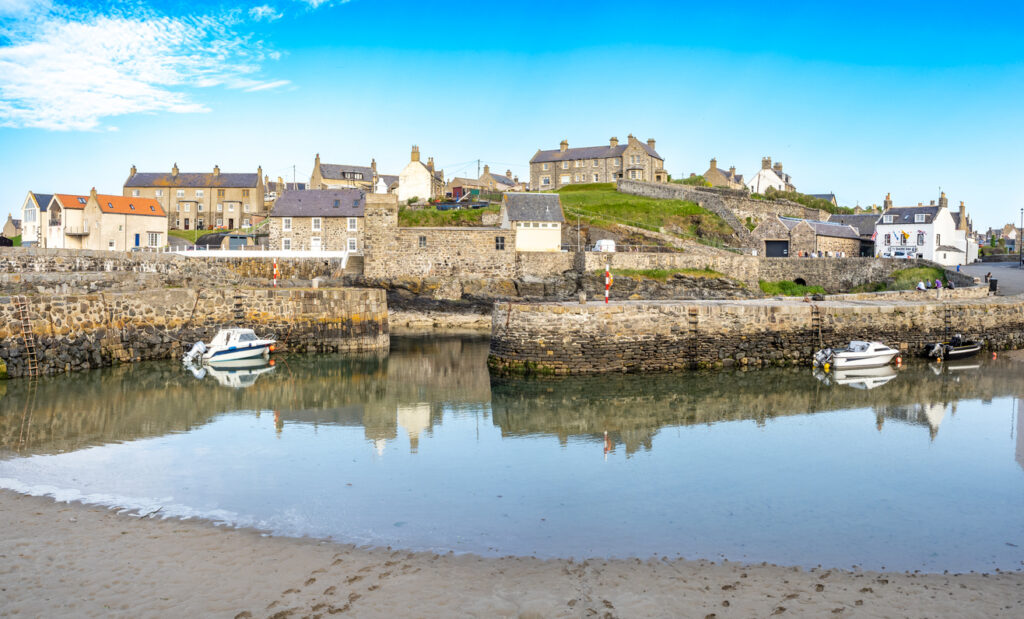
From windswept coastlines to quiet wetlands, these landscapes attract rare and unexpected visitors every year. Whether you’re an experienced birder or someone who just loves the thrill of spotting something unusual, these places are worth the trip.
Migrating species, changing climates, and protected habitats have turned parts of the UK into genuine sanctuaries for rare birds. Some locations draw international attention during certain seasons, while others stay under the radar, known only to those who pay close attention. Either way, these counties are home to some of the most remarkable birdwatching moments you’ll find in Britain.
Norfolk
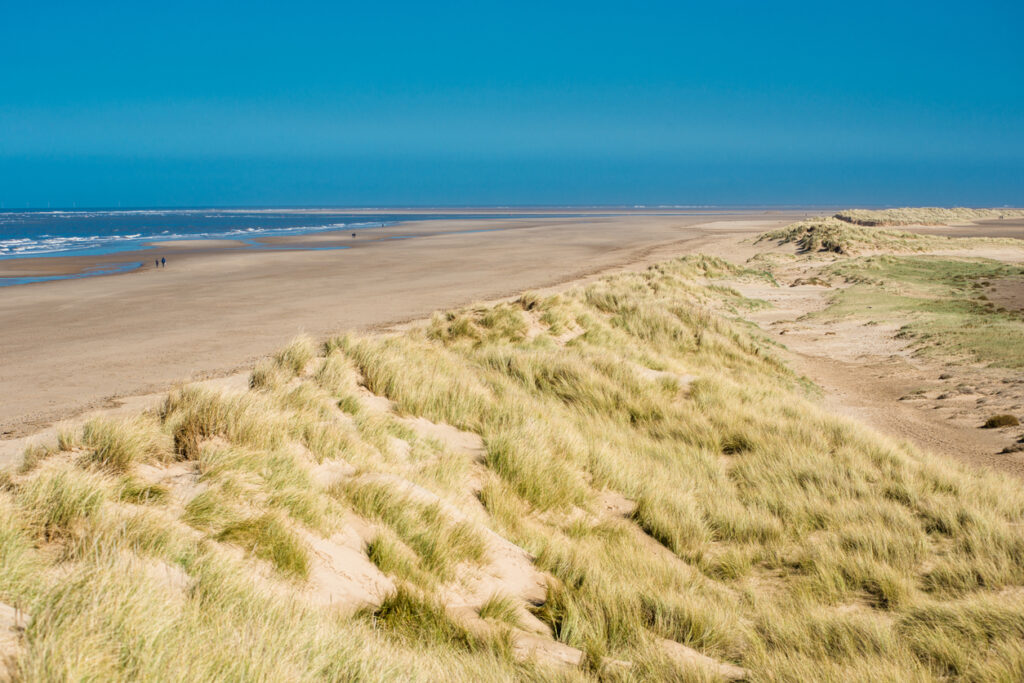
Norfolk’s east coast position means it catches migrants overshooting or drifting west from Europe. The county has varied habitat from marshes to coastal scrub, and sites like Cley and Holkham are legendary among birders for producing rarities. Autumn migration brings eastern vagrants like yellow-browed warblers, red-breasted flycatchers and occasional rarities from Siberia. The county’s birding community is massive, so rare birds get found and reported quickly.
Shetland
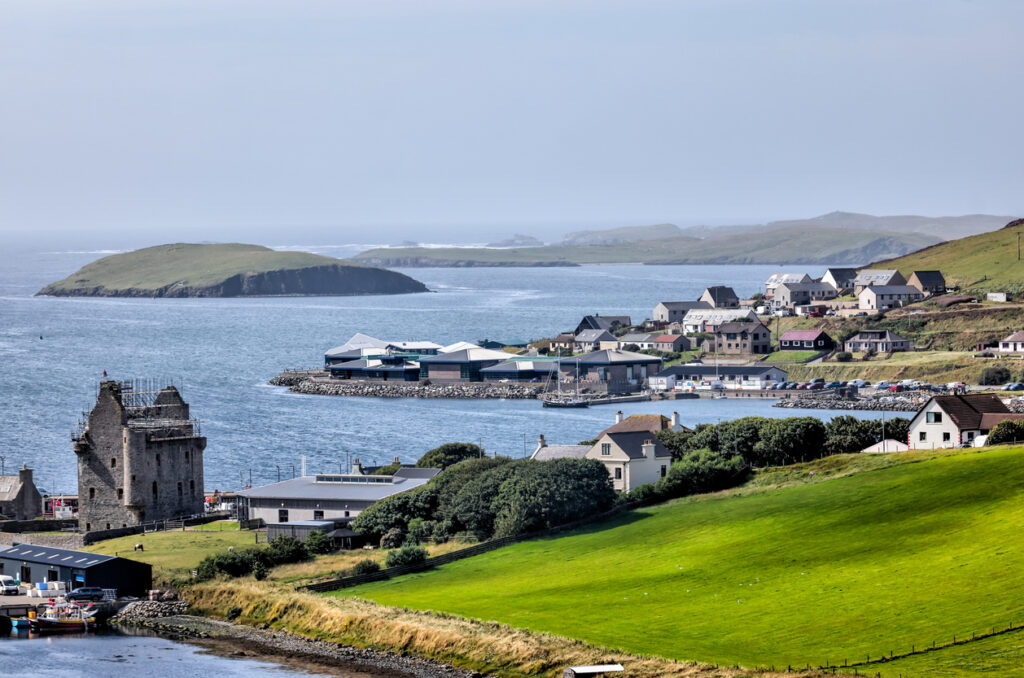
Shetland sits between Scotland and Norway, perfectly positioned to catch Scandinavian and American vagrants. It’s Britain’s premier location for truly rare species that turn up nowhere else in the country with any regularity. Fair Isle is the most famous spot, but the whole archipelago produces incredible birds. Autumn brings American warblers, thrushes, and sparrows alongside eastern rarities. Spring migration can be equally productive.
Cornwall
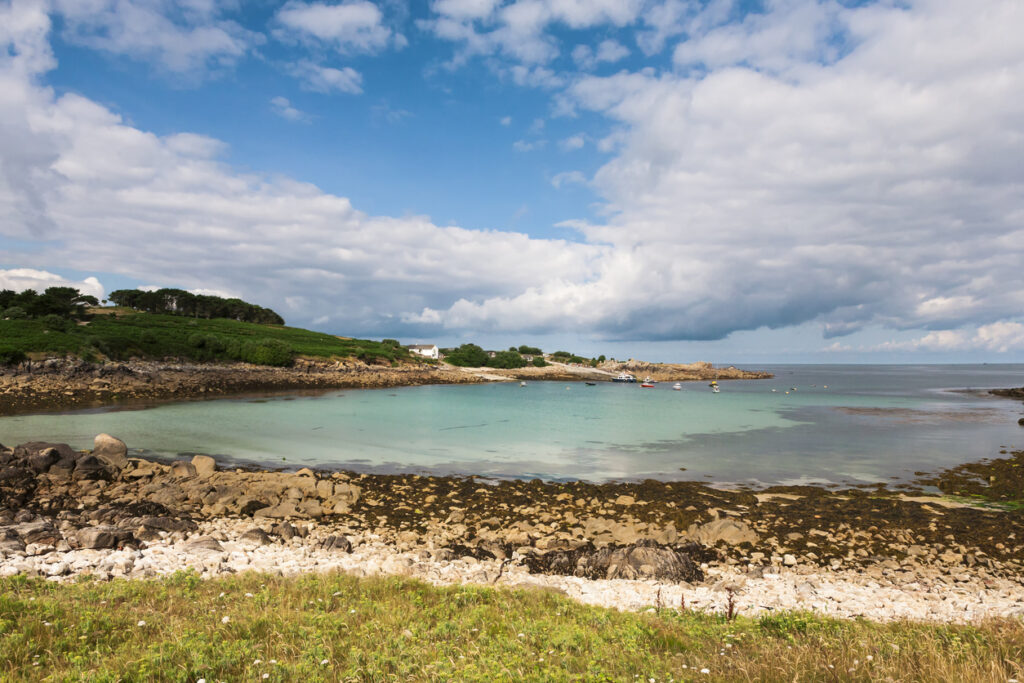
Cornwall’s southwestern position makes it a landfall for American vagrants crossing the Atlantic. Sites like Porthgwarra, St Agnes and the Isles of Scilly are essential destinations for anyone chasing transatlantic rarities. The Scillies in particular host an annual birding pilgrimage in October, when American passerines turn up with surprising frequency. Rare gulls, shearwaters and other seabirds also appear along the Cornish coast.
Yorkshire
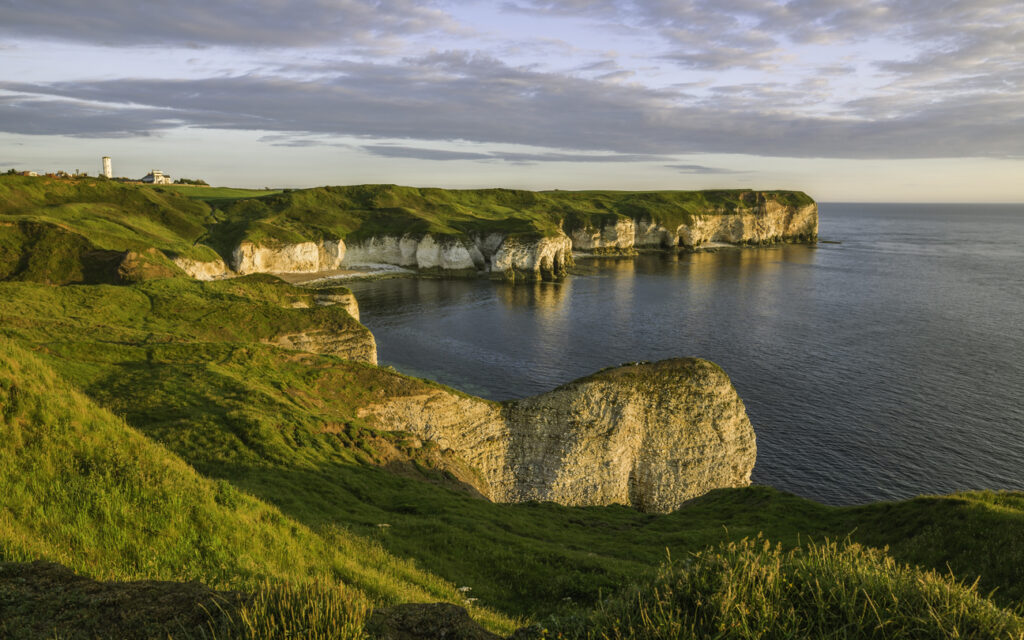
Yorkshire’s east coast, particularly around Flamborough Head and Spurn Point, acts as a migrant trap. Birds moving south along the coast concentrate at these headlands, and easterly winds dump continental rarities along the shoreline. Spurn Bird Observatory has an incredible list of rare species recorded over decades. The combination of coastal migration and varied habitat means almost anything can turn up during peak passage periods.
Orkney
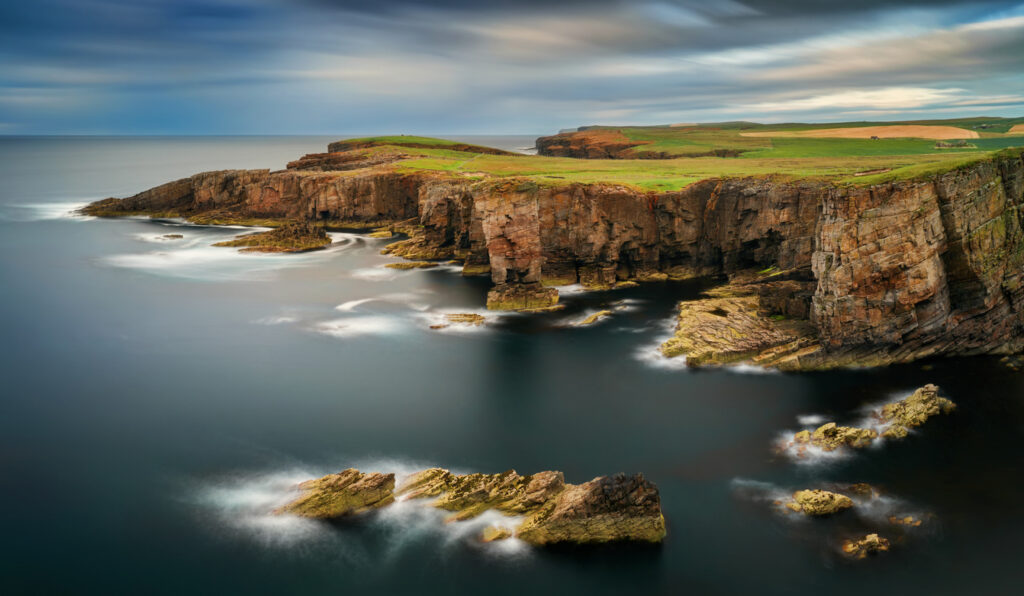
Like Shetland, Orkney’s northern location means it catches birds you simply won’t see further south. American and Siberian vagrants appear regularly, and the islands’ relatively small size means rare birds get found more easily than on mainland sites. The islands have dedicated birders who know the key locations intimately. This local expertise combined with Orkney’s geography creates a reliable destination for seeing genuine rarities that most UK birders will never encounter.
Suffolk
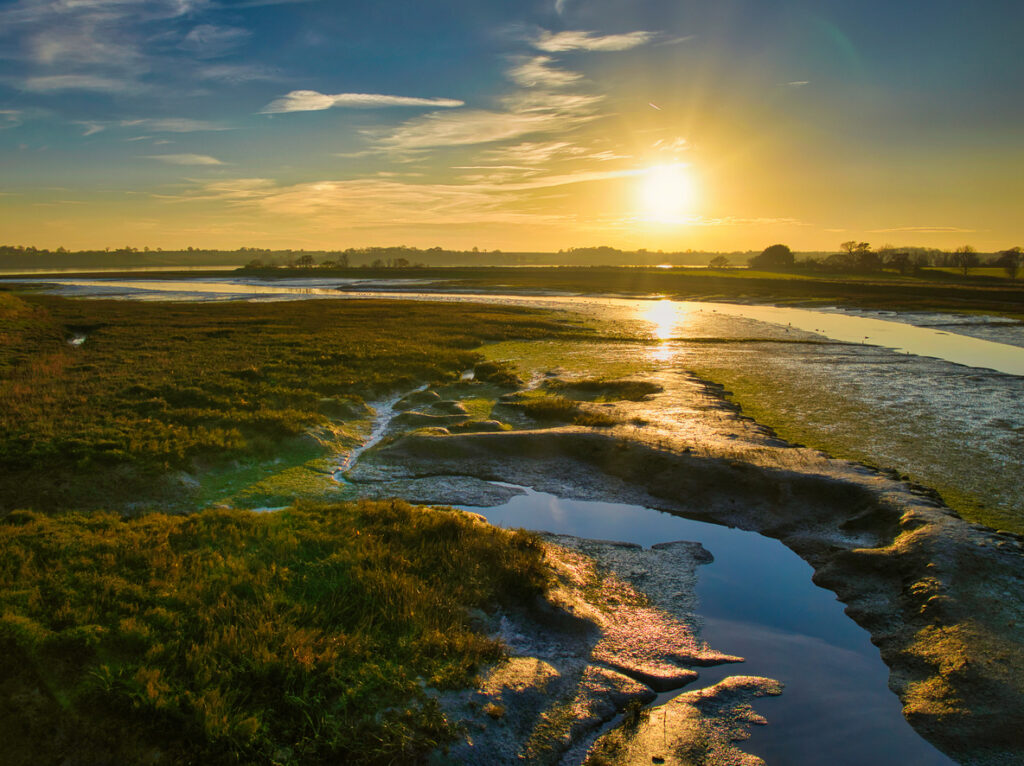
Suffolk borders Norfolk and shares many of the same advantages. Sites like Minsmere, Landguard and Walberswick regularly produce rare migrants. The coastal position catches overshooting spring migrants and drift migrants in autumn.
The county has excellent habitat diversity from reedbeds to heathland to coastal scrub. This variety means different rare species turn up depending on their preferred environment. Regular coverage by local birders means rare birds get found.
Kent
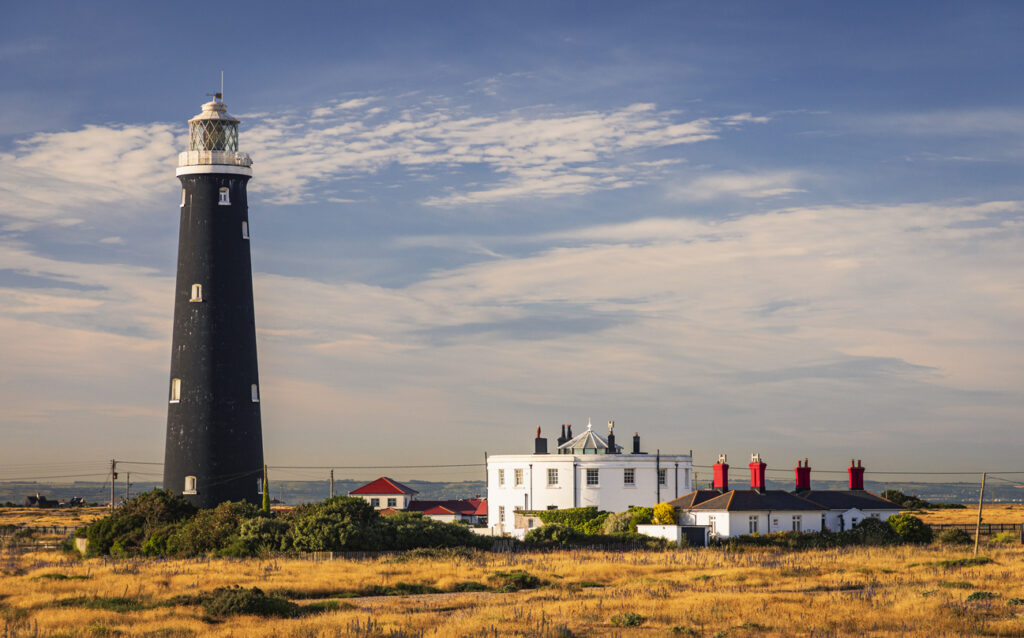
Kent’s position on the southeast coast means it’s often the first landfall for migrants crossing the Channel. Sites like Dungeness, Sandwich Bay and the North Kent marshes are nationally important for both common migrants and rare vagrants.
The county gets good coverage from London-based birders who can reach Kent sites easily. Spring overshoots from southern Europe appear regularly, and autumn brings eastern drift migrants. Rare Mediterranean species turn up more here than most counties.
Outer Hebrides
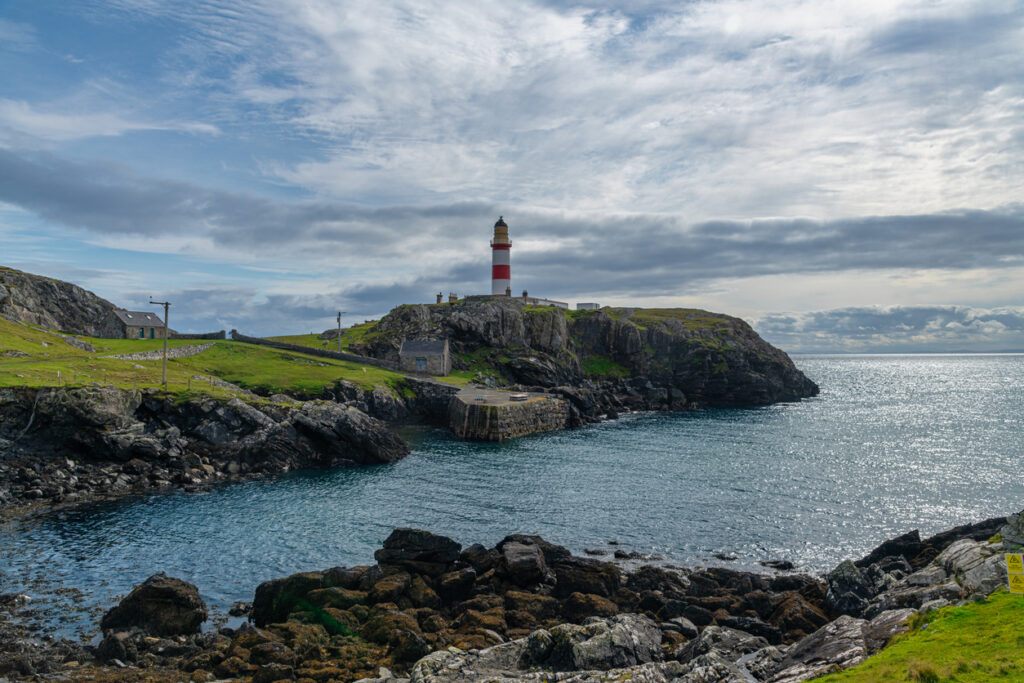
The Western Isles catch American vagrants before they reach mainland Scotland. Sites like Ness on Lewis are prime locations for transatlantic rarities that arrive exhausted after crossing the ocean. These islands see fewer birders than Shetland or Orkney, which means rare birds probably go undetected more often. But the ones that do get found are often sensational American species that draw twitchers from across Britain.
Dorset
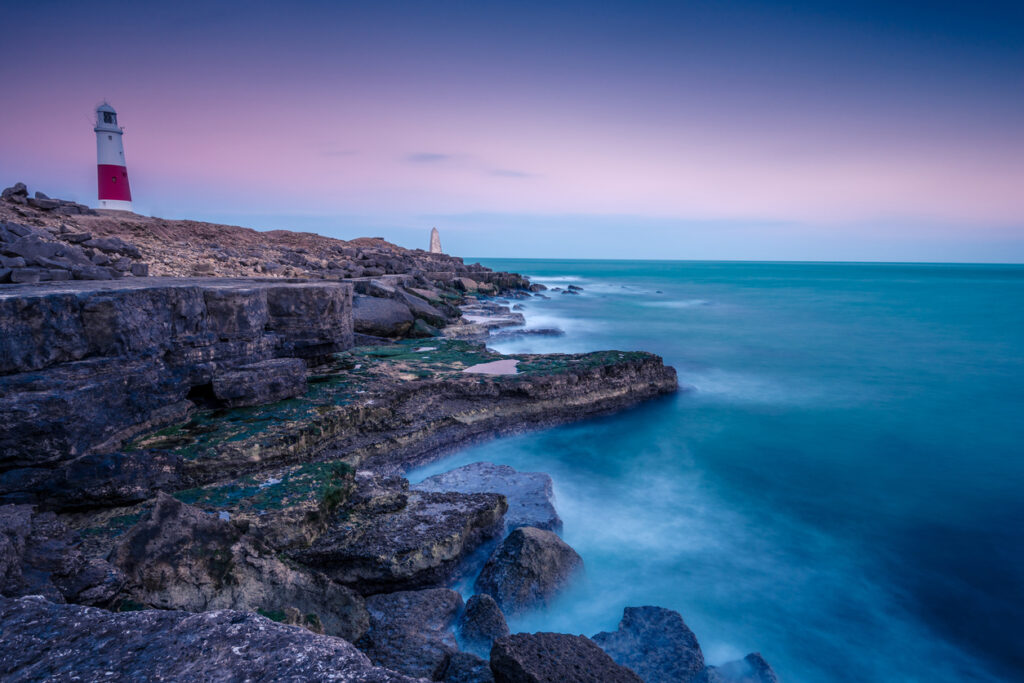
Portland Bill is one of Britain’s most important migration watchpoints. The peninsula concentrates migrants moving along the south coast, and the bird observatory has decades of records showing incredible variety of rare species. The county’s varied coastline includes important wetland sites like Lodmoor and Radipole Lake. Rare waders, gulls, and terns appear regularly. American vagrants also reach Dorset with some frequency, given its western position.
Lincolnshire

The Lincolnshire coast from Spurn down to the Wash catches migrants moving south along the east coast. Gibraltar Point and Donna Nook are excellent sites. The county’s position means it gets similar species to Yorkshire and Norfolk. What Lincolnshire lacks in famous birding locations, it makes up for with consistent productivity. Rare eastern migrants appear every autumn, and the Wash attracts vagrant waders and wildfowl that wouldn’t turn up at purely coastal sites.
Pembrokeshire
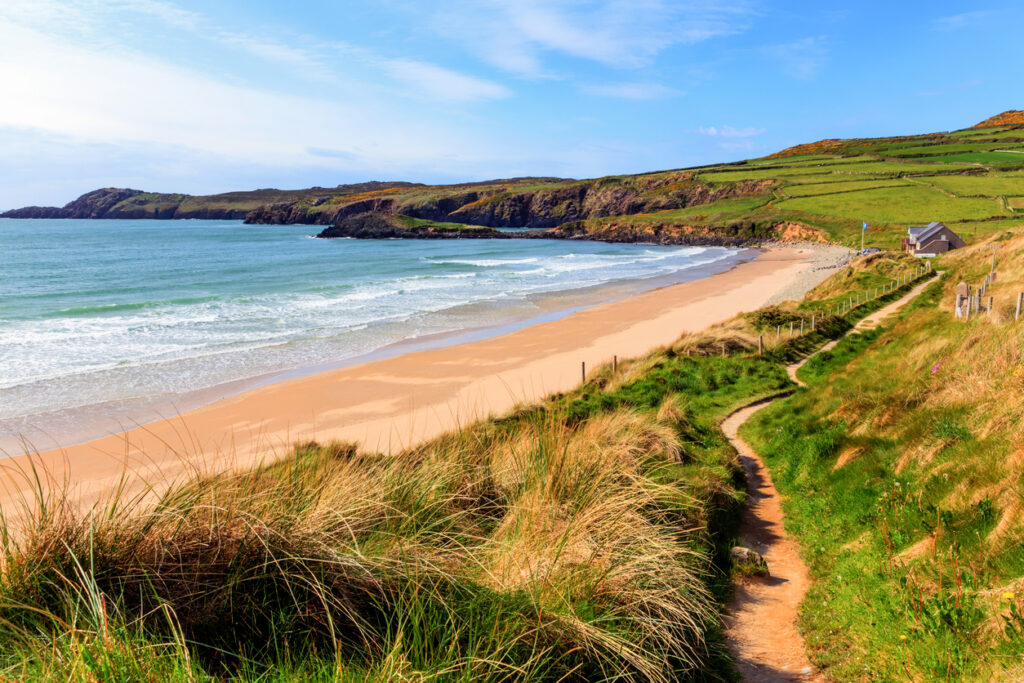
Wales’ western coastline puts Pembrokeshire in line for American vagrants. Skomer and Skokholm islands are famous for seabirds but also attract rare migrants. The Pembrokeshire coast path offers numerous headlands for seawatching. Rare American waders and passerines turn up most autumns. The county gets less attention than Cornwall for transatlantic vagrants but produces plenty of good birds for those who put in the effort.
Northumberland
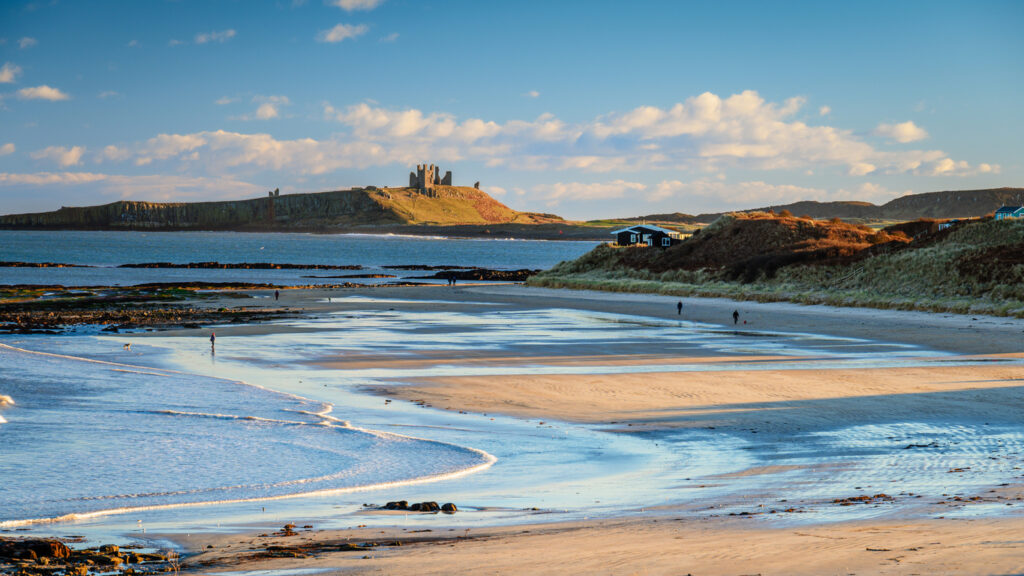
Northumberland’s position on the northeast coast means it catches migrants moving down from Scotland and across from Scandinavia. Holy Island, Lindisfarne and the Farne Islands are all productive sites. The county combines coastal migration hotspots with important inland sites. Rare northern and eastern species appear regularly, and local birders provide good coverage of the key locations throughout migration seasons.
Devon

Devon’s south coast position makes it another destination for American vagrants and Mediterranean overshoots. Lundy Island is famous for rare migrants, and mainland sites like Start Point and Slapton produce good birds regularly.
The county has an active birding community, providing good coverage. Rare herons, egrets, and southern European species turn up more frequently here than further north. Autumn migration brings eastern drift migrants along with American possibilities.
Aberdeenshire
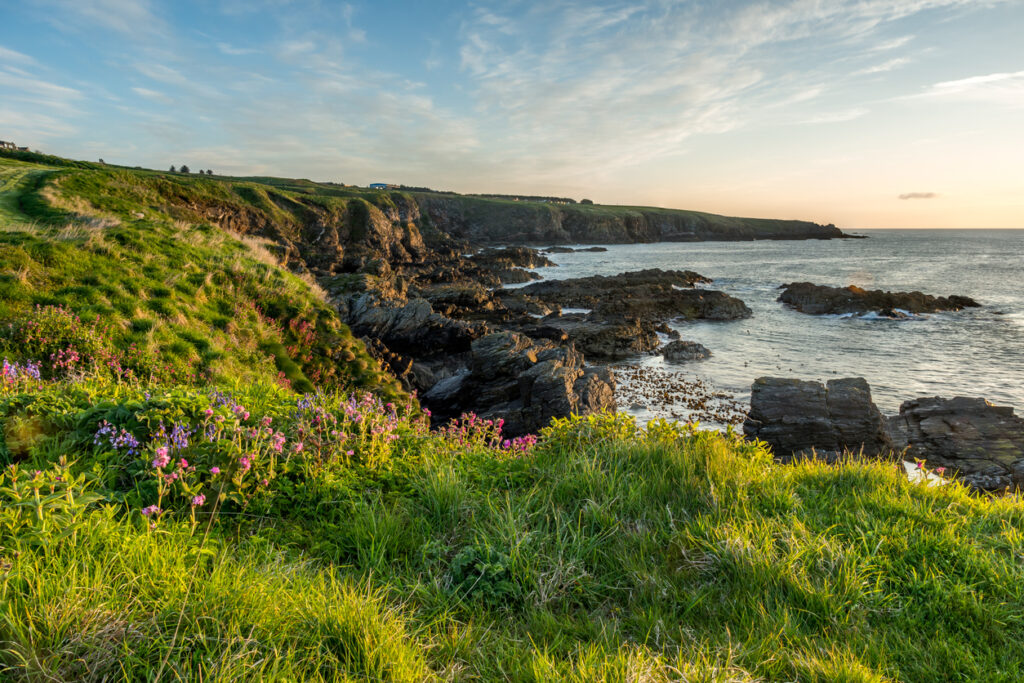
Scotland’s east coast catches migrants from Scandinavia and further east. Sites around Aberdeen and north towards Fraserburgh regularly produce rare species during migration. The coastline concentrates birds moving south.
The county doesn’t get the attention of Shetland or Orkney but produces plenty of quality rarities. Eastern warblers, flycatchers, and thrushes appear annually. Local knowledge of the best spots is essential for making the most of this area.