There’s something timeless about a classic cottage garden.
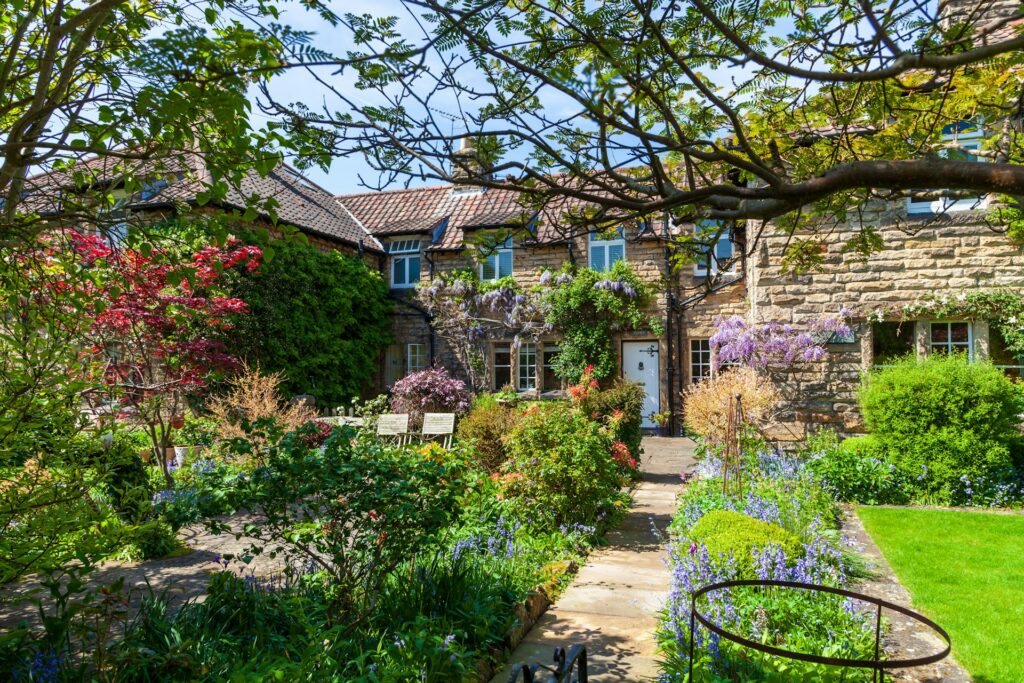
Overflowing borders, rambling flowers, and soft colour palettes make these spaces feel welcoming and lived-in, never too tidy or forced. The best part is that many of the flowers that define the look are actually pretty easy to grow. Whether you’ve got a winding path, a sunny wall, or just a few beds to fill, these cottage garden plants will bring that old-English magic to life.
1. Delphiniums
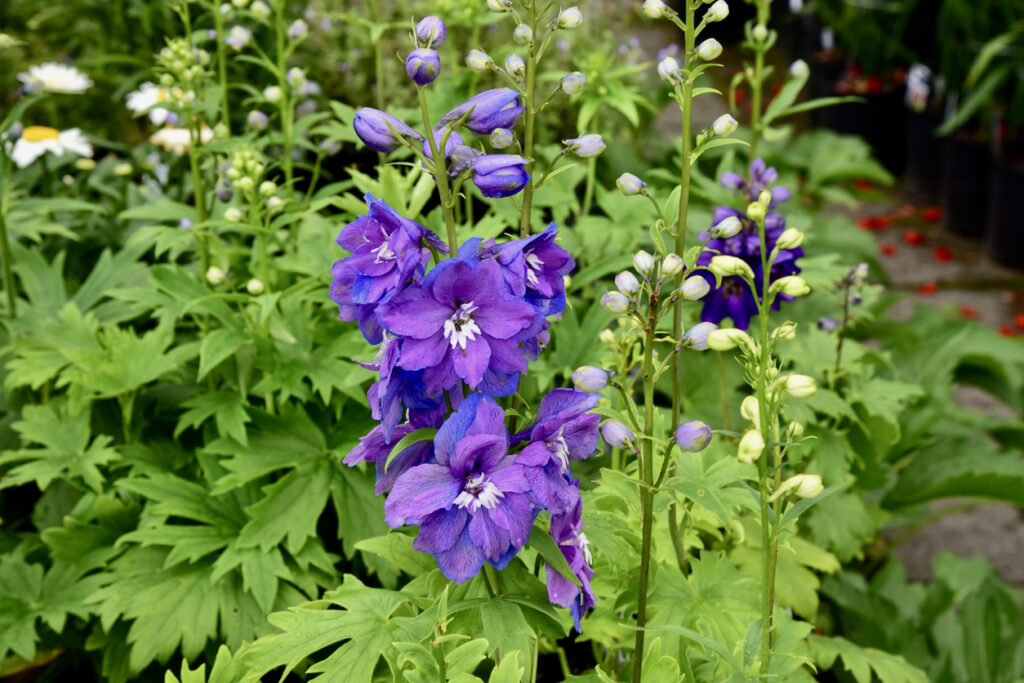
Tall, stately, and instantly recognisable, delphiniums add height and drama to cottage borders. Their spires of blue, purple, or white flowers are like vertical punctuation marks in a sea of colour. They prefer full sun and well-drained soil, and while they need a bit of support to stop them flopping, the payoff is huge. Bees love them, too, especially in early summer when they first bloom.
2. Foxgloves

These woodland-style biennials are practically the poster plants for cottage gardens. With their tall, spotted bell-shaped flowers in purples, pinks, and creams, they’re beloved by bees and humans alike. Foxgloves are happy in dappled shade and often self-seed freely, creating that beautiful, natural look with very little effort. Just be aware that they’re toxic if eaten, so they’re best kept away from pets and curious toddlers.
3. Hollyhocks
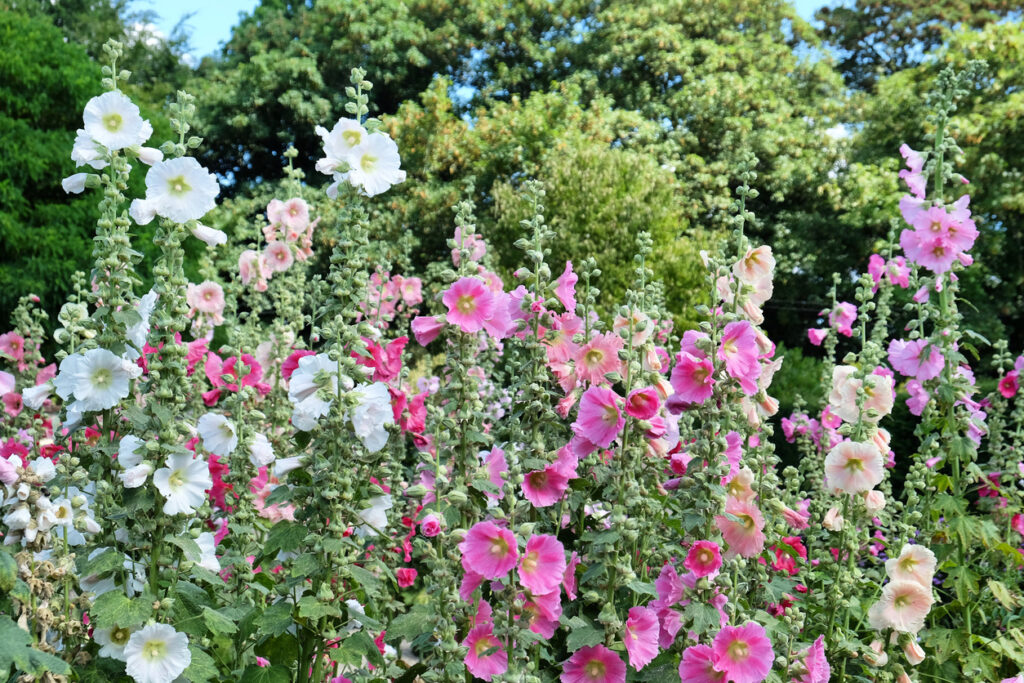
Nothing says “cottage garden” quite like a line of hollyhocks leaning lazily against a wall or fence. These tall, old-fashioned bloomers come in dreamy pastel shades and bold brights alike. They’re best grown at the back of a border and need sun, shelter from strong winds, and a bit of staking in exposed spots. They’ll often self-seed year after year, giving your garden that charmingly unplanned feel.
4. Lupins
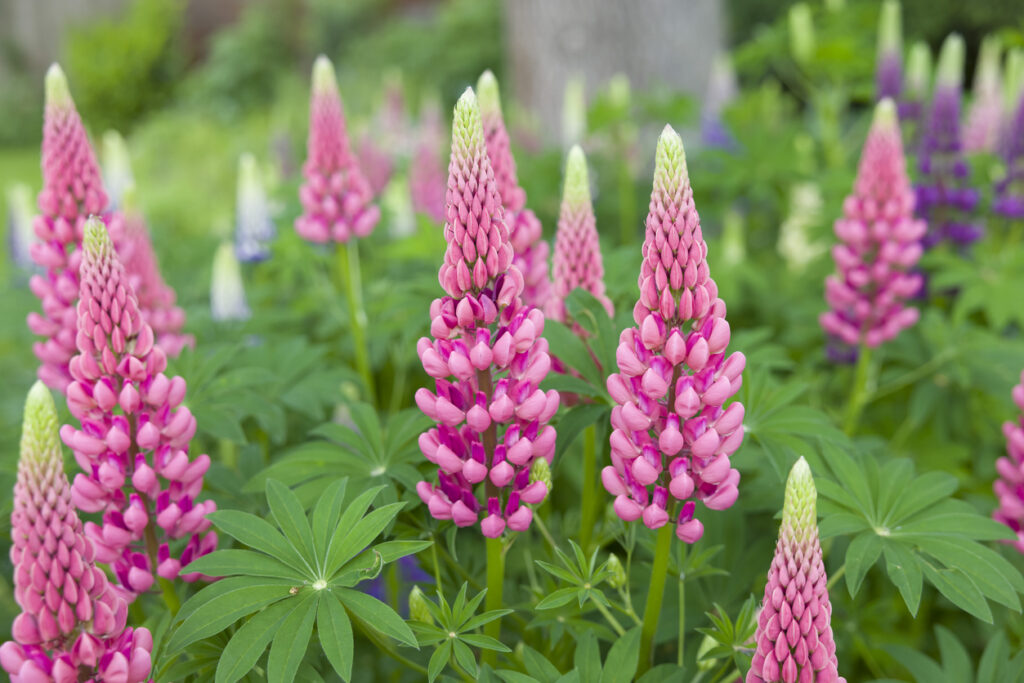
Lupins offer a slightly more structured look, but their vivid colour spikes still blend beautifully into the wild, romantic style of a cottage garden. You’ll find them in everything from soft pink to fiery orange and purple. They prefer slightly acidic soil and a sunny spot. Snip off the first batch of flowers after they fade and you’ll often get a second flush later in summer.
5. Roses (especially old-fashioned varieties)
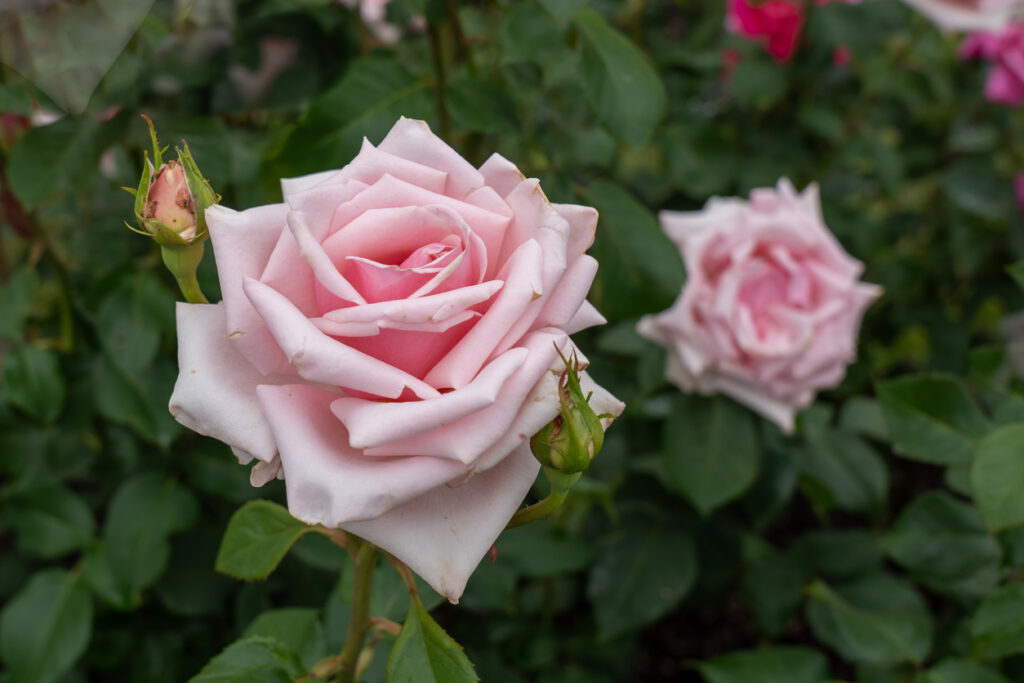
Roses bring both fragrance and classic charm. Old English types like David Austin varieties or shrub roses bloom generously and look incredible climbing over arches, fences, or spilling into paths. They do need a little care—some pruning and feeding—but they’re worth the effort. Choose repeat-flowering types to keep colour going well into summer.
6. Geranium (cranesbill)
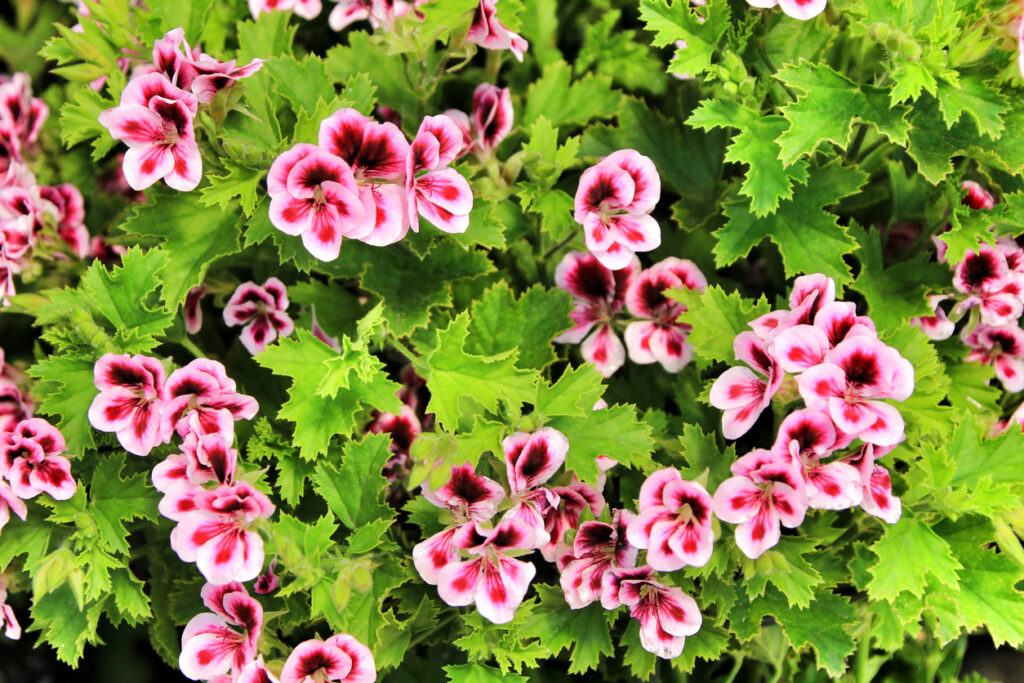
This hardy perennial is the perfect filler plant for a cottage garden. Not to be confused with bedding geraniums, cranesbills have soft foliage and dainty flowers in shades of blue, pink, and purple. They’re long-flowering, tolerant of tough spots, and often form pretty clumps that help soften the edges of paths or borders. Low maintenance and charming. What’s not to love?
7. Sweet peas
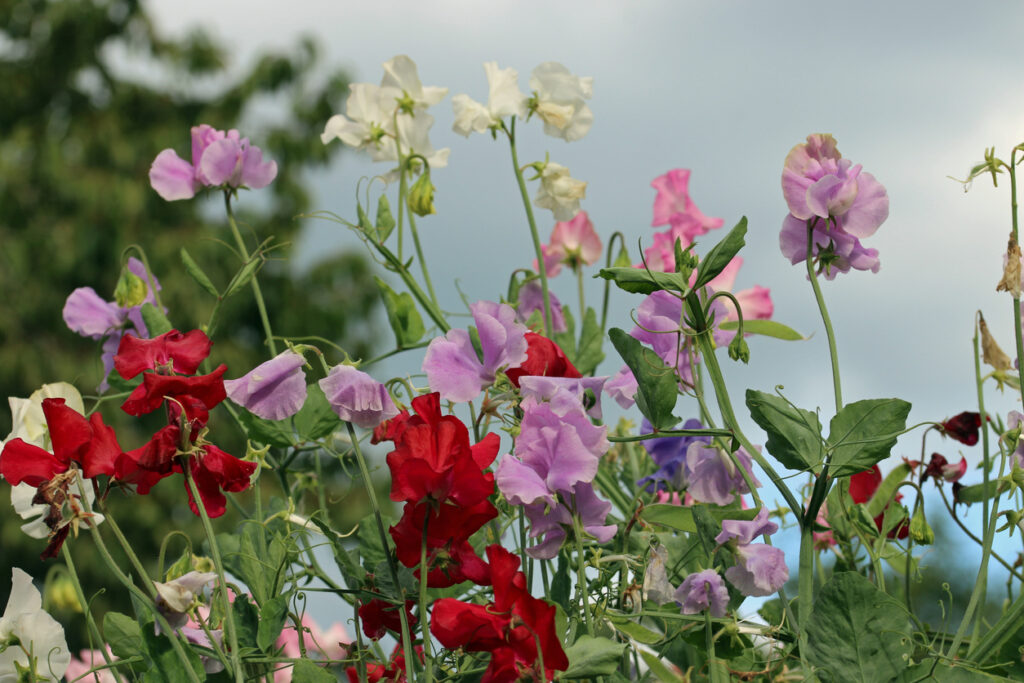
Scented, colourful, and utterly nostalgic, sweet peas are annual climbers that deserve a place in every cottage garden. They’re ideal for training up trellises, fences, or even wigwams in containers. The more you pick them, the more they flower—so bring bunches into the house all summer long. Just don’t forget to feed them regularly and give them plenty of sunshine.
8. Aquilegia (granny’s bonnet)
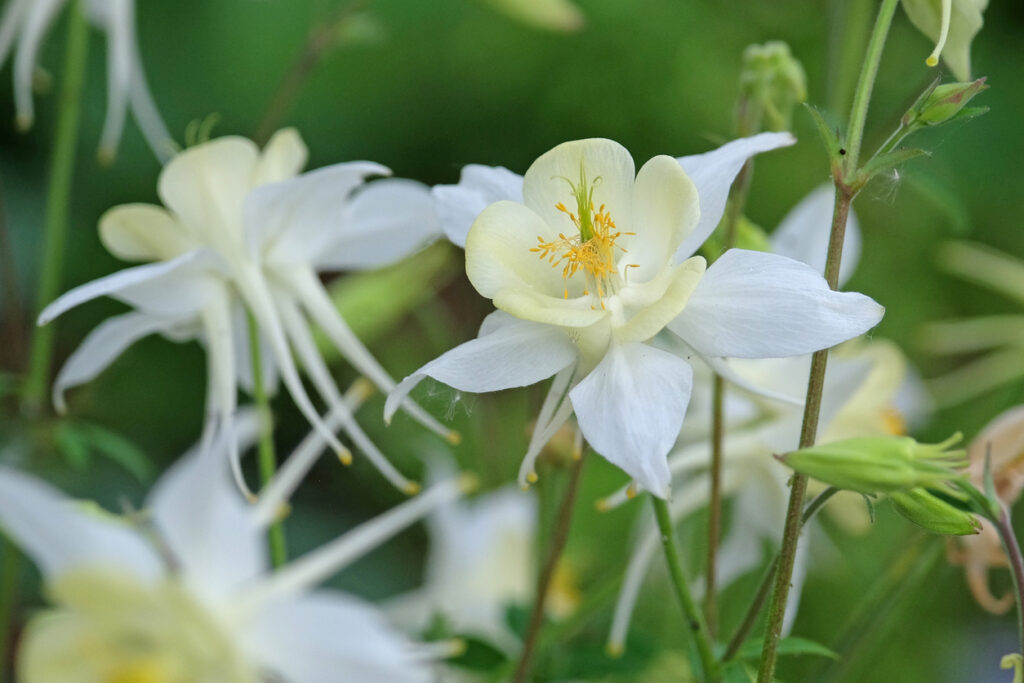
Aquilegias are delicate-looking, nodding flowers that come in soft pastels and bicolour shades. They’re early bloomers and pop up just when the garden is waking up in spring. They grow happily in sun or shade and self-seed generously, giving you more plants for free. They work beautifully alongside tulips and other spring stars before the summer flowers take over.
9. Campanula (bellflower)
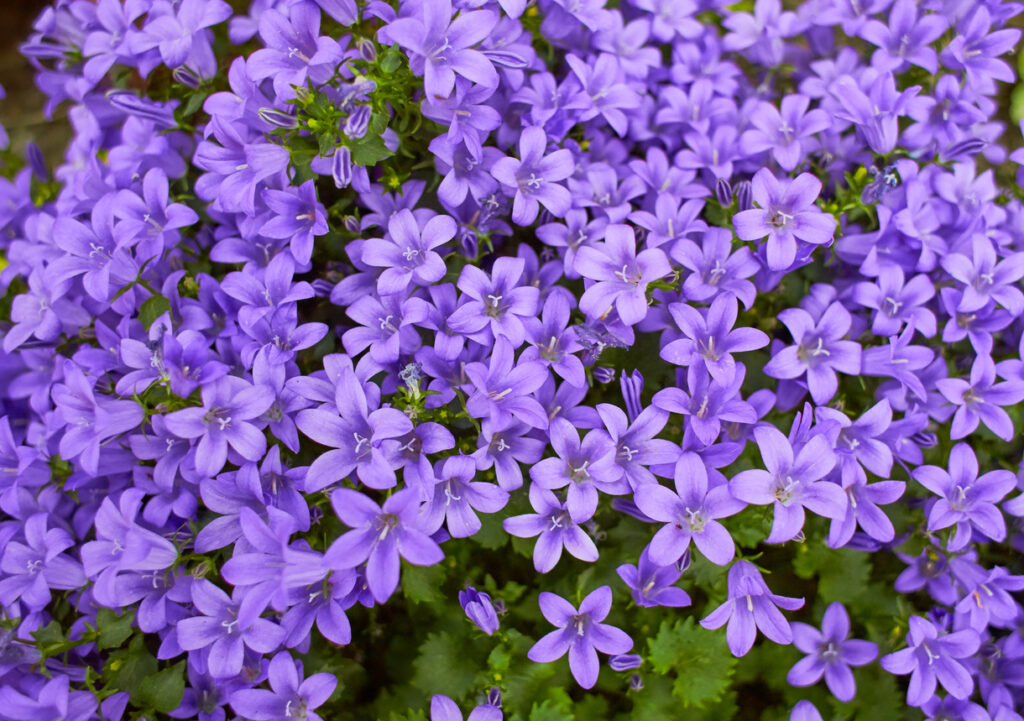
Campanula is another easy, long-flowering plant that fits right in with the relaxed look of a cottage garden. The bell-shaped flowers come in purples, blues, and whites, often forming soft drifts. Some varieties spread gently, while others form upright clumps. They’re perfect for filling gaps between taller stars like foxgloves or delphiniums, and they’re great for pollinators too.
10. Dianthus (pinks)
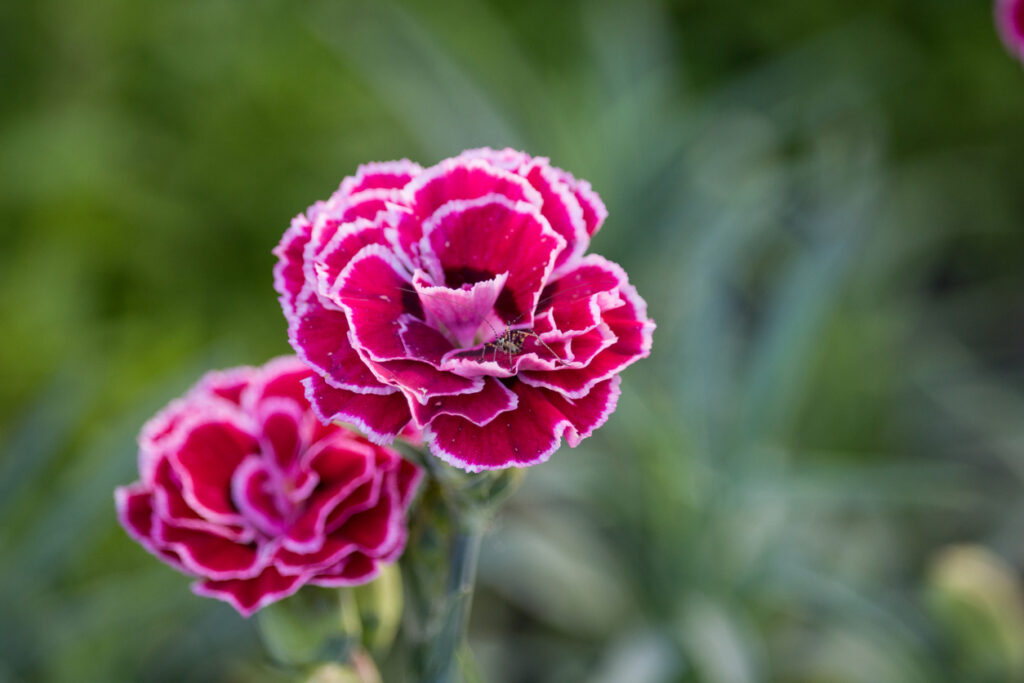
Compact, fragrant, and beautifully traditional, dianthus varieties (also known as pinks) make great edging plants or low growers for sunny spots. Their spicy-sweet scent is a bonus. They need good drainage and a little deadheading to keep blooming, but they reward you with neat mounds of colour all summer. They also look brilliant tucked along paths or walls.
11. Alchemilla mollis (lady’s mantle)
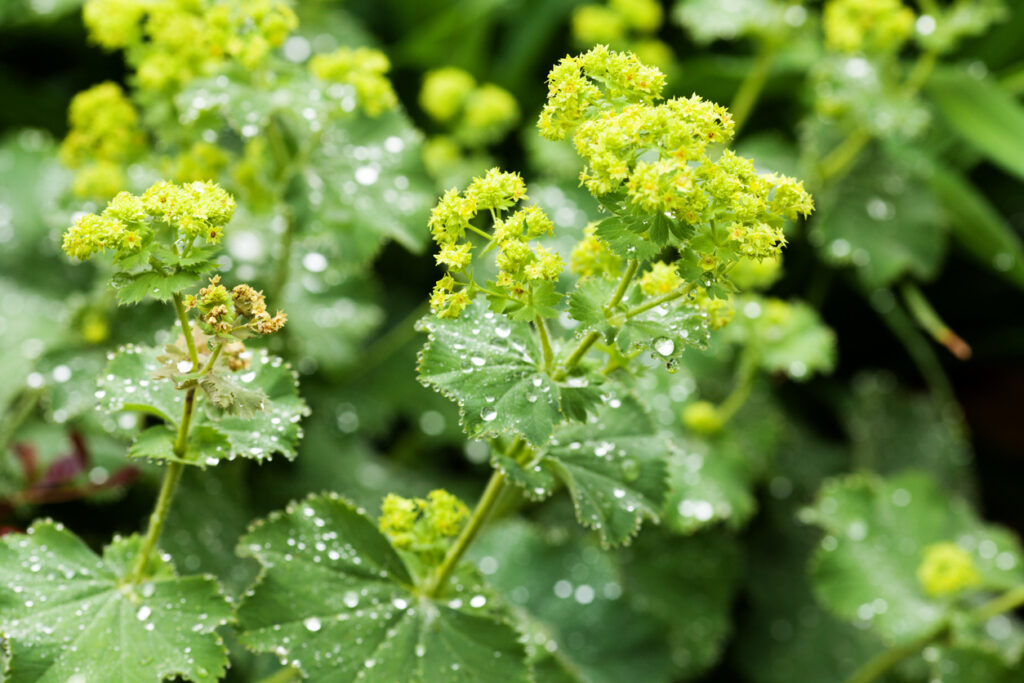
With its soft, frothy lime-green flowers and scalloped leaves that catch the morning dew, lady’s mantle is the ultimate supporting act. It’s not flashy, but it pulls everything together beautifully. It grows happily in shade or sun, fills out borders fast, and needs almost no care. Plus, it makes the flowers around it look even better by contrast.
12. Nigella (love-in-a-mist)
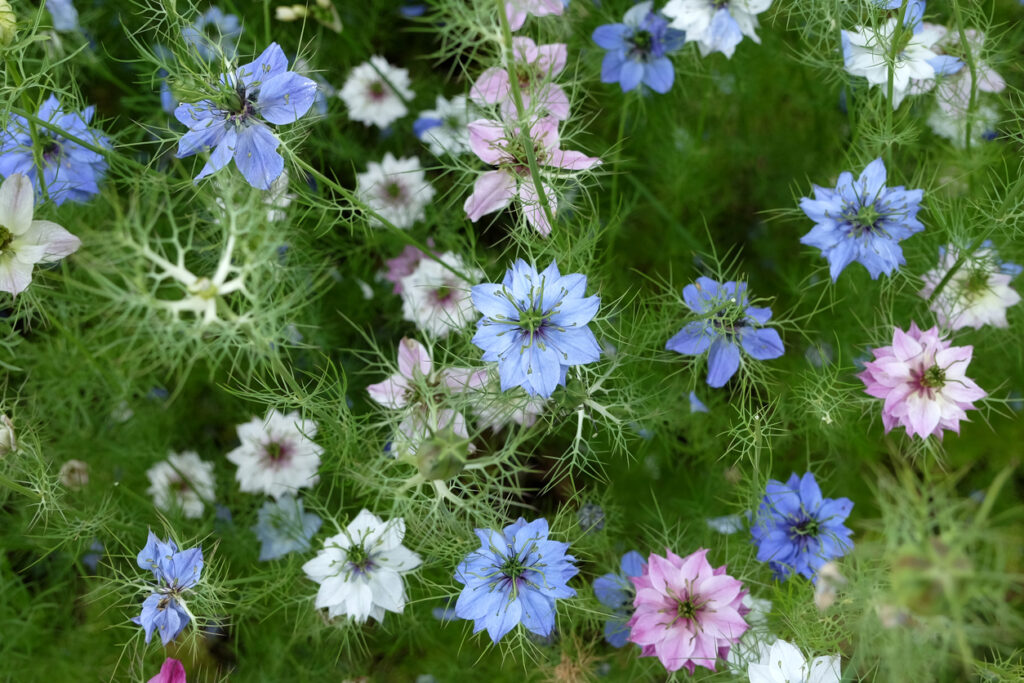
Nigella is an annual that looks like it belongs in a fairy tale. Its finely divided foliage, airy flowers, and decorative seed heads make it perfect for a whimsical, natural planting scheme. It’s great for sprinkling into bare patches, where it will often self-seed and return next year. The dried seed heads are also lovely in arrangements if you want to bring some of that charm indoors.
13. Verbena bonariensis
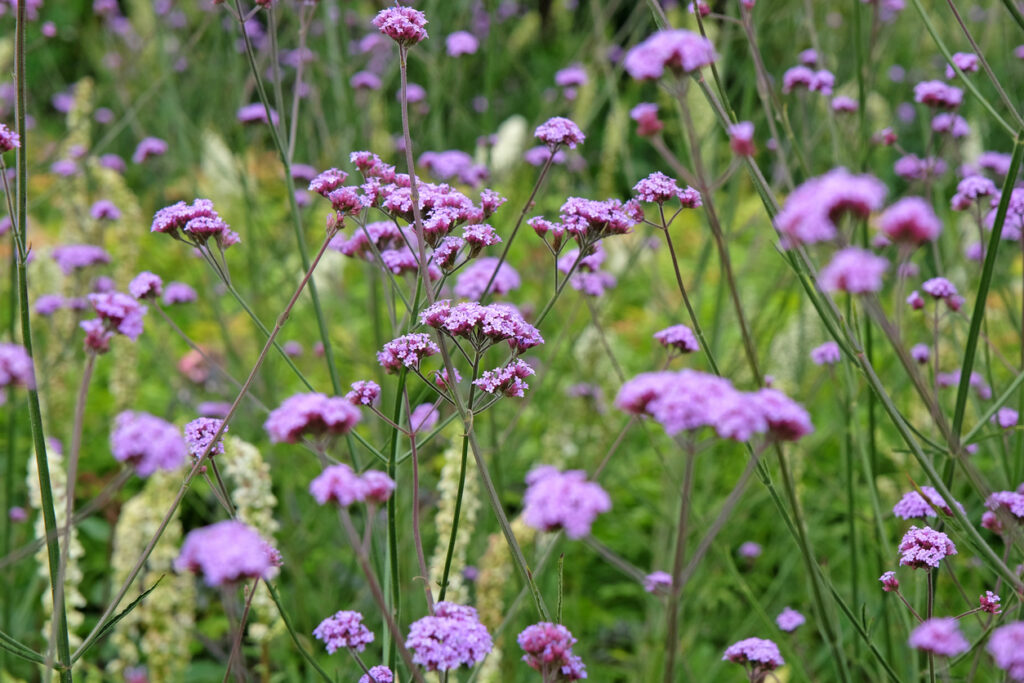
This tall, airy perennial adds a modern edge to cottage gardens without feeling out of place. Its purple flower clusters hover above the rest of the plants, giving height without heaviness. It’s adored by butterflies and bees, grows well in full sun, and often self-seeds gently. Once it’s established, it’s fairly drought-tolerant too, making it both elegant and practical.
14. Digitalis lutea (small foxglove)
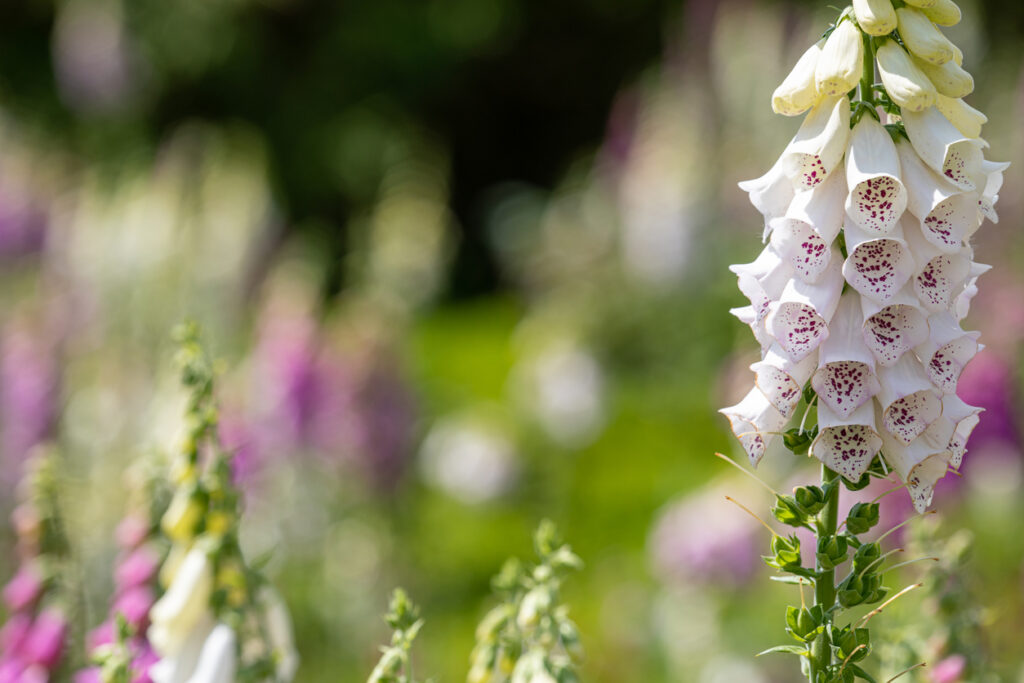
If you love the look of foxgloves but want something a bit different, Digitalis lutea is a daintier cousin with soft yellow blooms and a more delicate feel. It’s perfect for weaving through borders without overpowering. It tolerates shade, self-seeds quietly, and flowers for a good stretch of the season. It’s an easy way to add charm and texture in a softer, subtler way than its taller relatives.