Cats hear far more than we do, and they don’t filter sound the way humans learn to.
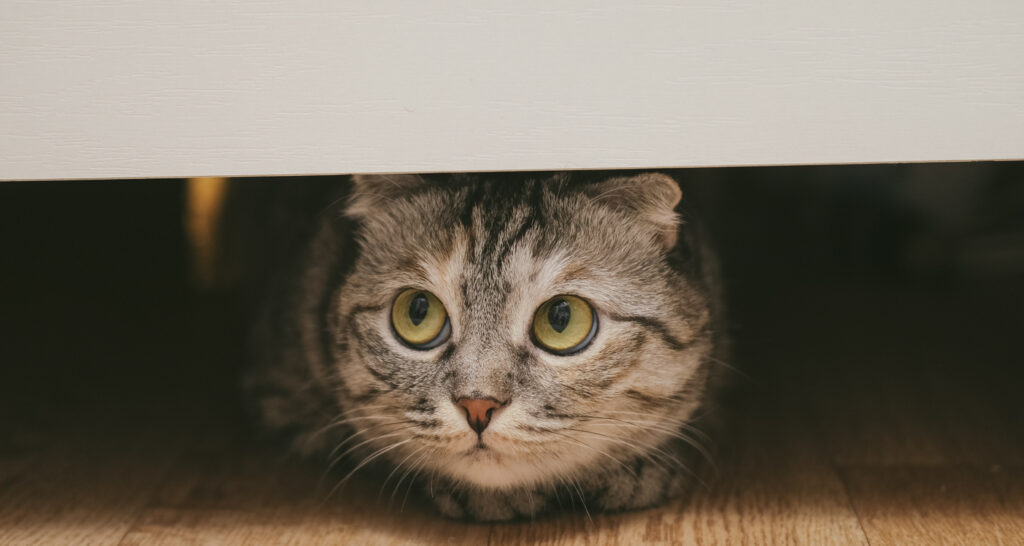
We grow up tuning things out. Background noise fades. Random beeps stop registering. Cats never get that memo. Their ears stay switched on, scanning for anything that feels out of place, sudden, or hard to explain. That’s why a cat can be happily sprawled on the sofa one second and gone the next. There’s no warning, just a flash of tail and an empty cushion. To you, nothing happened. To them, something absolutely did. You just didn’t hear it. These are some of the most unsettling sounds to them.
1. High-pitched electronic beeps

A lot of modern electronics make sounds that humans barely register. Phone notifications, chargers, smoke alarms with dying batteries, induction hobs, even certain TVs all emit high-frequency noises that sit right on the edge of our awareness.
For a cat, those sounds are front and centre. They don’t blend in. They cut through everything else and feel sharp and intrusive. Worse, they’re often unpredictable. A random beep with no visible cause makes the space feel unsafe, so the cat does the sensible thing and removes itself until the noise either stops or becomes less threatening.
2. The hum of distant machinery

That low, droning vibration from a washing machine two flats away, a lift moving through the building, or construction somewhere down the street rarely bothers humans. It becomes part of the background soundtrack of daily life.
Cats pick up on the vibration itself, not just the sound. They can feel it through the floor, furniture, and walls, and they often can’t tell where it’s coming from. A noise that feels everywhere but has no clear source puts them on edge. Curling up somewhere enclosed gives them a sense of control while they work out whether it’s a problem.
3. Neighbours’ footsteps through walls or ceilings

What sounds like normal walking to you can come across as heavy, looming movement to a cat. Footsteps above, behind walls, or in stairwells don’t come with visual context, which makes them harder to interpret.
Cats are wired to notice anything that suggests a larger presence nearby. If they can’t see it, they assume caution is the smarter option. Hiding lets them listen, track the movement, and stay out of sight until they’re sure nothing is about to barrel into their territory.
4. Sudden metallic clanging
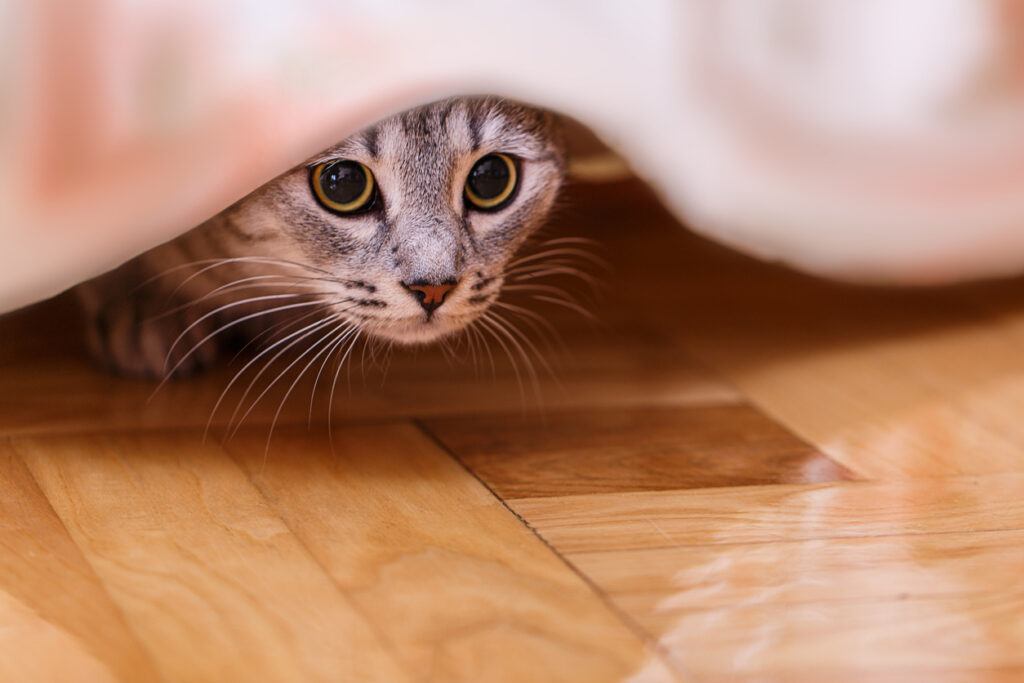
Dropping cutlery, rattling keys, closing bins, knocking pans together. These sounds are sharp, echoing, and abrupt, which makes them particularly unpleasant for sensitive ears. Even if it only lasts a moment, the suddenness triggers an instant reaction. Cats don’t wait to analyse what happened. They react first, then assess once they’re somewhere safe. That’s why your cat might stay hidden long after you’ve forgotten about the fork you dropped.
5. Air conditioning and heating clicks

Boilers clicking on, radiators popping, air systems hissing or ticking as temperatures change. Humans usually stop noticing these sounds after a while. Cats don’t. They notice every new noise, especially when it starts without warning and comes from inside walls or ceilings. Sounds like that feel unpredictable and hard to escape. Slipping into a cupboard or under the bed gives them a boundary and a sense of security while the environment settles again.
6. Distant sirens or alarms

Sirens, car alarms, and building alerts can travel a long way and distort as they move. By the time they reach your home, they may sound warped and unfamiliar. To a cat, the rising and falling pitch resembles distress calls found in nature. Even from a distance, that kind of sound can trigger an instinct to find cover. You might barely notice it in the background, but for them it’s enough to prompt a tactical retreat.
7. Crinkling plastic or foil
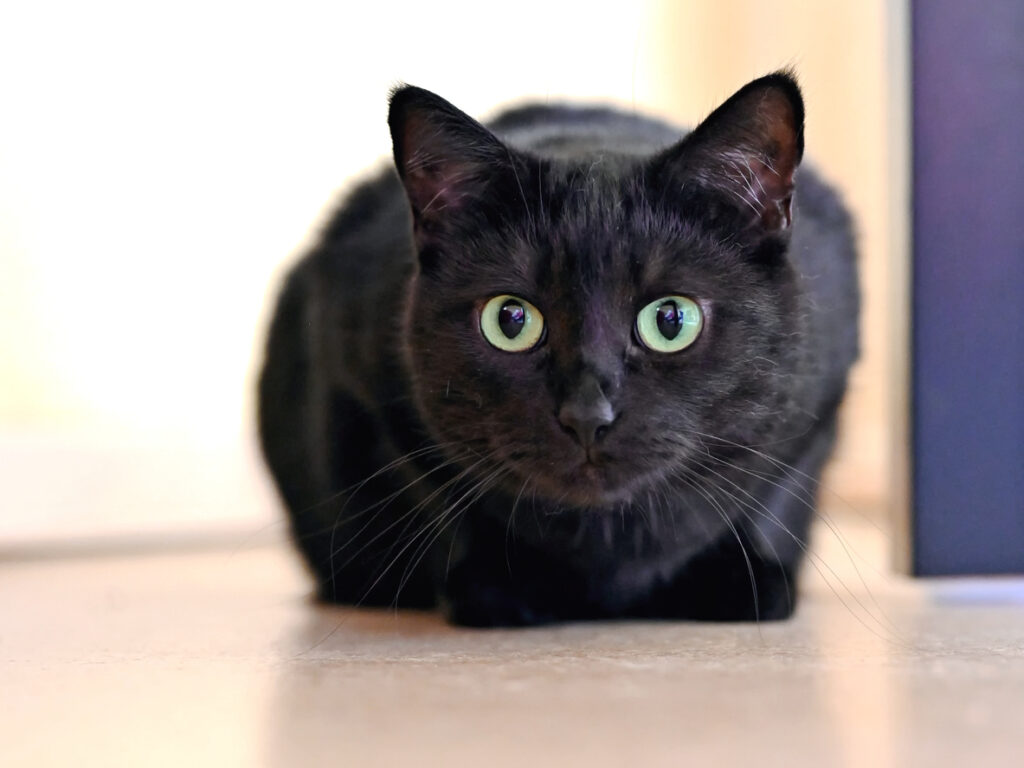
Some cats love crinkly textures. Others absolutely do not. Plastic bags, food wrappers, and foil make sharp, irregular noises that change every time they move. That unpredictability is the problem. A sound that keeps changing is harder to assess, and cats prefer situations they can read clearly. When the noise refuses to behave, bolting for cover feels like the safest response.
8. Birds or animals calling outside

Cats are tuned into animal sounds in a way humans simply aren’t. A bird calling repeatedly, a fox barking, or some unfamiliar creature making noise outside can grab their attention instantly. You might register it as background noise, or not notice it at all, but to a cat it carries information.
It can get a bit confusing when the sound suggests another animal nearby but offers no visual confirmation. Some cats get curious and head for the window. Others take a more cautious approach. Hiding lets them listen closely without advertising their position. From their point of view, that’s sensible behaviour, not drama.
9. Phone speakers and laptop audio distortion

Small speakers do strange things to sound. Compression, distortion, sudden changes in pitch or volume all come through phones and laptops in ways humans have learned to tolerate. Cats haven’t. Laughter, clapping, high voices, or sudden sound effects played through a tiny speaker can sound harsh and unnatural to them. They don’t recognise it as entertainment. They hear an odd, sharp noise coming from an object that usually sits quietly on a table. Retreating puts distance between them and something they don’t understand.
10. Door hinges and frames shifting

Doors creak. Frames pop. Wood expands and contracts with changes in temperature. Most of the time, nobody notices. Cats do, though. More importantly, they notice when a sound happens without anyone touching anything. A noise with no visible cause raises suspicion straight away. From a cat’s perspective, something moved on its own. That alone is enough to send them into hiding until the environment feels predictable again.
11. Cutlery, plates, and kitchen activity

Kitchens are noisy places. Scraping, clattering, banging, sudden impacts, drawers opening and closing. Even cats who hang around during mealtimes can get overwhelmed when several sharp sounds happen close together.
When the noise stacks up, it stops feeling like routine and starts feeling chaotic. Hiding gives them a break from the sensory overload. Once things calm down and the rhythm returns, they often reappear as if nothing happened.
12. Building vibrations during construction or repairs

Drilling, hammering, or heavy work nearby doesn’t just make noise. It sends vibrations through floors and walls, which cats feel through their paws and bodies. That sensation is particularly unsettling because it’s hard to escape. Even if the sound fades, the vibration can linger. A solid, enclosed hiding spot helps them feel grounded while the environment settles back into something they recognise.
13. The sound of unfamiliar voices

Cats rely heavily on familiarity. They know the voices of the people they live with, and they know what those voices usually sound like. Anything outside that pattern stands out. Voices coming through walls, open windows, or devices can sound strange and threatening, especially when they carry unfamiliar accents, sudden laughter, or changes in tone. If the voice doesn’t come with a visible person, caution tends to win. Hiding lets them monitor the situation without getting involved.
14. Nothing you can hear at all

This one frustrates people the most because it feels impossible. The cat bolts, hides, and refuses to come out, and you’re standing there in complete silence wondering what you missed.
Cats hear frequencies far beyond human range. Distant electronics, outdoor equipment, or environmental noise can be very real to them even if you can’t detect it. From their point of view, responding makes sense. Hiding isn’t an overreaction. It’s a practical response to information you simply don’t have access to.