The story of Noah’s Ark sounds neat and orderly when you hear it as a kid: two of every animal, a big wooden boat, 40 days of rain, job done.
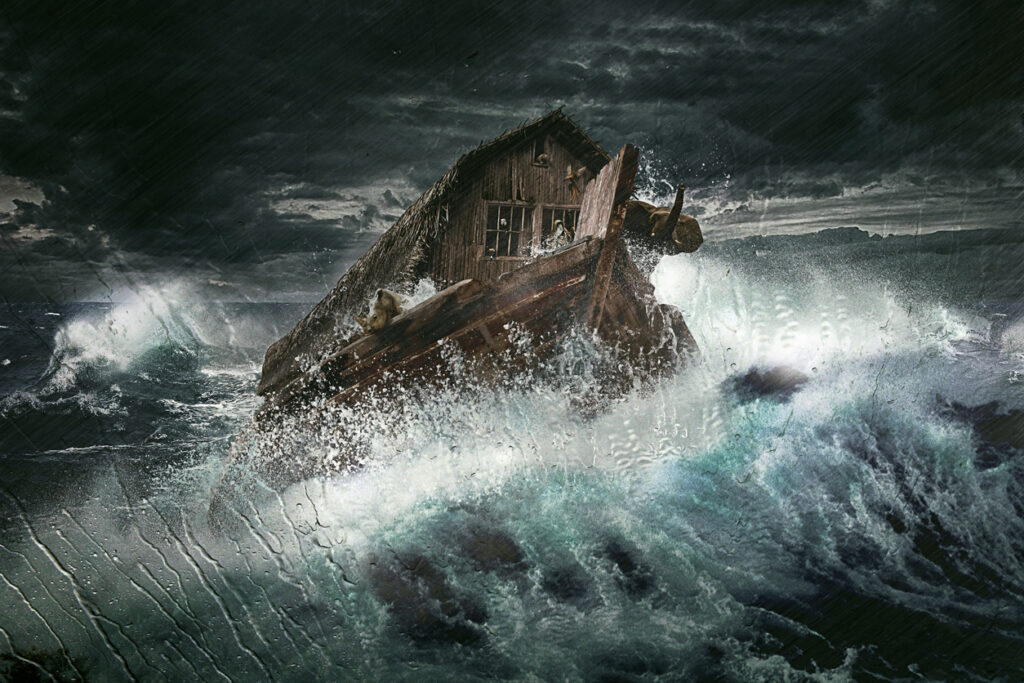
Once you start thinking about it like an adult with even a passing knowledge of biology, behaviour, or basic logistics, things unravel pretty quickly. Some animals would have caused problems almost immediately. Others would have needed conditions that a floating wooden box simply couldn’t provide. Oh, and a fair few would have turned the whole operation into a short, chaotic disaster long before dry land came back into view.
Sure, the story is simply a parable, and there’s no need to nitpick it since that’s not really the point. Nevertheless, these are some of the creatures that never could have realistically survived.
1. Freshwater fish would have died in the flood.

If the entire earth flooded with rain, the mixing of salt and fresh water would have created conditions that most fish species can’t tolerate. Freshwater fish need specific water chemistry to survive, and diluting the oceans while flooding freshwater systems would have killed them regardless of whether they were on the ark or not. There’s no way to keep thousands of fish species in separate tanks with proper filtration, temperature, and water chemistry on a wooden boat built by ancient people.
2. Koalas only eat eucalyptus leaves.
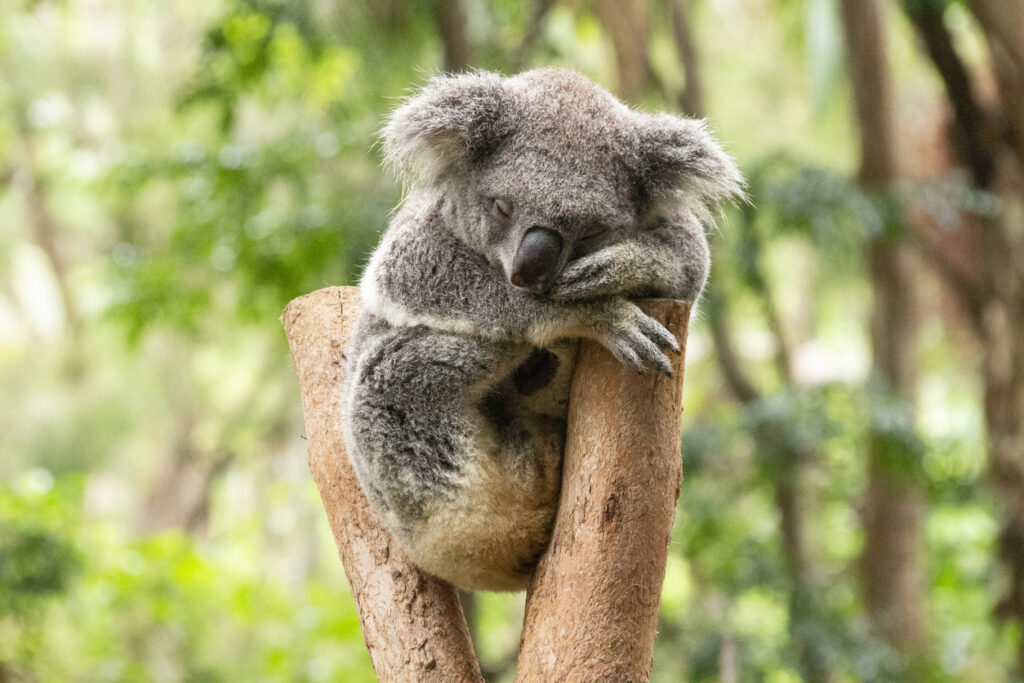
Koalas are so specialized that they exclusively eat eucalyptus leaves, and they need massive quantities of fresh leaves daily to survive. Storing enough eucalyptus to last forty days plus however long it took for trees to regrow would be impossible, and the leaves would spoil quickly in storage. Even if you could somehow preserve them, koalas are so sensitive to their diet that any change in leaf quality or freshness can make them sick or refuse to eat.
3. Polar bears need freezing temperatures.
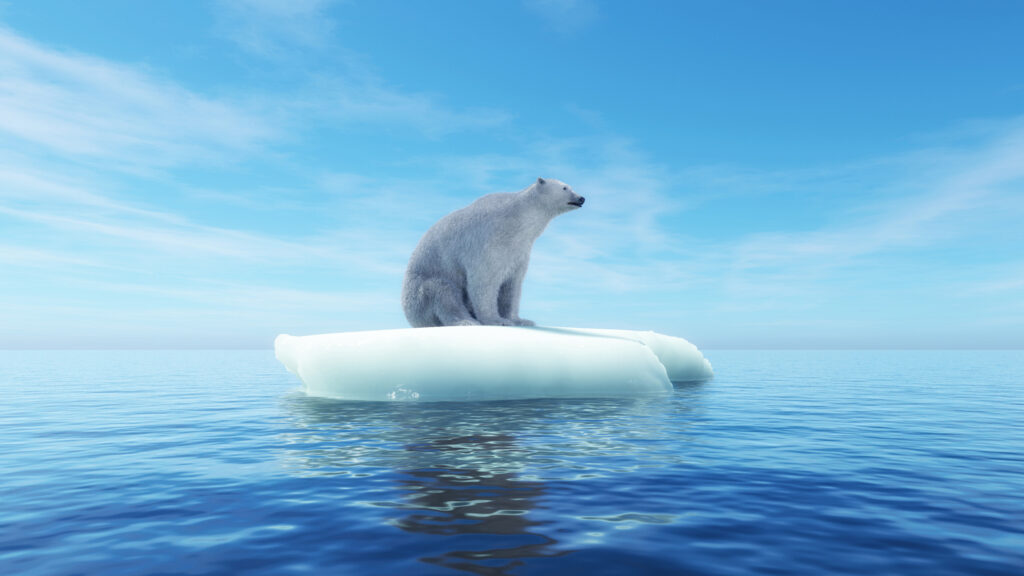
Polar bears are built for Arctic conditions and struggle badly in warm environments, suffering from heat stress that can be fatal. The Middle East, where the ark supposedly launched from, would have been far too hot for polar bears to survive, let alone the enclosed, poorly ventilated conditions of a wooden boat. Their thick fur and body composition are designed for sub-zero temperatures, so keeping them alive in that climate would require refrigeration technology that didn’t exist.
4. Deep sea creatures require extreme pressure.
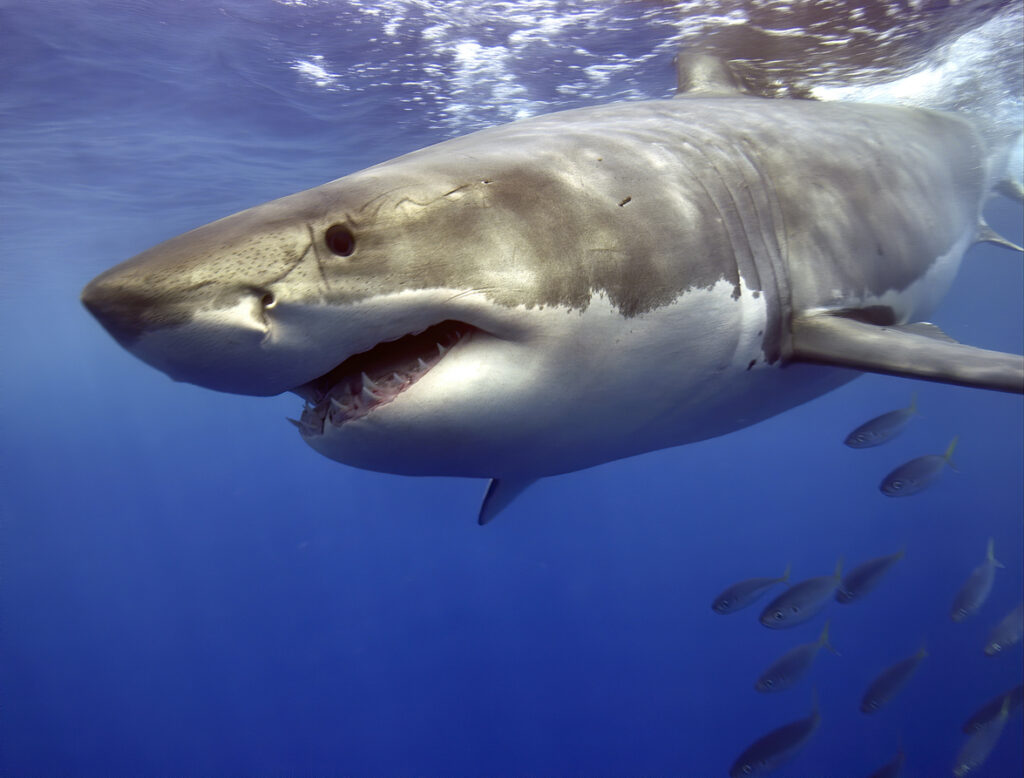
Fish and invertebrates from the deep ocean live under crushing pressure that’s essential for their bodies to function properly. Bringing them to surface pressure would cause their bodies to expand and rupture because they’ve evolved in an environment where the pressure holds their biology together. There’s no way to recreate deep sea pressure conditions on a wooden ark, so these species would have died instantly if brought aboard.
5. Giant pandas need bamboo constantly.

Pandas eat nothing but bamboo, and they need to consume about 12 to 38 kilograms of it every single day because it’s so nutritionally poor. Storing enough fresh bamboo for forty days would require a cargo hold larger than the ark itself, and bamboo doesn’t stay fresh for long once cut. Pandas are also notoriously difficult to keep healthy in captivity even with modern veterinary care, so managing them on a boat with no expertise would be impossible.
6. Hummingbirds must eat constantly to survive.
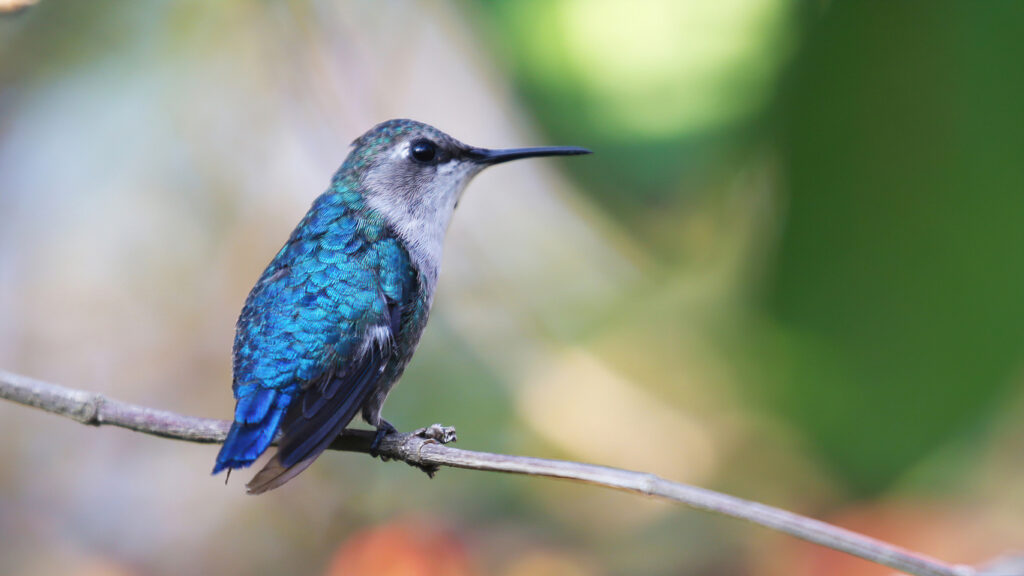
Hummingbirds have such fast metabolisms that they need to feed every 10 to 15 minutes during the day, consuming up to half their body weight in nectar daily. They would require thousands of fresh flowers or specialized sugar water feeders that didn’t exist in ancient times, and even a few hours without food can send them into torpor or death. The stress of captivity would increase their metabolic needs even further, making survival on the ark essentially impossible.
7. Sloths move too slowly to board in time.
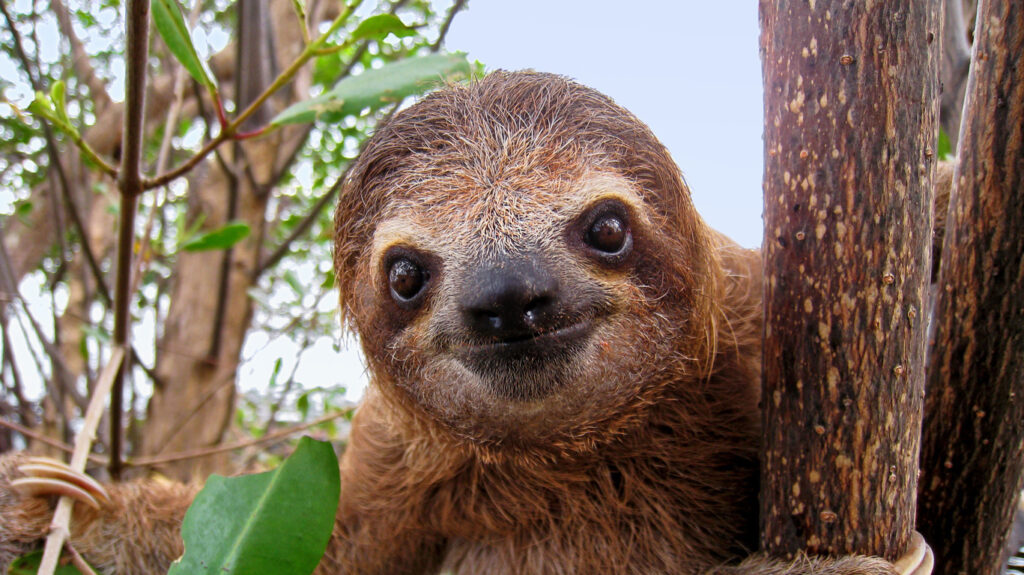
Sloths travel at about 0.24 kilometres per hour at their fastest, so getting them from South America to the Middle East would have taken years even if they moved non-stop. Once aboard, they need specific trees and leaves that grow in tropical rainforests, and they can’t digest food properly if they’re stressed or in the wrong environment. Their entire biology is designed for slow, deliberate movement in a specific ecosystem, so the journey and conditions would have killed them.
8. Penguins need frozen environments and constant fish.
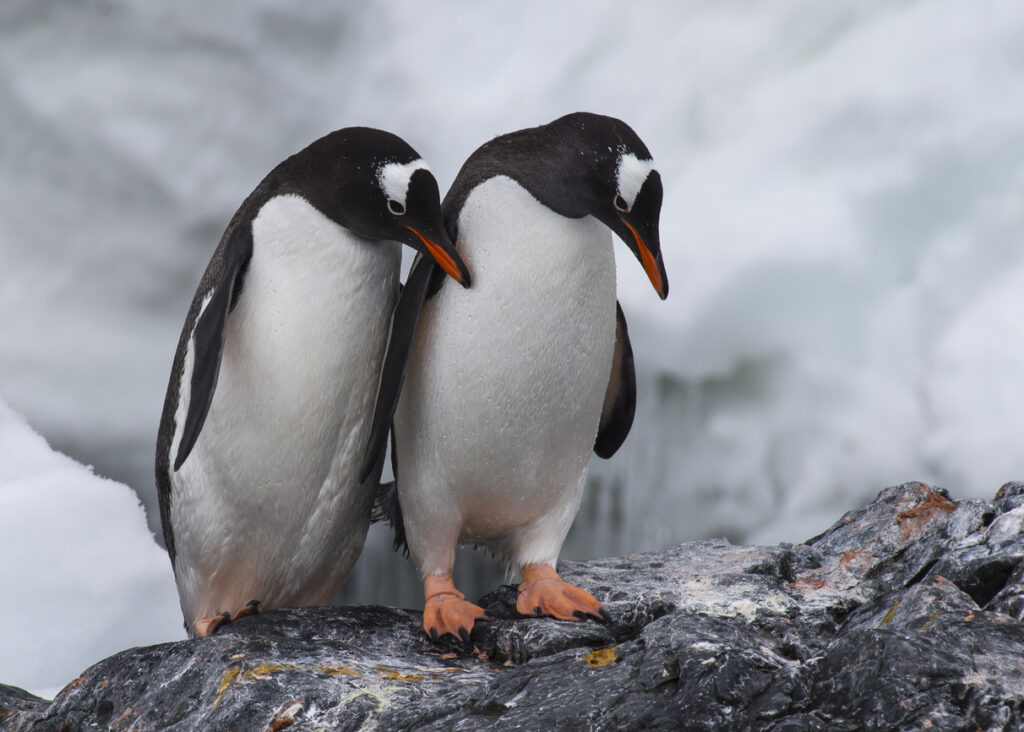
Most penguin species require cold temperatures and would die from heat stress in the Middle Eastern climate where the ark was supposedly built. They also eat enormous quantities of fresh fish daily, which would be impossible to provide on a boat during a flood that’s killed all marine life. Even if you could somehow keep them cool, penguins are so specialized for aquatic hunting that they can’t survive long without access to the ocean.
9. Parasites can’t survive without their specific hosts.
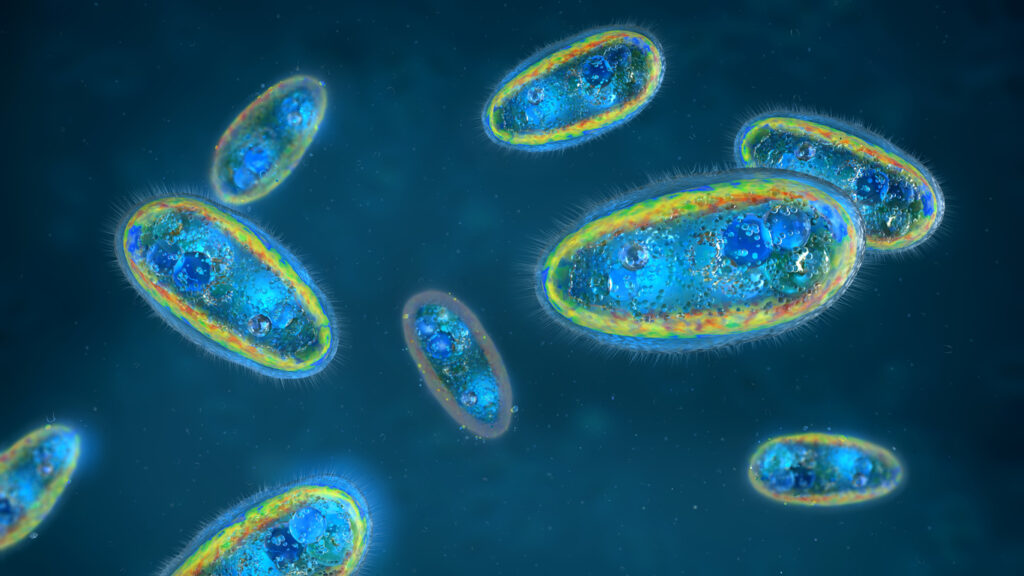
Many parasites and disease-causing organisms can only live in or on specific host species, so if those hosts weren’t on the ark, the parasites would have become extinct. However, if you did bring parasites aboard to preserve them, you’d need to infect animals on the ark deliberately, which would make them sick and potentially kill them. It’s a biological paradox where you either lose the parasite species or you harm the animals you’re trying to save.
10. Whales and dolphins can’t live on a boat.
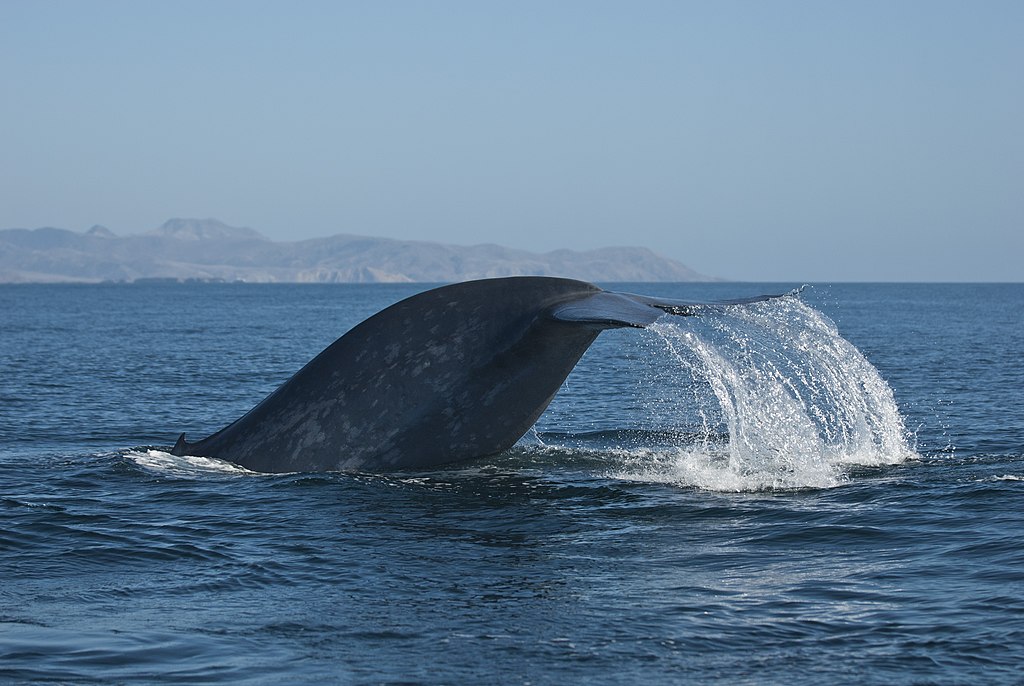
Marine mammals are far too large to bring aboard any boat, and even if you could, they need enormous amounts of space, salt water, and food to survive. Whales must surface to breathe, but they also need to stay submerged most of the time, so keeping them in any kind of container would be impossible. They also eat tonnes of fish or krill daily, so providing food during a flood would be completely unfeasible.
11. Amphibians need specific moisture and temperature ranges.
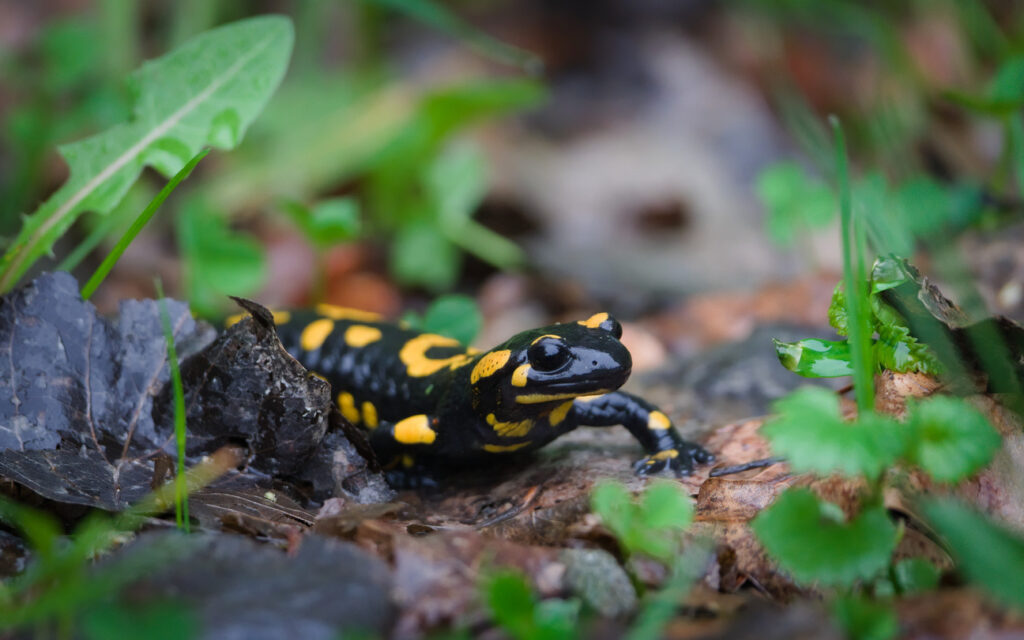
Frogs, salamanders, and other amphibians have permeable skin that requires precise humidity levels to stay healthy, and most species would die quickly if conditions weren’t exactly right. Many amphibians also need specific breeding conditions and can’t survive without access to clean, chemical-free water at particular temperatures. The stress and dry conditions of a wooden boat would have caused most amphibian species to perish within days.
12. Termites would have eaten the ark itself.

Bringing termites aboard to preserve the species would mean they’d immediately start consuming the wooden structure of the boat, potentially causing it to sink. Termites eat enormous quantities of wood and reproduce quickly, so even a small colony would cause catastrophic damage during a forty-day voyage. You’d essentially be choosing between saving termites and keeping the ark intact.
13. Plants and trees can’t survive underwater.
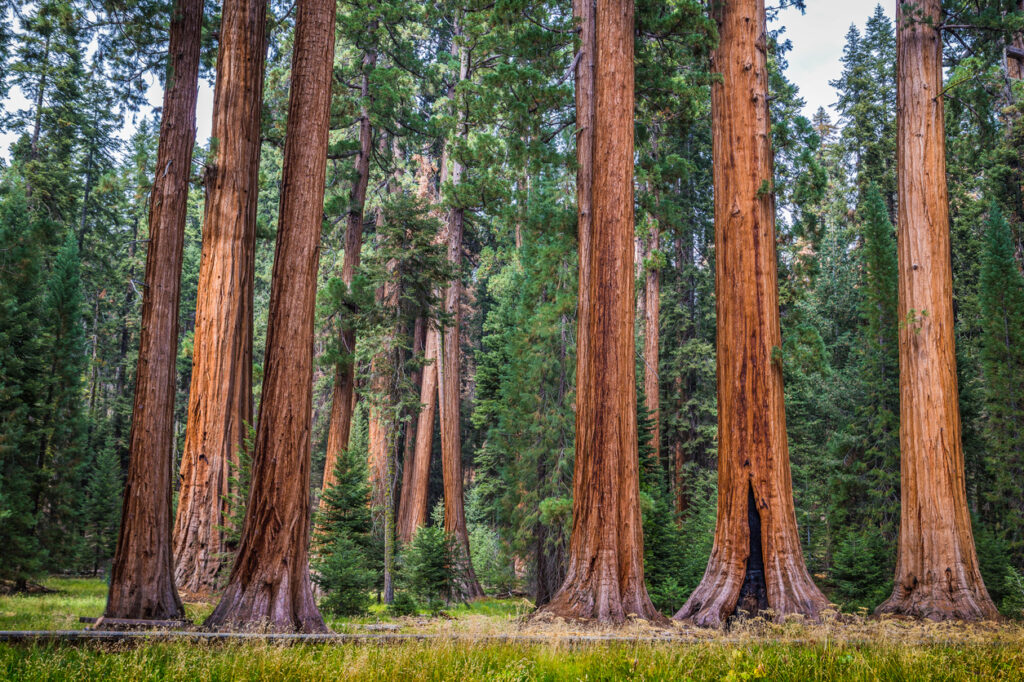
While animals were supposedly on the ark, most plant species would have drowned during the flood, and without plants, herbivores would have nothing to eat once they disembarked. Trees, crops, and vegetation take years to regrow to maturity, so animals would have starved to death long before their food sources recovered. The entire ecosystem would have collapsed because you can’t preserve thousands of plant species on a boat while also housing all the animals.
14. Mayflies only live for one day as adults.
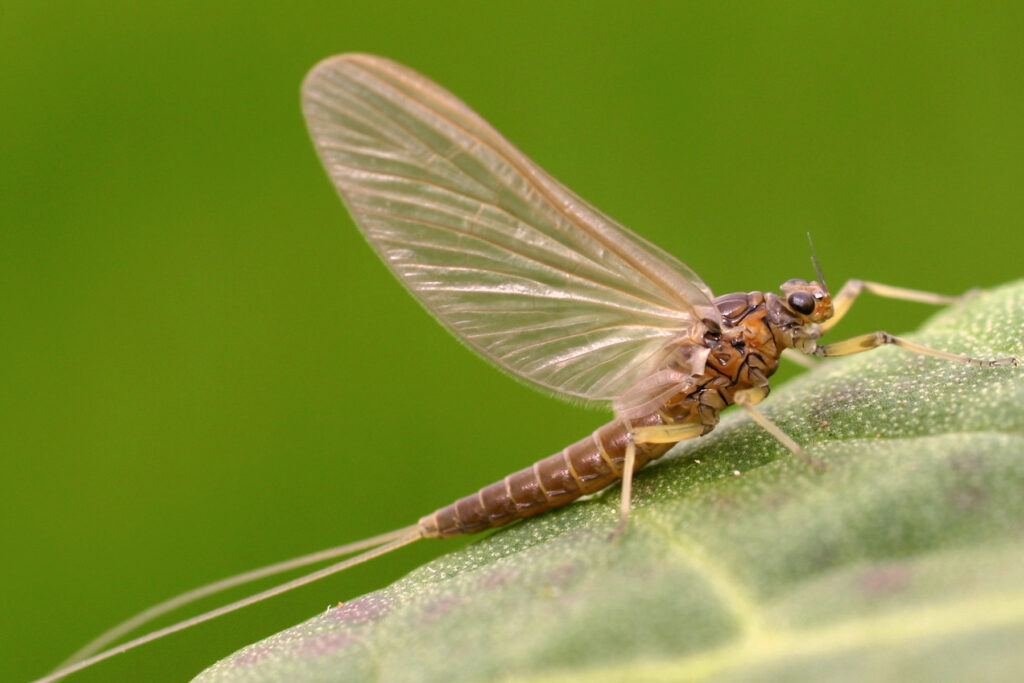
Mayflies and other insects with incredibly short adult lifespans would need multiple generations to survive forty days, which means you’d need to bring breeding populations and manage their reproduction cycles. Many insects also have very specific larval requirements, needing particular plants, water conditions, or host species to develop properly. Managing insect populations through multiple generations while also caring for thousands of other species would be biologically impossible.
15. Island species never could have reached the ark.
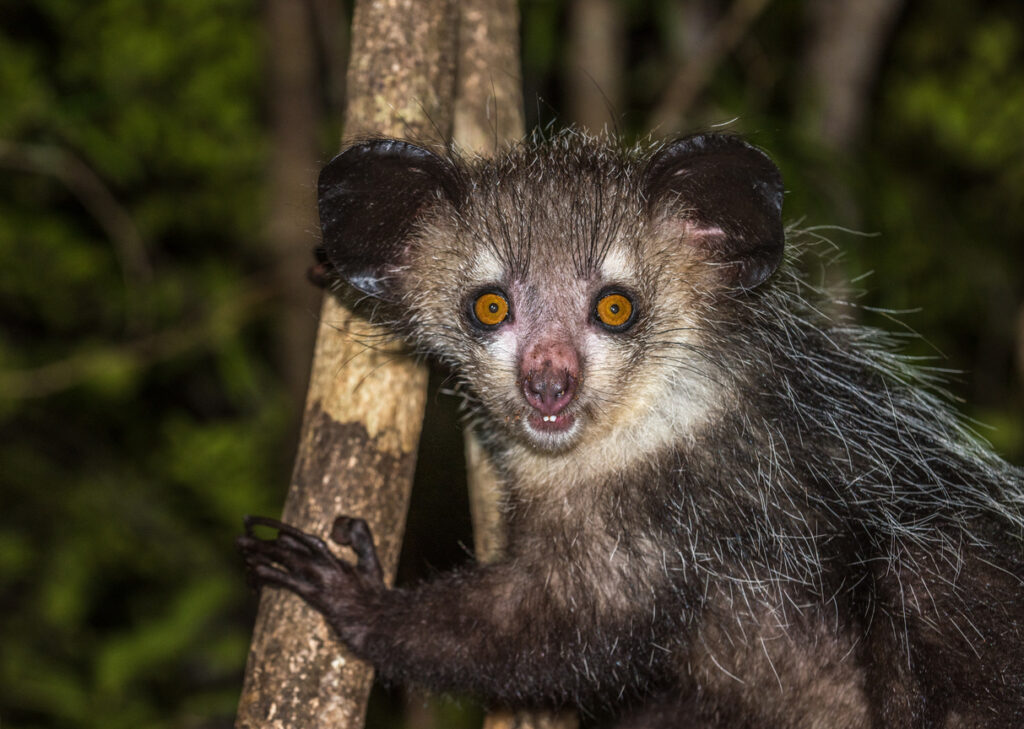
Animals that evolved on isolated islands like Madagascar or the Galápagos would have had no way to travel thousands of miles across oceans to reach the Middle East. Species like lemurs, many unique birds, and island-specific reptiles would have needed to somehow cross vast distances that their biology isn’t equipped to handle. Even if they miraculously arrived, they’d need to make the return journey after the flood, which is equally impossible for animals that never evolved for long-distance travel.