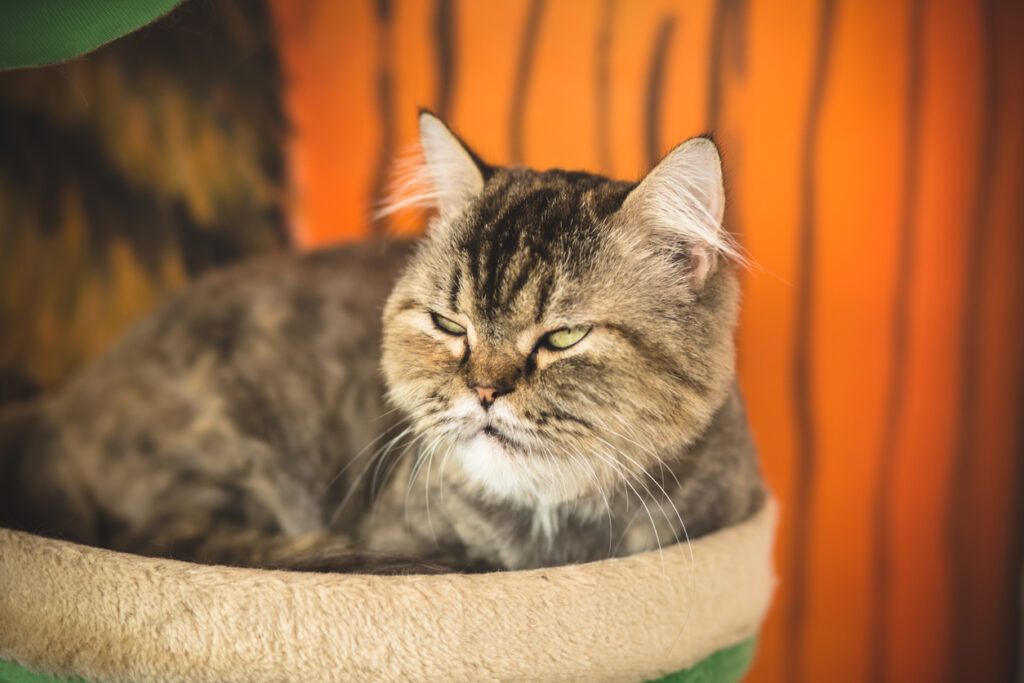
Cats may look like they have life figured out, since they spend so much time napping, stretching, and casually watching the world. However, even the most independent cat can get bored if their mind and body are not stimulated enough. Boredom in cats is often subtle, so it is easy to miss until it becomes a bigger problem. Here are some common signs your cat might secretly be bored, along with what you can do to keep them happier and more engaged.
Oversleeping beyond normal cat naps
Cats naturally sleep a lot, but boredom can make them snooze even more than usual. Instead of short bursts of rest between activity, they drift into long, uninterested stretches of sleep that look more like escape than relaxation. Encouraging playtime throughout the day helps break up the monotony. Even a few short bursts of chasing toys or climbing can give them mental and physical stimulation that reduces the urge to oversleep.
Overeating or constant begging for food
If your cat always seems to be heading toward the food bowl, it could be a sign they are using eating to fill the gap boredom leaves. Snacking becomes an easy distraction when they do not have enough else to focus on. Offering puzzle feeders or hiding small portions of food around the house encourages them to “hunt” for meals. This slows down overeating and taps into their natural instincts, making mealtime more interesting.
Destructive scratching on furniture
Scratching is normal behaviour, but if your cat is tearing at furniture or carpets more than usual, it might be a sign of frustration. Boredom often channels itself into destructive habits that give them an outlet for pent-up energy. Providing sturdy scratching posts or boards in different rooms can redirect the behaviour. Sprinkling catnip or placing posts near their favourite spots makes them more likely to use them instead of your sofa.
Excessive meowing or vocalising

When cats are bored, they sometimes become noisier, calling out for attention in ways that feel unusual for their personality. If your cat meows constantly without an obvious reason, it might be their way of saying they need stimulation. Interactive play sessions or introducing new toys can help reduce this restlessness. Cats often meow more when they want engagement, so giving them regular focus keeps them calmer and more content.
Chasing or attacking your ankles
A cat that pounces on ankles or swats at you as you walk past may not just be playful, they may be under-stimulated. Boredom often shows up as ambush behaviour when they have no other outlet for their hunting instincts. Redirecting this energy with wand toys or moving targets gives them a better option for play. When their hunting drive is satisfied, they are less likely to use your feet as entertainment.
Grooming more than usual
Some cats respond to boredom by over-grooming. It gives them something to do, but can turn into excessive licking or chewing at their fur, which sometimes leads to bald patches or irritation. Offering them new activities like climbing trees or food puzzles can distract them from constant grooming. If you keep them busy and stimulated, they are less likely to fall back on this repetitive behaviour.
Knocking things over deliberately
If your cat has suddenly taken to pushing objects off tables or shelves, it might not be defiance — it might be boredom. Cats sometimes cause mischief because it creates a reaction, and even negative attention feels stimulating when they are under-engaged. Instead of reacting with frustration, provide safe toys or objects they are allowed to bat around. Giving them approved outlets channels their energy away from breakables and still satisfies their curiosity.
Picking fights with other pets
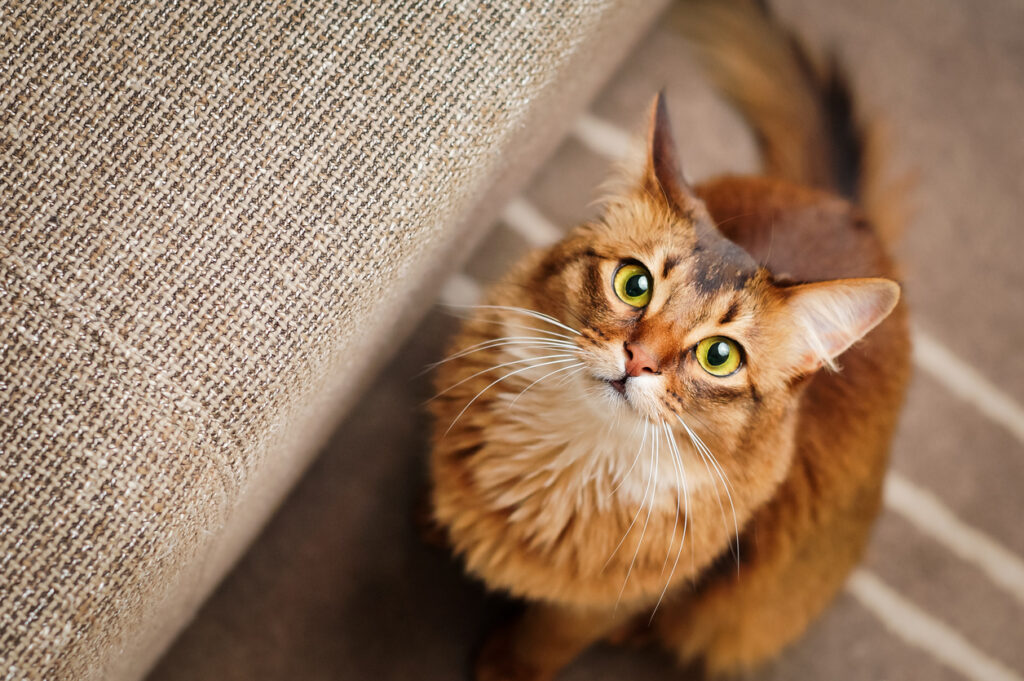
Boredom can make cats more irritable with other animals in the house. If they are pouncing aggressively or starting scuffles, it may be because they are restless rather than genuinely hostile. Creating structured playtime just for them helps burn off the extra energy. When their needs are being met, they are less likely to use other pets as a substitute for stimulation.
Excessive staring out the window
Cats love watching the world, but if they are spending endless hours at the window with no variety, it can be a sign of boredom. The behaviour shows they are craving stimulation but not getting it indoors. Window perches, bird feeders outside, or even cat-safe outdoor enclosures can enrich this experience. By adding variety to what they see, you keep the activity engaging instead of repetitive.
Zoomies at odd hours
Late-night sprints through the house or sudden bursts of running can signal excess energy. Cats that are bored during the day often release it all at once when the house is quiet. Increasing play during the day with high-energy activities reduces the need for midnight chaos. Wand toys, climbing spaces, or even simple hide-and-seek with treats can balance out their energy levels.
Ignoring toys they used to enjoy
If your cat no longer shows interest in toys that once excited them, boredom may be the cause. Familiar objects lose their novelty, leaving them uninterested in playtime. Rotating toys every week keeps them fresh, since reintroducing “old” ones after a break makes them feel new again. Adding variety keeps curiosity alive and prevents disinterest from setting in.
Following you everywhere

Cats are often independent, but a bored cat may shadow you constantly as if you are their only source of stimulation. While it can feel flattering, it also signals they are under-stimulated elsewhere. Creating independent enrichment, like puzzle feeders or climbing areas, helps them stay busy even when you are not around. This balance keeps them from relying solely on you for entertainment.
Excessive digging in litter or houseplants
When cats are bored, they sometimes dig obsessively in litter trays or in the soil of houseplants. It gives them something to do but can make a mess or damage your plants. Providing alternatives like cat grass or digging toys redirects this behaviour. Giving them a safe outlet satisfies the urge while keeping your home intact.
Sudden clinginess or attention-seeking
A cat that constantly demands your attention may be looking for stimulation rather than affection alone. They may paw at you, sit on your work, or interrupt whenever you try to focus elsewhere. Structured play sessions and a predictable routine help reduce this clinginess. When they know they will get dedicated time, they are less desperate for constant attention.
General restlessness
Sometimes boredom shows up in subtle ways like pacing, tail flicking, or wandering around aimlessly. These signs are easy to dismiss, but they often mean your cat’s mind and body need more to do. Introducing small daily challenges, whether it is teaching tricks, hiding food, or rearranging toys, keeps things varied. A little change goes a long way in breaking the cycle of restlessness.