Not every garden is blessed with full sun, and honestly, that’s not a bad thing.
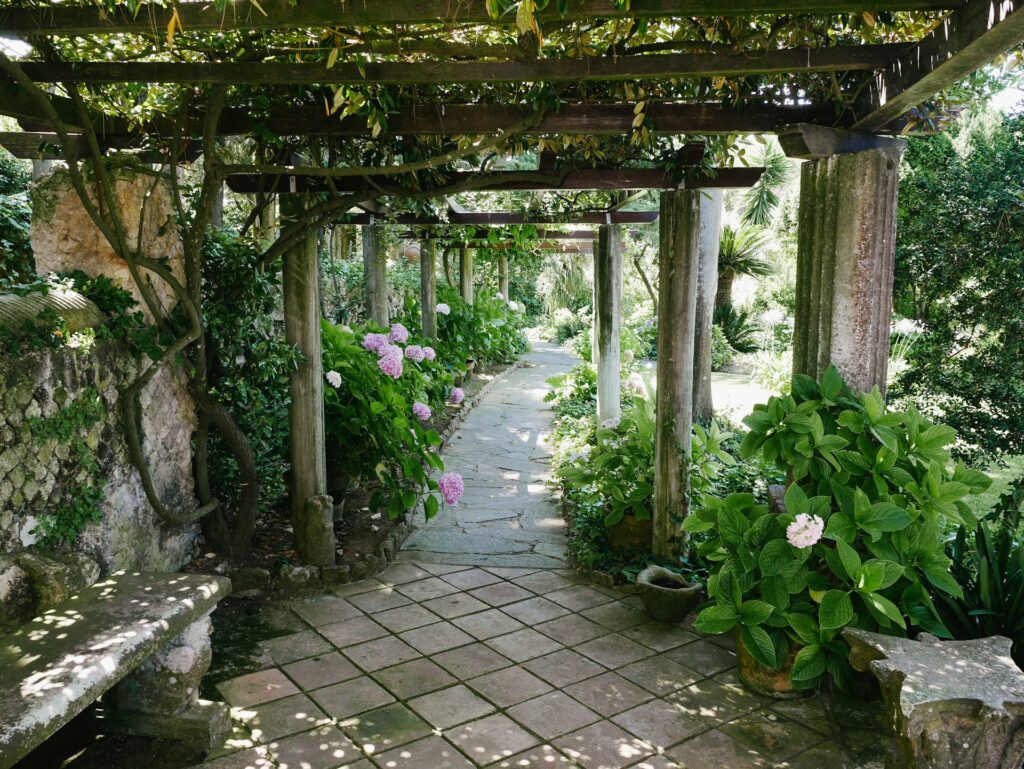
Shady spots can be cooler, calmer, and just as beautiful, especially when filled with the right plants. However, not every flower, shrub, or leafy show-off is happy in low light. If you’ve got north-facing beds, tree-covered corners, or side gardens that barely get a glimpse of sun, don’t panic. There’s a whole world of shade-loving plants that thrive in these cosy, light-dappled conditions. Here’s how to pick the right ones and bring those darker areas to life.
Know your type of shade.
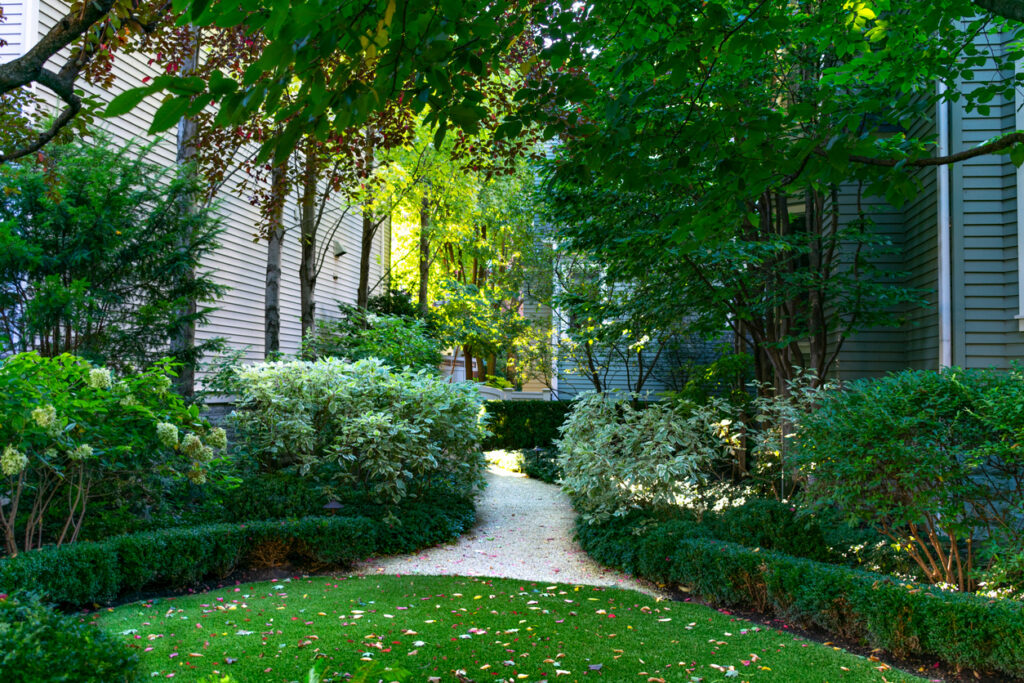
Before picking plants, it helps to understand what kind of shade you’re dealing with. Is it light shade under a deciduous tree? Dappled sun throughout the day? Or deep, dry shade behind a shed or under conifers? Different plants cope with different light levels, so you’ll want to match accordingly.
If you treat dry, heavy shade the same way as a bright, breezy woodland spot, things won’t last long. Observing how much light your shady area gets during the day is one of the most important first steps in planning your planting scheme.
Ferns are your best friends.
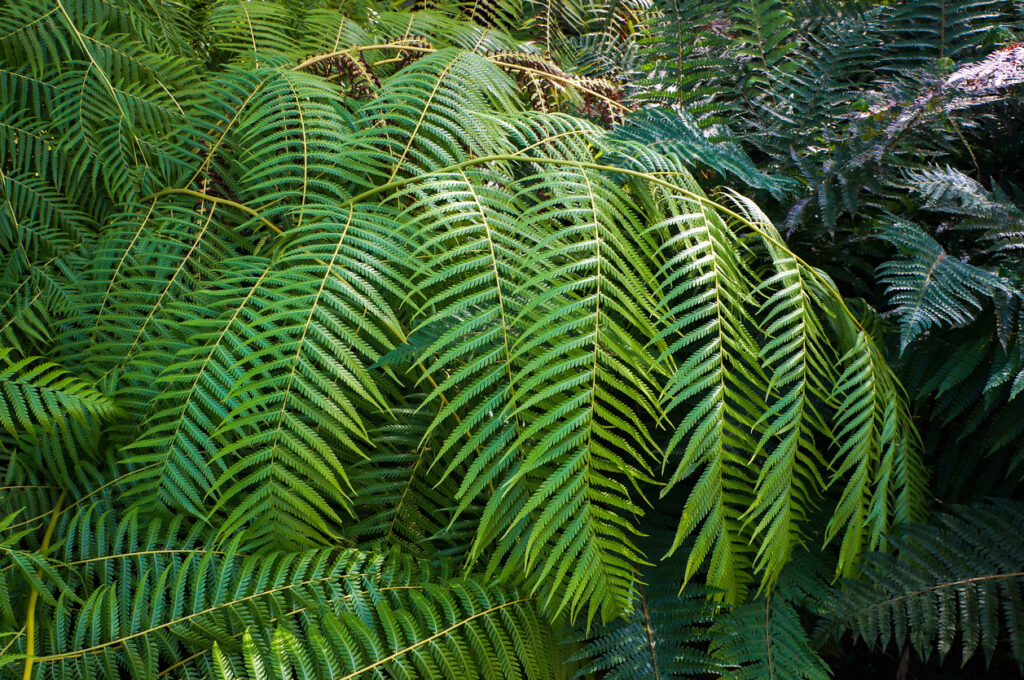
If in doubt, plant a fern. These prehistoric-looking plants are some of the easiest and most reliable options for shade gardens. They love cool, damp soil and do best in partial to full shade, depending on the type. Try varieties like Dryopteris (the male fern) or Athyrium (lady fern) for elegant, textured greenery that looks great all year. They’re low-maintenance and add a wild, woodland feel without needing constant attention.
Hostas bring bold foliage.
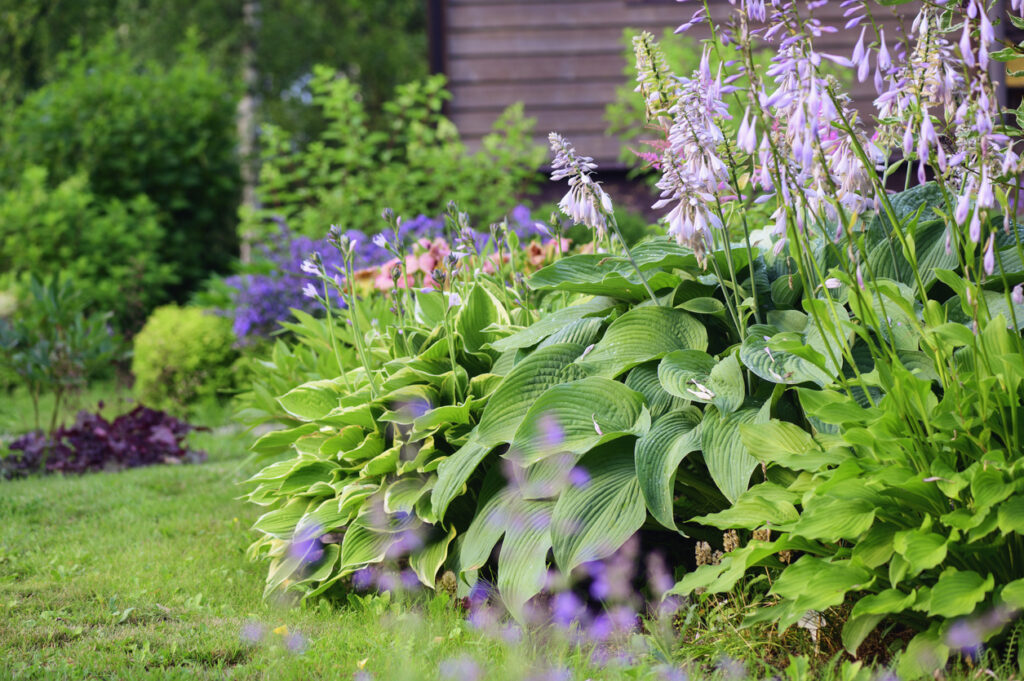
Hostas are shade garden classics, known for their lush, oversized leaves and a huge variety of colours, from deep blue-green to creamy variegated shades. They’re perfect for adding drama and structure where flowers might struggle. They prefer moist, rich soil and do best in partial to full shade. Just watch out for slugs, who seem to think of hostas as a five-star buffet. If you can keep them safe, they’ll thrive for years and make your borders feel full and vibrant.
Heucheras offer colourful leaves.
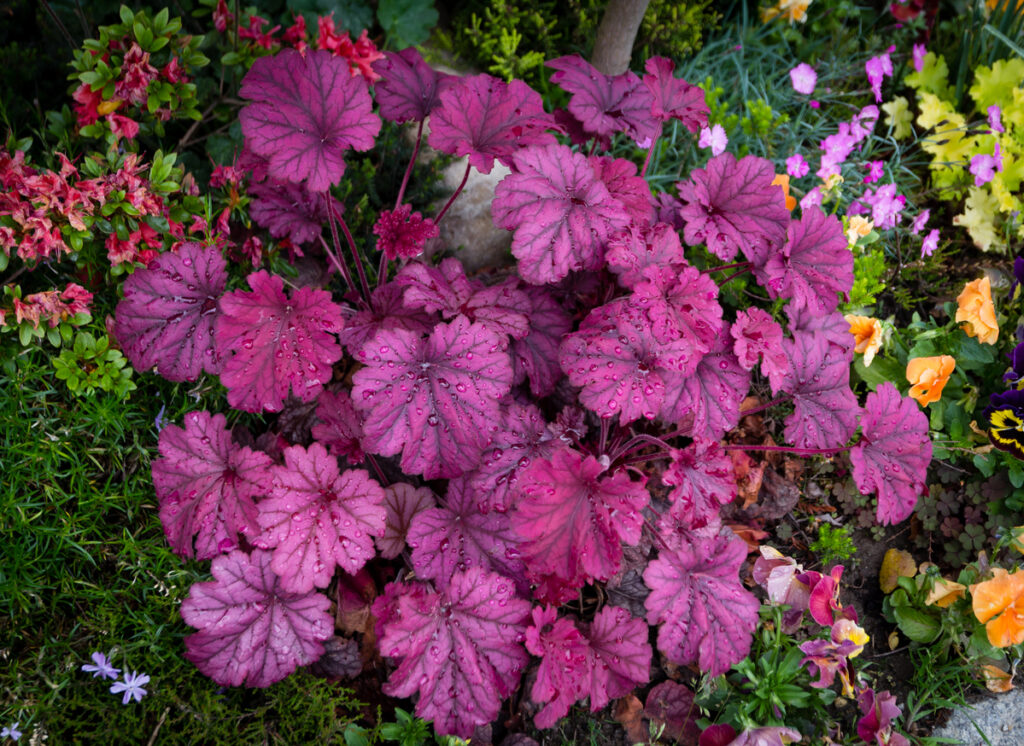
If you’re worried a shady garden will look too green, Heucheras are here to save the day. These perennials, also known as coral bells, bring deep purples, zingy limes, and rusty reds to the mix through their foliage, not their flowers. They prefer light shade and well-drained soil and work beautifully in containers or along the edge of a path. Unlike many flowers, they offer year-round interest with minimal fuss, making them a top pick for modern shade gardening.
Hydrangeas love soft light.
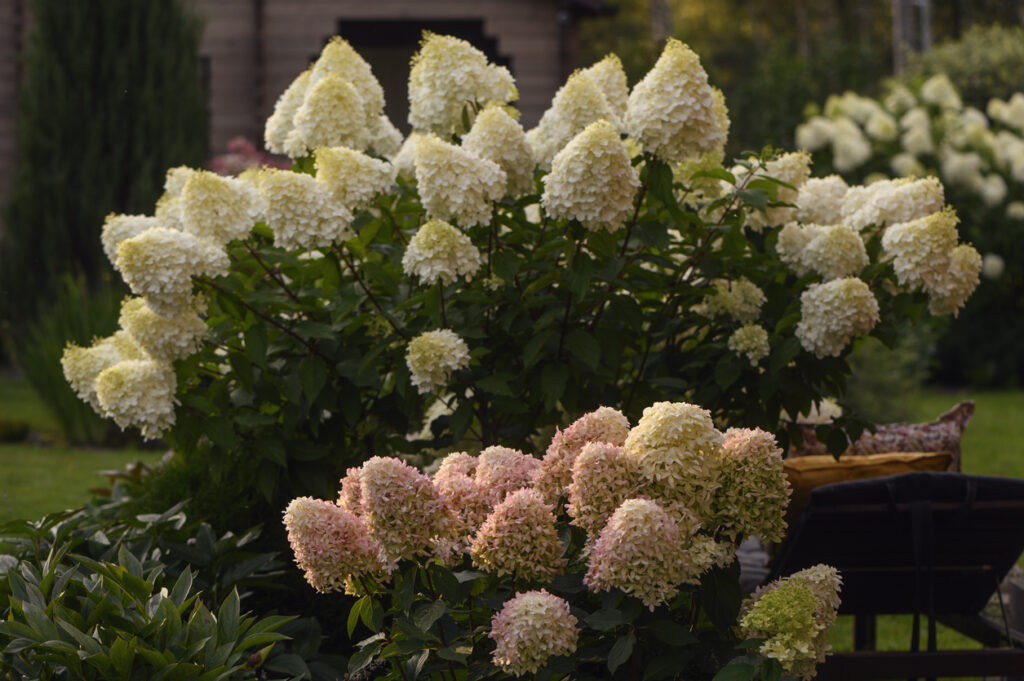
While some hydrangeas can tolerate more sun, most actually prefer dappled or partial shade, especially in hot or dry areas. The Hydrangea macrophylla varieties, with their globe-shaped blooms, are especially suited for cooler, shadier corners. They bring big, blousy colour to your shade garden from summer into autumn and respond well to soil conditions, changing colour depending on pH. Just keep them watered during dry spells and enjoy the show.
Foxgloves handle part shade beautifully.

If you want height and a bit of drama, foxgloves are an easy win. These tall, spire-like flowers love partial shade and will happily grow under trees or along fences where the light shifts throughout the day. They self-seed easily, so once they’re in your garden, they’ll often return year after year with very little effort. They’re also brilliant for pollinators and lend a soft, wild look to shaded planting schemes.
Try brunnera for blue spring flowers.
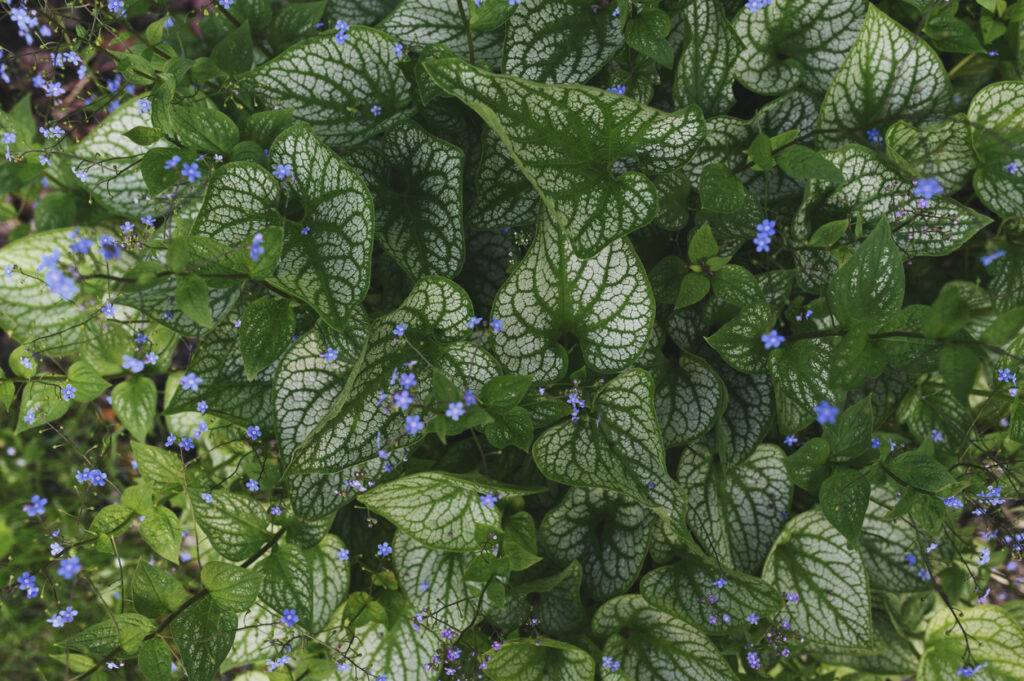
Brunnera, sometimes called Siberian bugloss, is a lovely plant for shady spaces. Its bright blue forget-me-not-style flowers appear in spring, followed by heart-shaped leaves, some of which are beautifully variegated or silver-toned. It prefers moist, well-drained soil and partial shade, making it perfect for beds under trees or in sheltered corners. It adds a gentle touch of colour and texture without demanding much from you in return.
Use ground cover like lamium.
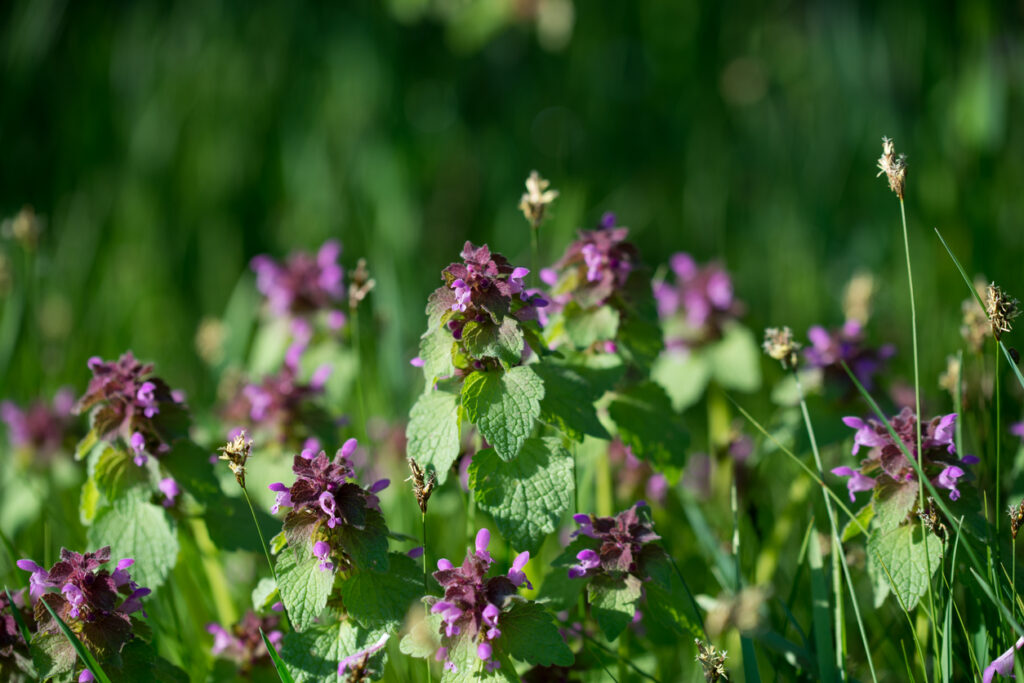
Lamium, also known as deadnettle, is one of the most underrated ground covers for shade. It has silvery, variegated leaves and small purple or pink flowers in spring and early summer, and it grows like a soft carpet in low light. It’s ideal for filling awkward patches beneath trees or shrubs where grass won’t grow. Plus, it’s low-growing, low-maintenance, and helps keep weeds at bay. Just trim it back if it starts getting too confident.
Try astrantia for soft, floaty blooms.
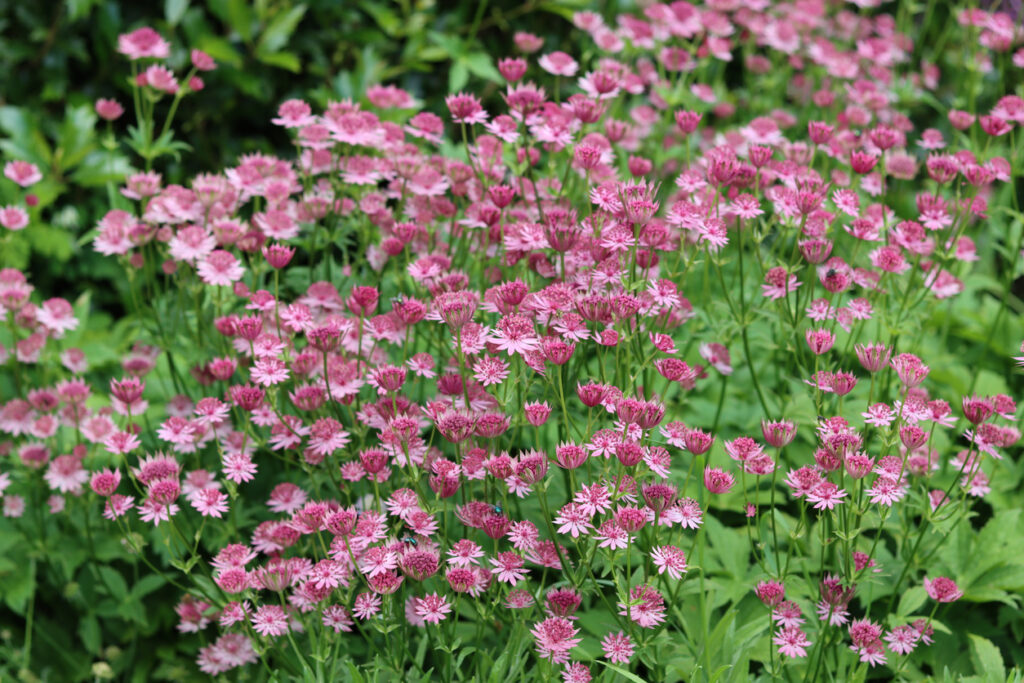
Astrantia, or masterwort, is a graceful perennial that handles partial shade really well. Its starry, pin-cushion-like flowers hover on slender stems, adding gentle movement and texture to shadier borders. It does best in moist, fertile soil and looks lovely in woodland-style plantings. Plus, it’s a good choice for cutting gardens; even in the shade, it gives you armfuls of flowers that last in a vase.
Consider Japanese forest grass for structure.
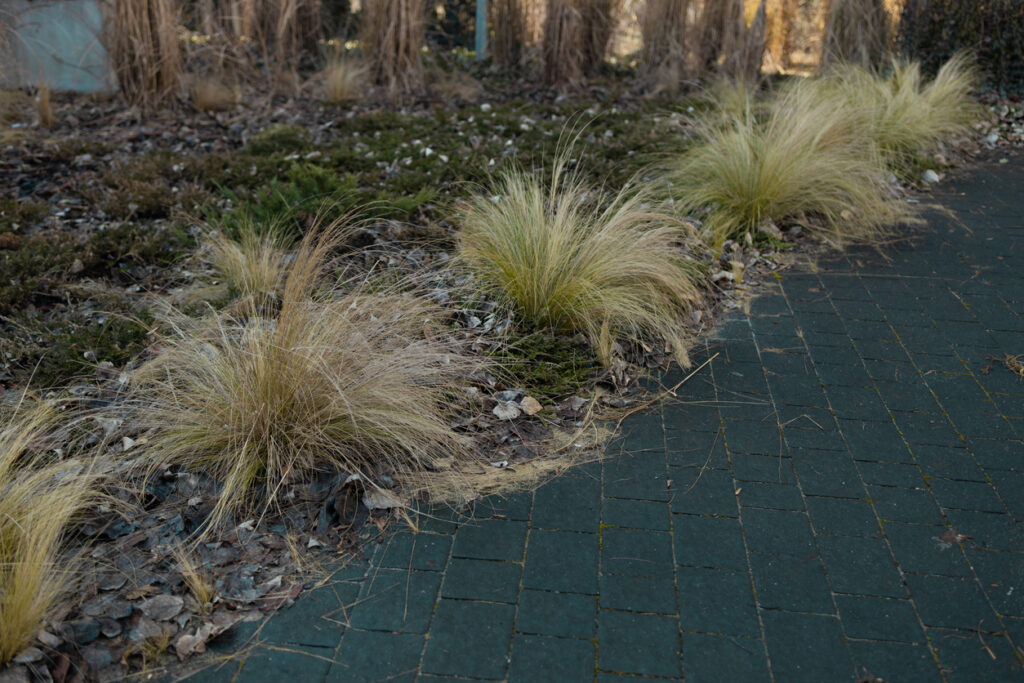
Hakonechloa, also known as Japanese forest grass, brings a graceful, flowing look to shady gardens. Its arching, ribbon-like leaves create movement and texture, and many varieties come in golden or variegated tones. It’s perfect for planting near paths, edging shady beds, or spilling over containers. It loves partial shade and moist, well-drained soil, and gives a more ornamental feel to areas where flowers are harder to manage.
Add bergenia for evergreen interest.
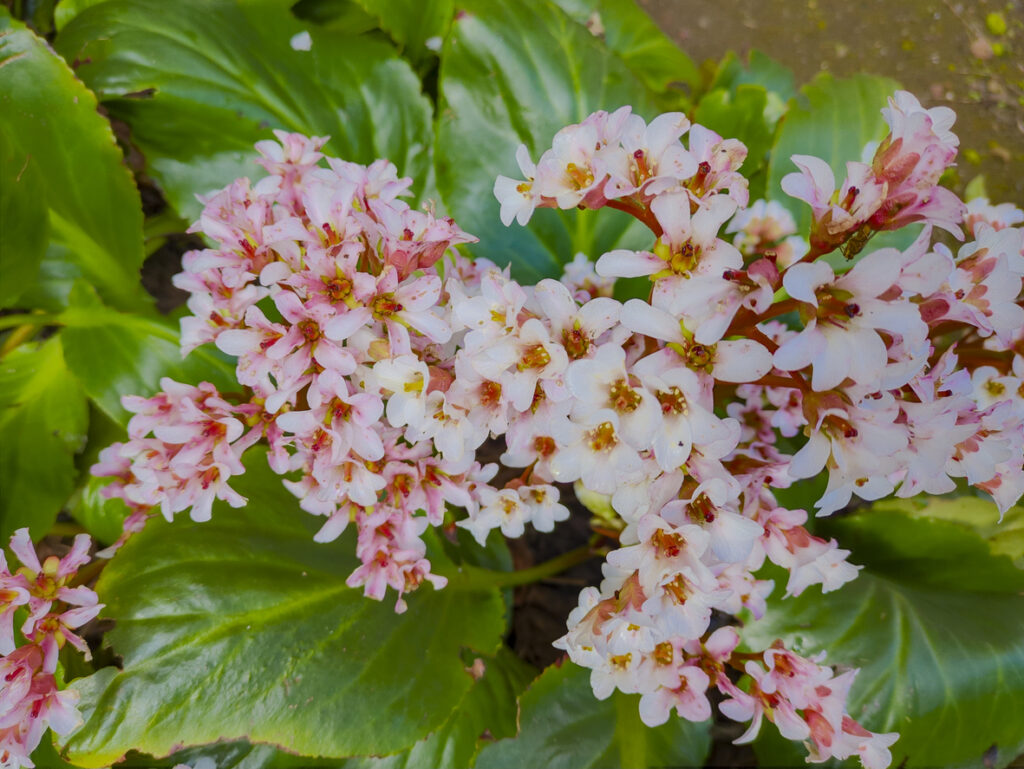
Bergenia, sometimes called elephant’s ears due to its chunky leaves, is a tough evergreen that brings colour and texture to even the gloomiest corners. In spring, it sends up pink or red flower stalks, which stand out beautifully against the foliage. It thrives in most types of shade, and is particularly good in dry areas where other plants might struggle. The leaves also turn red or bronze in colder months, giving your shady border interest through winter.
Use ivy carefully (but creatively).
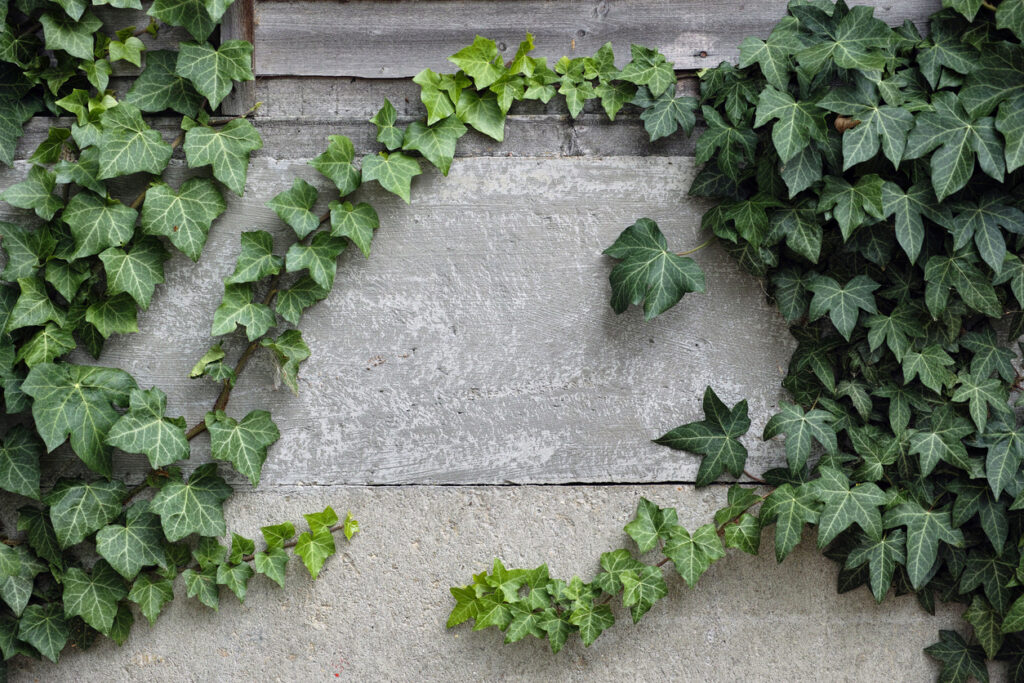
Common ivy gets a bad rep, but it can be a useful plant for shady spaces if managed well. It’s great for covering walls, fences, or even acting as ground cover in dry shade under trees. It’s evergreen and tough as old boots. If you’re growing ivy, just keep it in check and cut it back before it takes over. It’s ideal for low-maintenance corners, and birds love it for shelter. You can also find more decorative varieties with smaller leaves and interesting patterns.
Don’t forget spring bulbs.
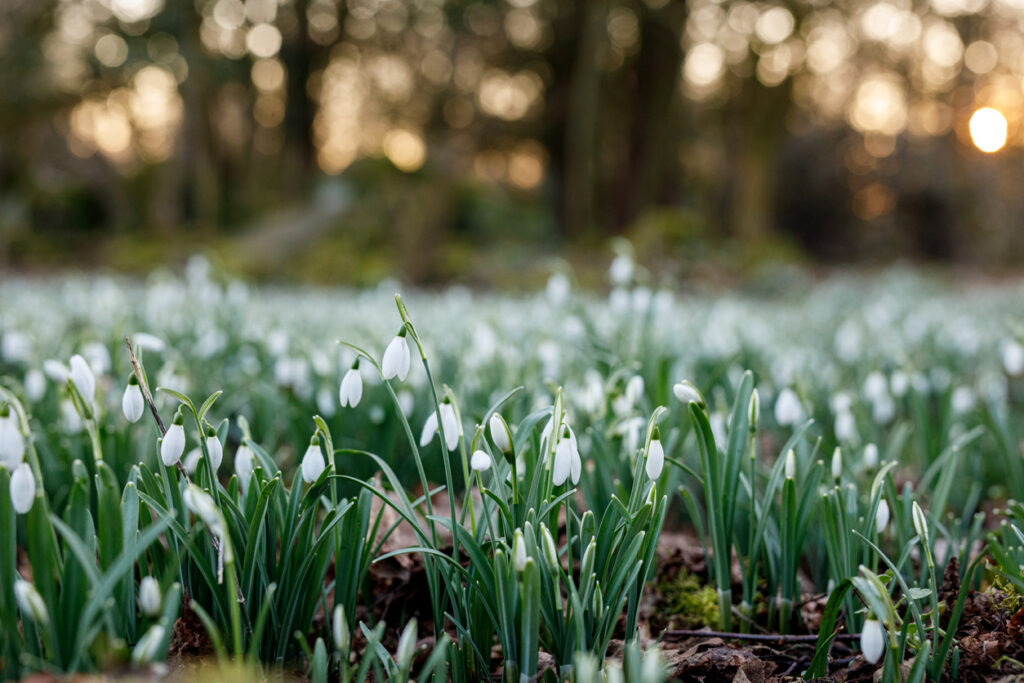
Many spring bulbs do just fine in light shade, especially under deciduous trees where the canopy hasn’t fully filled in yet. Snowdrops, bluebells, crocuses, and even daffodils will often bloom happily before the leaves above block the light. They bring colour and energy into a shady area just when everything else is still asleep. Once they fade, you can let foliage die back while the rest of your shade garden takes over for summer and autumn.
Mix textures, not just colours.
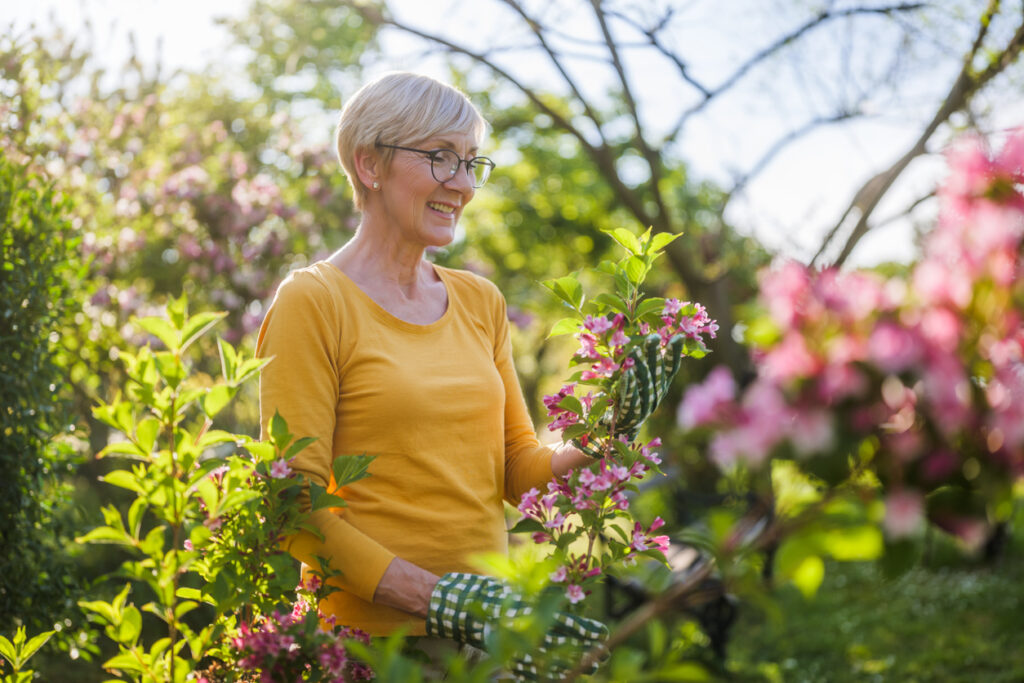
In shady spaces, where flowers might be fewer, texture becomes your secret weapon. Pair bold, glossy leaves with fine, feathery foliage. Mix in upright forms, trailing plants, and soft mounds to make things feel full and layered. Even if your shade garden isn’t exploding with colour, it can still be beautiful and balanced. Focus on structure, movement, and contrast, and you’ll find the space feels more intentional than improvised.