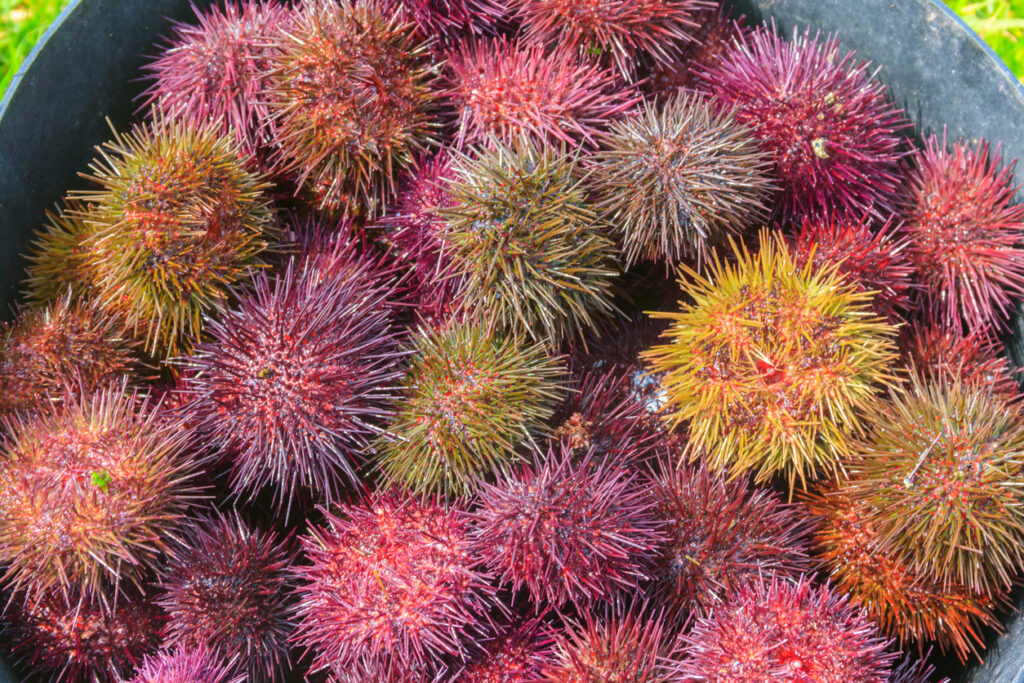
While coral reefs usually hog the spotlight when it comes to environmental disasters, a much quieter catastrophe is playing out on the ocean floor as sea urchins die off in massive numbers. These spiky little engineers are the only things keeping algae from smothering entire marine ecosystems, but they’re being wiped out by mysterious diseases and warming waters at a rate that should be sounding every alarm bell we have.
We’re not just talking about a few empty shells on the beach; we’re witnessing the collapse of a primary defender of our coastlines, and the silence around it is baffling. If these populations don’t recover, the shift from vibrant reefs to barren, slime-covered rock is going to happen a lot faster than anyone is prepared for.
Mass die-offs are happening in multiple oceans at once.
Sea urchin populations have collapsed in parts of the Caribbean, the Mediterranean, the Red Sea, the Pacific, and sections of the Atlantic. In some places, entire reefs that were once covered in urchins are now almost empty. What makes this alarming is the scale and timing. These aren’t isolated events caused by a single local problem. Similar die-offs are happening thousands of miles apart, often within the same few years, which strongly suggests global forces at work.
Disease is wiping them out faster than they can recover.
Many of these die-offs are linked to fast-spreading diseases that cause tissue decay and rapid death. In some outbreaks, urchins go from healthy to dead in a matter of days. Because sea urchins reproduce slowly and rely on specific conditions for larvae to survive, populations don’t bounce back quickly. Once a disease sweeps through an area, recovery can take decades, if it happens at all.
@johnnyrockstarservice Urgent! Sea urchins are dying en masse, threatening coral reefs worldwide! This mysterious disease is spreading rapidly. Learn more about this ecological disaster and what you can do to help! #news #breakingnews #SeaUrchins #CoralReefs #OceanHealth #MarineBiology #GlobalPandemic #SaveTheReefs #ScienceNews #BreakingNews #Ecology #Conservation #LikeAndFollow ♬ original sound – Johnny Perez
Warmer oceans are making outbreaks worse.
Rising sea temperatures create ideal conditions for pathogens to thrive. Warmer water speeds up bacterial growth and weakens the immune responses of marine animals. As a result, that means diseases that once caused minor losses can now trigger mass mortality. As oceans continue to heat, these outbreaks are becoming more frequent and more deadly.
Urchins are key controllers of algae.
Sea urchins spend most of their lives grazing on algae. That might sound insignificant, but it’s one of the most important jobs on a reef. Without urchins keeping algae in check, fast-growing seaweeds can smother coral, blocking light and space. When urchins disappear, reefs often flip from coral-dominated ecosystems into algae-choked wastelands.
Coral reefs collapse faster without them.
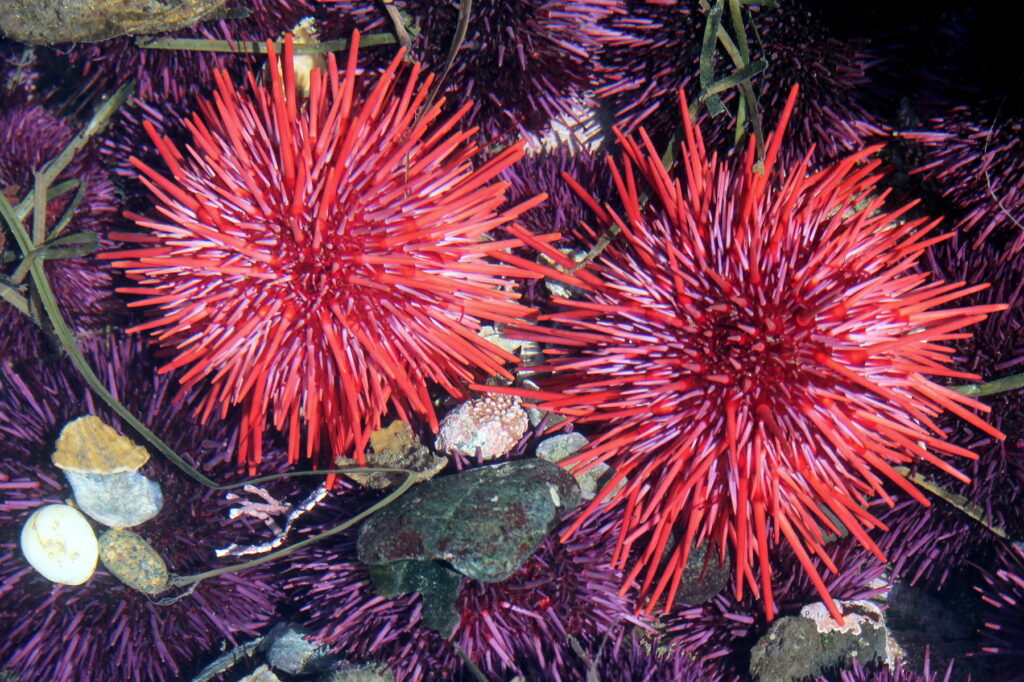
In places where urchins have vanished, coral recovery slows dramatically or stops altogether. Even if corals survive bleaching or storms, they struggle to regrow when algae takes over. This creates a vicious cycle that’s hard to break. Fewer corals mean fewer fish, which means fewer predators and grazers, making it even harder for the reef to stabilise again.
Kelp forests are also being destabilised.
In colder regions, sea urchins play a different but equally critical role. When predator populations drop, urchins can explode in number and overgraze kelp forests. However, when disease wipes urchins out completely, ecosystems swing the other way. These sudden shifts show how finely balanced marine systems are, and how dangerous rapid population crashes can be.
Overfishing indirectly makes the problem worse.
Healthy ecosystems rely on balance. When predators that feed on urchins or compete with them are removed through overfishing, ecosystems lose resilience. This makes them less able to cope when disease or heat stress hits. Instead of absorbing the shock, the system collapses more easily.
@cbschicagoScientists say the world has reached its first irreversible climate change tipping points with the mass coral reef die-off due to warming ocean temperatures.
The damage spreads beyond reefs.
Reefs protect coastlines from erosion, support fisheries, and provide food and income for millions of people. When they degrade, the effects ripple outward. Fish populations drop, tourism suffers, and coastal communities lose natural protection against storms. What starts as an urchin problem quickly becomes a human one.
Conservation attention lags behind more charismatic species.
Sea urchins don’t have the public appeal of turtles, dolphins, or whales. They’re rarely featured in campaigns or documentaries. That lack of attention means fewer resources, less monitoring, and slower responses. By the time the problem becomes visible, the damage is often already severe.
This is a warning sign, not a niche issue.
Sea urchins are telling us something important about ocean health. When foundational species start disappearing across the globe, it points to deeper systemic stress. Their decline isn’t an isolated tragedy. It’s a signal that marine ecosystems are being pushed beyond their limits, and once those systems tip, pulling them back is far harder than stopping the fall in the first place.
Sea urchins don’t make headlines, but their disappearance should. They’re one of the quiet supports holding marine ecosystems together. Losing them isn’t just about losing a spiky creature on the seabed. It’s about losing balance, resilience, and the future stability of the oceans themselves.