
In South Africa, conservation scientists are trying a bold new method to stop rhino poaching, making the horns slightly radioactive. It sounds dramatic, but the idea is simple: if the horn contains a trace amount of radiation, it’ll set off alarms at ports, borders, and airports. That makes it much harder to smuggle rhino horn out of the country without getting caught.
The project, known as the Rhisotope Project, is being led by researchers at the University of the Witwatersrand. According to an AP report, the radiation levels used are extremely low and completely safe for the animals. It doesn’t harm the rhino or affect its behaviour. In fact, the horn is made of keratin (like our fingernails), so it has no nerves or blood supply. It’s an area that can be treated without putting the animal at risk. The hope is that by making the horn detectable to radiation scanners, it’ll no longer be worth the gamble for traffickers.
How it works, and why it could change the game
@apnews A South African university launched an anti-poaching campaign on Thursday to inject the horns of rhinos with radioactive isotopes that it said were harmless for the animals but can be detected by customs agents. #rhinos #southafrica #horn #radioactive #antipoaching
So far, the team has tested the technique on about 20 rhinos. The results have been promising: even tiny amounts of radioisotopes were enough to trigger detection in shipping containers and suitcases during international shipping simulations. Customs agents don’t need special equipment, as the existing scanners used for nuclear materials can pick up the radioactive signature.
James Larkin, who leads the project, told AP that the process is both safe and effective. The radiation doesn’t degrade the horn or change its appearance, but it gives authorities a powerful new tool in detecting and stopping the illegal trade.
South Africa is home to the vast majority of the world’s remaining rhinos. Every year, around 500 are still killed for their horns, which are trafficked primarily to Asia where they’re used in traditional medicine or sold as luxury items. With rhino populations having fallen drastically over the last century, there’s growing pressure to try new solutions.
Can this stop poaching?
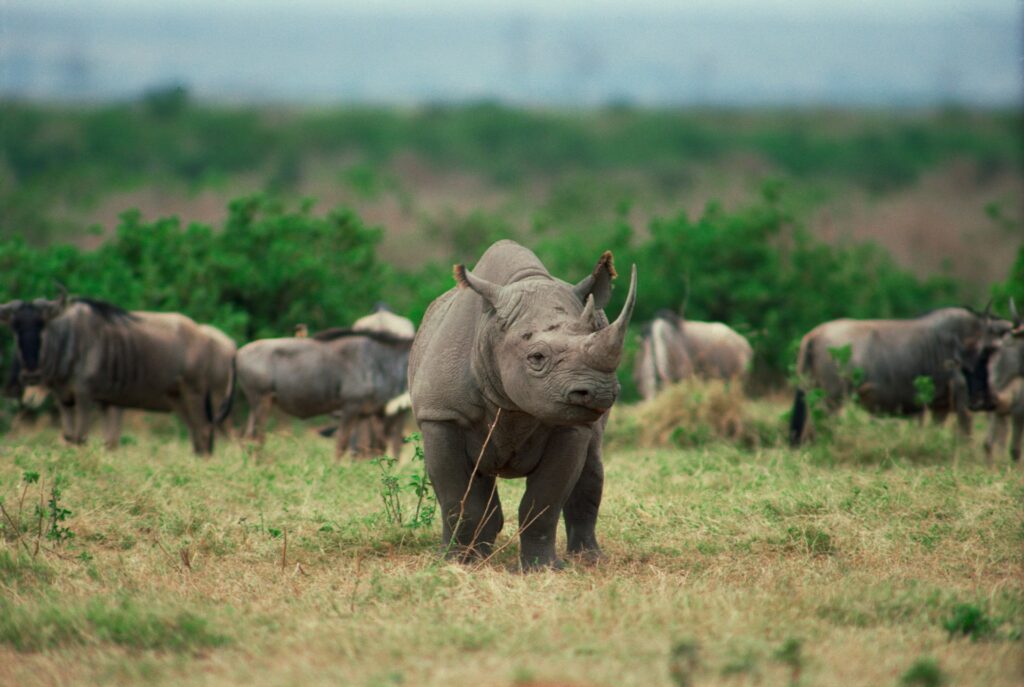
The hope is that this added risk will make the black market less appealing. Smugglers don’t want to risk detection, and if buyers start to fear getting caught, it might help reduce demand. Some critics point out that poachers might still kill rhinos just in case they aren’t treated, or try to find untreated animals. But supporters of the project say it’s another tool in the fight, not a silver bullet.
This isn’t the first time conservationists have tried creative deterrents. Some reserves have dehorned rhinos entirely (removing the horn under anaesthetic to make them less of a target), while others have used toxic dyes to make the horn unusable for trade. According to the BBC, the Rhisotope Project could complement these approaches by adding another layer of risk for traffickers without harming the animals.
If it works and gains traction, it might also be adapted for use with other species that are targeted by poachers, like elephants or pangolins. But for now, it’s a unique, and very modern, effort to protect one of the world’s most iconic endangered animals. And in the battle between poachers and protection, the scales might just be tipping back toward the rhinos.