Some plants lure attention with sweet fragrance, but others take the opposite approach.
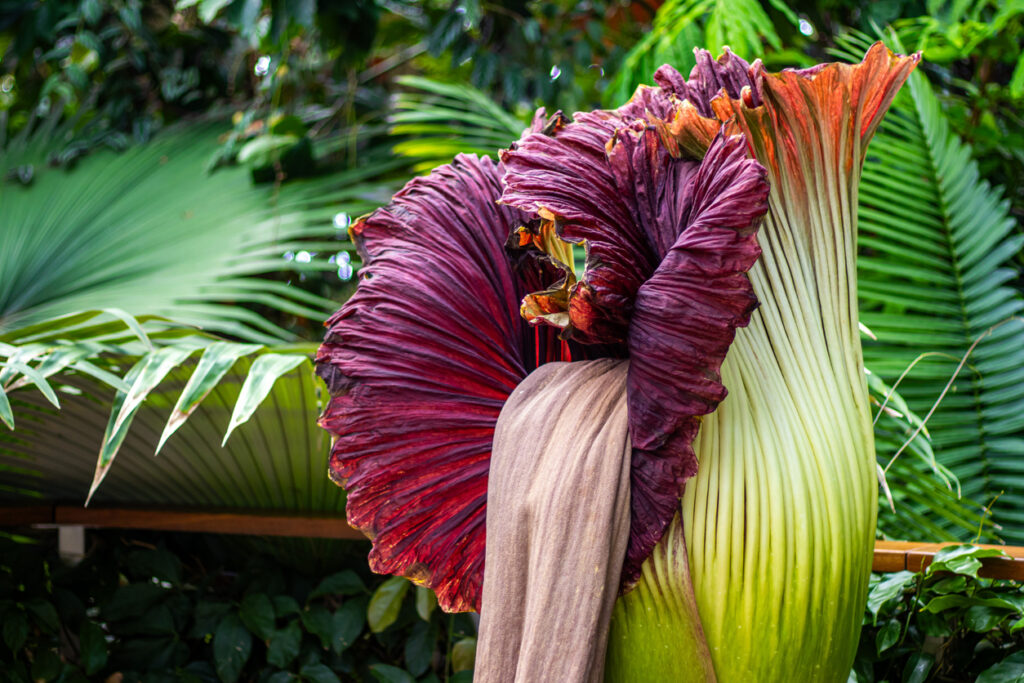
They reek of rotting flesh, a smell that makes humans gag but draws in pollinators perfectly suited to their survival tricks. To us, the stench is unbearable, but for flies, beetles, and scavengers it’s an irresistible signal. These plants prove that beauty and perfume aren’t the only ways to attract attention. Sometimes, survival depends on standing out for all the wrong reasons.
Corpse flower
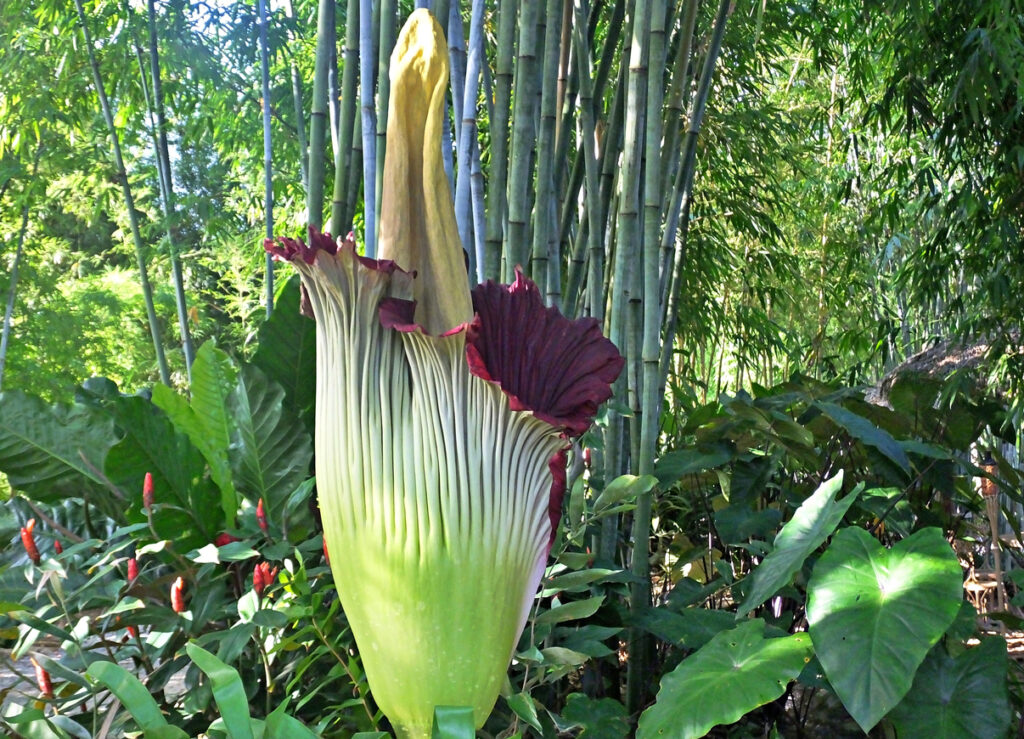
The titan arum, often called the corpse flower, is infamous for its revolting stench. When it blooms, the smell of decaying meat fills the air, attracting carrion beetles and flies from miles away. Crowds of people even queue just to catch a whiff of it.
The foul odour isn’t a flaw, it’s strategy. By mimicking a carcass, the flower guarantees pollinators turn up, helping a rare plant spread pollen during its short, dramatic bloom. Its giant size and once-in-a-decade flowering make it one of the strangest events in the plant world.
Rafflesia
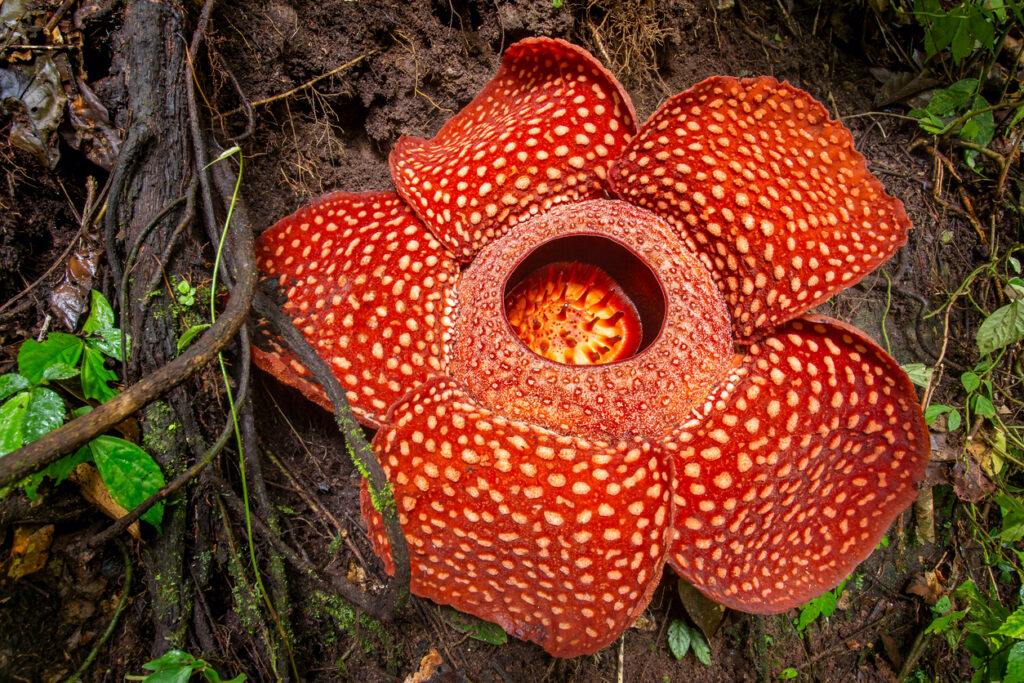
Rafflesia is another giant that reeks of death. These flowers, which can grow over a metre across, erupt from the forest floor with the unmistakable stink of rotten meat hanging thick in the air. They’re so shocking that they look more like props from a horror film than real plants.
Its pollinators are carrion flies, fooled into thinking they’ve found a fresh meal or egg-laying site. The deception works perfectly, ensuring the plant gets pollinated without offering food in return. For such a dramatic bloom, its method is surprisingly simple: smell like death and let the insects do the rest.
Stapelia
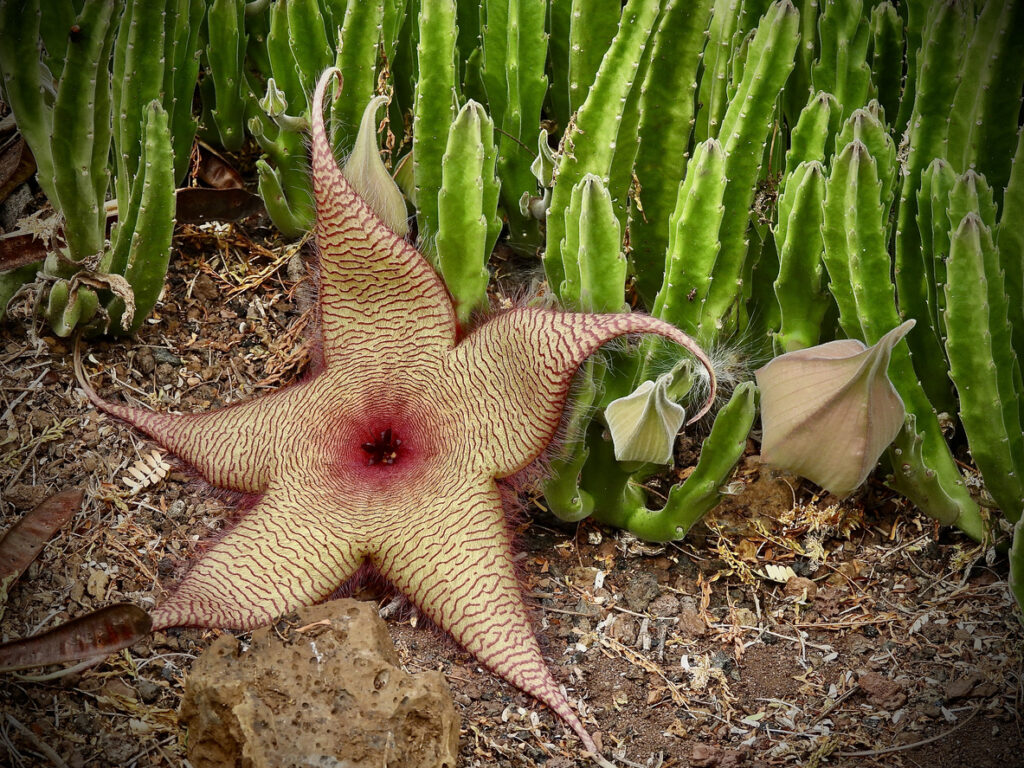
Often called carrion flowers or starfish flowers, stapelias are smaller but just as pungent. Their star-shaped blooms give off the smell of rotting flesh, often strong enough to stink out a whole greenhouse if you’re not prepared for it.
The trick is aimed at flies, which land on the surface thinking it’s decaying meat. Instead, they spread pollen between flowers, duped into helping the plant reproduce. Even the petals mimic skin-like textures, making the illusion even harder to resist.
Hydnora africana
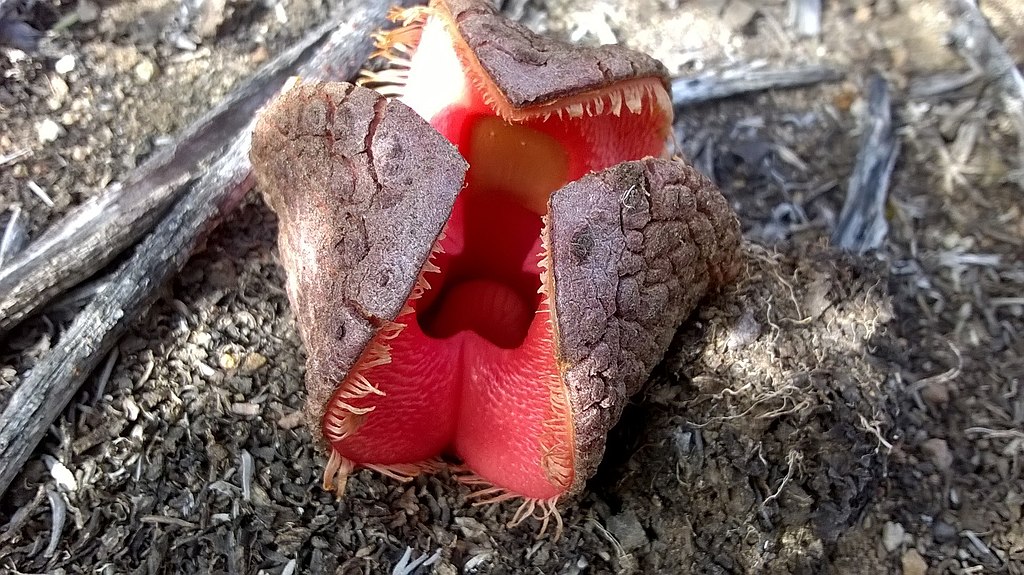
This strange, underground plant emerges with fleshy, jaw-like blooms that reek of decay. Native to southern Africa, it has no leaves or greenery at all, just a mouth-like flower that looks as odd as it smells.
Beetles crawl inside, where they’re trapped for a time. While held, they pick up pollen and, once released, carry it to the next foul-smelling bloom. It’s gruesome but effective, showing how bizarre evolution can get when survival is at stake.
Dead horse arum
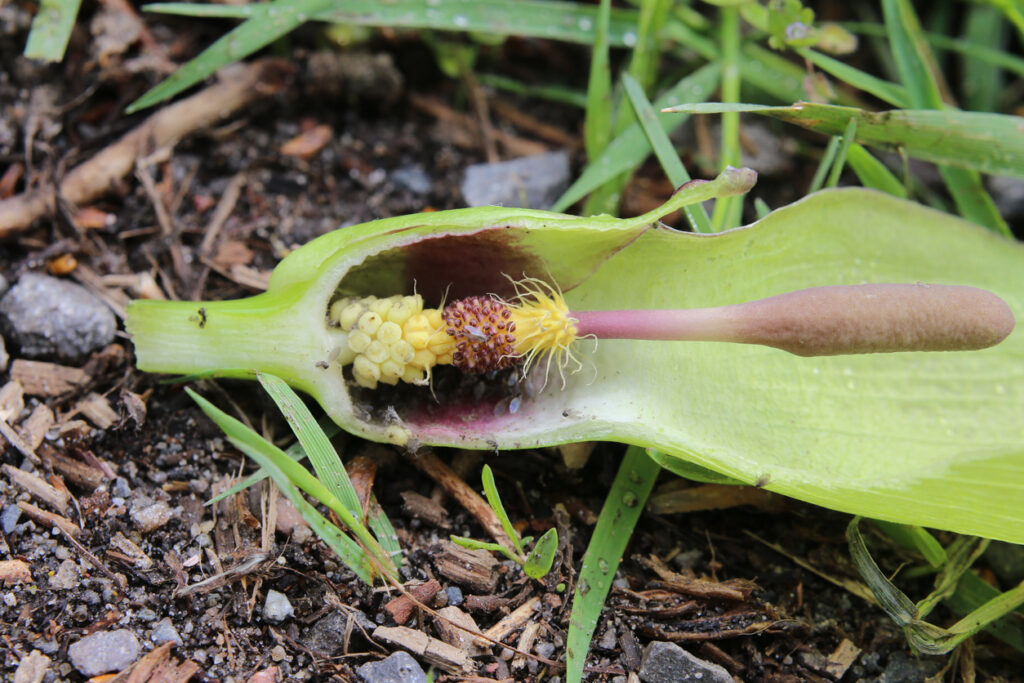
As the name suggests, this plant smells exactly like a rotting animal. Its large purple bloom even looks a little like raw flesh, doubling the illusion to lure in pollinators that thrive on carrion. People often smell it before they see it.
The stench can travel for miles, making sure flies pick up the signal. It’s a bold tactic that guarantees attention, ensuring the plant doesn’t go unnoticed in its Mediterranean habitats, where competition for pollinators can be fierce.
Eastern skunk cabbage
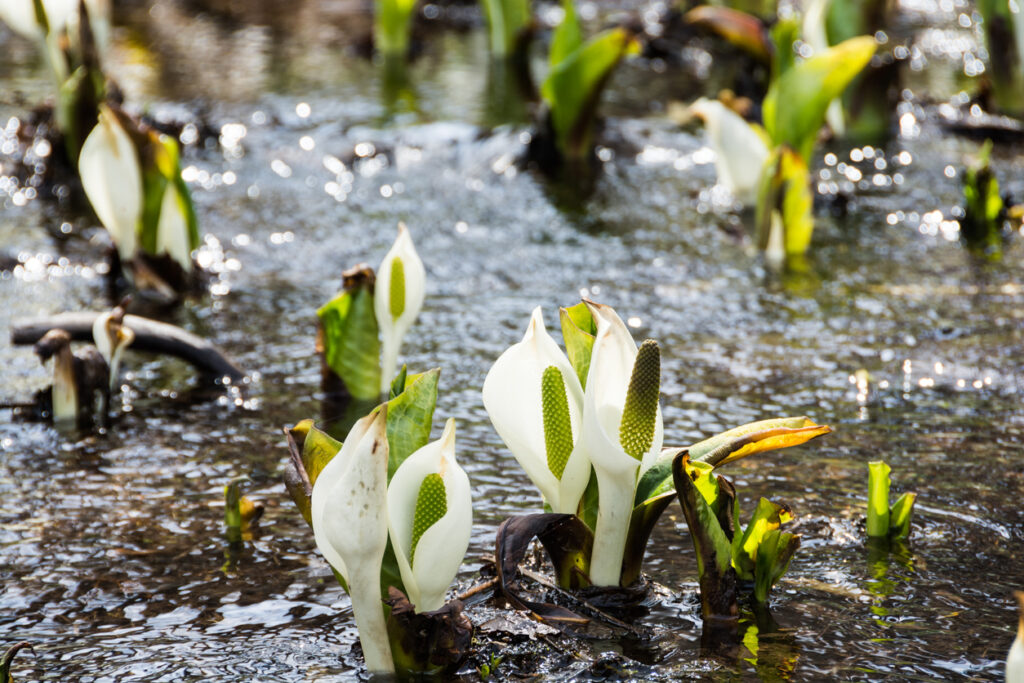
This swamp-dwelling plant releases a foul odour in early spring. While not quite as overpowering as a corpse flower, the smell of decay is enough to bring in beetles and flies that are among the few pollinators active so early in the year.
It’s one of the first flowers to appear after winter. The stench ensures the insects that are awake don’t miss it, helping the plant take advantage of an early start when food sources are limited.
Dragon arum
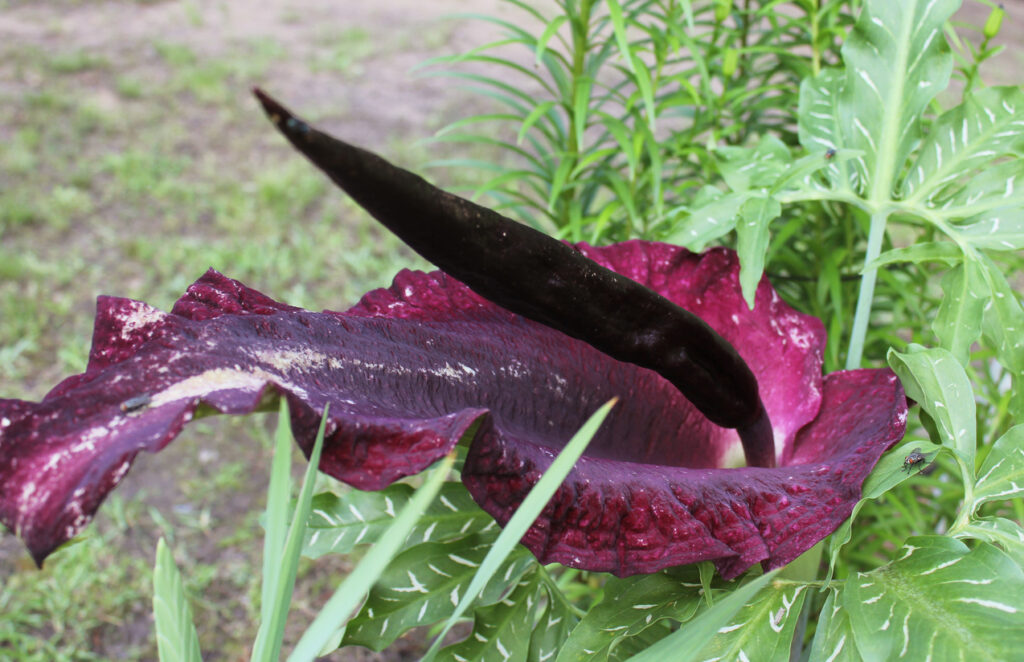
Also known as the voodoo lily, this plant produces deep purple flowers that emit a powerful smell of rotting meat. The odour is so strong it can fill a garden in hours, leaving visitors wondering where the imagined carcass is hidden.
The pollinators are flies, drawn in by the false promise of carrion. The bloom only lasts a few days, but during that short window, the strategy is brutally effective at spreading pollen quickly and widely.
Western skunk cabbage
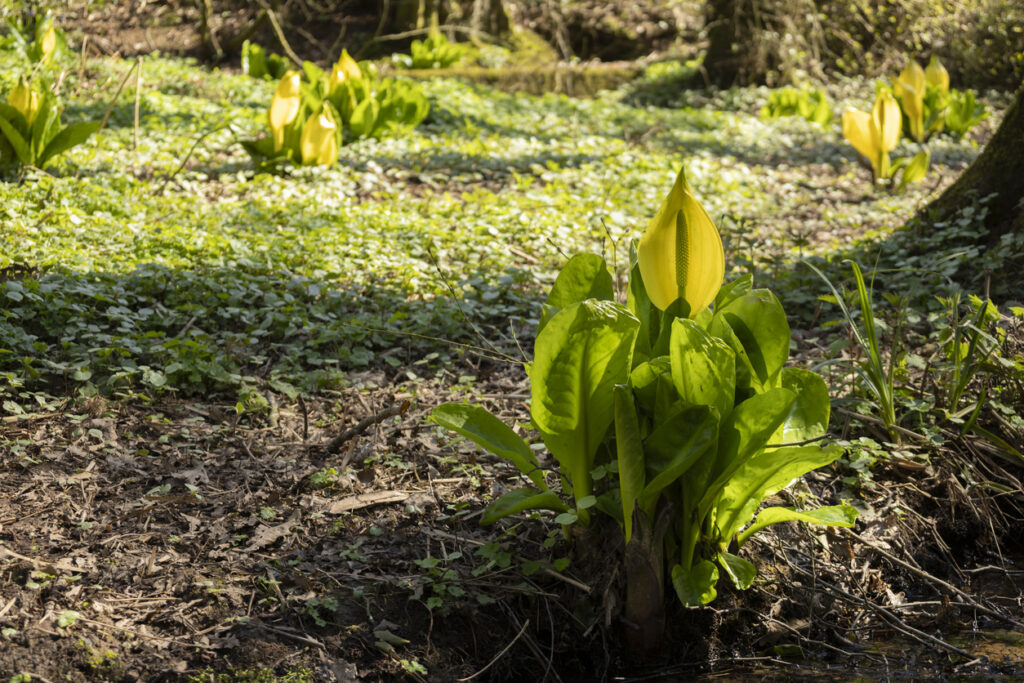
Unlike its eastern cousin, the western skunk cabbage leans more towards the smell of animal waste mixed with rot. The unpleasant odour travels well in damp woodland, which is exactly the kind of environment where the plant thrives.
Its main pollinators are scavenger flies, which are highly sensitive to such smells. The scent guides them straight to the bright yellow flowers, which stand out as much for their colour as they do for their stench.
Amorphophallus bulbifer
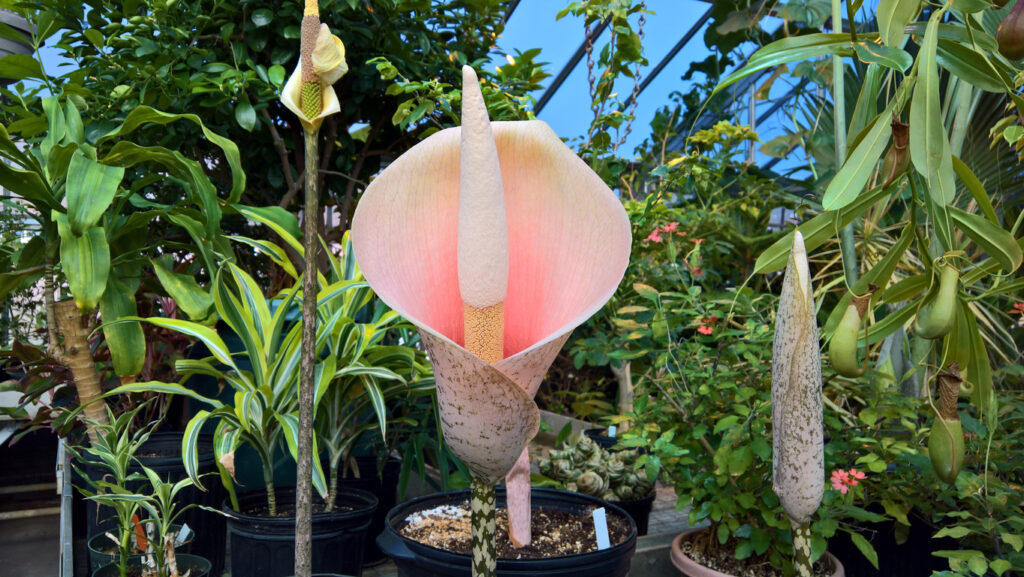
Related to the titan arum, this smaller species still produces a striking bloom with a rotten stench. It doesn’t reach the same towering height, but it’s convincing enough to trick insects into visiting.
The foul aroma only lasts a short while, but that’s all the plant needs. Once the flies have carried pollen between blooms, the job is done. For gardeners, it’s a curiosity, though not one you’d want near a patio seat.
Helicodiceros muscivorus
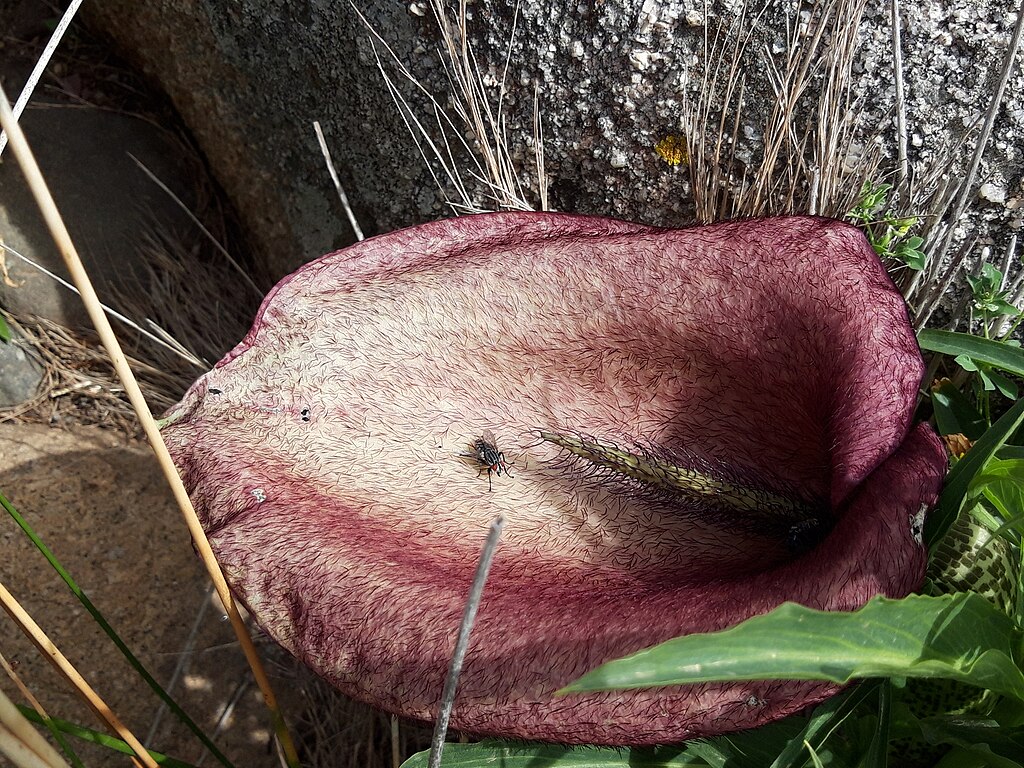
Nicknamed the dead-horse arum lily, this plant has a dramatic flower that reeks of decay. Native to Mediterranean islands, it tricks blowflies into crawling inside, where they collect pollen without realising what’s happening.
The illusion is so strong that flies even attempt to lay eggs. By the time they leave, they’ve carried pollen on to the next foul-smelling bloom. It’s grisly but brilliant, showing how far plants will go to ensure survival.