Plant names can be incredibly misleading, and half the things in your garden probably aren’t what their labels suggest they are.
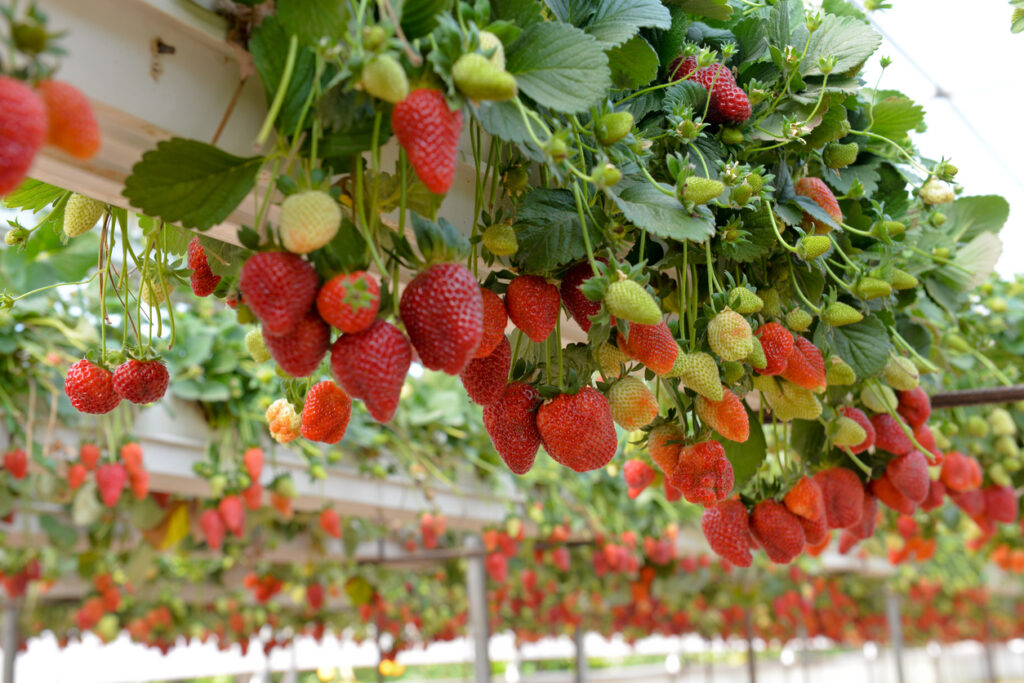
From fruits that aren’t fruits to trees that aren’t trees, botanical naming has created more confusion than clarity, leaving gardeners a bit misguided (and maybe even a little confused) about what they’re actually growing.
1. Strawberries aren’t actually berries at all.
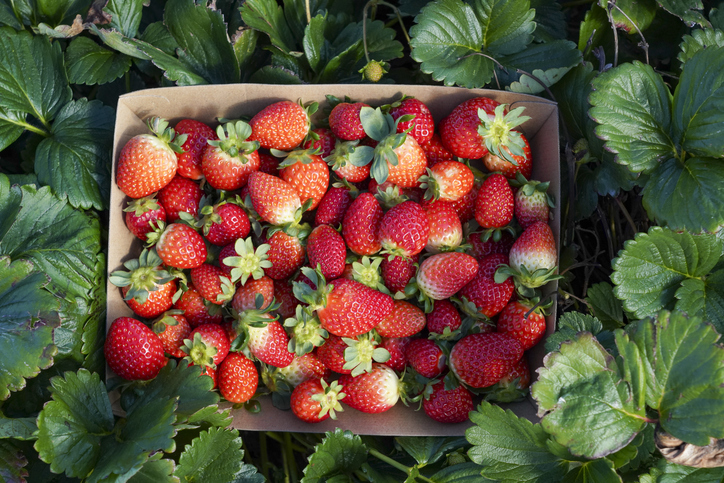
Botanically speaking, strawberries are completely misnamed because they’re not berries in any scientific sense. Real berries develop from a single flower with one ovary, but strawberries form from a flower with multiple ovaries and their seeds sit on the outside.
True berries include grapes, tomatoes, and even bananas, while strawberries are technically aggregate accessory fruits. The red fleshy part you eat isn’t even the fruit—it’s swollen receptacle tissue, and those tiny “seeds” on the surface are the actual fruits.
2. Peanuts grow underground but aren’t nuts.
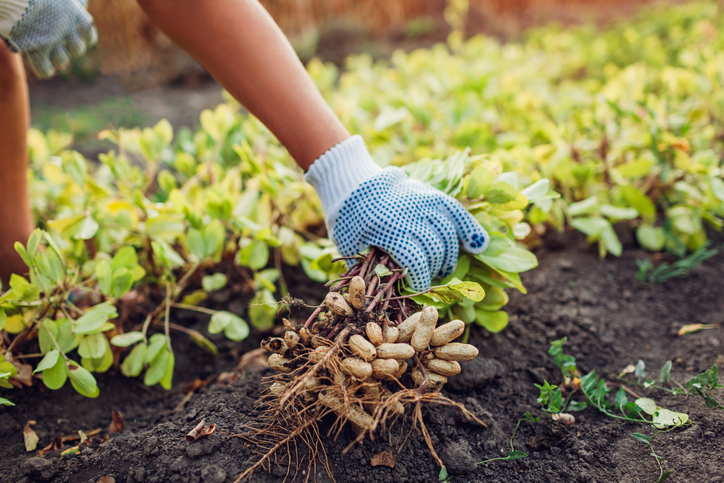
Despite their name, peanuts have nothing to do with tree nuts and grow completely differently from what you’d expect. They develop underground after the flower pollinates above ground, then sends a peg downward to bury itself in soil.
Peanuts are actually legumes related to beans and peas, which explains why people with tree nut allergies can often eat them safely. The underground growing process makes them more like potatoes than almonds, and they’re harvested by digging rather than picking.
3. Rhubarb looks like celery, but it’s completely unrelated.
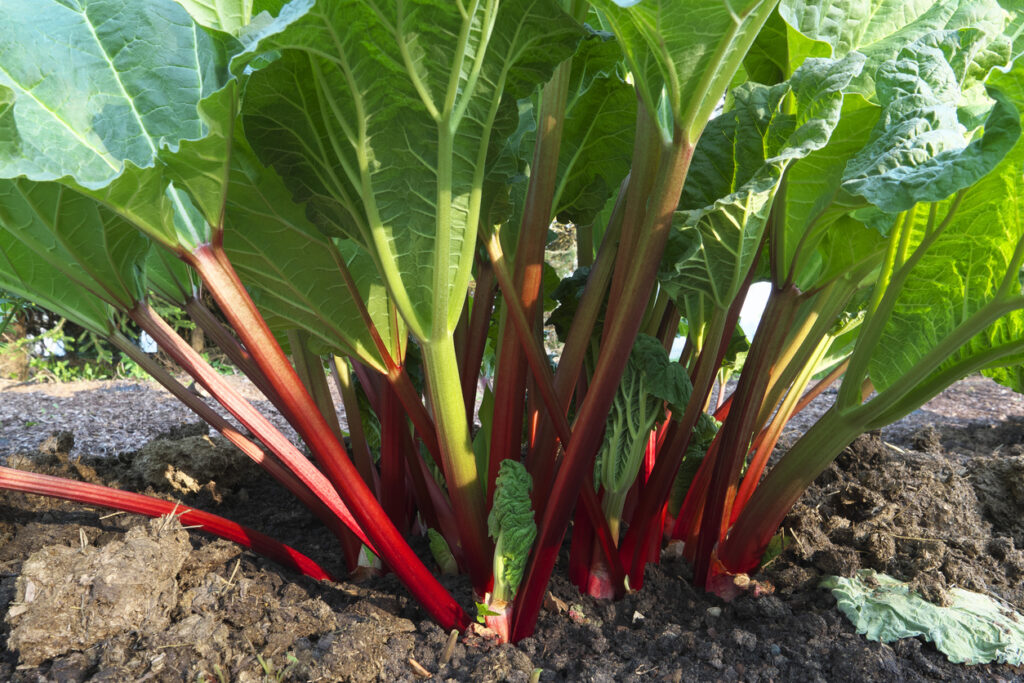
Rhubarb gets mistaken for a fruit because we use it in desserts, but it’s actually a vegetable from the buckwheat family. The stalks look remarkably similar to celery, leading to confusion about what part of the plant you’re supposed to eat.
Only the leaf stalks are edible, while the actual leaves are toxic, containing dangerous levels of oxalic acid. People often think they’re eating fruit in rhubarb crumble, but they’re actually enjoying vegetable stems with enough sugar to mask their naturally sour taste.
4. Kohlrabi looks alien because it’s not what it seems.
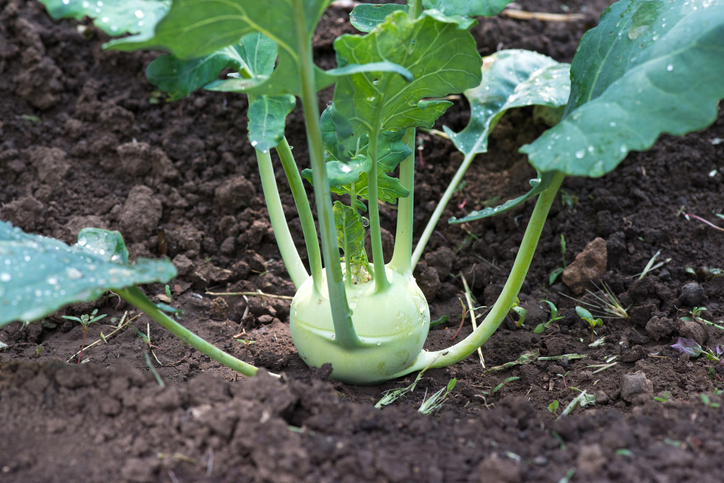
Kohlrabi appears to be some sort of root vegetable growing underground, but that bulbous part you eat actually develops above ground and isn’t a root at all. The weird spherical shape throws people off because it doesn’t look like any other plant part.
It’s actually a swollen stem from the cabbage family, and those leaves sprouting from the bulb prove it’s growing upward rather than down. The name means “cabbage turnip” in German, which adds to the confusion, since it’s neither cabbage nor turnip in structure.
5. Jerusalem artichokes aren’t from Jerusalem and aren’t artichokes.
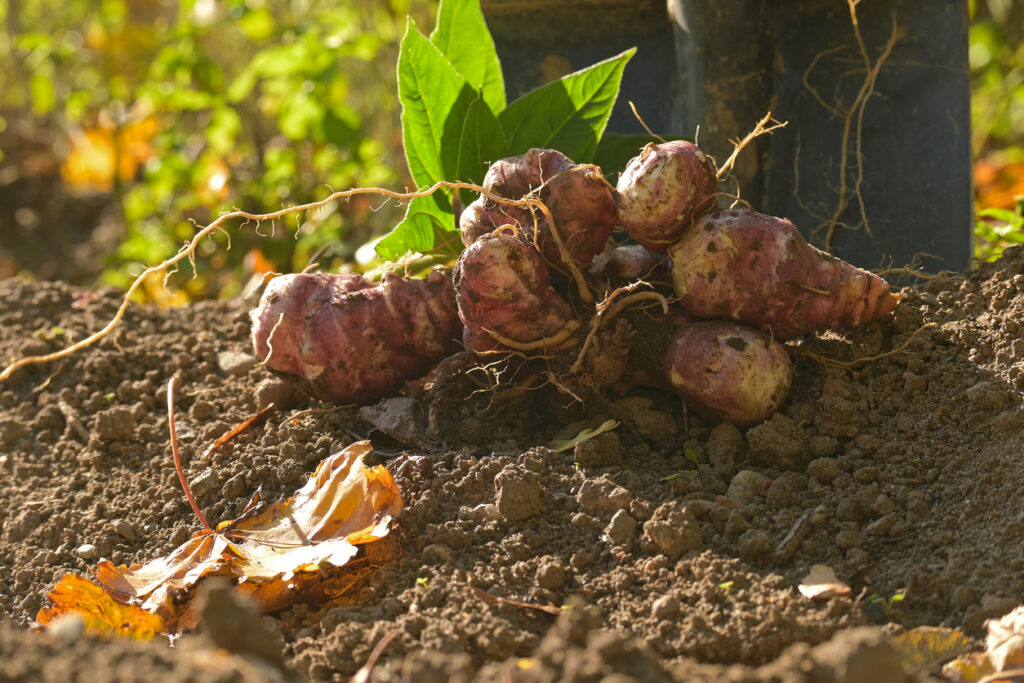
Jerusalem artichokes have possibly the most misleading name in the plant kingdom because they’re not from Jerusalem and taste nothing like artichokes. They’re actually sunflower tubers native to North America, and the Jerusalem part comes from a corruption of the Italian word “girasole.”
These knobby tubers grow underground like potatoes but belong to the daisy family. They taste more like water chestnuts than artichokes, and they’ll give you serious digestive issues if you’re not used to their high inulin content.
6. Sea beans aren’t beans and don’t grow in the sea.
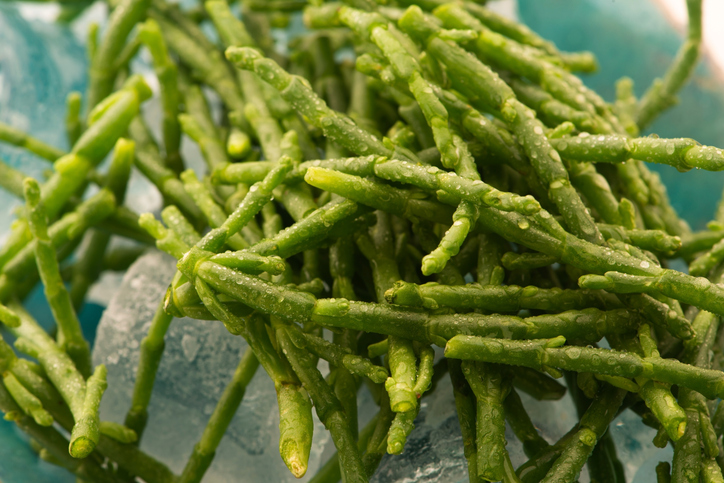
Sea beans are actually succulent stems from coastal plants that have nothing to do with legumes. They’re called beans because of their crunchy, pod-like appearance, but they’re more closely related to spinach and grow in salt marshes rather than underwater.
These salty, crunchy stems are harvested from glasswort plants and taste like the ocean because they filter salt from seawater. Restaurants serve them as a gourmet vegetable, but they’re basically pickled plant stems that evolved to thrive in extreme salinity.
7. Banana trees aren’t trees and bananas aren’t what you think.
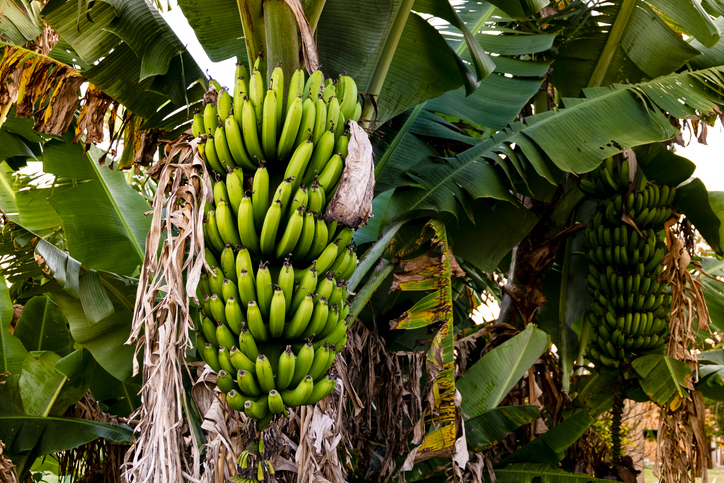
Banana “trees” are actually the world’s largest herbs because they don’t have woody trunks—just tightly packed leaf sheaths that create a false stem. The entire plant dies after fruiting, which real trees don’t do.
Commercial bananas are also sterile clones that can’t reproduce naturally, and those tiny black specks inside are undeveloped seeds. Wild bananas are full of hard, inedible seeds and look nothing like the seedless varieties we eat today.
8. Cashews don’t grow like other nuts and come with danger.
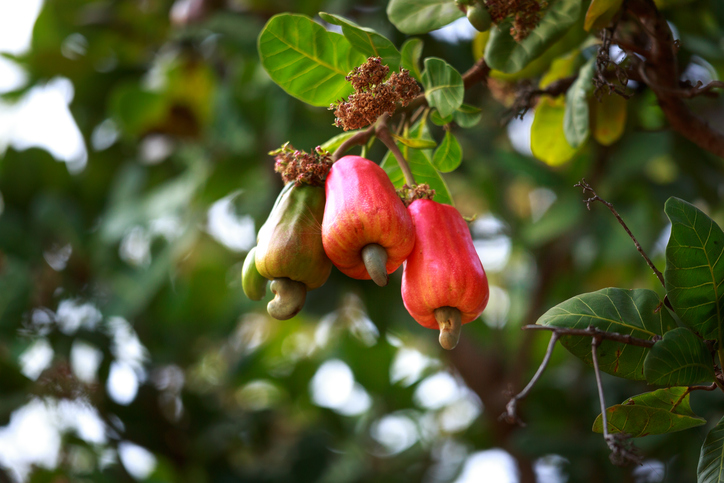
Cashews hang from the bottom of a fruit rather than growing inside shells like other nuts, and the “fruit” part is actually more valuable than the nut in many countries. The cashew apple is juicy and sweet but doesn’t travel well, so most people never see it.
Raw cashews are actually toxic because they’re related to poison ivy, and the shells contain caustic oils that can burn your skin. All cashews are steamed or roasted before sale, so those “raw” cashews in health shops have still been heat-treated for safety.
9. Sweet potatoes aren’t potatoes and aren’t related to yams.
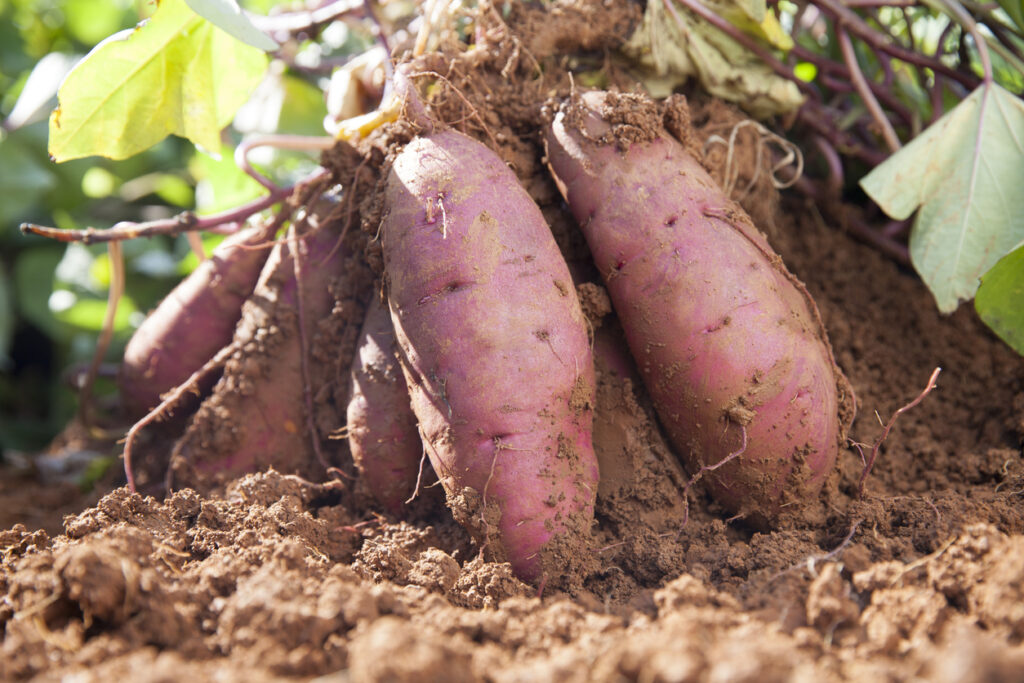
Sweet potatoes belong to the morning glory family while regular potatoes are nightshades, making them completely unrelated despite similar names. The confusion gets worse because what Americans call yams are usually just orange sweet potatoes.
Real yams are huge, starchy African tubers that can weigh 100 pounds (around 45 kg) and taste nothing like sweet potatoes. Sweet potatoes are actually roots while potatoes are underground stems, and they store energy differently despite both being called “potatoes.”
10. Buckwheat isn’t wheat and doesn’t contain gluten.
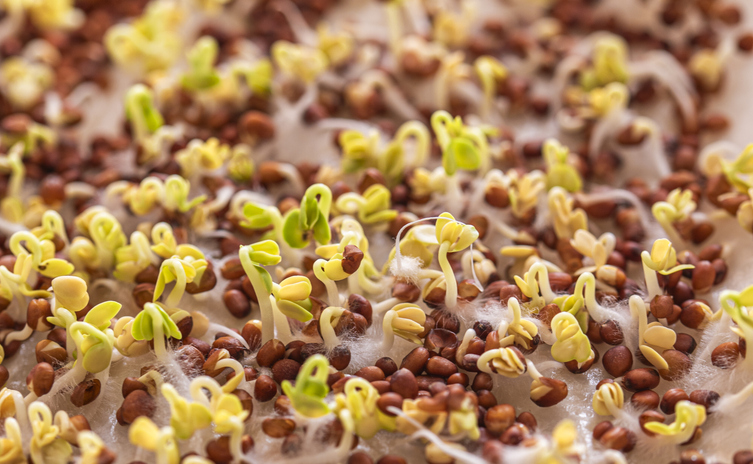
Buckwheat has nothing to do with wheat despite its name, and is actually related to rhubarb rather than grass grains. The triangular seeds look nothing like wheat grains, but early settlers called it wheat because they ground it into flour.
It’s naturally gluten-free because it’s not even a cereal grain; it’s a pseudocereal from a flowering plant. Buckwheat pancakes and soba noodles are safe for people with coeliac disease, but the name confuses people who assume it contains wheat proteins.