If your garden doubles as an all-you-can-eat buffet for every passing animal, you’re definitely not alone.
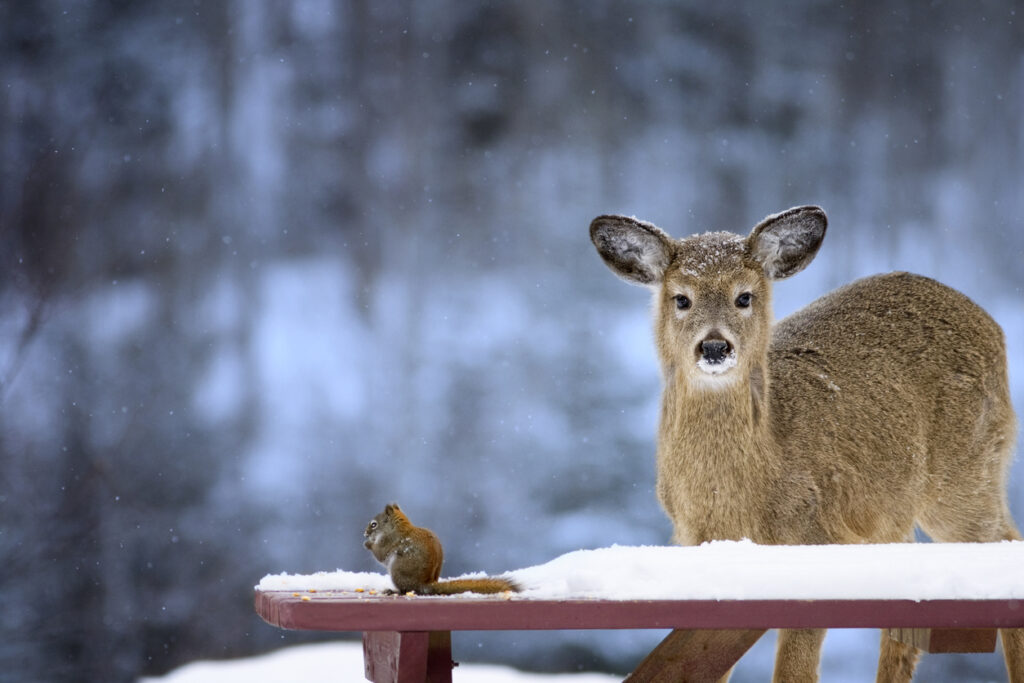
Deer, rabbits, and squirrels might be cute from a distance, but they’ll happily destroy your hard work in a single afternoon. The good news? Some plants just don’t appeal to them, whether because of their smell, texture, or taste. If you want to create a beautiful, low-maintenance space that doesn’t invite chaos from the local wildlife, these are 10 plants most critters steer well clear of.
1. Lavender

Lavender’s strong, slightly medicinal scent makes it a no-go for most deer and rabbits. Even squirrels tend to avoid it, especially when there are tastier snacks nearby. While humans find it calming, most animals find it overwhelming and off-putting.
It’s also incredibly hardy once established and thrives in dry, sunny spots. Plus, it adds colour, attracts pollinators, and can be clipped back into neat shapes or left to grow wild. It’s a win-win: low-maintenance for you, unappetising for them.
2. Lamb’s ear
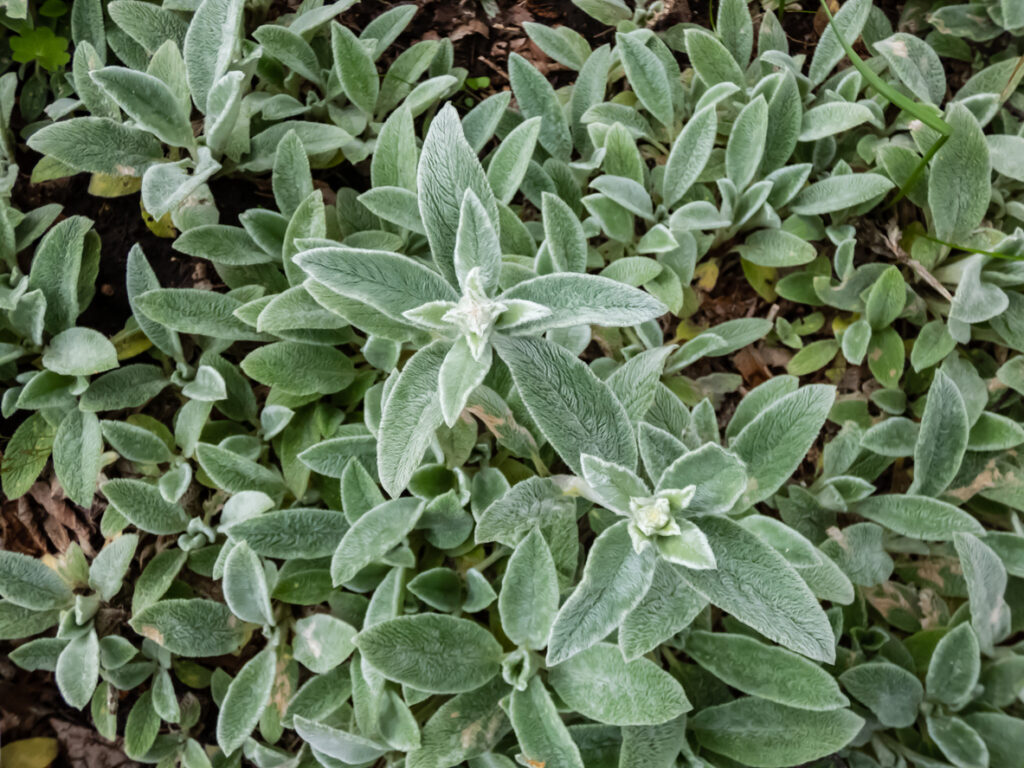
This fuzzy, silver-leaved plant looks more like a soft toy than something edible, and animals agree. Its thick, woolly texture makes it unappealing to nibblers. Rabbits especially avoid it, and deer don’t tend to touch it either. It’s great for ground cover, particularly in dry soil, and adds a nice contrast to brighter blooms. Once you’ve planted it, it usually takes care of itself, slowly spreading to create a soft carpet that deters hungry intruders.
3. Russian sage
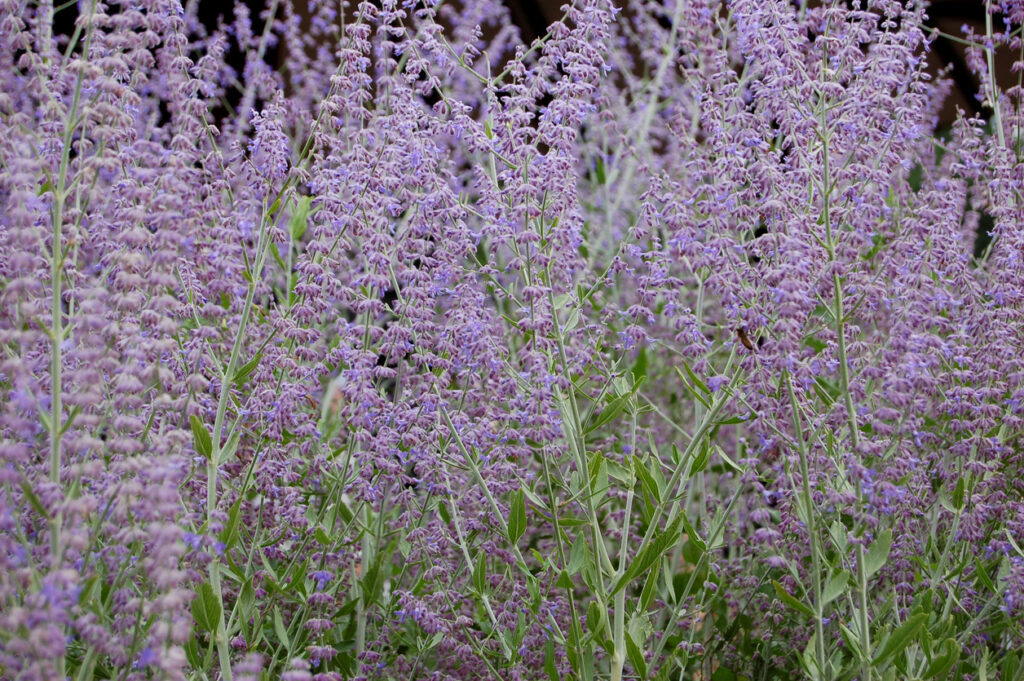
With its wispy blue-purple flowers and strong scent, Russian sage is not on any animal’s snack list. Deer and rabbits dislike the smell and bitter taste, and squirrels usually pass it by too. It’s also drought-tolerant, thrives in poor soil, and doesn’t need much fussing over once it’s established. Its airy structure brings movement and height to borders, while also helping to keep the grazers at bay.
4. Boxwood
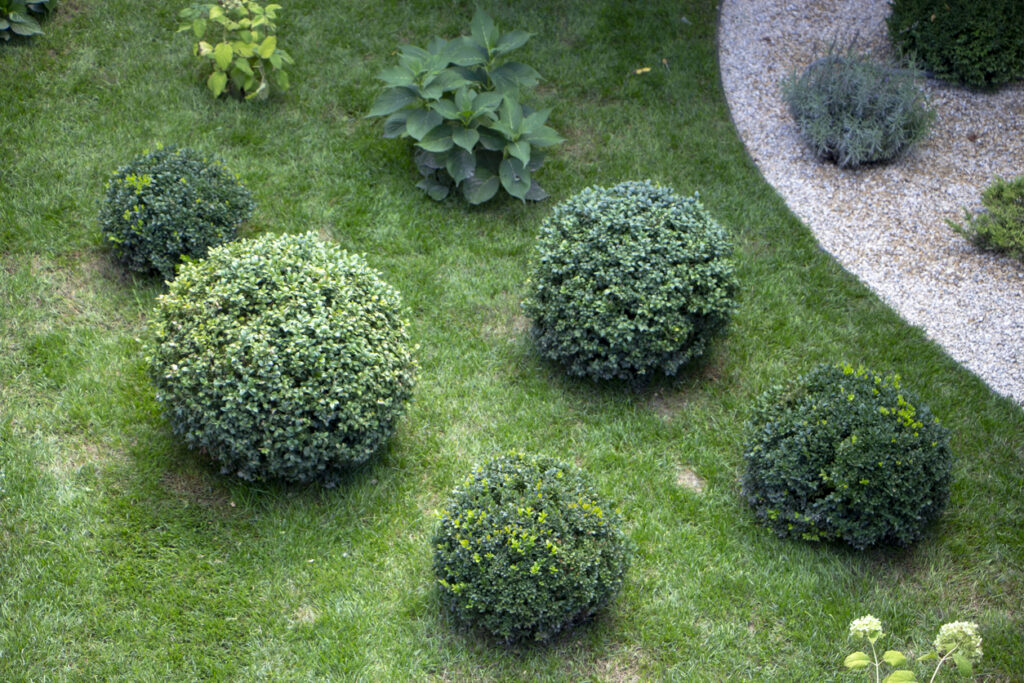
Boxwood is one of the most reliable deer-resistant shrubs out there. Its dense, bitter foliage is a turn-off for pretty much everything that walks on four legs. It also doesn’t offer much in the way of scent or texture that appeals to rabbits or squirrels. It’s ideal for hedging or shaping into tidy topiary balls, and it stays green year-round. Just keep an eye out for box tree moths, which are a different battle altogether—but as far as mammals go, this one’s a safe bet.
5. Yarrow
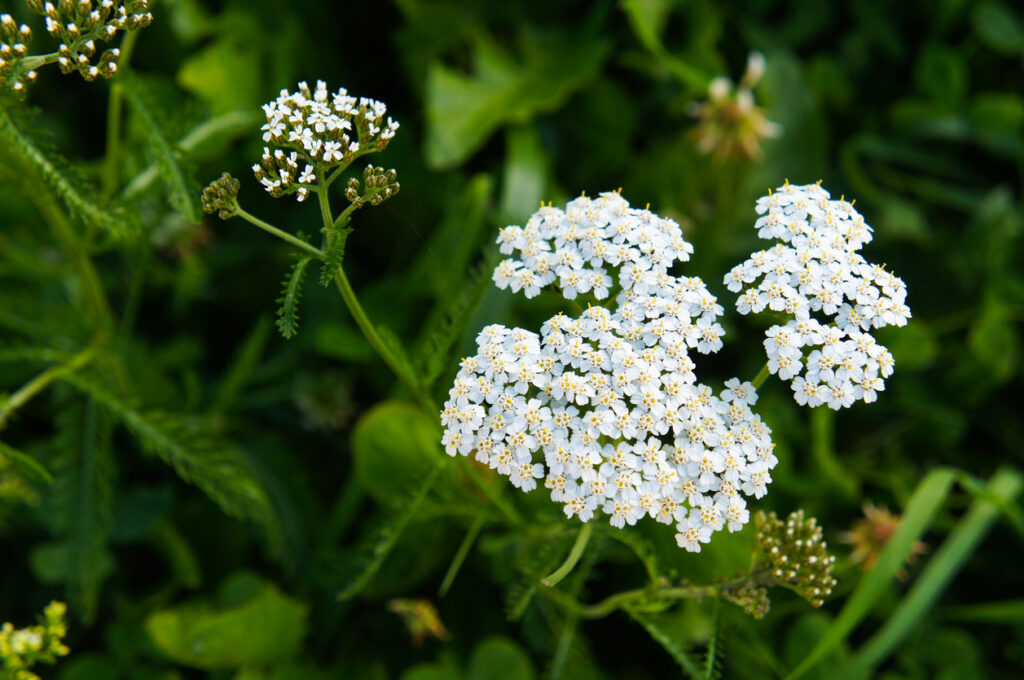
Yarrow has a strong scent and slightly hairy leaves, both of which work as natural deterrents for deer and rabbits. Even squirrels rarely bother with it. The plant’s toughness and drought resistance are just a bonus. It flowers for ages through summer and into autumn, bringing colour in shades of yellow, pink, and red. It also attracts pollinators while asking very little of you in return, just a sunny spot and the occasional trim.
6. Euphorbia
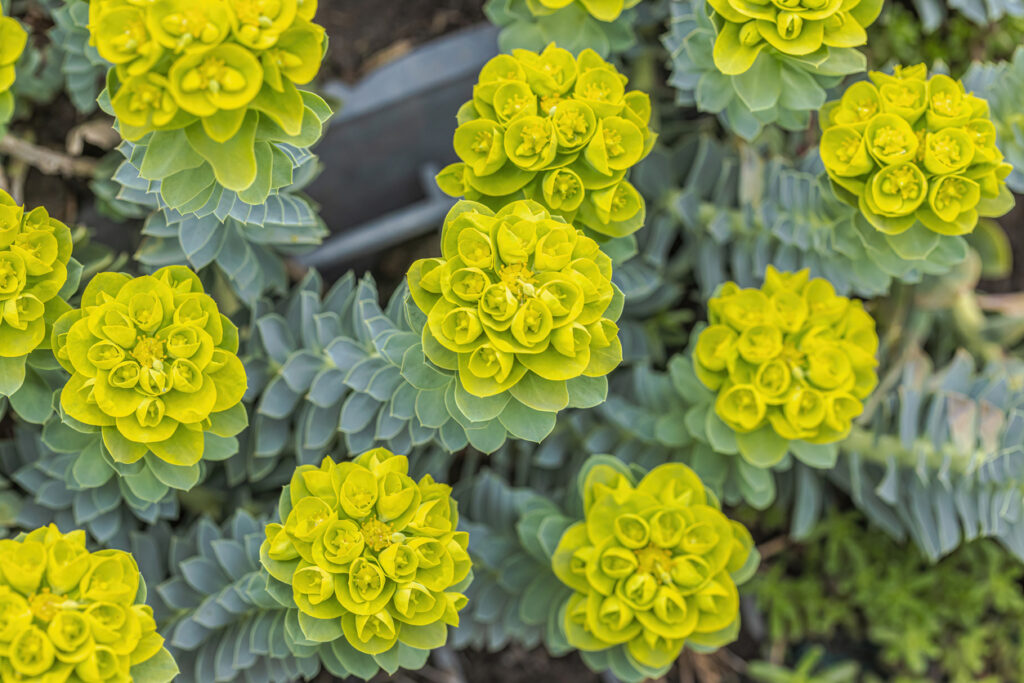
Most euphorbias contain a milky sap that’s irritating to the skin and toxic to many animals, so they tend to stay far away. Deer, rabbits, and squirrels all know better than to snack on this one. It’s a striking, architectural plant with lots of variety in leaf colour and shape. The chartreuse blooms in spring add brightness to shady spots, and it generally thrives with minimal interference from either you or local wildlife.
7. Foxglove

Foxglove might look beautiful with its towering spires of bell-shaped flowers, but it’s toxic to humans and animals alike. Deer and rabbits instinctively avoid it, and squirrels don’t seem to take any interest either. It’s biennial, so you’ll usually get flowers in its second year—but once it starts, it often self-seeds and returns year after year. Just make sure children and pets are kept away from it, since it’s beautiful but potentially dangerous.
8. Rosemary
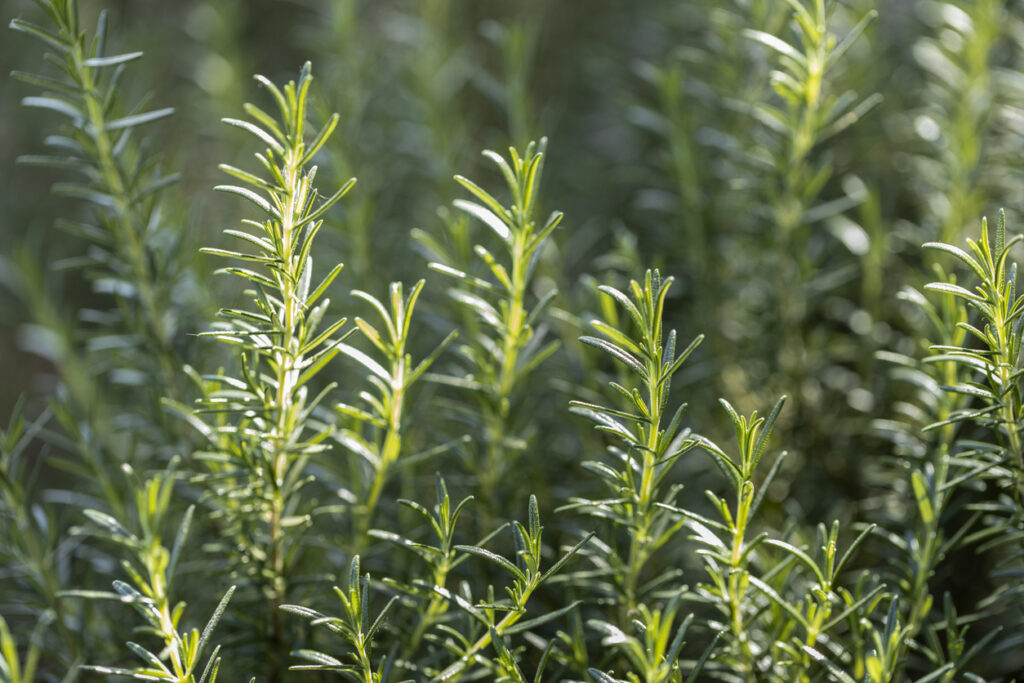
Like lavender, rosemary’s scent is a dealbreaker for deer and rabbits. The thick, resinous leaves don’t offer much satisfaction as a meal, and squirrels don’t have any particular love for it either. It’s a great addition to a kitchen garden or border and can double as a useful herb and natural deterrent. Grow it in pots or directly in the soil, and enjoy the way it thrives with sun, drainage, and very little else.
9. Bleeding heart
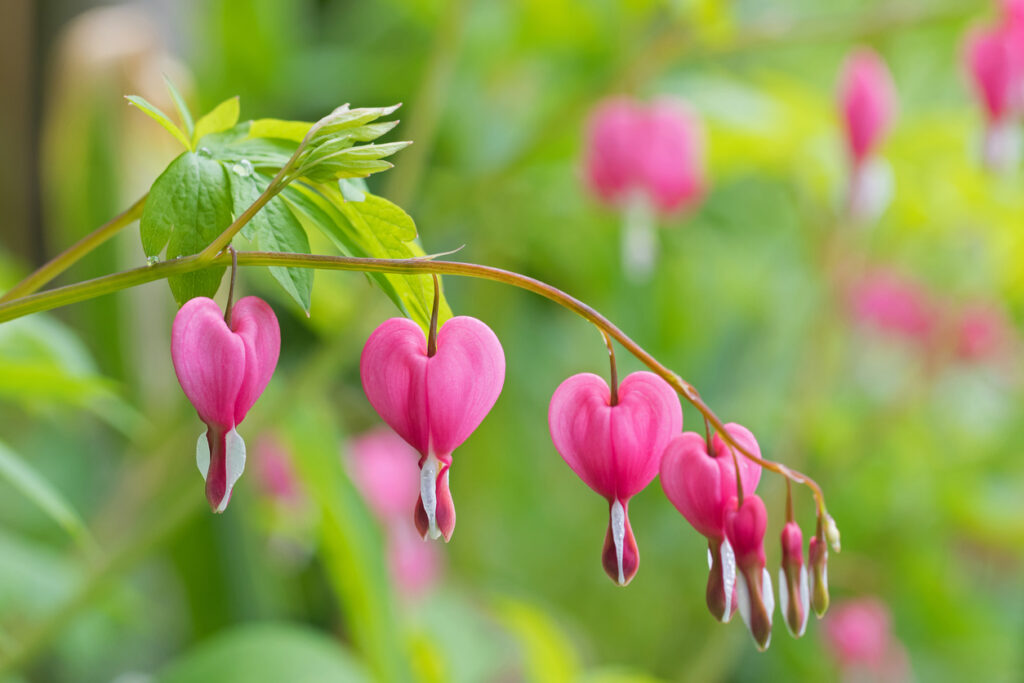
Despite its soft, romantic appearance, bleeding heart doesn’t make a great snack. Its taste and toxicity keep most herbivores at a distance, so it’s a solid choice for woodland borders or shaded beds. The delicate pink or white flowers droop beautifully in spring, and the feathery foliage adds texture through early summer. It does tend to die back after blooming, but while it’s out, it’s mostly left alone.
10. Daffodils
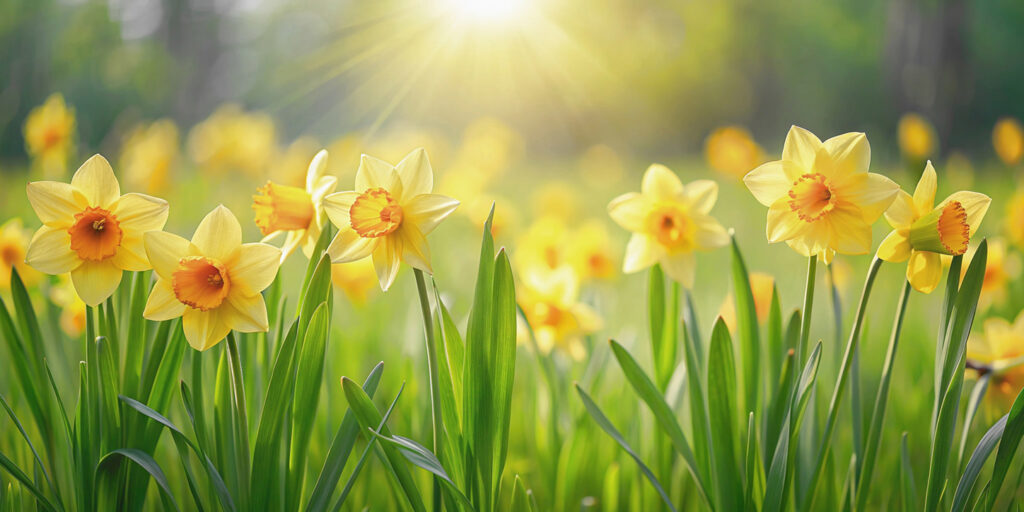
Most animals leave daffodils well alone because all parts of the plant are toxic. That makes them one of the most dependable spring flowers if you’ve got nibblers roaming through your garden. They’re easy to grow from bulbs and come back year after year with minimal effort. For a low-maintenance splash of colour that won’t become someone’s lunch, daffodils are a safe and cheerful option.