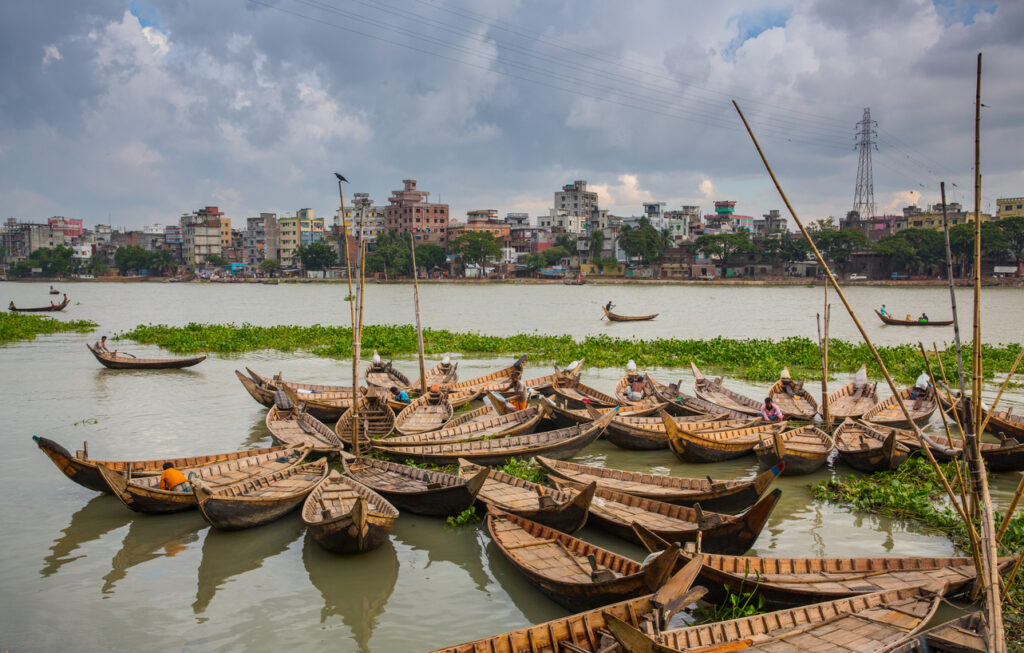
The phrase “too dangerous sounds dramatic, but in many regions it simply means daily life could become harder, riskier, and more unstable. Heat, flooding, drought, sea level rise and wildfire are not new. What’s changing is how often they happen and how little recovery time communities get in between. Within a few decades, some places may struggle to stay safely liveable without major adaptation.
Low-lying coastal areas of Bangladesh
Large parts of coastal Bangladesh sit only slightly above sea level. The country already faces cyclones, tidal surges and seasonal flooding, but rising seas make every storm push further inland. When saltwater seeps into farmland and drinking supplies, it damages crops and affects health over time. If flooding becomes more frequent and intense, rebuilding year after year may simply become unsustainable for many families.
The Mekong Delta in Vietnam
The Mekong Delta feeds millions and supports a huge agricultural economy, but it is low, flat and highly exposed to rising seas. Saltwater intrusion threatens rice fields, while heavier floods can damage homes and infrastructure. Even small changes in water patterns can disrupt livelihoods in a region so dependent on predictable seasons. Over time, the cost of adapting may outweigh the ability of some communities to remain.
The Nile Delta in Egypt
The Nile Delta is densely populated and agriculturally vital. Rising seas combined with coastal erosion and storm surges increase the risk of flooding in both cities and farmland. Saltwater moving into groundwater and soil makes agriculture more difficult and water treatment more expensive. In areas with limited room to retreat inland, long-term safety becomes harder to guarantee.
@bidculture Indonesia is SINKING… but will building a giant wall save Jakarta⁉️😱 #construction #engineering #infrastructure #tech #indonesia ♬ News report analysis science technology(1328673) – Takashi
Jakarta and parts of Java in Indonesia
Jakarta faces a rare double problem. Sea levels are rising, and parts of the city are sinking due to land subsidence. That combination increases flood frequency and severity. Repeated flooding does not just damage buildings. It disrupts transport, sanitation, and access to clean water. As those systems strain, everyday life becomes more fragile.
Low-lying Pacific atoll nations such as Tuvalu
Atoll islands have very little high ground. Even if they are not fully submerged, repeated tidal flooding, erosion and saltwater contamination can make agriculture and freshwater supplies unreliable. With limited land to relocate within the country, options become narrow. For some small island nations, long-term relocation planning is already a serious discussion.
The Maldives
The Maldives sits barely above sea level across many small islands. Rising seas, stronger storms and coral reef damage increase vulnerability. Tourism and fishing, two key industries, are also tied to environmental stability. If coastal protection becomes too expensive or less effective over time, certain islands may struggle to remain safely inhabited.
@moshehPersian Gulf International Airport in Southwestern Iran reported a heat index of 152°F (66.7°C) on Sunday July 16-that is at the limits of what the human body can withstand.♬ original sound – Mosheh Oinounou
Parts of the Persian Gulf during extreme heat
Some Gulf regions already experience dangerously high heat combined with humidity. When temperatures climb high enough, the human body struggles to cool itself, especially outdoors. If extreme heat events become more frequent and longer lasting, outdoor work becomes risky and daily life requires constant air conditioning. In areas without reliable cooling or power, health risks rise sharply.
Heatwave-prone regions of Pakistan and north-west India
South Asia has seen increasingly severe heatwaves, sometimes with high nighttime temperatures that prevent recovery. When heat combines with dense urban housing, limited cooling and occasional power cuts, risk levels escalate quickly. Repeated extreme summers strain water systems, health services and productivity. Over decades, sustained heat may make some areas extremely difficult to live in safely.
The Sahel region
Stretching across parts of West and Central Africa, the Sahel already faces hot temperatures and variable rainfall. Changes in rain patterns and prolonged drought can harm crops and livestock, which many communities rely on for survival. When food shortages and economic instability combine with environmental stress, living conditions become increasingly fragile.
@npr Millions of people are suffering from Somalia’s worst drought in 40 years. #NPR #Somalia ♬ original sound – npr
Drought-prone parts of the Horn of Africa
The Horn of Africa has experienced repeated multi-season droughts. When rain fails year after year, water scarcity deepens, livestock die and crops fail. Recovery becomes harder when there is no break between crises. Long-term water insecurity can push communities to relocate in search of stability.
Wildfire-exposed regions of the Mediterranean
Hotter, drier summers increase wildfire risk in parts of southern Europe and surrounding areas. When fires become more frequent and severe, homes and towns face evacuation, smoke exposure and infrastructure damage. Rebuilding repeatedly after large fires is expensive and emotionally draining. In high-risk zones, insurance and safety concerns may reshape where people can reasonably live.
Low-lying coastal areas of the United States, especially parts of the Gulf Coast
Certain US coastal regions are projected to face rising sea levels alongside stronger storms. High-tide flooding is already becoming more common in some communities. When storm surges combine with higher baseline sea levels, roads, power grids and sewage systems face repeated strain. Over time, the financial and practical cost of constant repairs may make some areas increasingly difficult to sustain.
None of these places will become uninhabitable overnight. The issue is not sudden disaster but slow accumulation of risk. When floods, fires, heat, or drought stop being rare and start becoming routine, safety becomes harder to guarantee. The next few decades will largely depend on how quickly adaptation, infrastructure and global responses keep pace with those changes.