Admittedly, parrots have a bit of a reputation problem.
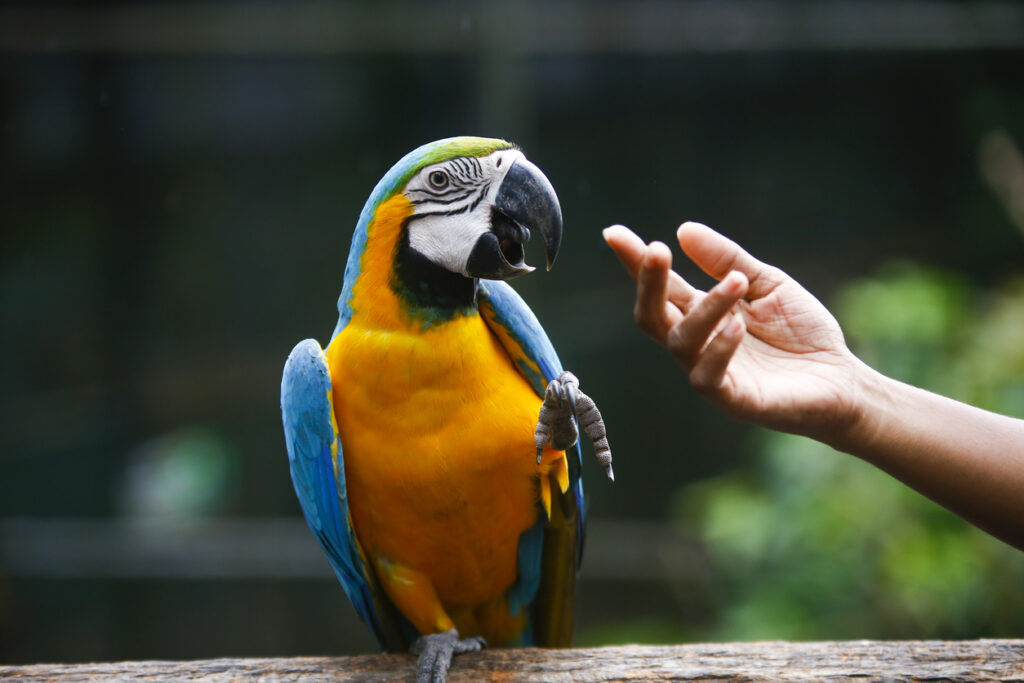
Most people picture them as noisy show-offs that repeat a few phrases and knock things off shelves for entertainment. Funny, yes. Impressive, maybe. However, not exactly brainy in the way we tend to reserve for dolphins, dogs, or primates.
That impression doesn’t hold up for long once you look a bit closer. Parrots solve problems, remember people, understand patterns, and make decisions that go well beyond mimicry. A lot of what they do gets brushed off as instinct or coincidence, mostly because their intelligence doesn’t look like ours. When you dig into how their minds actually work, it becomes clear they’ve been seriously underestimated for a long time.
1. They understand the concept of zero.
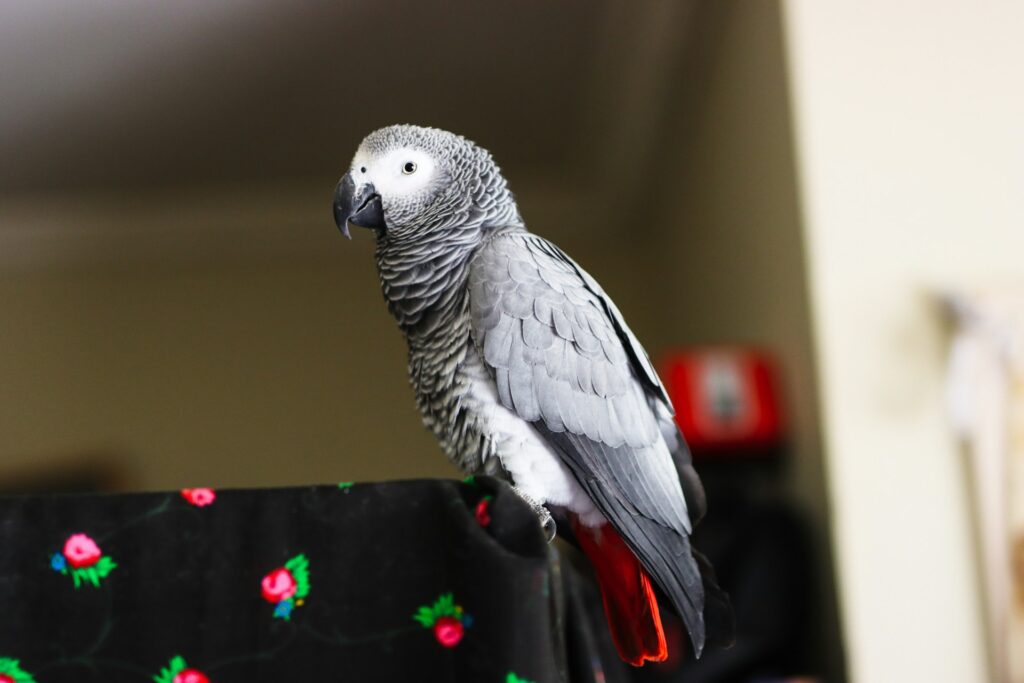
African grey parrots have been shown to grasp the concept of zero, which is an abstract mathematical idea that even young children struggle with. In experiments, they could identify when nothing was present and understood it as a quantity rather than just an absence of something. This puts their mathematical reasoning on par with monkeys and demonstrates they’re not just memorising patterns, but actually understanding numerical concepts.
2. Some parrots can use tools and teach others how to use them.
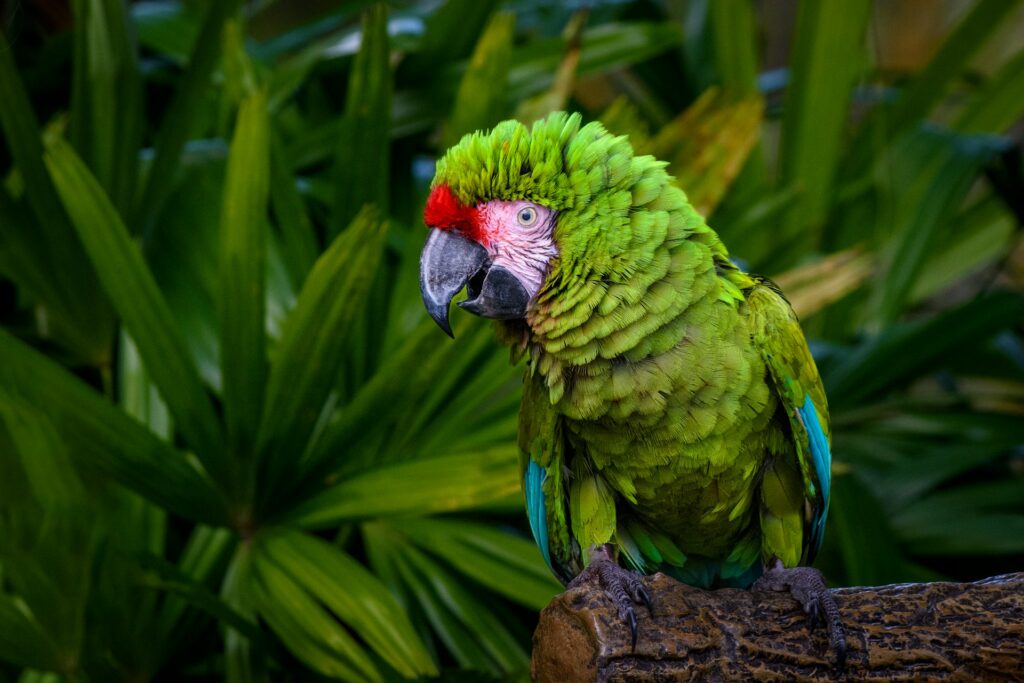
Cockatoos have been observed crafting tools from different materials to reach food, and they can modify their tools if the first attempt doesn’t work. What’s even more impressive is that they can watch another parrot use a tool and then replicate the technique themselves, showing observational learning. In captivity, some parrots have figured out how to pick locks, unscrew bolts, and manipulate complex mechanisms that their keepers assumed were parrot-proof.
3. They can identify colours, shapes, and materials on command.

Parrots don’t just repeat words, they can learn to categorise objects by colour, shape, size, and material when asked specific questions. The famous African grey parrot Alex could identify over 50 objects, seven colours, and five shapes, and he could tell you what material something was made from. This shows they understand language as a functional tool for describing the world, rather than just making sounds that get them rewards.
4. They demonstrate self-control to get better rewards.

In delayed gratification tests similar to the marshmallow experiment done with children, parrots can wait for a better food reward rather than taking an immediate lesser option. This requires understanding future consequences and controlling impulses, which are signs of higher cognitive function. Some species can wait up to several minutes for a preferred treat, showing they’re capable of planning and weighing options rather than just reacting to immediate stimuli.
5. Parrots can learn through inference rather than trial and error.
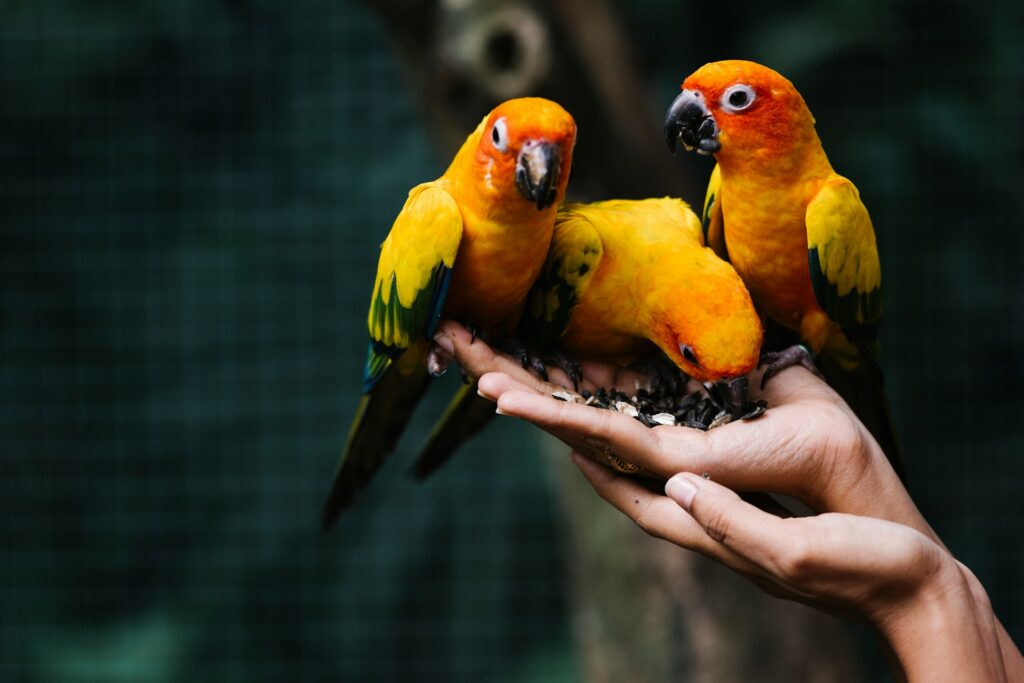
When presented with a problem they haven’t encountered before, parrots can figure out solutions by reasoning, rather than randomly trying different approaches until something works. They’ve been shown to understand cause and effect relationships, like knowing that pulling a string will bring an attached object closer. This inferential reasoning means they’re actually thinking through problems instead of just learning through repetition and reward.
6. They recognise themselves in mirrors.
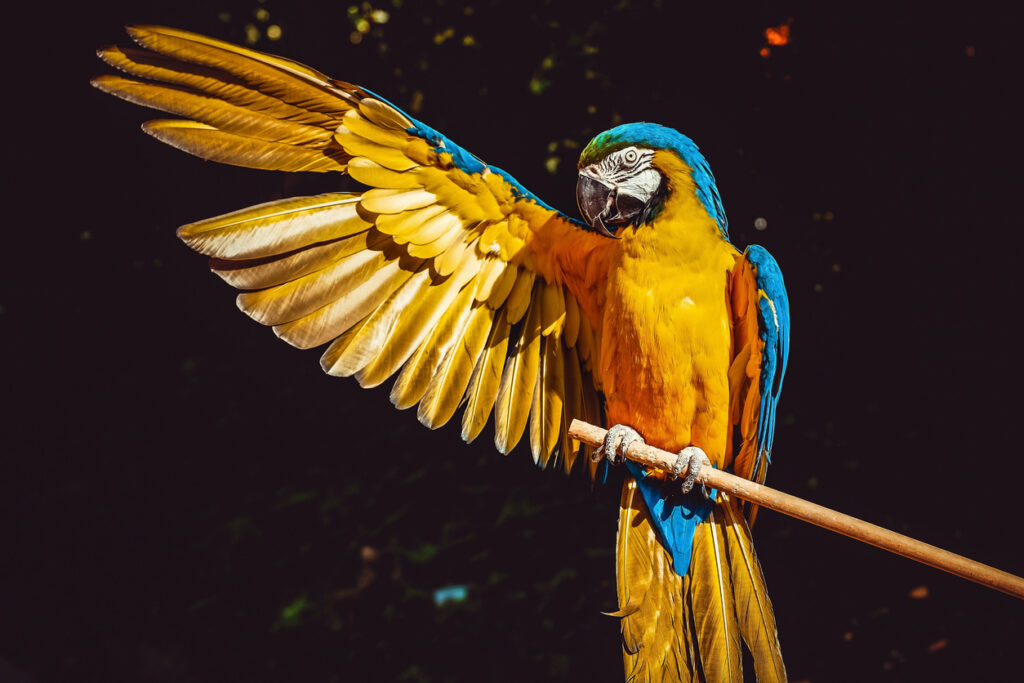
Some parrot species pass the mirror self-recognition test, which means they understand that the reflection is them rather than another bird. This is considered a sign of self-awareness and is something that only a handful of animal species can do, including great apes, dolphins, and elephants. Parrots who recognise themselves will use mirrors to preen areas they can’t normally see and investigate marks placed on their bodies while looking in the mirror.
7. They understand object permanence better than many animals.
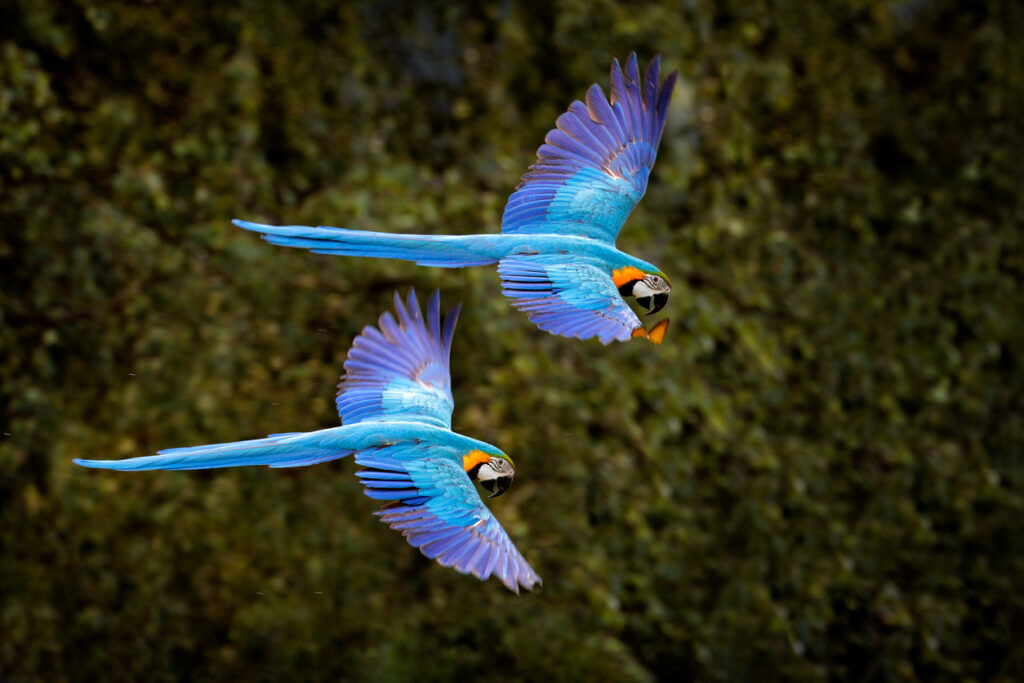
Parrots grasp that objects continue to exist even when they can’t see them anymore, which sounds simple but requires a level of mental representation that many species lack. They can track objects through multiple hiding spots and remember where things were hidden even after delays. This cognitive ability develops in human children around 8 to 12 months old, and parrots demonstrate it consistently throughout their lives.
8. Some parrots can learn over 1,000 words and use them contextually.
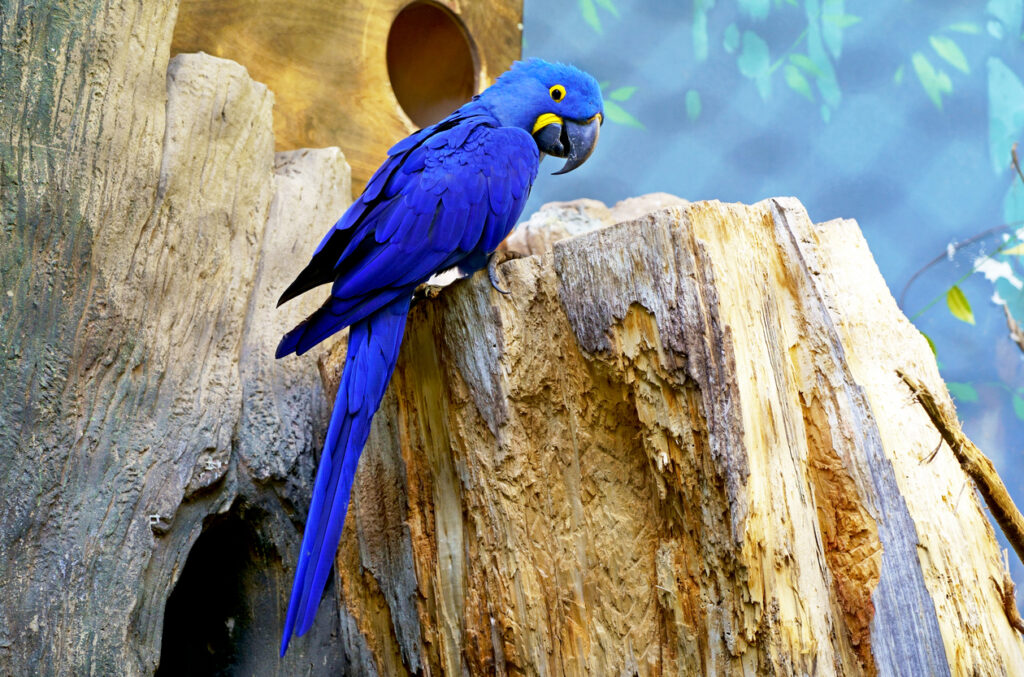
The most linguistically gifted parrots don’t just memorise words, they understand what they mean and use them in appropriate contexts to communicate specific needs or observations. They can combine words in novel ways to describe new objects, like calling an apple a “banerry” because it looks like a cross between a banana and a cherry. Such a creative use of language shows they’re processing meaning rather than just playing back recordings of sounds they’ve heard.
9. They show preference for fairness and cooperation.
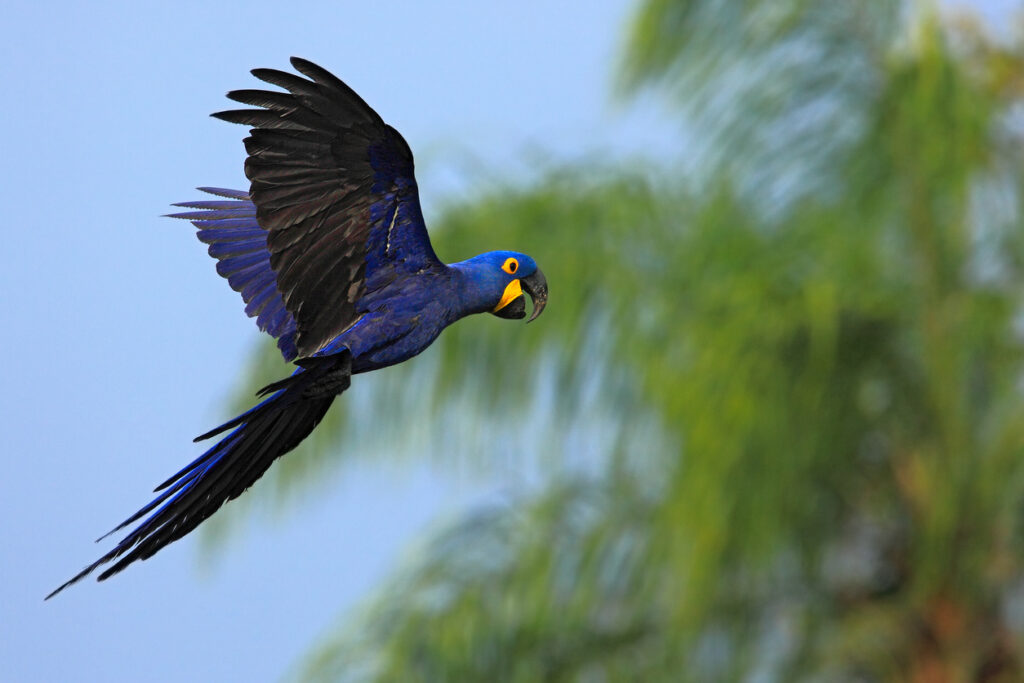
In studies where parrots had to cooperate with a partner to get a reward, they demonstrated understanding of fair exchanges and remembered which partners were helpful. They’re more likely to share with parrots who’ve shared with them, and they get visibly frustrated when they see another bird getting a better reward for the same task. That sense of fairness and social expectations suggests they have complex social cognition and emotional responses to inequality.
10. Parrots can understand probability and make predictions.
When shown containers with different ratios of preferred and non-preferred foods, parrots can predict which container is more likely to give them what they want. They’ll consistently choose the option with better odds even when the visual difference is subtle, showing they’re calculating probabilities rather than just picking randomly. Their grasp on statistical reasoning is something that even adult humans sometimes struggle with, yet parrots demonstrate it reliably in experimental settings.