
For years, scientists feared the North Atlantic right whale was headed for extinction. Now there’s finally a sliver of good news. According to The Guardian, researchers say the species’ population has risen slightly for the first time in over a decade, climbing to an estimated 384 whales. It’s only an increase of eight, but when you’re dealing with one of the world’s most endangered animals, every single life matters.
The right whale has had a brutal history. Once hunted relentlessly for its oil and baleen, it never recovered from centuries of slaughter. In recent decades, the biggest threats have come from fishing gear entanglements, ship strikes and shifting food supplies caused by climate change. Between 2010 and 2020, the population dropped by about a quarter.
Researchers now say they’re seeing cautious signs of improvement. There have been more calves born this year, including four to mothers giving birth for the first time, and fewer reports of fatal injuries or entanglements. Importantly, there were no confirmed deaths among known whales during the latest survey period. Scientists stress that this doesn’t mean the species is out of danger, but it does mean the decline has at least paused, and that’s a vital change in direction after years of bad news.
What’s behind the improvement
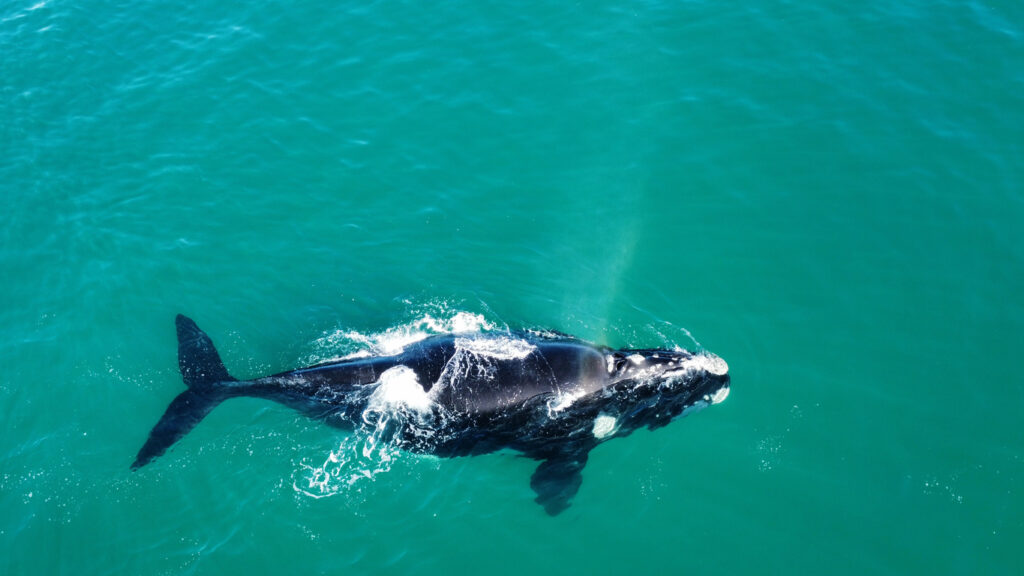
A combination of policies and practical measures appears to be helping. Stricter vessel speed limits in whale migration routes, new fishing gear designed to break more easily if a whale becomes caught, and improved monitoring in Canadian and US waters have all made a difference. As The Guardian reports, coordinated efforts between scientists, coastal communities and governments have been key to protecting the whales where they actually feed and travel, rather than relying on outdated habitat maps.
Climate change has also forced the whales to move further north to follow their food sources, particularly copepods, the tiny crustaceans they depend on. When protections shifted to these new feeding grounds, survival rates began to rise. It’s an encouraging sign that flexible, data-driven conservation can still work even in rapidly changing seas.
For the teams tracking the whales, progress has been painfully slow but meaningful. Recovery at this scale isn’t about dramatic turnarounds; it’s about small, steady improvements that accumulate. Researchers describe the increase as fragile, since the population remains dangerously low and even one bad year could undo the gains. But it also shows that long-term policy and consistent protection can yield real results, even for species on the edge.
The challenge now is keeping that momentum. Conservation groups warn that relaxing speed limits or weakening fishing regulations could immediately reverse the gains. Continued international cooperation and enforcement will be crucial, along with more investment in technology to detect and track the whales before collisions happen.
The rise in numbers may be modest, but it carries weight. For scientists who have spent decades monitoring these whales, and for coastal communities that depend on healthy oceans, this small victory matters deeply. It reminds us that even in an era of widespread environmental loss, recovery is still possible when action is sustained and science is followed.
The North Atlantic right whale is still one of the rarest creatures in the ocean, and its future remains uncertain. But for now, the story has changed slightly. After years of decline, the species isn’t just surviving; it’s inching forward, and that alone is worth celebrating.