They flutter, they fly, and from a distance, they look surprisingly similar.

However, moths and butterflies are more different than most people realise. Whether you’re out in the garden or spotting something by your window, there are a few simple clues that’ll tell you which one you’re actually looking at. Here are 14 straightforward ways to tell moths and butterflies apart instantly, no magnifying glass required.
1. Look at the antennae.
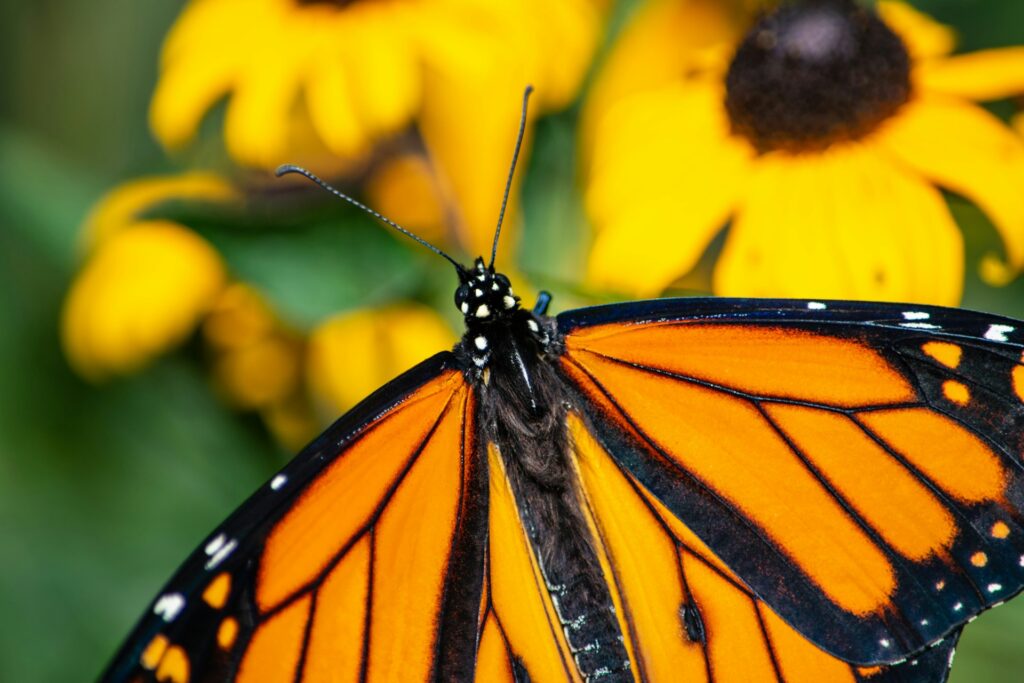
Butterflies have long, thin antennae with small rounded knobs at the ends. It’s one of their most reliable features—sleek and gently curved like fine-tipped brushes. Moths, on the other hand, usually have feathery or thread-like antennae without the club-shaped ends. If you spot a fuzzy pair of antennae that look like little combs, you’re almost certainly looking at a moth. This one feature alone can often settle the question straight away.
2. Check the wing position at rest.
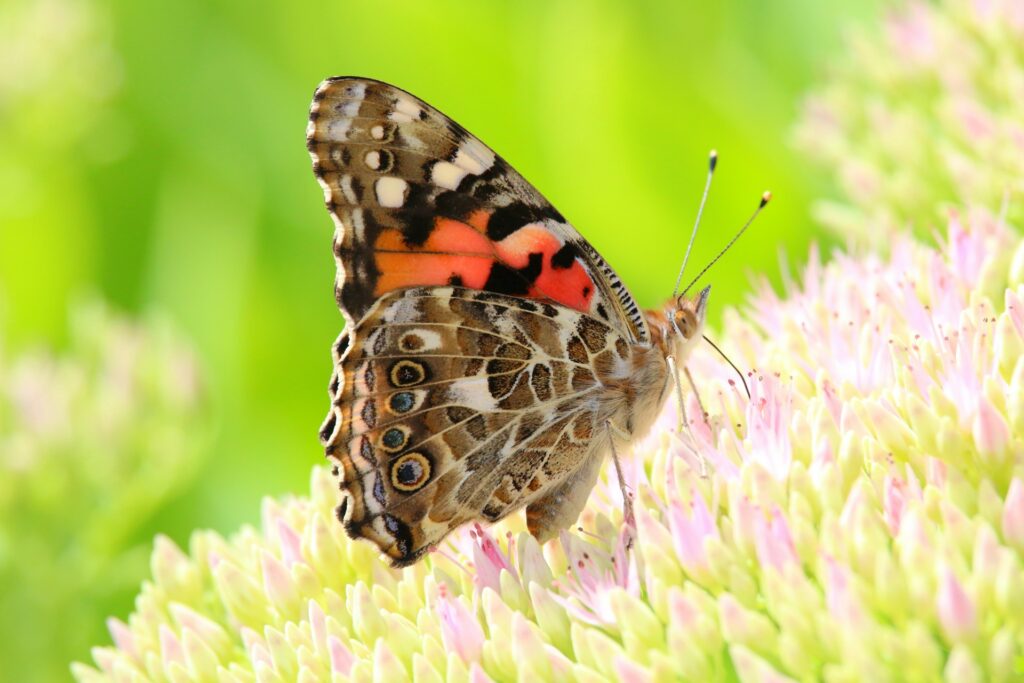
When butterflies land, they usually fold their wings upright over their backs, like little sails. Moths, by contrast, tend to keep their wings flat or tented down over their bodies when resting. That difference in posture is one of the easiest visual cues, especially if you’ve caught the insect while it’s still. Wings up? Probably a butterfly. Wings spread or angled down? Likely a moth.
3. Watch when it’s active.
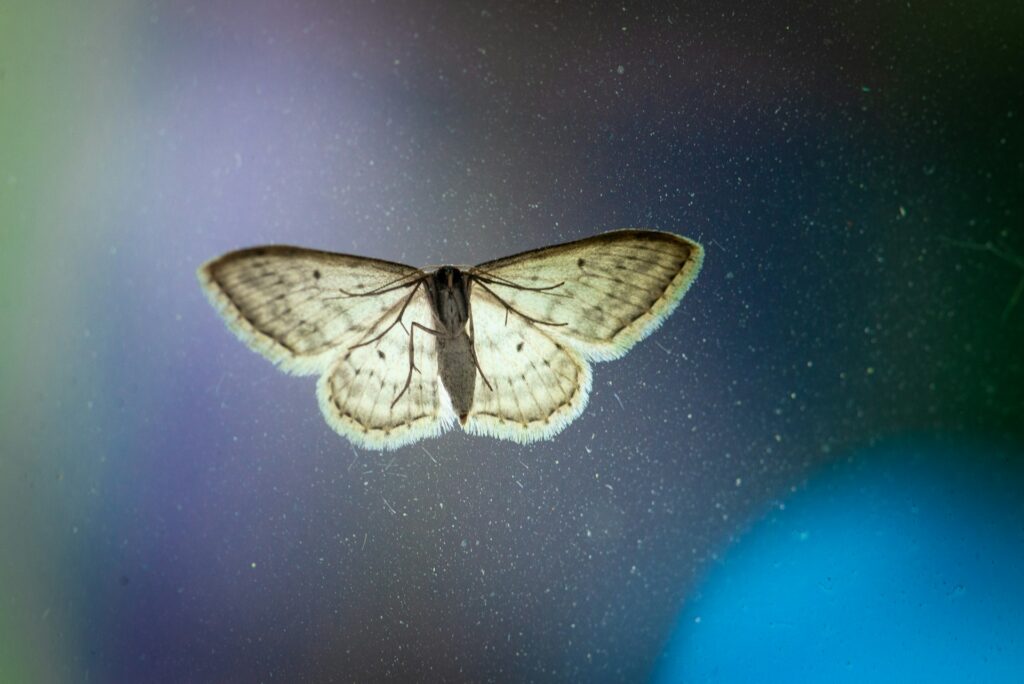
Most butterflies are daytime flyers—they’re solar-powered and thrive in sunshine. Moths are more commonly nocturnal and tend to appear around dusk or after dark, especially near artificial lights. If you see it fluttering around flowers in broad daylight, you’re probably looking at a butterfly. If it’s bumping into your porch light at night, odds are high it’s a moth.
4. Notice the colour palette.
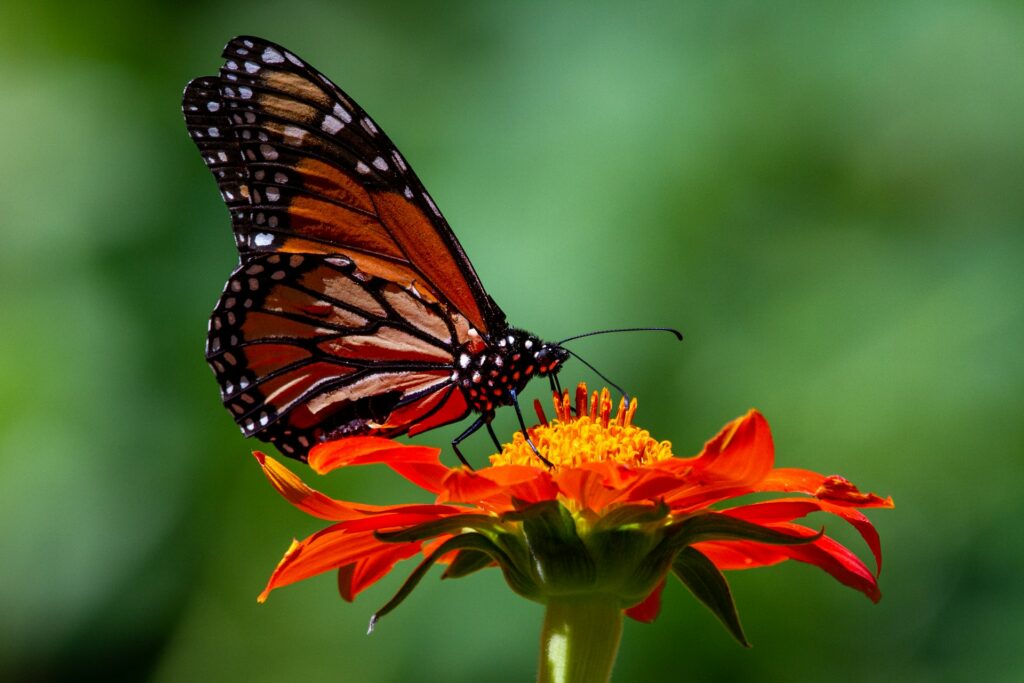
Butterflies tend to be more brightly coloured, with bold patterns and vivid shades. Moths often stick to earthy tones—browns, greys, and creams—that help them blend in with tree bark or soil. That’s not a hard rule (some moths are spectacularly vibrant), but as a quick visual guide, the subtler the colouring, the more likely you’re looking at a moth.
5. Feel the body shape (if you’re gentle!).
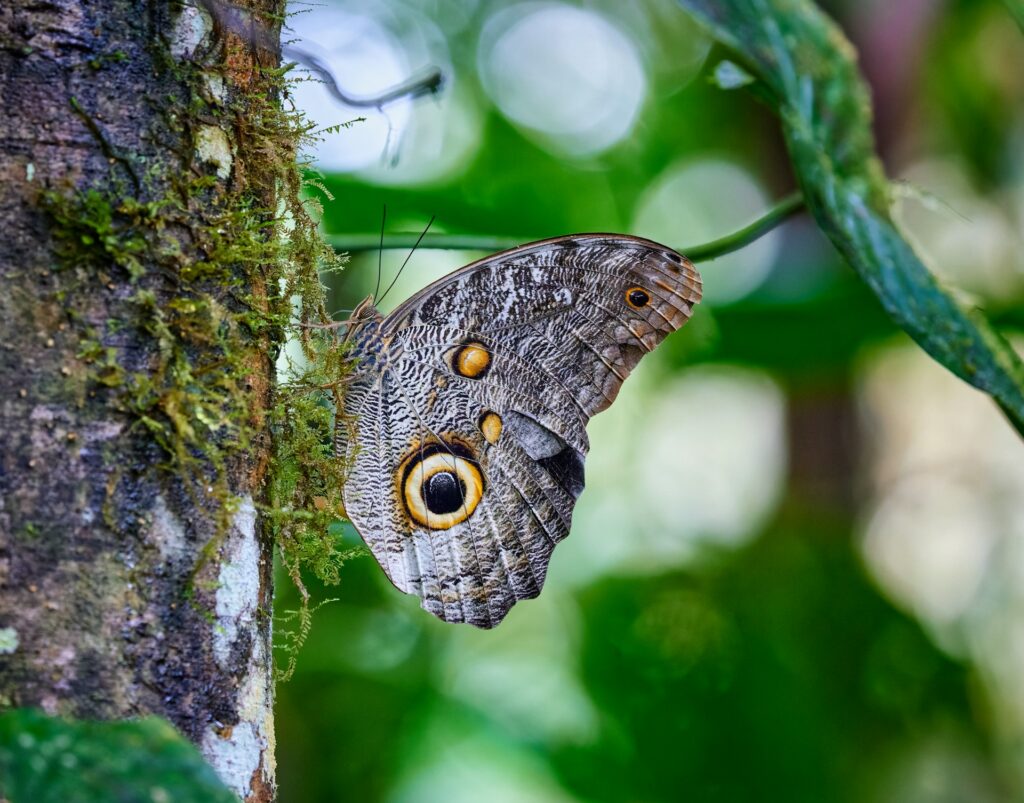
Butterflies have slim, elongated bodies that match their light, delicate wings. Moths, in contrast, usually have thicker, furrier bodies that look a bit sturdier and more robust. If you’re handling one gently or looking closely, you’ll notice the difference right away. Moths often look like they’re built for warmth, while butterflies are all about lightness and lift.
6. Check the wing shape.
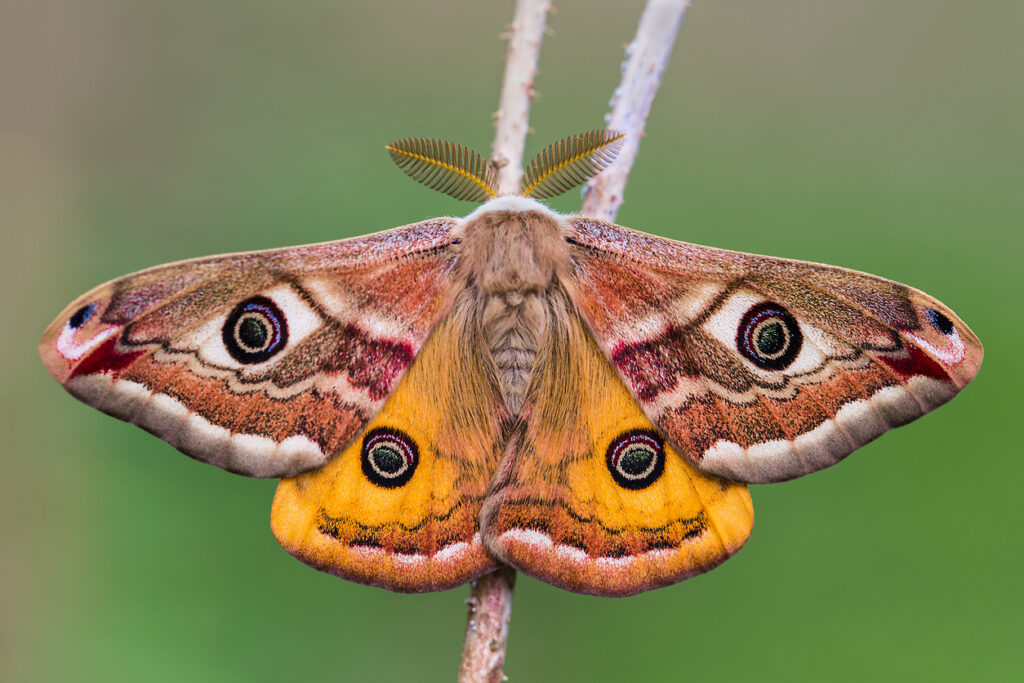
Butterfly wings are typically more angular and well-defined, with sharper edges and broader tips. Moth wings often have softer edges and more rounded curves, especially around the lower wings. Some moths also have unique shapes like tails or overlapping layers, but as a general rule, if the wings look sharp and symmetrical, you’re likely looking at a butterfly.
7. Take note of where it’s resting.
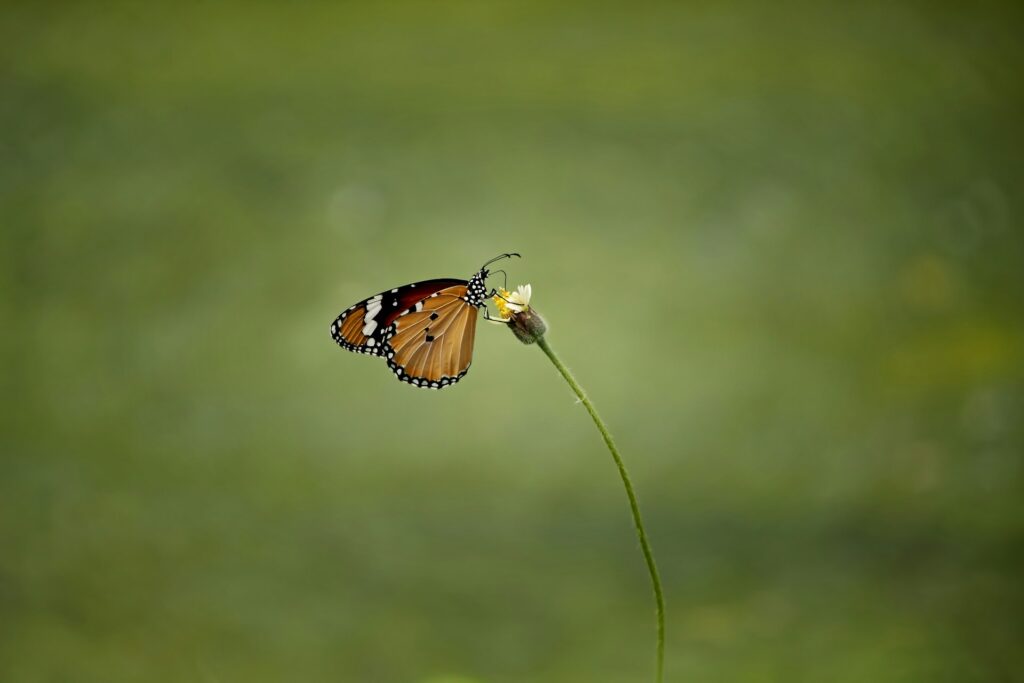
Butterflies usually perch on flowers or leaves out in the open, often with wings up and antennae alert. Moths prefer to rest in hidden places—on tree bark, walls, or shaded crevices, often blending in so well they’re hard to spot. If you’ve found it nestled somewhere discreet and camouflaged, you’re probably looking at a moth. If it’s proudly soaking up the sun on a daisy, it’s more likely a butterfly.
8. Feel the texture (visually!).
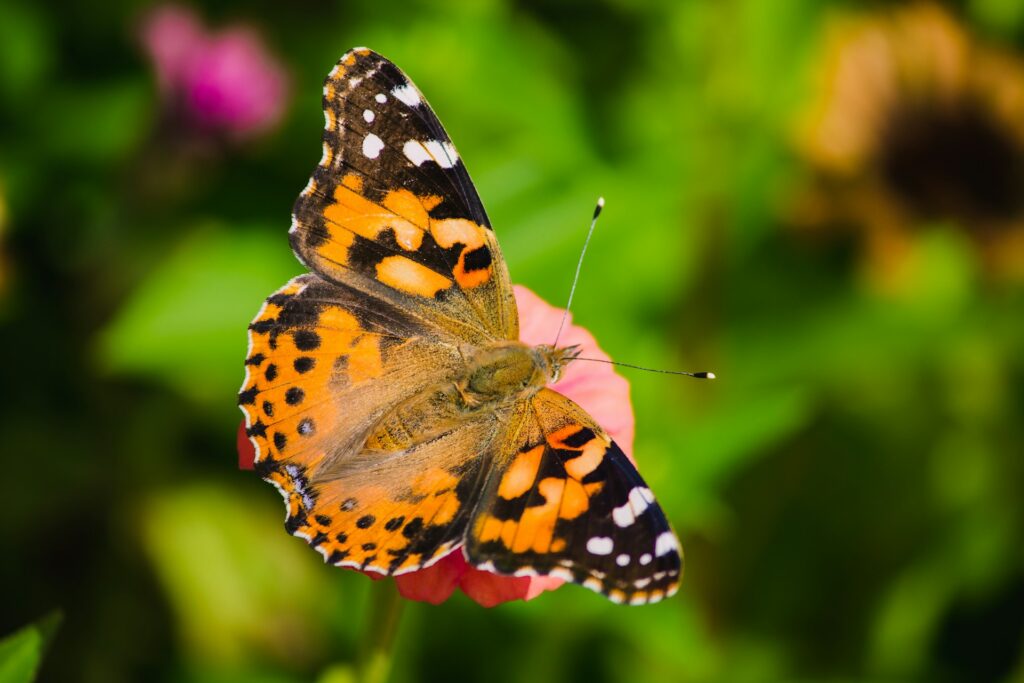
Moths are famously fuzzy. Their bodies and sometimes even their wings have a soft, powdery look due to tiny scales. Butterflies, while also scaled, usually appear smoother and more polished. If it looks velvety or like it’s wearing a little winter coat, it’s likely a moth. If it looks sleek and delicate, chances are it’s a butterfly.
9. Consider the cocoon vs. chrysalis.

This one’s less about spotting in the moment, but it’s a neat difference: butterflies form a smooth, hard chrysalis as they transform, often hanging from leaves. Moths spin cocoons—sometimes fuzzy, sometimes hidden in soil or bark—to pupate inside. If you stumble on a silky pod tucked away, it’s likely a moth cocoon. If it’s a smooth green or brown capsule hanging openly, that’s a butterfly’s chrysalis.
10. Look at the flight style.

Butterflies usually fly in a more direct, gliding way. Their movement is airy and controlled. Moths tend to have a flutterier, more erratic flight pattern—like they’re in a bit more of a hurry or unsure where they’re going. It’s subtle, but if the flight path looks chaotic, it’s likely a moth. If it looks graceful and purposeful, it’s probably a butterfly.
11. Look closely at the legs and feet.
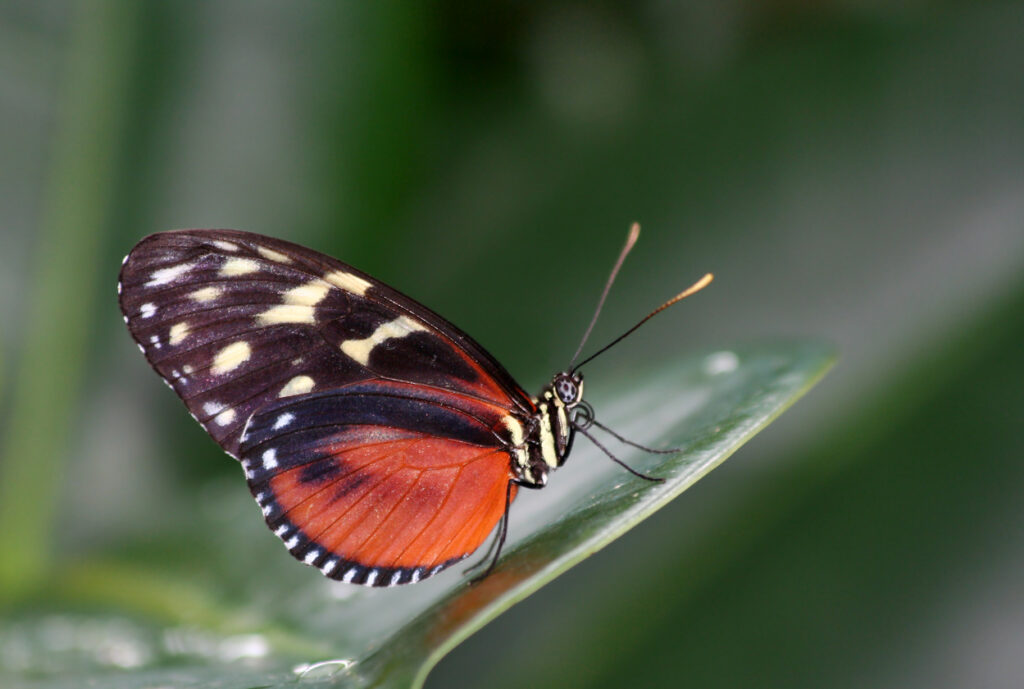
Butterflies often have longer front legs, with some species even tucking them in as if they’re not using them. Moths usually keep all six legs visible and use them evenly while walking or resting. It’s a fine detail, but if you’re lucky enough to get close (or have a photo to zoom in on), this can be one of the final things to tip the balance in either direction.
12. See how it reacts to touch or movement.

Butterflies, being used to daylight, tend to be more skittish around motion and fly away quickly. Moths, especially during the day, are slower to respond and may stay put even when lightly disturbed. If you wave your hand and it takes off instantly, it’s probably a butterfly. If it hunkers down or just flutters briefly, it’s more likely a moth caught outside its usual schedule.
13. Spot those curled or threadlike mouths.

Both moths and butterflies have proboscises—long, curled feeding tubes. However, butterflies tend to have longer, more prominent ones, clearly visible as they feed from flowers. Moths’ mouthparts are often shorter or less noticeable, especially since some adult moths don’t feed at all. If you see a very visible curl sipping nectar in the sunshine, odds are good you’re watching a butterfly in action.
14. Pay attention to the time of year.

Butterflies are mostly warm-weather visitors, peaking in spring and summer. Moths are active much longer through the year, with many species still flying in autumn—and some even thriving in winter. If it’s early morning in March or a chilly night in October and you see something fluttering, it’s probably a moth. Butterflies like it warm and bright—and they don’t usually come out until the conditions are just right.