If you ever find yourself in the forests of south-eastern Australia and hear a sound that resembles a rusty gate swinging in the wind or a wine cork being pulled from a bottle, you’ve likely found the gang-gang Cockatoo.
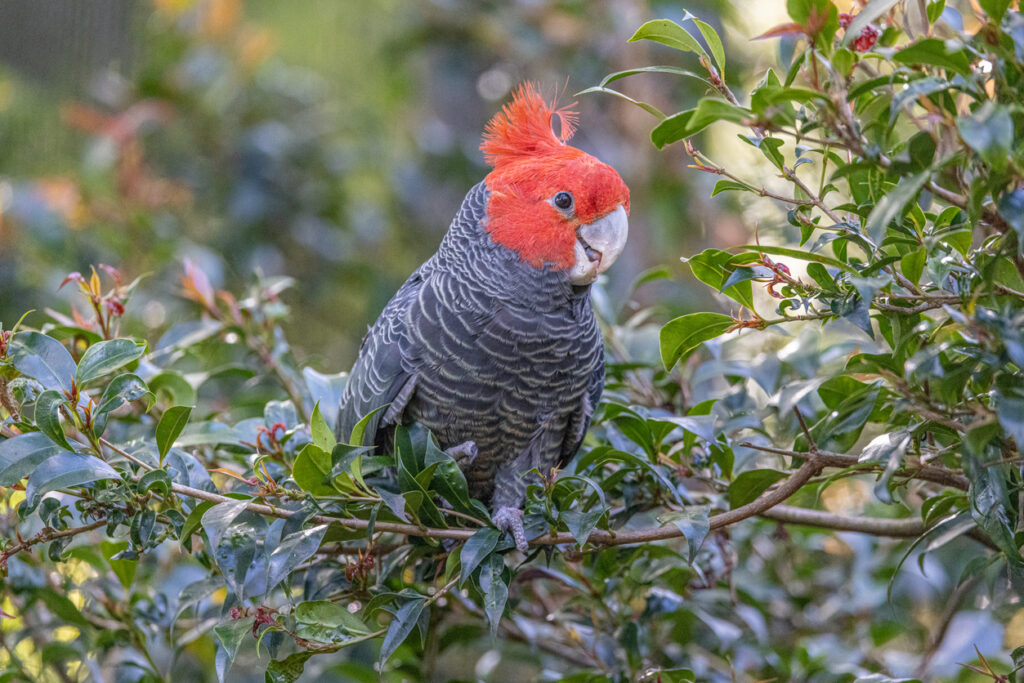
While most cockatoos are loud, flashy, and a bit in-your-face, the Gang-gang is a much more chilled-out character that prefers to spend its time quietly munching on eucalyptus seeds. The females are a subtle, understated grey, but the males are absolutely unmistakable thanks to a shock of bright, wispy red feathers on their heads. It looks less like a standard bird crest and more like they’ve just survived a minor electrical mishap or a very intense 80s hair session.
These birds aren’t just famous for their looks; they’ve got a personality that’s surprisingly mellow compared to their rowdy cousins. They’re often quite approachable, allowing you to get close enough to hear them clicking their beaks as they eat. Despite their laid-back vibe, they’re facing some pretty tough times due to habitat loss and the increasing intensity of bushfires, which makes every sighting of that brilliant red crest feel like a bit of a win for nature. They’re a reminder that the Australian bush has far more to offer than just the usual suspects, and they bring a bit of much-needed colour and quirkiness to the canopy.
The red crest belongs only to the males.
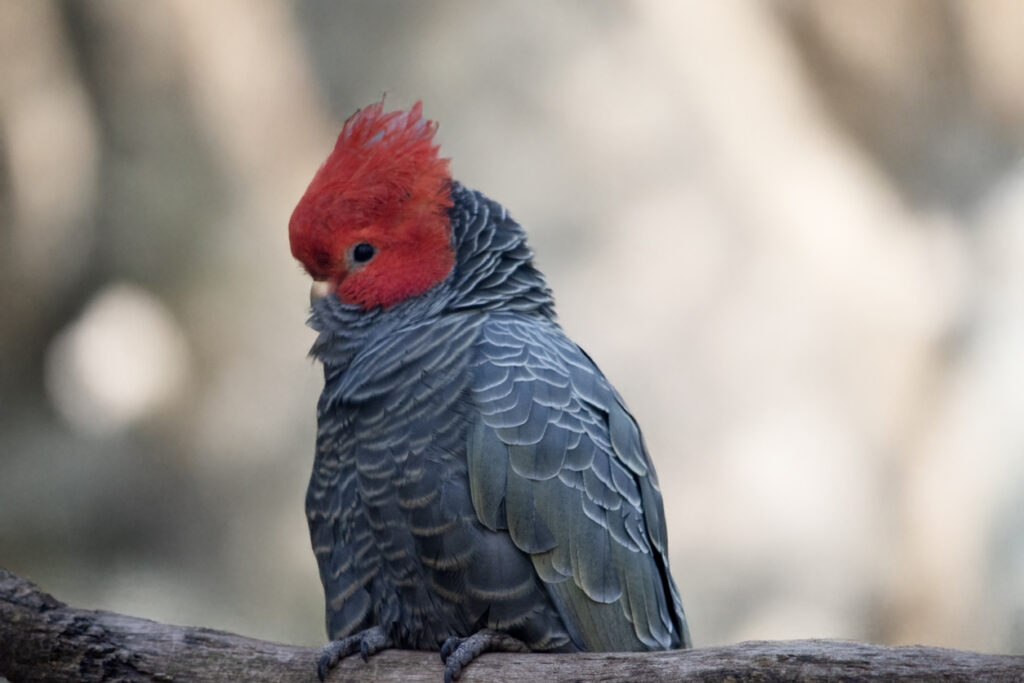
The most famous feature of the gang-gang cockatoo is the male’s bright red head and crest, which looks almost painted on against the grey body. It’s bold without being flashy, standing out just enough to catch the eye without overwhelming the bird. Females don’t have the red crest at all. Instead, they keep a softer grey head with subtle barring on the chest, which often surprises people seeing the species for the first time. That difference makes it one of the easiest cockatoos to tell apart by biological sex.
Their crest is more expressive than dramatic.
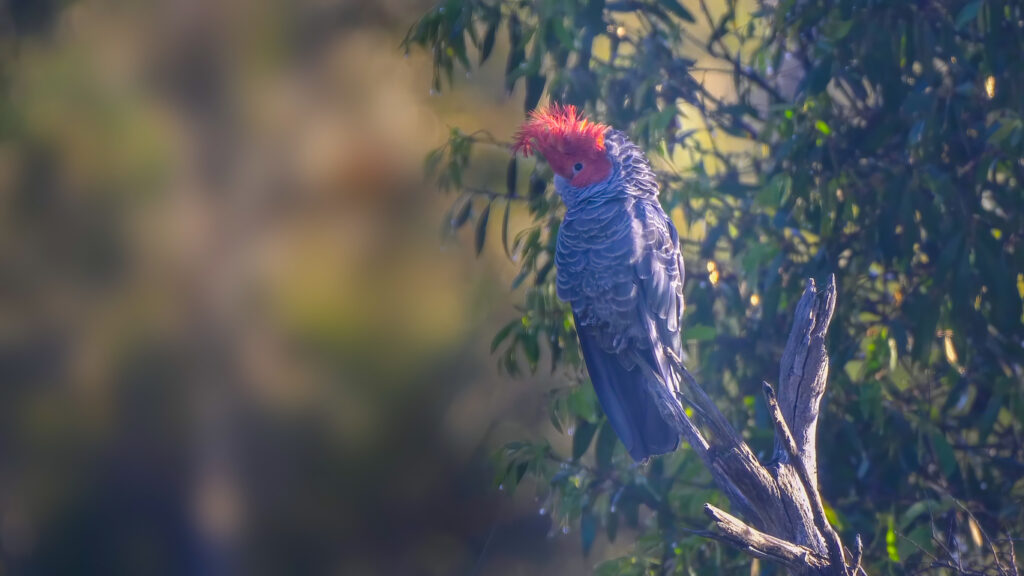
Unlike some cockatoos that fling their crests up at every opportunity, the gang-gang uses its crest sparingly. It lifts gently when the bird is alert, curious, or mildly excited rather than constantly flaring. This gives the bird a calmer, almost thoughtful look. The crest feels like punctuation rather than a full stop, adding emphasis to mood rather than stealing the show.
They sound nothing like most cockatoos.
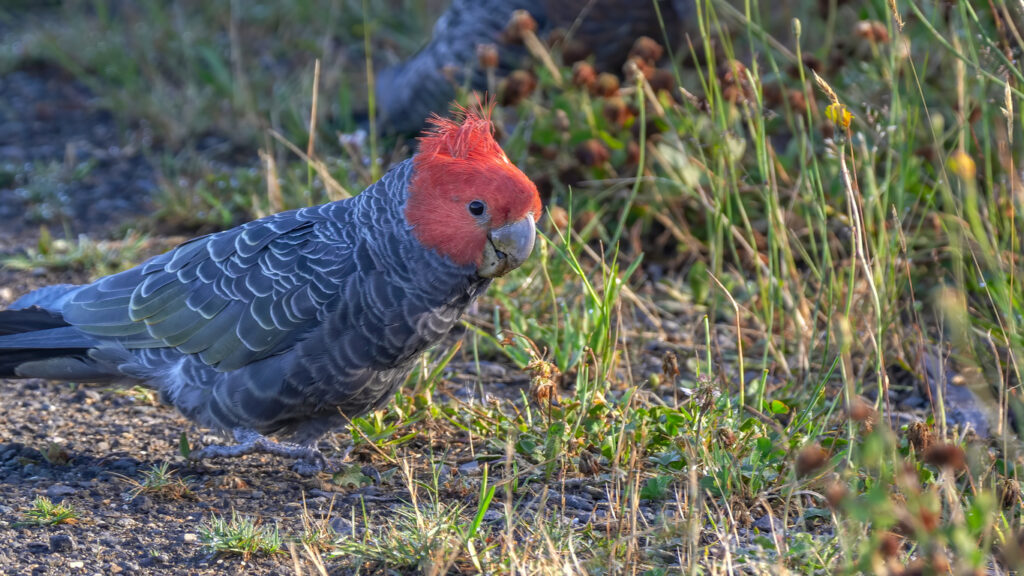
If you’re expecting screeching, you’ll be confused. Gang-gang cockatoos make creaky, rasping calls that sound more like a rusty gate than a bird. Their unusual voice helps birdwatchers identify them even when they’re hidden in dense trees. It also fits their understated personality, making them feel oddly endearing rather than overwhelming.
They prefer cooler forests over tropical heat.
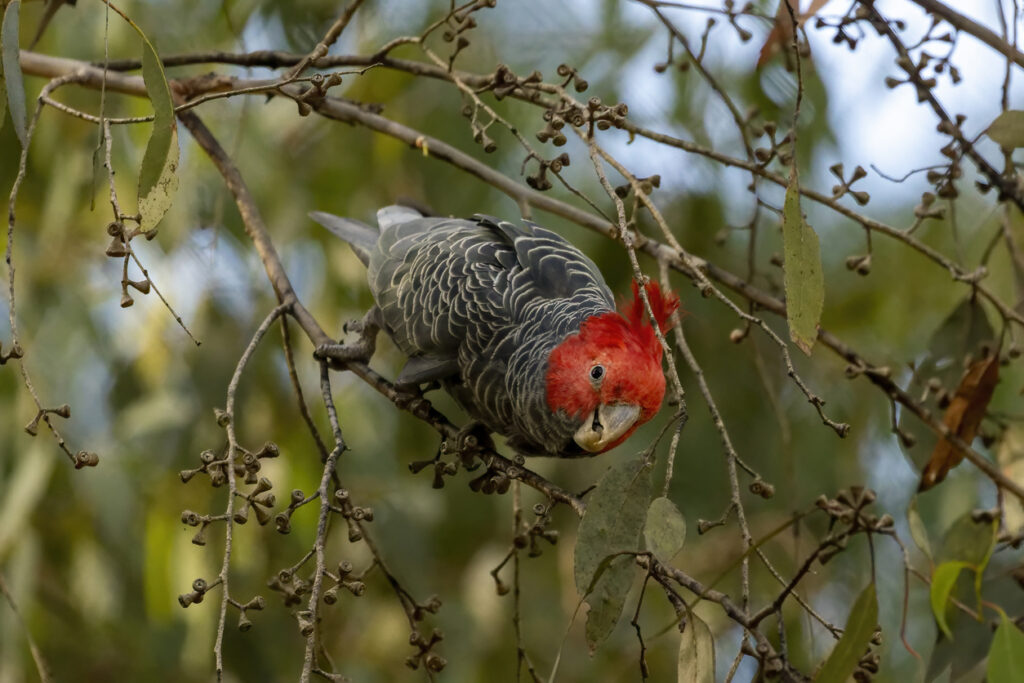
Gang-gang cockatoos are most commonly found in the cooler forests of south-eastern Australia. They favour eucalyptus woodlands and mountain forests rather than hot, open landscapes. During winter, some move closer to urban areas in search of food, which is when many people first spot them in gardens and parks. These seasonal movements make sightings feel special and slightly unpredictable.
Their diet is surprisingly specific.
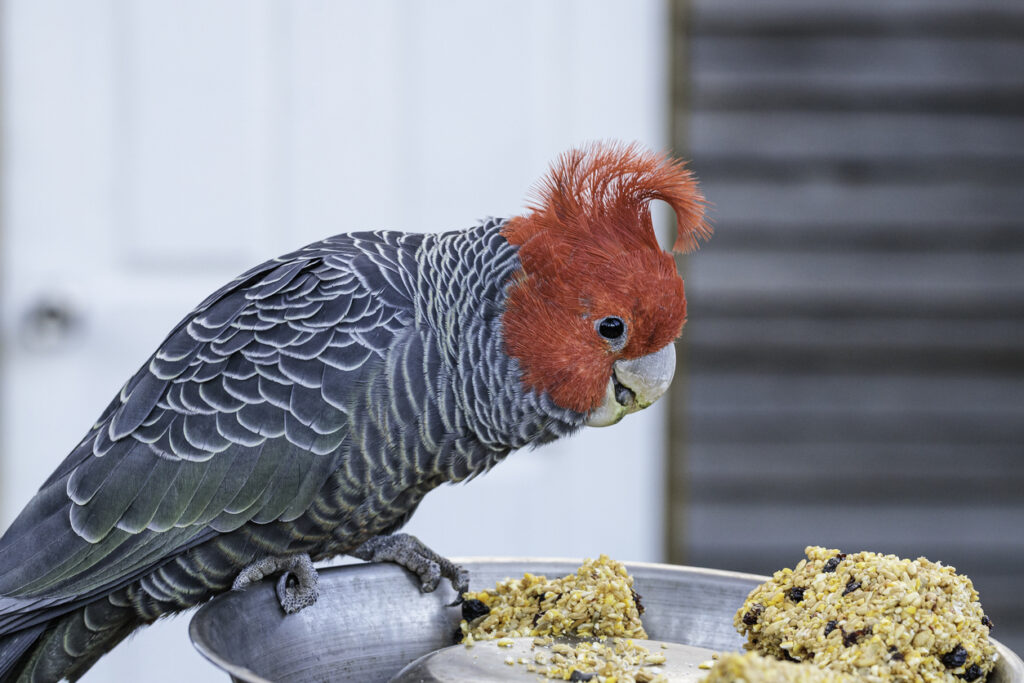
They feed mainly on seeds from eucalyptus, acacia, and native shrubs, using their strong beaks to crack open tough seed pods. Their specialised diet ties them closely to healthy native forests. When those habitats decline, the birds feel it quickly, which makes them an important indicator of ecosystem health.
They form strong, quiet pair bonds.
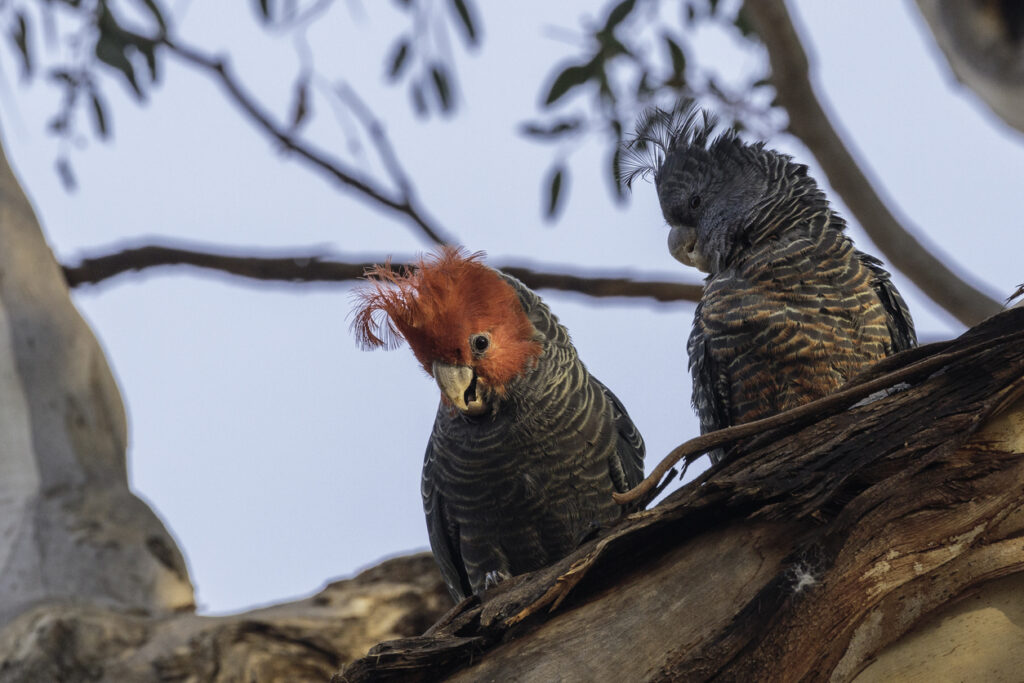
Gang-gang cockatoos are often seen in pairs rather than large, noisy flocks. Once bonded, pairs tend to stay together for long periods. Their interactions are subtle, involving soft calls and close positioning rather than dramatic displays. It’s a calmer, more reserved version of cockatoo social life.
Nesting depends on old trees.
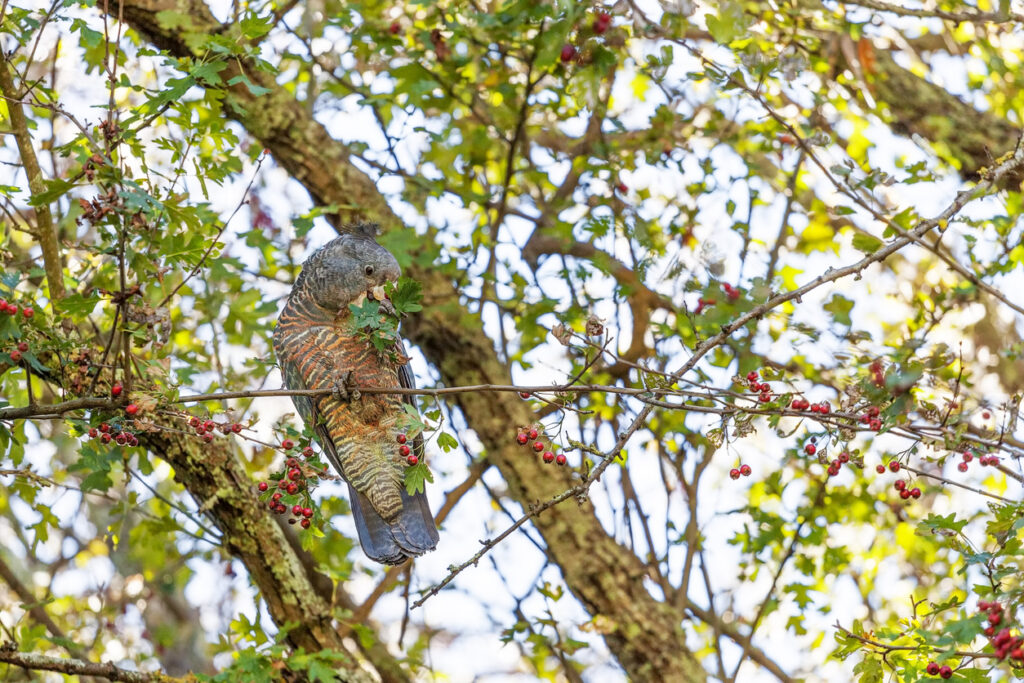
These birds rely on large tree hollows for nesting, usually in older eucalyptus trees. Finding a suitable hollow can be difficult, especially in areas where mature trees have been removed. Because they’re dependent on this, it makes them vulnerable to habitat loss. Even when forests remain, the removal of old trees can quietly wipe out breeding opportunities.
Chicks take time to mature.
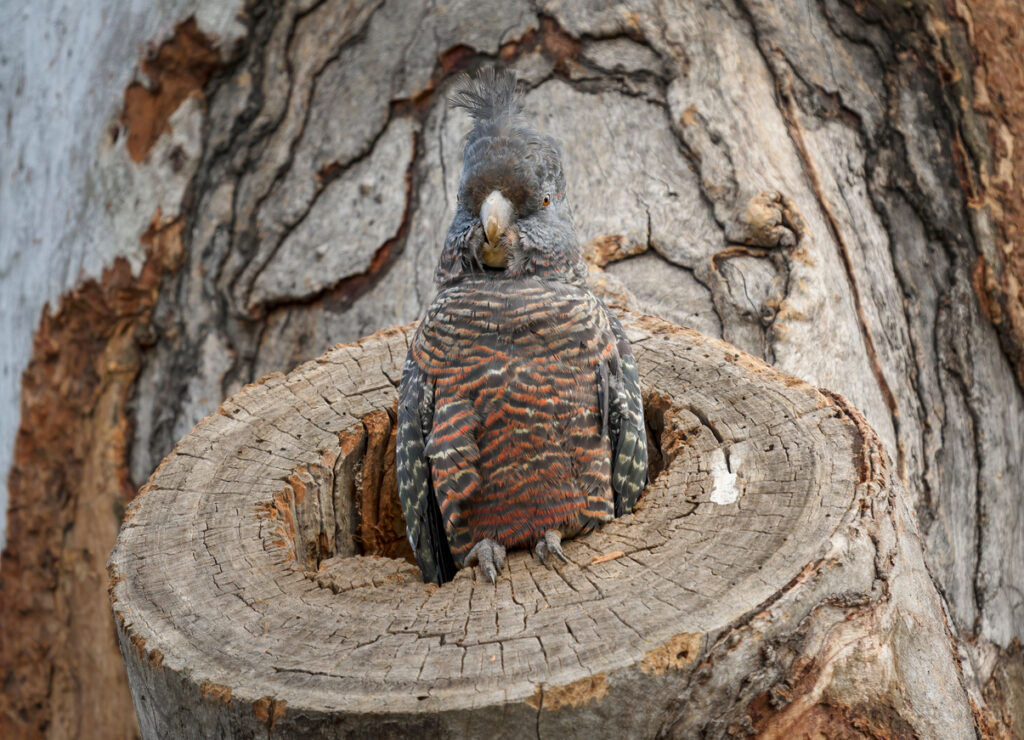
Gang-gang chicks stay in the nest for several weeks and continue to rely on their parents after fledging. The parents invest a lot of energy into raising just one or two young, and that slow reproductive pace means populations recover slowly from decline. Every successful nest really matters for the species’ future.
They’re surprisingly gentle birds.
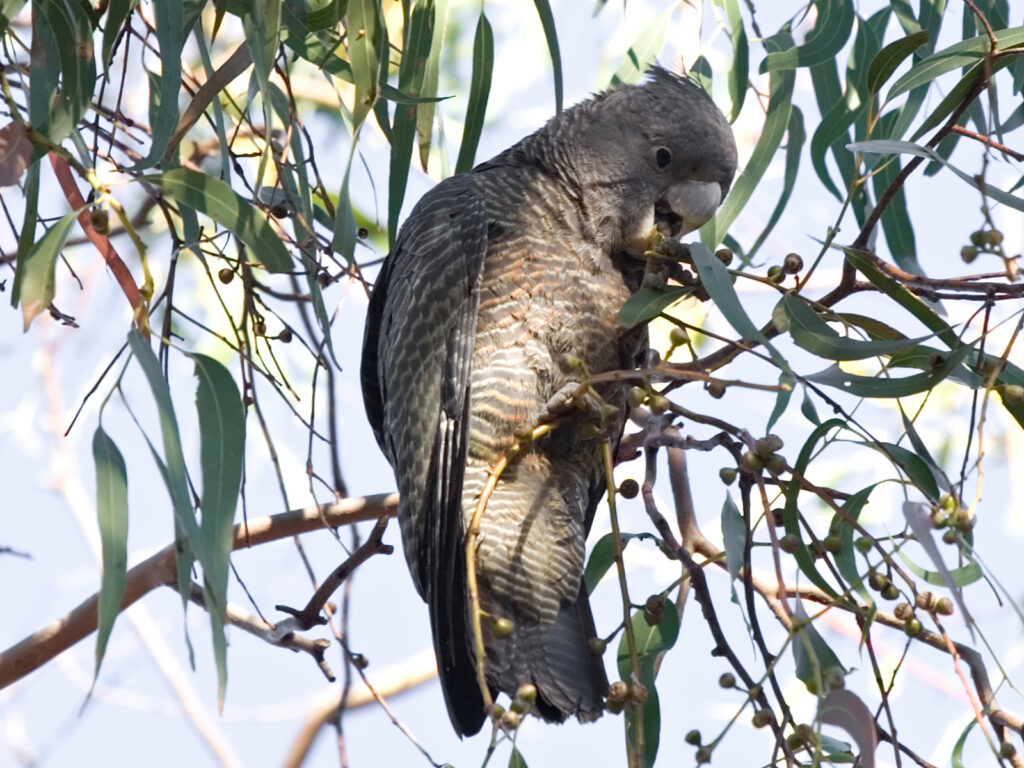
Despite being cockatoos, gang-gangs are known for their mild temperament. They’re less destructive, less aggressive, and generally calmer than many of their relatives. That gentleness makes them popular with birdwatchers, who often describe them as quietly charming rather than attention-seeking.
Climate change is altering where they can live.
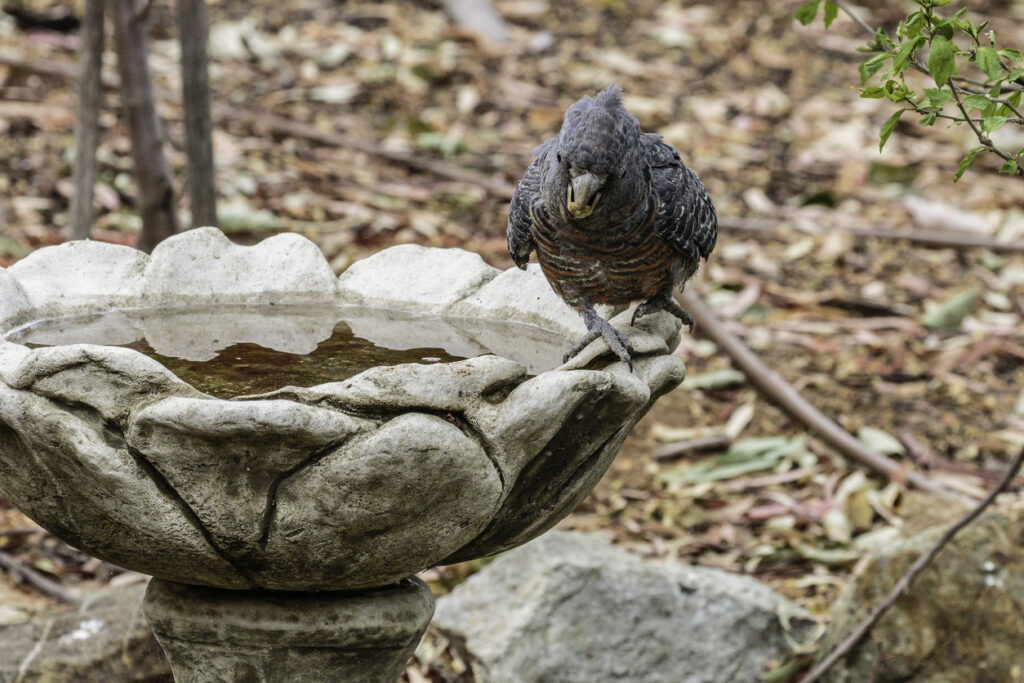
Rising temperatures and shifting weather patterns are changing the forests gang-gang cockatoos rely on. Heat stress and food availability are becoming growing concerns. As conditions change, some populations are moving or shrinking, which has raised concern among conservationists watching their long-term stability.
Urban sightings are increasing.
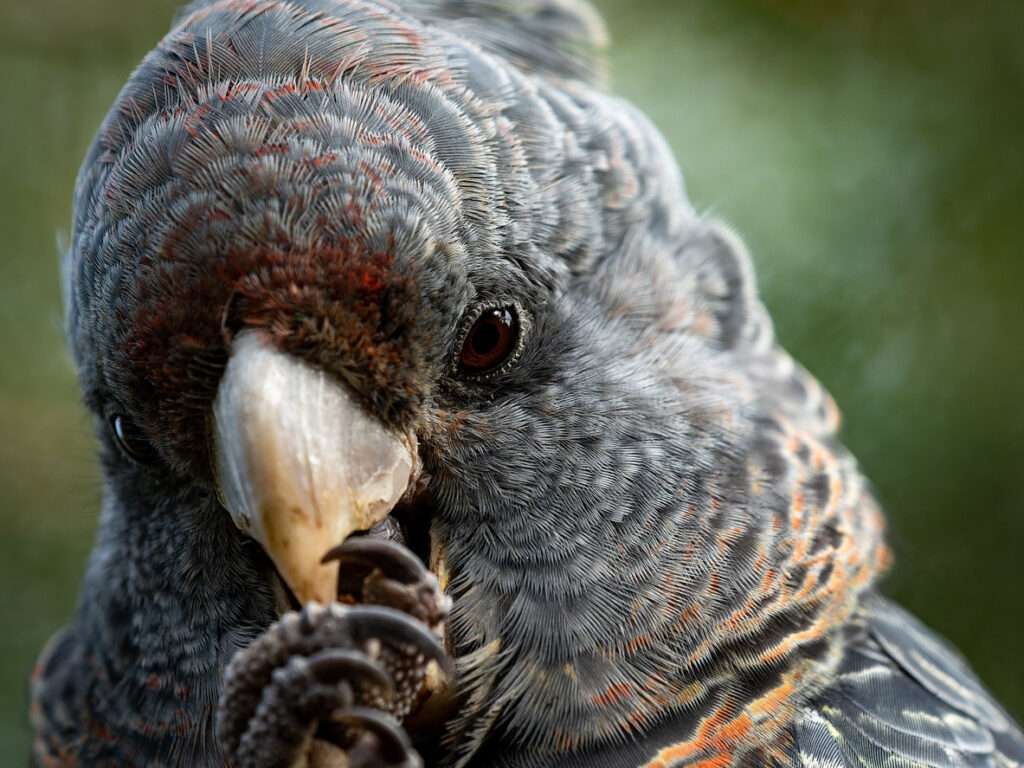
More people are spotting gang-gang cockatoos in towns and suburbs, especially during colder months. These visits often spark excitement because the species still feels rare. While urban areas can provide food, they don’t replace the need for safe nesting sites, making conservation planning more important than ever.
The red crest has become a conservation symbol.
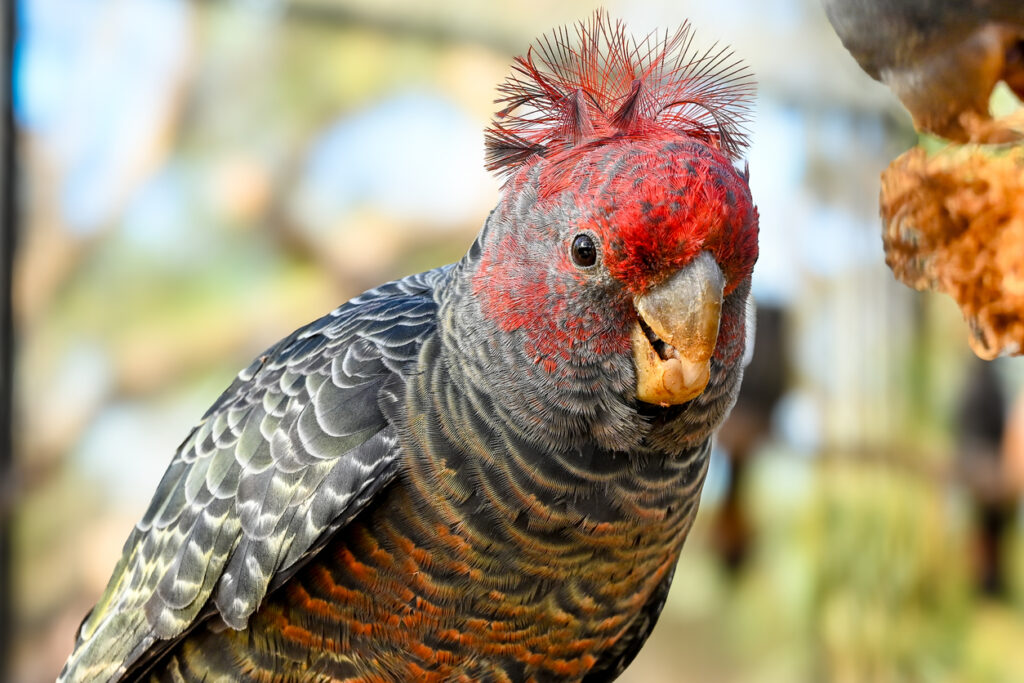
The male’s red crest has made the gang-gang cockatoo a recognisable ambassador for forest protection in parts of Australia. That flash of colour represents more than beauty. It highlights the importance of preserving mature forests, old trees, and the quieter species that depend on them to survive.