
It feels like a massive challenge to find even a single square inch of the planet that hasn’t been touched by us in some way. We like to imagine there are still vast, pristine wildernesses out there where nature is doing its own thing, but the reality is that our footprint is much larger than just the cities we build. From microplastics found at the bottom of the deepest oceans to chemicals drifting over the most remote mountain peaks, the reach of human activity is practically everywhere. Even the places that look completely wild are often being reshaped by a changing climate or changing ecosystems that we’ve inadvertently set in motion. It’s a bit of a reality check to realise that “untouched” is becoming a bit of a myth, as we’ve managed to leave our mark on almost every corner of the globe.
Only about 5% of Earth’s land surface remains unaffected by humans.
Recent studies using satellite imagery and ground data found that roughly 95% of Earth’s land surface shows some indication of human modification. This includes everything from roads and cities to cropland and livestock grazing. The remaining 5% that’s considered unaffected amounts to about 7 million square kilometres, mostly concentrated in cold regions like boreal forests, tundra, and parts of Antarctica. These figures are significantly lower than earlier estimates from the 1980s, which suggested 19% of land was untouched. Our footprint has expanded dramatically in just a few decades.
@trip.com Discover Greenland: 80% untouched wilderness, just 56,000 people. 🌍 Experience peace, vast space, and nature’s harmony. 🌿 📸@danielkordan @jess.wandering #travel #greenland #travelinspo #fyp #nature ♬ original sound – Trip.com
Different ecosystems show vastly different levels of human impact.
Cold landscapes like boreal forests and tundra have experienced very low human influence because they’re difficult to inhabit and farm. By comparison, temperate grasslands, tropical coniferous forests, and tropical dry forests have been hammered, with less than 1% of these regions classified as having very low human influence. These ecosystems have been completely altered by human civilisation. Tropical rainforests fall somewhere in the middle, with chunks of the Amazon, Congo, and Indonesian rainforests still relatively intact, though that’s changing rapidly.
Microplastics have reached Antarctica and the Arctic.
Scientists have found microplastics in Antarctic snow, even at remote field camps thousands of kilometres from research stations. These tiny plastic particles, some smaller than human cells, have been detected at concentrations of up to 3,099 particles per litre of snow. The microplastics likely travelled through air currents from as far as 6,000 kilometres away. They’ve also been found in Antarctic penguin faeces, seal species, and krill, proving that plastic pollution has infiltrated even the most isolated food webs on Earth. The Arctic faces similar contamination, with high concentrations of microplastics trapped in sea ice.
@wondersworthseeing One of the wildest mountains on earth!🏔️😲 #mountains #torresdelpaine #patagonia #travel #nature ♬ original sound – WondersWorthSeeing
Climate change affects every corner of the planet.
Rising global temperatures don’t respect geographical boundaries. Even places without direct human presence are experiencing warming, changing precipitation patterns, and changing seasons. Antarctica is warming faster than the global average, with ice sheets melting at alarming rates. Mountain glaciers worldwide are retreating, including in remote regions where humans rarely go. Ocean temperatures are rising everywhere, affecting marine ecosystems from polar waters to tropical reefs. No ecosystem on Earth remains unaffected by the carbon emissions humans pump into the atmosphere.
Air pollution reaches the most remote locations.
Atmospheric transport carries pollutants to places far from their sources. Antarctica receives persistent organic pollutants through long-range air transport, along with dust from Australia, Patagonia, and the Northern Hemisphere. Remote mountain peaks like those in the Himalayas show evidence of air pollution from distant cities. Even the air in Fiordland, New Zealand, one of the cleanest places on Earth, contains traces of human-generated compounds. The atmosphere connects every part of the planet, meaning local pollution becomes everyone’s problem.
Over 70% of Earth’s ocean remains largely unexplored.
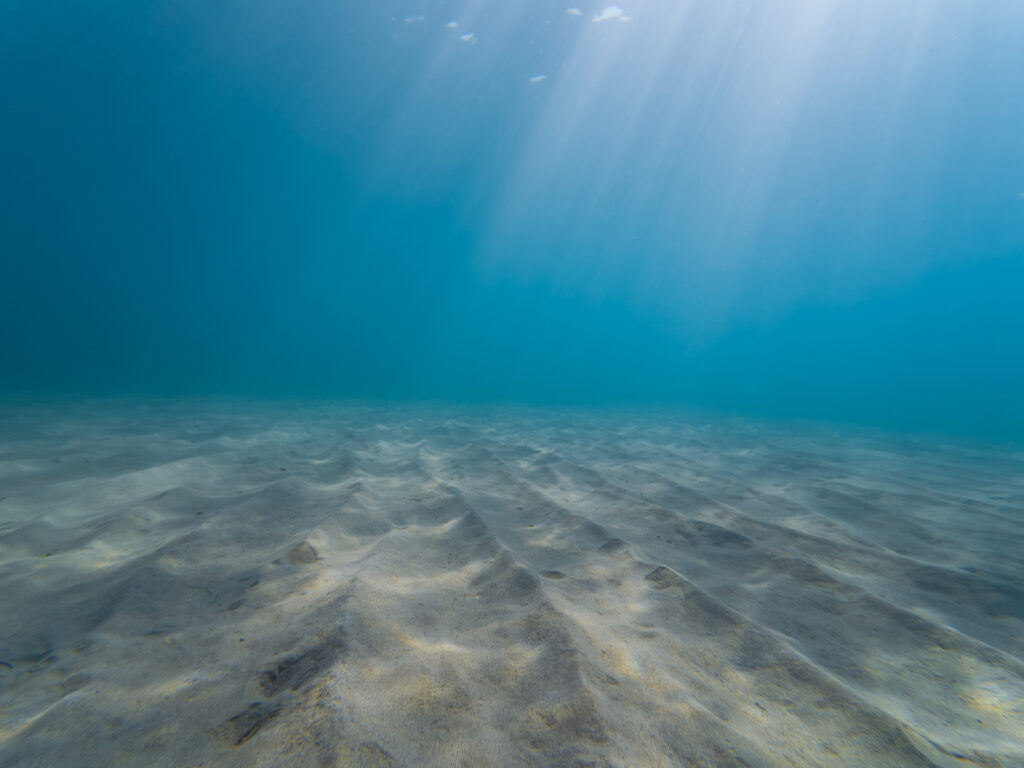
While humans have heavily impacted coastal areas, vast sections of the deep ocean remain mysterious. Only about 5-10% of the ocean floor has been mapped in detail. Deep ocean trenches like the Mariana Trench, which reaches about 11,000 metres below sea level, have only been visited a handful of times because the pressure is nearly 1,000 times higher than at sea level. Scientists estimate that 10-20% of species on Earth haven’t been formally described, with most of these unknown creatures living in the ocean. However, even these deep waters aren’t immune to human impact, with plastic debris and pollutants found at extreme depths.
Some places remain unexplored due to physical barriers or legal protection.
Gangkhar Puensum, the world’s highest unclimbed mountain at 7,570 metres, sits on the border of Bhutan and Tibet. Mountaineering has been banned in Bhutan since 2003 because locals consider their peaks sacred. North Sentinel Island in the Bay of Bengal has been successfully kept isolated by the Sentinelese people for nearly 60,000 years, and India legally protects their right to remain uncontacted. Large parts of Greenland remain inaccessible due to its enormous ice sheet. These places exist relatively untouched not because they’re impossible to reach, but because we’ve chosen or been forced to stay away.
No ecosystem qualifies as ecologically intact anymore.
A major 2021 study found that only 3% of Earth’s land still houses all the species it did 500 years ago with populations at healthy levels. The Serengeti in Africa is one of the few places that still contains its full complement of historical species, with lions, wildebeests, and countless other animals maintaining the complex relationships that sustain the ecosystem. Everywhere else has lost key species or seen their numbers decline so dramatically that ecosystem functions have been disrupted. Even protected areas often lack the biodiversity they once held, meaning conservation has arrived too late to preserve true ecological integrity.
@professeur68 a massive, year-round cycle of over 1.5 million wildebeest, zebras, and other antelope moving across Tanzania’s Serengeti and Kenya’s Maasai Mara in search of fresh grass and water#serengetiparktanzania🇹🇿 #mararivercrossing #maasaimara ♬ original sound – Glucky
Half of Earth shows low human impact, but that doesn’t mean untouched.
About 50% of Earth’s surface is classified as having low human impact, which sounds encouraging until you realise that “low impact” still means impact. These areas might not have roads or cities, but they’re still affected by hunting, climate change, air pollution, and invasive species introduced from elsewhere. A quarter of the ice-free surface of the planet could be described as having very low human impact, but even these places show signs of our presence. The maps that identify these areas agree that truly pristine wilderness, completely untouched by human activity, no longer exists anywhere on Earth.
Archaeological evidence shows humans have shaped Earth for thousands of years.
Research examining 30 years of archaeological data concluded that there haven’t been any truly pristine places on Earth for thousands of years. As soon as humans began farming and domesticating animals, we put evolutionary pressure on wild species and altered ecosystems permanently. The colonisation of islands had massive effects because island ecosystems lack the resilience of continental ones. Trade routes from the Bronze Age onwards spread our impact even further, long before the Industrial Revolution kicked everything into overdrive. The idea of returning Earth to some original, pristine condition is a fantasy because that condition hasn’t existed since before recorded history.