Most people see an insect in the kitchen and immediately reach for a shoe or spray, which is fair enough.
Nobody wants an infestation, of course, but here’s the part that rarely gets mentioned. Not every tiny creature that wanders near your cupboards is there to ruin your day. Some are actually helping you more than you realise. They’re not pets, and they’re not houseguests you want permanently, but they’re doing a job that often benefits your space.
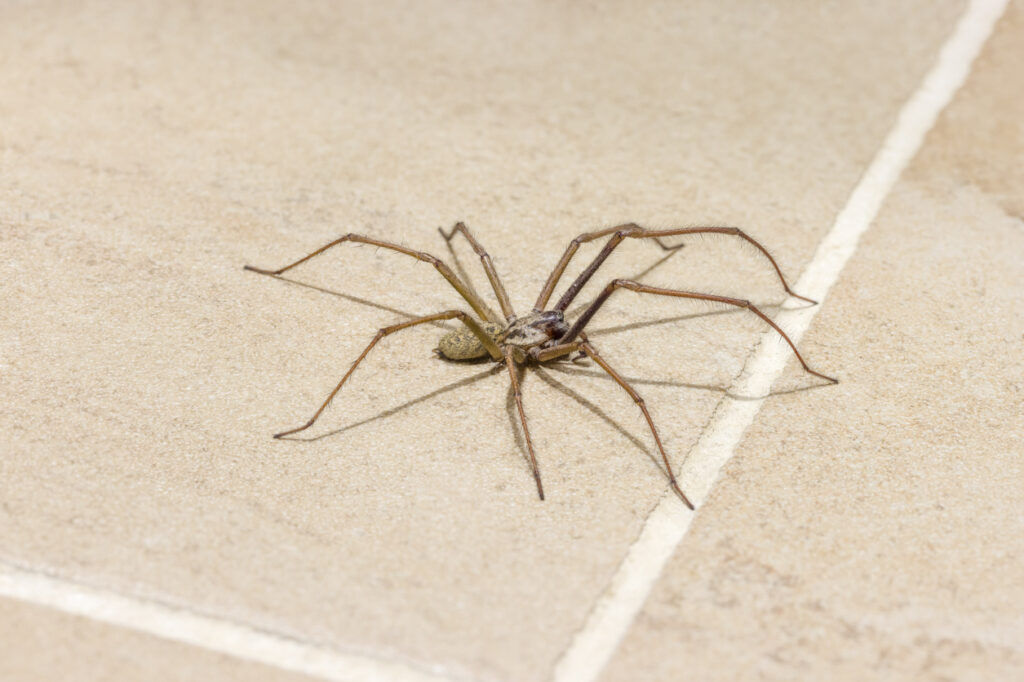
House spiders are your unpaid pest control team.
Spiders get blamed for everything, even though they’re not technically insects. In kitchens, they’re often sitting in corners catching flies, moths, and other small bugs that actually contaminate food. One spider can remove a surprising number of insects over time without you even noticing. They’re not interested in your groceries. They are interested in what is flying around them. If you see one tucked away in a high corner, chances are it is reducing the number of other pests that would otherwise settle on surfaces and food.
Ladybirds can keep aphids away from indoor herbs.
If you grow basil, mint or chillies on a sunny kitchen window ledge, aphids can appear out of nowhere. Ladybirds are natural predators of aphids and can clear them quickly. A single ladybird can eat dozens of aphids in a short period. While you might not want a swarm indoors, the occasional visitor can actually protect your small indoor plants from being stripped. They’re tiny but extremely efficient hunters.
Parasitic wasps can control pantry moths.
Pantry moths are a real nuisance once they get into flour, rice or cereal. What many people don’t realise is that there are tiny parasitic wasps that specifically target moth eggs. They’re so small you rarely notice them. These wasps lay their eggs inside moth eggs, stopping the next generation from hatching. They don’t sting humans and they don’t damage food. In fact, some people even buy them deliberately as a natural way to break a pantry moth cycle.
House centipedes hunt the pests you actually dislike.
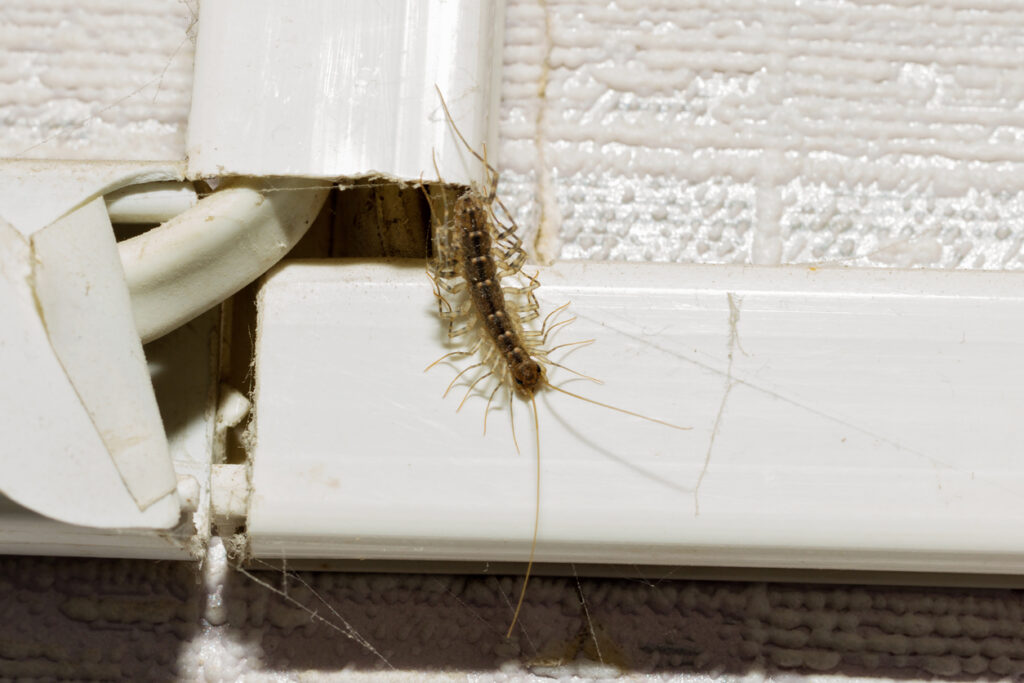
Again, not technically insects, but very relevant in kitchens. House centipedes look unsettling with their many legs, but they’re serious predators of cockroaches, silverfish, and flies. They prefer damp areas and often appear under sinks or near drains. They’re fast and shy, meaning they would rather run than confront you. If one shows up, it often means there are other insects around that it is feeding on. In a strange way, their presence can signal that something else is being kept in check.
Ants can reveal hidden food leaks.
Ants are rarely welcome in a kitchen, but they’re incredibly sensitive to food sources. If they appear suddenly, it usually means there is a spill, crumb trail or packaging issue you didn’t notice. In that sense, they act like early warning systems. They force you to spot small hygiene problems before they turn into larger infestations. Annoying, yes. But sometimes useful in showing where attention is needed.
Hoverflies help pollinate kitchen plants.
If you keep flowering herbs or small fruiting plants near windows, hoverflies can drift indoors. They look a bit like small wasps, but are harmless. Outside, they are important pollinators. When they visit kitchen plants, they can assist in pollination, especially if windows are open and airflow moves them in and out. They also feed on aphids in their larval stage, which doubles their usefulness around small indoor gardens.
Beetles can break down tiny organic waste bits.

Some small beetles feed on decaying organic material. While you don’t want them living in your cupboards, they naturally help break down microscopic scraps that would otherwise sit unnoticed. In controlled compost systems, beetles are actually part of the breakdown process. In a kitchen setting, their presence usually points to forgotten crumbs or spills. They’re responding to waste rather than creating it.
Drain flies indicate moisture issues early.
Drain flies are small and fuzzy and often gather near sinks. They lay eggs in the organic film that builds up inside pipes. While nobody enjoys seeing them, they act as a sign that your drains need cleaning.
Spotting them early can prevent larger plumbing problems. A thorough clean of the drain removes the build up they rely on. In that way, their appearance can prompt maintenance before smells or blockages develop.
Fruit flies show you which food is turning.
Fruit flies are drawn to fermenting sugars. If they appear, it is often because fruit is overripening or a bin needs emptying. They’re reacting to chemical signals that humans sometimes miss. While they can multiply quickly, they also highlight exactly where the issue is. Removing the source usually solves the problem. They’re not random invaders. They’re following scent trails to something already changing.
Predatory mites can reduce other tiny infestations.
In very small numbers, certain mites prey on other mites and microscopic pests. In professional food storage settings, controlled predatory mites are sometimes used to manage grain pests naturally. In a domestic kitchen, you wouldn’t normally notice them. But the idea remains the same. Insects and small arthropods often regulate each other. The ecosystem inside a home is more layered than we realise.
Not every insect belongs in your kitchen, and hygiene is still incredible important. That said, the next time you spot a small creature darting across the floor or hovering near a plant, it might not be there to ruin your dinner. Sometimes, it is quietly doing a job you never asked for but still benefit from.