Bees don’t just fly from flower to flower looking cute—they’re pulling off tiny miracles every time they buzz by.
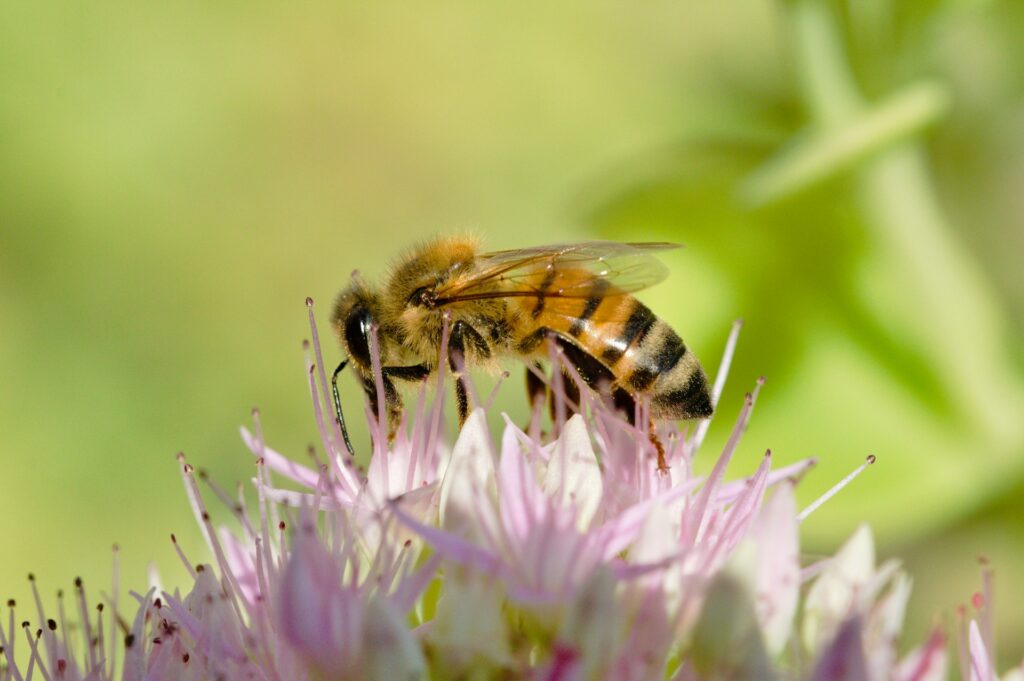
Sure, we know they pollinate plants and some of them even make honey, but they do a whole lot more than that, too. From unlocking pollen with vibrations to boosting entire ecosystems, here’s what’s really going on when bees get to work.
1. Flowers start producing more nectar.
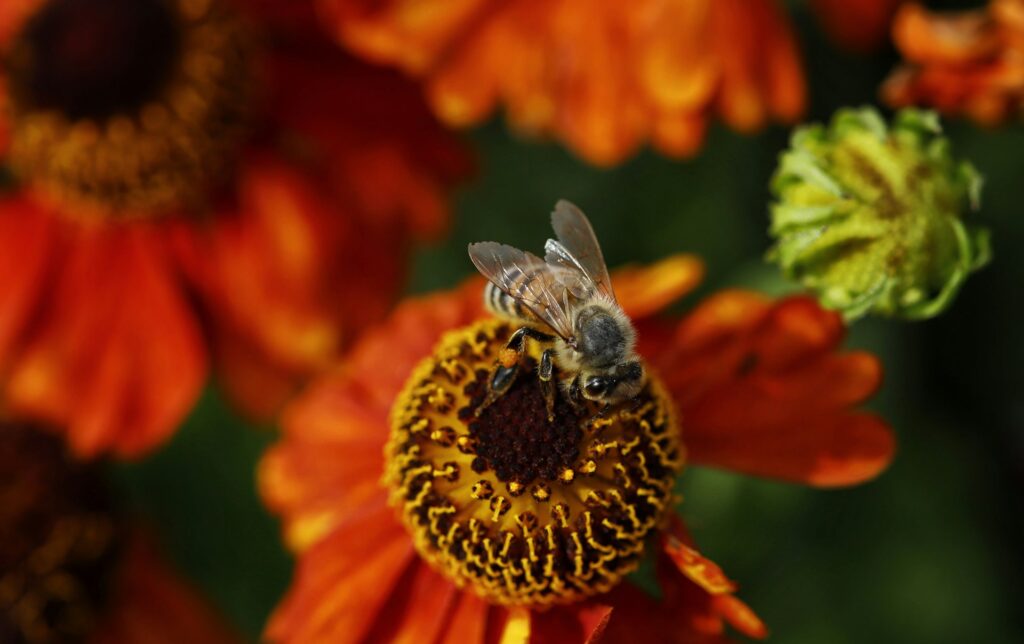
When bees approach, some flowers actually ramp up nectar production. It’s a clever response—plants can sense vibrations or subtle changes in the air and react by becoming more appealing to their pollinators. More nectar means more visits, which means better chances of being pollinated.
This isn’t just random, either. It’s part of an ongoing feedback loop between flower and bee. The plant gets its pollen spread around, and the bee gets a more satisfying food source. It’s nature working like a well-timed partnership, with each side adjusting to benefit the other.
2. Pollen is shaken loose by the buzzing.
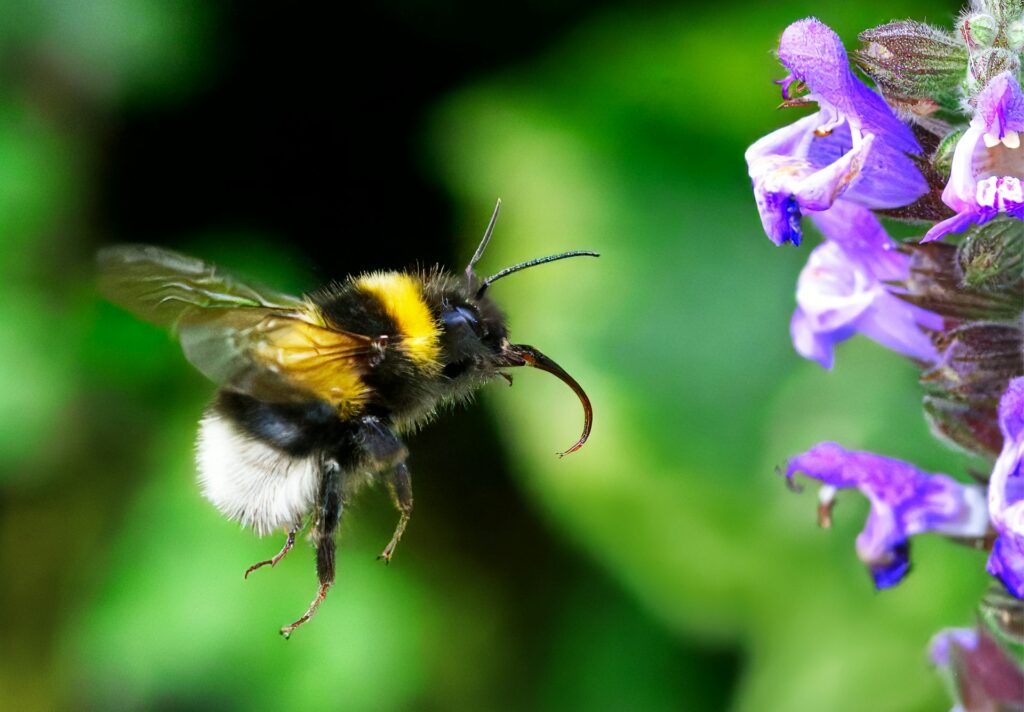
Bees don’t always rely on just brushing up against pollen—they actually vibrate their bodies in a way that helps shake the pollen free. This is known as buzz pollination, and it’s crucial for certain plants like tomatoes, blueberries, and aubergines.
The bee clings to the flower and vibrates its flight muscles without flying, causing the pollen to burst out like a shaken salt shaker. Without this buzz, some plants wouldn’t release their pollen at all. It’s a technique no other pollinator really masters in the same way.
3. Flowers may subtly change colour.
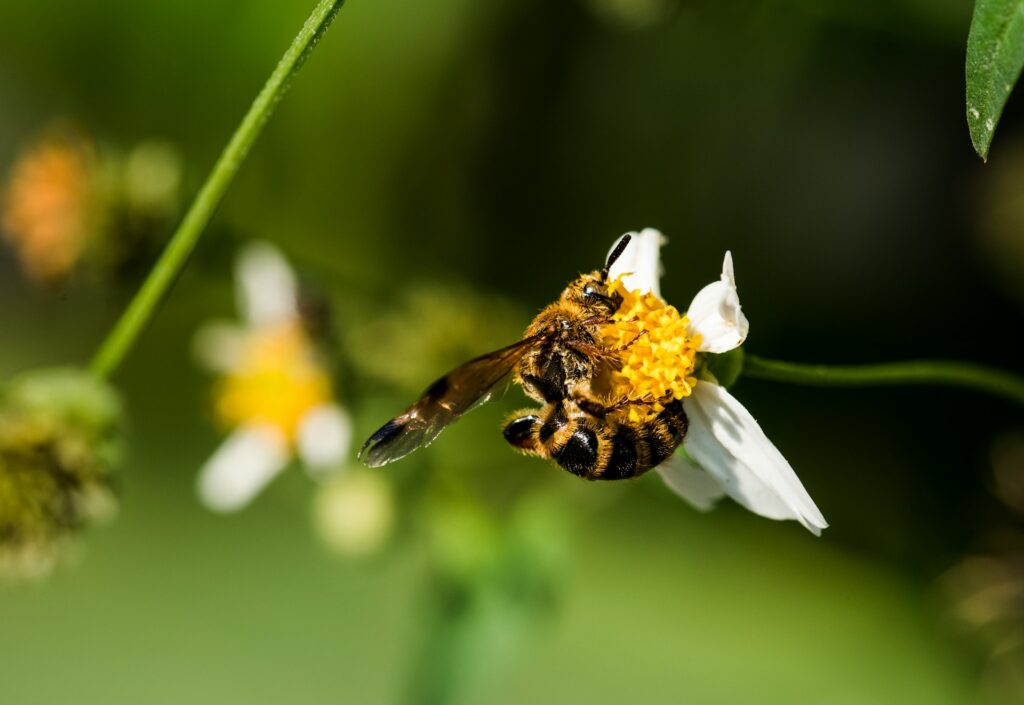
Some flowers have pigments that can slightly change under UV light, and when bees are nearby, that colour change becomes more visible. It’s a subtle signal, almost like a “ready to pollinate” sign, meant to grab the bee’s attention and increase the odds of a visit.
Bees see in a different spectrum than we do, and these slight colour changes are like flashing neon signs in their world. So while we might not notice the difference, to a bee, the flower is basically lighting up with an invitation.
4. Electromagnetic fields get involved.
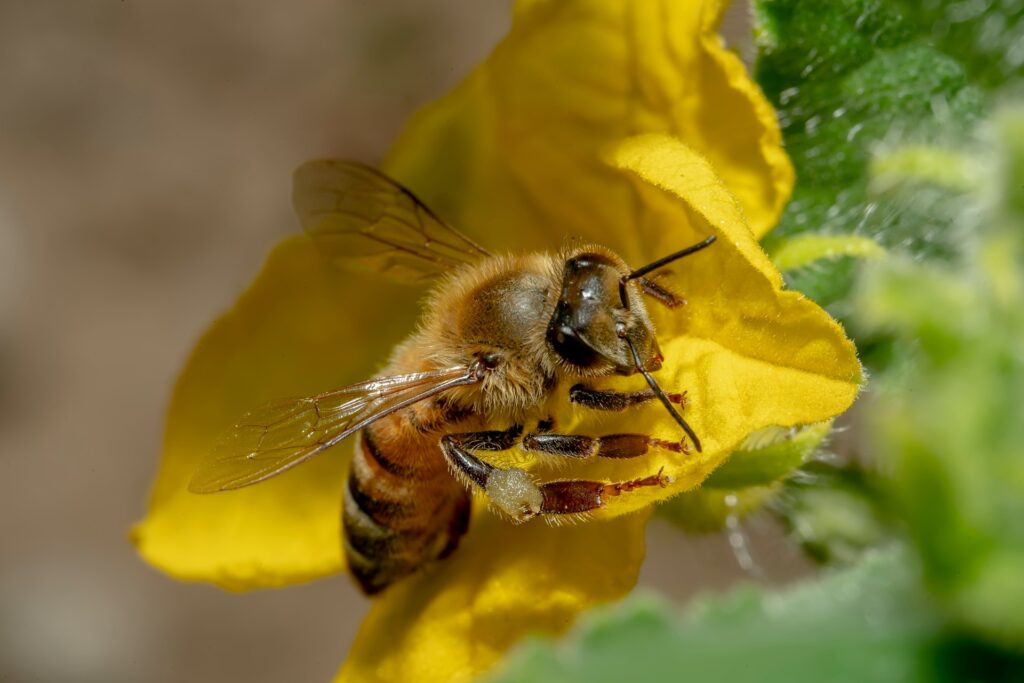
When a bee flies near a flower, it creates a small electric charge. Flowers can actually detect this change and respond by adjusting the amount of nectar they produce. Some scientists think this helps flowers avoid wasting energy on pollinators that aren’t carrying much pollen.
It’s a weirdly high-tech-sounding exchange—electrical fields being used as communication between species. The bee’s static buzz tells the flower it’s arrived, and the flower responds by offering up the goods. It’s subtle, silent, and incredibly efficient.
5. The bee picks up a floral scent signature.
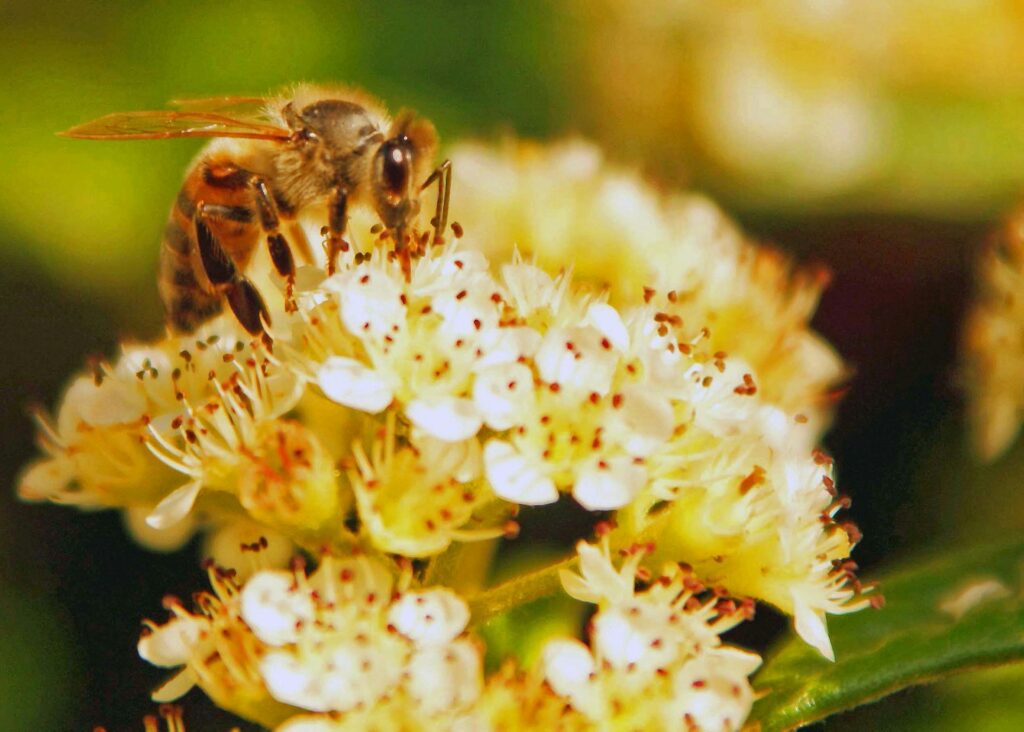
Each flower gives off a slightly different scent depending on how recently it’s been visited. When a bee gets close, it can pick up on these cues and decide whether it’s worth stopping. Flowers that haven’t been touched in a while tend to smell stronger.
This helps bees avoid wasting energy on flowers that have already been drained. But it also encourages flowers to release their best scent profile when they detect a bee in the area, basically putting out a fresh, inviting aroma to boost their pollination odds.
6. Pollen gets electrostatically stuck to the bee.
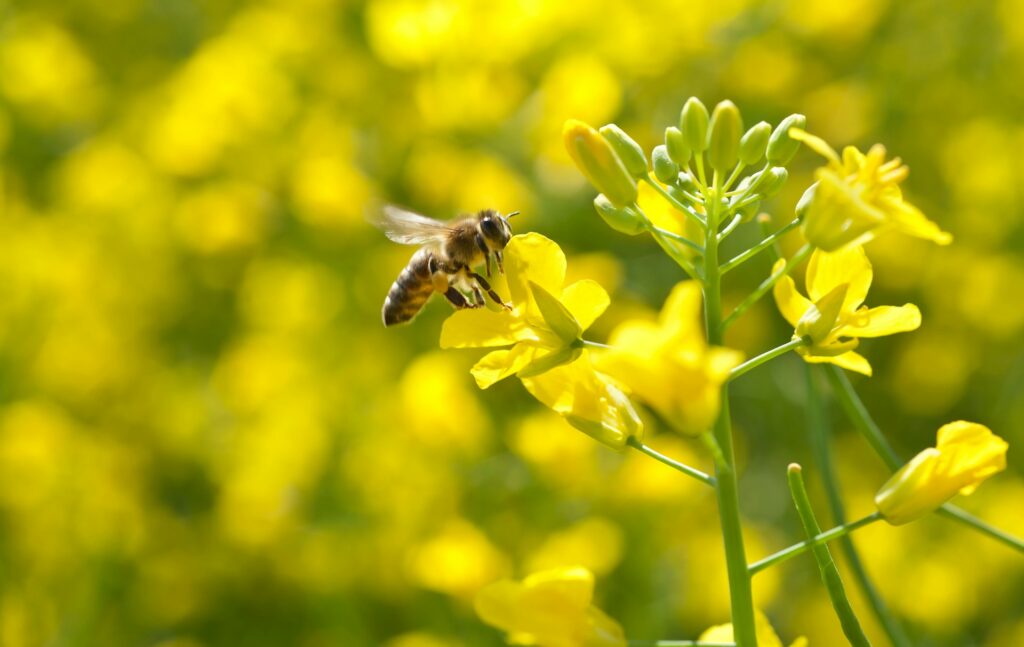
As bees fly, their fuzzy bodies become slightly charged. When they get near a flower, this static charge helps pull pollen right onto their hairs, like a magnet. They don’t even have to try—nature’s taken care of the logistics.
This clever design makes bees incredibly efficient pollinators. Every time they land on a new flower, they’re bringing along traces of the last one. That’s how cross-pollination happens, helping entire ecosystems thrive just through this sticky little trick.
7. Plants start changing their internal chemistry.
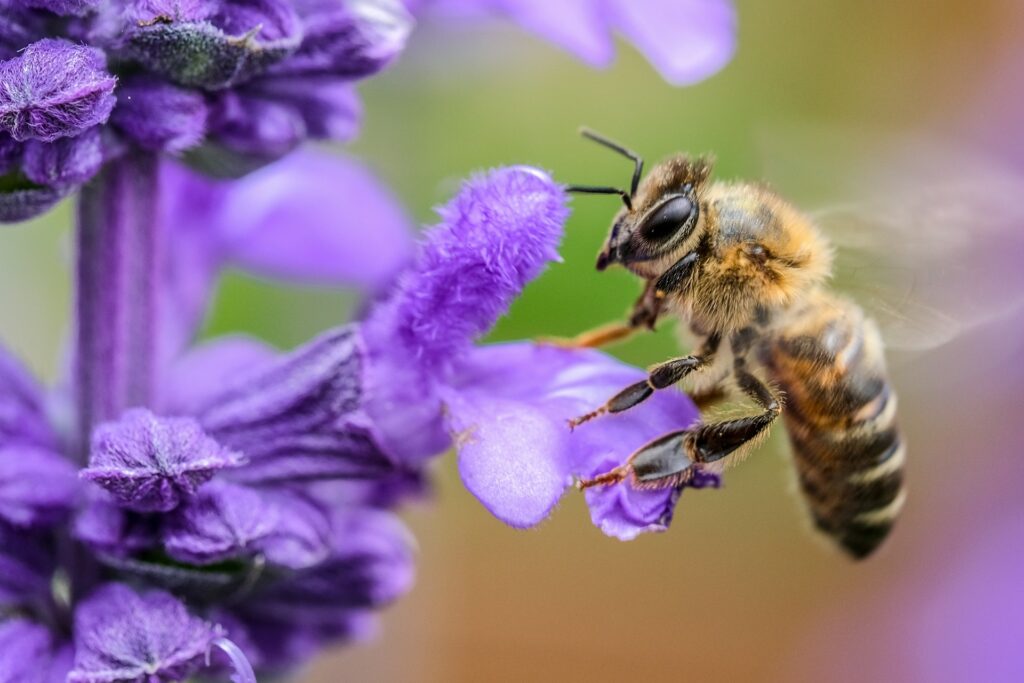
Some plants can actually detect bee visits and respond by altering their internal hormone levels, gearing up for seed production or redirecting energy toward reproduction instead of growth. It’s a way of maximising the success of each visit.
This behind-the-scenes activity doesn’t look like much from the outside, but it’s essential for the plant’s future. A single bee can trigger a whole cascade of changes inside a flower, just by landing and doing its thing.
8. Other pollinators start showing up.
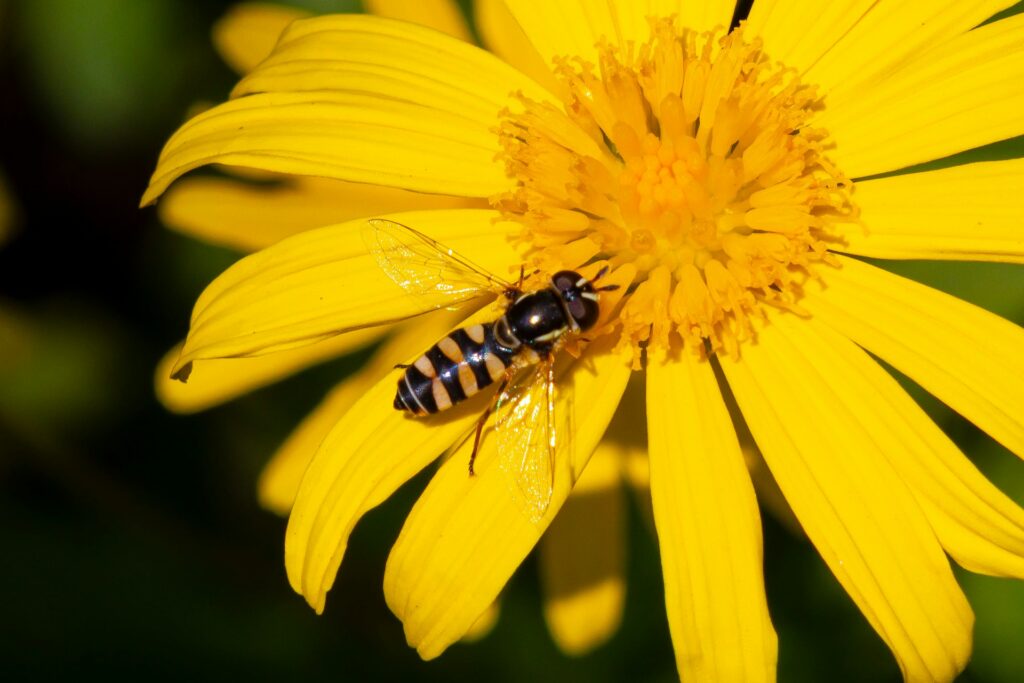
When a bee buzzes near flowers, it often sets off a chain reaction. That sound or movement can attract other insects like butterflies, beetles, or hoverflies who notice the activity and come in for a look. More visitors mean more pollination overall.
Bees basically act as a signal flare—when one arrives, it tells the rest of the neighbourhood there’s something worth checking out. This kind of collective attention helps plants get as many visits as possible during their prime blooming window.
9. Bees can “teach” flowers to be more efficient.

Over time, flowers that are frequently visited by bees tend to evolve traits that make them easier to pollinate—more open shapes, better scent release, or stronger colour contrast. Bees, in a way, are low-key guiding the evolution of plants.
This isn’t something we can watch in real time, but across generations, flowers adapt to the pollinators they rely on most. Bees don’t just help spread pollen; they shape what flowers will look like for years to come.
10. Whole plant communities thrive.
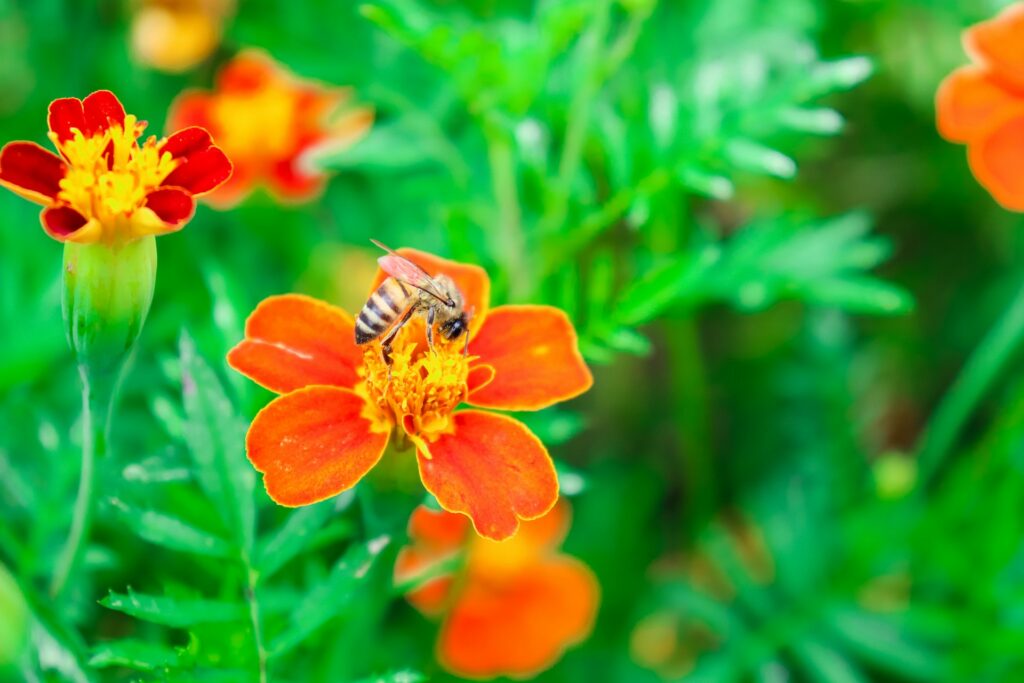
When bees buzz near flowers and successfully pollinate them, the plants can produce seeds and fruit. That means more plants in the next season, which feed more animals, improve soil health, and support entire ecosystems, from birds to fungi to humans.
Each buzz isn’t just about that one flower. It’s a building block in a much bigger system. Healthy pollination leads to biodiversity, and biodiversity keeps environments balanced. Bees are tiny architects of whole food webs.
11. The flower’s bloom life can extend.
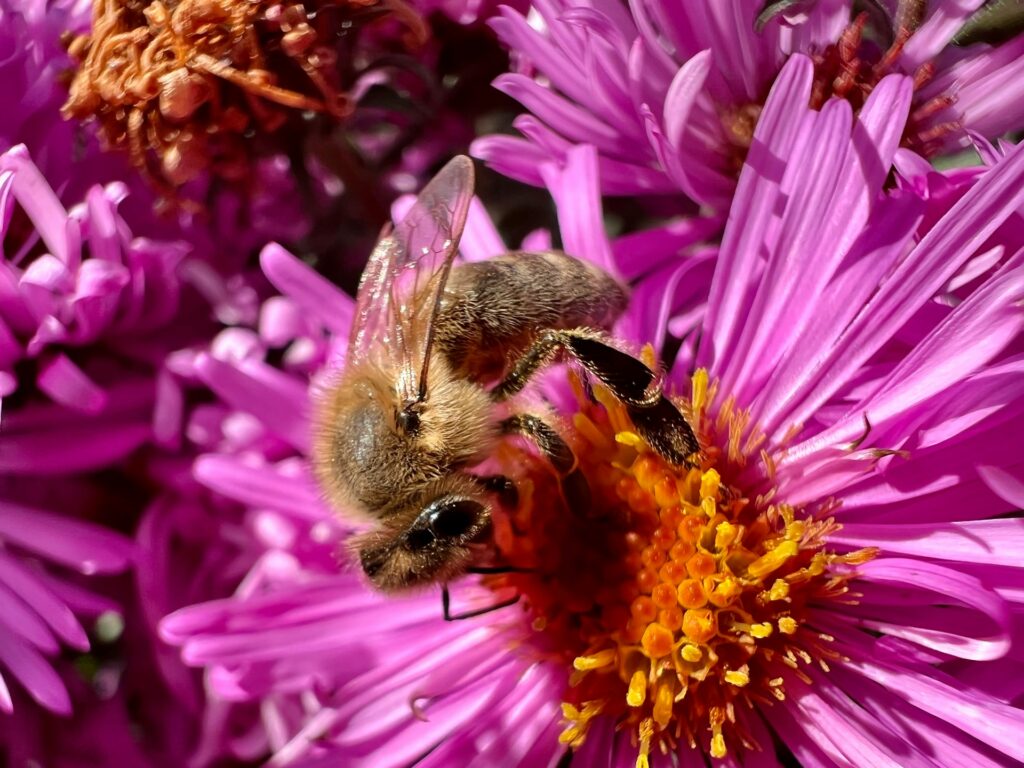
Some flowers stay open longer when pollination is incomplete or inconsistent. However, when bees start showing up regularly, the flower often responds by maintaining its bloom just a bit longer, maximising its chance to fully reproduce. That delayed closing is the plant’s way of saying, “Let’s give this one more shot.” Bees essentially help flowers make strategic decisions about when to call it a day or keep the door open for more visitors.
12. Humans benefit without realising.
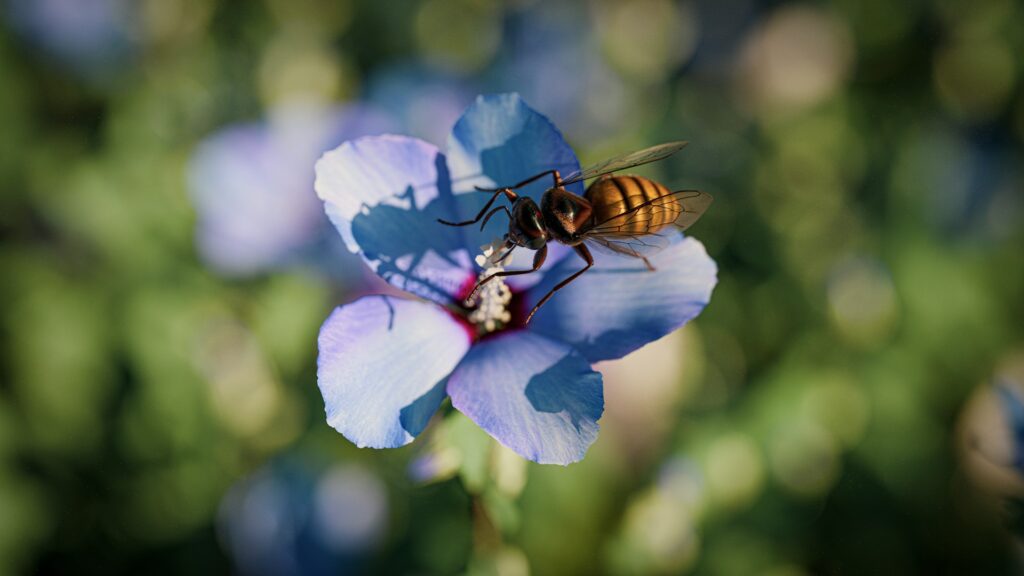
Every time bees buzz near flowers, they’re directly influencing the success of crops, wild plants, and even the air quality around us. Pollinated plants mean more food, more oxygen, and better habitats for everything else that depends on those plants to survive. It’s easy to overlook what bees are doing in the background, but their tiny visits trigger incredible ripple effects—ones that reach far beyond the garden or meadow. A simple buzz really can change everything.