They’re tiny, wide-eyed, and look like they belong in a fairytale, but Britain’s hazel dormice are vanishing fast.
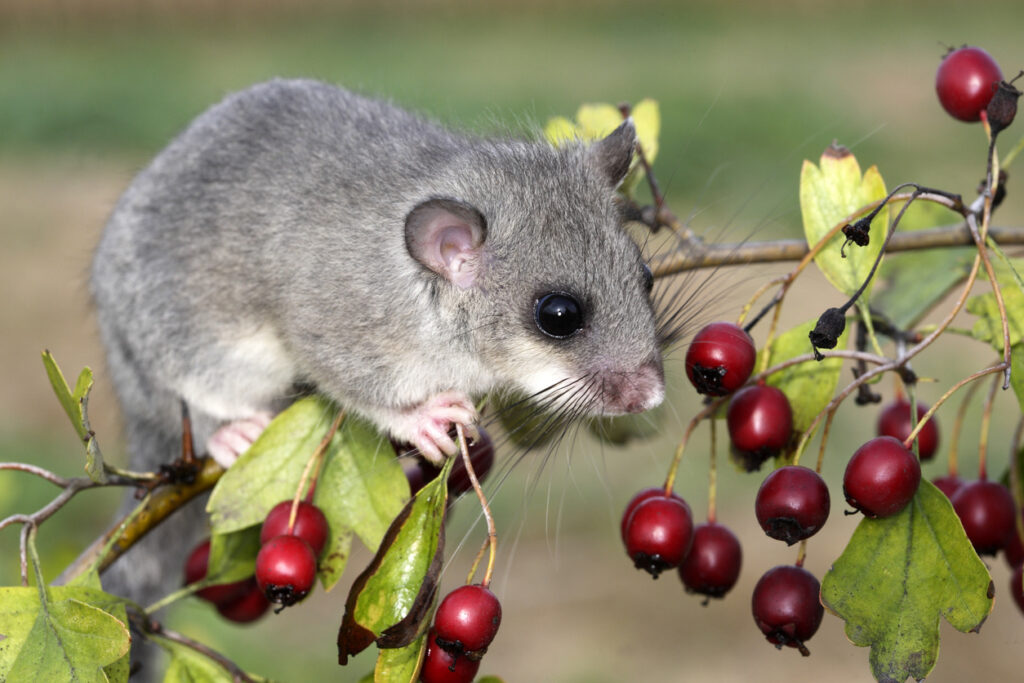
Habitat loss, climate change, and fragmentation have pushed these sleepy little mammals to the edge, and if we’re not careful, they could just end up going the way of the dodo and disappear from the planet for good. Thankfully, there’s still time to turn things around, and there are some things conservationists are doing to try to save these little creatures.
1. Dormice have lost over half their population.
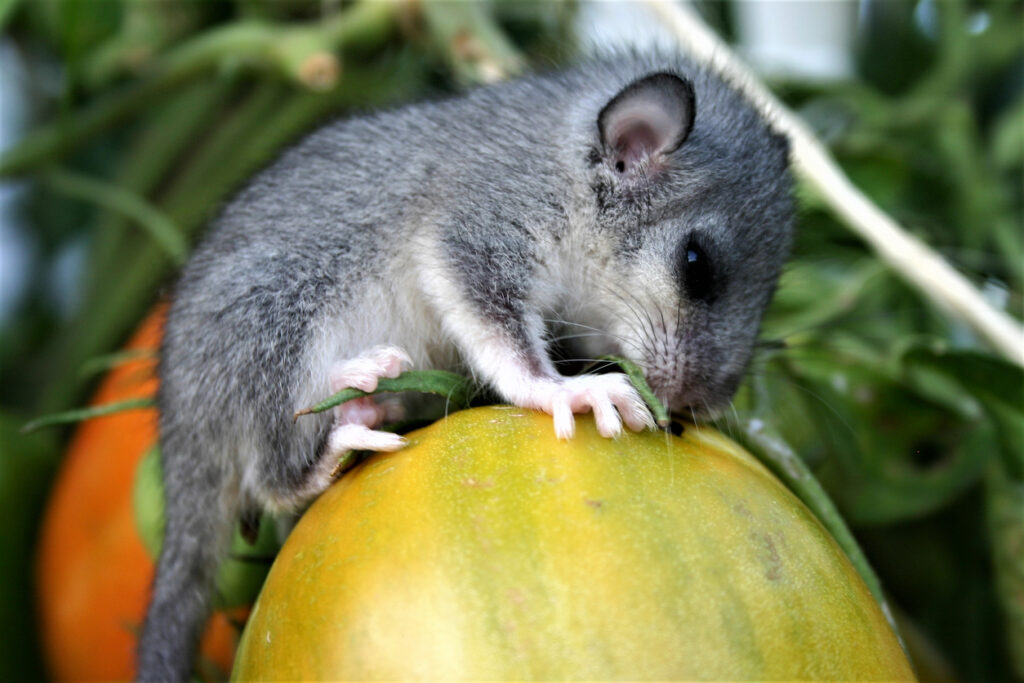
Since the 1990s, the UK’s hazel dormouse population has declined by more than 50%. They’ve vanished from many counties where they once thrived, with numbers shrinking every year. Their decline is quiet but alarming—these mammals don’t make a fuss, but their absence sends a big message.
What’s behind it? Mainly habitat loss. Woodlands have become fragmented and over-managed, and hedgerows—crucial for dormice to move and feed—have been cut back or removed. Without connected habitats, they’re stranded, unable to find food, mates, or safety from predators.
2. They need old, tangled woodland to survive.

Dormice don’t do well in neat or sparse woods. They thrive in messy, overgrown hedgerows and diverse, unmanaged woodland where they can climb, forage, and build nests above the ground. They rarely come down to the forest floor, so vertical structure is essential.
That means woodland management has to gone from tidy and controlled to wild and layered. Conservationists are encouraging landowners to let hedgerows grow, plant native shrubs, and allow undergrowth to return. Basically, the messier, the better—for dormice, overgrown equals survival.
3. Warmer winters are confusing their body clocks.
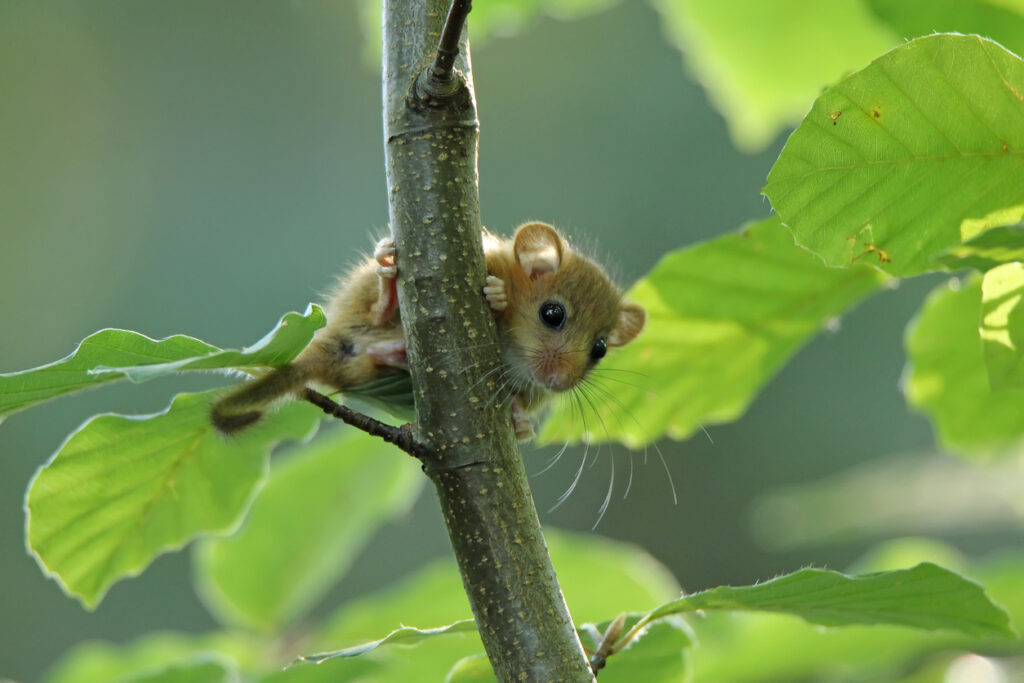
Hazel dormice hibernate for nearly half the year, from around October to May. But warmer, unpredictable winters are throwing them off. They’re waking up too early, burning energy reserves before spring food sources are available, and then struggling to survive.
This mismatch between temperature and food availability is part of the wider climate challenge facing British wildlife. For dormice, it means they’re active at the wrong time, using up energy with no reward. It’s a slow, quiet stress that stacks up over time.
4. A national reintroduction effort is underway.
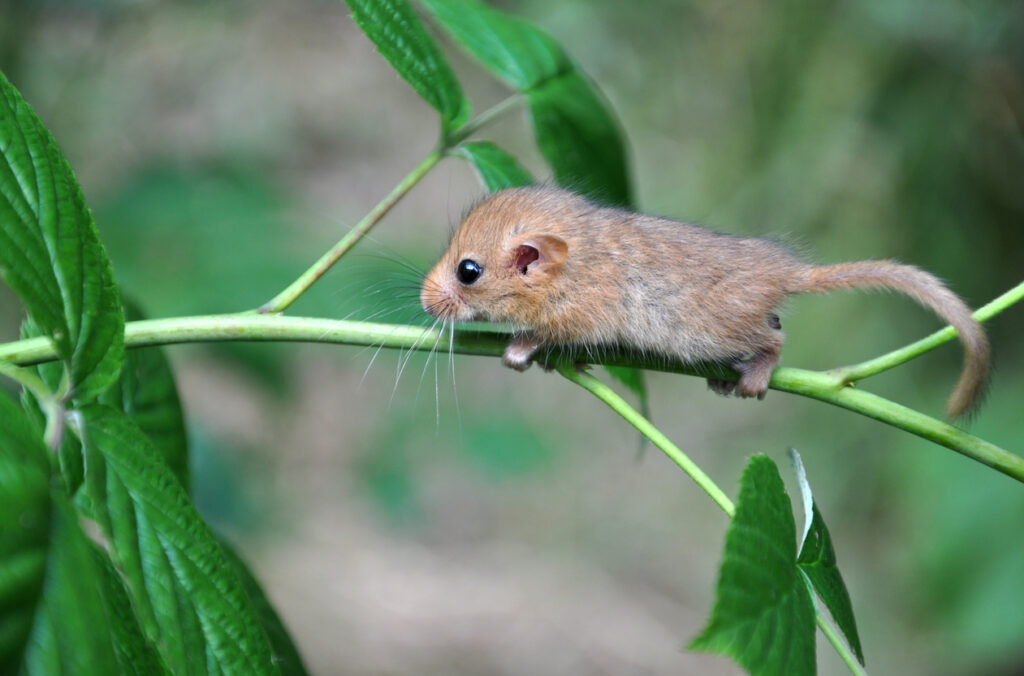
The People’s Trust for Endangered Species (PTES) and other conservation groups have been leading reintroduction projects across the UK. By breeding dormice in captivity and releasing them into carefully prepared woodland, they’re slowly rebuilding populations where dormice once thrived.
These efforts include intense monitoring, habitat prep, and even building aerial bridges (like connected hedgerows and tree corridors) so dormice can travel safely. Reintroduction isn’t quick, but it’s showing signs of success, especially in counties like Lancashire and Nottinghamshire.
5. Wildlife bridges are helping them reconnect.
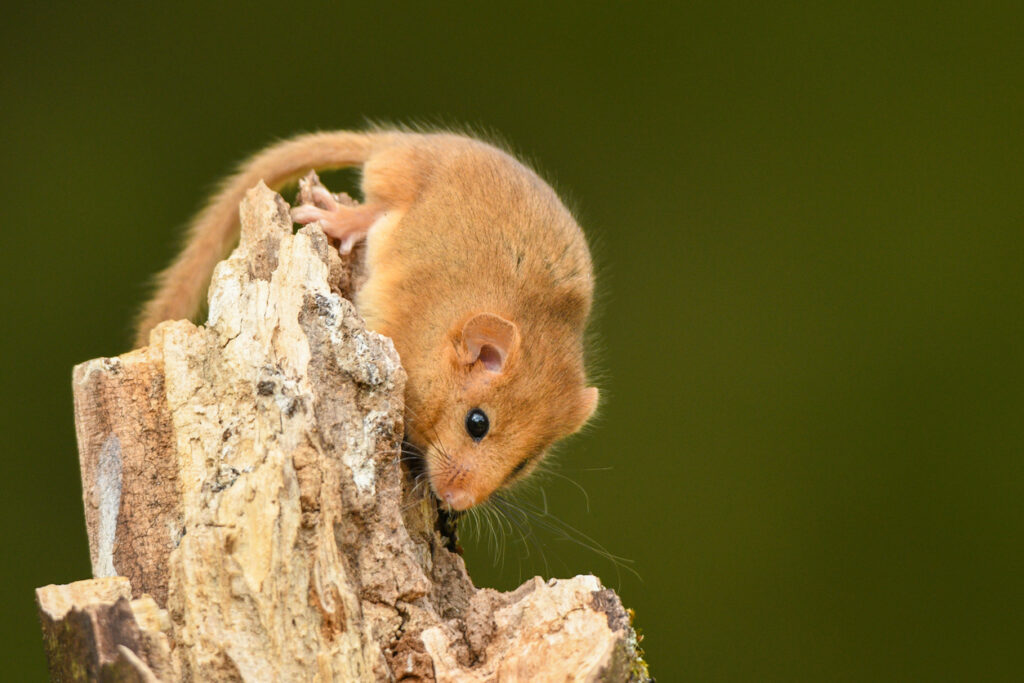
Because dormice don’t like crossing open ground, even a road or field can become a deadly barrier. That’s why conservationists have been building green bridges, hedgerow corridors, and tree-lined paths to help reconnect fragmented habitats.
These aren’t just helpful for dormice—other mammals, birds, and insects benefit too. By creating natural link-ups between woodland patches, these green corridors give wildlife room to breathe, travel, and mate. It’s a simple, but effective fix for the disconnection caused by modern land use.
6. Volunteers are being trained to monitor them.
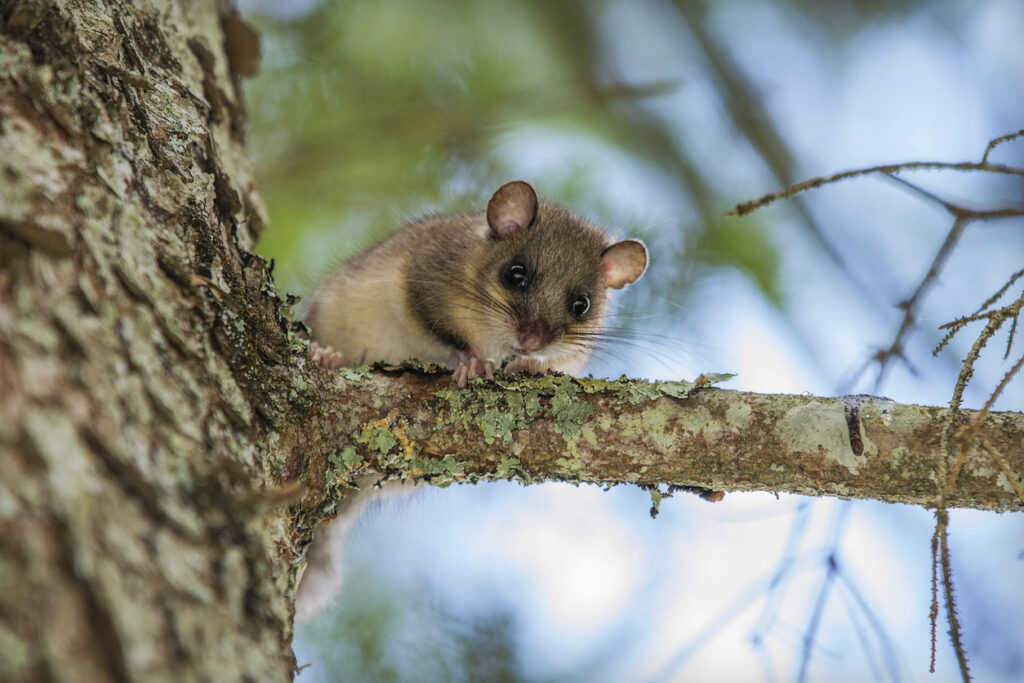
Because dormice are nocturnal and incredibly elusive, tracking their numbers is tricky. But trained volunteers are now checking nesting boxes, collecting data, and helping map where dormice still live. These records feed directly into national conservation strategies.
The National Dormouse Monitoring Programme is the backbone of this effort. With regular checks and careful handling, volunteers can help identify population trends, breeding success, and the impact of local habitat work. It’s a huge help for long-term protection efforts.
7. Hedgerow restoration is a major part of the plan.
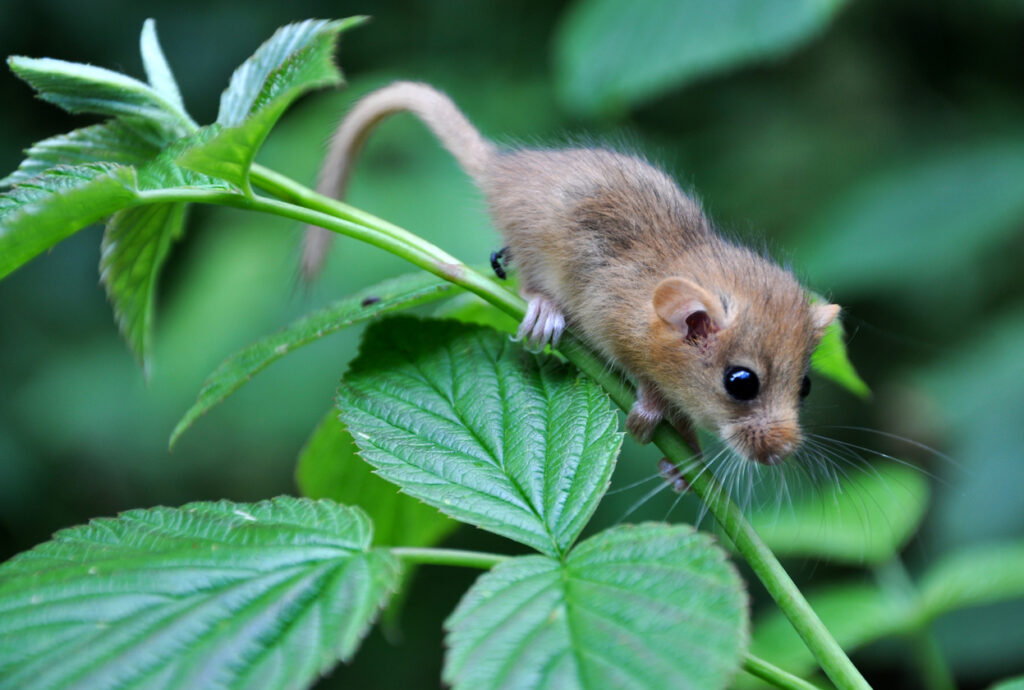
Hedgerows are like superhighways for dormice. When they’re wide, bushy, and full of native species like hazel, bramble, and hawthorn, they provide food, shelter, and movement routes. But most modern hedges are trimmed too tightly or ripped out entirely.
That’s starting to change. Landowners are being supported to regrow and manage hedgerows in more wildlife-friendly ways. Some even get paid through environmental schemes. Restored hedgerows don’t just help dormice—they boost biodiversity across the board, creating cover and food for dozens of species.
8. Protected status is keeping them on the radar.
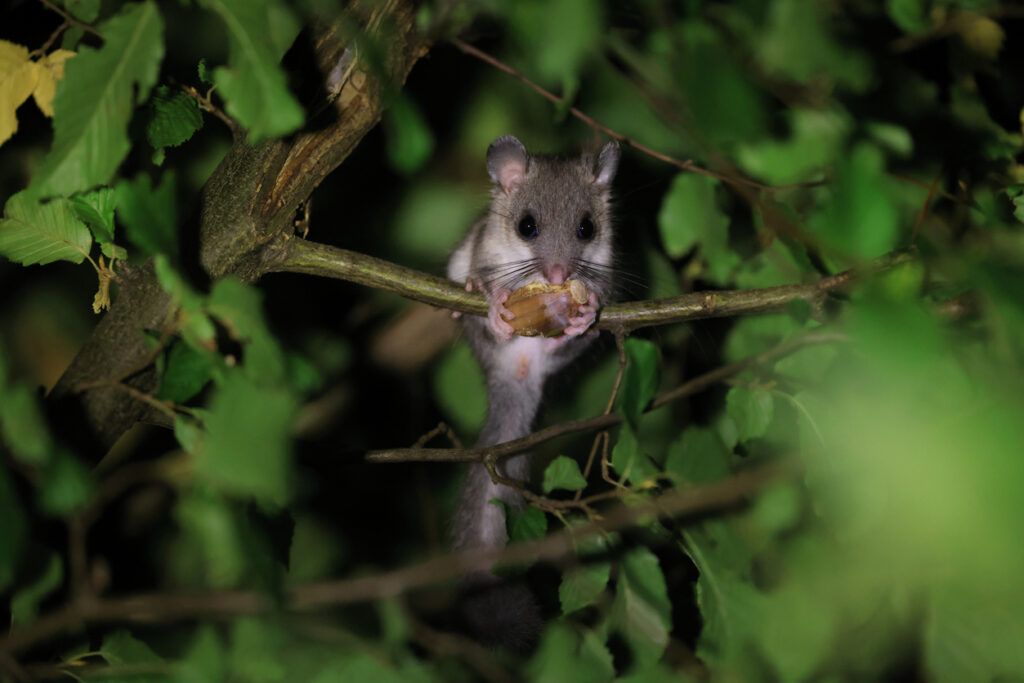
Hazel dormice are protected under UK and European law, which means disturbing, capturing, or harming them is illegal. That protection keeps them in the conversation, especially when land is being developed or woodland is being managed.
It also means conservation groups can push for stronger protections and more habitat-friendly planning decisions. Their legal status is one of the few tools keeping their decline from getting even worse. It’s not perfect, but it gives them a fighting chance.
9. Citizen science is raising awareness.
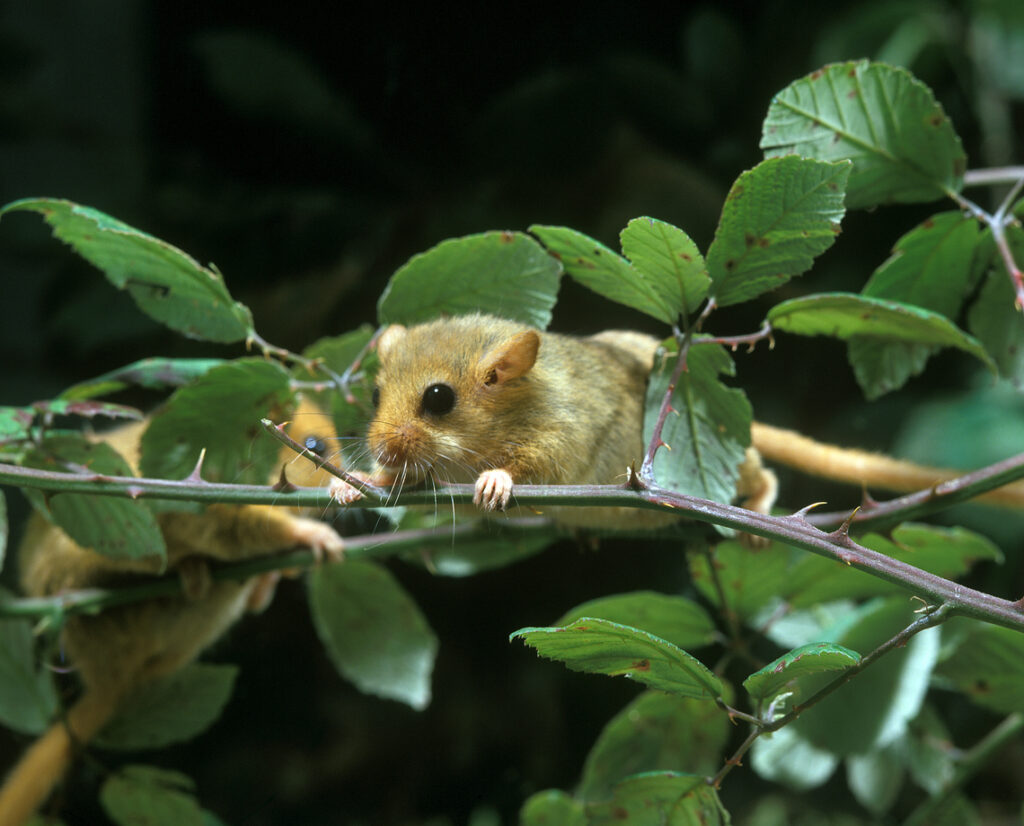
From dormouse-spotting walks to school workshops and garden surveys, public involvement is growing. While you probably won’t see one in your local park, people are learning how habitat choices, even in back gardens or on farms,, canaffect tiny species like these.
This kind of awareness matters. The more people understand why hedgerows should grow wild, or why dead wood is important, the more likely dormice will survive long-term. It’s not just scientists—regular people are quietly becoming a big part of the solution.
10. The dormouse comeback helps everything else, too.
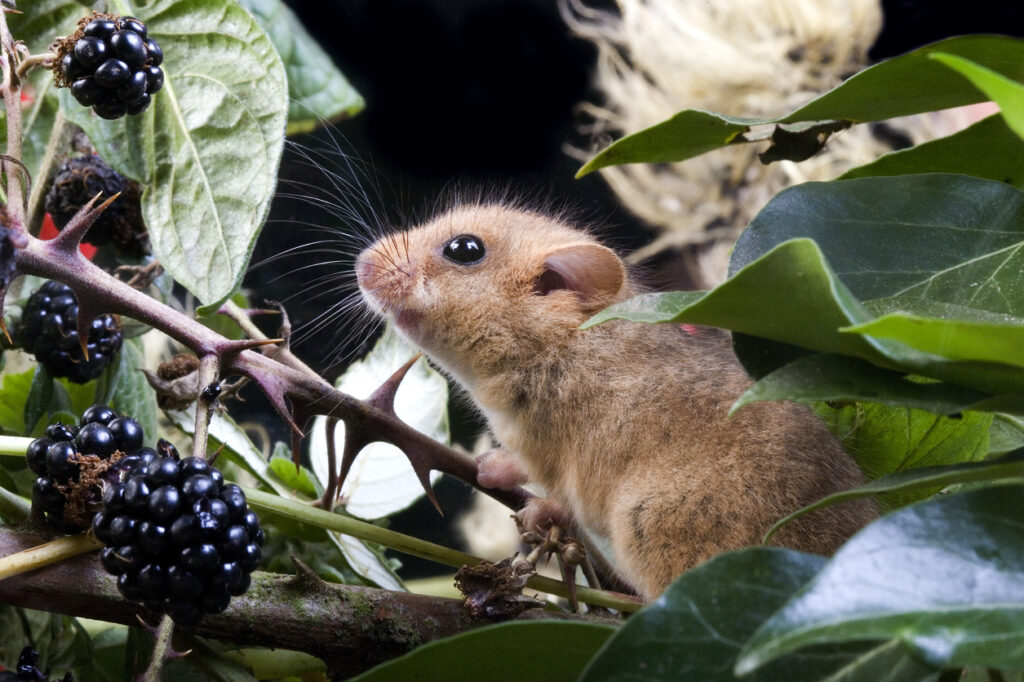
Helping dormice means protecting old woodlands, reconnecting fragmented green spaces, and restoring balance to ecosystems. That has a ripple effect. Birds, bats, insects, and even soil health all benefit from the same changes that dormice need to survive.
So this isn’t just about saving one adorable, sleepy-eyed mammal—it’s about strengthening Britain’s entire natural landscape. And if a little creature like the dormouse becomes the face of that change, all the better. Cute, quiet, and crucial—they might be small, but their comeback story could reshape everything.