The ocean is full of creatures that look like they were designed during a fever dream.
Sharks, dolphins, and clownfish get all the attention, and they’re definitely impressive, but there are plenty of marine animals doing strange, fascinating things far below the surface that are swimming completely under the radar. Some are barely bigger than a fingernail. Others glow, clone themselves, or literally melt into goo. Here are some ocean creatures you’ve probably never heard of, but won’t forget anytime soon.
1. Barreleye fish
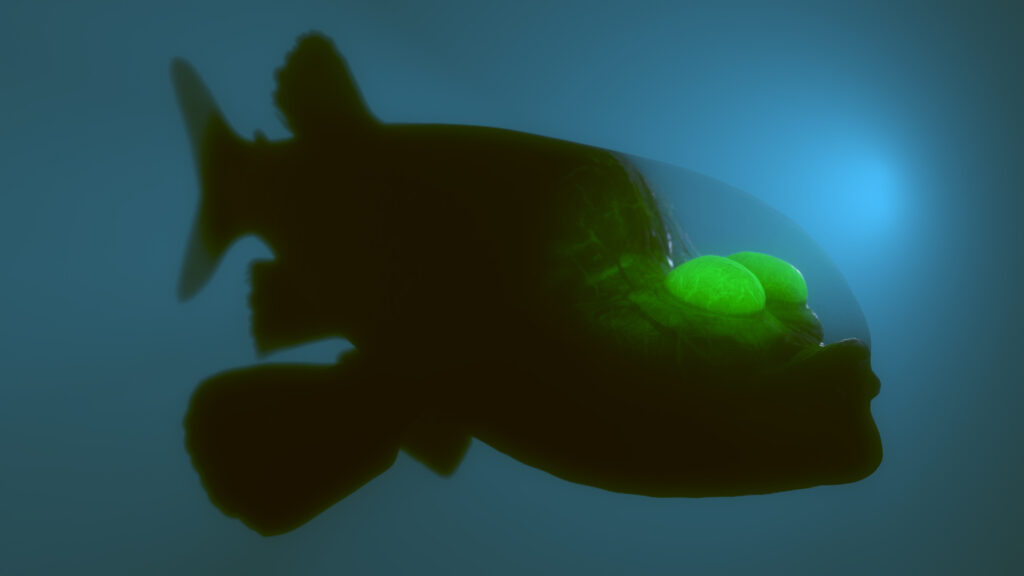
This deep-sea fish has a completely transparent head. Yes, its skull is see-through, and inside, you can see its tubular eyes looking straight upward to spot prey above. It looks like something from a science fiction film. Found around 600 metres deep, it drifts motionless in the dark, waiting for something edible to pass by. Scientists only managed to film a live one for the first time in 2009 because, well, it’s not the kind of thing you bump into while snorkelling.
2. Sea angel
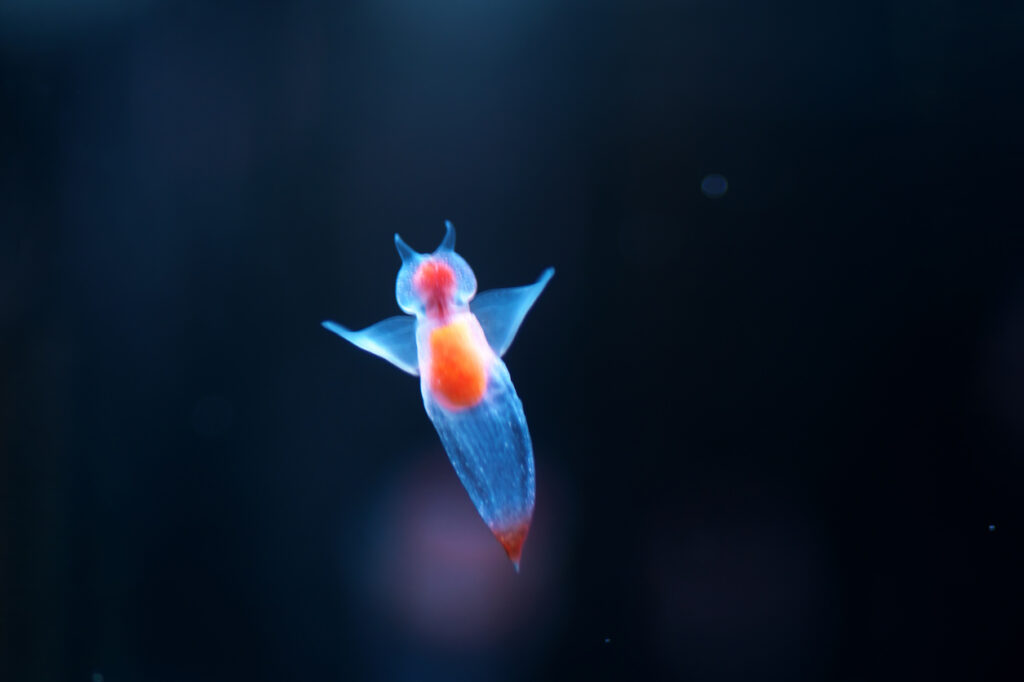
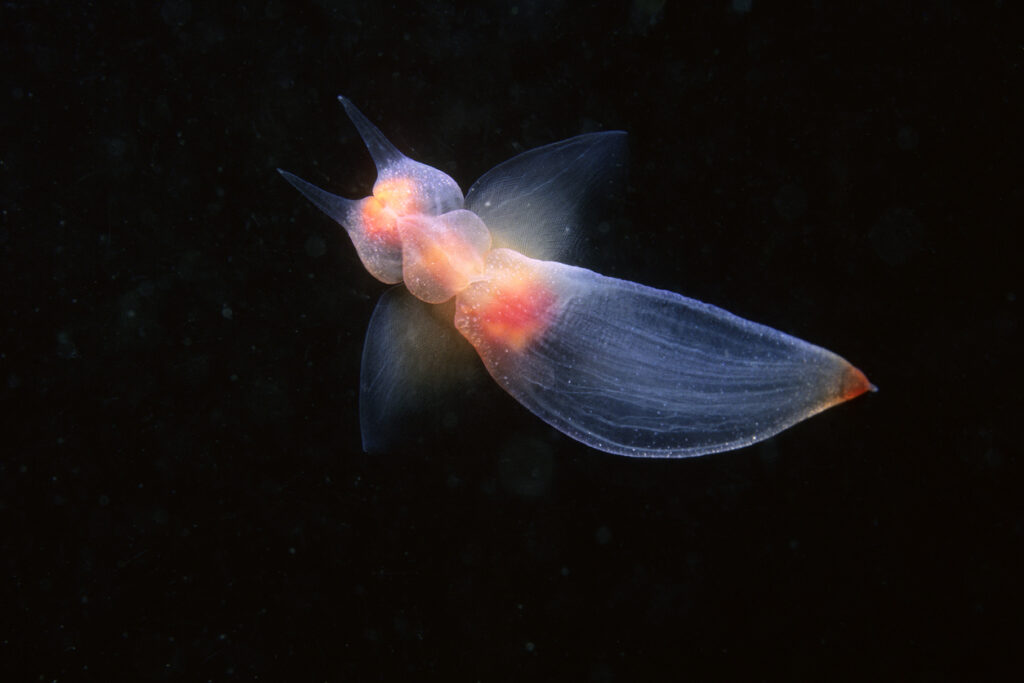
Despite the delicate name, sea angels are fierce little predators. These winged, transparent creatures flutter through cold oceans and eat their cousins, the equally strange sea butterflies. They look like tiny ghosts floating through the sea. They’re technically a type of slug, but you’d never guess it from their elegant movement. And while they look magical, they don’t last long in warmer water, so you’ll only find them in polar and subarctic seas.
3. Yeti crab
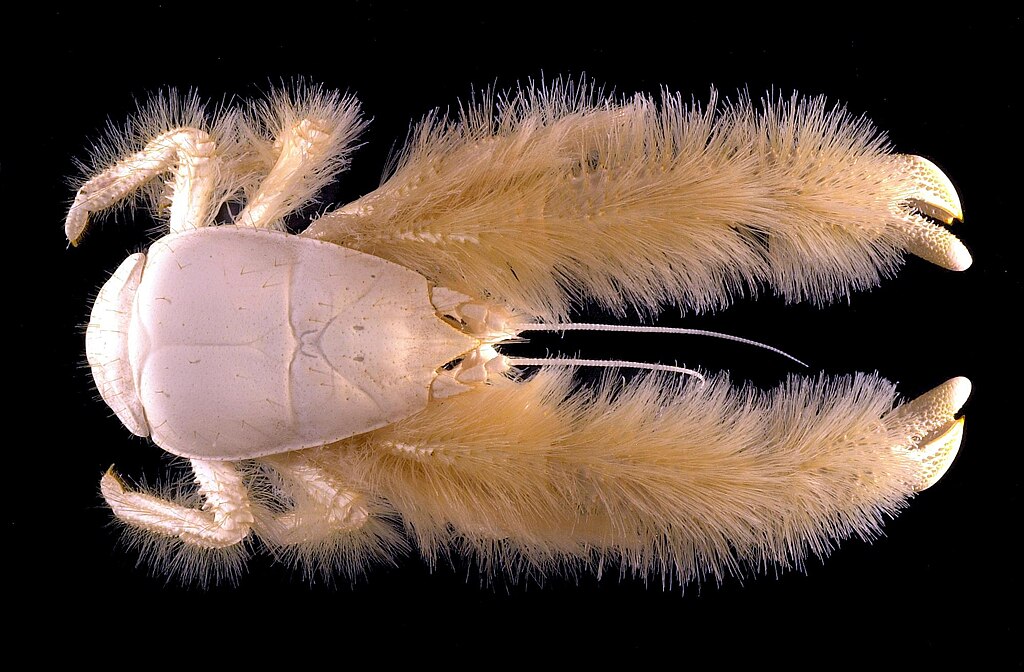
Discovered in 2005, this crab lives near hydrothermal vents deep in the Pacific. It’s completely blind and covered in fuzzy, hair-like bristles that make it look like it’s wearing mittens, hence the name yeti crab. However, the fuzzy claws aren’t just for show, either. They actually grow bacteria on them, which the crab then eats. It’s farming microbes with its own limbs, all while surviving in boiling-hot, toxic water. That’s commitment.
4. Comb jelly (ctenophore)
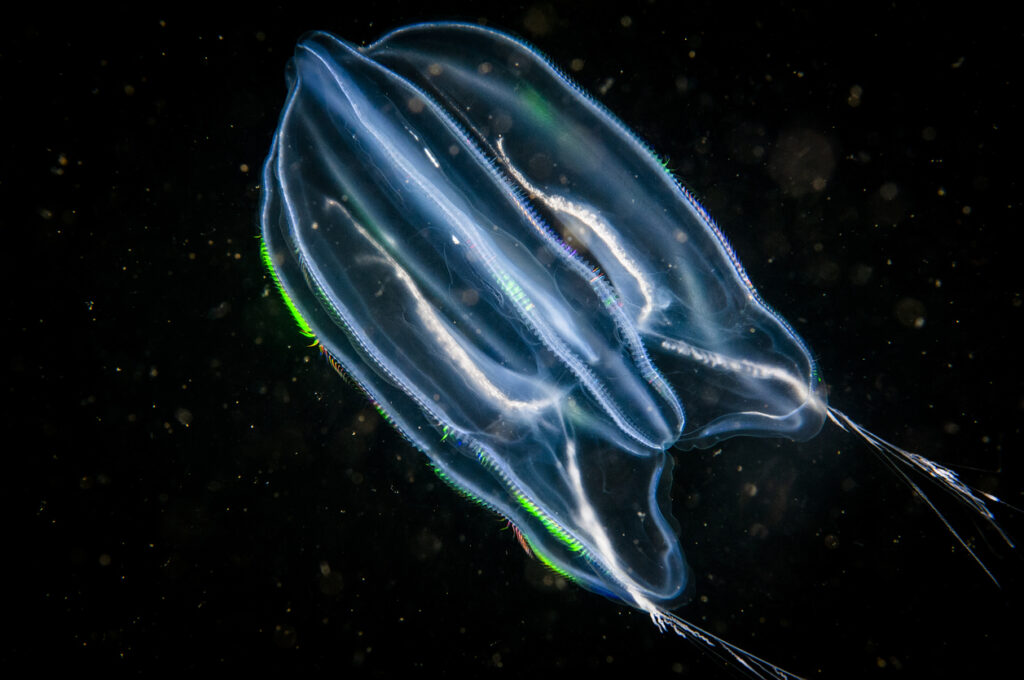
Often mistaken for jellyfish, comb jellies are even weirder. They use rows of tiny beating cilia, called combs, to swim, and when light hits them, it creates a rainbow shimmer across their bodies. It looks like they’re lit from the inside. Unlike jellyfish, they don’t sting. Instead, they trap prey with sticky cells. Some species even glow in the dark. They’re living disco balls floating through the deep, and they’ve been around for hundreds of millions of years.
5. Sarcastic fringehead
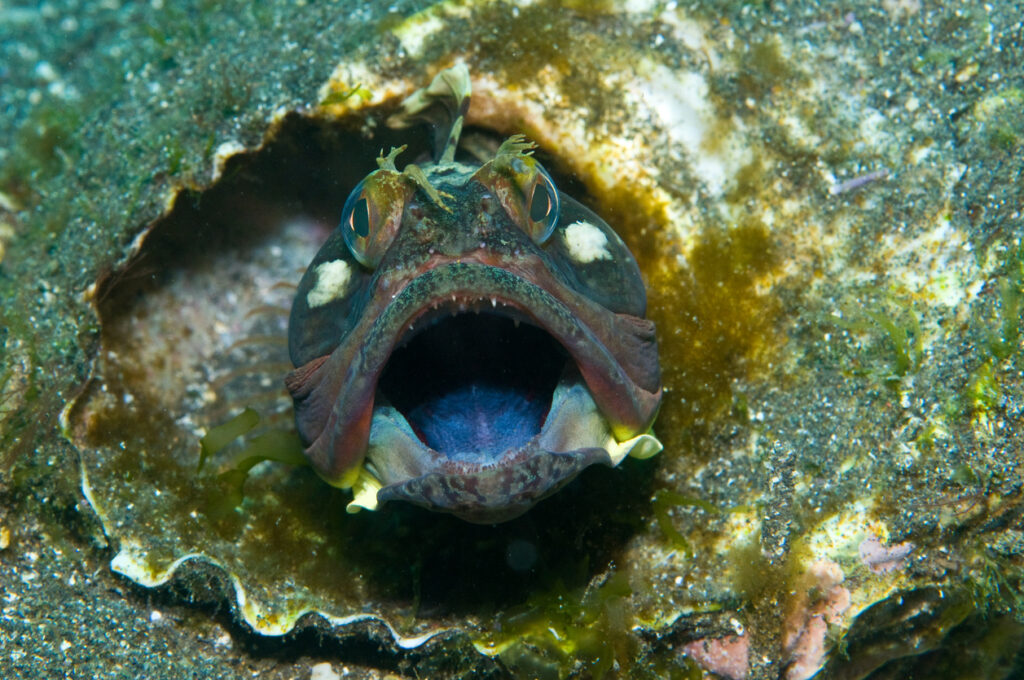
Don’t let the name fool you, these fish aren’t joking. They’re small, territorial, and downright terrifying when they open their mouths. When two males face off, they flare out their enormous jaws like fans to intimidate each other. It’s more bark than bite, but the visual is wild. They mostly live off the coast of California and hang out in crevices, bottles, or even old snail shells. Weird, dramatic, and highly committed to the art of looking unhinged.
6. Flamingo tongue snail
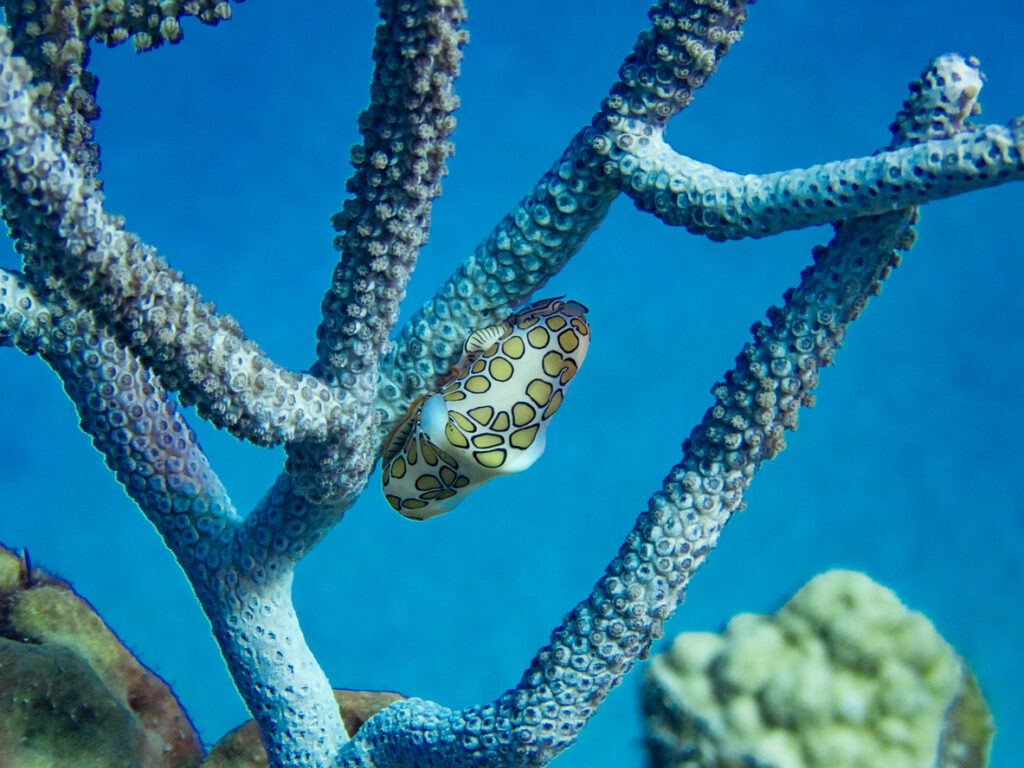
This tropical snail is bright orange with bold black spots, like a tiny walking work of art. However, those spots aren’t its shell; they’re actually part of its soft tissue, which it wraps around its shell for protection. It feeds on toxic coral and absorbs the poisons to make itself less appealing to predators. So it’s beautiful, a bit deadly, and weirdly fashion-forward for a mollusc.
7. Halitrephes jelly
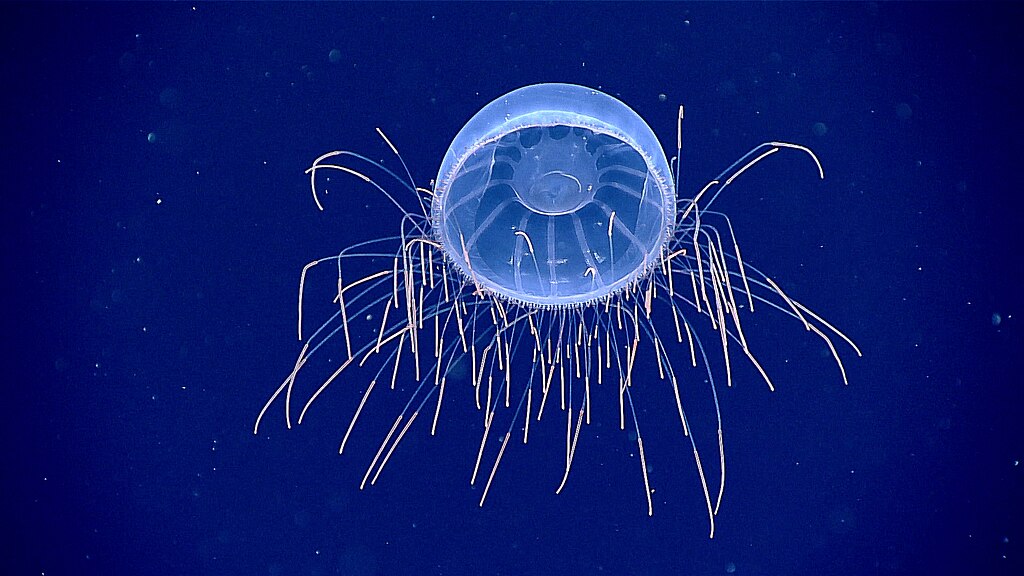
Often called the “firework jellyfish,” this deep-sea creature looks like a literal explosion of light. It has bright radial lines that flash with iridescent colour when illuminated, like a silent firework suspended in the dark. It’s rarely seen by humans since it lives thousands of metres down, usually near the Pacific coast of Mexico. But when deep-sea ROVs catch one on camera, it’s instantly clear that it’s one of the most stunning sights in the ocean.
8. Psychedelic frogfish
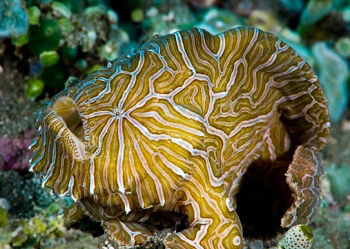
This stubby, blob-like fish was discovered off the coast of Indonesia. It doesn’t swim much; it sort of “walks” along the seafloor on its fins. Its skin is striped in pinks and creams, giving it a trippy, swirled appearance. It also has a way of puffing itself up and moving in short, jerky hops. The combination of weird patterning, movement, and body shape makes it look like it was designed by someone who’s never seen a fish before.
9. Venus flower basket
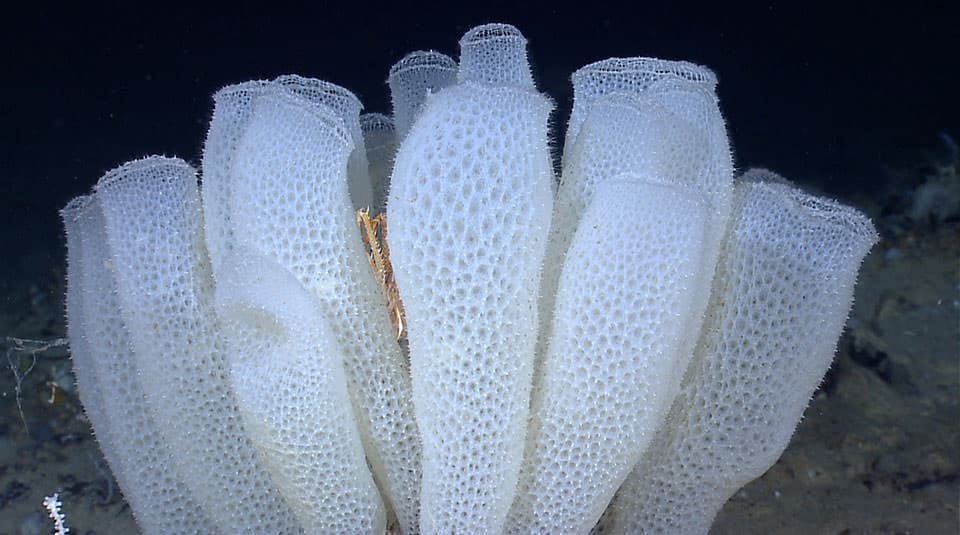
This deep-sea sponge grows into an intricate glass-like lattice and often hosts a pair of tiny shrimp that become trapped inside. In some cultures, it’s seen as a symbol of eternal love because the shrimp spend their entire lives inside together. The structure itself is made from silica and is so precise it’s been studied for its engineering potential. Nature’s basically out here making delicate chandeliers on the ocean floor.
10. Blob sculpin
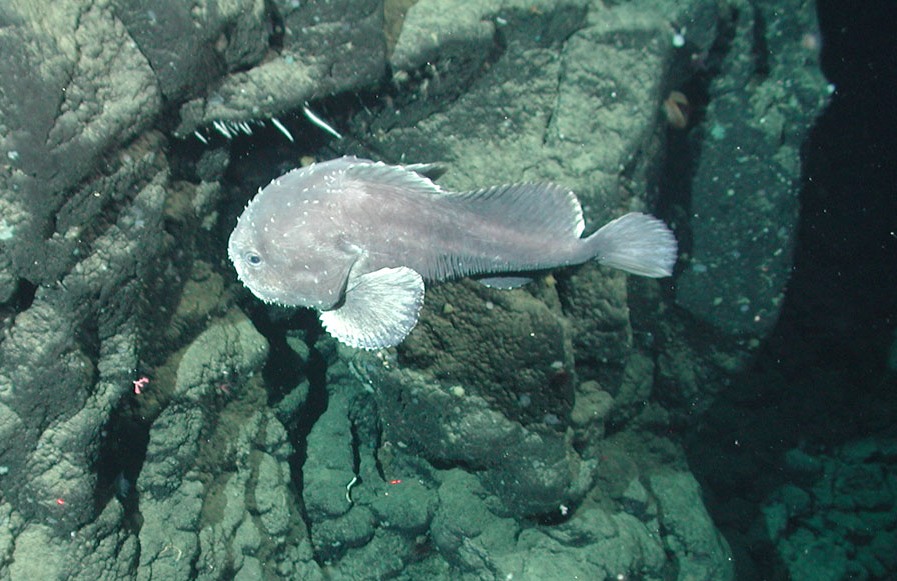
Looking like a cross between a grumpy old man and a melted candle, the blob sculpin is one of the most unusual-looking fish in the Pacific. But what’s even weirder is how parental it is for a deep-sea fish. It’s been observed guarding its eggs, fanning them and keeping them clean, on the ocean floor. In a world where most deep-sea creatures abandon their young, this gloomy-looking fish is surprisingly devoted.
11. Red-lipped batfish
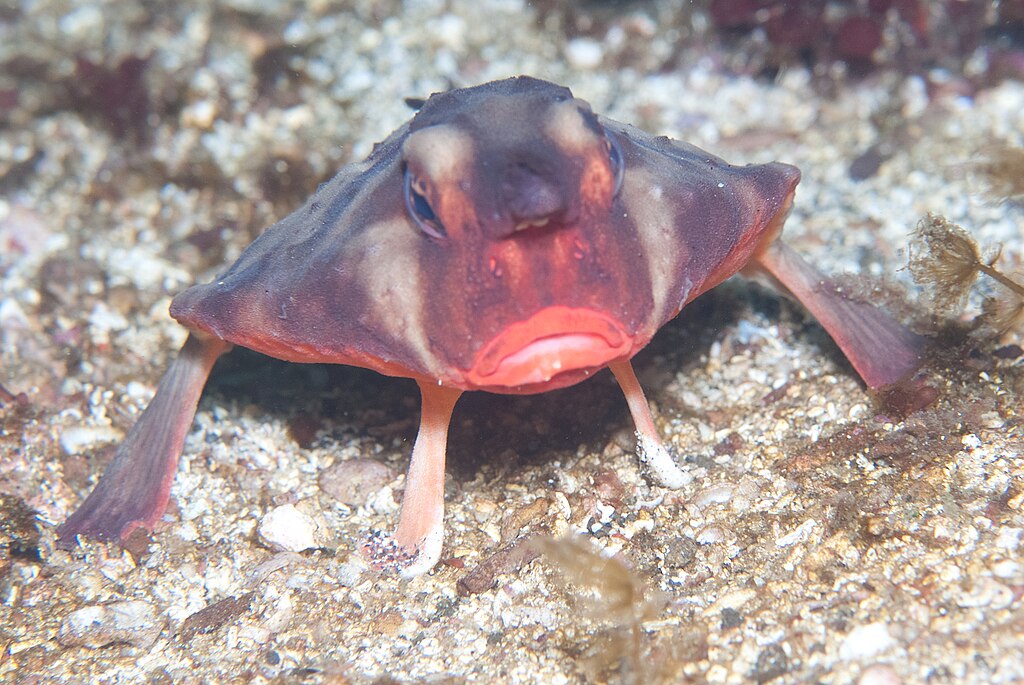
This fish looks like it’s wearing lipstick, and it can’t swim very well. Instead, it walks along the seabed on its stiff fins like little legs. The bright red mouth? That’s real, and no one really knows why it’s so vivid. Found around the Galápagos, it’s one of those animals that feels like a cartoon character brought to life. Strange, dramatic, and totally unbothered by its oddness.
12. Glass octopus
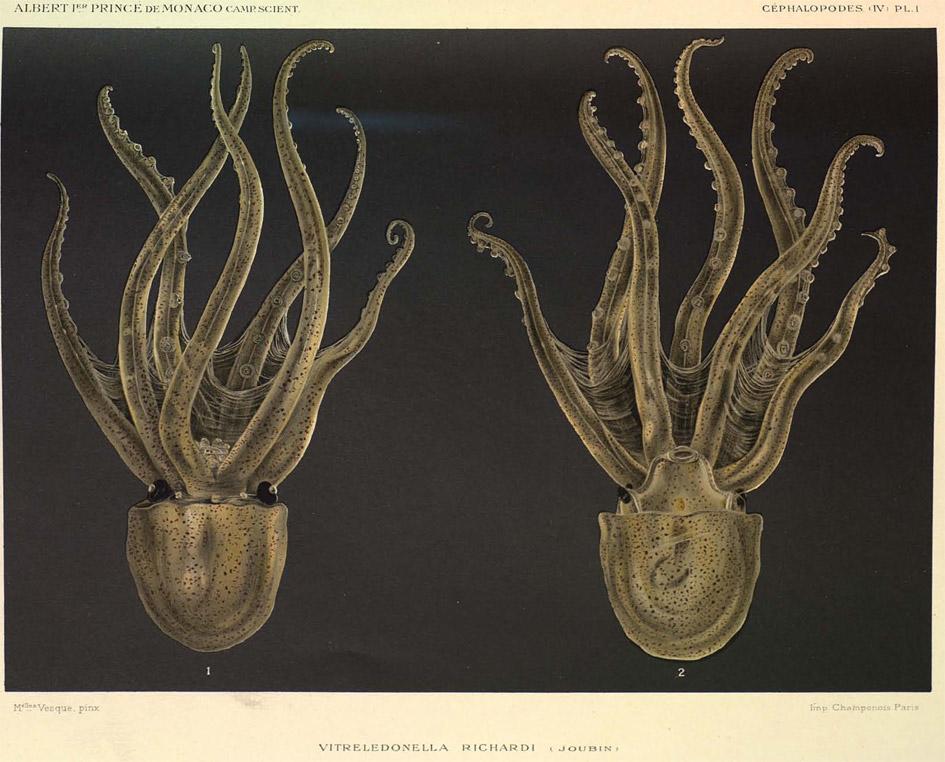
Almost completely transparent, the glass octopus is one of the most elusive deep-sea creatures. You can see its organs through its skin, and it’s rarely spotted because it lives way below where most humans ever go. Its transparency helps it avoid predators, blending into the lightless water like an underwater ghost. It’s so rarely filmed that any glimpse of it is a big deal in marine science circles.
13. Christmas tree worm
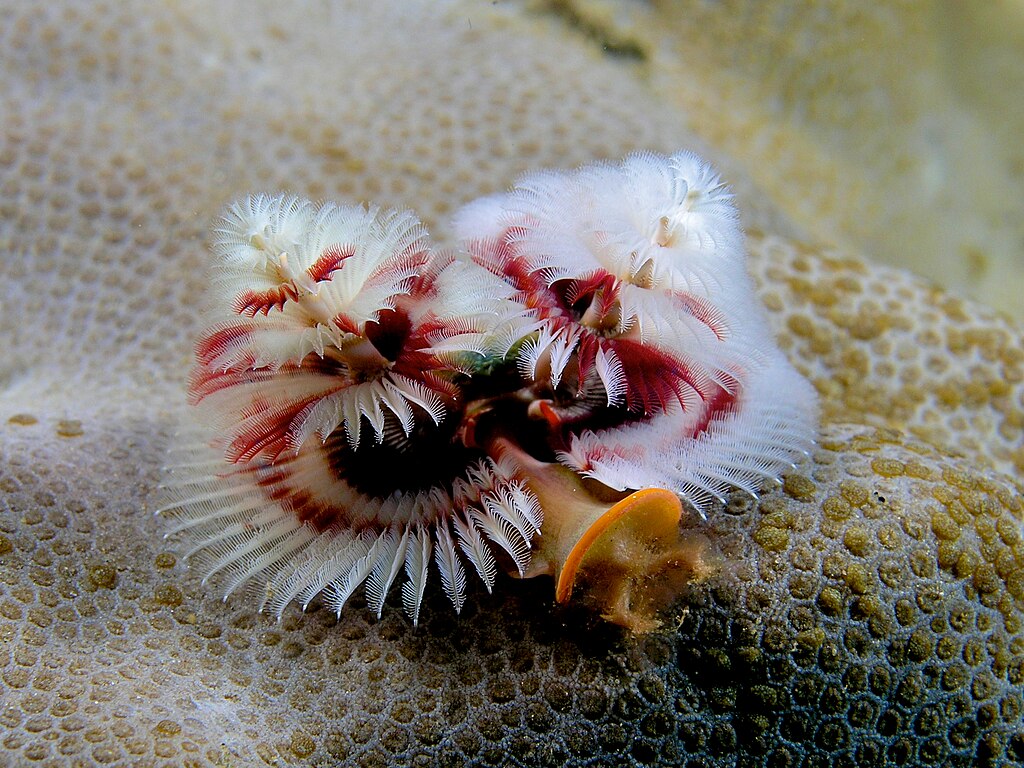
Named for their festive, spiral-shaped gills, these worms live inside coral and extend their “trees” to catch food. They come in all kinds of colours—blue, yellow, red—and retract instantly if they sense danger. They’re tiny but dramatic. Once you know they exist, you’ll start spotting them in coral reef videos everywhere. Think of them as the underwater equivalent of that neighbour who really goes all out for the holidays.