Not got a garden, but still desperate to grow some plants? Not a problem.

Whether you’re in a flat with zero outdoor space or renting somewhere that doesn’t exactly scream “grow your own,” you can still make plants a part of your life. From herbs on windowsills to mushrooms in the airing cupboard, growing things without a garden is more doable (and more fun) than it sounds. Here are 13 smart ways to get growing in the UK—no lawn, no digging, and definitely no garden required.
1. Make the most of your windowsill.
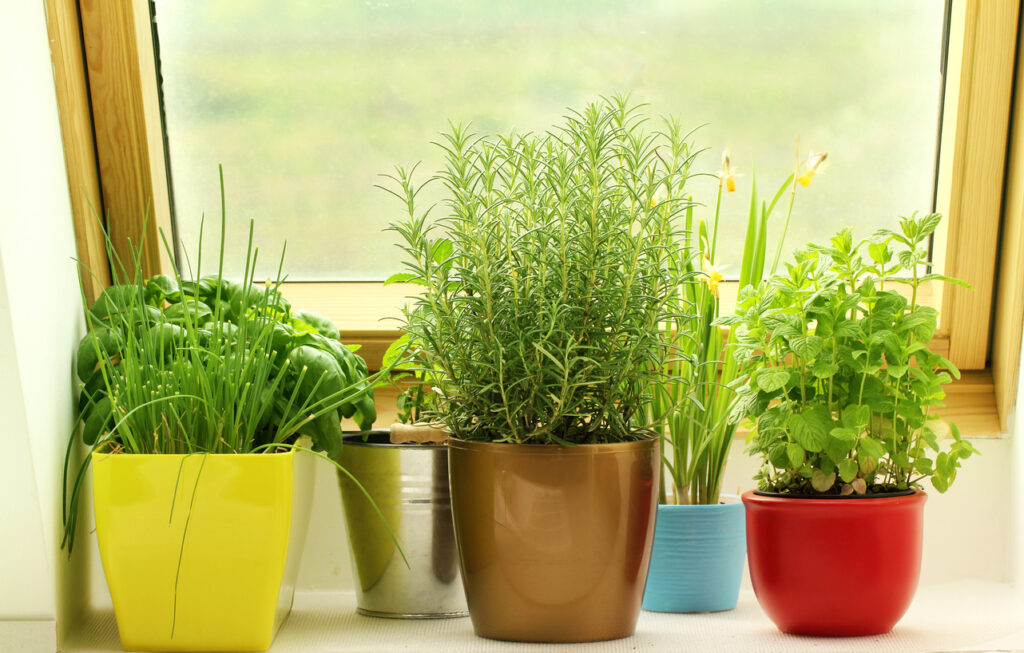
If you’ve got a sunny windowsill, you’ve basically got a mini greenhouse. Herbs like basil, parsley, and coriander grow well indoors as long as they get light and regular water. You can even try chillies or cherry tomatoes if the spot gets good sun. North-facing windows are trickier, but salad greens and mint can still do okay with less light. If your sill isn’t deep, look for narrow containers or upcycled jars to squeeze more into the space.
2. Use hanging baskets, either inside or out.
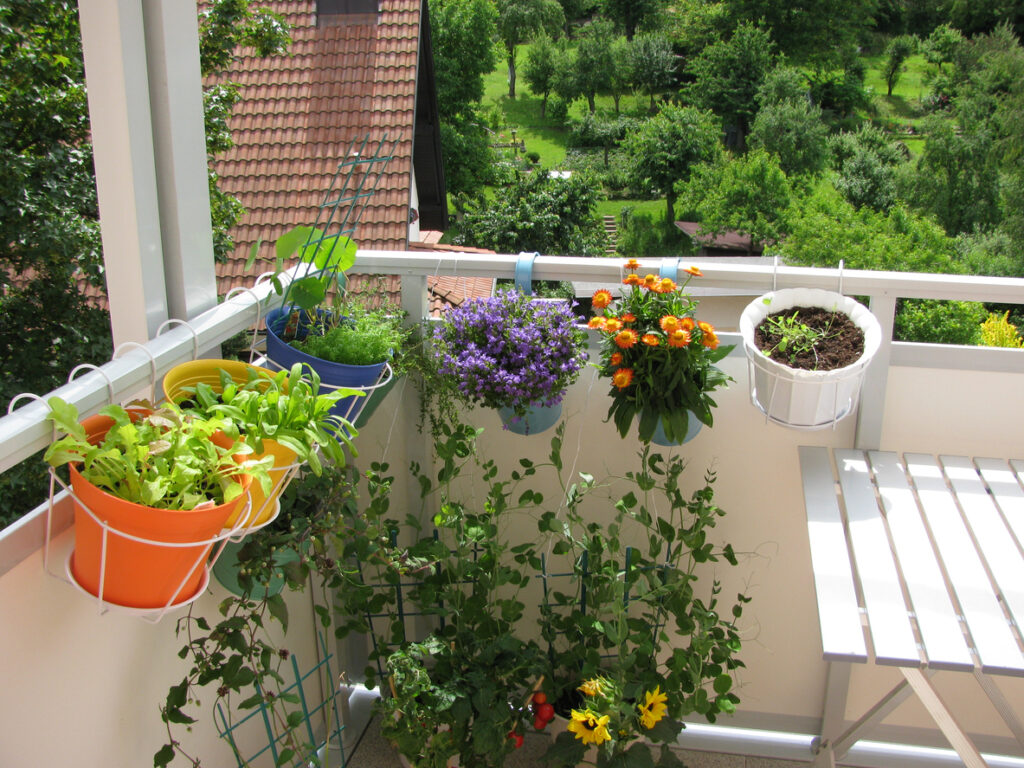
Hanging baskets aren’t just for porches. You can hang them from railings, wall brackets, or even inside near bright windows. They’re great for trailing plants like strawberries, nasturtiums, or tumbling tomatoes. They also help free up floor space if you’re working with a small balcony or courtyard. Just make sure you water them regularly, as hanging baskets dry out faster than ground pots, especially in summer.
3. Try container growing on balconies or doorsteps.
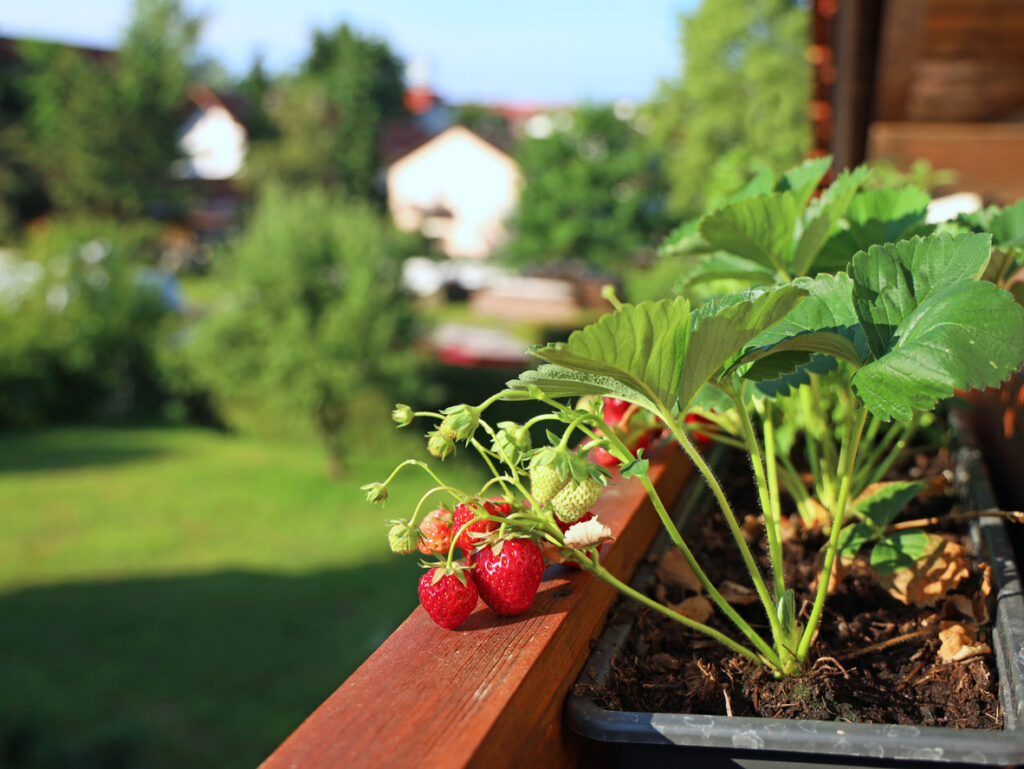
You don’t need loads of space to grow big things like courgettes or dwarf beans. A few large pots or troughs on a balcony or even a shared doorstep can give you surprisingly good harvests. Choose plants that don’t mind being slightly cramped, and stick to compact or bushy varieties. Also, in typical British weather, make sure your pots have drainage holes. You don’t want to drown your veg, after all.
4. Grow mushrooms indoors.
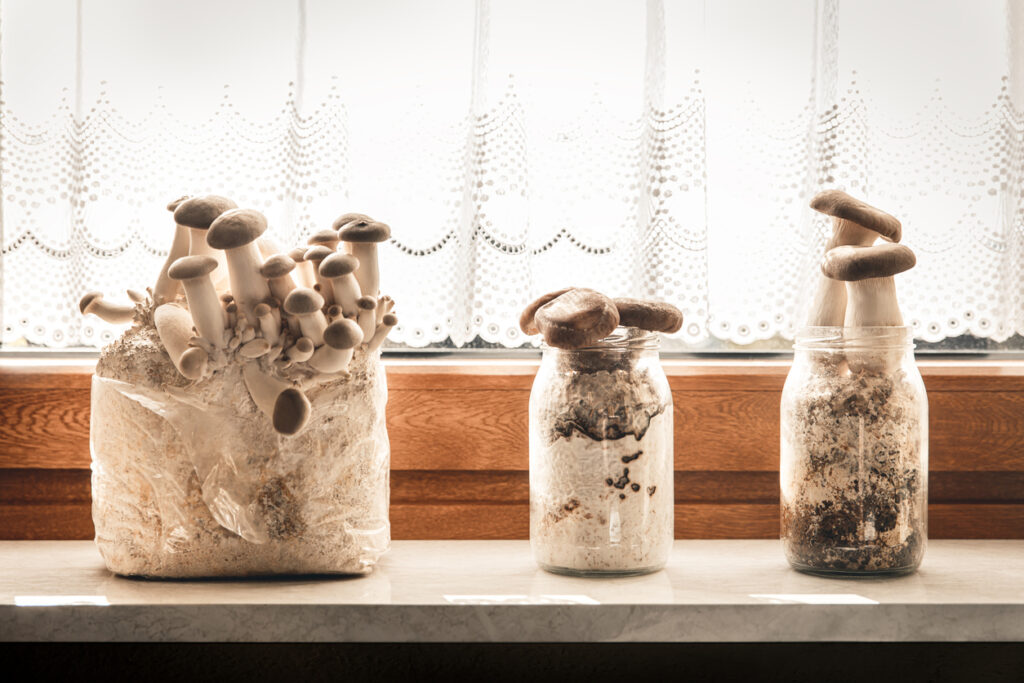
Mushroom growing kits are perfect for small spaces. They don’t need light, they grow quickly, and they’re weirdly satisfying to watch sprout from a box or bag in your kitchen. You can get kits for oyster mushrooms, chestnuts, or even pink mushrooms if you’re after something a bit different. Just keep them somewhere humid, like a cupboard or under the sink, and let them do their thing.
5. Grow microgreens on your kitchen worktop.
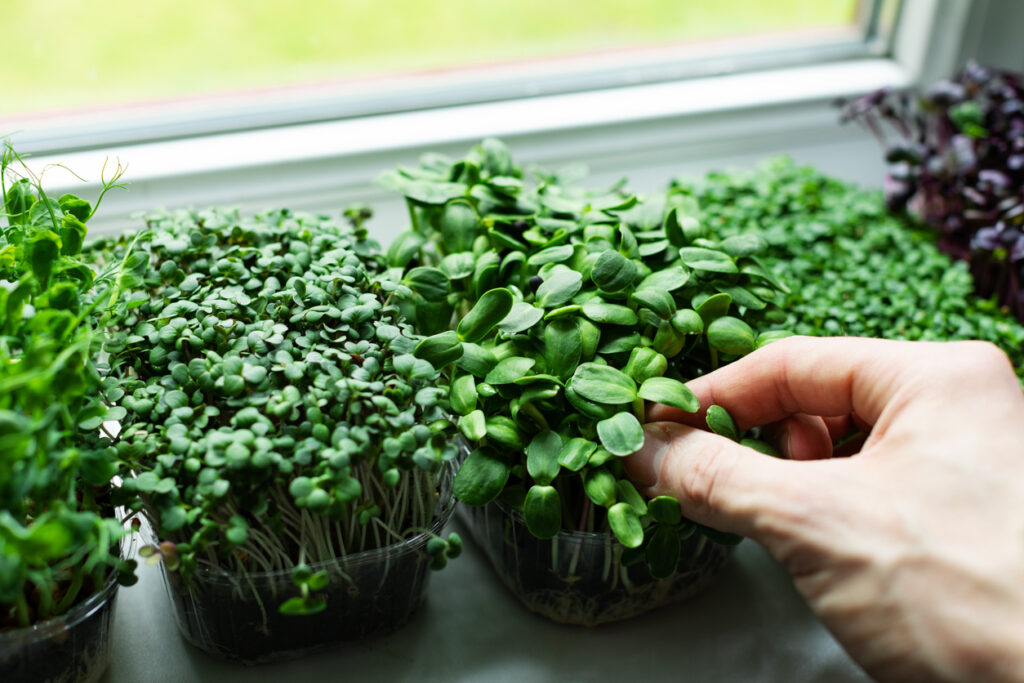
Microgreens are the baby versions of plants like rocket, radish, and broccoli, and they grow in trays with barely any soil. You don’t need sunlight all day, just a bit of natural light and a spray bottle for watering. They’re quick (you’ll see growth in days), packed with flavour, and make your lunch feel fancy. Best of all, you can grow them on a shelf, windowsill, or even a spare corner of your worktop.
6. Turn your bathroom into a plant zone.
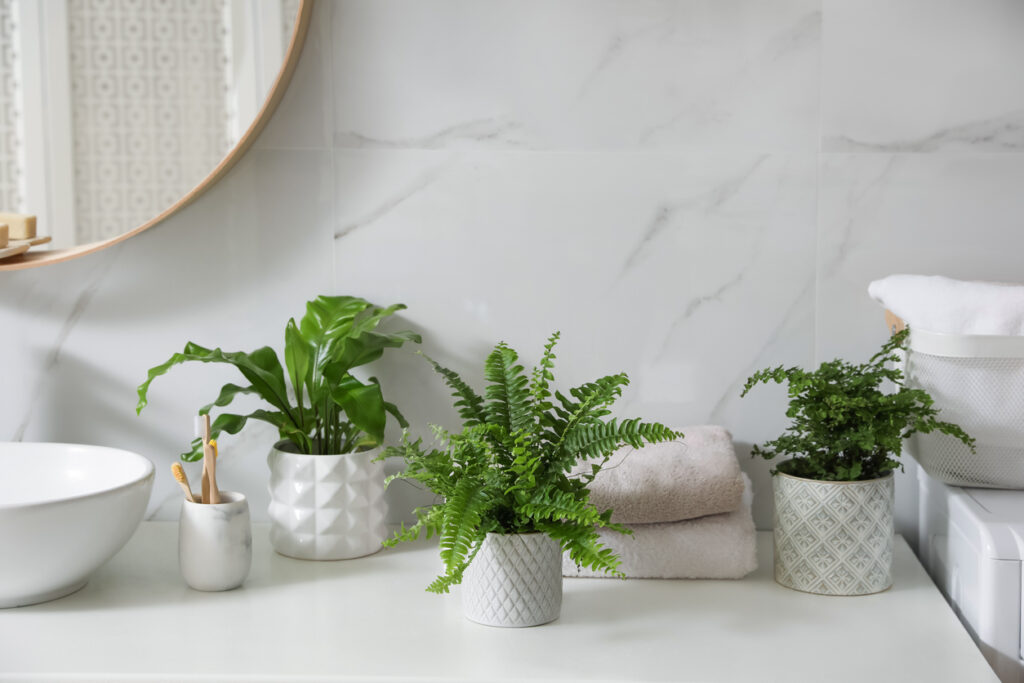
Bathrooms are usually humid and warm—two things that certain houseplants love. If you’ve got a windowsill, even better. Ferns, pothos, peace lilies, and even orchids can thrive there with minimal effort. It’s also one of the easiest ways to bring greenery into your home without sacrificing space in the rooms you use most. Plus, a steamy post-shower vibe makes it feel like a tiny jungle.
7. Use railing planters if you’ve got a balcony.
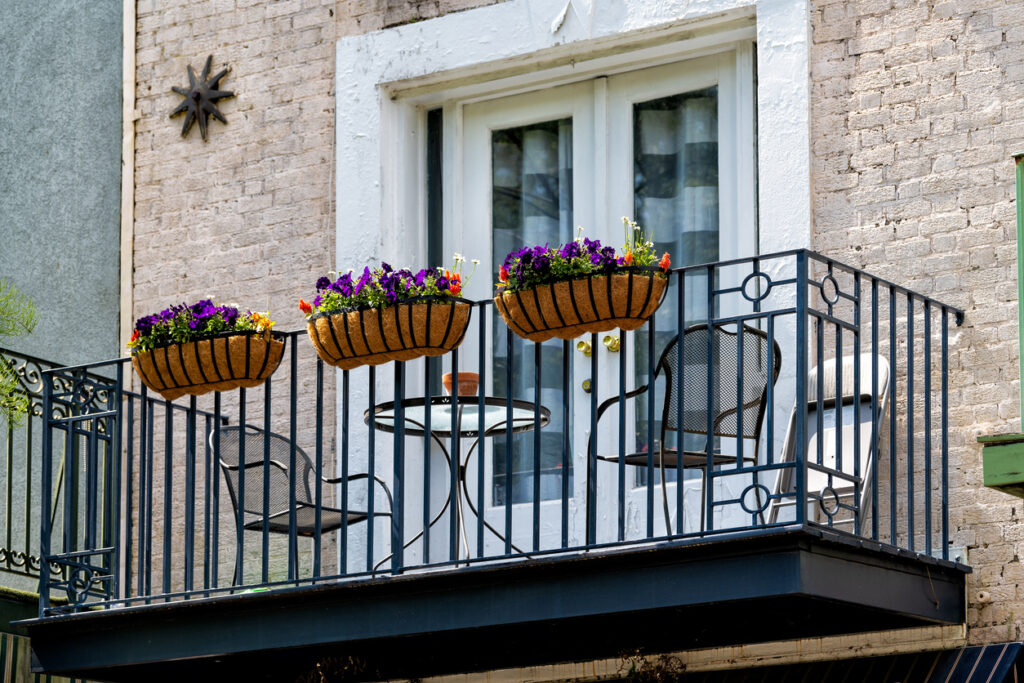
Rail planters slot over balcony or stair railings and are perfect for herbs, trailing flowers, or even compact veg like dwarf beans. They’re also ideal for rented spaces since they don’t damage anything permanent. Just make sure they’re secure, especially in windy weather, and water them often. They’ll turn even the smallest outside spot into a mini growing zone.
8. Try hydroponics indoors.
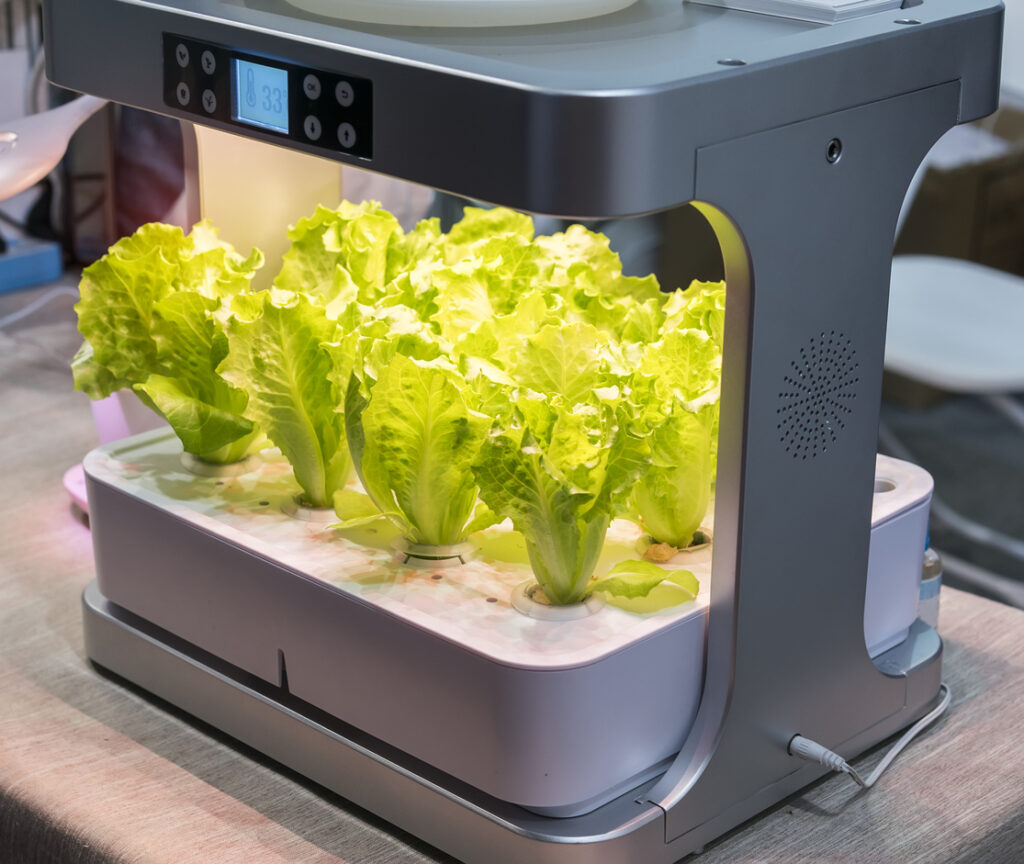
If you’re into gadgets, hydroponic growing might be your thing. These systems grow plants in water with added nutrients and often come with built-in lights, so no sun needed. You can grow lettuce, basil, mint, and more in compact worktop systems that are designed for flats. They’re not the cheapest option to start, but they’re clean, efficient, and fun to use year-round.
9. Start a grow bag on your balcony or patio.
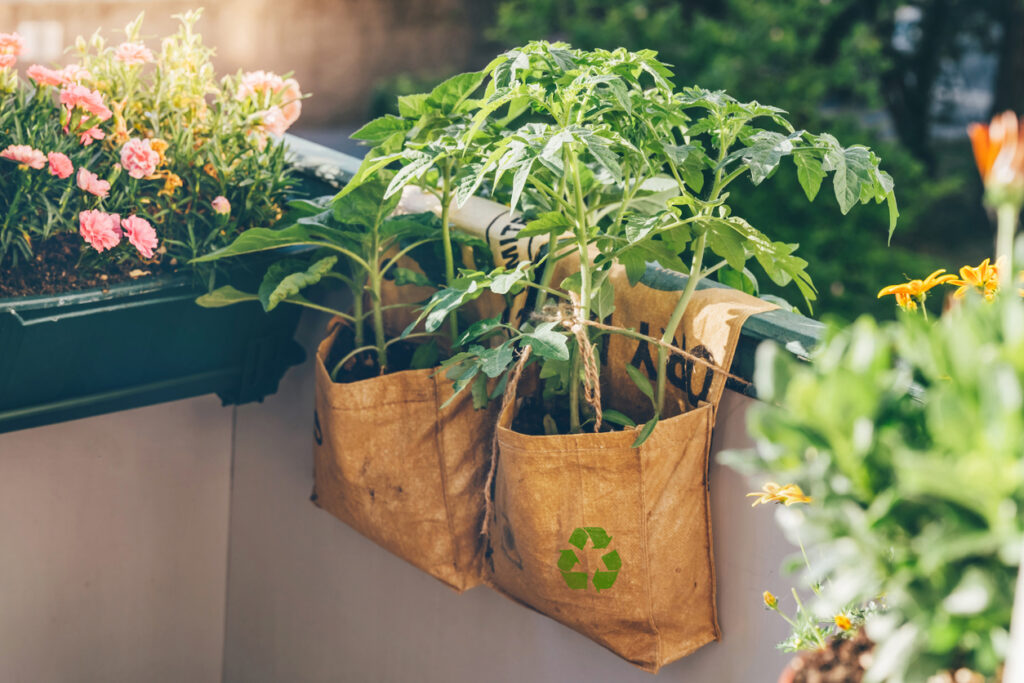
Grow bags are basically portable garden beds. You can set them on any flat outdoor surface—balcony, rooftop, or even a shared concrete yard—and grow everything from potatoes to lettuce. They’re cheap, reusable, and easy to move if needed. Just make sure you place them somewhere with decent sun, and water them regularly, since the fabric can dry out quicker than a solid container.
10. Use wall-mounted planters indoors.
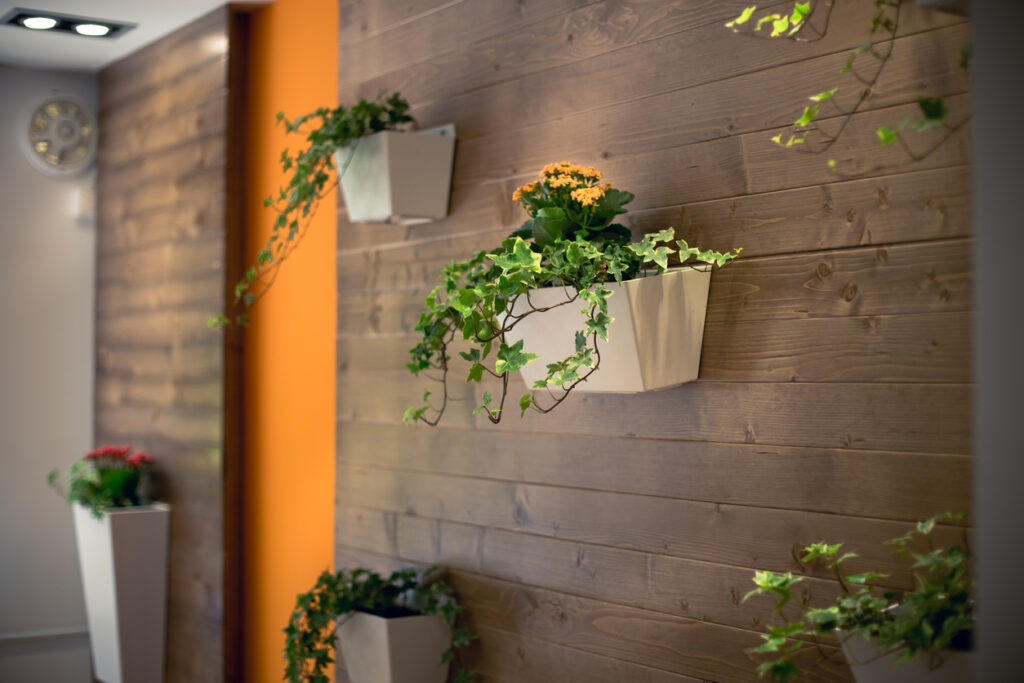
If you’re short on floor space, try growing upwards. Wall-mounted planters can hold herbs, trailing plants, or succulents, and they double as natural decoration. You can find versions with built-in drainage, or DIY your own with mason jars or upcycled tins. Just be mindful of the wall behind it, as indoor plants still need a bit of airflow and attention.
11. Join a local allotment or community growing scheme.
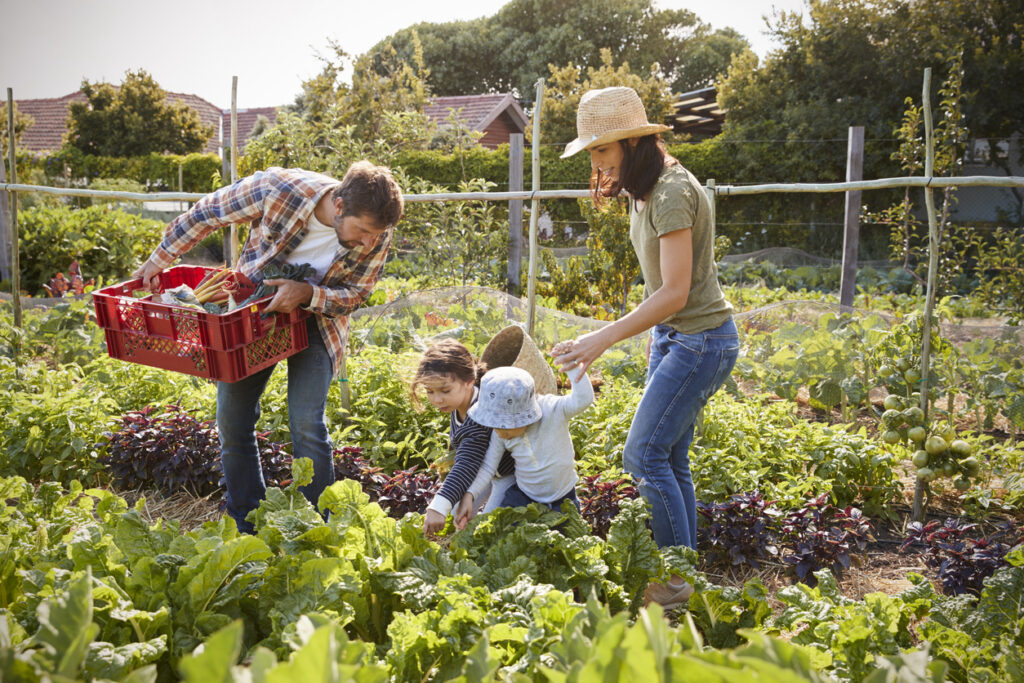
Plenty of UK towns and cities have waiting lists for allotments, but it’s worth getting on one. In the meantime, many areas run community garden schemes where you can volunteer or share small plots with others. You don’t always need your own land, just access and a few hours a week. It’s a great way to learn, grow things in bulk, and connect with people without needing your own garden at home.
12. Grow herbs in recycled containers.
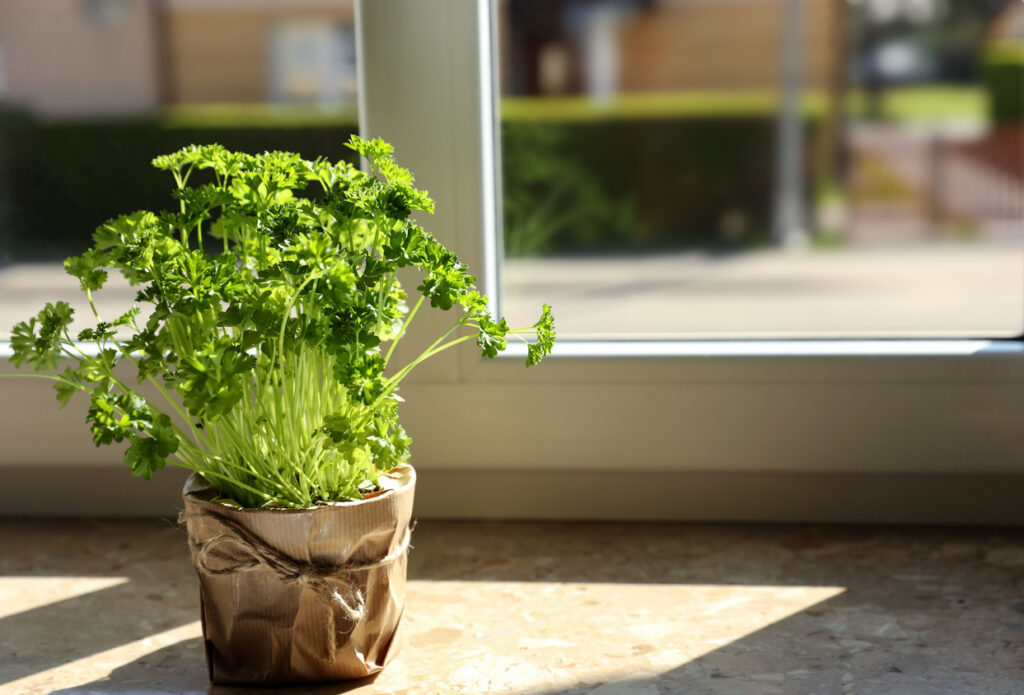
You don’t need fancy pots to grow herbs—old tin cans, yoghurt pots, and takeaway containers can do the trick if they’ve got drainage holes. Just place them somewhere sunny and go for herbs that don’t mind drying out a bit, like thyme or rosemary. It’s low-cost, sustainable, and gives you fresh flavour at arm’s reach. Plus, once you get the hang of it, you’ll never need to buy supermarket herbs again.
13. Use artificial grow lights in dark flats.
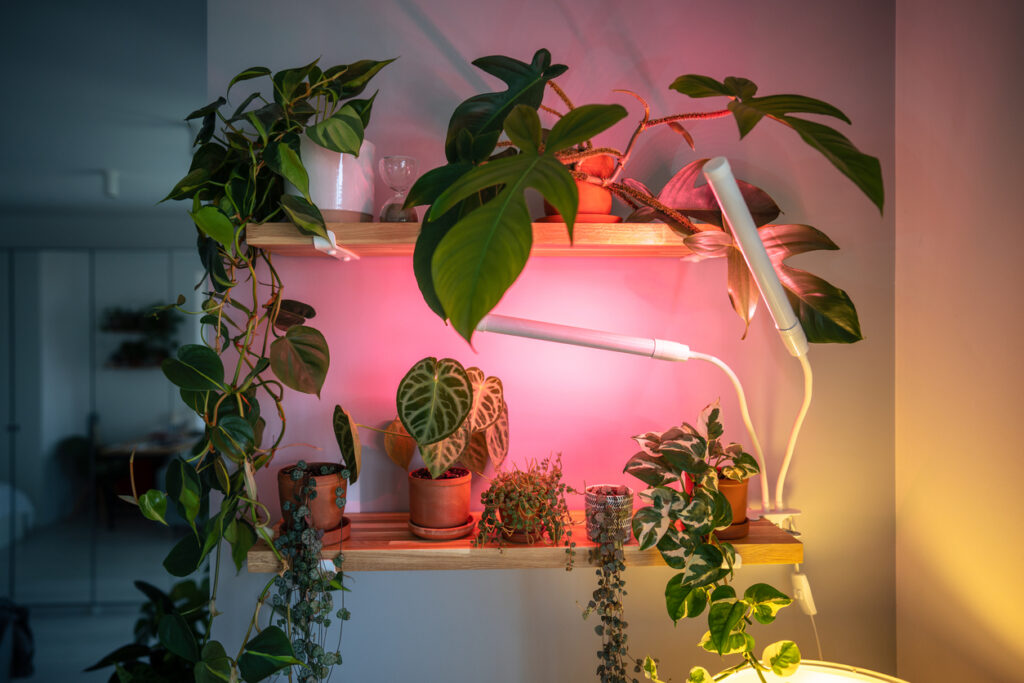
If your home doesn’t get much natural light, a cheap grow light can make a massive difference. Even a small LED lamp can help you grow herbs, leafy greens, or seedlings indoors. You don’t need a massive setup; a dedicated shelf or spot where plants can stay warm and lit for a few hours each day will do just fine. It’s a simple way to turn even the darkest corner into a mini plant haven.