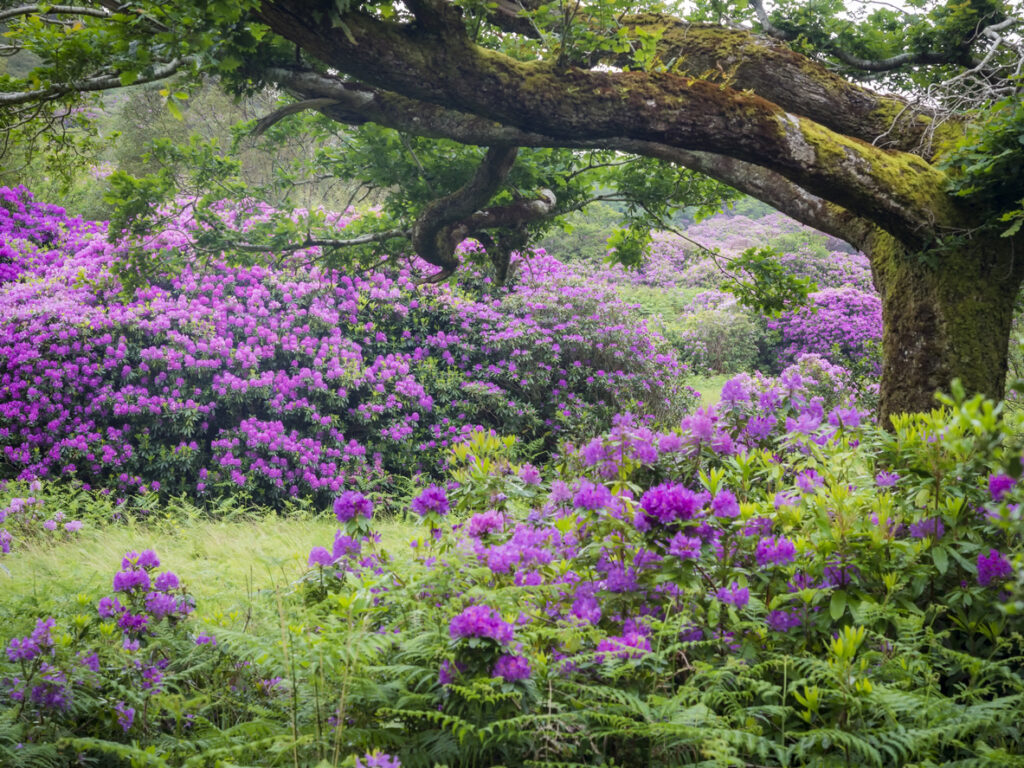
They might look harmless or even beautiful, but invasive non-native species are one of the biggest hidden threats to the UK’s woodlands. From plants that quietly smother native trees to animals that dig, gnaw, or trample their way through delicate habitats, these species upset the natural balance in ways that often go unnoticed until real damage is done. Here’s how they’re majorly transforming our woods, and why it matters more than most people realise.
They outcompete native plants for space and light.
Invasive species like rhododendron or Himalayan balsam grow rapidly and form dense patches that block out sunlight, making it impossible for native wildflowers and young trees to thrive. These fast growers often create thick canopies or ground covers that crowd out everything else. Eventually, this reduces the variety of plants in a woodland, making it less diverse and less resilient. Without a full mix of native species, the entire woodland ecosystem becomes weaker and more prone to further decline.
They change the soil chemistry.
Certain non-native plants, like New Zealand pygmyweed or some conifers used in plantations, release chemicals or needles that alter the pH and nutrient balance of the soil, which affects what can grow there. The change in soil quality makes it hard for native ground flora to return, even if the invasive species are removed. In the long term, this can permanently damage the health of woodland soil, and that has knock-on effects for everything from fungi to trees to insects.
They spread aggressively and are hard to remove.
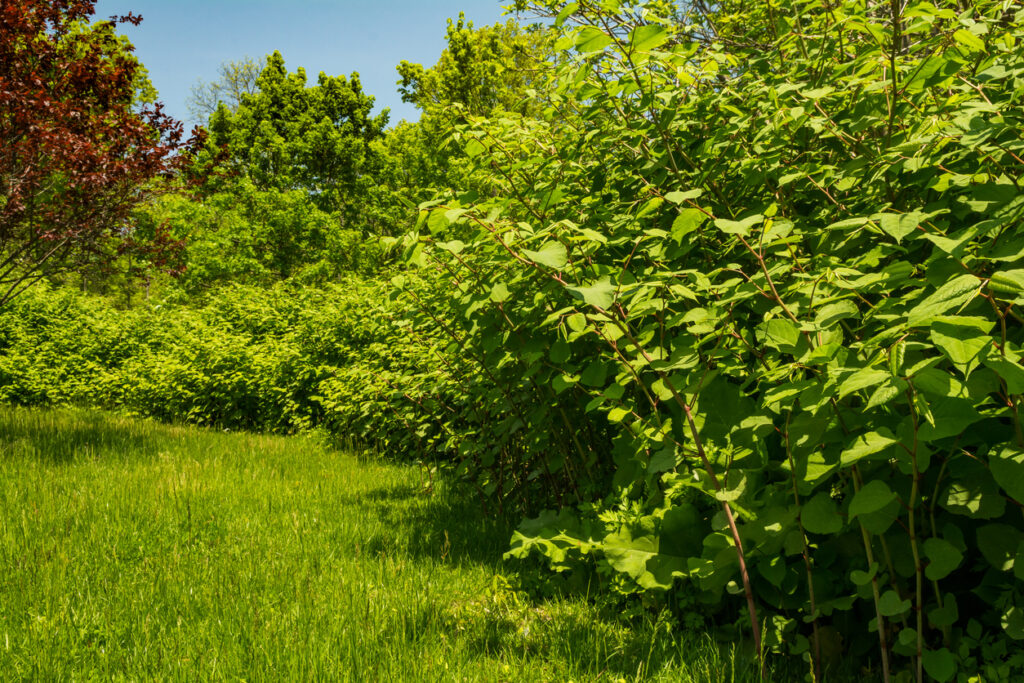
Once an invasive species gets a foothold, it’s often incredibly difficult to get rid of. Plants like Japanese knotweed and rhododendron can regrow from tiny root fragments, meaning even the smallest leftover piece can start the invasion all over again. This makes managing woodlands expensive and labour-intensive. And because these plants often spread silently at first, by the time they’re noticed, they’ve already done major damage.

They can alter the structure of entire habitats.
Invasive plants often change how a woodland functions. For example, if thick ground cover blocks out sunlight, it prevents native tree saplings from establishing, meaning the next generation of woodland can’t grow properly. Over decades, this changes how the forest regenerates and can even lead to the collapse of that ecosystem altogether. The more the structure is disrupted, the less support there is for native wildlife that rely on it.
They reduce food sources for native animals.
Many native insects, birds, and mammals rely on specific UK plants and trees for food. When invasive species replace those native plants, the food web collapses in parts of the woodland. For example, if nettles or dog violets get smothered by Himalayan balsam, certain butterflies can’t feed or breed. Over time, fewer insects means fewer birds, and the entire food chain starts to falter.
They carry diseases that native species can’t fight.
Some non-native plants and animals arrive carrying fungal infections, parasites, or viruses that UK species have no resistance to. For instance, ash dieback is a fungal disease that was likely brought in by imported trees. Once it spreads, there’s little that can be done to stop it. These diseases don’t just kill individual trees, they take out whole populations and weaken the health of entire woodlands.
They push out native animals by competing for resources.
It’s not just plants causing problems. Grey squirrels, which were introduced from North America, have displaced our native red squirrels by outcompeting them for food and spreading squirrel pox, a disease red squirrels can’t survive. Similarly, muntjac deer, originally brought in for ornamental parks, are now rampant in many woods and cause heavy damage to young trees and undergrowth. Their overgrazing makes regeneration difficult and drives down biodiversity.
They disrupt pollination networks.
Invasive flowering plants might look pretty, but they can change how pollinators behave. Species like Himalayan balsam attract bees away from native flowers, reducing pollination for native plant life. The disruption isn’t always obvious, but it has a cumulative effect. When native plants can’t reproduce properly, their numbers shrink, and the web of relationships between plants and pollinators begins to unravel.
They reduce biodiversity overall.
Healthy woodlands thrive on variety. Invasive species tend to simplify those systems, replacing many diverse native plants with a few dominant invaders that do little to support wildlife. The result is a quieter, emptier woodland. Fewer flowers. Fewer insects. Less birdsong. It becomes a shell of what it once was, with life drained out by the loss of diversity.
They make woodland management more costly.
Removing invasive species takes time, money, and manpower, and it usually needs to happen repeatedly over many years to be effective. For small conservation groups and councils with limited budgets, that’s a serious problem. It means less funding goes to replanting, rewilding, or creating new woodlands—because so much of the effort gets stuck in constant control work just to keep invasives at bay.
They affect flood patterns and water flow.
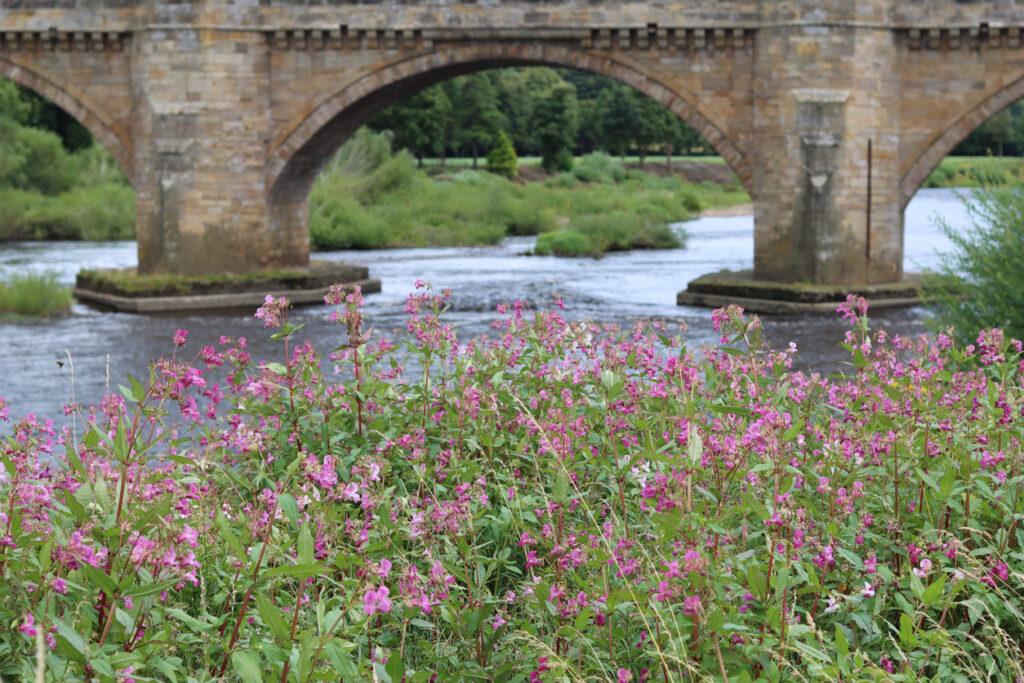
Some invasive plants grow along riverbanks or wetland edges and destabilise the soil. When these species die back suddenly or are removed without replanting, it can lead to erosion and changes in how water moves through woodland areas. This can increase the risk of flash flooding and wash away valuable topsoil. Eventually, it makes these ecosystems more vulnerable to climate extremes and harder to recover after storms or dry periods.
They delay woodland regeneration after disturbance.
After storms, logging, or disease outbreaks, woodlands usually have a chance to naturally bounce back. However, if the ground is already dominated by invasive plants, that recovery is stunted or even prevented altogether. Fast-growing invaders often take advantage of these open patches before native trees can get re-established. That means the next generation of woodland might never take root at all.
They’re often spread accidentally
Many invasives weren’t planted on purpose. They were introduced as ornamentals, escaped from gardens, or even hitchhiked on shoes, boats, or imported soil. Once loose, they spread quickly through rivers, paths, or woodland edges. This makes prevention just as important as control. Knowing what these species look like, reporting early sightings, and cleaning boots or tools between woodland visits can make a real difference in stopping the spread.