They might seem like squishy little leaf-munchers, but caterpillars are a fascinating and vital part of the UK’s wildlife.
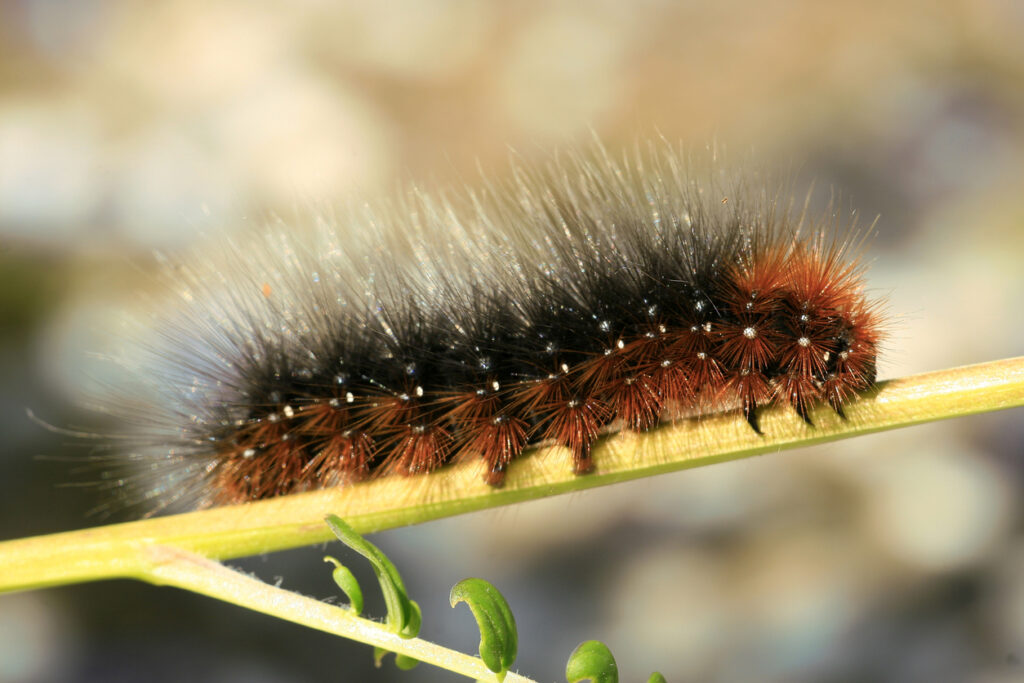
From vivid green loopers to stripy stingers, many of them are easier to recognise than you’d think once you know what to look for. Whether you’re gardening, out walking, or just curious about what’s crawling on your nettles, here are 10 common British caterpillars and how to tell them apart.
1. Peacock butterfly caterpillar
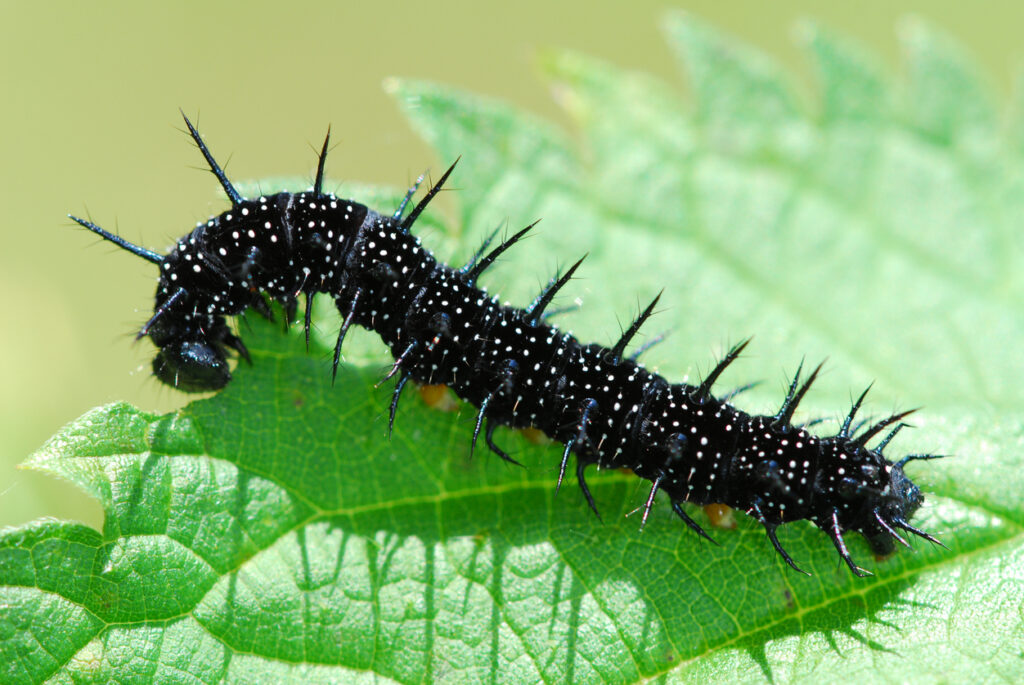
This one’s hard to miss. It’s jet black, covered in spiky bristles, and often found in large groups on stinging nettles. The spikes make it look a bit threatening, but they’re harmless to humans. They tend to move in clusters and are a strong indicator that a patch of nettles is being used as a nursery. Keep an eye out in early summer, and you might spot them just before they transform into one of our most striking butterflies.
2. Cabbage white caterpillar
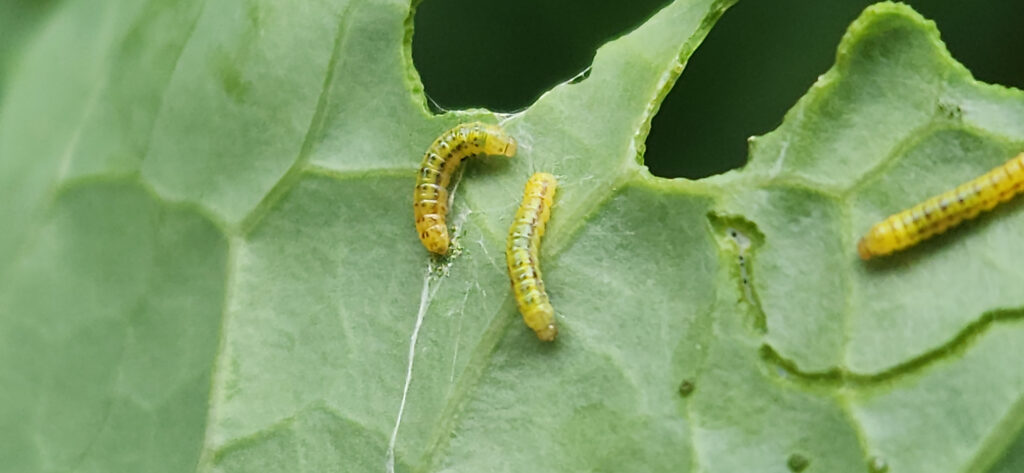
If you grow brassicas, you probably already know this one. These caterpillars are pale green or yellow with small black dots, and they love munching their way through cabbages, kale, and broccoli. They come from both the large and small white butterflies, and are often found in big groups on the undersides of leaves. They’re incredibly common and tend to show up from late spring into summer.
3. Elephant hawk-moth caterpillar
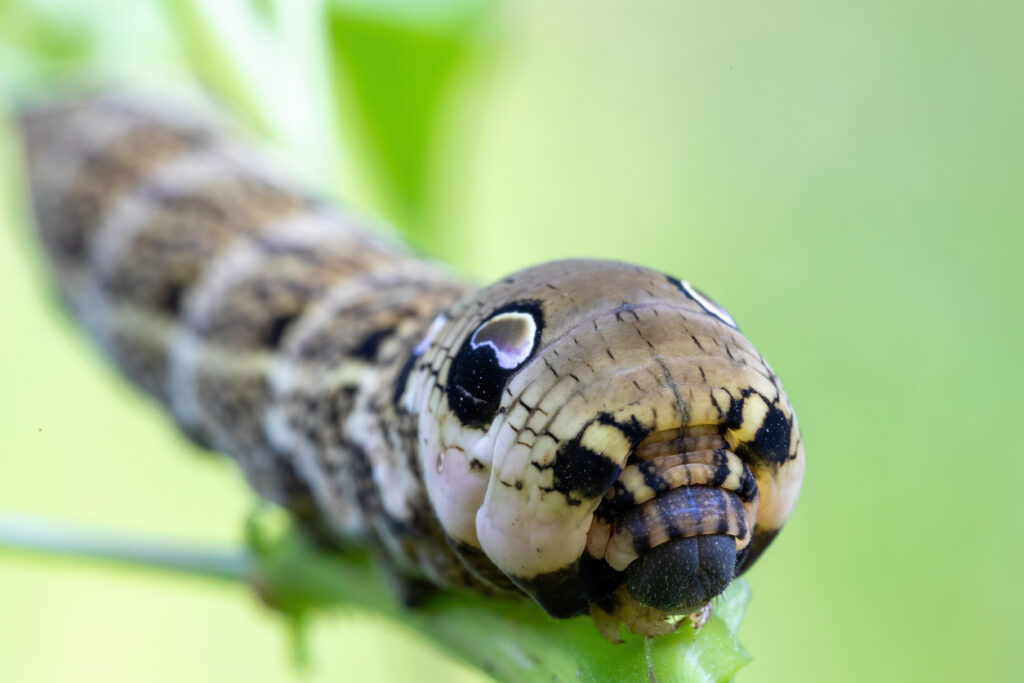
This chunky character looks more like a small snake than a caterpillar. It’s usually green or brown with huge eyespots behind the head that it puffs up to scare predators. Despite its size and appearance, it’s totally harmless—and absolutely fascinating to look at. You’ll find it on willowherb, fuchsias, or rosebay in late summer before it pupates into a stunning pink moth.
4. Buff-tip moth caterpillar
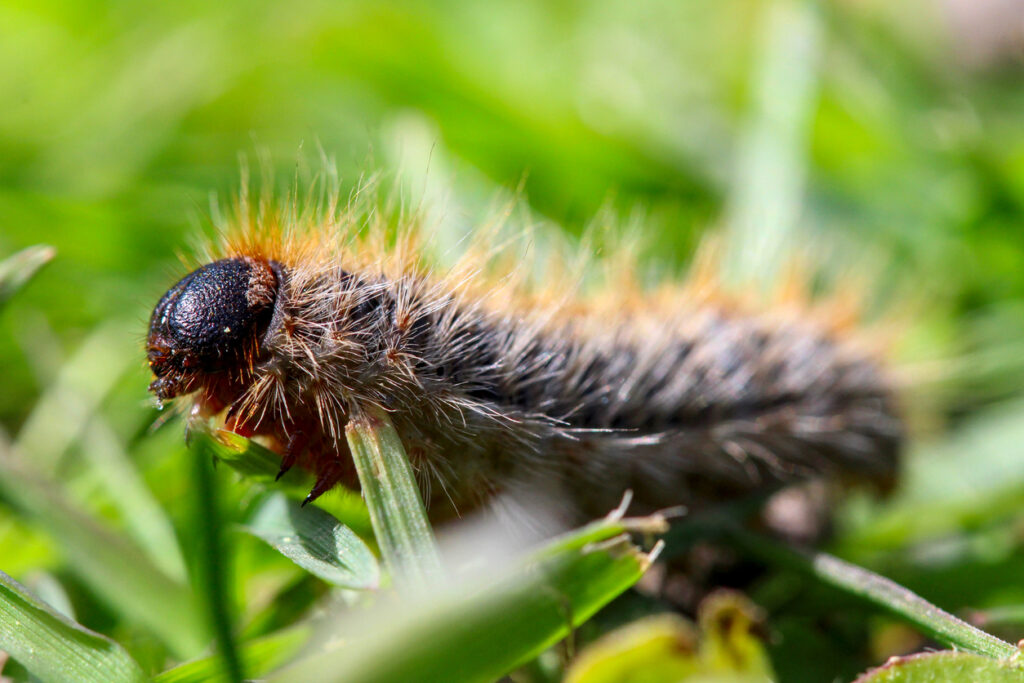
These caterpillars are striking with yellow and black stripes and a slightly furry texture. They often feed in groups on deciduous trees like oak, birch, or hazel. They’re easy to spot when they’re gathered on leaves in midsummer, especially when they skeletonise entire sections of foliage. Don’t be alarmed; they rarely cause lasting harm to the tree.
5. Mullein moth caterpillar
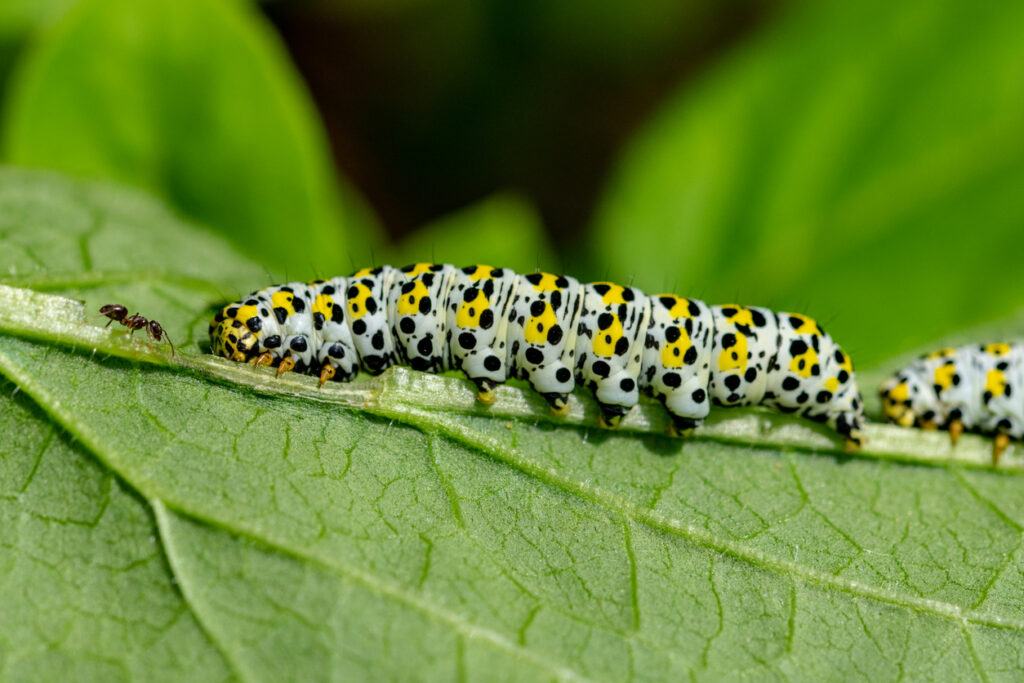
This one is bright and bold—white or pale grey with splashes of yellow and black. It often turns up on garden mulleins or buddleia, especially in well-established beds. It’s one of the more decorative species and often surprises people who think it looks tropical. Watch for them in early to midsummer when they’re feeding actively during the day.
6. Large yellow underwing caterpillar
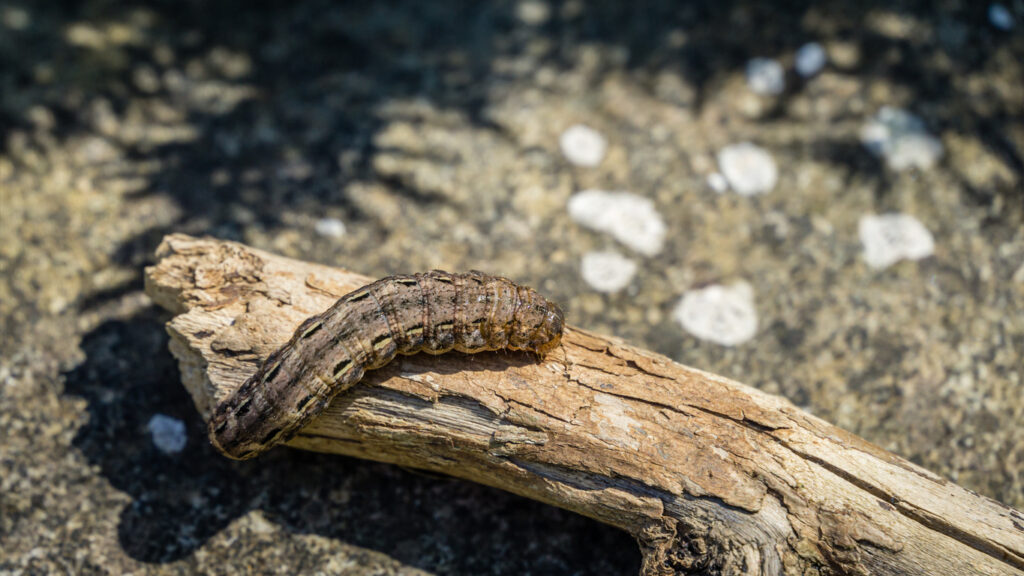
This is a chunky green or brown caterpillar that’s common across gardens, lawns, and allotments. It’s one of the UK’s most widespread moth caterpillars and often hides during the day in soil or under debris. They’re nocturnal feeders and can nibble on a wide range of plants and grasses. You might not notice them until you dig one up accidentally while weeding or planting.
7. Garden tiger moth caterpillar
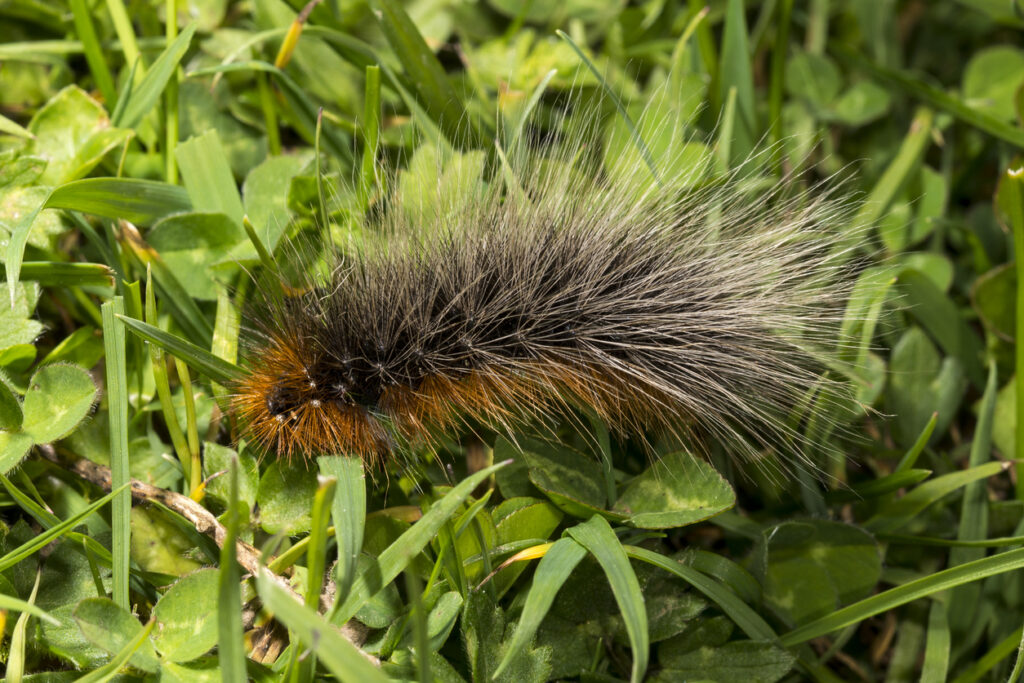
Known affectionately as “woolly bears,” these caterpillars are covered in dense black and orange hairs. They’re fairly big and usually found crawling around in autumn or early spring after overwintering. The hairs can be a mild irritant to sensitive skin, so it’s best to admire without handling. They feed on a wide variety of low plants and weeds and later become the beautifully patterned garden tiger moth.
8. Small tortoiseshell caterpillar
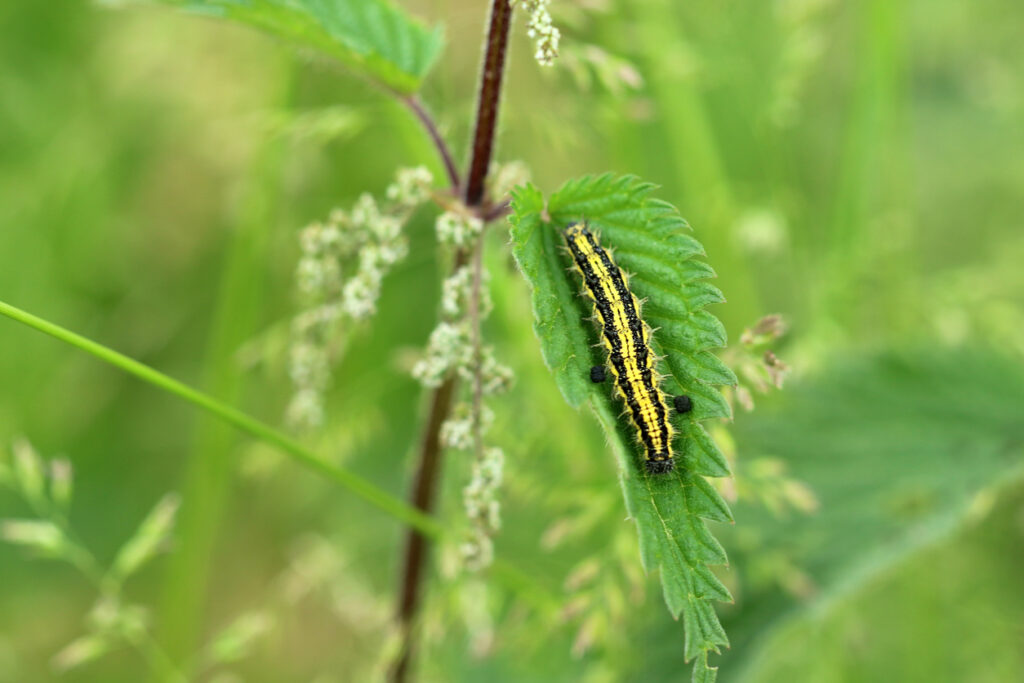
These caterpillars are black with yellow lines and spines, often seen on nettles, just like their peacock cousins. They tend to form webs across the tops of plants to protect themselves while feeding. They’re usually around in early summer and are often found in groups. Keep an eye out for the delicate silk webbing they spin. It’s often the first sign you’ve got some nearby.
9. Scarlet tiger moth caterpillar
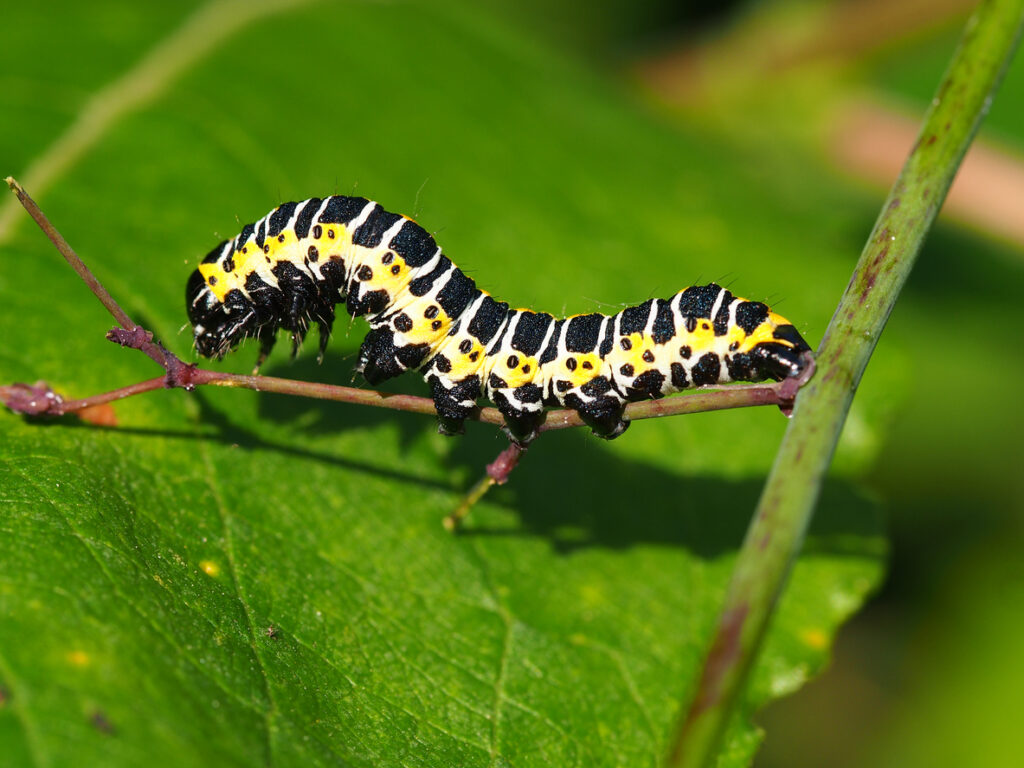
This caterpillar is black with yellow stripes and white speckles, and it has short bristles along its back. It’s commonly found in damp areas like hedgerows and gardens near streams or ponds. They feed on comfrey and other soft plants and turn into one of the UK’s more dramatic day-flying moths. They’re most active in spring and are often spotted wandering in search of a place to pupate.
10. Angle shades moth caterpillar
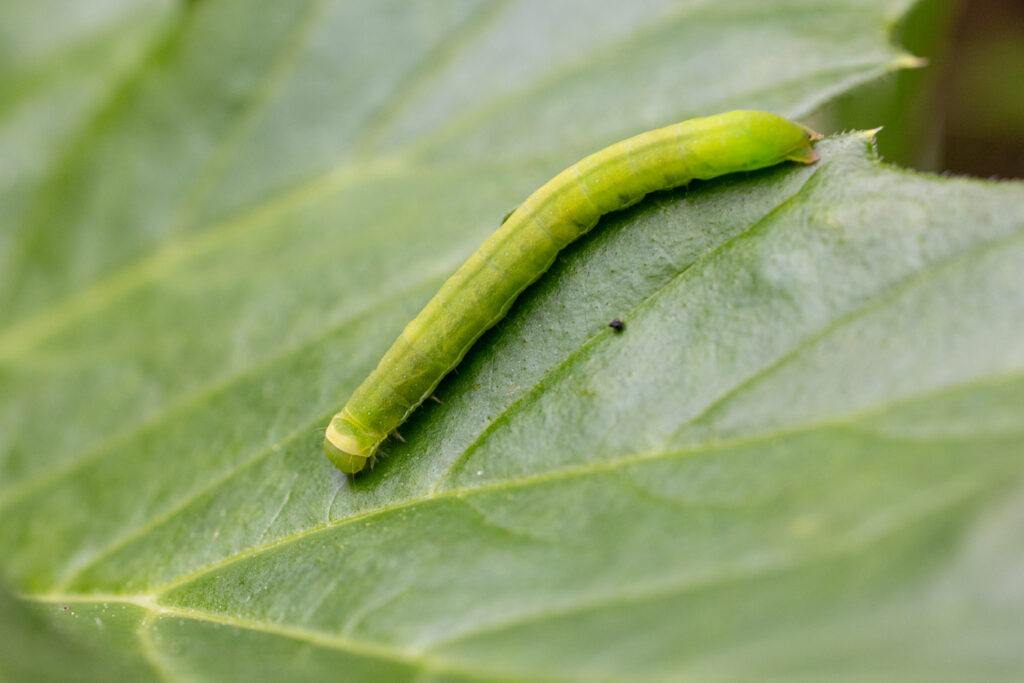
This caterpillar can vary from green to brown and has a subtle leaf-vein pattern that helps it blend in brilliantly with foliage. It’s a master of camouflage, often missed even when it’s right in front of you. It feeds on a wide range of plants, including nettles, brambles, and even cultivated flowers. You’re most likely to see it in late summer or autumn, and it can sometimes be found in mild winters too.