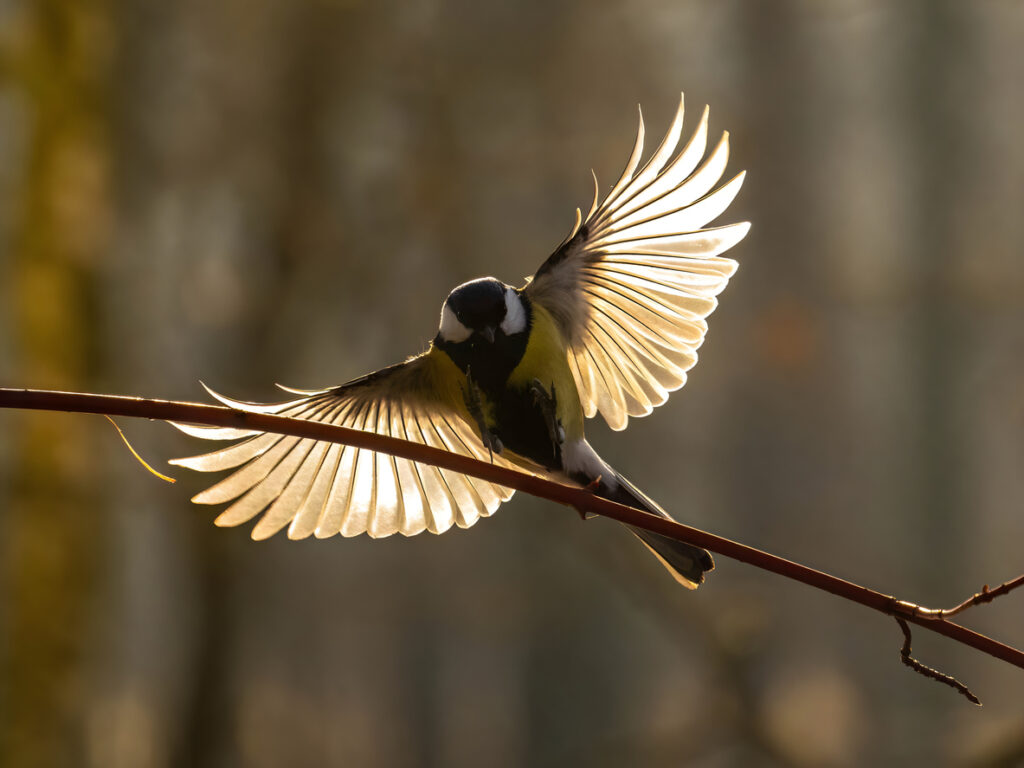
Watching a bird glide across the sky or an aeroplane rise into the air can feel almost magical. In reality, wings work through a mix of physics, air pressure, and clever design shaped by evolution and engineering. Once you understand the basics, the mystery becomes surprisingly clear.
Wings push air downward to create lift.
One of the simplest ways to understand wings is to imagine them pushing air down. When a wing moves through the air, it forces air molecules downward. According to the laws of physics, pushing air down creates an opposite force pushing the wing upward.
That upward force is called lift. Birds achieve it by flapping their wings, while aeroplanes generate lift as their wings move forward through the air. As long as lift is stronger than the pull of gravity, the animal or aircraft stays in the air.
The curved shape of wings helps air move faster above them.
Most wings aren’t flat. They have a curved top surface and a flatter underside. This shape helps air move faster over the top of the wing while moving slightly slower underneath it. Faster-moving air above the wing creates lower pressure, while the slower air underneath creates higher pressure. The pressure difference helps push the wing upward, adding to the lift already produced by pushing air downward.
Forward movement is essential for wings to work.
A wing can’t produce lift if it simply sits still in the air. It needs air flowing across its surface. That’s why birds either glide forward or flap their wings to keep moving. Aeroplanes rely on engines to create this forward movement. As the aircraft accelerates along the runway, air begins flowing across the wings. Once enough lift builds up, the plane rises into the sky.
Flapping wings create both lift and thrust.
Birds and bats don’t rely only on gliding. Their wing beats provide two important forces at once. The downward stroke pushes air beneath the wings to create lift. At the same time, the wings tilt slightly backward during the stroke. This pushes air behind the bird, creating forward movement known as thrust. That thrust keeps the bird moving through the air so lift continues working.
Wing size affects how easily something can fly.
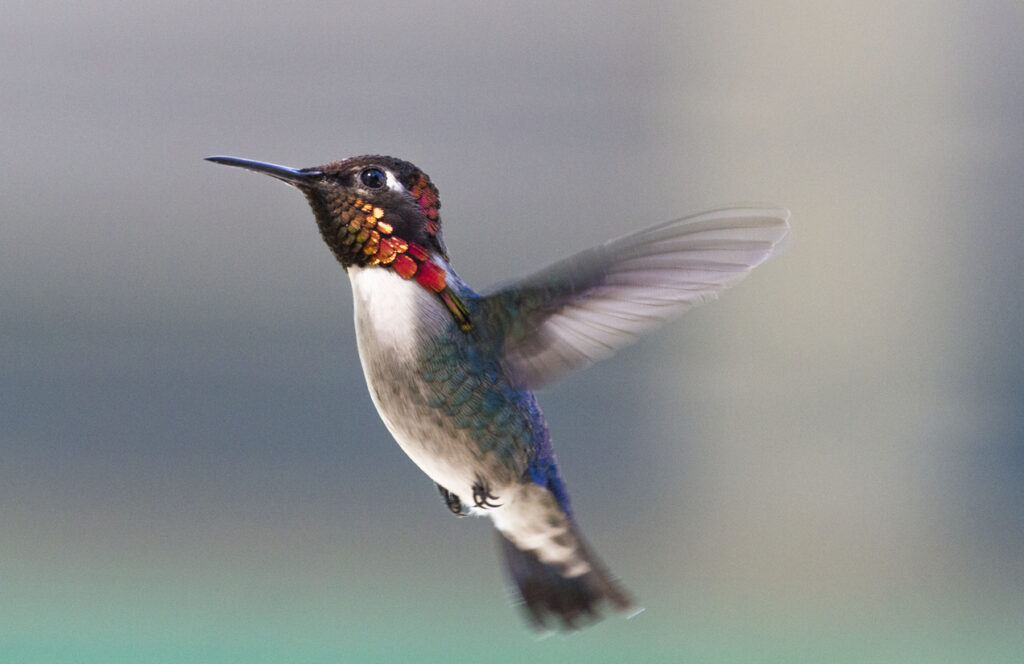
Larger wings generally create more lift because they interact with more air. Birds that soar for long periods, such as albatrosses, often have very large wings relative to their body size. These wide wings allow them to glide long distances with very little effort. Smaller wings can still work well, but they usually require faster flapping or higher speeds to stay airborne.
Wing shape influences flight style.

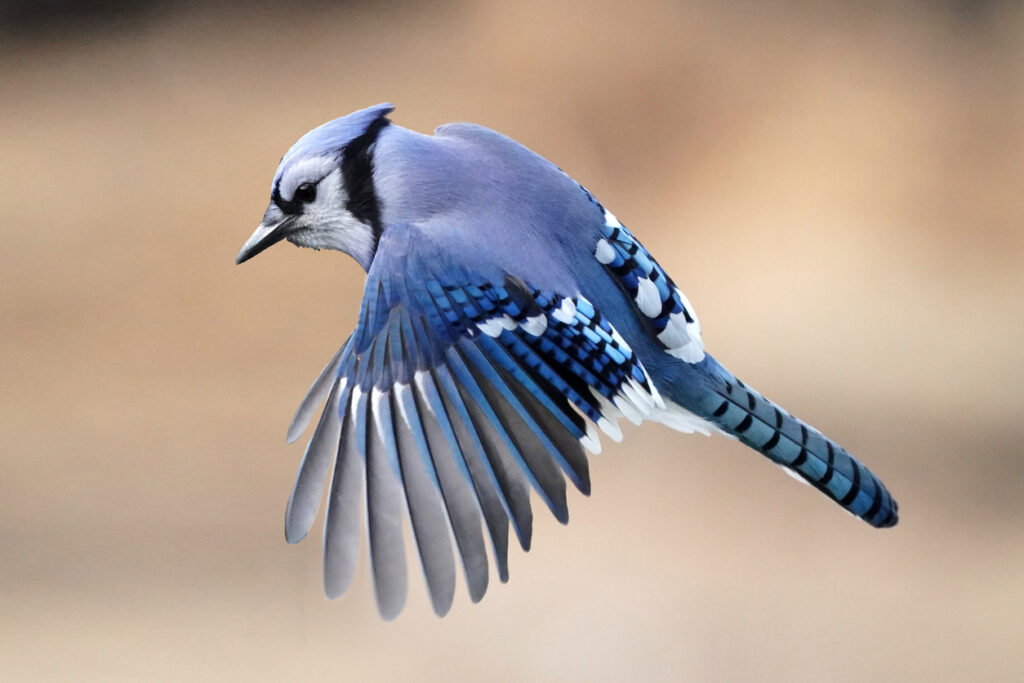
Different wing shapes suit different flying strategies. Long narrow wings are excellent for gliding over oceans or open landscapes. They help birds stay in the air with minimal energy. Shorter, rounded wings allow quicker turns and bursts of speed. Forest birds often have this type of wing because it helps them manoeuvre between trees and branches while chasing insects or escaping predators.
Feathers play an important role in bird wings.
Bird wings aren’t just simple surfaces. Feathers are arranged carefully to guide airflow across the wing. The outer feathers help maintain a smooth flow of air and reduce turbulence. Birds can also adjust their feathers during flight. By spreading or folding certain feathers, they control how air moves around the wing. This allows them to steer, slow down, or land with impressive precision.
Wings can change angle to control lift.
The angle at which a wing meets the air is called the angle of attack. When a wing tilts slightly upward into the airflow, it increases lift. This helps birds climb higher or allows aeroplanes to take off. If the angle becomes too steep, however, the airflow breaks away from the wing. When this happens, lift suddenly drops in a situation known as a stall. Pilots and birds both need to maintain the right angle to keep flying safely.
Air density affects how well wings perform.
The thickness of the air also plays a role in flight. Denser air contains more molecules, giving wings more material to push against. This makes lift easier to produce. At very high altitudes, where air becomes thinner, wings must move faster to create the same lift. That’s why aircraft engines work harder at high elevations, and why some birds struggle to fly in extremely thin air.
Wings create small swirling currents of air.
As air flows around the edges of a wing, it forms swirling patterns called vortices. These small spirals of air trail behind the wing during flight. While vortices are a natural result of lift, they can also create drag that slows things down. Engineers designing aircraft wings work carefully to reduce this drag, so planes can fly more efficiently and use less fuel.
Some animals use wings for gliding rather than powered flight.
Not every wing in nature is built for active flapping. Some animals use wing-like structures mainly to glide. Flying squirrels, for example, stretch a skin membrane between their limbs to glide from tree to tree. These animals don’t generate lift through wing beats. Instead, they rely on gravity and forward movement to glide through the air. The surface area of the membrane slows their fall and allows them to steer as they descend.
Evolution and engineering have both refined wings.
Bird wings evolved gradually over millions of years from the forelimbs of feathered dinosaurs. Natural selection favoured shapes and structures that allowed better flight, leading to the remarkable wings seen today.
Human engineers studied these natural designs when developing aircraft. Many principles used in modern aviation mirror ideas already perfected in nature. Wings may look simple from a distance, but they represent one of the most impressive combinations of biology and physics on Earth.