While we tend to think of cats as noisy housemates that only communicate by shouting for their dinner, meowing is actually a trick they mostly save for us humans.
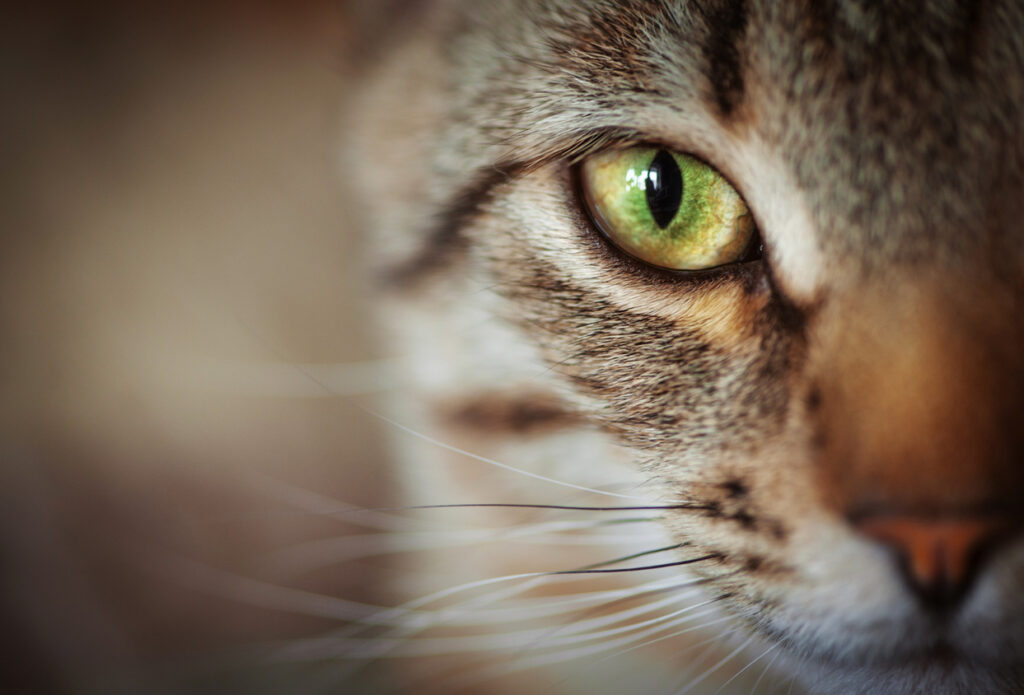
When they’re dealing with their own kind, they use a much more complex system of silent signals that we often miss entirely. From the subtle twitch of a tail to the way they narrow their eyes, a cat’s body is constantly broadcasting exactly how they’re feeling.
They’ve developed a whole language of scents and physical postures that allows them to negotiate space and show affection without making a single sound. Realising that your cat is having a full-blown conversation with you through their ears or the way they sit on the rug makes you appreciate just how much is going on in that tiny, calculating head.
The slow blink means they love you.

When your cat looks at you and slowly closes their eyes, that’s basically a cat kiss. They’re showing you trust and affection because in the cat world, closing your eyes around someone means you feel safe with them. You can slow blink back at them and watch their face soften. It’s one of the simplest ways to say “I love you” in cat language. Do this regularly and your cat will start seeking you out more, knowing you’re returning their affection.
Tail movements tell you their mood in real time.
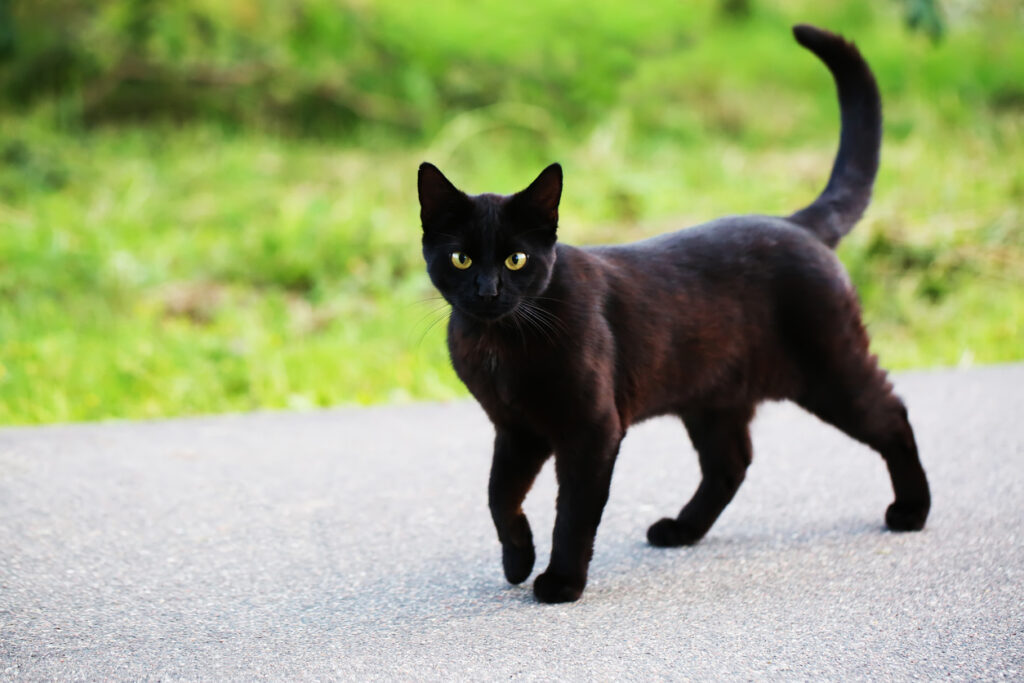
Your cat’s tail is constantly broadcasting their emotional state, so pay attention to what it’s doing. A tail held straight up with a little hook at the end means they’re happy and greeting you, while a puffed-up tail signals fear or defensiveness. A tail that’s thrashing back and forth means they’re annoyed or overstimulated, so give them space before they scratch. A tail wrapped around your leg or arm is them saying they want to stay close to you, and a tucked tail shows anxiety or submission.
Head bunting is territorial marking and affection rolled into one.

When your cat rubs their head against you, your furniture or other objects, they’re not just being cute—they’re claiming you as theirs. Cats have scent glands on their head and face, so they’re literally marking you with their scent to say you belong to their family. It’s actually a huge compliment because they only do this to people and things they genuinely care about. If your cat head bunts you regularly, you’ve made it into their inner circle.
Ear position shows what they’re thinking.
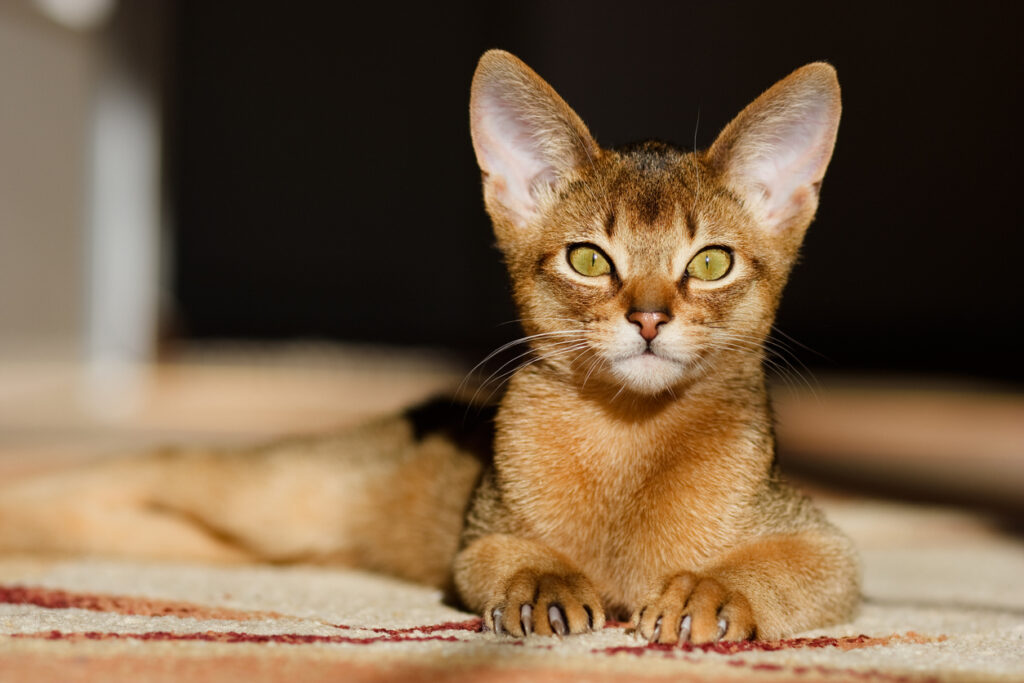
Forward-facing ears mean your cat is interested and content, while ears turned to the side suggest they’re listening to something specific. Ears pinned back flat against their head is a warning sign that they’re scared, angry or about to defend themselves, so back off immediately. Ears in a neutral position just means they’re relaxed and not particularly bothered about anything. Learning to read ear signals helps you catch mood changes before your cat gets stressed or aggressive.
Eye contact and pupil size reveal their true feelings.

Wide pupils can mean excitement, fear, or overstimulation depending on the context, while narrow pupils suggest contentment and relaxation. A cat that stares directly at you with steady eyes and blinks slowly is showing you confidence and trust, but a hard, unblinking stare is actually quite aggressive and threatening.
Most cats show affection by making soft eye contact and then looking away, so they’re not actually trying to dominate you when they seem to ignore your gaze. Cats find prolonged direct staring quite rude, so blink and look away sometimes to show you respect their space.
Body position tells you if they’re relaxed or ready for action.
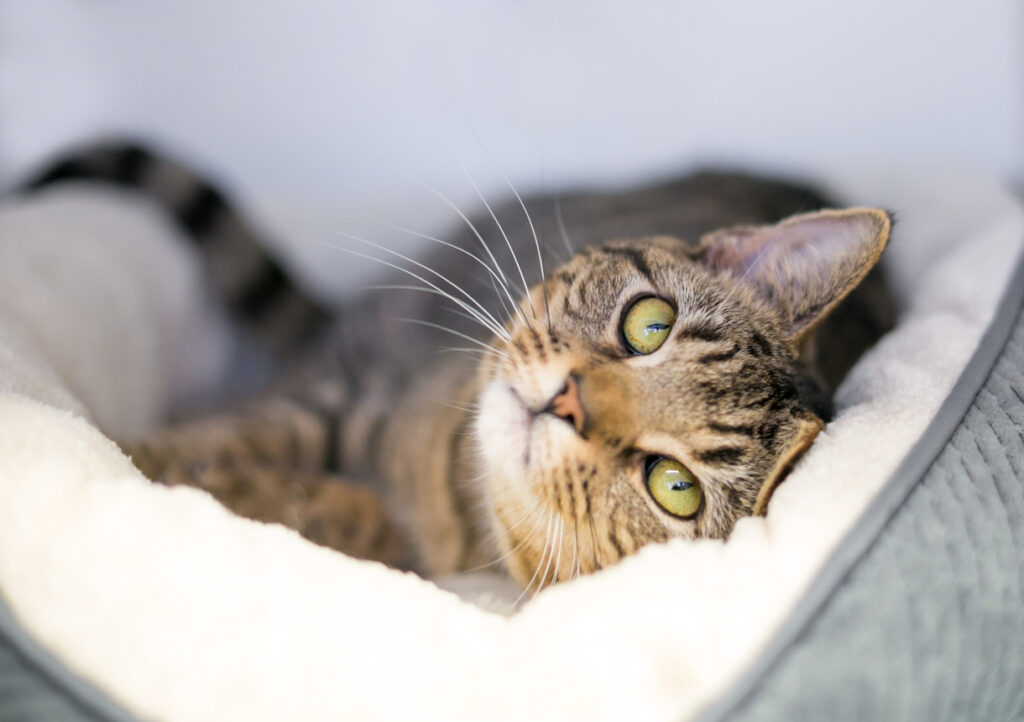
A cat stretched out on their back with their belly exposed is showing maximum trust and playfulness, though they might still bat at you if you touch their stomach because it’s a sensitive area. A cat in a loaf position (where they tuck their paws underneath them) is calm but alert, ready to react if something interesting happens.
A crouched position with their rear end up and front end down means they’re about to pounce or play, so they’re in hunting mode. If your cat’s entire body is low to the ground and creeping forward slowly, they’re stalking something and concentrating hard.
Slow movements and deliberate actions show intention and respect.
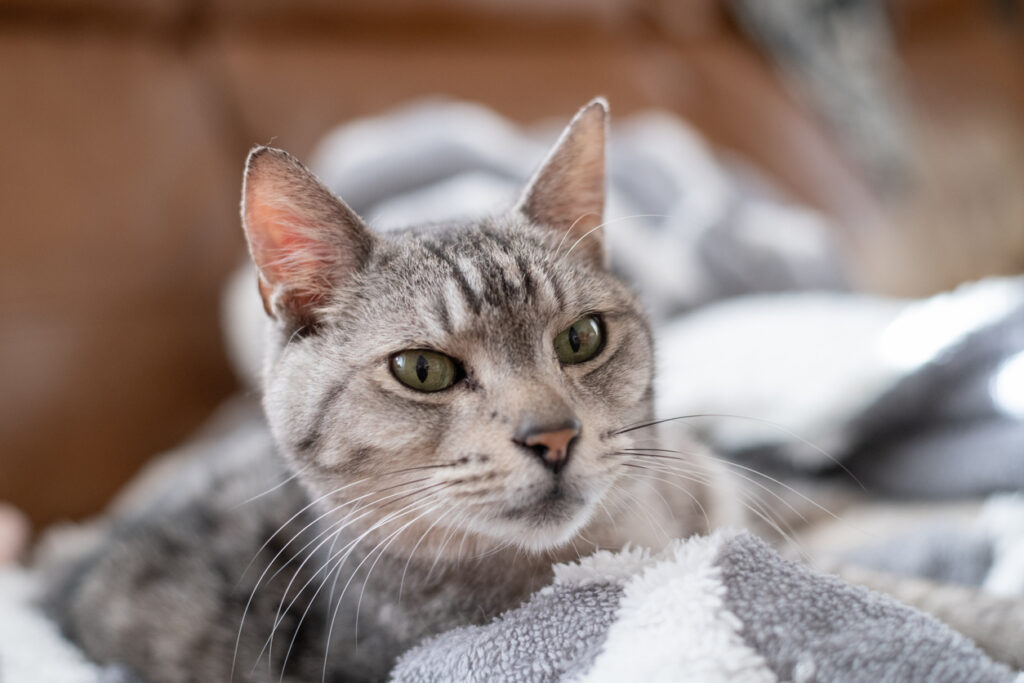
Cats communicate through how they move, not just where they move to, and slow purposeful movements show they’re being considerate. When your cat walks slowly towards you and sits down calmly, they’re asking for interaction on their terms rather than demanding attention. Rapid, jerky movements usually mean they’re either playful and excited or nervous and ready to bolt. A cat that moves smoothly and confidently around you is comfortable in your space and feels secure enough to be vulnerable.
Grooming behaviour is about bonding and communication.

When your cat licks you or grooms themselves while sitting next to you, they’re including you in their grooming ritual, which is a massive sign of affection and family bonding. If your cat grooms another pet or person, they’re saying, “You’re part of my group and I trust you completely.”
Grooming also settles cats down when they’re nervous or stressed, so a cat that’s grooming is trying to self-soothe or process something they find confusing. This behaviour strengthens your relationship and shows your cat sees you as a genuine family member.
Rubbing against your legs is more than just attention-seeking.
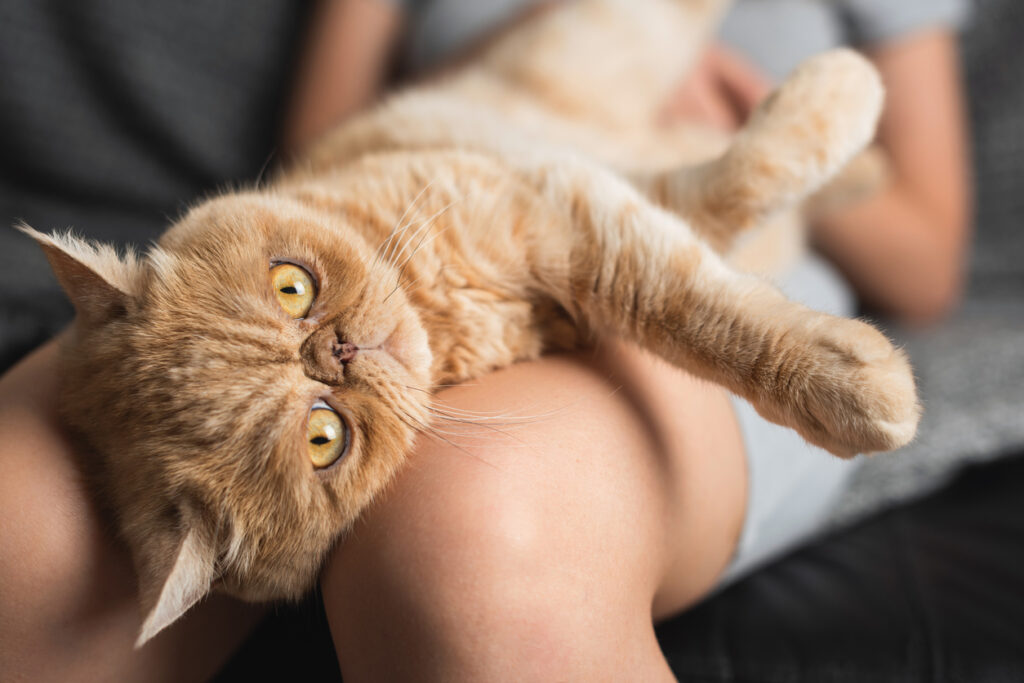
While it looks simple, when your cat weaves between your legs or rubs their whole body against you, they’re doing multiple things at once. They’re marking you with their scent glands so you smell like them, they’re showing affection, and they’re also checking if you have any interesting smells worth investigating. That behaviour is totally voluntary and only happens with people they actually like, so treasure it. A cat that rubs against you is essentially saying, “You’re mine, and I’m yours.”
Kneading with their paws is pure contentment and bonding.
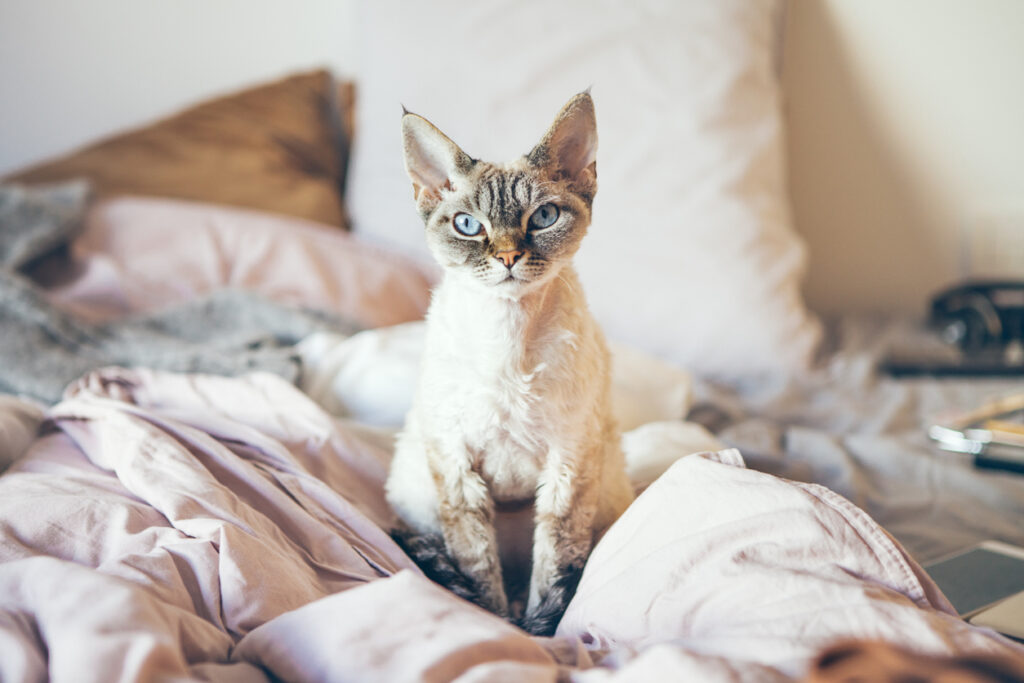
When your cat pushes their paws alternately in and out against your lap or a blanket, they’re kneading, and it’s one of the most heartwarming silent signals they can give you. This behaviour comes from kittenhood when they’d knead their mother while nursing, so when they do it to you as adults, they’re essentially treating you like family and feeling safe.
You might notice their claws extending slightly with each push, and sometimes they’ll drool a bit because they’re so relaxed and happy. If your cat kneads you regularly, it means you’ve created a space where they feel completely content and loved.
Chirping and trilling show excitement and greeting.
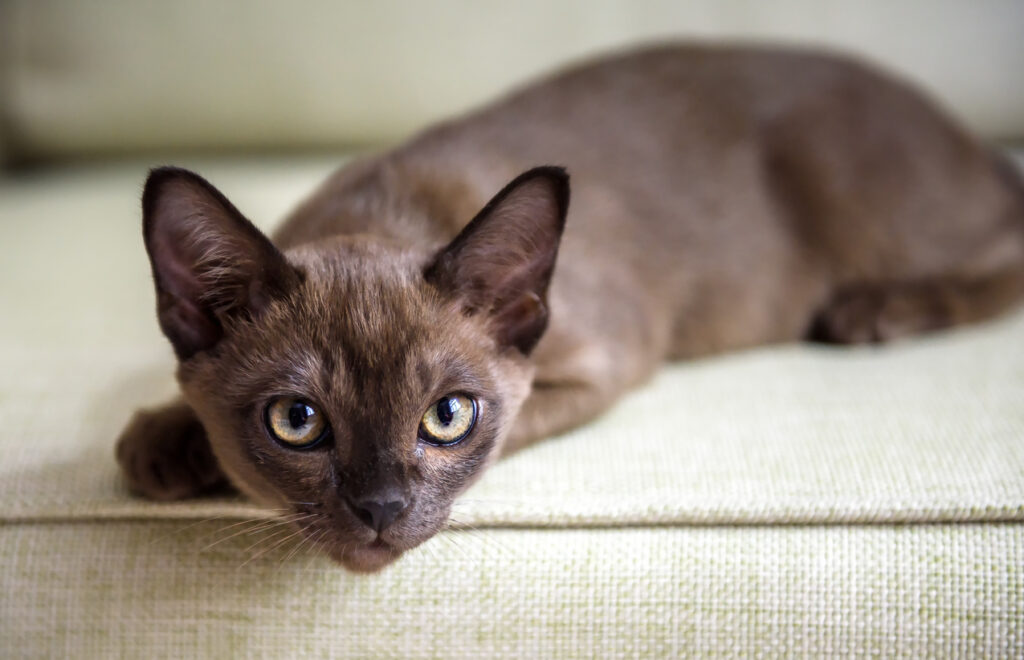
That little “brrp” or chirping sound cats make is actually a greeting and sign of excitement, and it’s almost always positive. Cats usually make this sound when they see you after you’ve been away or when they’re about to do something fun like eat or play.
It’s a soft, friendly vocalisation that shows they’re pleased to see you or anticipate something good, so respond with enthusiasm and your cat will get even more animated. This sound is one of the easiest ways to know your cat’s genuinely happy to have you around.
The play bow means hunting mode is activated.
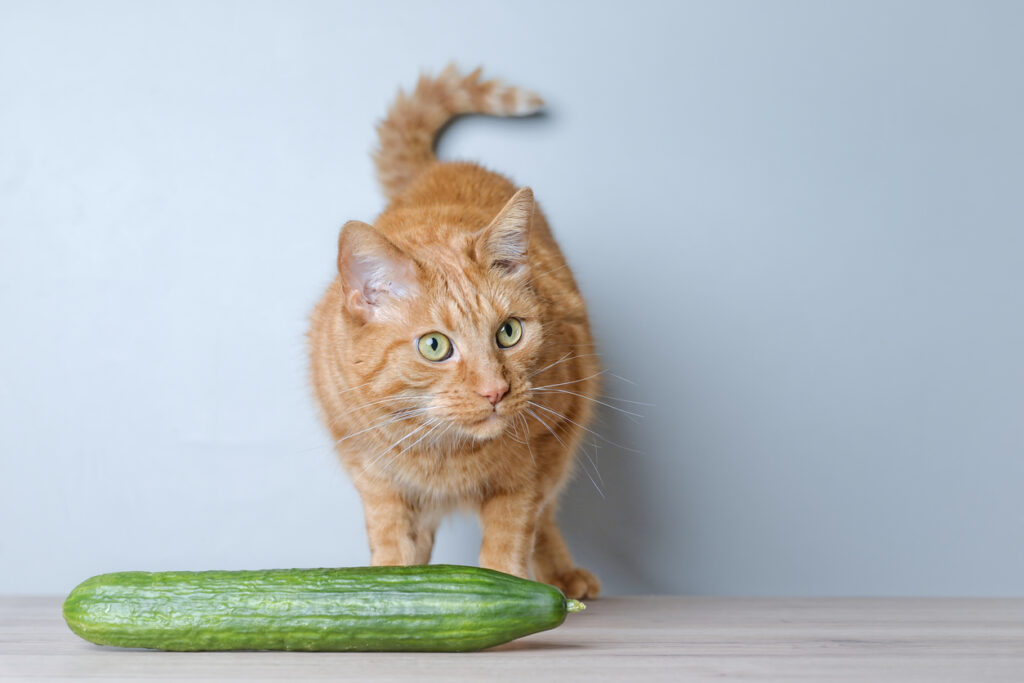
When your cat drops their front end low with their bottom up in the air and their tail up high, they’re doing a play bow, and it’s an invitation to wrestle or chase. This position shows they want to interact with you in an energetic way, and their whole body language is saying, “Let’s do this.”
You’ll often see this move right before they pounce on a toy or dart around the house, so it’s a clear signal they’ve got energy to burn. If you engage with a play bow, your cat will feel understood, and you’ll give them the physical activity they need.
Napping near you or on you is a trust statement.
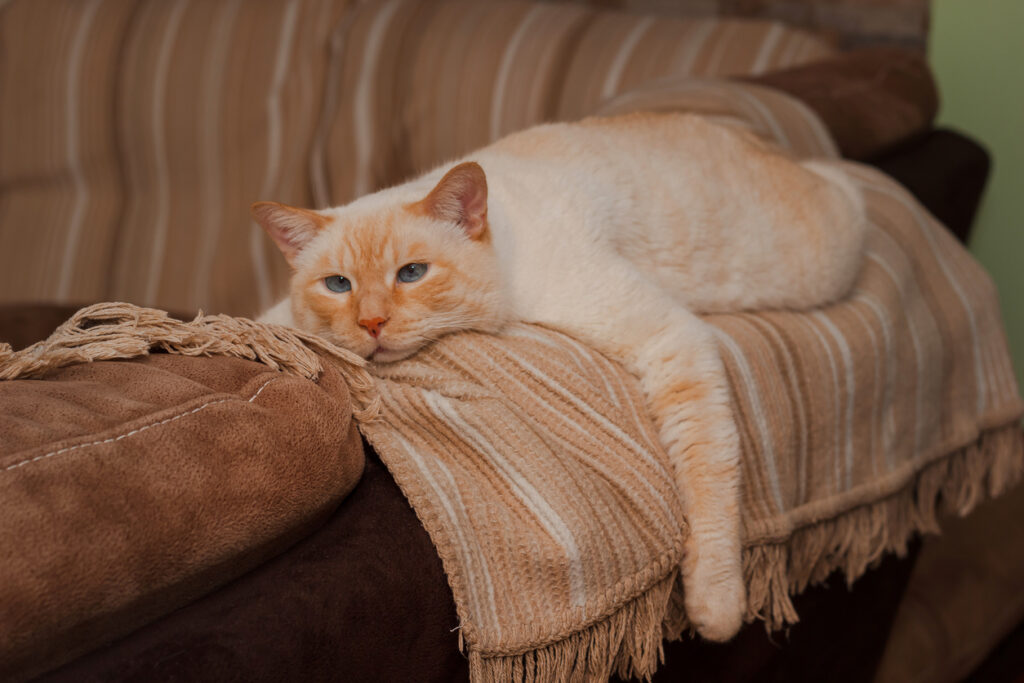
Cats don’t sleep anywhere they feel unsafe, so when your cat chooses to nap on your lap, your bed, or even just nearby on the sofa, they’re telling you something important. They’re saying you’re part of their safe space, and they feel secure enough to be completely vulnerable around you.
The closer they sleep to you or the more they touch you while sleeping, the stronger that trust is, and some cats will literally sleep pressed against you. This is a massive compliment that shows your cat considers you essential to their wellbeing.
Staring at you then looking away is asking for something.
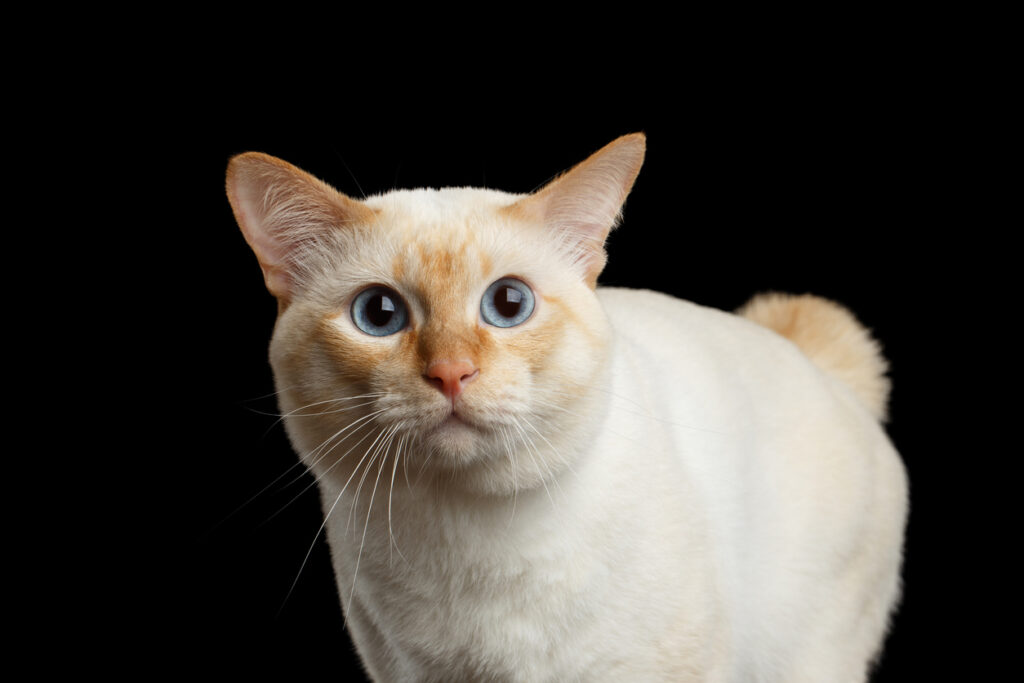
If your cat looks directly at you, then slowly looks away or glances toward something else like their food bowl or a toy, they’re literally asking you to follow or help them. This is a classic silent request that works surprisingly well, and many cats use it as their primary way of getting your attention for specific needs.
They’ll often repeat this look several times if you don’t catch on, staring at you then at their water bowl, staring at you then at the door. Learning to recognise this pattern means your cat can tell you exactly what they want without making a sound.
The figure 8 weave between your legs is a greeting ritual.
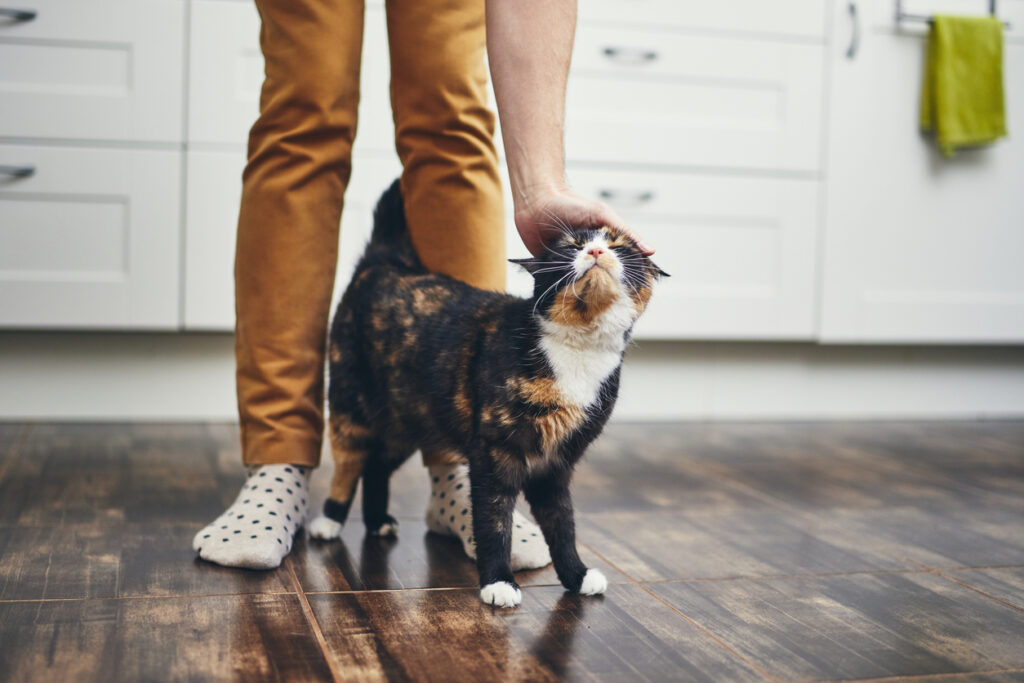
When your cat weaves back and forth between your legs in a figure-eight pattern, they’re greeting you properly and showing affection. This movement is rhythmic and deliberate, and it’s their way of saying hello and checking in with you physically.
Cats often do this when you first come home or when they haven’t seen you in a while, making it clear they’ve missed your company. You can encourage this behaviour by gently stroking them as they weave, which deepens the bonding ritual and shows you’re equally pleased to see them.