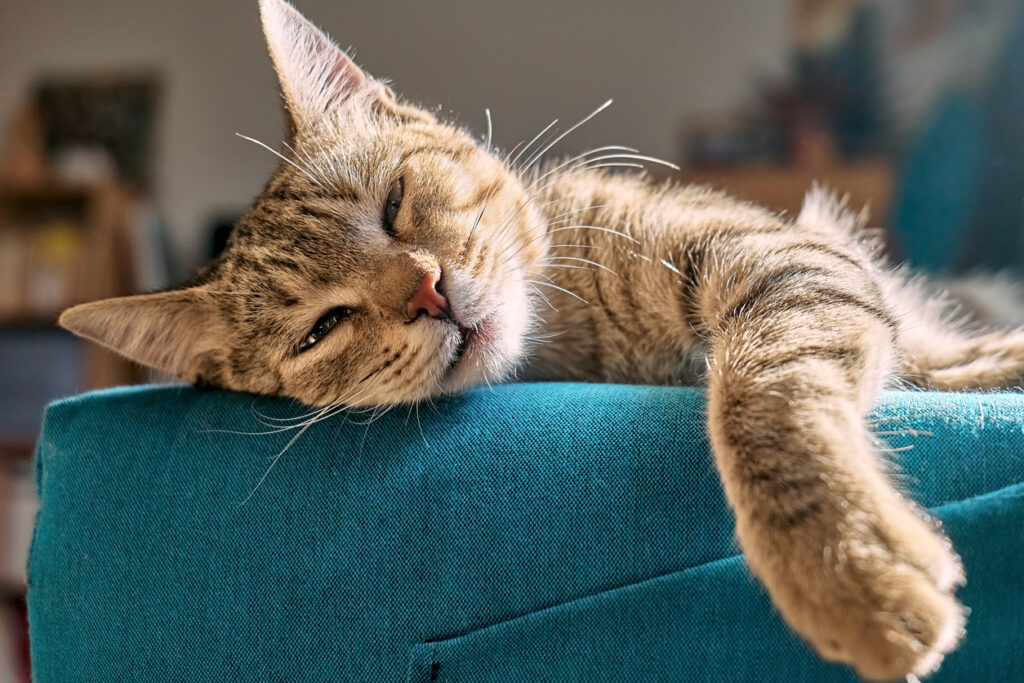
If you’ve ever bought your cat a beautiful, perfectly padded bed only to watch them ignore it in favour of a cardboard box, a pile of laundry, or your laptop keyboard, you’re not alone. It can feel random, almost stubborn. The truth is, it’s not random at all. Cats don’t just flop down wherever. They run a quiet little checklist in their heads every time they settle. Warmth, safety, scent, sound, routine, and even your behaviour all feed into the decision. What looks chaotic from the outside is usually very deliberate from their point of view.
Warmth comes first, almost every time.
Cats are built to conserve energy, and warmth helps them do exactly that. Their body temperature runs slightly higher than ours, so they’re constantly drawn to heat sources that make it easier to relax without burning calories. That’s why they stretch out in sunlight like tiny solar panels, wedge themselves against radiators, or plant themselves directly on your warm laptop seconds after you stand up.
You’ll probably notice their favourite spots change with the seasons. In winter, they gravitate towards the cosiest, most insulated corners of the house. In summer, the same cat who once adored your heated blanket might suddenly sprawl across the coolest tiles in the bathroom. They’re not being unpredictable. They’re just chasing the perfect temperature at any given moment.
Height makes them feel in control.

In the wild, height equals safety. A higher position gives a cat a clear view of everything happening below. Even though your living room doesn’t contain predators, their instincts don’t know that. A wardrobe top, bookshelf, or back of the sofa offers the same psychological comfort as a tree branch would outdoors.
When a cat sleeps up high, they can truly relax because they feel less vulnerable. They can monitor movement without being in the middle of it. That sense of control matters more to them than whether the surface looks comfortable to you.
Your scent is a powerful comfort signal.
Cats rely heavily on smell to understand their world. Your scent, in particular, represents safety, familiarity, and belonging. That’s why they gravitate towards your pillow, your worn jumper, or your side of the bed even when you’re not there.
It’s not just about affection, although that plays a role. Your smell reassures them that they’re in their territory and everything is as it should be. If your cat chooses your laundry basket over a brand-new cat bed, it’s probably because the basket smells like home.
They prefer predictable noise levels.
Cats are naturally alert sleepers. Even when they look deeply asleep, they’re still tuned into their environment. Sudden loud noises or constant movement make it harder for them to fully switch off.
That’s why they often relocate when guests arrive or when the house gets busy. A spare room, a quiet hallway corner, or even under the bed can feel safer when activity ramps up. They’re simply looking for the lowest chance of interruption.
Escape routes matter more than you’d think.

A cat rarely chooses a sleeping spot that feels boxed in without options. Even when curled up, they like knowing they can move quickly if needed. You’ll often see them positioned near doorways, at the edge of furniture, or facing outward rather than into a wall.
It’s instinctive behaviour rather than anxiety. Having a clear path out means they don’t have to stay half-alert. The knowledge that they can leave easily helps them settle more deeply.
They adjust to tiny temperature changes throughout the day.
Morning light hits one corner of the room, afternoon light shifts somewhere else. Heating cycles switch on and off. Even subtle differences in airflow can make one spot feel slightly better than another.
You might think your cat is being fussy when they rotate between three different places daily. In reality, they’re responding to small environmental changes you barely notice. Their comfort threshold is surprisingly precise.
They want to stay socially involved on their own terms.
Cats are often labelled as solitary, but most domestic cats are socially aware and selective rather than distant. Sleeping in shared spaces like the sofa while you watch television or on your desk while you work lets them stay close without being handled constantly.
It’s their way of being part of the group without sacrificing autonomy. They can observe, listen, and feel connected while still having the option to disengage whenever they choose.
Your mood can influence their choice.
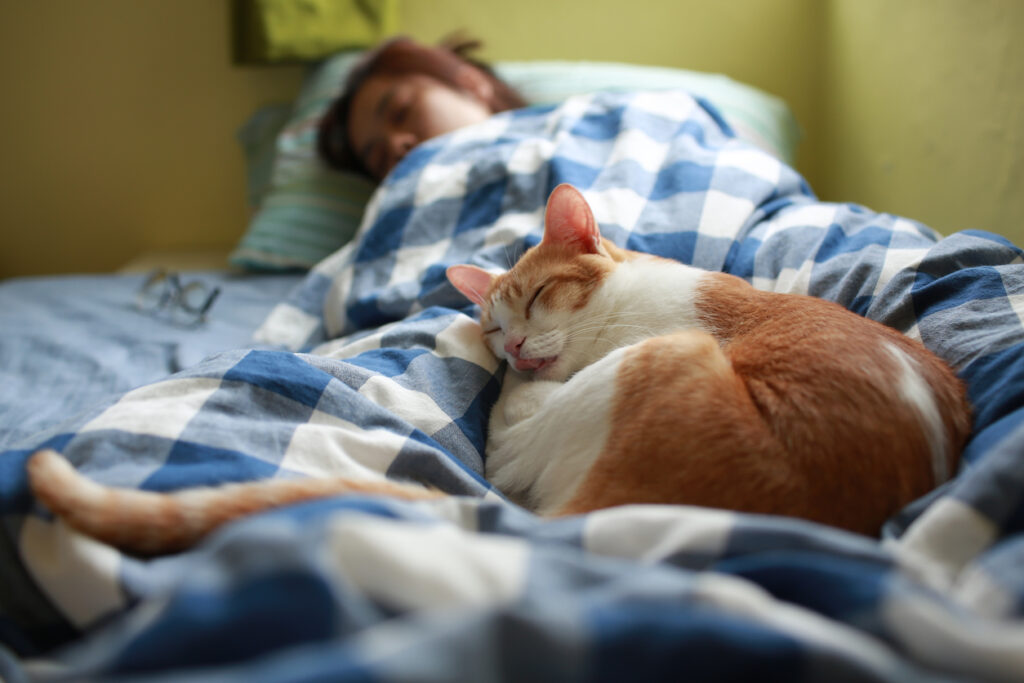
Cats pick up on subtle changes in behaviour, posture, and even scent when you’re stressed or unwell. Many owners notice their cat becoming clingier or choosing to sleep closer during difficult periods. They may not understand the reason behind your mood, but they do register change. Sleeping nearby could be their way of staying attuned to the situation, or simply responding to the shift in energy and routine.
Texture and surface feel are surprisingly important.
Some cats adore plush softness, while others prefer firmer surfaces. Cardboard boxes remain a universal favourite because they combine insulation, slight enclosure, and a stable base all at once. That’s why an expensive padded bed might lose out to an ordinary delivery box. The texture, the enclosed sides, and even the subtle warmth retention can make the box more appealing than something that looks better to human eyes.
They avoid drafts and inconsistent airflow.
A spot near a window might look cosy to you, but if there’s even a faint draft, your cat will likely move elsewhere. Cats prefer steady, predictable air rather than cold bursts or shifting currents. If your cat abandons a long-standing favourite corner, it’s often worth checking for a newly opened vent or window. Small environmental tweaks can completely change their comfort level.
Routine builds loyalty to certain spots.
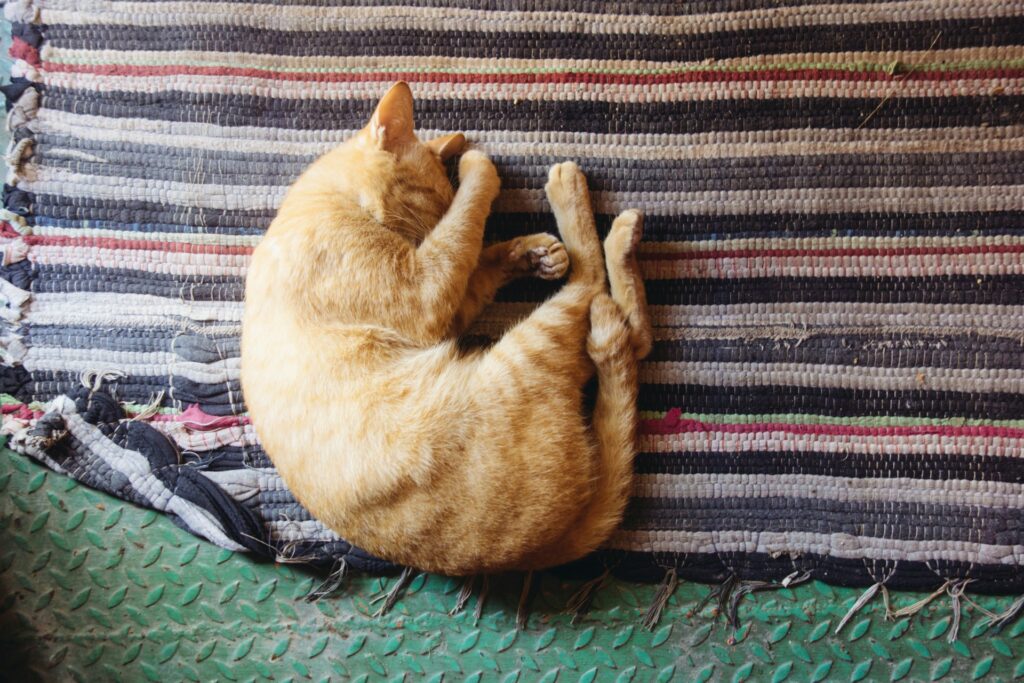
Cats love predictability. If a particular area has consistently felt safe and comfortable, they’ll build an attachment to it. Over time, that location becomes part of their daily rhythm. Breaking that routine, even by moving furniture, can temporarily unsettle them. Familiar sleeping spots offer stability in a world that otherwise changes on their schedule rather than yours.
They occasionally test new territory.
Even the most routine-loving cat will sometimes try out a new sleeping spot. This isn’t random experimentation. It’s a way of reassessing their environment and maintaining awareness of their space. If the new location feels secure and comfortable, it may join the rotation. If it doesn’t, they’ll drift back to their established favourites without much fuss.
Sometimes the answer really is simple.
After all the instincts, temperature calculations, scent preferences, and safety checks, there’s still one very straightforward reason. Many cats choose their sleeping spot because they like being near you.
Despite their independent reputation, cats form strong attachments. When they curl up beside you, rest a paw on your arm, or settle directly on your chest, it’s a sign of trust. Out of every warm, elevated, perfectly positioned place in the house, they’ve decided you’re the best option. That choice is rarely accidental.