Britain likes to present itself as a nation of nature lovers who care about countryside and wildlife, but the reality of how development gets approved tells a very different story.
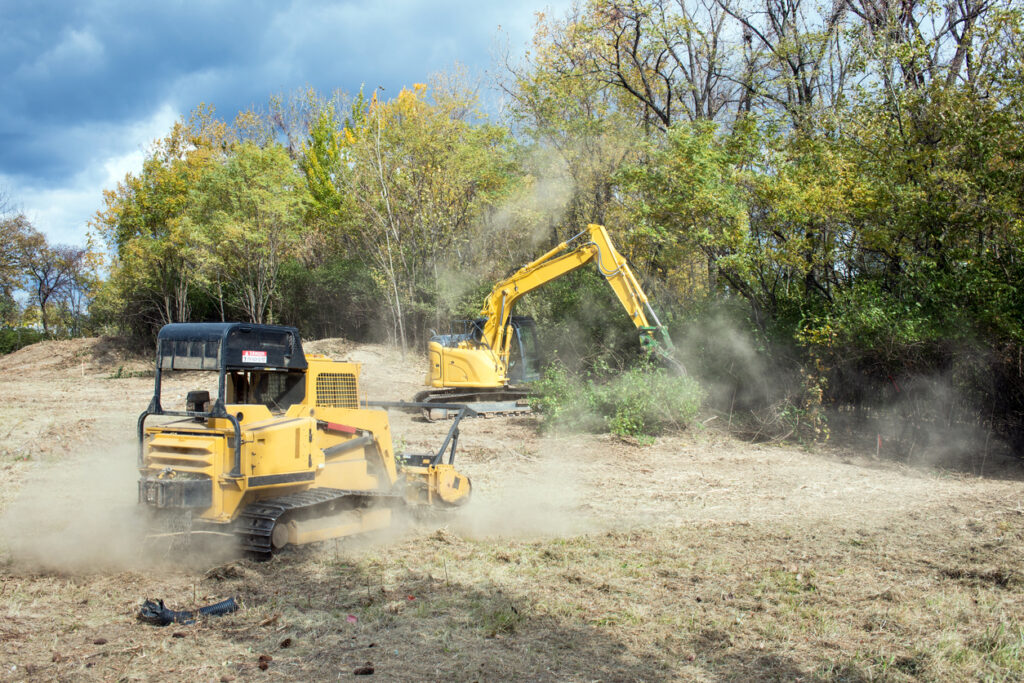
Developers routinely bulldoze hedgerows, fill in ponds, and flatten ancient woodlands while local councils wave it through with minimal resistance. The legal protections that supposedly safeguard wildlife habitats are full of loopholes, weakly enforced, and regularly overridden when money’s involved.
Systematic destruction happens quietly, one planning application at a time, so most people don’t realise how much habitat disappears until it’s already gone. Understanding how this process works reveals why Britain’s wildlife is in such steep decline, despite all the rhetoric about environmental protection.
Economic growth trumps ecological concerns.
When planning decisions get made, the economic benefits of development almost always outweigh environmental objections. Councils are under pressure to approve housing and commercial projects to boost local economies and meet government targets, so wildlife habitat becomes an acceptable sacrifice.
Developers frame projects as creating jobs and homes, which sounds more important than protecting habitats for species most people never see. The planning system is fundamentally weighted toward approving development, with refusals requiring strong justification while approvals just need to tick basic boxes.
Protected species surveys are easily manipulated.
Developers hire their own ecologists to survey sites, which creates an obvious conflict of interest. If you’re paying someone to assess whether protected species are present, there’s pressure to find results that don’t block your project. Surveys get timed for seasons when species are least visible, or conducted in ways that minimise the chance of finding anything problematic.
Even when protected species are found, developers can often proceed if they promise mitigation measures that sound good on paper but don’t actually work in practice.
Biodiversity net gain is mostly greenwashing.
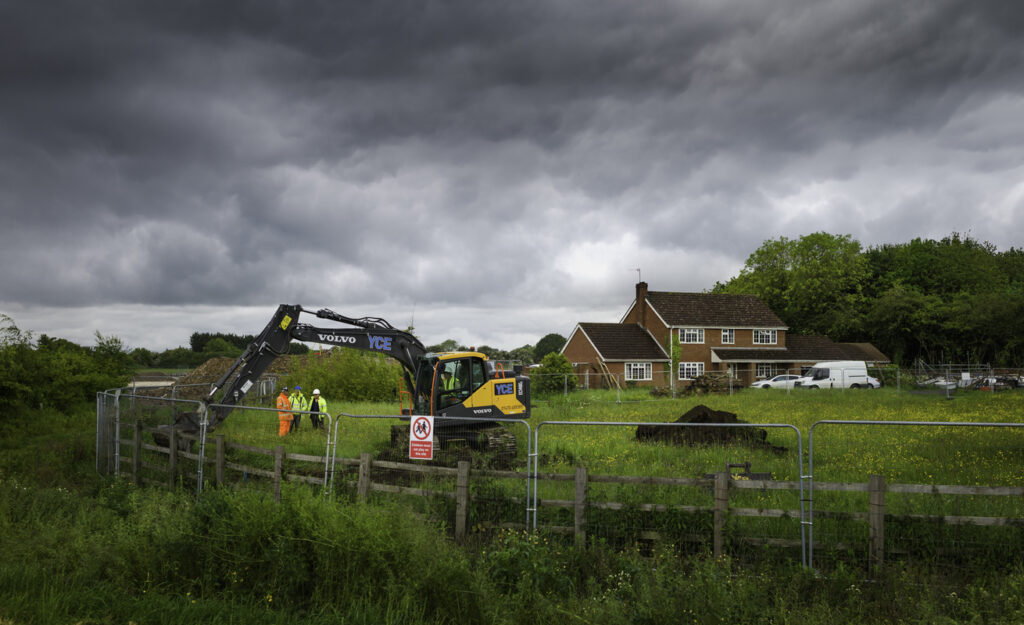
The new requirement that developments must achieve biodiversity net gain sounds protective, but it’s riddled with problems. Developers can destroy existing habitat and offset it by creating new habitat elsewhere, often of lower quality. The calculations are complex and easily gamed, with developers claiming implausible biodiversity improvements from planting a few trees or creating ponds. There’s little long-term monitoring to ensure promised habitat actually gets maintained, so developers can tick the box at planning stage then let it all go to ruin afterwards.
Ancient woodlands get sacrificed for infrastructure.
Despite supposed protection, ancient woodlands continue disappearing for roads, rail lines, and housing developments. Once gone, these irreplaceable habitats can’t be recreated, regardless of offsetting promises. The government regularly grants permission to destroy ancient woodland when projects are deemed nationally important, with HS2 being the most obvious example.
The idea that you can compensate for destroying 400-year-old woodland by planting saplings elsewhere is ecological nonsense, but it’s how the system operates.
Councils lack resources to enforce conditions.
Even when planning permission includes conditions to protect wildlife, councils don’t have the staff or budget to monitor compliance. Developers regularly ignore conditions about timing of works, habitat protection, or mitigation measures because they know nobody’s checking. By the time violations get noticed, the damage is often already done and there’s little appetite for forcing developers to undo completed work. The enforcement system is toothless, relying on self-reporting and complaints rather than proactive monitoring.
Agricultural land conversion faces minimal scrutiny.

Farmers can convert wildlife-rich meadows and margins into intensive agriculture with almost no oversight. Hedgerows get ripped out, ponds filled in, and rough grassland ploughed under without planning permission being required. The agricultural exemptions to planning rules mean huge amounts of habitat destruction happens legally and invisibly. While housing developments at least go through some planning process, agricultural intensification can eliminate habitat without anyone outside the farm even knowing it happened.
Piecemeal destruction avoids cumulative assessment.
Each development gets assessed individually without proper consideration of cumulative impacts. A housing estate here, a road widening there, a warehouse somewhere else might each seem manageable, but together they fragment and destroy vast amounts of habitat. The system doesn’t require developers to consider how their project combines with others to eliminate wildlife corridors and isolate remaining habitat patches. Death by a thousand cuts is very effective at destroying ecosystems, while each individual cut seems too small to matter.
Permitted development rights bypass proper planning.
Huge amounts of development happen under permitted development rights that don’t require full planning permission. Barn conversions, office-to-residential changes, and agricultural buildings can all be created without the ecological assessments that planning applications theoretically require. This creates a massive loophole where habitat destruction occurs without any environmental oversight. Developers specifically structure projects to qualify for permitted development to avoid scrutiny and conditions.
Mitigation measures are poorly designed and monitored.
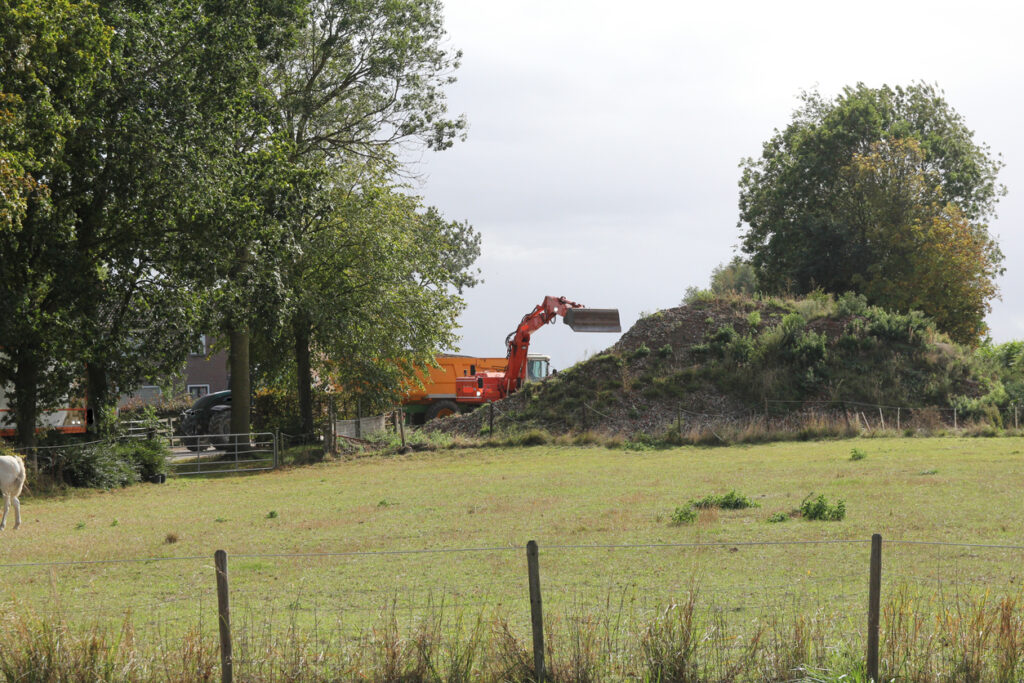
When developments do include mitigation for habitat loss, the measures are often inadequate and never properly checked. Bird boxes that never get used, ponds that dry up, wildflower meadows that turn into weed patches all count as mitigation on paper while providing no actual benefit to wildlife.
There’s no requirement for long-term monitoring to prove mitigation works, so developers can promise anything knowing they won’t be held accountable if it fails. The gap between what’s promised and what’s delivered is enormous.
Financial contributions replace actual habitat protection.
Developers can pay money into biodiversity offsetting schemes rather than protecting habitat on site. This turns ecological protection into a financial transaction, where wealthy developers can essentially buy permission to destroy habitat. The money theoretically funds habitat creation elsewhere, but there’s often years of delay, uncertain delivery, and no guarantee the replacement habitat will support the same species. Wildlife present on the development site gets displaced or killed while waiting for theoretical future habitat that might never materialise properly.
Environmental impact assessments get watered down.
The scoping process for environmental impact assessments allows developers to argue that certain impacts don’t need studying. Important habitat features get excluded from assessment if developers can claim they’re not significant, which conveniently reduces the objections their project faces.
The assessments themselves are written by consultants working for developers, creating an obvious bias toward minimising problems. Critical ecological information gets buried in hundreds of pages of technical documents that councillors don’t have time or expertise to properly evaluate.
Public objections about wildlife get dismissed.
When local people object to developments on ecological grounds, their concerns are routinely dismissed as emotional rather than scientific. Planning officers give far more weight to developer-funded ecological assessments than to observations from people who actually know the site and have seen the wildlife there.
The system treats local ecological knowledge as worthless compared to formal surveys, even when locals can provide evidence of species or habitat features the surveys missed. Dismissing public input means obvious ecological value gets ignored if the official assessment doesn’t capture it.