At a glance, a house cat and a wildcat don’t look worlds apart.
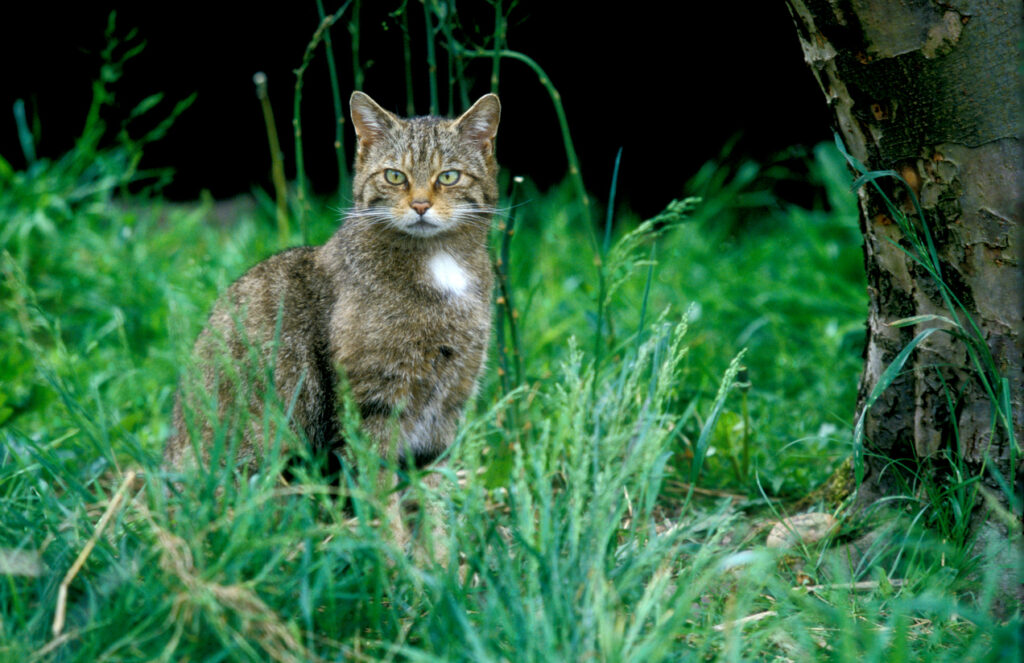
They have the same general shape, same sharp eyes, and same ability to stare at you like you’ve personally offended them. One sleeps on your sofa, the other lives in forests and scrubland, but people often assume the difference stops there. In reality, the strength gap between the two is far bigger than most expect.
Domestic cats are impressive in their own right, but wildcats are built for a completely different life. Their bodies, muscles, instincts, and sheer physical power are shaped by survival, not comfort. When you dig into how strong each really is, it becomes obvious just how much living in the wild changes what an animal is capable of, even when the species looks almost the same on the surface.
Wildcats have denser muscle packed into the same frame.
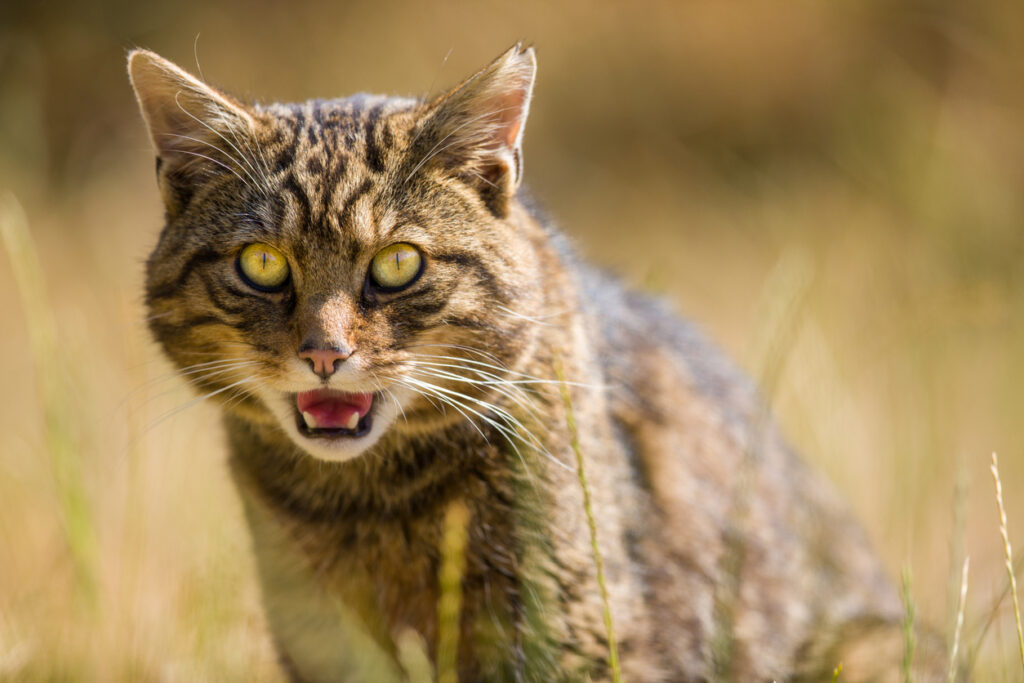
At a quick glance, a wildcat doesn’t look wildly bulkier than a house cat, which is exactly why people underestimate them. The difference sits under the fur. Wildcats carry a much higher percentage of lean muscle, especially across the shoulders, thighs, and core because their bodies are built through constant use rather than short bursts of play. Every stalk, chase, climb, and kill reinforces that muscle in a way a domestic cat simply never experiences.
House cats can be strong for their size, but their strength is optional rather than essential. If they skip a day of activity, nothing bad happens. For a wildcat, muscle isn’t a bonus feature, it’s survival equipment. Miss a meal, fail a hunt, or lose strength, and the consequences show up fast.
Bite force is far stronger in wildcats.
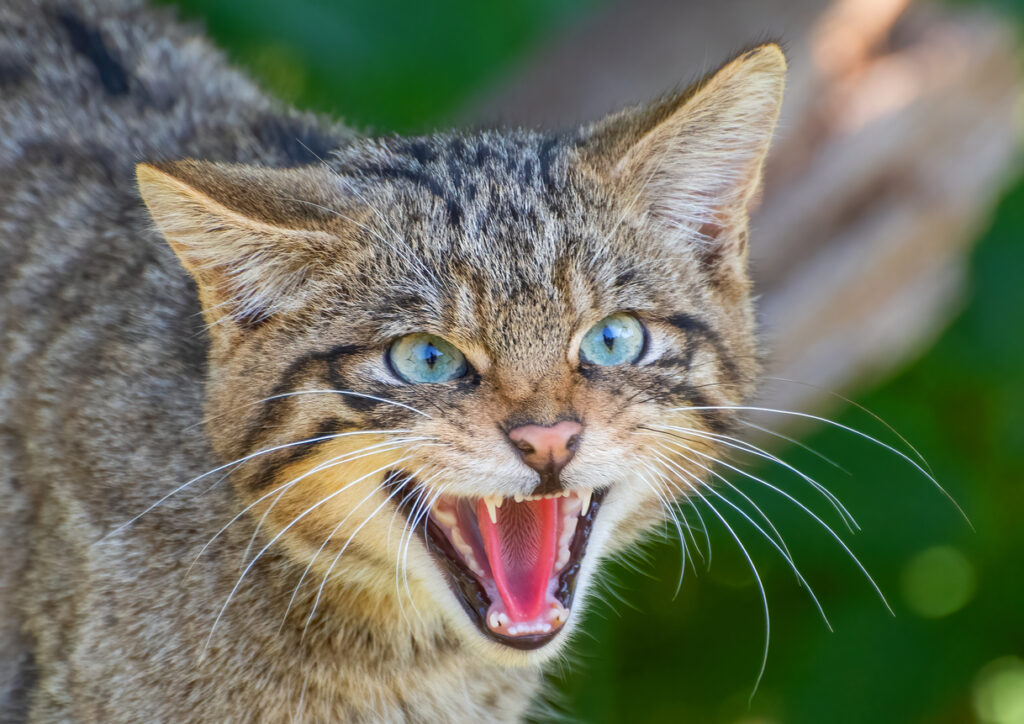
A wildcat’s jaw isn’t just sharp, it’s powerful in a very deliberate way. Their bite has to end a struggle quickly, often against prey that’s thrashing, kicking, or trying to escape. That need shapes everything from jaw muscle size to skull structure, creating a bite that’s efficient, controlled, and decisive.
Domestic cats still bite, but they rarely need to commit their full force. Most of their food doesn’t fight back, and even when they hunt, the stakes are lower. Over time, that difference adds up. Wildcats don’t have the luxury of half-effort when it comes to their jaws.
Forelimb strength is built for grappling, not batting.

Watch how a wildcat uses its front legs and you’ll see the contrast straight away. These limbs aren’t just quick, they’re powerful enough to grab, hold, and control another animal mid-fight. Their forearms and shoulders work together to pin prey while the rest of the body does its job.
House cats use their front paws more for balance, climbing, and light hunting. Even when they catch something, it’s usually over quickly. Wildcats deal with resistance regularly, and their limbs reflect that reality. Strength isn’t theoretical for them, it’s tested constantly.
Shoulder structure gives wildcats more raw power.
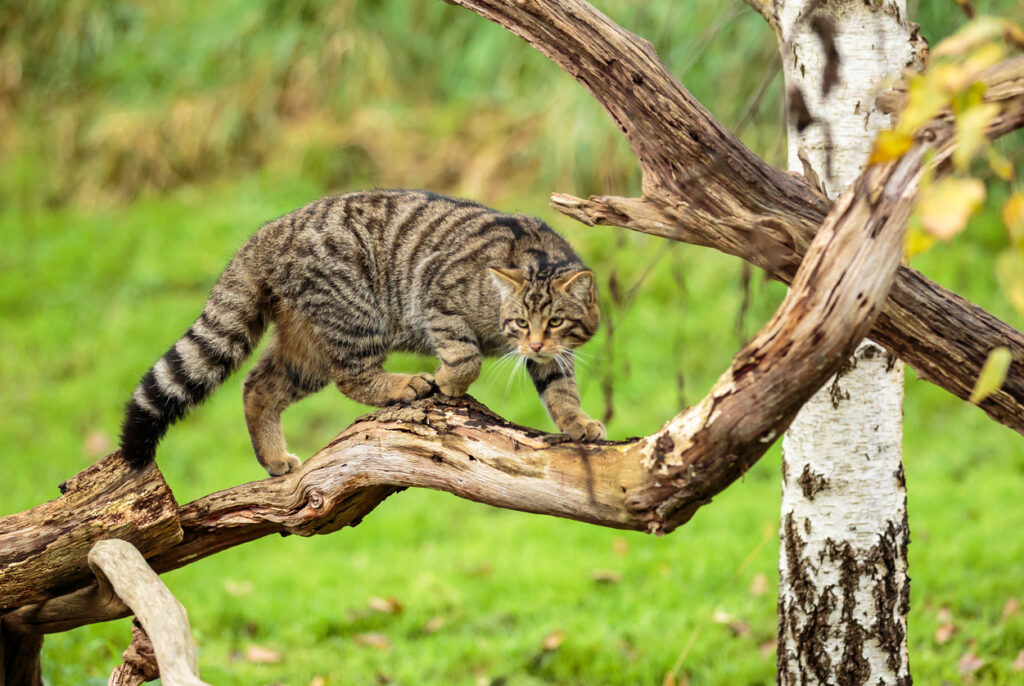
The shoulder girdle of a wildcat is thicker and more reinforced, which matters more than most people realise. Strong shoulders mean stronger lunges, more controlled landings, and the ability to carry struggling prey without losing balance. That extra stability translates directly into power.
Domestic cats are built with flexibility as the priority. That’s why they twist, squeeze, and climb so effortlessly. Wildcats still have flexibility, but their shoulders are designed to handle force first and finesse second, because brute strength often decides the outcome in the wild.
Neck muscles are built to control struggling prey.

A wildcat’s neck looks deceptively ordinary until you see it in action. Those muscles are doing serious work, holding prey steady, resisting violent movement, and keeping teeth exactly where they need to be. That strength also offers protection during fights with rivals or predators.
House cats rarely need that level of control. Even outdoor hunters usually deal with smaller, weaker prey. Without constant resistance, those neck muscles never reach the same level of development, no matter how active the cat seems at home.
Bone density is higher in wildcats.
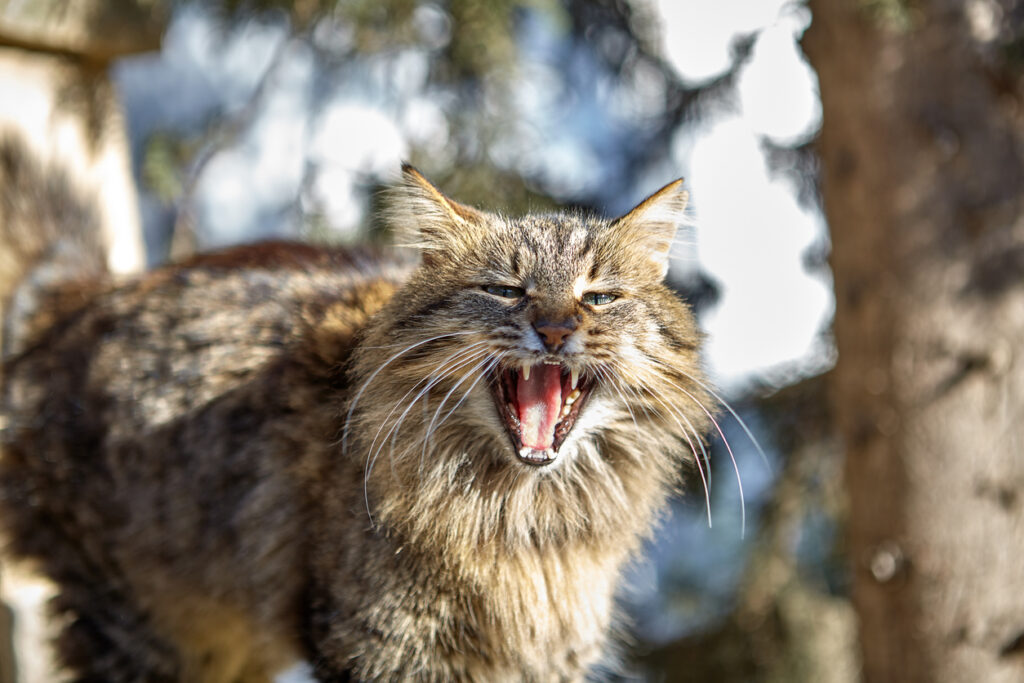
Muscle is only half the story. Wildcats also have denser, tougher bones, which allow them to absorb repeated impacts without injury. Leaping, landing, climbing with weight, and fighting all put stress on the skeleton, and wildcats are built to handle it day after day.
Domestic cats still have impressive skeletal strength, but their bones aren’t reinforced by constant high-risk movement. Falls from a sofa or climbing frame don’t compare to the physical demands of life outdoors, where every misstep can hurt or kill.
Grip strength is noticeably different.
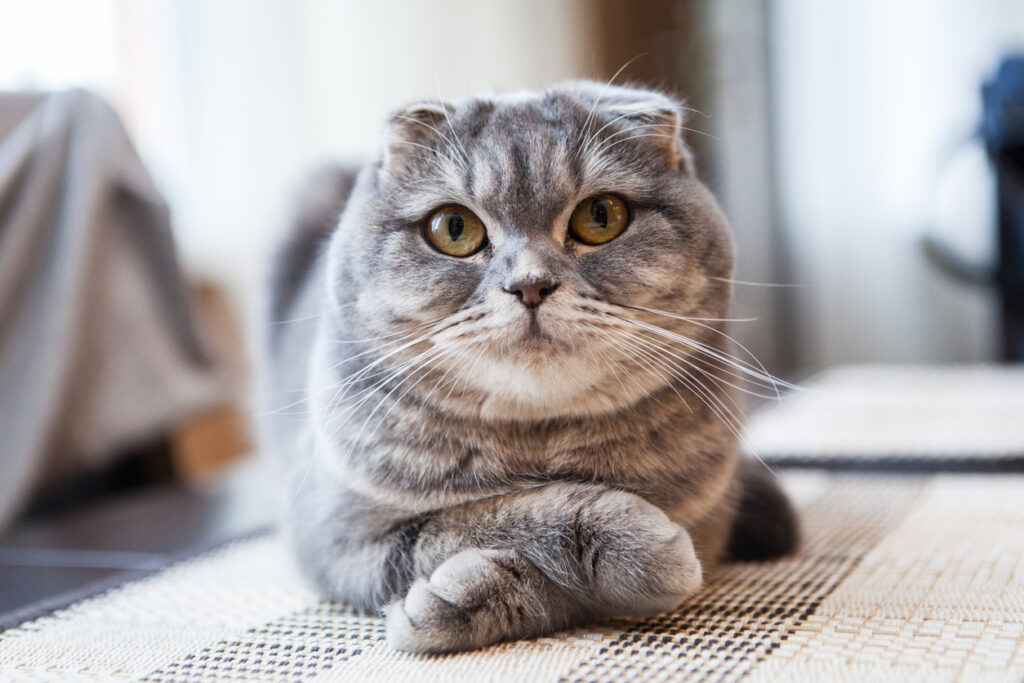
A wildcat’s grip isn’t just about sharp claws, it’s about what sits underneath them. The muscles in their paws and forearms are built to hold onto prey that’s twisting, kicking, and actively trying to escape. Once a wildcat clamps down, letting go isn’t easy, even if the prey is strong or panicking.
House cats have excellent grip for climbing curtains, scaling fences, or clinging to the back of the sofa like their life depends on it. But that grip isn’t regularly tested against resistance. Toys don’t fight back, and scratching posts don’t struggle, so the muscles never develop the same crushing strength.
Back legs deliver more explosive force.
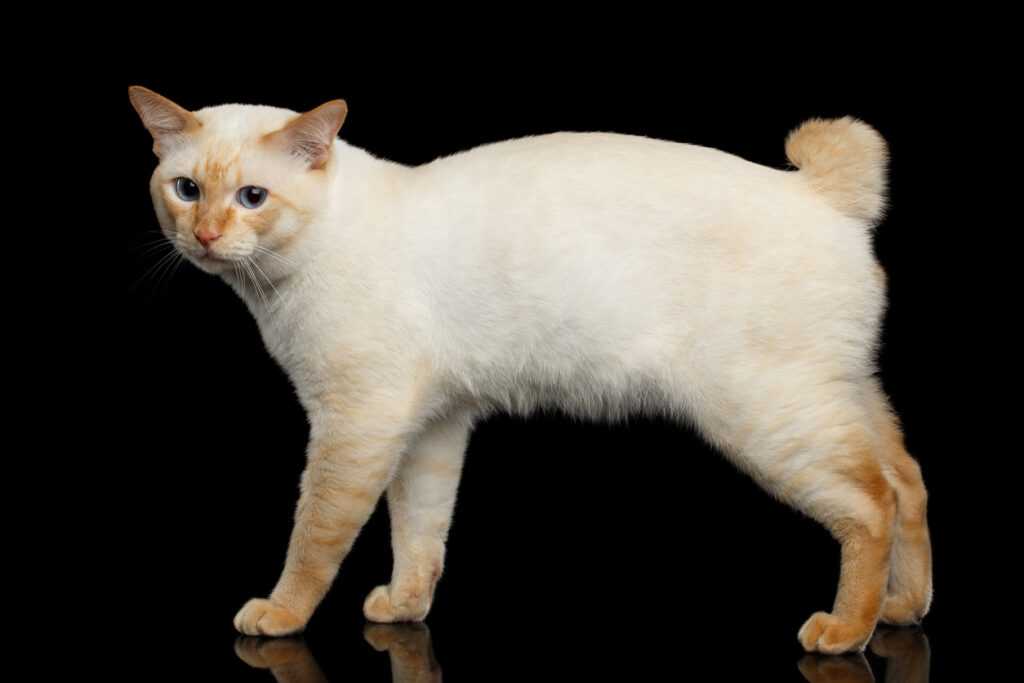
Wildcats rely heavily on their hind legs to survive. Those legs aren’t just for jumping onto things, they’re for launching full-body attacks, escaping danger in seconds, and covering ground fast when a hunt goes wrong. That repeated demand builds powerful muscle that can release energy instantly.
Domestic cats can jump impressively high, but they don’t need to do it repeatedly under pressure. Their leg strength is built for agility and short bursts, not repeated, full-power launches that decide whether they eat or go hungry.
Endurance plays a role in overall strength.
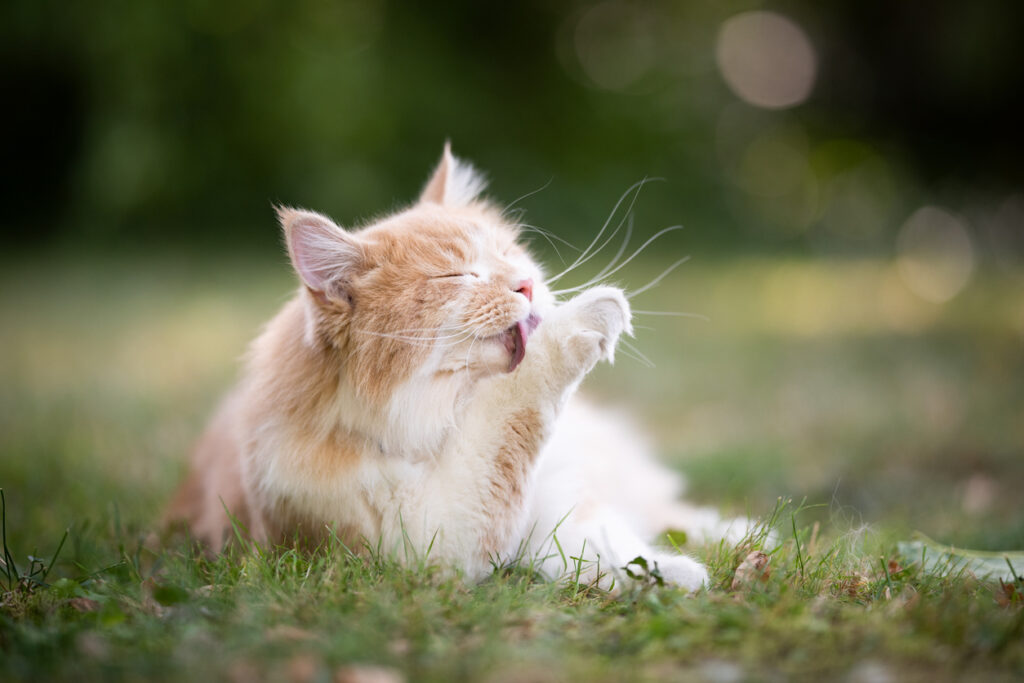
Strength isn’t just about how hard you can hit once. It’s about how long you can keep going when things don’t end quickly. Wildcats spend long periods moving, stalking, circling territory, and tracking prey before any payoff happens.
House cats work in short bursts followed by long naps, which makes sense when food is guaranteed. Wildcats don’t have that luxury. Their muscles are conditioned to keep working, not just perform one dramatic leap and call it a day.
Wildcats can overpower prey their own size.
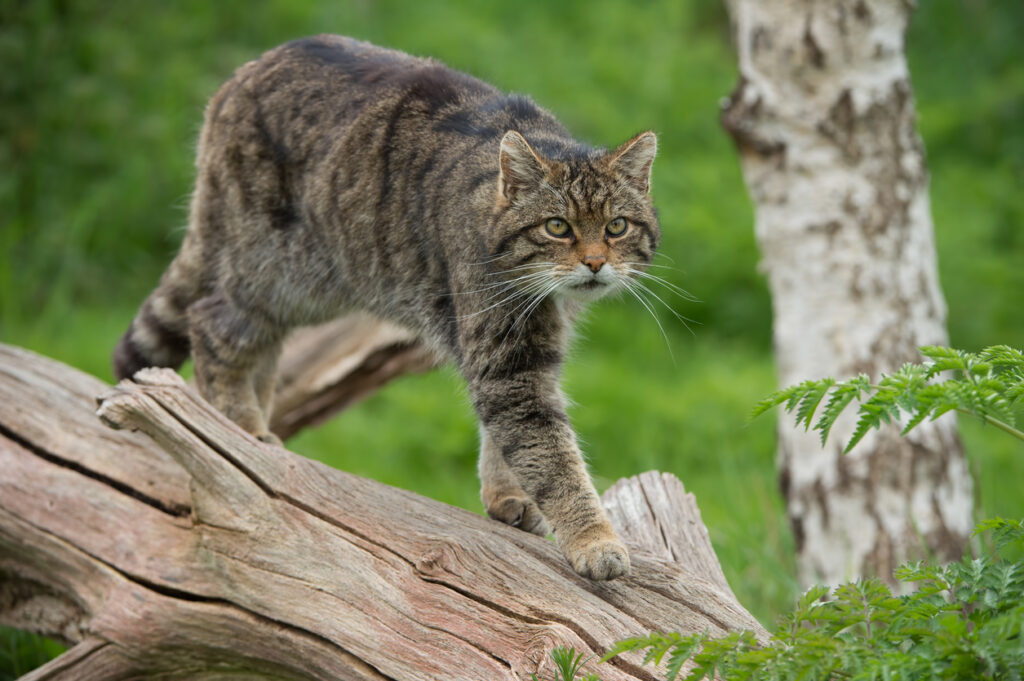
This is where the difference becomes impossible to ignore. Wildcats regularly take on animals that are fast, strong, and not massively smaller than themselves, including rabbits and other muscular prey. That takes technique, strength, and confidence built through experience.
A house cat might try its luck with similar animals, but success rates are much lower. The physical demands are simply higher than what most domestic cats are built to handle, no matter how fierce they look pacing the garden.
Defensive strength is part of the package.
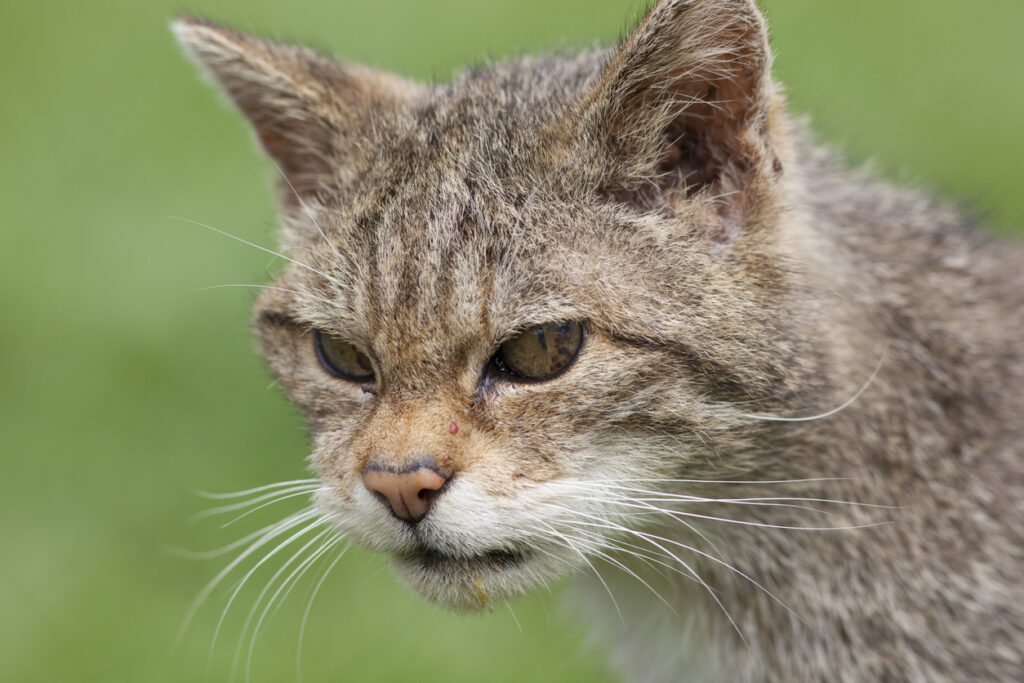
Wildcats don’t just use strength to hunt. They use it to defend territory, protect themselves, and stand their ground when escape isn’t an option. Fights with other wildcats or predators aren’t rare events, and weakness isn’t tolerated for long.
Domestic cats tend to avoid serious confrontation. Their best defence is retreat, not overpowering an opponent. Because they don’t need to fight regularly, the physical conditioning that comes with it never fully develops.
Lifestyle, not species alone, creates the gap.
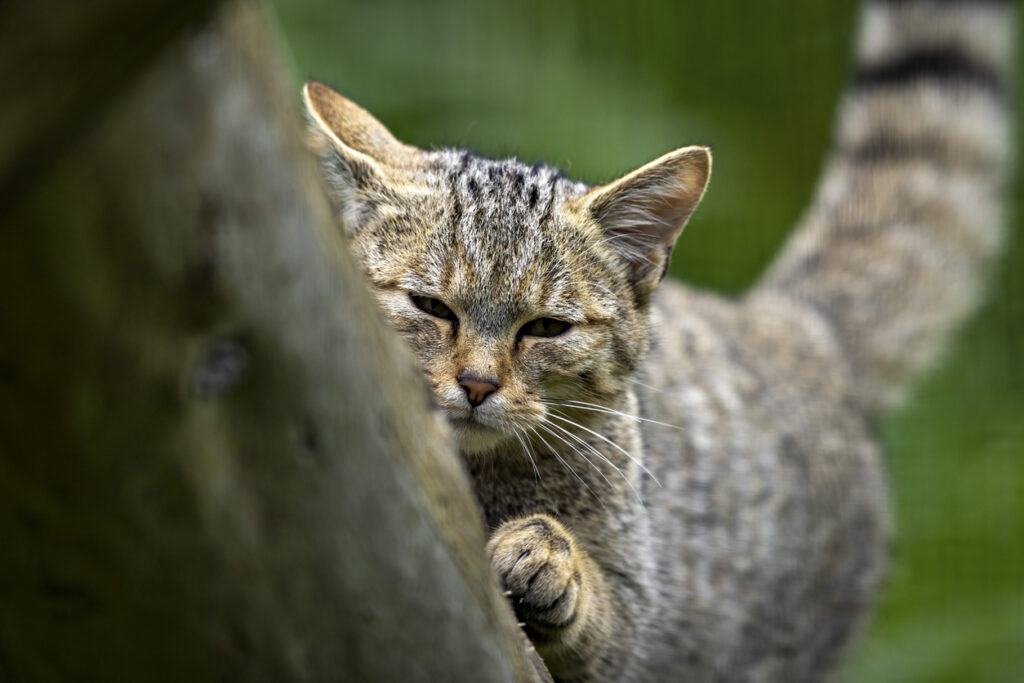
The biggest takeaway is that this difference isn’t about one being “better” than the other. It’s about what life demands from them. Wildcats grow up in a world where every muscle matters, every movement counts, and weakness has consequences.
Put a domestic cat into that world, and it would change dramatically, not because it suddenly became tougher by choice, but because the environment would force its body to adapt. Strength comes from necessity, and wildcats live with that pressure from the moment they’re born.