Most people look at their garden and see weeds, mess, and things they keep meaning to clear out.
What they don’t realise is that some of that scruffy, unruly growth can actually be worth real money. Not “sell your house and retire” money, but enough to make you rethink yanking everything out on a Sunday afternoon.
From plants people pay for to ingredients restaurants and foragers actively hunt down, gardens can hide some surprisingly valuable bits and pieces. A lot of it grows on its own, no effort required, while people spend good money elsewhere buying the exact same stuff. Before you reach for the strimmer or bin bag, it’s worth knowing what might already be earning its keep right under your nose.
1. Elderflowers and elderberries
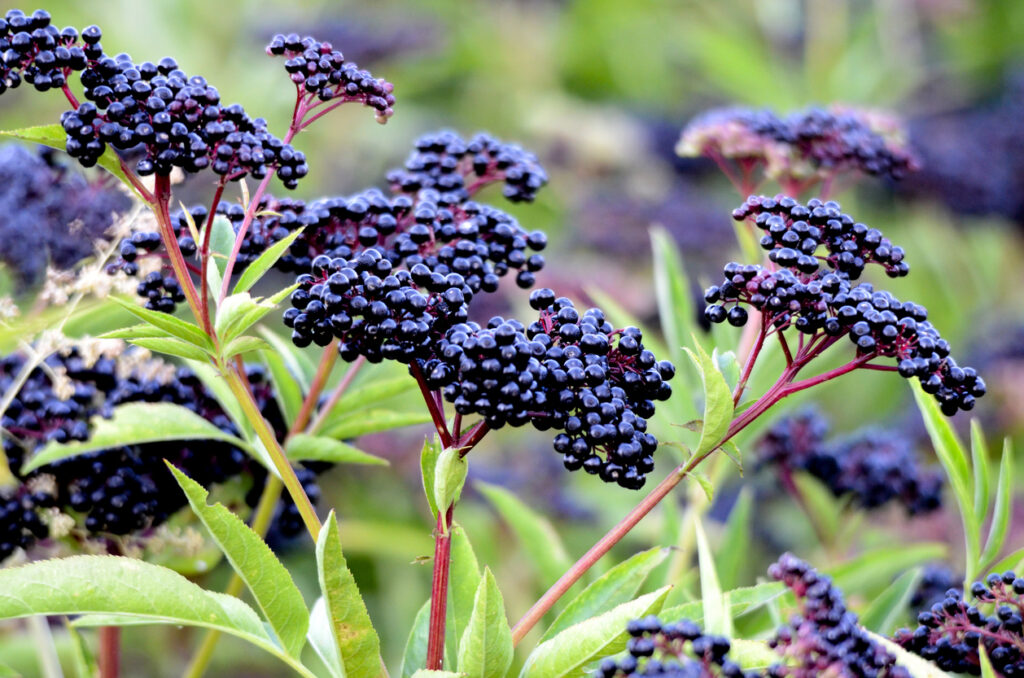
Elder trees grow everywhere in the UK, often popping up in hedgerows and neglected corners of gardens. The flowers appear in late spring and early summer, creating those distinctive white umbrella-shaped clusters that smell sweet and slightly musty. You can sell fresh elderflowers to local restaurants, farm shops, or people making cordial and wine. Elderberries come later in autumn and have similar market appeal. Some foragers make decent side income during the season because demand from home brewers and crafters stays high. The key is picking at the right time when flowers are fully open but not browning.
2. Wild garlic
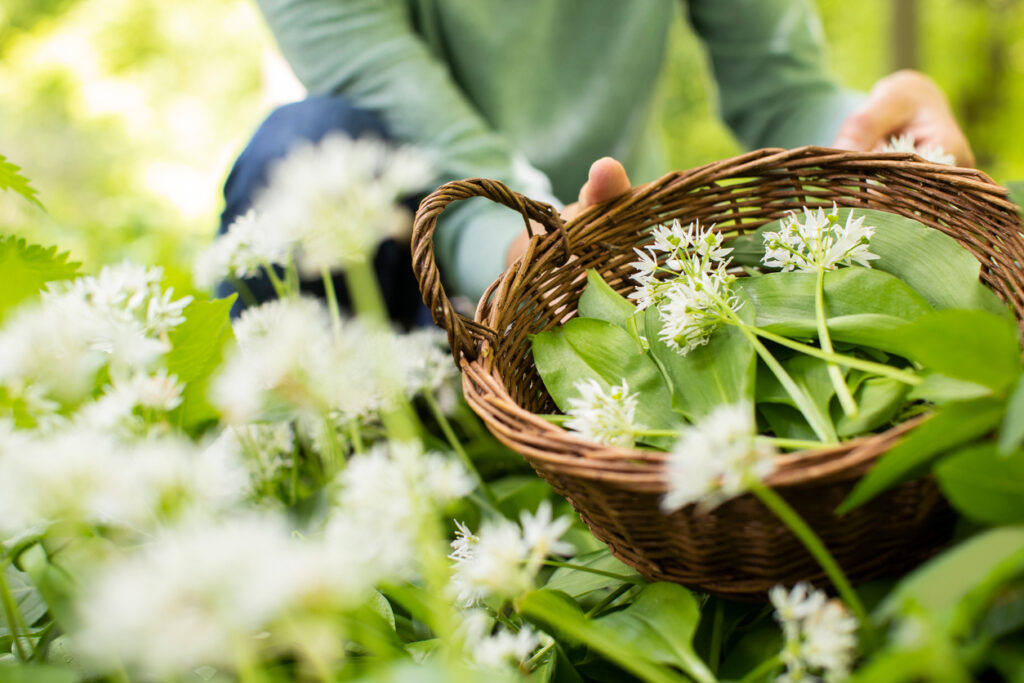
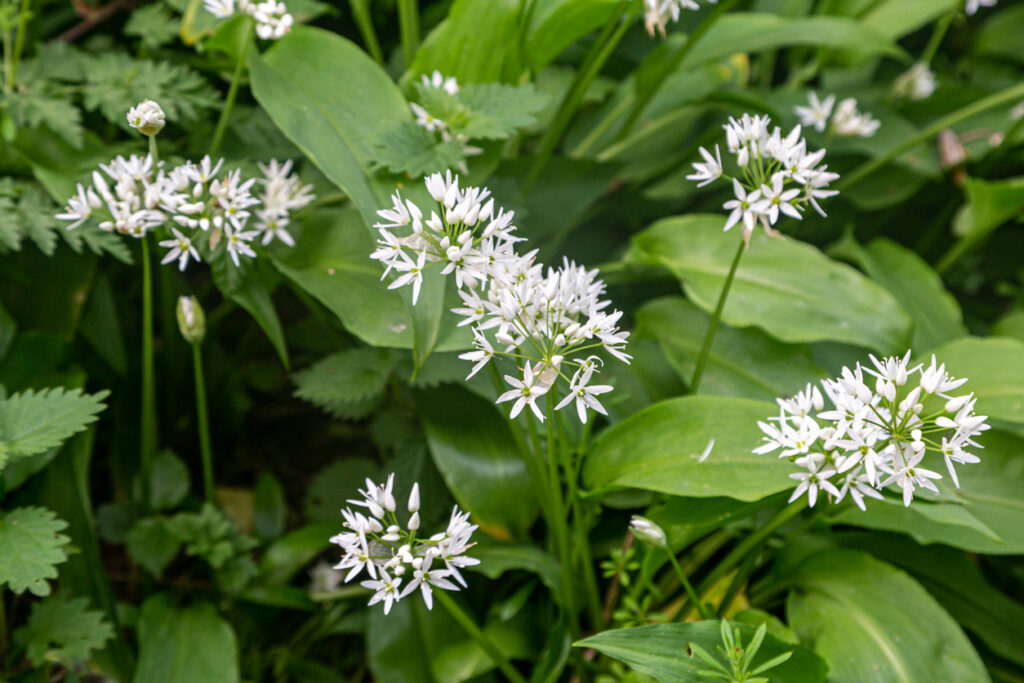
If you’ve got damp, shady areas in your garden, wild garlic often establishes itself and spreads enthusiastically. The leaves appear in early spring before most other plants wake up, and both the leaves and flowers are edible with that distinctive garlicky flavour. Restaurants and farm shops pay well for fresh wild garlic because it’s trendy and the season is short. You can also make it into pesto or butter to sell at farmers’ markets. The plant comes back every year and requires zero maintenance, so it’s essentially free money if you’ve got it growing.
3. Blackberries
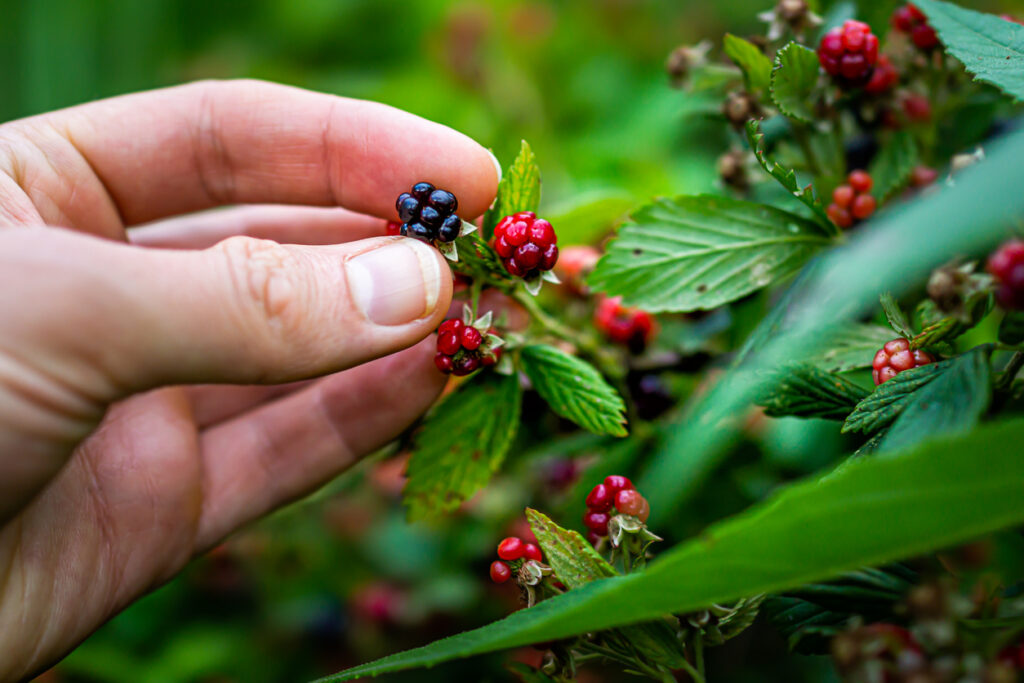
Brambles are considered a pest by most gardeners, but those berries have value if you’re willing to pick them. Fresh blackberries sell well at farmers’ markets, farm shops, or directly to people making jam. You can also freeze them and sell them year-round to home bakers. The picking is tedious and prickly, which is exactly why people will pay rather than do it themselves. If you’ve got a good bramble patch, you can harvest kilos during the season without making a dent in what’s growing.
4. Nettles
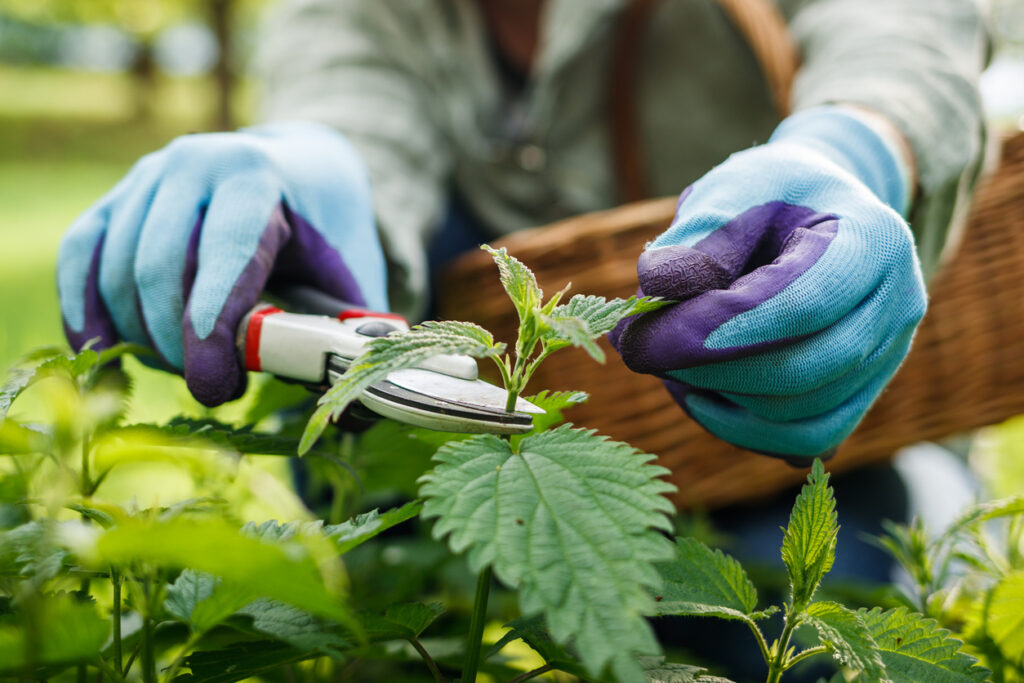
Stinging nettles are everywhere in the UK and most people just curse them, but they’re actually worth something. Young nettle tops in spring are used for soup, tea, and as a spinach substitute in cooking. Health food shops and some restaurants buy them, and there’s a market for dried nettles for tea blends. They’re also used in natural dyeing for textiles, giving a lovely yellow-green colour. You need gloves to harvest them, but they grow in huge quantities and you’re probably trying to get rid of them anyway.
5. Dandelions
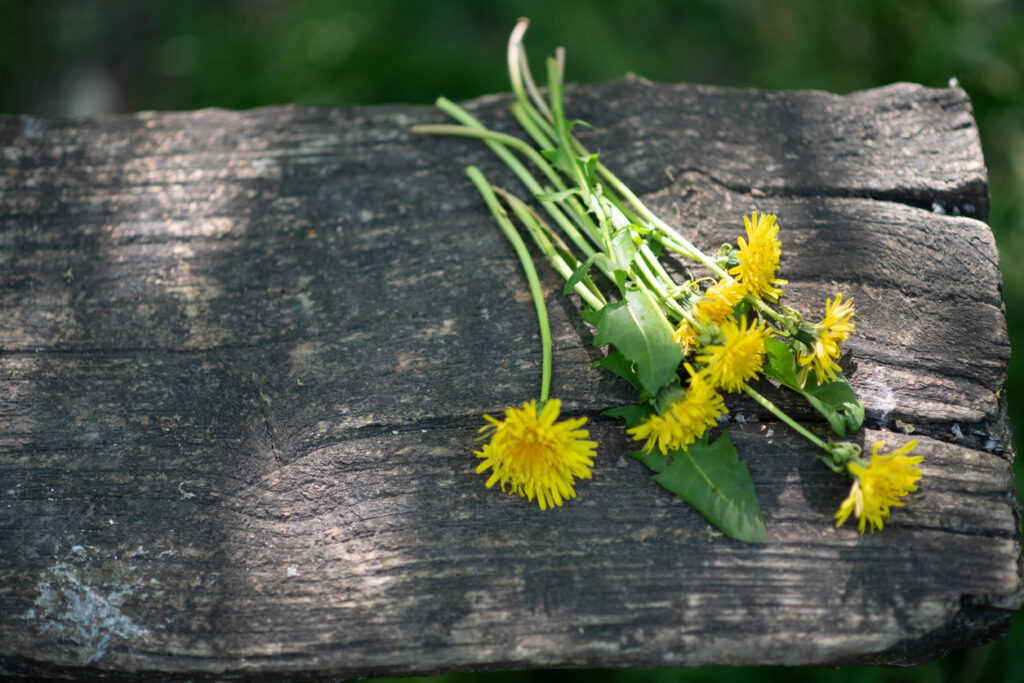
Every part of the dandelion is useful and potentially sellable. The leaves go in salads, the roots can be roasted for coffee substitute, and the flowers make wine. There’s growing interest in foraged ingredients, so farm shops and health food stores sometimes buy them. You can also dig up the roots and sell them dried for herbal tea. Dandelions are considered weeds, so you’ve got unlimited supply if you don’t spray your lawn. The young leaves in spring are least bitter and most valuable.
6. Sloes
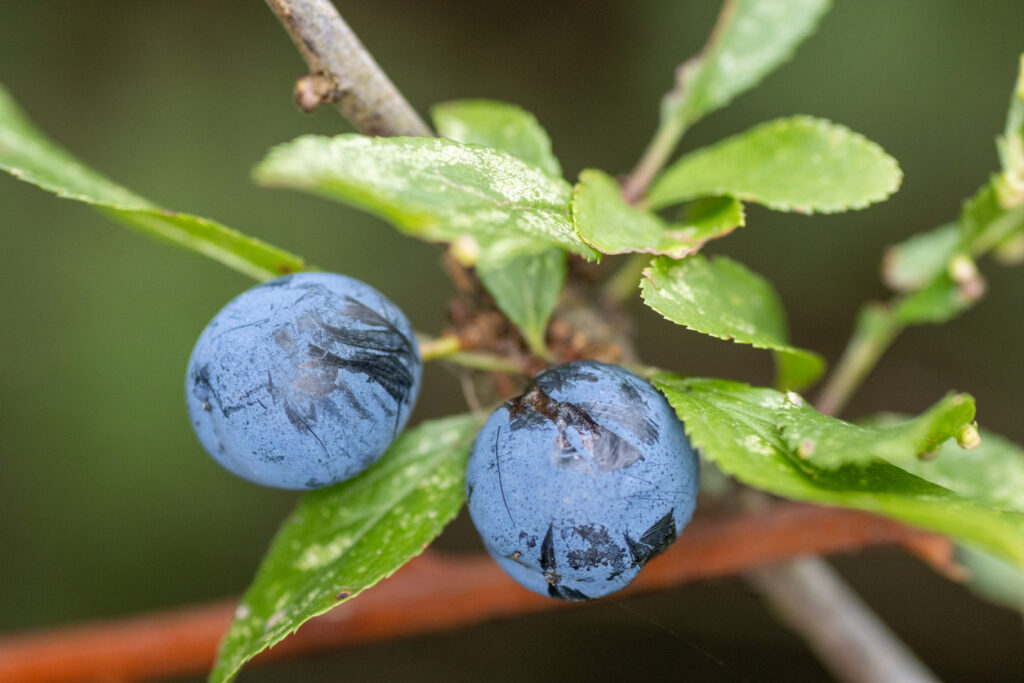
Blackthorn bushes produce sloes in autumn, those small dark berries that are far too bitter to eat raw but perfect for making sloe gin. The demand for sloes peaks every September and October when people start their Christmas gin. You can sell them fresh to individuals or farm shops, and some distilleries buy them in bulk. They’re time-consuming to pick because the bushes are viciously thorny, which is why people pay rather than harvest their own. A good blackthorn hedge can produce kilos of sloes each year.
7. Rosehips
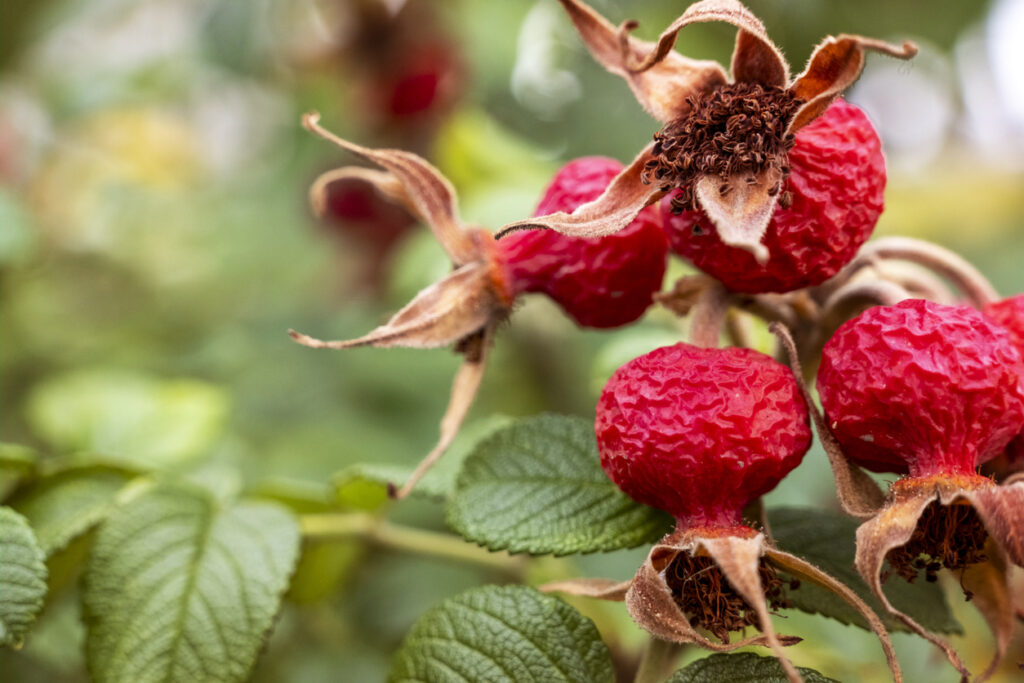
Wild roses often grow in hedges and neglected areas, producing rosehips in autumn after the flowers finish. These bright red or orange fruits are packed with vitamin C and used for tea, syrup, and preserves. Health food shops buy them dried, and some jam makers want them fresh. There’s also a market for rosehip oil in skincare, though processing that yourself is complicated. The hips need to be picked after the first frost when they’re soft, and you’ll need to remove the irritating seeds if selling for culinary use.
8. Hawthorn berries

Hawthorn grows wild throughout the UK, and the berries that appear in autumn have both culinary and medicinal uses. They’re used in herbal medicine for heart health, so there’s a market for dried berries among herbalists and health food shops. You can also sell them for making hawthorn jelly or wine. The berries contain pectin, which helps jam set, so preserve makers sometimes buy them for that purpose. Picking is slow because the thorns are brutal, but the trees produce huge amounts.
9. Horseradish
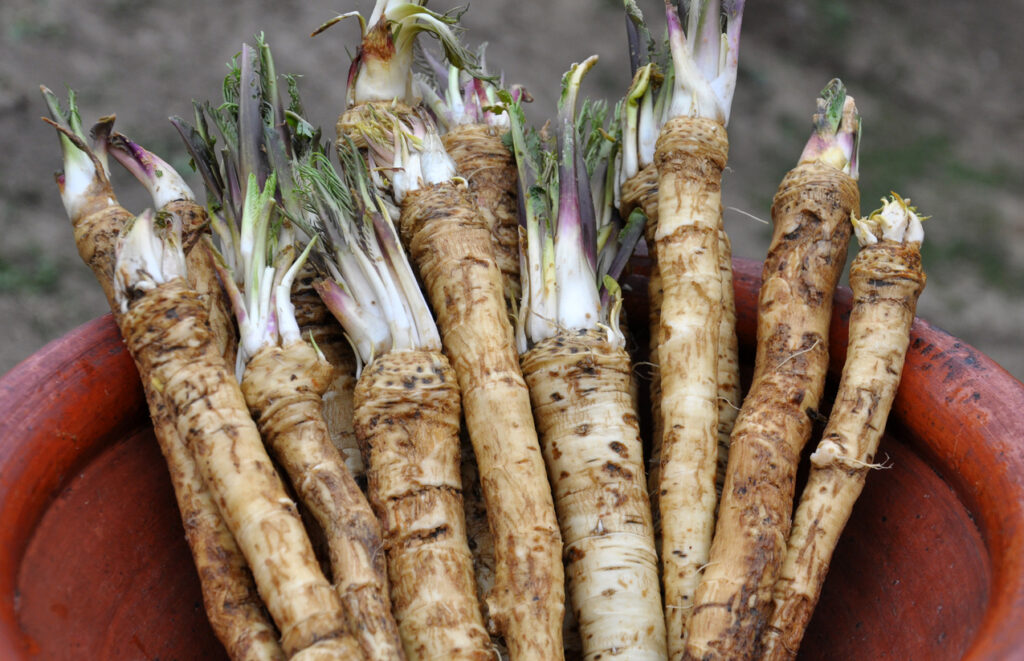
If horseradish has established itself in your garden, you’ve essentially got a renewable crop that’s worth money. The roots are used fresh for making horseradish sauce, and delis, farm shops, and restaurants buy them. It spreads aggressively once planted, so most people are trying to control it rather than grow more. You can harvest the roots in autumn and winter when the flavour is strongest. Fresh horseradish sells for decent money because most people buy the jarred stuff and don’t realise how much better fresh tastes.
10. Wild mint

Various mint species grow wild in damp areas and spread like crazy once established. Fresh mint sells well to restaurants, farm shops, and at farmers’ markets because it’s used in everything from cocktails to lamb dishes. You can also dry it for tea or make it into products like mint sauce. The plant requires zero care and actually needs controlling rather than encouraging. Regular cutting for sale keeps it manageable while generating income from something that would otherwise take over your garden.