
Across the UK, ecologists are increasingly vocal about everyday garden habits that seem harmless but quietly damage wildlife. These practices disrupt soil health, drive away native species, and make it harder for struggling creatures to survive. Many habits come from old advice or convenience, but changing them has a real impact on local ecosystems, and it’s not a good one.
1. Stripping gardens of fallen leaves for a “tidy” look
Ecologists say removing every leaf layer takes away shelter for insects, hedgehogs, and amphibians that rely on that natural cover. The leaf layer also protects soil and helps it hold moisture through winter, which matters when weather swings hit harder each year. A bare garden floor becomes a harsher place for wildlife.
Leaving pockets of leaves under shrubs or in corners supports the creatures that keep your garden healthy. It keeps soil richer and gives small animals space to hide, so a less tidy approach ends up creating a more balanced garden overall.
2. Using weedkillers and pesticides as the first solution
These chemicals wipe out more than the weeds or pests people target, and they linger in soil long after spraying. Ecologists see dramatic drops in insects, worms, and soil life where gardeners rely on chemical fixes, which eventually weakens plant health rather than improving it. Damage spreads quietly each season.
Hand-weeding small areas or using mulch to reduce weed growth supports healthier soil. Once you break the habit of automatic spraying, you’ll notice more insects returning, which helps the whole garden recover naturally.
3. Cutting lawns too short and too often
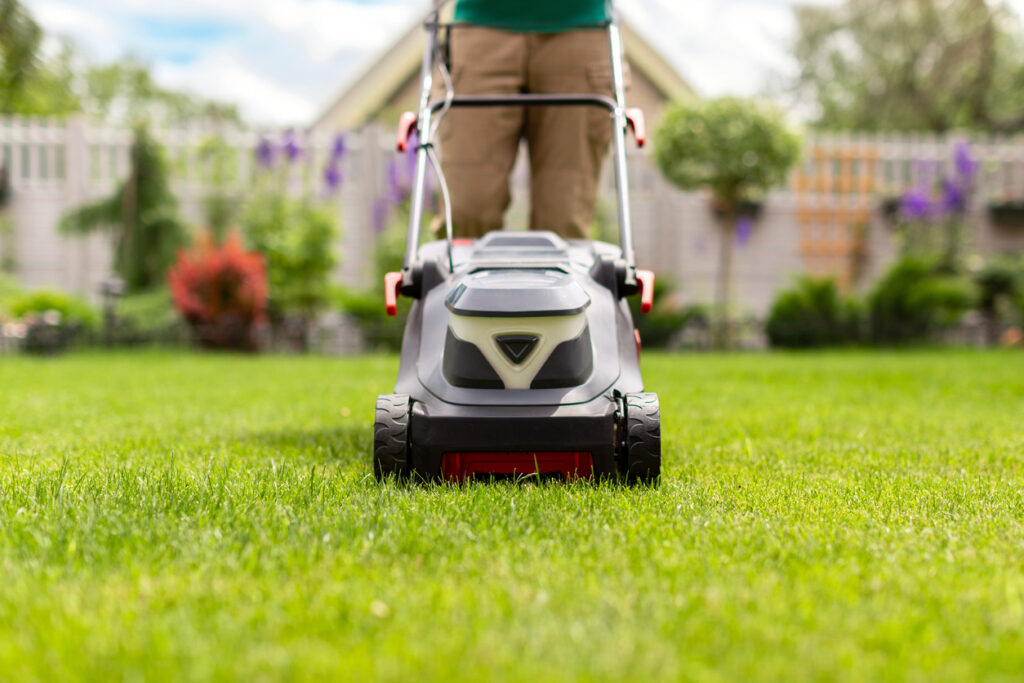
Short, scalped lawns remove pollen sources, shelter, and moisture from the space wildlife depends on. Ecologists warn that over-cutting weakens grass, encourages weeds that actually thrive in stressed soil, and leaves no room for bees or butterflies to forage. A perfect lawn quickly becomes a wildlife desert.
Letting the grass grow slightly longer or leaving small patches untouched encourages native plants to appear. This simple adjustment attracts more pollinators and helps your garden feel more alive without sacrificing appearance.
4. Removing old wood, branches and dead stems too early
Dead wood is one of the most important habitats in British gardens because countless insects, spiders, and fungi depend on it. Clearing it away for tidiness removes entire mini ecosystems overnight. Ecologists say this habit has become a quiet crisis for declining species.
Keeping a small log pile or leaving stems until spring makes a noticeable difference. It creates safe spaces for overwintering insects, which then support birds and other wildlife once the weather warms.
5. Blocking holes and gaps that animals use for movement
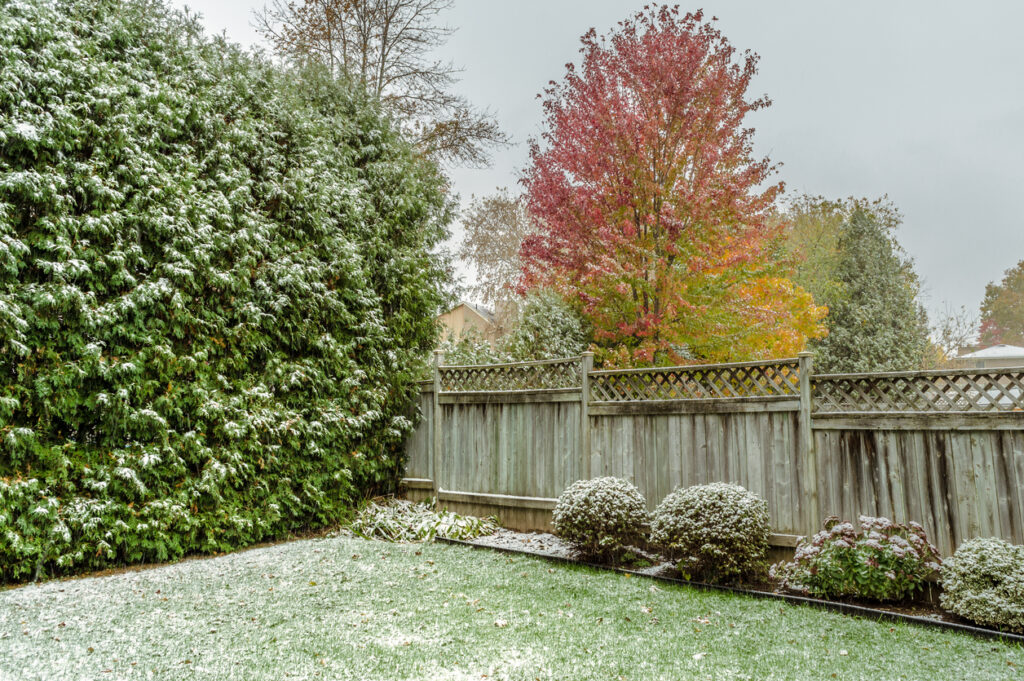
Wildlife corridors keep hedgehogs, frogs, and small mammals moving safely between gardens, but fencing everything off traps them. Ecologists warn that blocked boundaries cut animals off from feeding sites and breeding areas, increasing mortality. Many species now struggle because modern gardens are sealed too tightly.
A simple gap at the base of a fence helps wildlife travel without affecting privacy. This small change builds a network of safe routes across entire neighbourhoods, which ecologists say is one of the easiest wins for declining species.
6. Overfeeding birds with the wrong foods
Feeding birds seems helpful, but ecologists say it causes harm when cheap mixes attract aggressive species or spread disease. Mouldy food and dirty feeders become hotspots for illness, which then affects local populations. Good intentions can quickly take a damaging turn.
Using better-quality seed and cleaning feeders regularly protects visiting birds. Adjusting feeding habits to suit the season keeps wildlife healthier and reduces the risks that ecologists often see at poorly managed feeding stations.
7. Replacing real grass with plastic lawns
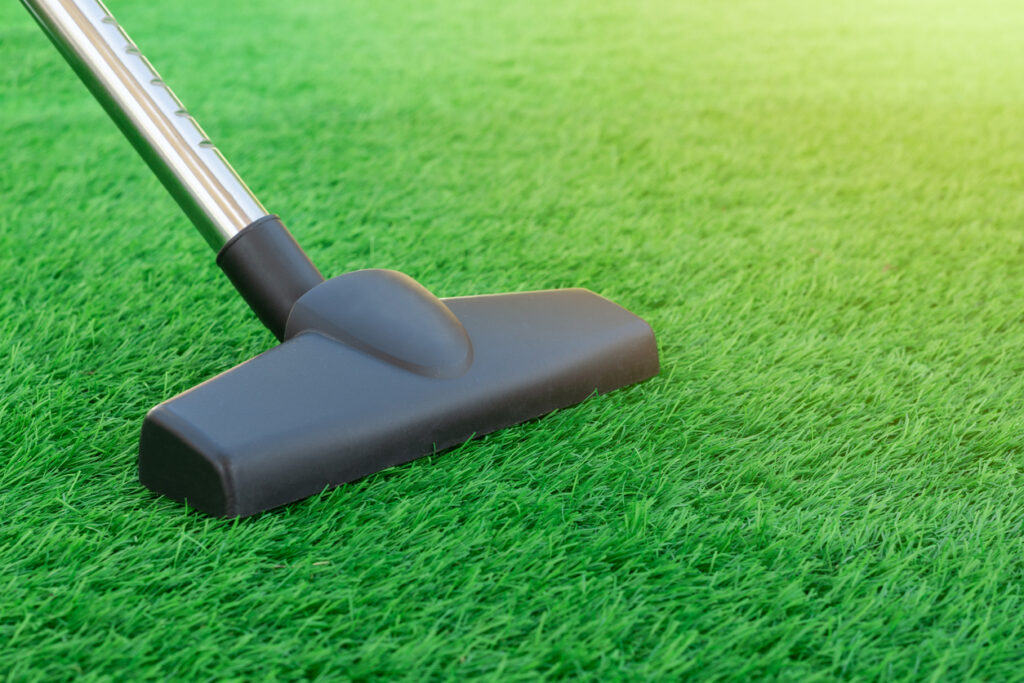
Artificial grass blocks soil entirely and heats up unnaturally, pushing out insects, worms and small mammals. Ecologists are increasingly concerned because once the plastic goes down, wildlife loses access to food sources, shelter, and moisture immediately. It becomes a dead zone that offers nothing back to nature.
Choosing real grass or low-maintenance ground covers improves biodiversity instantly. Even a small patch of natural lawn supports far more life than plastic ever could, and the soil beneath stays healthy instead of suffocating.
8. Removing ivy and climbers that support whole ecosystems
Ivy gets unfairly accused of killing trees or damaging buildings, yet ecologists point out it offers food, shelter and nesting space for dozens of species. Stripping it away removes berries for birds, late-season nectar for insects and safe hiding spots for small animals. A rich habitat disappears overnight.
Managing ivy rather than removing it keeps your garden healthier. Allowing a controlled amount to grow supports wildlife without overwhelming structures, giving you a balance that ecologists strongly recommend.
9. Cutting back everything in autumn instead of waiting

Many gardeners clear borders in autumn out of habit, but ecologists say this removes seed heads, shelter and resting spots for wildlife when they need them most. Insects overwinter in stems, and birds rely on seeds during the leanest months, so early clearing disrupts that cycle.
Leaving stems and seed heads until spring protects these tiny ecosystems during harsh weather. It also means a stronger return of pollinators when temperatures rise, which helps the entire garden thrive.
10. Forgetting that ponds need gentle edges and shallow spots
Ponds are powerful wildlife boosters, yet many are built with steep edges or too much open water. Ecologists say this makes it hard for frogs, newts, and insects to use them safely. A pond with no shallow areas becomes a danger instead of a sanctuary.
Adding stones, shelves, or planting zones transforms a pond into a proper habitat. These features let creatures climb in and out easily, which encourages far more wildlife to settle in your garden.