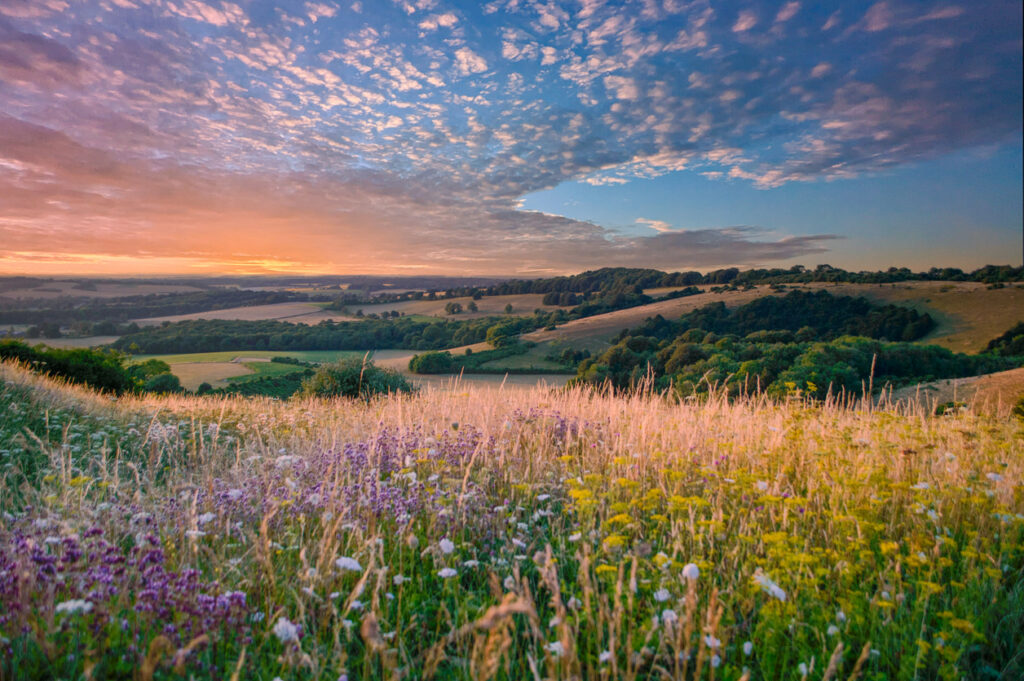
The British countryside is changing faster than most people realise, with familiar landscapes and traditional features vanishing under the combined pressures of modern agriculture, development, and climate change. Many elements that defined rural Britain for centuries are now in steep decline, and without intervention, some could effectively disappear within the next decade. Understanding what we’re losing helps highlight the urgency of conservation efforts and the importance of protecting what remains of our traditional countryside character.
1. Ancient hedgerows are being removed at alarming rates.
Britain has lost over half its hedgerows since the Second World War, and the destruction continues as farmers remove them to create larger fields for modern machinery. Ancient hedgerows that took centuries to develop their rich biodiversity are disappearing at a rate of thousands of kilometres per year. These living boundaries provide habitat for over 2,000 species of wildlife, including declining birds, mammals, and insects that depend on them for survival. Without urgent protection and replanting schemes, the network of hedgerows that once defined the British landscape could be reduced to isolated fragments within a decade.
2. Traditional hay meadows are down to 2% of their former extent.
Wildflower meadows that once covered millions of hectares have been reduced to tiny scattered remnants, with 97% lost since the 1930s. Modern agriculture favours rye grass monocultures treated with fertilisers, which are far more productive but support virtually no wildlife compared to species-rich meadows. The remaining traditional hay meadows contain rare flowers, butterflies and other insects that can’t survive anywhere else. At current rates of decline, functioning hay meadows with their full complement of species could become museum pieces within ten years.
3. Veteran trees are dying without replacement.
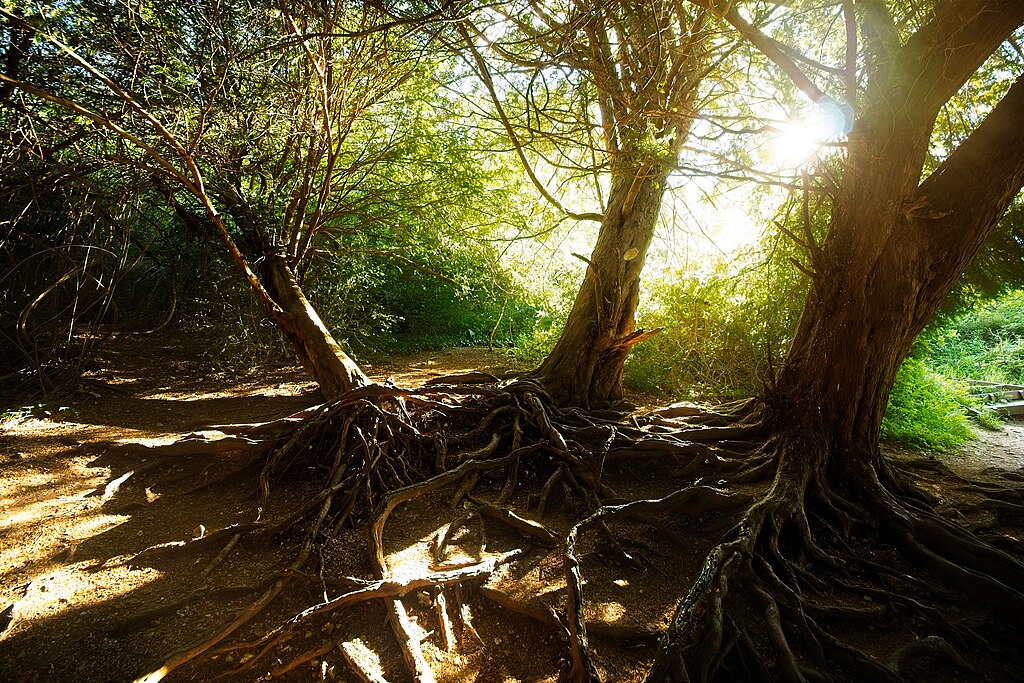
Britain’s ancient and veteran trees are irreplaceable features that support unique ecosystems, but they’re dying faster than new ones can develop to replace them. These gnarled old trees take centuries to develop the rot holes, deadwood and specialized habitats that rare species depend on. Modern forestry and land management practices don’t allow trees to reach veteran status because they’re felled long before they become ecologically valuable. Without deliberate efforts to identify and protect potential veteran trees now, there’ll be a huge gap in the landscape when current ancient specimens finally succumb.
4. Upland peat bogs are eroding and drying out.
Britain’s upland peat bogs are degrading rapidly through erosion, drainage, and climate change. These carbon-rich habitats took thousands of years to form, but can be destroyed within decades once the delicate hydrology is disrupted. Many bogs show extensive erosion gullies where peat is washing away during heavy rainfall, exposing bare ground that can’t support specialist plants and animals. Without large-scale restoration efforts, functioning blanket bog could become restricted to small protected areas within a decade.
5. Traditional farm ponds are being filled in or neglected.
Britain has lost around 75% of its farm ponds since 1900, and the destruction continues as farmers fill them in to gain productive land or neglect them until they become overgrown. These small wetlands provide crucial habitat for amphibians, aquatic insects and waterfowl that are declining sharply across the countryside. Modern farming practices often view ponds as inconvenient obstacles rather than valuable features. Within ten years, many rural areas could lose their remaining farm ponds entirely, leaving only large formal water bodies and silted-up depressions.
6. Flower-rich roadside verges are being destroyed by intensive cutting.
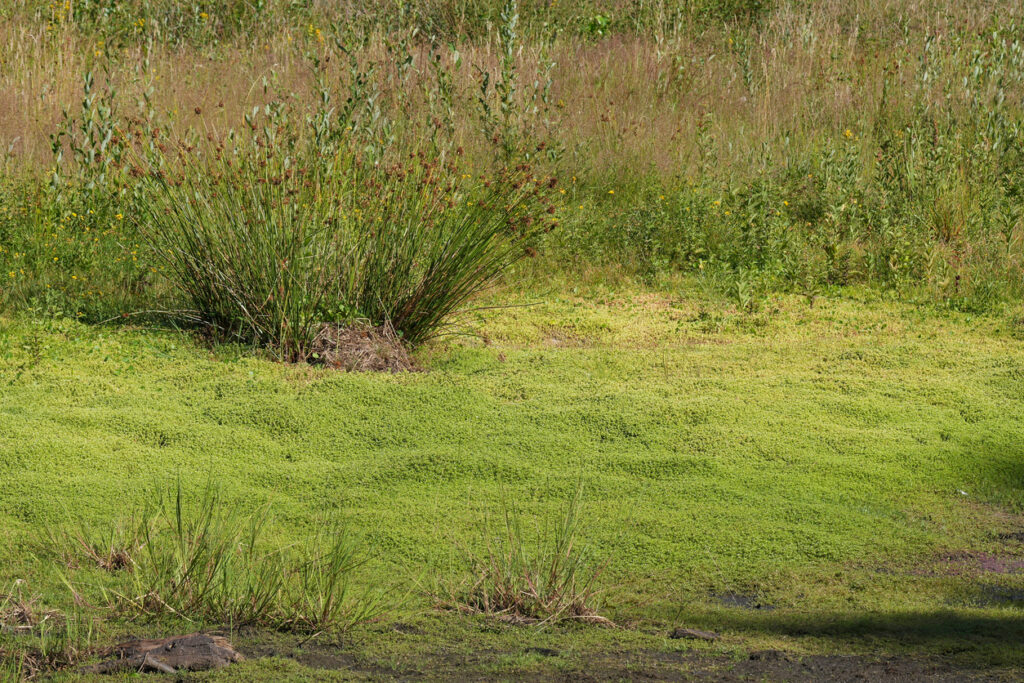
Traditional roadside verges that once provided refuges for wildflowers and insects are being destroyed by aggressive cutting regimes and herbicide use. Council budget cuts mean verges are either scalped repeatedly throughout the growing season or left completely unmanaged, both of which reduce botanical diversity. These linear habitats are particularly important as corridors connecting fragmented wildlife populations, but they’re losing this function as their quality declines. Without changes to management practices, species-rich verges could effectively disappear from most of Britain within a decade.
7. Dry stone walls are collapsing faster than they can be repaired.
Traditional dry stone walls that define upland landscapes are deteriorating rapidly because there aren’t enough skilled wallers to maintain them and farmers often can’t justify the expense. These walls provide habitat for lichens, ferns, nesting birds and sheltering mammals that rely on their structure. Modern fencing is cheaper and quicker to install than repairing collapsed walls, so many farmers simply abandon damaged sections. Within ten years, many upland areas could see their characteristic stone walls reduced to tumbled lines of rocks with only occasional maintained sections surviving.
8. Orchard meadows are being grubbed up and abandoned.
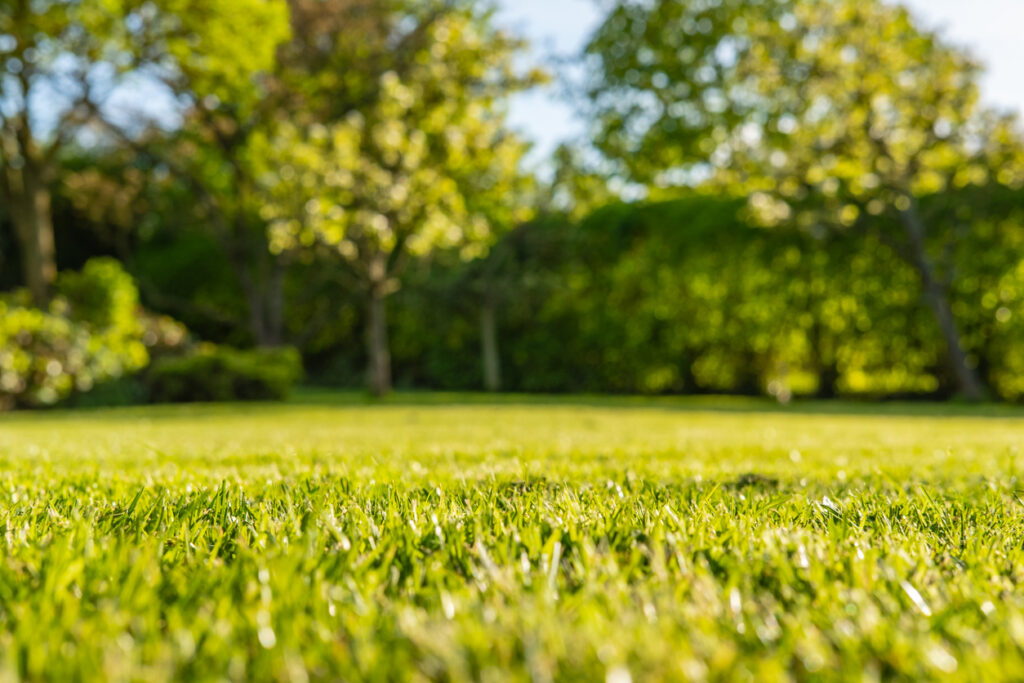
Traditional orchards combining fruit trees with grazed grassland have declined by over 60% since the 1950s, with remaining examples disappearing rapidly. These habitats support rare lichens, specialist invertebrates and birds like little owls that depend on the gnarled old trees and unimproved grassland beneath. Modern commercial fruit production happens in intensive plantations that support virtually no wildlife. At current rates, traditional orchard meadows could become rare curiosities within a decade, preserved only in heritage sites and a handful of committed conservation areas.
9. Chalk grassland is being converted and degraded.
Unimproved chalk grassland has been reduced to tiny fragments, with remaining patches under constant pressure from development and agricultural improvement. These species-rich habitats support rare orchids, butterflies and other insects found nowhere else. Many surviving sites are isolated fragments too small to support viable populations of specialist species. Without active intervention, functioning chalk grassland with its full complement of species could be reduced to a handful of well-managed nature reserves within ten years.
10. Small field patterns are being consolidated into prairie landscapes.
The patchwork of small fields separated by hedgerows, walls, and ditches is being replaced by vast open fields resembling American prairies. Boundary removal has accelerated as farmers seek efficiency gains from larger machinery and simplified field patterns. This consolidation eliminates the edge habitats that supported much of the countryside’s wildlife, creating biological deserts even when farming continues. Within a decade, many lowland areas could be dominated by huge fields with minimal internal features, persisting only in upland areas or where planning restrictions prevent boundary removal.