Most people see gardening as a peaceful hobby; something you do to unwind, not something that could get you in trouble.
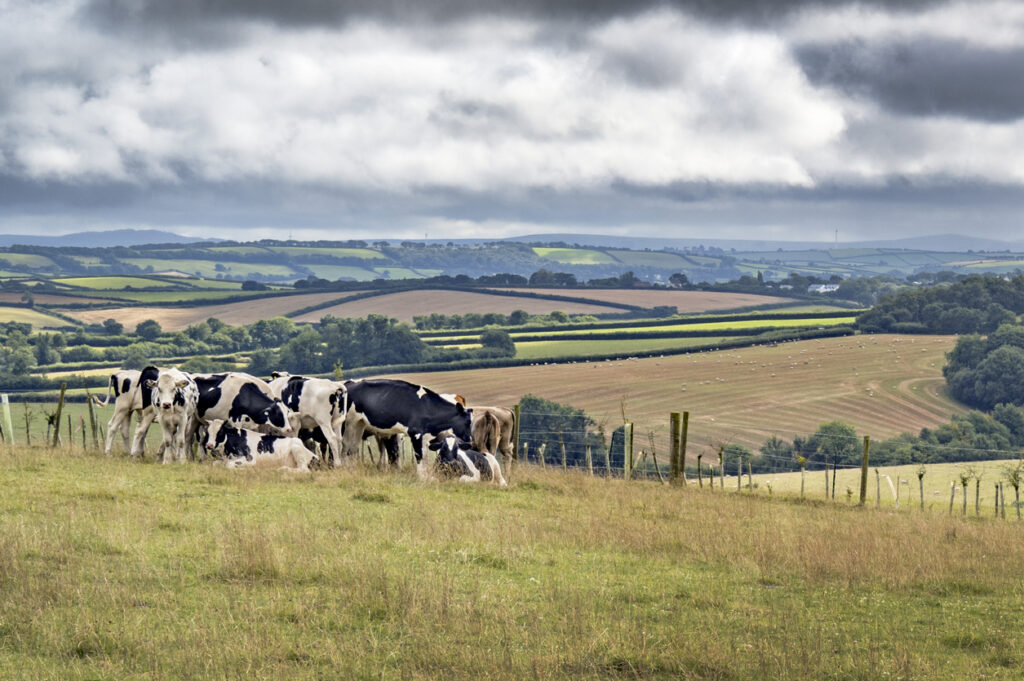
However, if you live in the countryside, a few everyday garden jobs could technically break the law. Between wildlife protection, conservation rules, and property boundaries, rural gardening comes with more restrictions than most people realise.
It might seem like nitpicking, or a way of stopping people from enjoying their land. Really, though, it’s about protecting the plants and animals that quietly rely on it. From trimming hedges at the wrong time of year to disturbing nesting birds, a few innocent mistakes can cause bigger problems than you might expect. Here are some of the ordinary gardening jobs that could actually break the law in more rural areas.
Cutting hedges between March and August
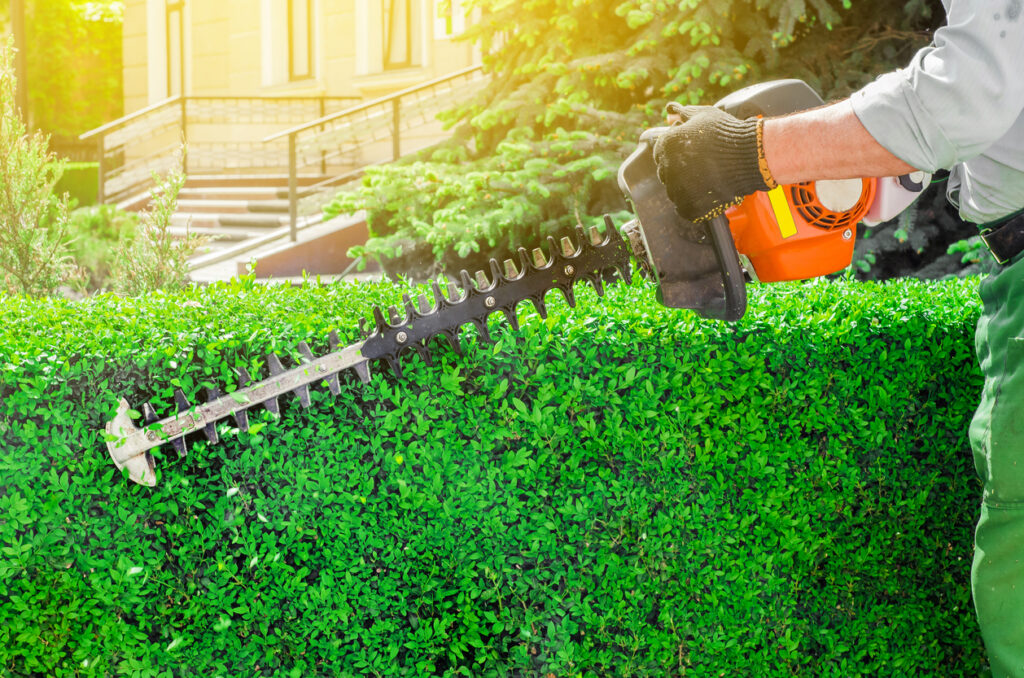
It’s illegal to cut or trim hedgerows during bird nesting season, which runs from March through August. Even your garden hedge counts if it’s being used by nesting birds. You can face hefty fines if you disturb active nests, even accidentally. Check thoroughly before trimming anything during these months because ignorance isn’t a defence, and the RSPB takes this seriously.
Burning garden waste in certain areas
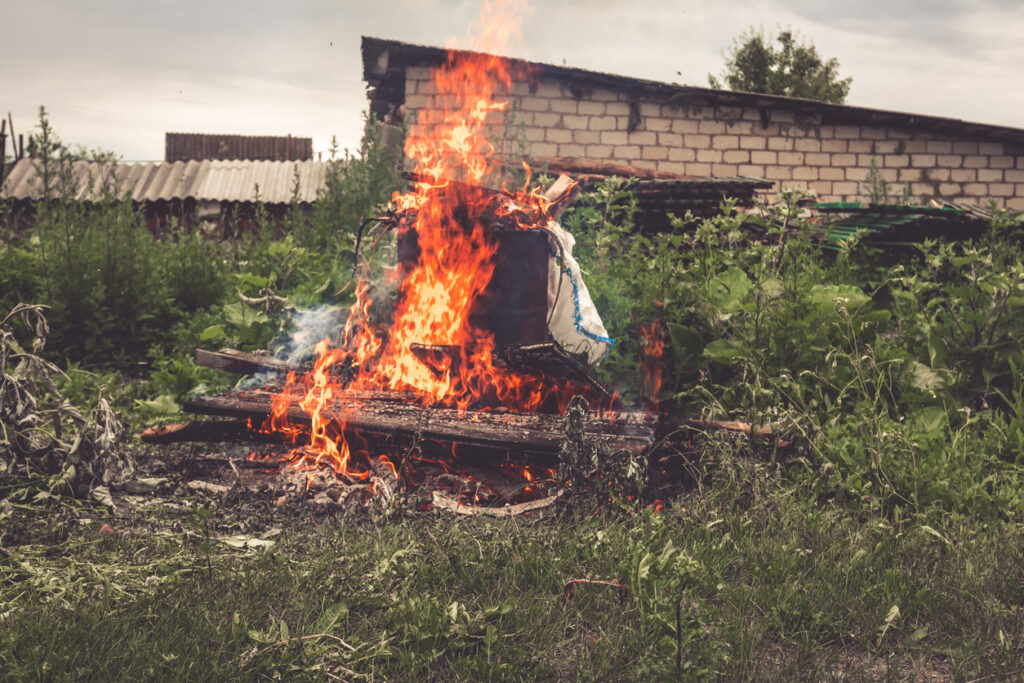
Many rural areas have by-laws restricting when and what you can burn. Some councils ban garden bonfires completely, while others only allow them at specific times or with permits. What’s legal in one village might be banned in the next. Check your local council’s rules before lighting anything because neighbours can report you and environmental health will investigate complaints.
Using certain pesticides near waterways
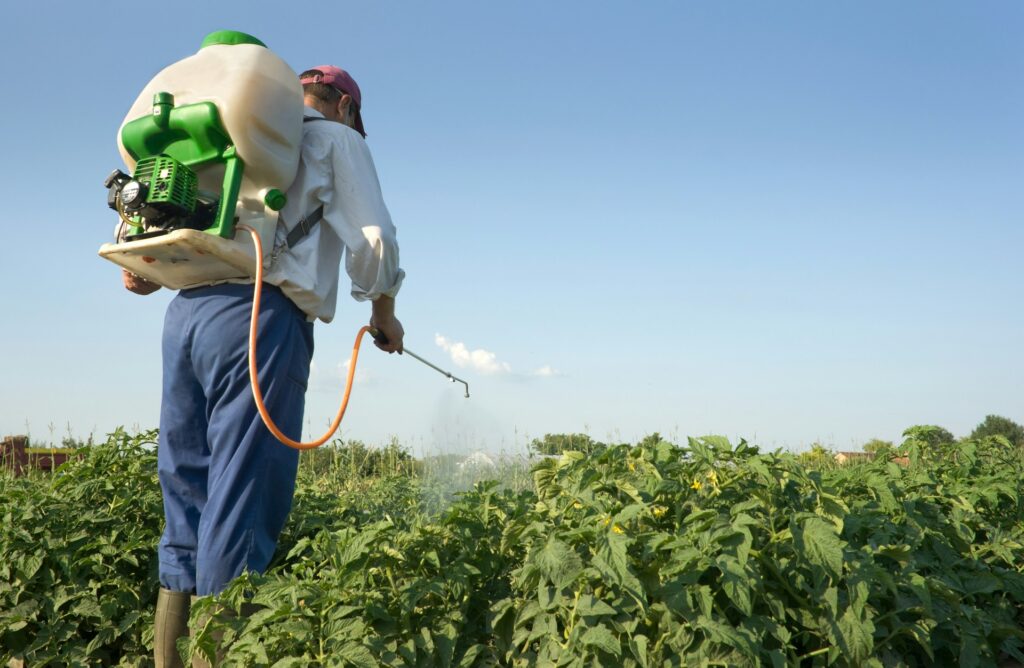
If your property is near streams, rivers, or ponds, using most garden chemicals within a certain distance is illegal. The buffer zones vary, but can extend several metres from the water’s edge. That includes seemingly harmless stuff like weedkiller and slug pellets. Chemicals running off into watercourses cause serious environmental damage, and you can be prosecuted for contamination.
Planting invasive species
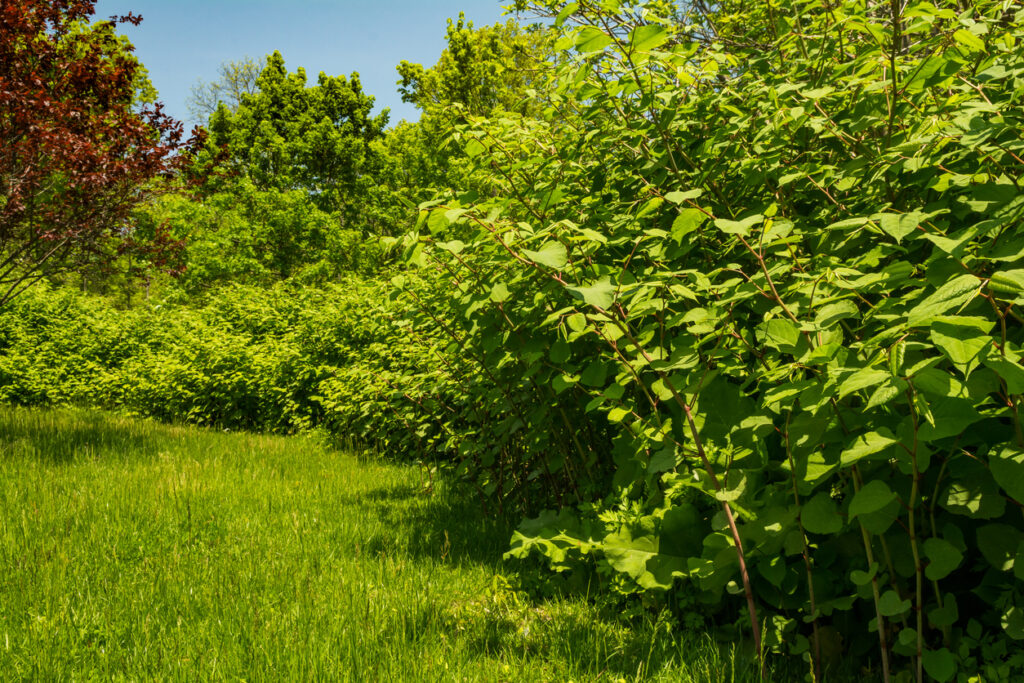
It’s illegal to plant or allow to spread certain species like Japanese knotweed, giant hogweed, or Himalayan balsam. If these escape your garden into the wild, you’re liable. You can also be held responsible if invasive plants spread from your property onto neighbouring land. Some species are so problematic that having them growing wild on your land can affect property sales.
Disturbing protected species
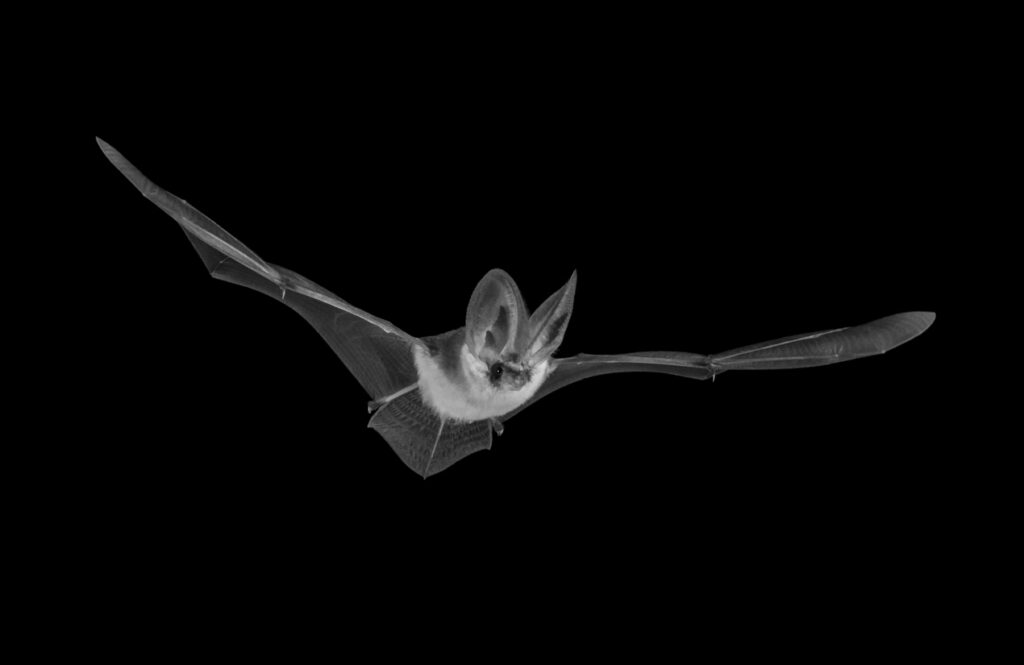
Loads of countryside gardens host protected species like great crested newts, slow worms, or roosting bats. Disturbing them, their habitats, or their nesting sites is illegal, even on your own property. This can stop you doing work on parts of your garden or outbuildings. If you find protected species, you need surveys and licences before proceeding, which is expensive and time-consuming.
Felling trees without permission
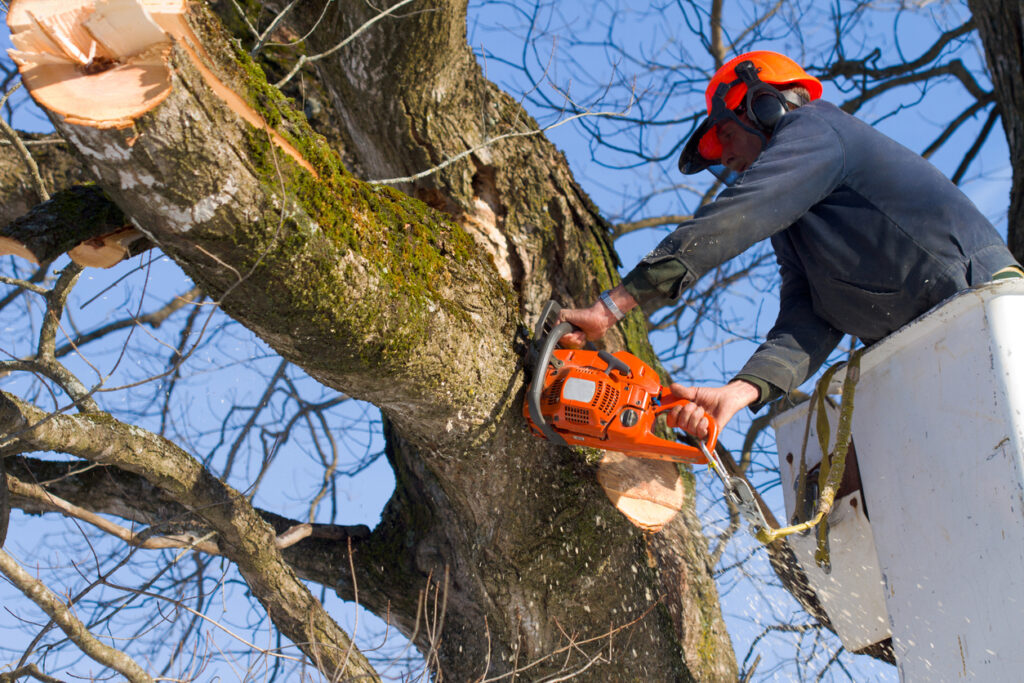
Trees above a certain size or in conservation areas often have Tree Preservation Orders. Cutting them down or even heavy pruning without council permission can result in unlimited fines. Even trees without TPOs might need permission if they’re in conservation areas or your property has planning restrictions. Always check before getting the chainsaw out because replacing an illegally felled mature tree costs thousands.
Changing natural watercourses
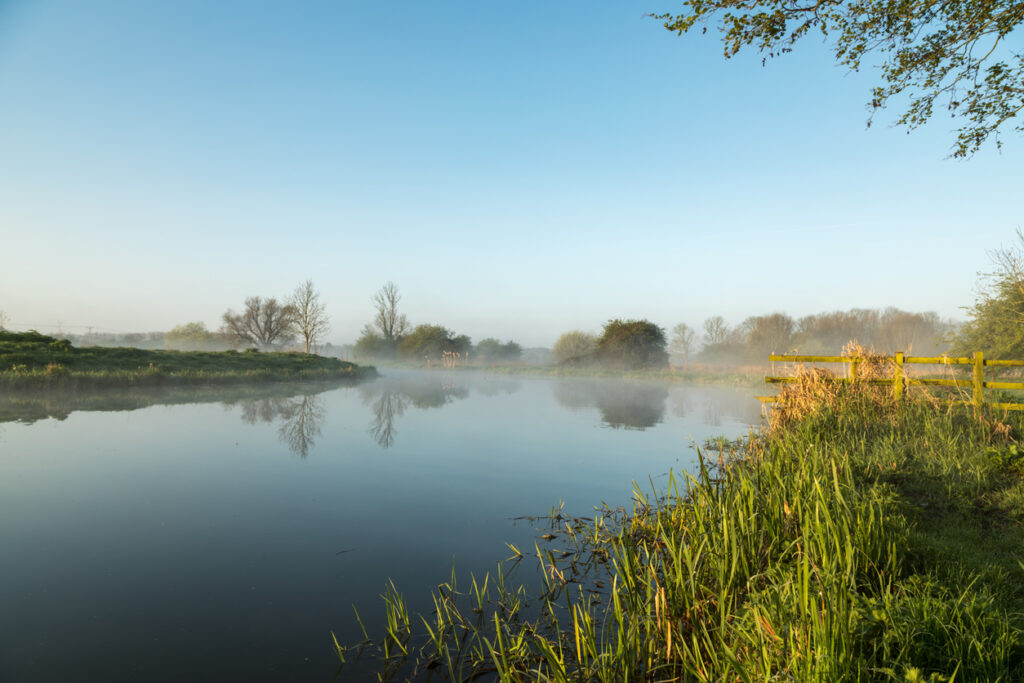
If a stream or ditch runs through your property, diverting, damming, or significantly altering it is illegal without Environment Agency consent. This includes seemingly minor changes. Natural drainage systems are protected because changes affect everyone downstream. Even clearing vegetation from banks can require permission if it’s considered a watercourse rather than just a ditch.
Using glyphosate near livestock
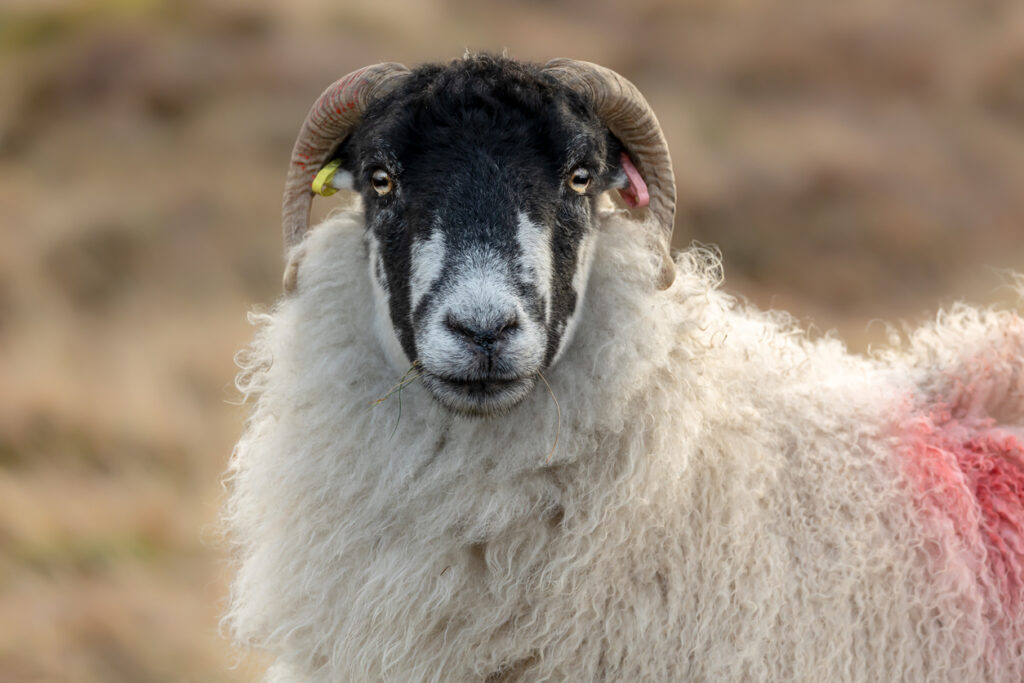
Spraying weedkiller near grazing animals or where it could contaminate their water is restricted. This affects countryside gardens that back onto farmland or have neighbouring livestock. Wind drift carries chemicals further than you think. If your weedkiller impacts someone’s animals or pasture, you’re liable for the damage and potential prosecution.
Keeping bees without registration
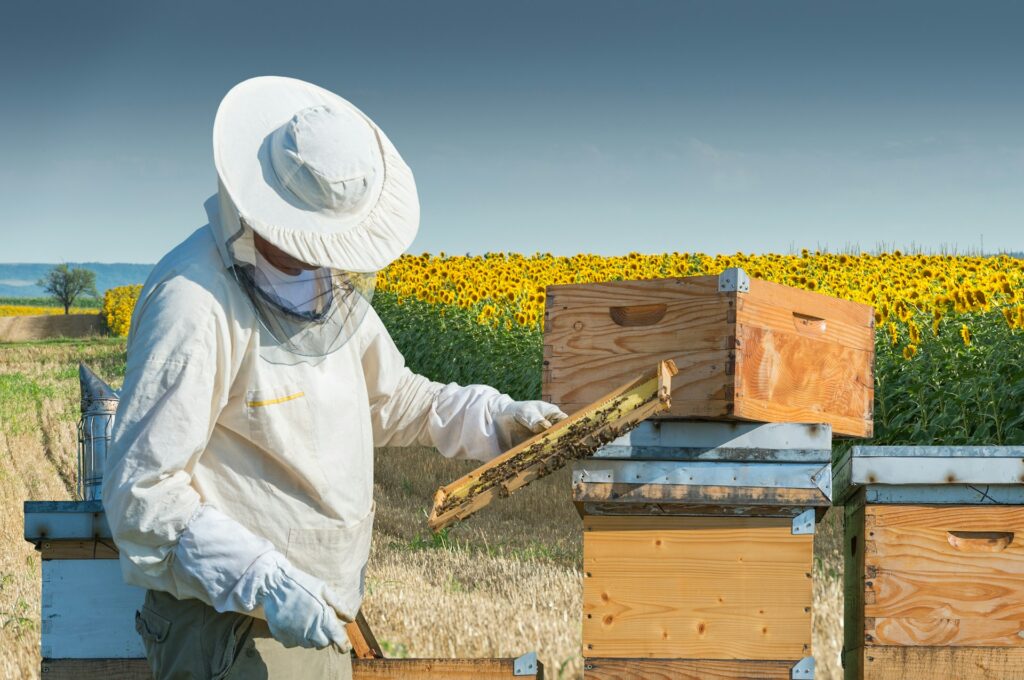
You must register beehives with the National Bee Unit, even if they’re just in your garden. Failing to register is technically illegal and prevents authorities from tracking disease outbreaks. Registration is free but mandatory. Unregistered hives that spread disease to commercial operations can result in legal action, especially in rural areas with active beekeeping communities.
Building structures without permission

Permitted development rights are often restricted in countryside locations, especially in National Parks or Areas of Outstanding Natural Beauty. Garden buildings that wouldn’t need planning permission in towns might require it rurally. That includes sheds, greenhouses, and pergolas above certain sizes. What seems like a normal garden structure can be illegal if you’re in a restricted area, and enforcement can require removal.
Creating ponds near protected areas
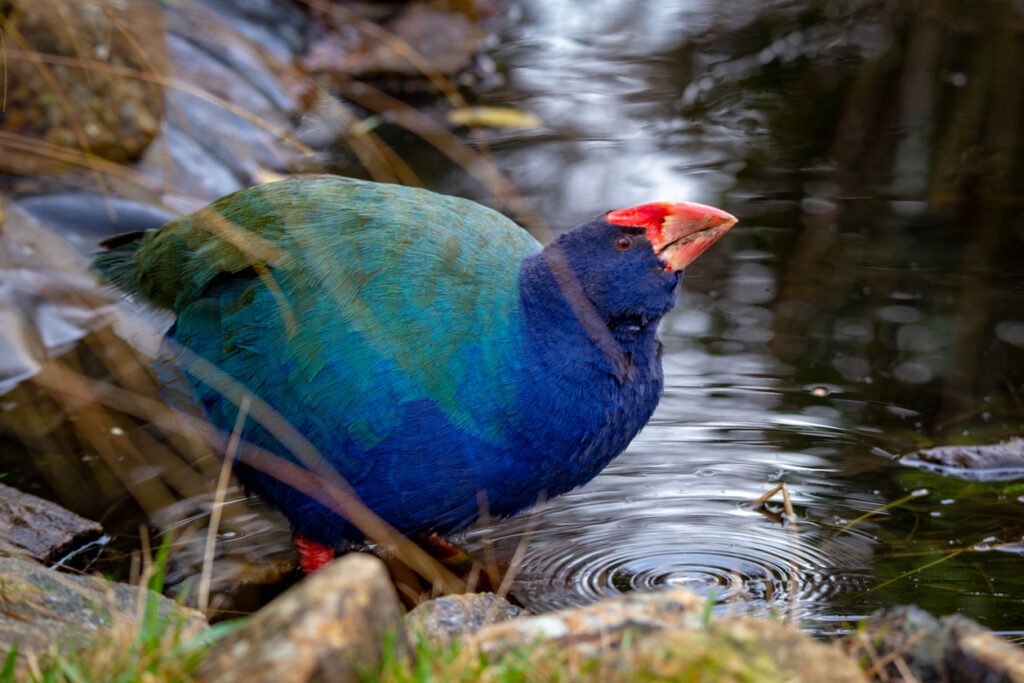
Digging ponds in certain countryside locations requires assessment for impact on existing habitats and protected species. You can’t just excavate a hole and fill it without considering environmental implications. New ponds can affect local water tables, drainage, and existing wildlife populations. In some areas, you need permission before creating any new water features, especially if near Sites of Special Scientific Interest.
Using chainsaws without certification
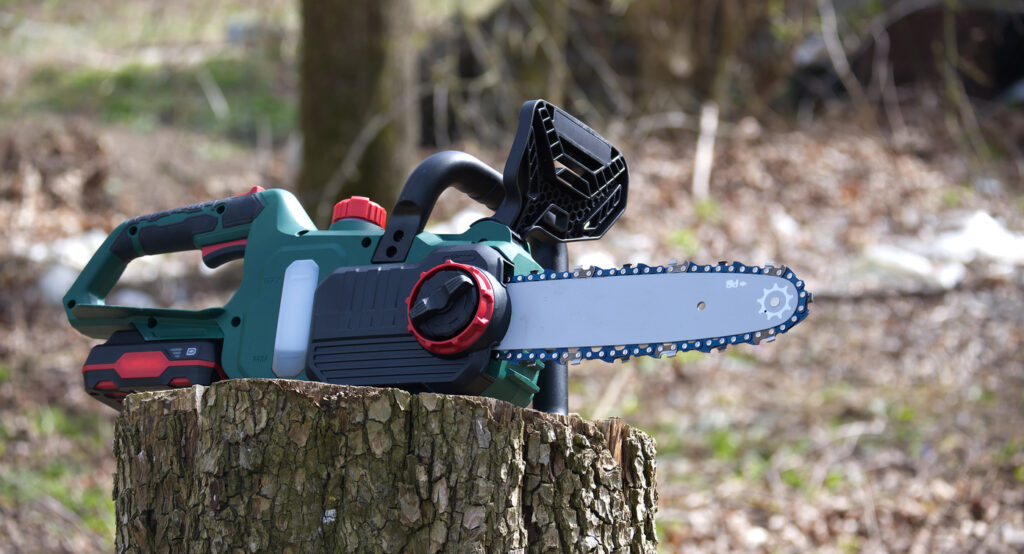
If you’re felling trees commercially or on shared land, you need chainsaw certificates. Even on your own property, insurance might be invalid if you’re using a chainsaw without proper training. Professional tree surgeons won’t touch trees that landowners have partially cut without certification because liability becomes murky. It’s not strictly illegal for personal use but causes complications if anything goes wrong.