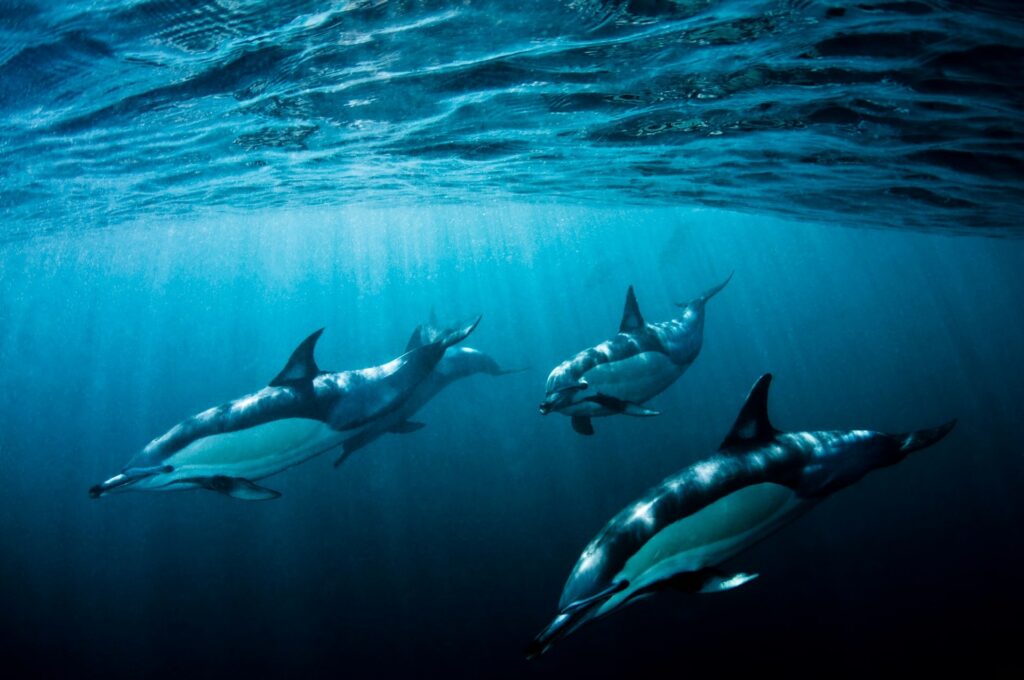
After decades of negotiation, the UN High Seas Treaty, formally known as the Biodiversity Beyond National Jurisdiction agreement, was adopted in 2023, marking the first time countries have agreed on a legally binding framework to safeguard life in international waters. These areas, which make up two-thirds of the world’s oceans, have historically been something of a no man’s land: beyond the jurisdiction of any one nation, vulnerable to overfishing, pollution and unregulated industrial expansion.
The treaty creates tools to establish marine protected areas in these waters, demand environmental impact assessments for risky activities, and ensure fair sharing of marine genetic resources such as microbes or deep-sea organisms that could be used in pharmaceuticals.
The need for such an agreement has been obvious for years. According to the UN, only about 1% of international waters were under formal protection before the treaty. Meanwhile, pressures on the oceans have been intensifying, with destructive fishing practices, plastics and chemicals, and looming plans for deep-sea mining. By creating a legal framework that applies across borders, the treaty finally plugs a governance gap that campaigners have called “the Wild West of the seas.”
What the treaty does in practise
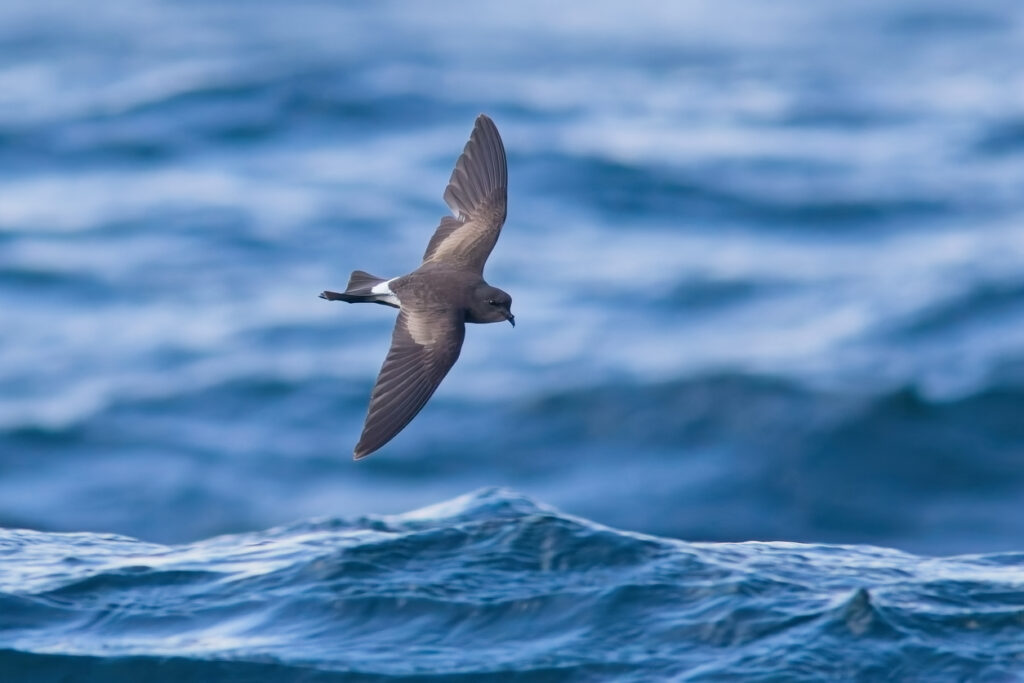
At its heart, the agreement does four things. First, it enables the creation of marine protected areas in international waters, with binding commitments to protect biodiversity. That’s crucial if the global target of protecting 30% of land and sea by 2030 is to be reached. Second, it requires environmental impact assessments before major industrial activity, such as new shipping routes or seabed mining, can begin. Third, it sets up a system for sharing the benefits of marine genetic resources, so discoveries made in international waters don’t just enrich a handful of wealthy countries or corporations. And fourth, it includes support for capacity building and technology transfer, helping less developed nations take part in high seas conservation.
The Pew Charitable Trusts notes that these provisions are ambitious but achievable, provided enough countries ratify quickly. At least 60 ratifications are needed for the treaty to enter into force, and by mid-2025, nearly 50 had already signed on. Once it is fully active, governments will be obliged to cooperate on enforcement, reporting, and the creation of protected zones.
The urgency is clear. As UNEP explains, the high seas regulate climate by absorbing vast amounts of carbon dioxide, support fisheries that feed billions, and are home to biodiversity we’re only just beginning to understand. Yet without protection, industrial pressures could undermine those services, damaging ecosystems in ways that are almost impossible to reverse.
The challenges can’t be overstated
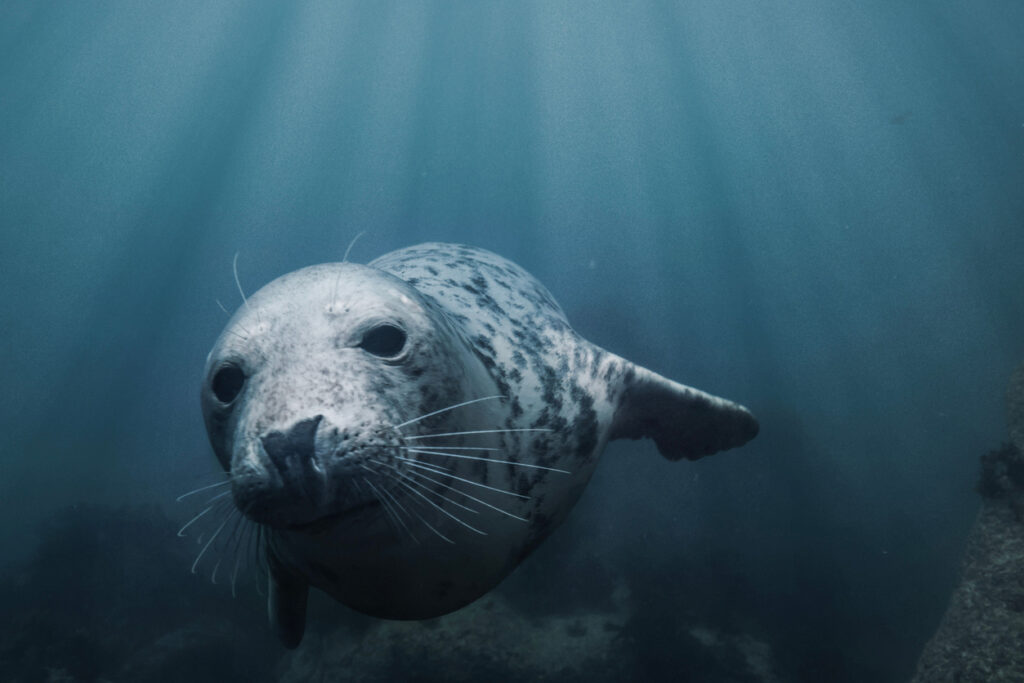
Even with the treaty agreed, the work is only beginning. Enforcement will be one of the hardest issues. The high seas are vast, remote, and costly to patrol. Experts say new satellite monitoring, international cooperation on coast guards and navies, and greater transparency in shipping and fishing data will all be needed to make sure the rules aren’t just words on paper.
Another challenge is balancing conservation with economic interests. Some nations have invested heavily in distant-water fishing fleets, and others are eyeing the seabed for mining minerals crucial to renewable energy technologies. While the treaty allows for sustainable use, there will inevitably be disputes about what counts as sustainable. That’s why the requirement for environmental impact assessments is so critical, though the effectiveness will depend on how rigorous and independent those assessments are.
Funding and fairness are also front and centre. Developing nations argue that they must not be excluded from the benefits of ocean resources simply because wealthier nations got there first. The treaty’s mechanisms for sharing scientific knowledge and genetic discoveries are designed to address that, but whether they deliver equitable outcomes will be a key test.
Then there’s the question of public attention. Oceans beyond national borders can feel remote, and there’s a risk the treaty slips off the agenda once the headlines fade. Campaigners stress that governments need to keep it in the public eye, reminding people that the health of the high seas directly affects weather, fisheries, and even the air we breathe. As AP News put it, the treaty’s success will depend on sustained political will, not just the moment of signing.
The High Seas Treaty is being hailed as the most important ocean agreement in a generation. It proves that when nations commit, complex global problems can be addressed with binding rules rather than voluntary pledges. But its impact will be measured not by signatures but by action: new protected areas, tougher assessments, fairer sharing, and the capacity for every nation, not just the wealthiest, to play a role. If those conditions are met, the treaty could help secure the health of the oceans for the rest of the century and beyond.