
It’s now widely accepted that birds evolved from dinosaurs, but imagine telling that to a 19th-century fossil collector. Before the idea of feathered dinosaurs was even on the table, several ancient species were quietly carrying plumage, fuzz, or full-on flight feathers millions of years before the first robin flapped its wings. These creatures didn’t exist to fit our modern categories—they were weird, transitional, and far more birdlike than anyone could’ve guessed at the time. Here are some of the dinosaurs that had feathers long before birds were ever a thing.
1. Velociraptor
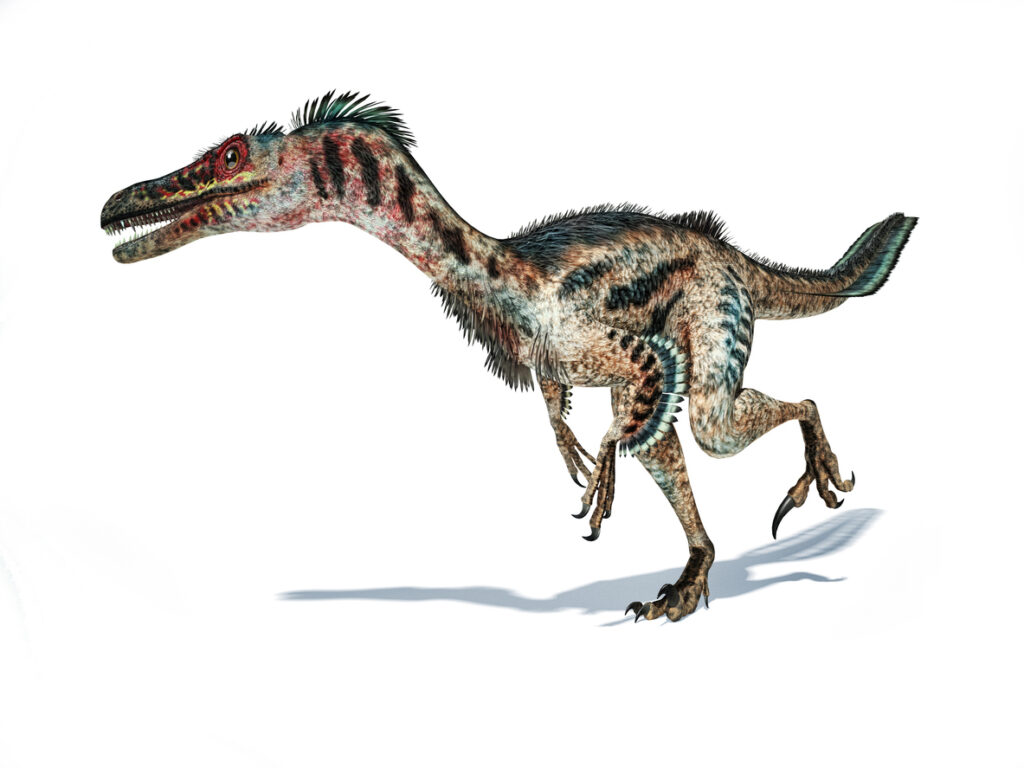
Forget the scaly monsters from Jurassic Park—real velociraptors were feathered and much smaller, closer in size to a large turkey. Fossils from Mongolia have shown clear evidence of quill knobs on their forearms, a dead giveaway for feathers.
These weren’t for flight, though. Their feathers likely helped with temperature regulation, mating displays, or balance while running. It’s a reminder that evolution doesn’t always follow a straight line—sometimes it’s all about the multitasking fluff.
2. Anchiornis
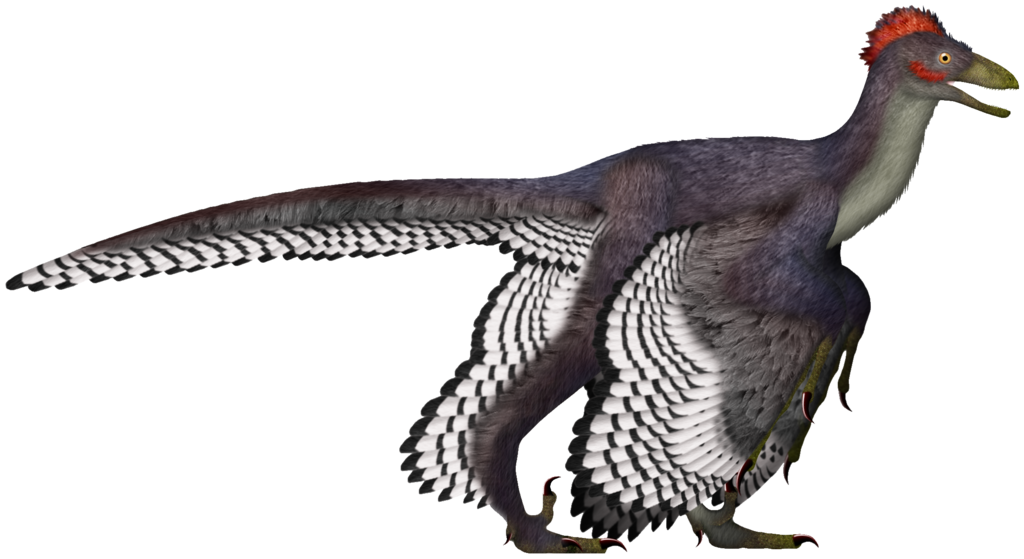
This tiny, crow-sized dino from China was so feathered it looked more like a bird than a reptile. It had long flight feathers on both arms and legs, giving it a four-winged appearance straight out of a sci-fi sketchpad. Anchiornis lived about 160 million years ago—predating birds as we know them. It probably couldn’t fly in the traditional sense, but may have glided through trees, flapping awkwardly like a prehistoric kite.
3. Sinosauropteryx
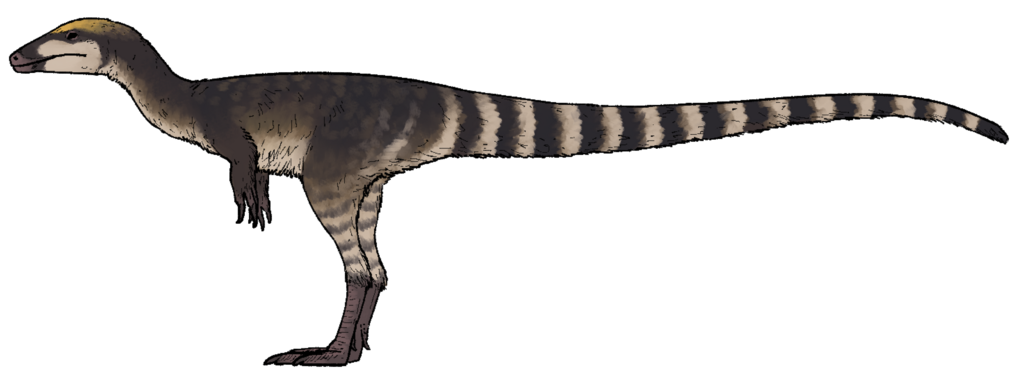
When it was discovered in the 1990s, Sinosauropteryx made headlines as the first non-avian dinosaur found with evidence of filament-like feathers. They weren’t flight feathers, but a fuzzy coat of proto-feathers that looked a bit like down. This little predator also gave us one of the first glimpses into dinosaur colouration—its tail appears to have been banded in rusty stripes, making it one of the best-dressed carnivores in the Early Cretaceous.
4. Yutyrannus
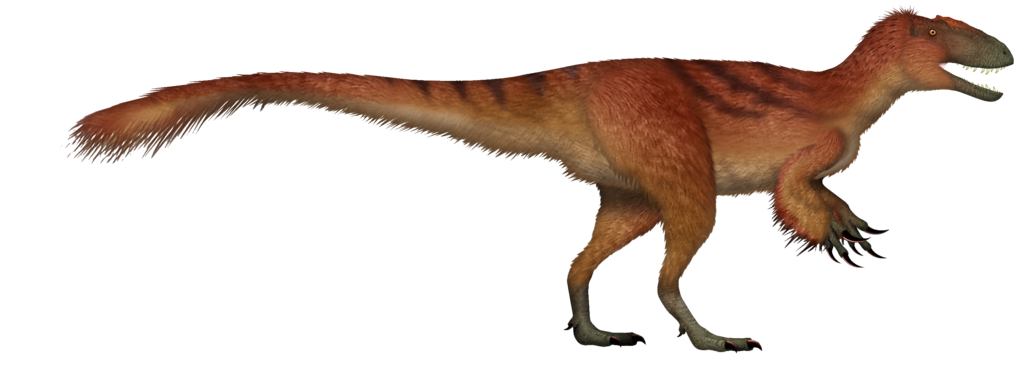
Now here’s a surprise: a relative of T. rex covered in feathers. Yutyrannus was massive, around nine metres long, and still sported a thick coat of filament-like feathers, suggesting insulation was useful even for the big guys. It’s one of the best examples of a large, feathered dinosaur, and it shows that even the more intimidating predators weren’t above rocking a bit of fluff. Probably not cuddly, but definitely warmer than you’d expect.
5. Caudipteryx
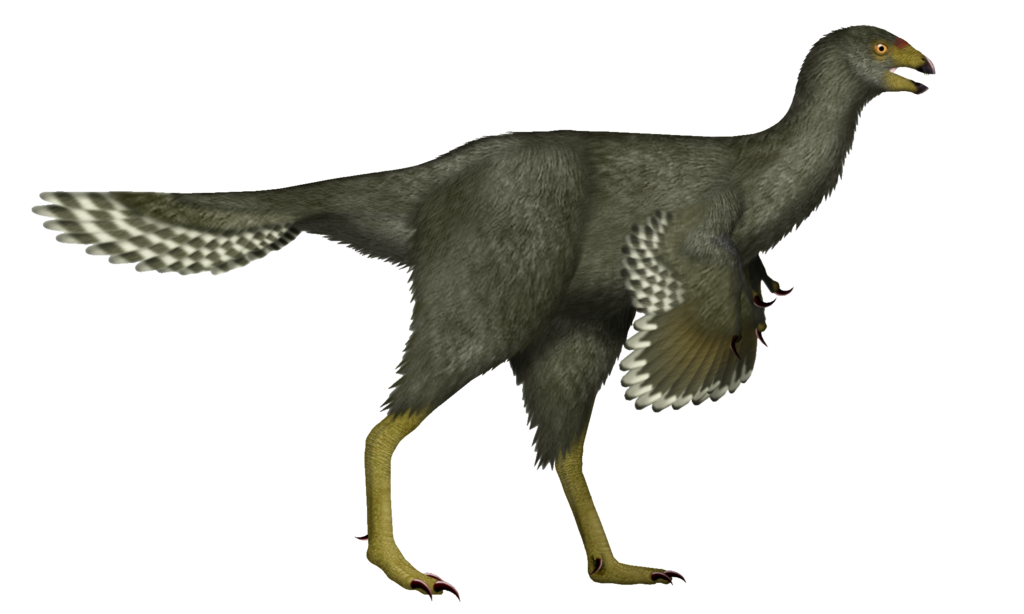
This oviraptor-like dinosaur looked like a plump chicken with a tail, except it had claws and teeth. Its arms had symmetrical feathers, and it sported a fan of tail feathers that looked suspiciously decorative. It couldn’t fly, but it clearly wasn’t just about looking tough either. These feathers may have played a role in display or species recognition—essentially, Caudipteryx was showing off before it was cool.
6. Microraptor
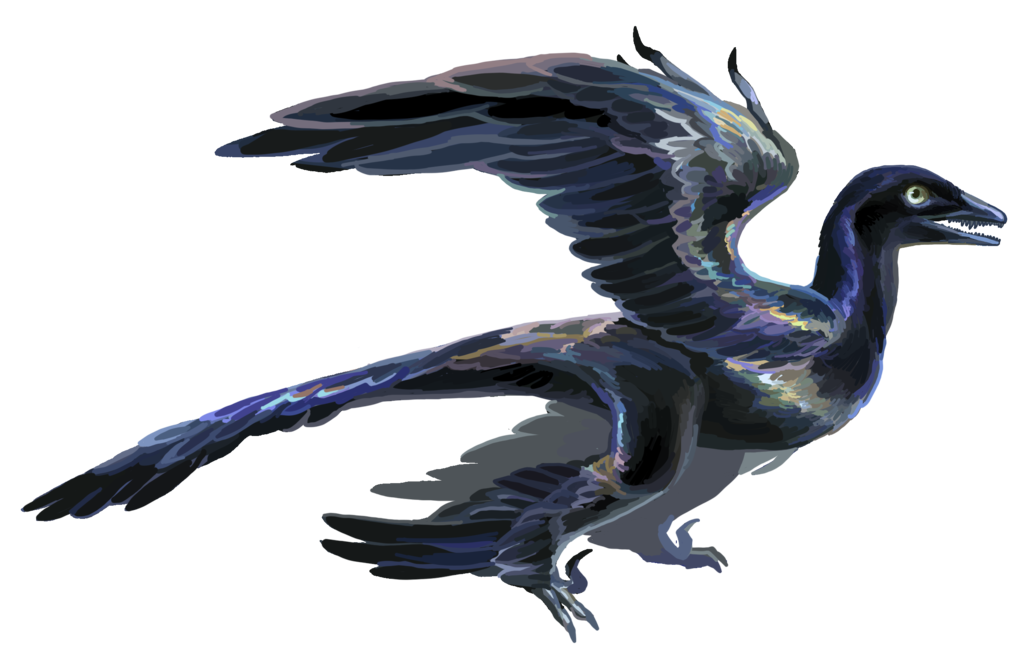
As the name suggests, Microraptor was small, about the size of a pigeon, but its feather game was strong. With long feathers on all four limbs and a feathery tail, it’s one of the strongest candidates for a true gliding dinosaur. Fossils show it may have even had an iridescent, crow-like sheen. So not only was it airborne (at least a bit), it might’ve shimmered while doing it. Dramatic and efficient, just how evolution likes it.
7. Protarchaeopteryx
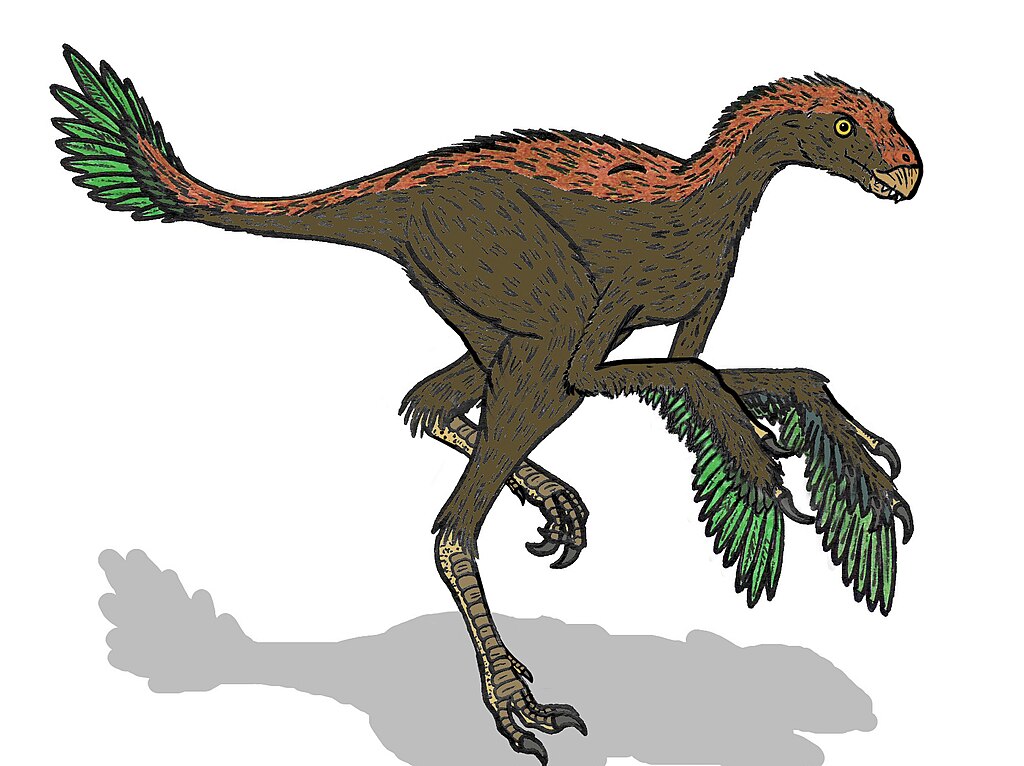
This species wasn’t quite a bird and wasn’t quite your standard dino, either—it lived in the in-between. Protarchaeopteryx had symmetrical feathers on its tail and arms but lacked the skeletal features needed for flight. Its feathers likely served other purposes—display, insulation, or both. In many ways, it was nature experimenting with the concept of wings before committing to the whole flying thing.
8. Beipiaosaurus
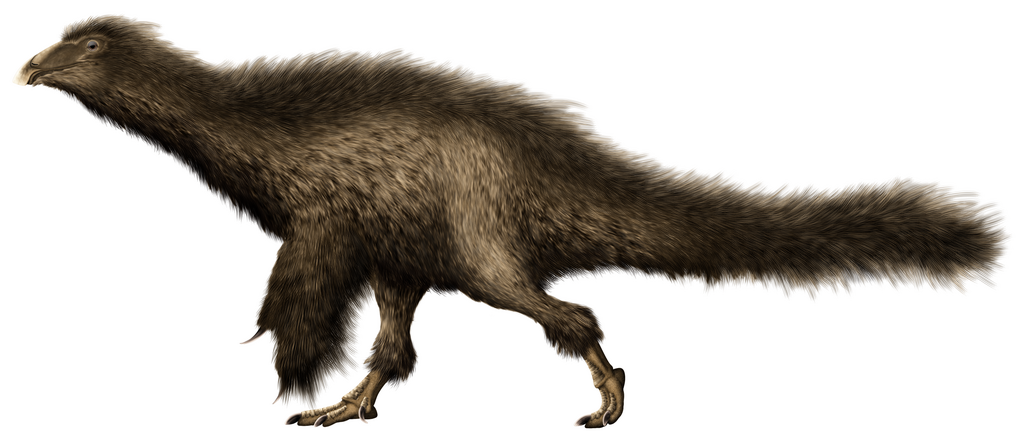
This feathered herbivore was part of the therizinosaur group—strange-looking dinosaurs with long claws, small heads, and potbellied torsos. It also had a coat of downy proto-feathers across its body. Beipiaosaurus shows that feathers weren’t just for meat-eaters. In fact, many plant-eating dinosaurs may have used their fuzz for warmth, making them more mammal-like than we ever imagined.
9. Epidexipteryx
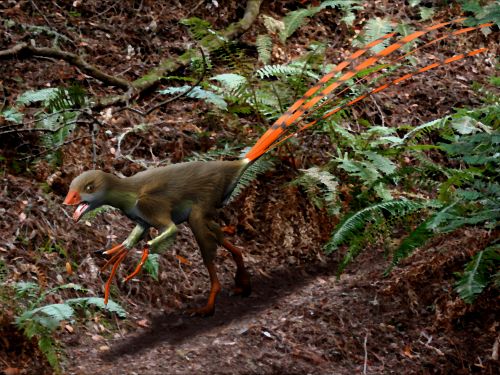
This curious little dinosaur had long ribbon-like tail feathers that served no flight function whatsoever. Instead, they were probably used to attract mates or show off—because who doesn’t love a flashy tail? Epidexipteryx might not have flown, but it did have climbing adaptations, suggesting it lived an arboreal life. Think of it like a weird, tree-dwelling peacock with claws and teeth.
10. Jianianhualong
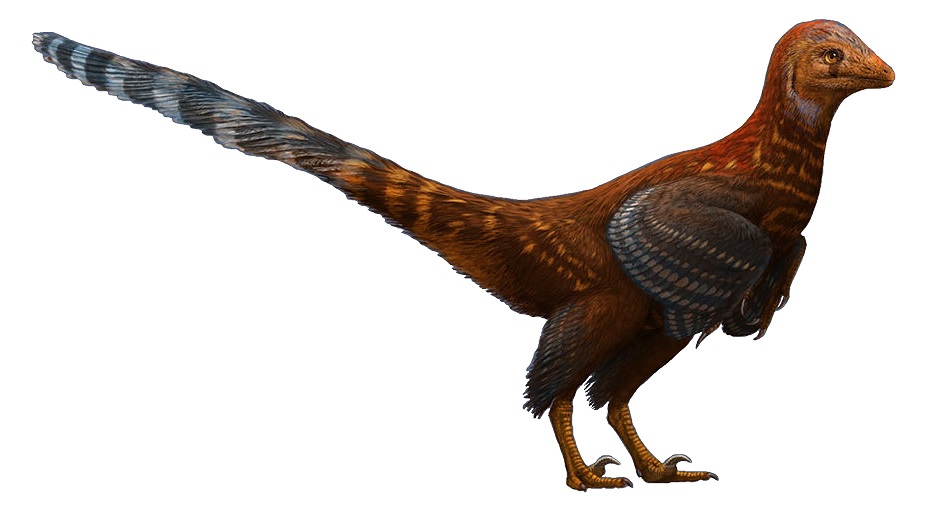
With its well-preserved fossil showing asymmetrical feathers, a trait associated with flight, Jianianhualong offers an intriguing glimpse at how feathers were evolving toward aerodynamic use, even in animals that weren’t fully airborne. It was about the size of a large chicken and part of the troodontid family, known for being clever by dinosaur standards. Looks, brains, and feathers—it had the whole package.
11. Dilong
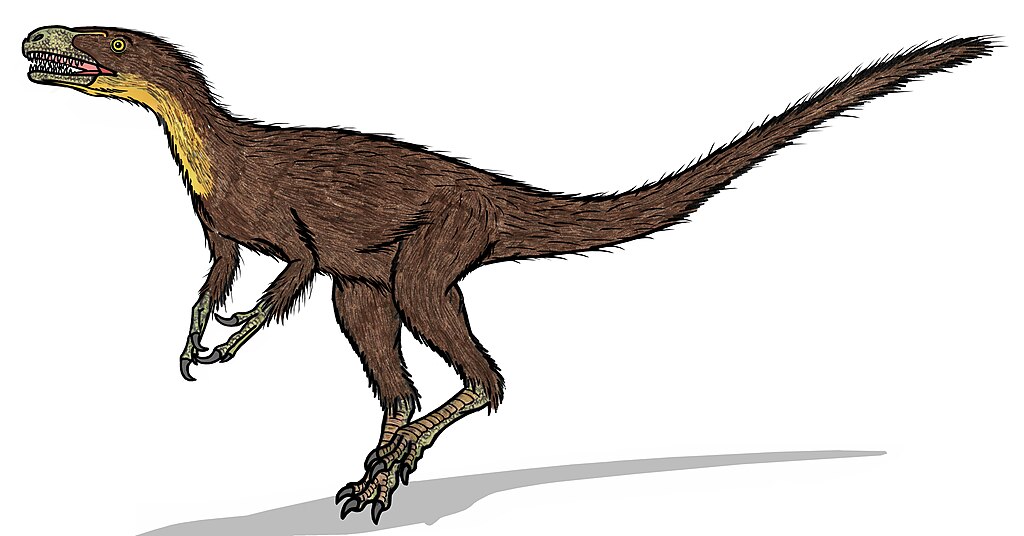
A distant cousin of T. rex, Dilong was much smaller and had a feathery coating. Its discovery helped change the thinking that tyrannosaurs were purely scaly monsters. It turns out even these fearsome families started off fuzzy. Its feathers probably helped with body heat in cooler climates. And while it wouldn’t win any flying contests, Dilong proves that feathered ancestors were everywhere, even among future apex predators.
12. Sinornithosaurus
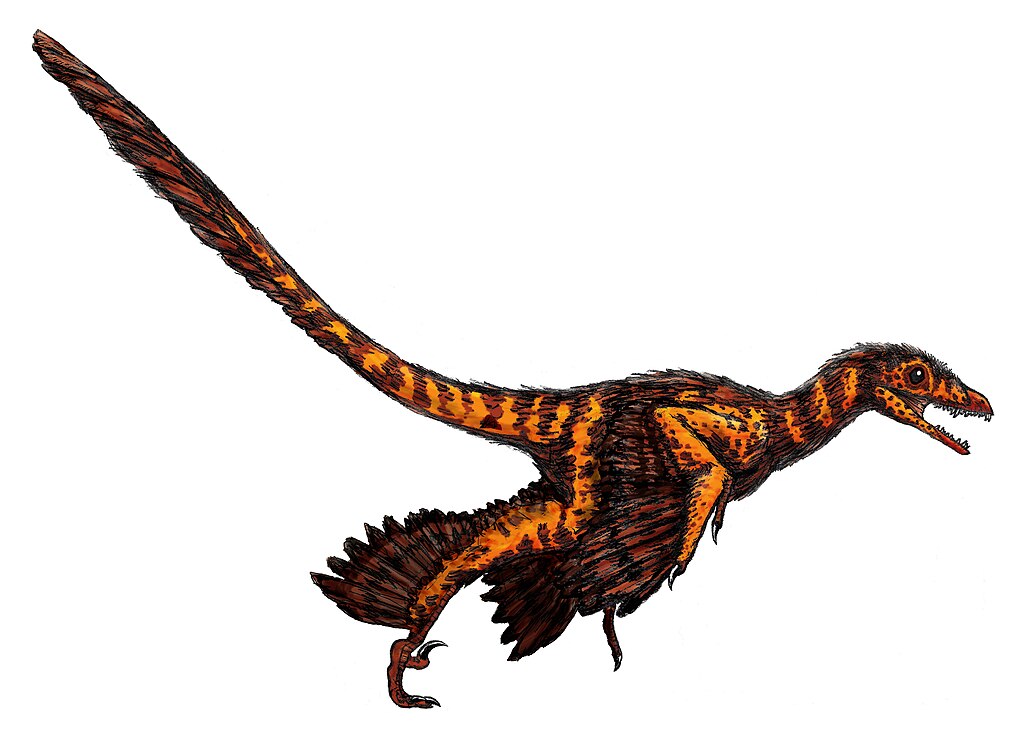
This dino’s name literally means “Chinese bird-lizard,” and it earned that title with long feathers, a sleek build, and bird-like proportions. It was a member of the dromaeosaur family, same as Velociraptor, and shared many features with early birds. It may have glided or simply jumped long distances, using its feathers for balance and style. Either way, it blurs the line between dino and bird so closely it’s almost not a line at all.
13. Rahonavis
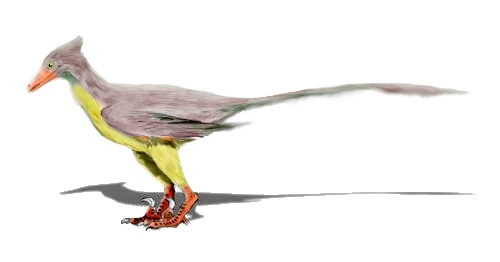
Found in Madagascar, Rahonavis had wing-like structures and features very similar to Archaeopteryx, the “original bird.” But its skeletal traits also place it firmly among non-avian dinosaurs, giving it dual citizenship in the evolutionary timeline. It likely had feathers and some flight ability, or at least the gliding beginnings of it. It’s another clear sign that by the end of the Cretaceous, feathered dinos weren’t the exception. They were everywhere.
14. Zhenyuanlong
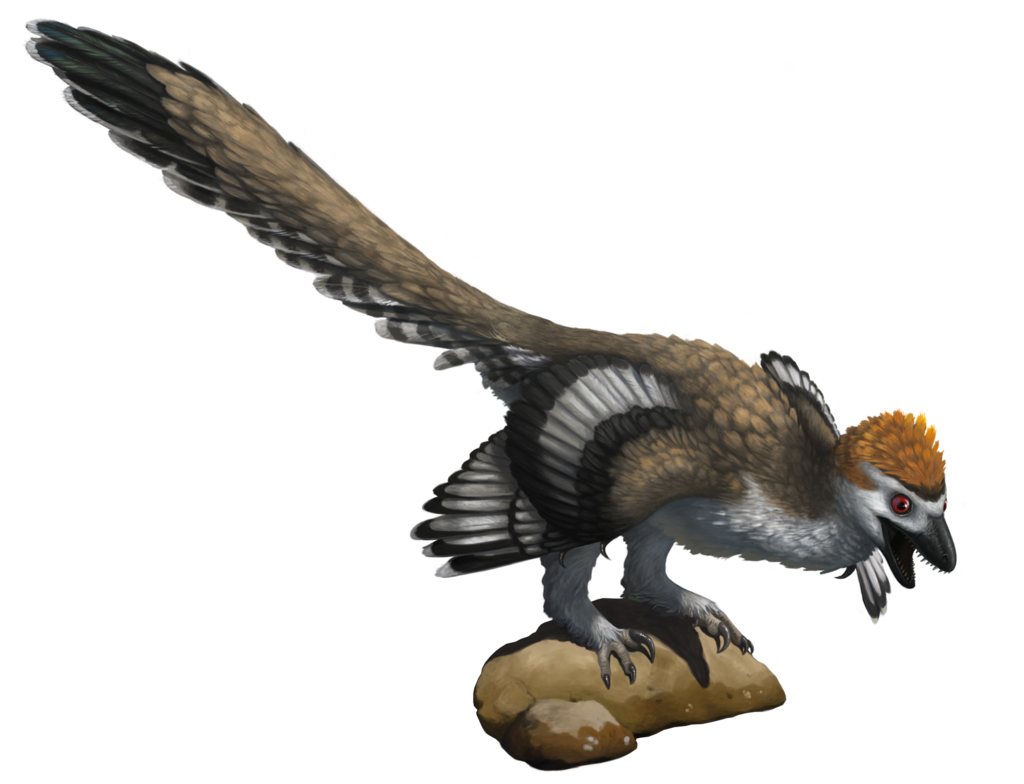
This dinosaur’s fossil is one of the most impressive ever found. Despite being a grounded creature, Zhenyuanlong had a fully developed set of wings, with layered feathers just like modern birds. It couldn’t fly, but its plumage was detailed, dense, and shaped like it belonged to something airborne. Evolution had clearly been trying out bird tech long before it perfected the flyer.
15. Archaeopteryx (the honorary bridge)
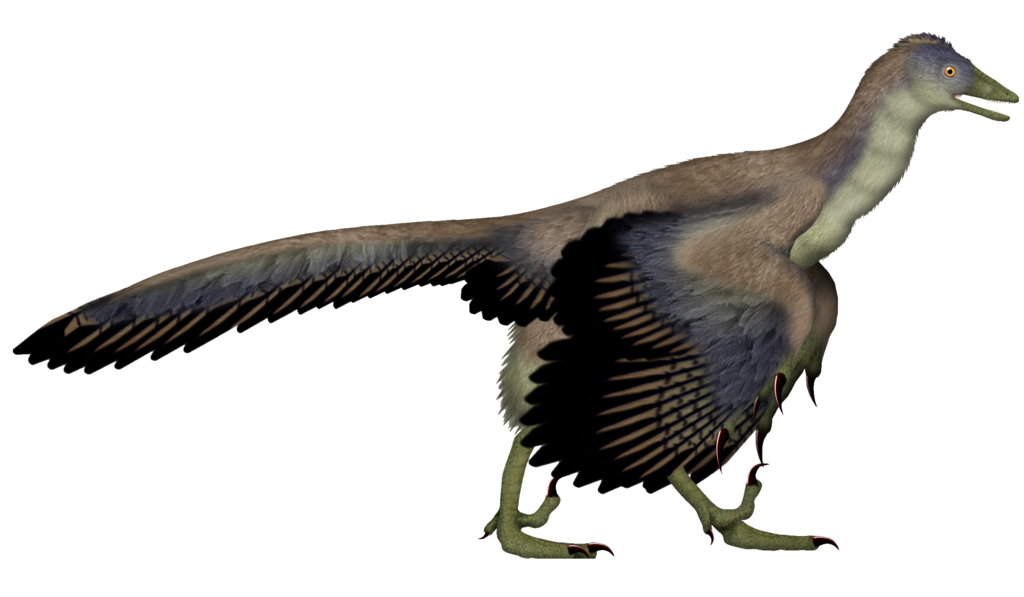
Often referred to as the first bird, Archaeopteryx is technically a transitional fossil—half bird, half dinosaur. It had flight feathers, claws on its wings, teeth in its mouth, and a long, bony tail. Stylish, but still a bit reptilian. It might not have been the strongest flier, but it was strong evidence that birds didn’t just “appear.” They evolved from feathered dinosaurs over millions of years. And Archaeopteryx was one of the loudest clues nature ever left behind.