We picture dinosaurs roaring, stomping, and battling it out, and that might have happened.
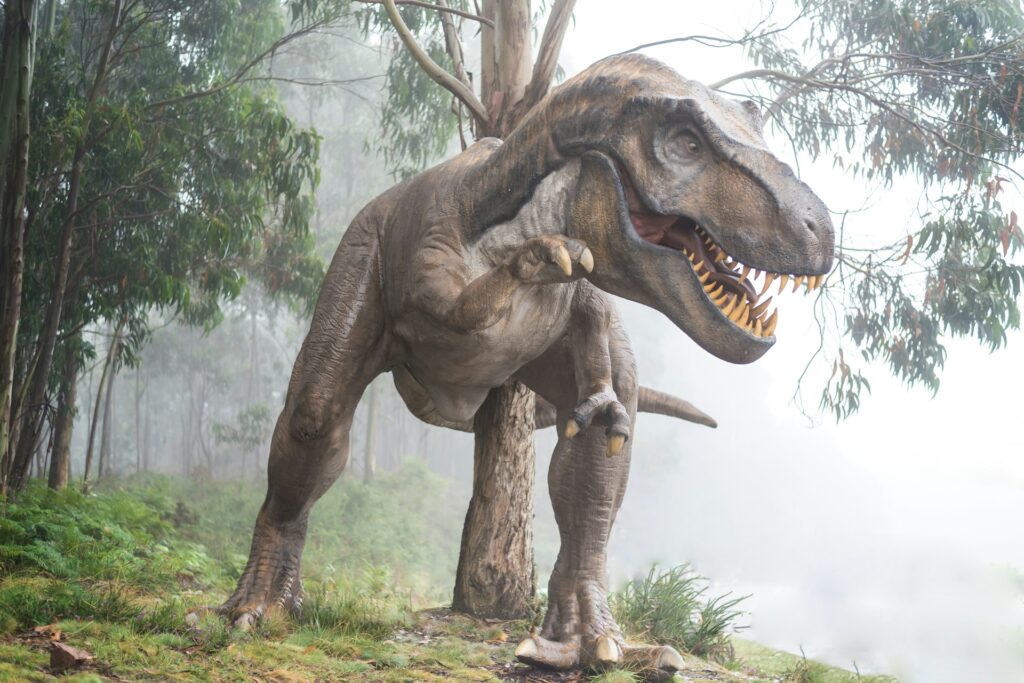
However, chances are, their social lives were probably a lot more complex than that. There’s still so much we’ve yet to uncover about these incredible creatures, especially considering the data and evidence we have on them is so limited. Still, we’re learning new things every day that give us a greater understanding of the dinosaur world. From mysterious crests to ancient sound chambers, here’s how scientists think they may have communicated.
1. Low-frequency rumbling sounds
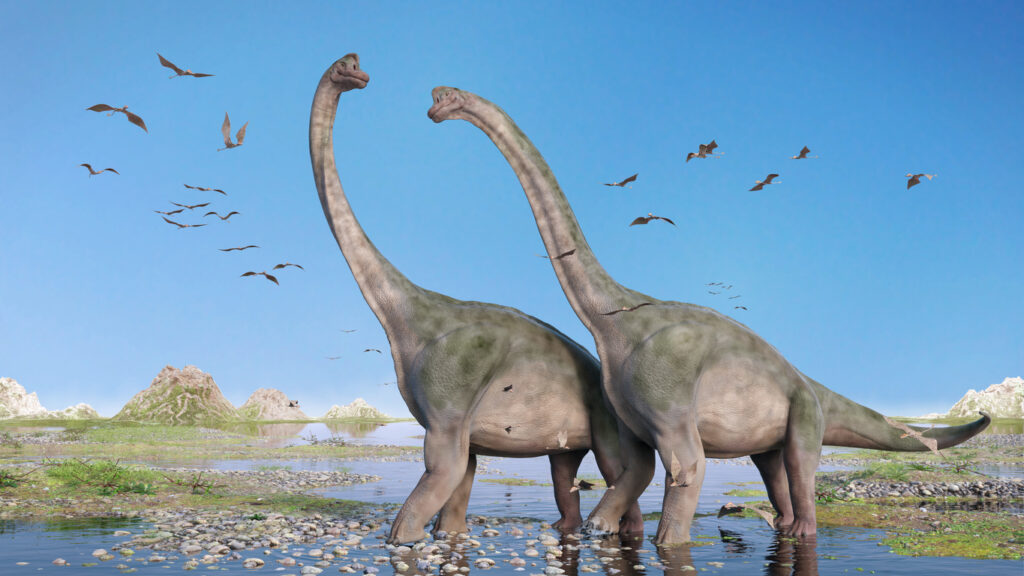
Some dinosaurs, especially the larger species like sauropods, may have used deep, low-frequency sounds to communicate across long distances. These rumbling noises would’ve been too low for humans to hear—more like vibrations you’d feel in your chest than actual sound.
This method is still seen today in elephants and crocodiles. The idea is that these sounds could travel through the ground or dense forests, allowing herds to stay in touch without needing to see each other. Scientists are still working out exactly how these ancient giants produced them, but fossil evidence suggests they had the anatomy to make it happen.
2. Hollow crests and skull chambers
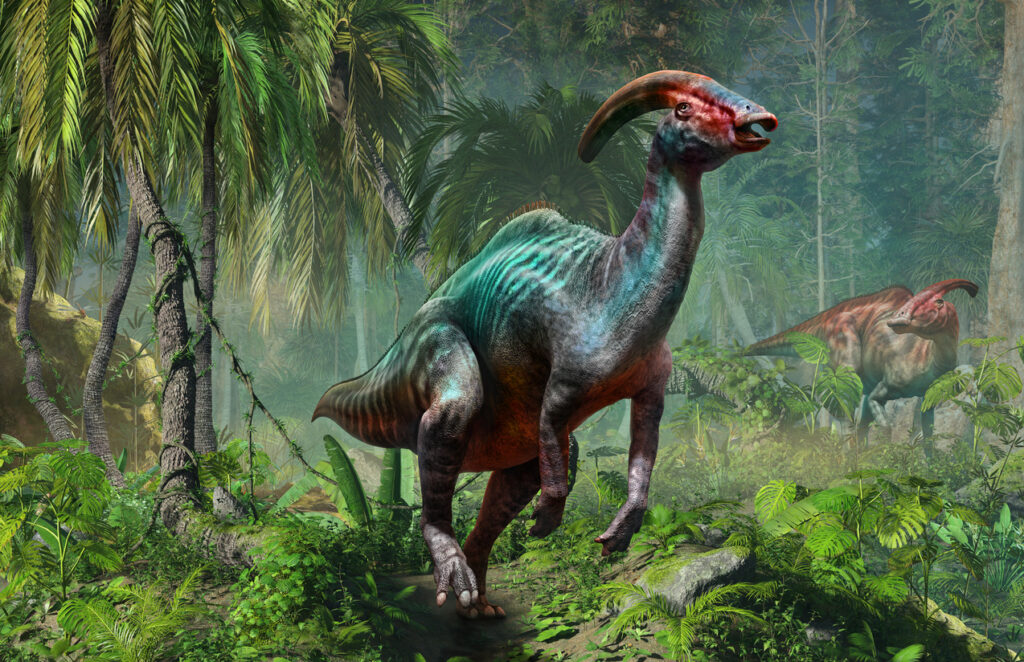
Some hadrosaurs, like the Parasaurolophus, had huge, tube-shaped crests on their heads, and scientists believe these worked like built-in sound systems. Air could travel through the crest, creating eerie, resonant calls that may have carried over great distances.
This isn’t just guesswork. CT scans of fossilised skulls show complex internal structures that look very much like resonance chambers. These sounds could’ve been used to attract mates, scare rivals, or keep in touch with the rest of the group. No one’s totally sure, but researchers have even recreated digital versions of these calls, and they sound surprisingly sci-fi.
3. Visual displays with feathers
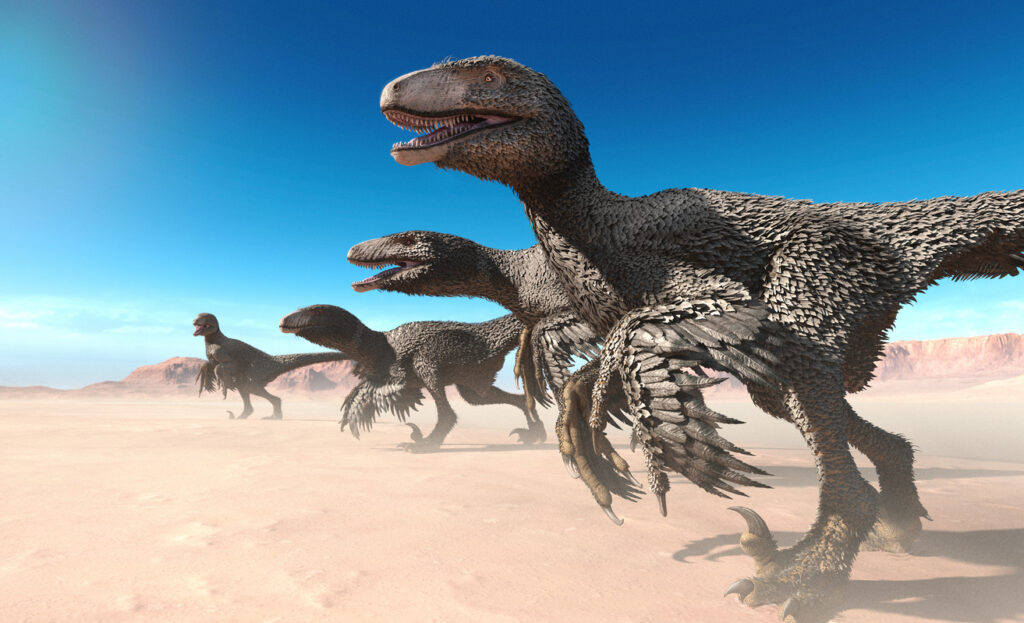
Plenty of dinosaurs, especially those closely related to modern birds, had feathers. But they weren’t just for flying or staying warm—some were likely used for display. Brightly coloured feathers could’ve acted like flags or billboards during social interactions.
Think peacock-style showing off, but prehistoric. The more colourful or elaborate the feathers, the more attention a dinosaur could draw, whether it was for attracting a mate or warning off a threat. We might never know exactly what these feathers looked like in full colour, but fossil impressions and melanosome studies give strong hints that visual communication was a big part of their world.
4. Stomping and ground vibrations
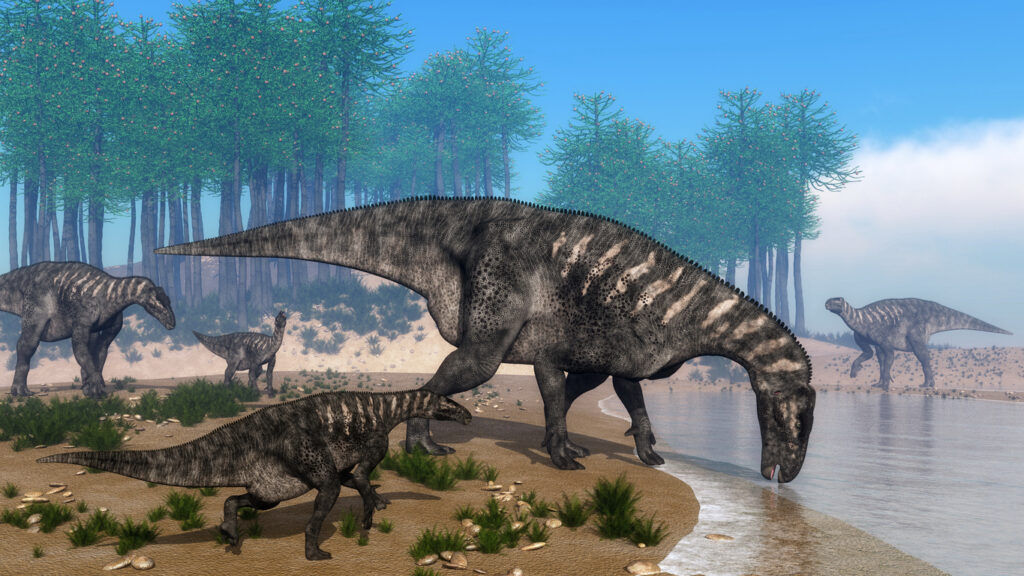
There’s a growing theory that some dinosaurs may have used the ground itself to send messages. By stomping or shifting their weight, they could create vibrations that travelled across the terrain, similar to how elephants and even some spiders communicate today.
This could’ve worked especially well in herd settings or dense environments where visual and vocal cues weren’t always reliable. The idea is still being explored, but it opens up a fascinating view of dinosaurs using the earth beneath them as a sort of communication network.
5. Body language and posture
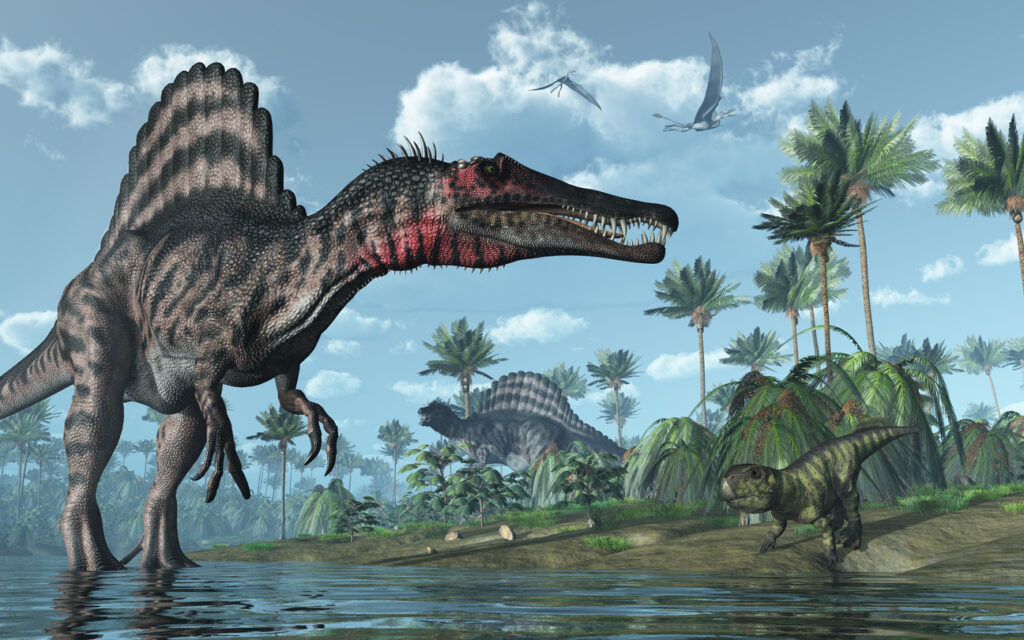
Not every dinosaur needed to roar or flash bright feathers to make a point. Body language likely played a huge role in communication. Tail flicks, neck stretches, head dips, or puffed-up chests could all have signalled specific messages, just like many modern animals use postures to show dominance or submission.
Fossils can’t preserve gestures, but by studying skeletal structure and comparing it to living reptiles and birds, scientists are piecing together how certain stances might have been used. In pack dynamics, for example, one look or movement could’ve meant the difference between a challenge or a retreat.
6. Scent-based signals
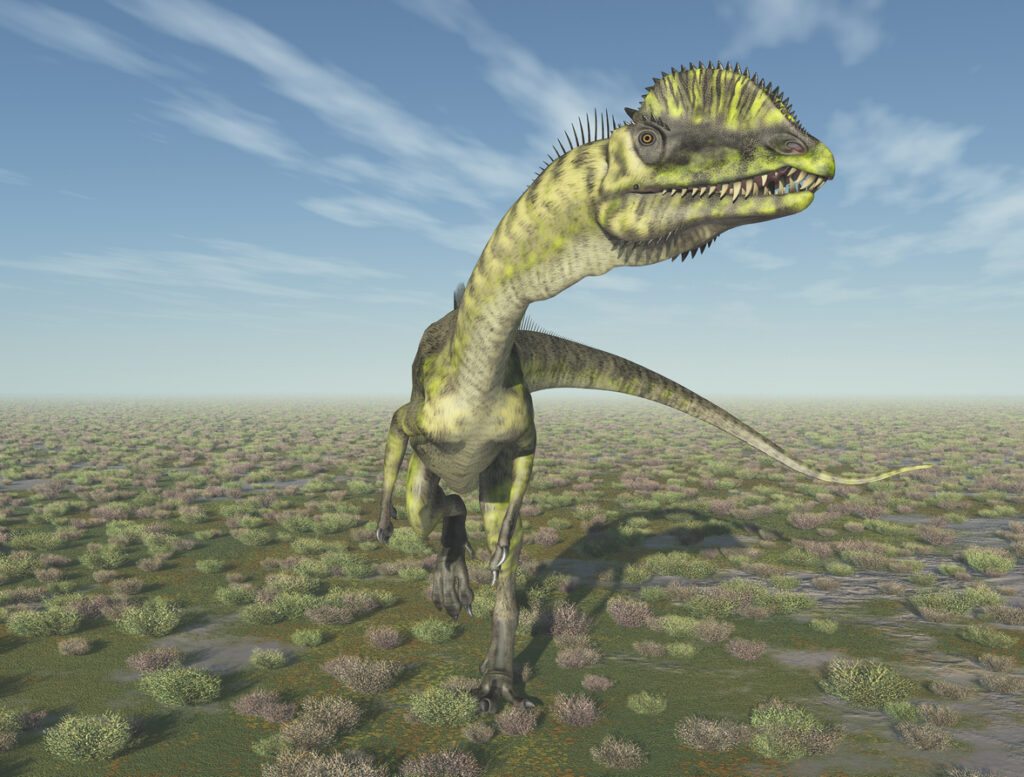
While it’s harder to prove, there’s a decent chance some dinosaurs communicated chemically through scent. Glands in the skin, droppings, or even scratch marks might’ve been used to leave behind territorial markers or mating cues.
This kind of communication is common in reptiles today, and some behavioural fossils, like scratched-up trees or unusual groupings, hint at possible scent-marking habits. If certain dinosaurs had well-developed olfactory bulbs (parts of the brain that process smell), it’s likely they relied on scent more than we realise.
7. Nest arrangement and parenting behaviours
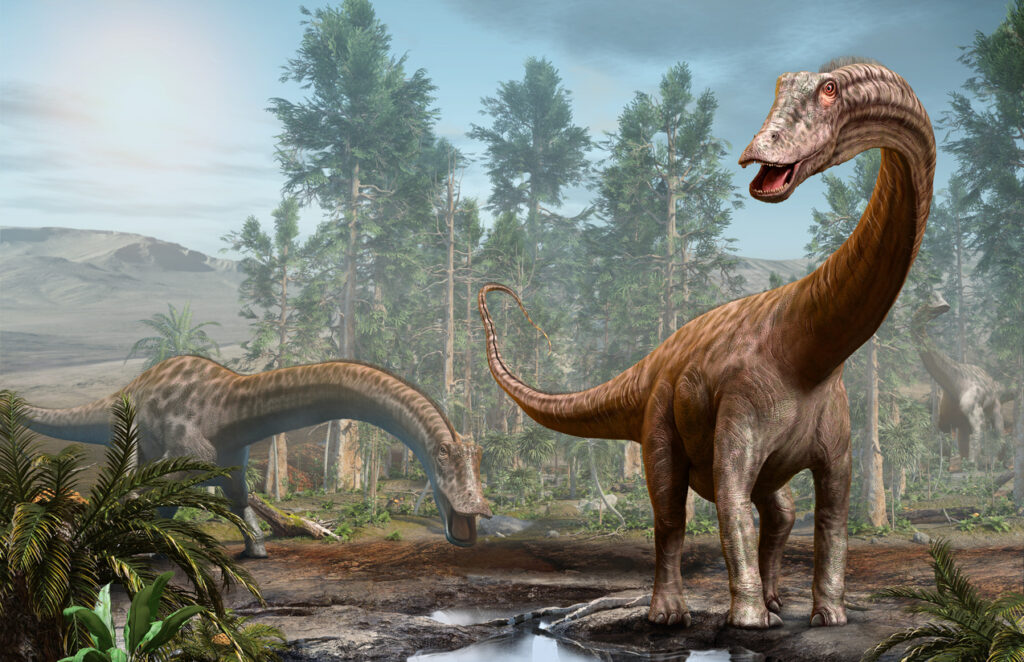
Some dinosaur species, like the Maiasaura, are thought to have been attentive parents, and nesting behaviours might’ve been a way to communicate care, social structure, and safety within a group. The layout of nesting sites suggests planned arrangements and communal protection strategies.
By creating consistent nests and staying near them, dinosaurs may have been sending signals of presence and cooperation to others nearby. Fossilised egg clutches and adult skeletons found near them hint at a much more emotionally complex world than the “cold-blooded lizard” image suggests.
8. Group movement coordination
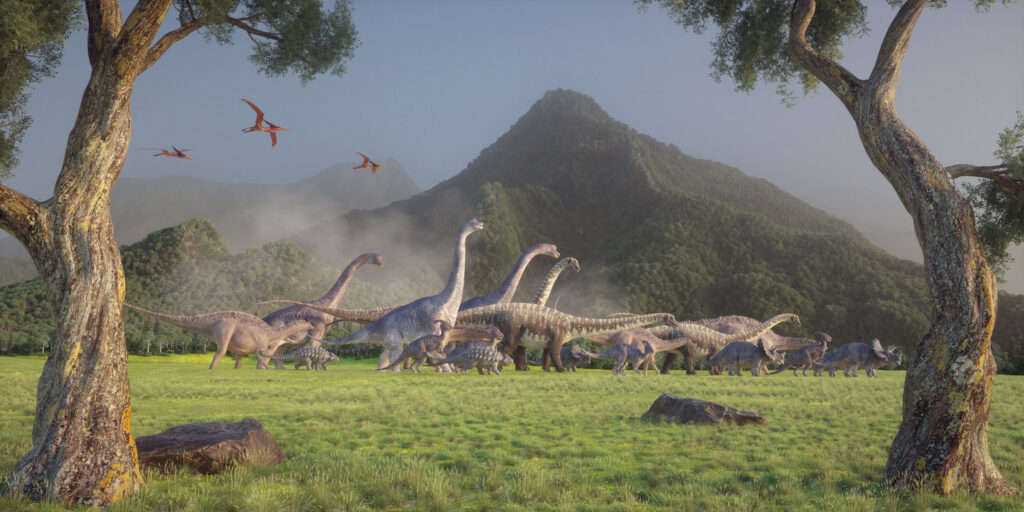
There’s strong evidence that many dinosaurs moved in groups, from theropods to massive herbivores. Coordinating that movement, especially across tough terrain or while migrating, would’ve required some level of communication, even if it wasn’t vocal.
Rhythmic movements, tail sways, or subtle sounds may have helped maintain group cohesion. Fossilised trackways show organised formations, suggesting some dinosaurs followed a leader or synced their pace with others. It’s likely they developed ways of “talking” through movement more than we give them credit for.
9. Juvenile communication styles
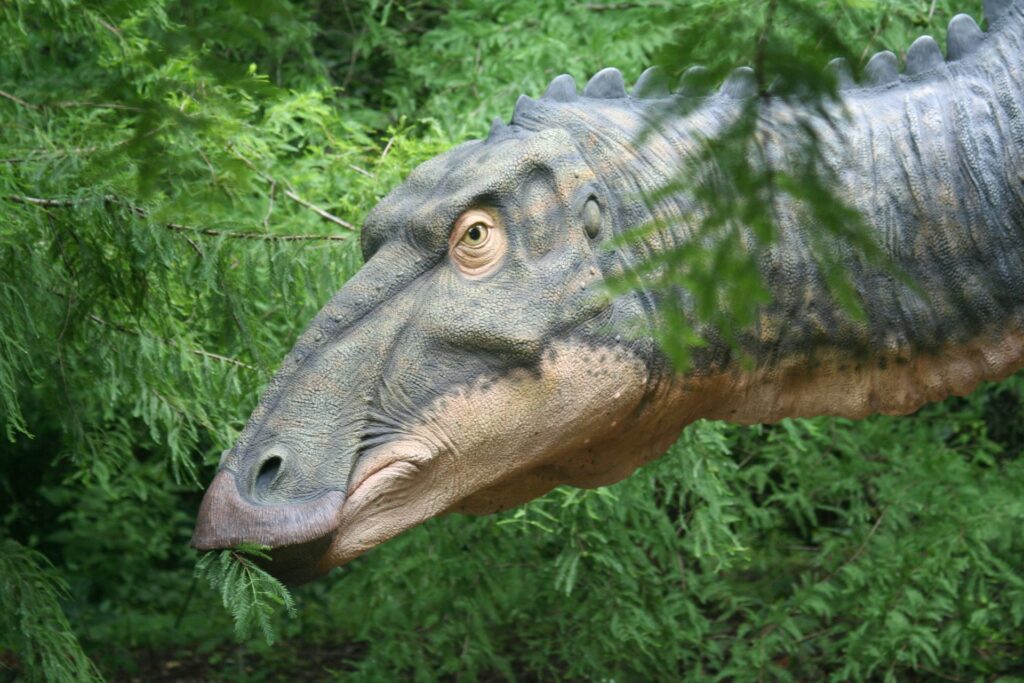
Young dinosaurs might have had their own ways of getting attention. In modern birds and reptiles, babies often chirp, beg, or use exaggerated movements to communicate with parents. Some fossil evidence hints that juvenile dinosaurs may have used similar methods to signal hunger or distress.
Even the shape of their skulls and vocal tracts may have made their calls distinct from adults, making it easier for parents to recognise and respond. These baby-to-parent interactions may have been more common, and more complex, than we’ve assumed.
10. Silence as strategy
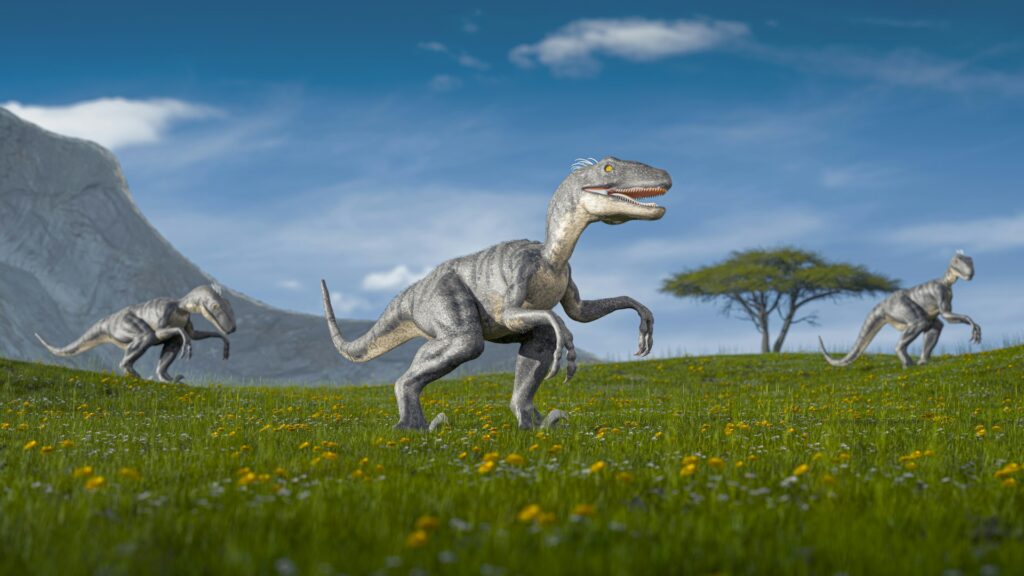
Not every dinosaur needed to be loud or flashy. In fact, for smaller species or those hunted by predators, staying silent might’ve been the smartest form of communication. Subtle signals—like eye movement, tail twitches, or staying still—could mean the difference between safety and becoming lunch.
Silence might have helped coordinate movement, alert others to danger, or just keep a group hidden. It’s a reminder that not all communication is about making noise—sometimes survival depends on knowing when to stay quiet.