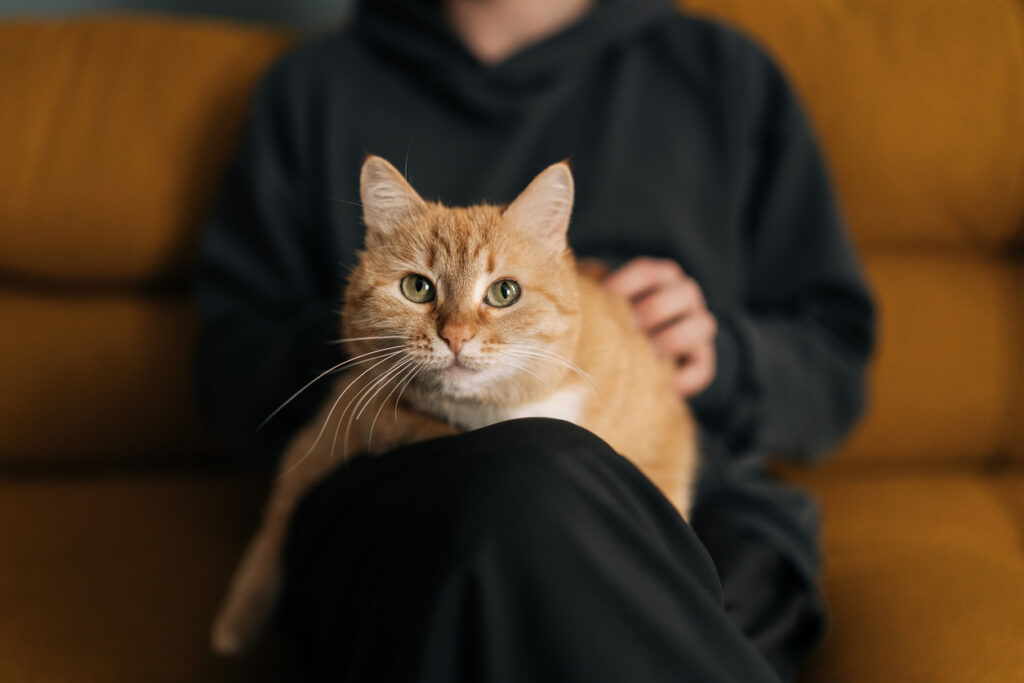
Catsitting sounds simple until you realise how much emotion sits behind it. People are handing you their keys, their home, and an animal they see as family. They are trusting you with something that can’t speak up if something feels wrong. If you want owners to relax instantly and think yes, I picked the right person, these are the rules that quietly separate average sitters from the ones people rebook without hesitation.
Follow the routine like it’s written in stone.
Cats are creatures of habit in a way that surprises people who have never lived with one. Feeding times, the order of tasks, the exact brand of food, even where the bowl is placed can matter more than it seems. When an owner explains the routine, don’t treat it like a rough suggestion. Treat it like instructions that exist for a reason, even if that reason isn’t obvious to you.
Sticking to the routine does two important things. First, it keeps the cat feeling secure while their human is away. Second, it shows the owner you respect their knowledge. You’re not there to improve or experiment. You are there to maintain stability, and that reliability is what builds trust fast.
Communicate before they have to ask.
Owners shouldn’t have to send a message wondering how things are going. If you send a short update each day without being prompted, it instantly calms nerves. A simple note saying she ate all her food, used the litter tray, and had a good play session is enough to make someone breathe easier.
Adding a photo makes it even better. Seeing their cat looking relaxed on the sofa or mid stretch in the hallway reassures them in a way words alone can’t. You’re not just ticking boxes. You are showing that the cat is safe and content in real time.
Pay attention to small behaviour changes.
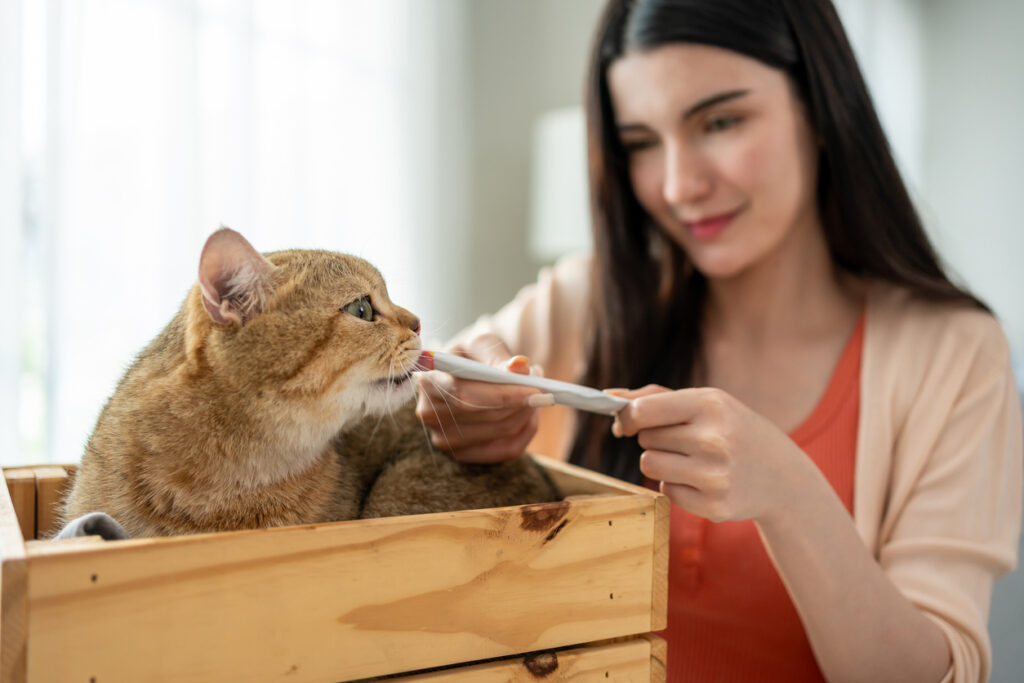
Trust grows when owners realise you are genuinely observant. Notice if the cat eats less than usual, drinks more water, hides more often, or seems extra clingy. You don’t need to panic over every shift, but mentioning changes shows you are tuned in. When you can describe the cat’s mood or habits in detail, it proves you are present during your visits. You’re not rushing in, pouring food, and leaving. You are actually engaging with the animal and understanding what is normal for them.
Treat the litter area as a top priority.
Nothing undermines confidence faster than a poorly managed litter tray. Scoop it daily, sometimes twice if needed. Check for unusual signs like diarrhoea or strong smells. Keep the surrounding area clean and free of scattered litter. Owners often judge care by the state of the litter tray because it’s such a clear indicator of attention. A spotless area tells them you are responsible and hygienic. It also keeps the cat comfortable, which prevents stress-related accidents elsewhere in the house.
Leave the house exactly as you found it.
When someone opens their door after a trip, they should feel like they are walking back into their own space, not a place that has been lightly rearranged. Put items back where they belong. Wash bowls properly. Wipe down surfaces if you spill water or food. Even small things like closing blinds the same way or resetting thermostats matter. Owners notice these details immediately. When everything feels untouched and orderly, it reinforces that their home was respected.
Never bring anyone else into the home.
Even if it feels harmless to have a friend pop in for a minute, it’s not your call. Owners didn’t agree to strangers entering their space. Trust can collapse instantly if boundaries are crossed. Catsitting is a professional responsibility, even if it feels informal. Treat the home as private and protected at all times. That level of respect makes people feel safe booking you again.
Stick precisely to feeding instructions.

Portion sizes, specific brands, medical diets, and treat limits are rarely random. Some cats struggle with weight, others have allergies or digestive issues. Following instructions exactly shows you understand that food is part of their health, not just a convenience. Resist the temptation to give extra because the cat looks hungry or adorable. Owners want consistency, not guesswork. Precision builds confidence and prevents avoidable problems.
Know emergency details before you need them.
Ask where the nearest vet is, what to do if the cat gets sick, and how to reach the owner in different time zones. Clarify what counts as an emergency and what can wait. Having this conversation upfront shows you think ahead. Even if nothing happens, the preparation itself reassures the owner. They know you won’t freeze or panic if something unexpected occurs. Calm readiness is one of the strongest trust signals you can send.
Spend proper time with the cat, not just minutes.
Cats may seem independent, but they still need presence and interaction. Sit down. Let them approach you. Engage in play if they enjoy it. Brush them if that is part of their routine. Your time should feel intentional, not rushed. When owners hear that their cat seemed relaxed, played normally, or settled beside you, it eases guilt about being away. It shows their pet wasn’t just fed, but genuinely cared for.
Respect the cat’s personality and boundaries.
Every cat is different. Some demand attention. Others prefer distance and quiet observation. Forcing cuddles or constant interaction can cause stress, especially with shy animals. Let the cat set the tone. Move gently and speak calmly. When you adapt to their comfort level instead of imposing your own, owners see that you understand feline behaviour rather than treating all cats the same.
Ask thoughtful questions before the job begins.

Clarify where cleaning supplies are kept, how to handle unexpected messes, which doors stay closed, and where the cat likes to hide. These questions show you are serious about doing the job properly. Owners feel reassured when they see you thinking ahead instead of assuming you will figure it out. Preparation signals professionalism, and professionalism creates trust quickly.
Be honest and calm if something goes wrong.
Accidents happen. A plant might get knocked over. The cat might vomit on the rug. What matters most is how you respond. Message the owner promptly, explain what happened, and describe what you have already done to fix or clean it. Trying to hide issues damages trust far more than the issue itself. Calm, clear communication shows maturity and accountability. Owners prefer transparency over pretending everything is perfect.
Show that you genuinely care.
At the heart of all this is one simple thing. Owners want to feel that their cat matters to you. Speak kindly to the animal. Notice their quirks. Mention small details in your updates that show you were really paying attention. When care feels real rather than transactional, owners sense it straight away. That feeling is what makes them recommend you to friends, book you again, and hand over their keys without hesitation next time.