We often imagine lifelong love as a uniquely human thing, but the bird world has a few surprises in store.

Several British species stick with one partner for the long haul. Sometimes it’s for practical reasons, sometimes out of habit, and sometimes with a tenderness that honestly feels a bit emotional. From noisy duets to midair courtship displays, these birds have their own ways of saying, “You’re still the one.” It’s pretty romantic, don’t you think?
1. Mute swans

Probably the most famous “monogamous” bird in the UK, mute swans often pair for life, and they do it with quiet grace. You’ll usually spot them gliding in pairs, necks curved in that iconic heart shape, looking like a romantic postcard. What’s sweet is how much they share the parenting load. They both defend the nest fiercely, and when the cygnets arrive, they tag-team care duties. If one partner dies, the other often goes into mourning and may not mate again for years, if at all.
2. Barn owls

Barn owls might look ghostly, but their love lives are surprisingly grounded. They tend to pair up young and stay together, especially if they’ve found a good nesting site with plenty of food nearby. The male will keep bringing the female food during courtship, which is part practical, part affectionate. Some pairs will even roost together in the same spot for years, showing that low-drama loyalty isn’t just for fairytales.
3. Puffins
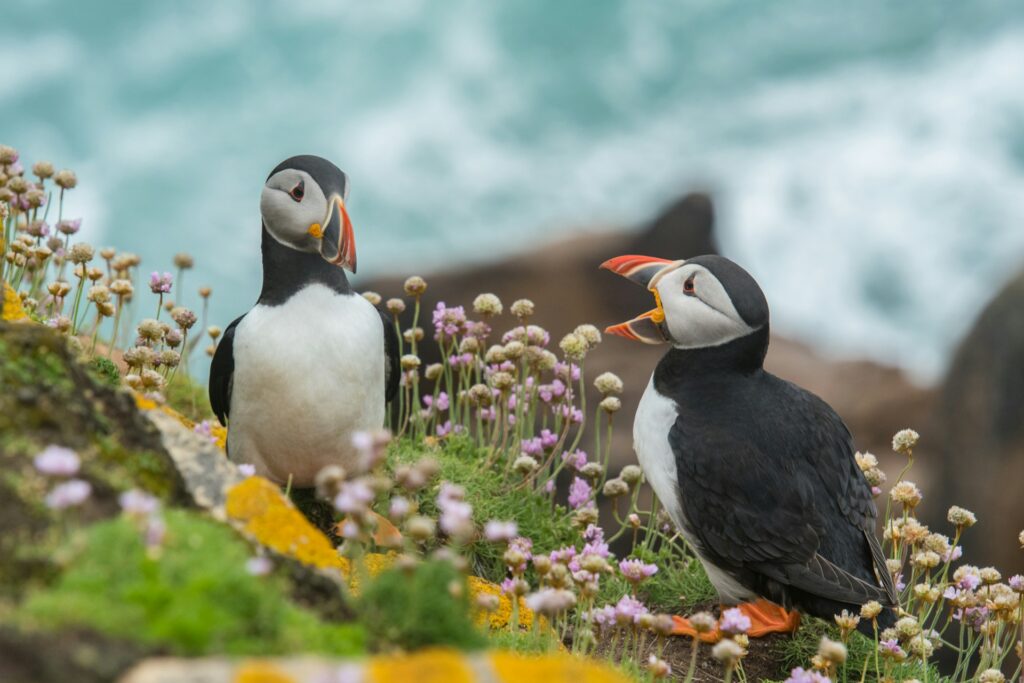
These clown-faced seabirds return to the same cliffside burrows every year—often with the same partner. They don’t spend the winter together, but when nesting season rolls around, they reunite like a little seabird rom-com. Puffins engage in something called “billing,” where they tap their colourful beaks together in a display that looks oddly like kissing. It helps strengthen their bond, and keeps tourists delighted year after year.
4. Tawny owls
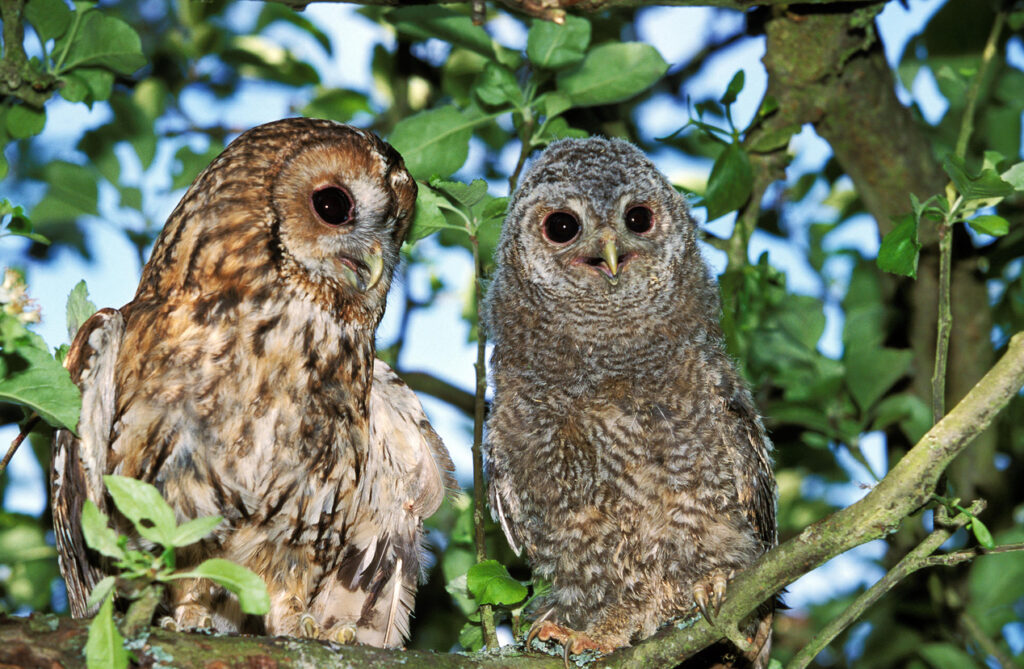
Tawny owls form strong territorial partnerships that can last for life. Once they’ve set up home in a woodland patch, they usually stick to it, and to each other. Their bond revolves around cooperation more than outward affection. You might not see them together often, but you’ll definitely hear them. Their classic “twit-twoo” call is actually a duet—one bird doing the “twit,” the other replying with the “twoo.” It’s a surprisingly coordinated way to stay connected.
5. Carrion crows
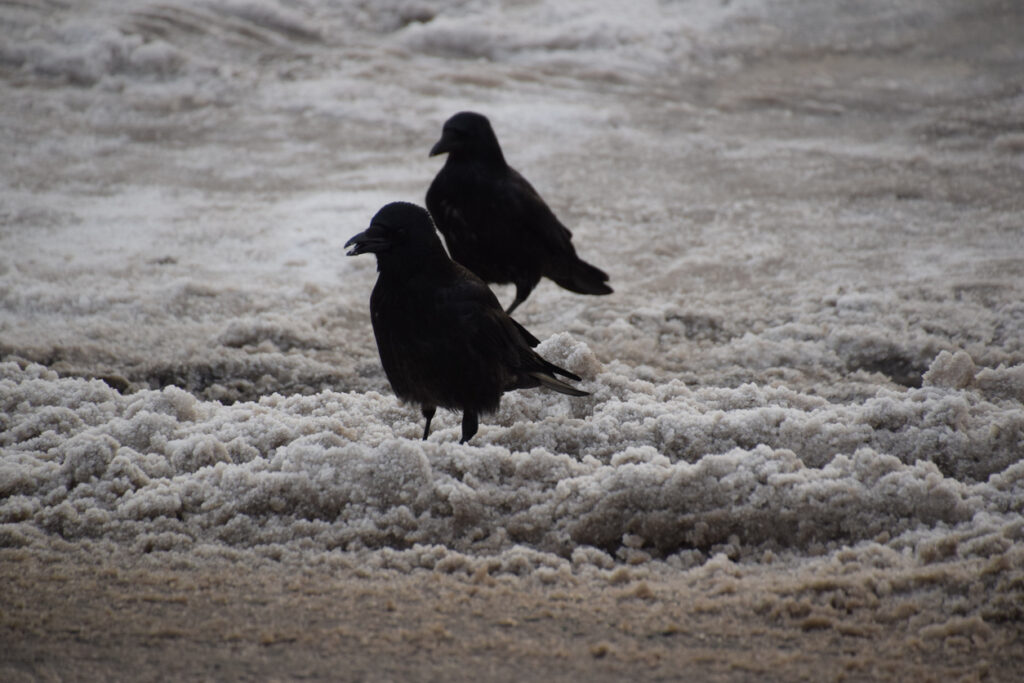
Often misunderstood as grim or aggressive, carrion crows are actually deeply intelligent and highly loyal birds. They typically pair for life and are intensely bonded with their mate, often sticking close even outside the breeding season. They build nests together, raise their young as a team, and share food long after the chicks have flown the nest. You might even catch them gently preening each other’s feathers, which is as close to avian affection as it gets.
6. Ravens
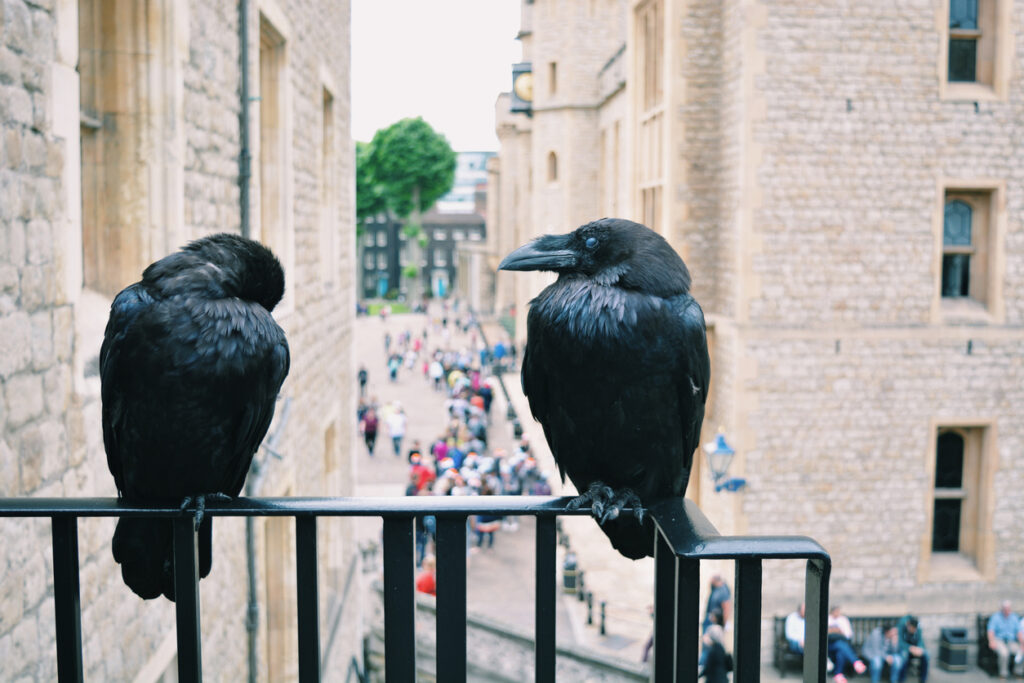
Ravens are known for their brains, but they also have a surprisingly romantic side. Once they’ve chosen a mate, they often stay together for life, especially if they’ve secured a good nesting territory. They’re playful with each other, too. Pairs have been seen sliding down snowbanks together or passing objects back and forth just for fun. For a bird associated with gloom and doom, ravens make pretty devoted long-term partners.
7. Great crested grebes
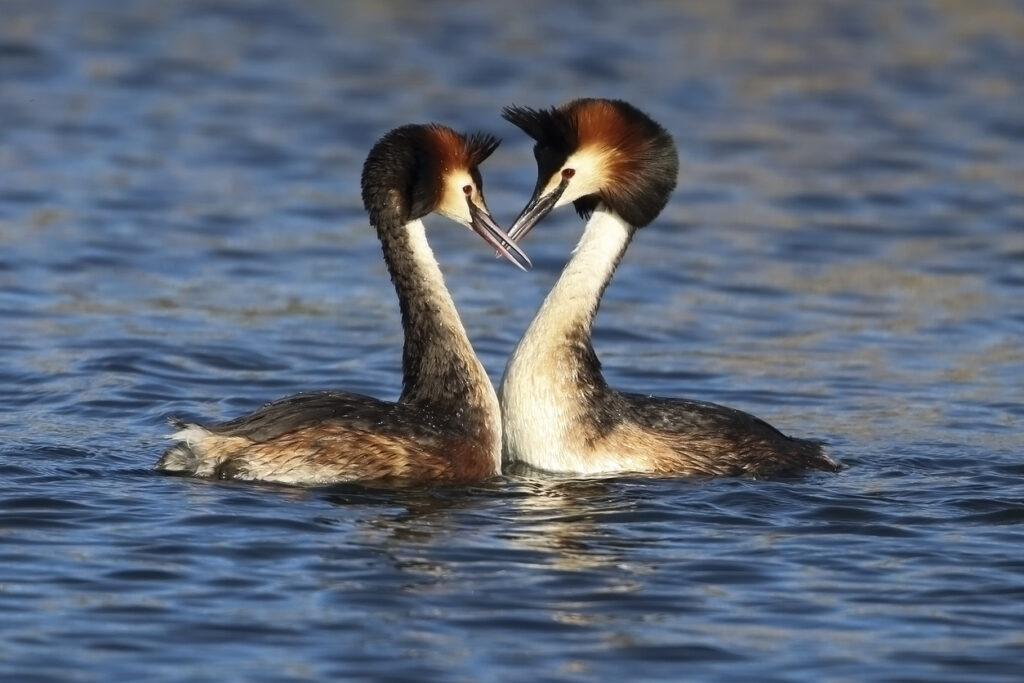
These elegant waterbirds are famous for their elaborate courtship dances, which look almost like synchronised swimming routines. They mirror each other’s movements, shake their heads, and offer bits of weed like little gifts. Once paired, they stay together through the season, and often beyond. Their rituals aren’t just for show. They help maintain the bond, especially while raising chicks. You’ll often see both parents taking turns carrying their young on their backs.
8. Long-tailed tits
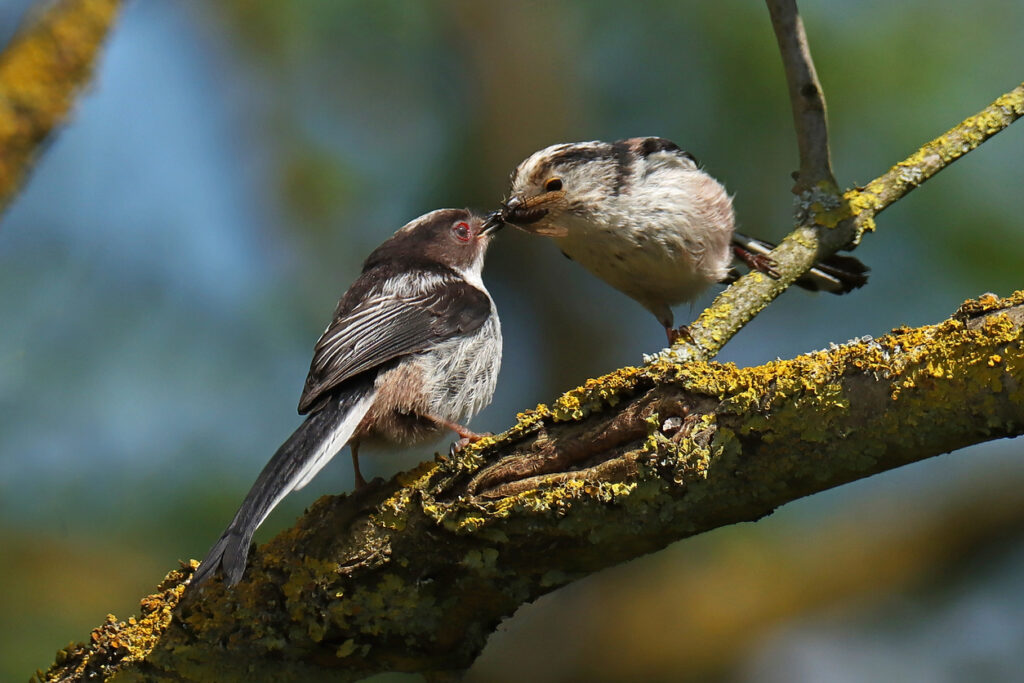
These fluffy little birds are mostly known for their cuteness, but behind the scenes, they’re hardworking and loyal. They often pair up for life and build beautifully woven nests together each spring. If they lose a brood, they’ve been known to help nearby relatives raise theirs instead, showing just how committed they are to the flock as a whole. Their loyalty extends beyond the nest—it’s a full community vibe.
9. Gannets
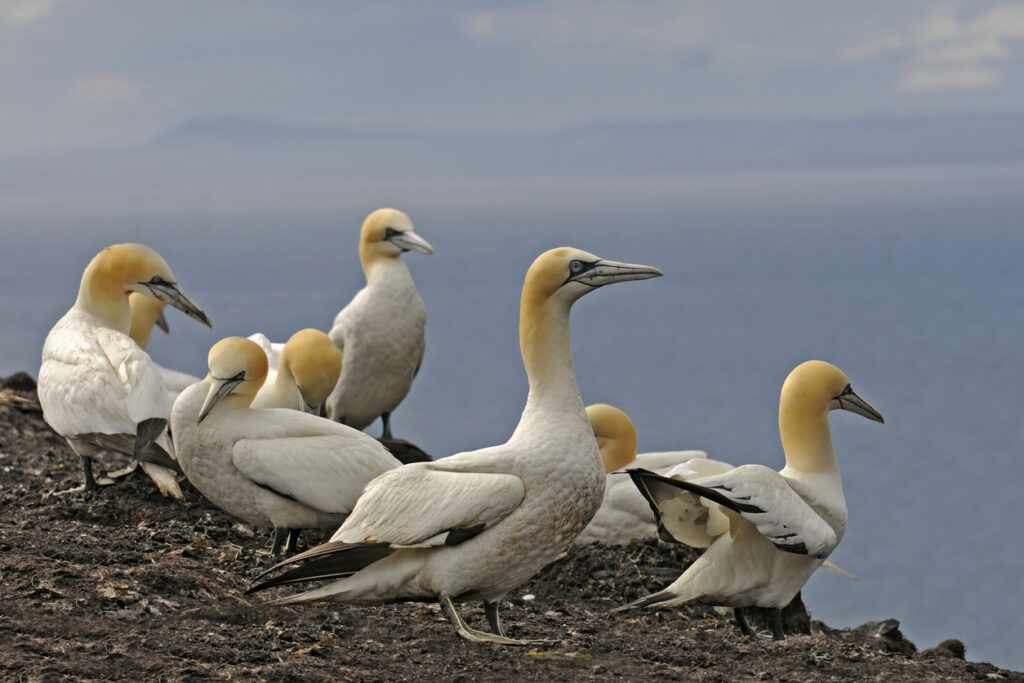
Gannets are cliff-nesting seabirds that form long-term bonds, often returning to the same mate and the same nest site year after year. Their greeting rituals are intense—lots of head-rubbing, beak-fencing, and mutual preening. They’re also fiercely territorial. A mated pair will guard their space together and take turns incubating eggs. Their connection is loud, physical, and built on cooperation in one of the toughest nesting environments out there.
10. Oystercatchers
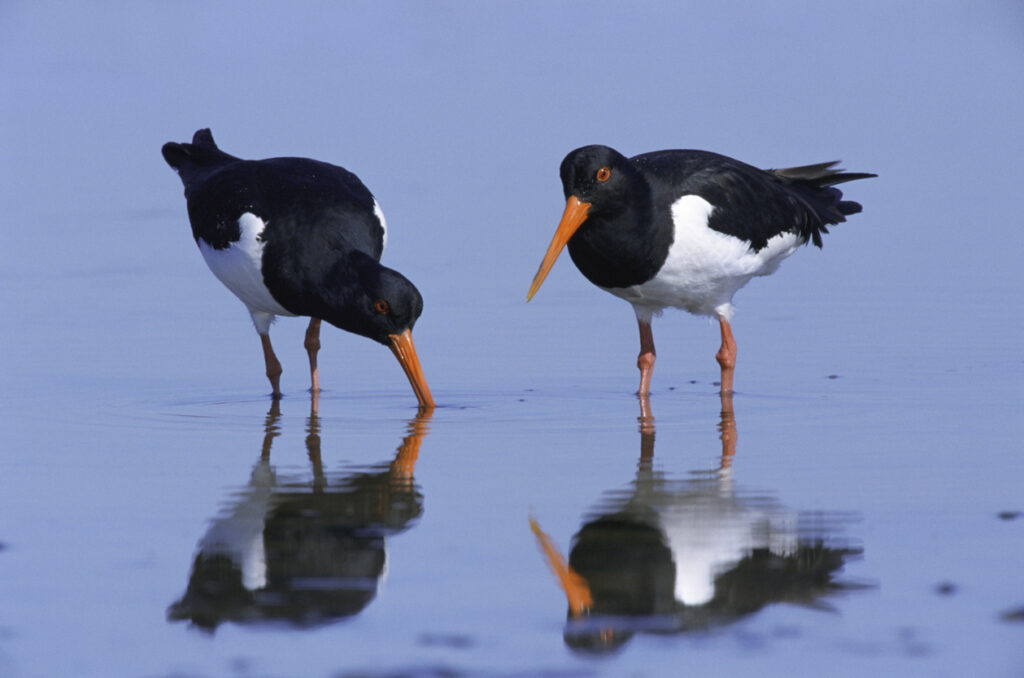
Oystercatchers mate for life and return to the same coastal nesting areas year after year. Their bond is based on routine, territory, and cooperation—and they’re often spotted foraging side-by-side even outside breeding season. They also raise their chicks together, taking turns protecting the nest and leading the young to food. It’s a quieter kind of loyalty, but one that lasts well beyond just one breeding season.
11. Canada geese
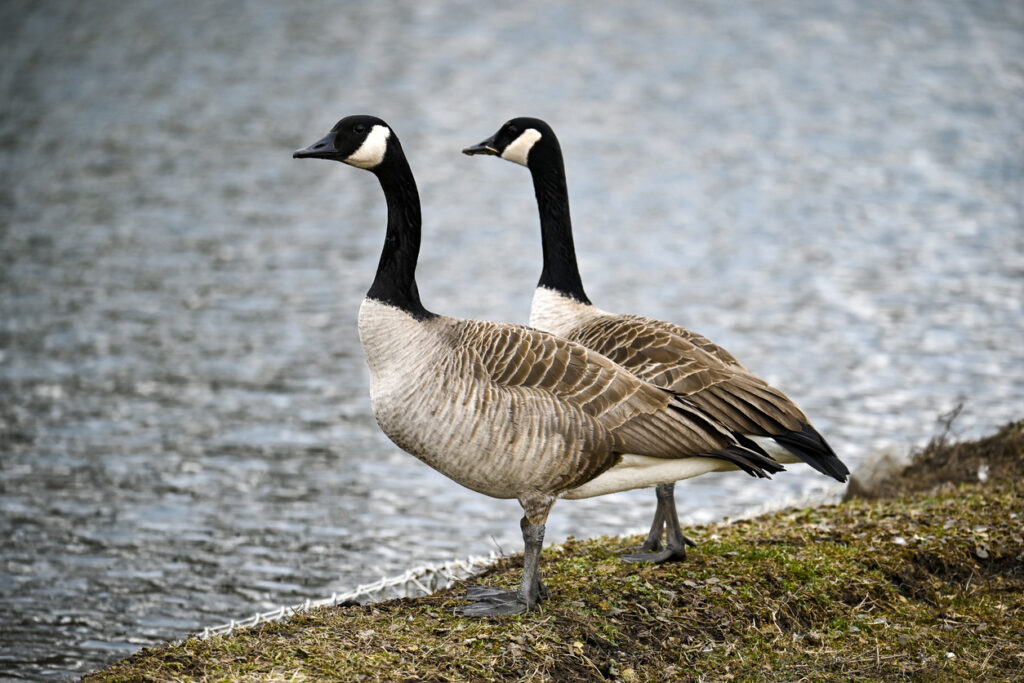
Though not native, Canada geese are now a familiar sight across UK parks and waterways, and they’re big believers in loyalty. Once they’ve paired up, they stick together through migration, nesting, and rearing their young. If one partner dies, the other may stay single for quite some time, and they’re known to mourn. It’s a surprisingly emotional attachment for birds that people often think of as pushy park bullies.
12. Jackdaws
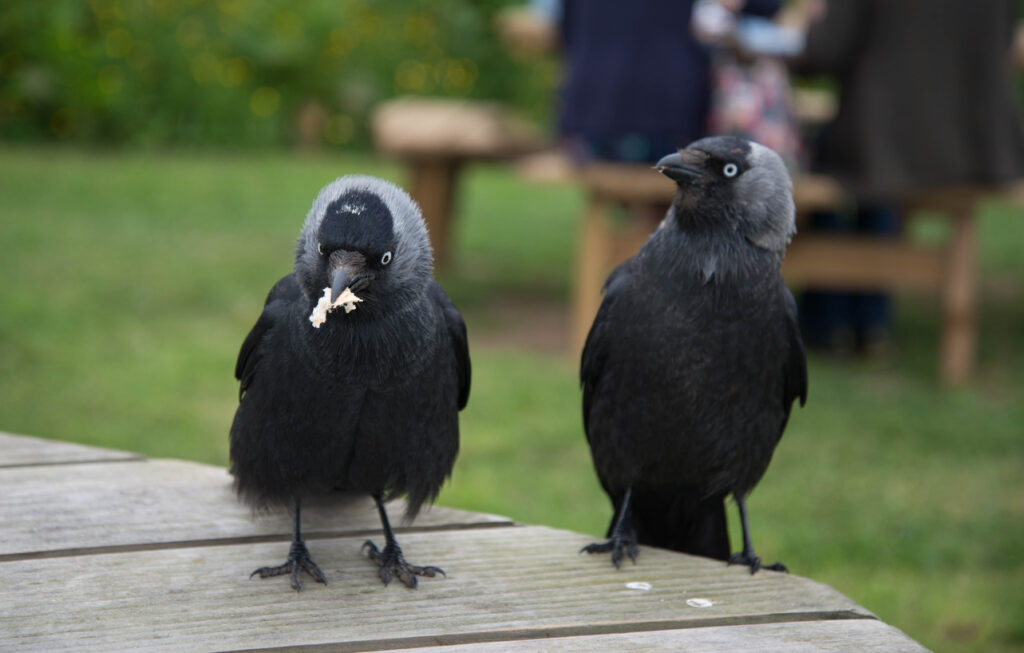
Jackdaws, the smallest members of the crow family, form lifelong pair bonds and are rarely seen apart. Even when flying with a large flock, you’ll spot the same two birds sticking close to each other. They’re incredibly social and cooperative, nesting in tight colonies but always returning to the same mate. Their loyalty shows in subtle ways, like staying side-by-side on rooftops or sharing food between them.