While we’re walking around thinking we see everything, loads of animals are basically living in a completely different visual universe.

They’re seeing colours that don’t even have names because human eyes literally can’t detect them. It’s like we’re watching black and white telly, while they’ve got access to dimensions of colour we can’t comprehend. These are some of the incredible hues certain creatures can detect that we wouldn’t even be able to fathom. Seems like maybe we’re not as evolved as we think, eh?
1. Mantis shrimp see the universe in hypervision.
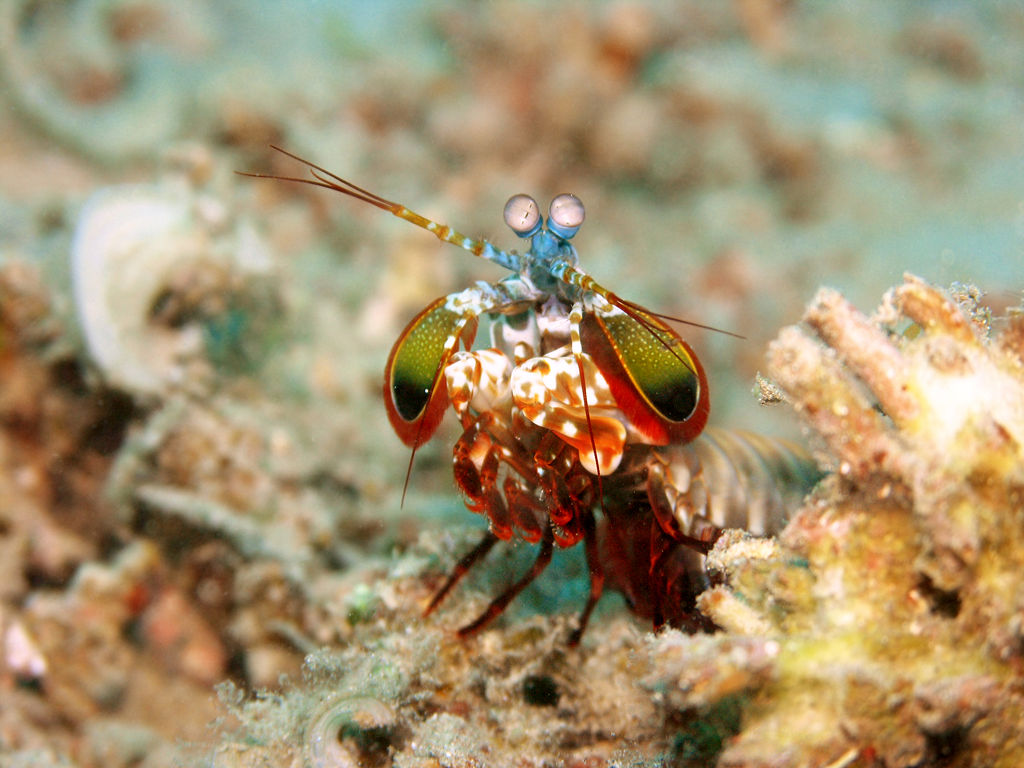
Mantis shrimp have 16 types of colour receptors compared to our pathetic three, which means they’re seeing colours that we couldn’t imagine if we tried. They can see ultraviolet, visible light, infrared, and even polarised light all at the same time. It’s like having normal vision, night vision, heat vision, and x-ray vision running simultaneously.
What’s properly mental is they can also see circular polarised light, something no other known animal can do. Scientists don’t even fully understand why they need such insane vision, but it probably helps them communicate through secret visual signals that literally nothing else in the ocean can see. They’re basically texting each other in colours that don’t exist to us.
2. Butterflies navigate using invisible patterns.
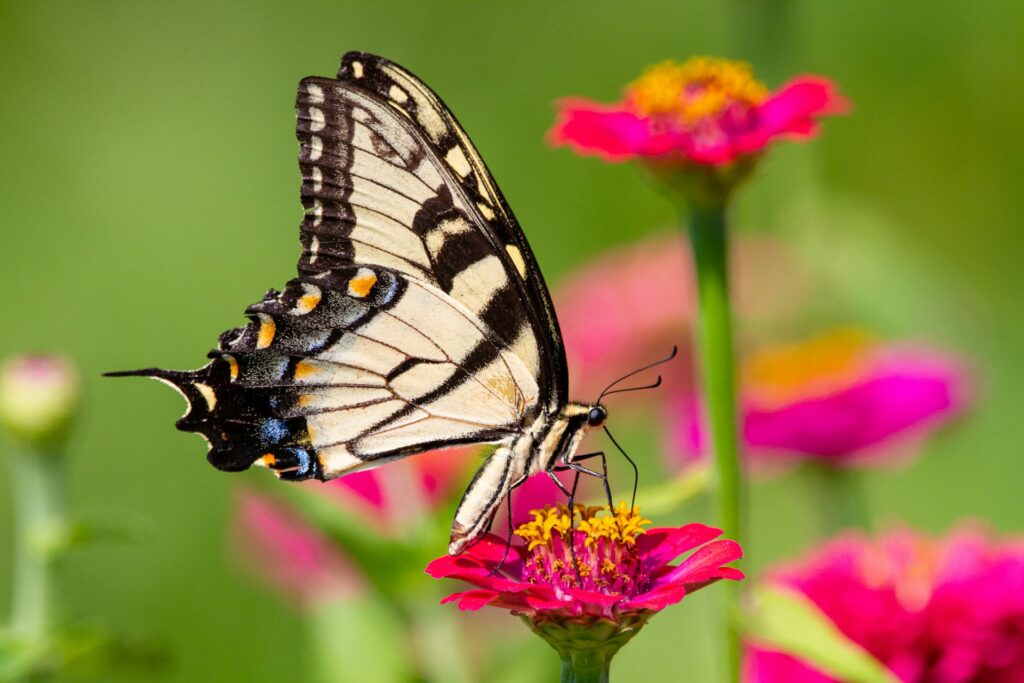
Butterflies can see well into the ultraviolet spectrum, which completely changes how flowers look to them. What we see as a plain yellow sunflower has elaborate UV patterns that look like landing strips, pointing directly to where the nectar is. They’re seeing a secret map on every flower that’s completely invisible to us.
Some butterflies have up to 15 different types of photoreceptors, and each species sees a slightly different range. Japanese yellow swallowtails can even see if light is coming from above or below using specialised UV receptors. They’re navigating through a world full of invisible signposts and patterns that make our version of reality look like someone’s deleted half the graphics.
3. Reindeer see in the arctic darkness.

Reindeer are the only mammals that can see ultraviolet light, which is absolutely crucial when you’re living in the Arctic, where it’s dark half the year. UV light bounces off snow differently than visible light, so they can spot predators, food, and even urine trails against white backgrounds that would be invisible to other animals.
In winter, their eyes actually change structure to become more sensitive to UV. Lichens, their main food source, absorb UV light and show up as dark patches against the UV-reflecting snow. While we’d see white on white and probably starve, they’re seeing a high-contrast map of exactly where food is hiding.
4. Birds see magnetic fields as actual colours.
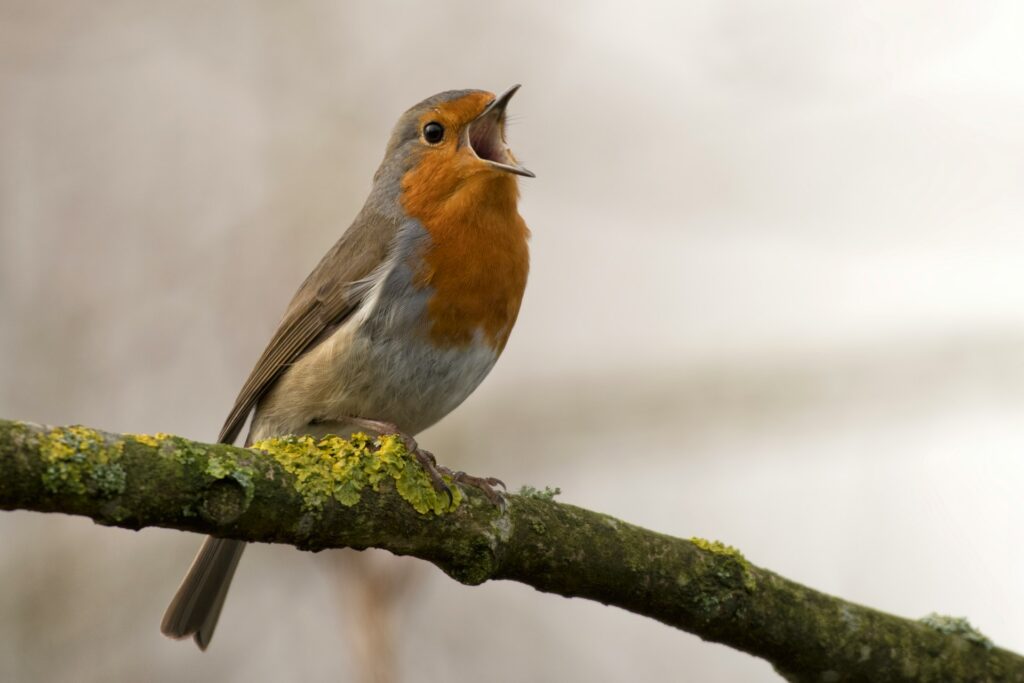
This is where it gets proper weird. Many birds don’t just sense magnetic fields, they literally see them overlaid on their vision like augmented reality. Scientists think special proteins in their eyes create patterns of light and dark that change based on magnetic field orientation. They’re seeing colours and patterns that represent invisible forces.
Robins and other migratory birds probably see magnetic fields as bands of colour or light across the sky, like having a permanent compass display in their vision. Some researchers think they might see magnetic anomalies as different colours, basically giving them a topographical map of magnetic fields wherever they look. It’s not just enhanced vision, it’s seeing fundamental forces of physics as colours.
5. Goldfish see into infrared and ultraviolet.
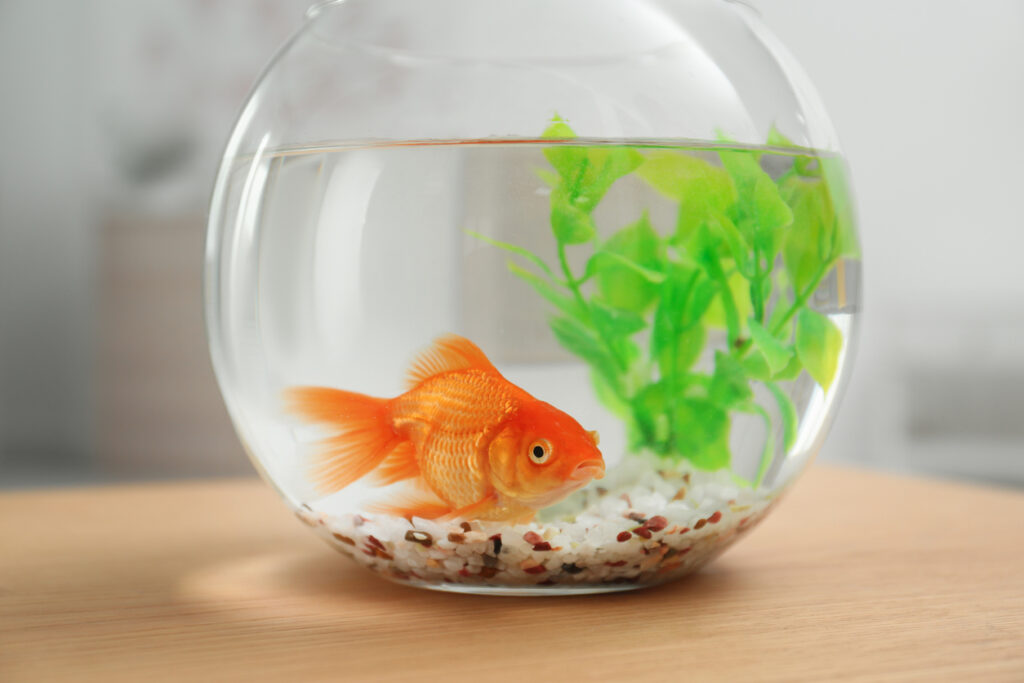
Your pet goldfish is seeing colours at both ends of the spectrum that you can’t. They’ve got tetrachromatic vision, meaning four colour receptors, including ones for UV and near-infrared. That boring goldfish bowl looks completely different to them, full of colours that literally don’t exist in human experience.
They use UV vision to spot tiny zooplankton that would be invisible otherwise, and infrared helps them see in murky water where visible light doesn’t penetrate well. They’re essentially seeing through mud and finding food that’s invisible to most predators. What looks like a goldfish randomly gulping at nothing is actually them catching prey you can’t see.
6. Pit vipers see heat as colour.

Pit vipers have heat-sensing organs that create a thermal image overlaid with their regular vision. They’re not just sensing temperature, they’re seeing it as actual visual information processed in the same brain region as sight. Warm-blooded prey literally glows against cooler backgrounds, even in complete darkness.
The resolution of their heat vision is so good, they can detect temperature differences of 0.003 °C. A mouse in a dark room appears as a bright, detailed shape showing even which parts are warmest. They’re basically seeing body heat as a colour that doesn’t exist in our spectrum, turning darkness into a rainbow of temperature gradients.
7. Jumping spiders see crisp UV details.

Jumping spiders have possibly the best colour vision of any animal their size, with receptors for UV, blue, green, and red light. Their two main eyes see in incredibly high resolution, while their side eyes detect UV patterns. They’re basically walking around with macro lenses that see colours we don’t even have names for.
Male jumping spiders often have UV-reflecting patches that look like nothing special to us but appear as bright, iridescent displays to females. They’re doing elaborate courtship dances with colours we can’t see, like having a disco ball that only works in UV. The patterns and colours they use to communicate are completely invisible to their predators and us.
8. Bees see flower patterns we’re blind to
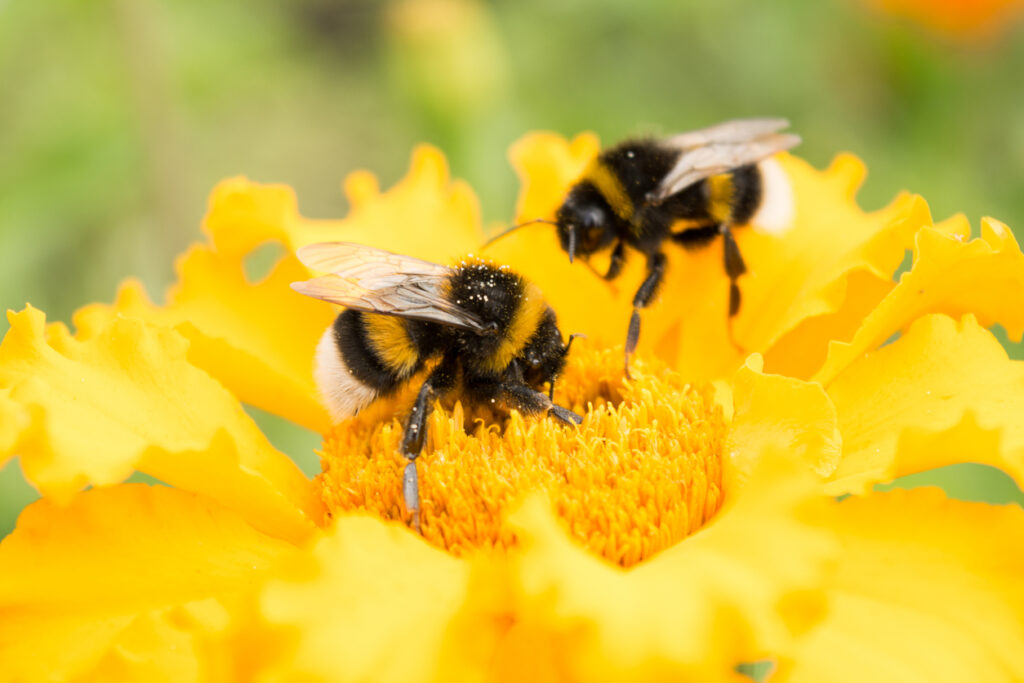
Bees see well into the ultraviolet spectrum, which reveals patterns on flowers called nectar guides that are completely invisible to humans. A plain white daisy to us has bold UV-absorbing patterns that create a bullseye pointing straight to the good stuff. They’re seeing instruction manuals written on every flower.
They can also see polarised light patterns in the sky that remain visible even on cloudy days, using them to navigate like having a permanent GPS. The sky looks like a polarisation compass to them, with patterns that change based on the sun’s position. They’re navigating using visual information that we didn’t even know existed until we invented special cameras.
9. Stomatopods detect cancer with their eyes.

Some stomatopods (mantis shrimp relatives) can see circular polarised light so precisely that researchers are using their vision system to develop cameras that detect cancer. Cancer cells reflect polarised light differently than healthy cells, something these creatures would naturally see, but we need millions of pounds worth of equipment to detect.
They’re literally seeing properties of light that reveal biological information invisible to every other visual system we know of. Their eyes are so complex that engineers are copying them to build better DVD players, satellites, and medical devices. These little crustaceans are swimming around with eyes more advanced than our best technology, seeing colours and light properties that we’re only just discovering exist.