Nature has produced some creatures so bizarre that they almost look made up.
With their odd shapes, bright colours, and unbelievable adaptations, they seem more like something from a digital artist’s imagination than the real world. However, every one of them exists, and they’re living proof that evolution has a sense of humour.
These animals don’t just stand out because they look unusual; they push the limits of what we expect life to look like. From fish that walk to insects that mimic leaves better than any AI filter ever could, they remind us that the strangest ideas usually come from nature itself.
The aye-aye looks like a gremlin designed by committee.
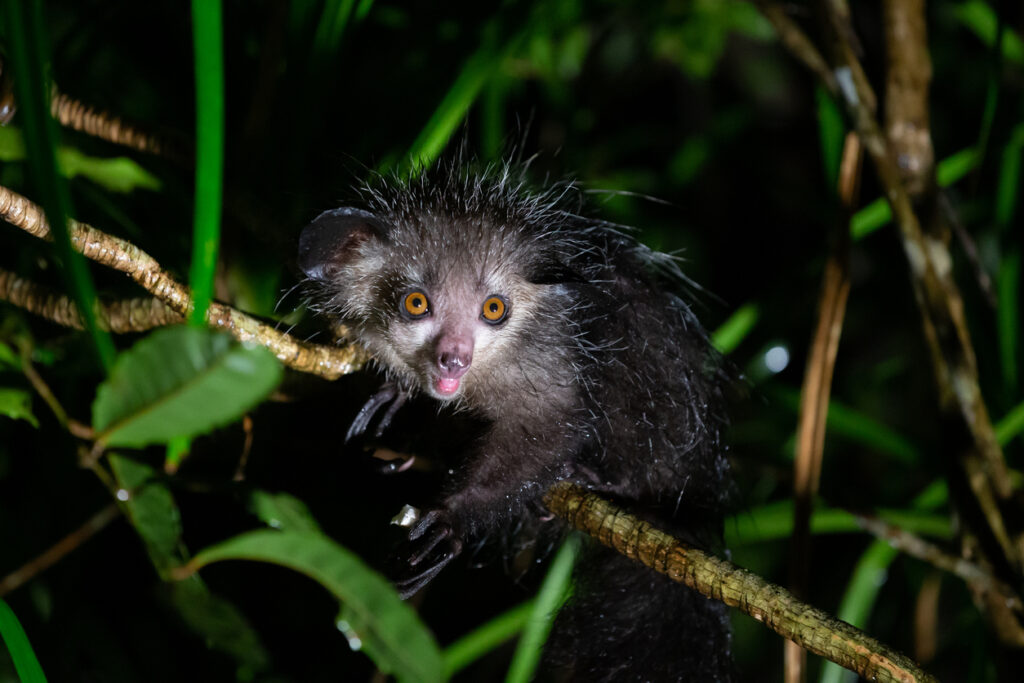
The aye-aye is a primate from Madagascar that looks like someone took a lemur, a bat, and a skeleton and smashed them together. It’s got massive bulging eyes, huge bat-like ears, and a creepily long middle finger that it uses to tap on trees and dig out grubs.
That finger is so thin and weird-looking that it doesn’t seem real. The aye-aye uses it like a tool, tapping to find hollow spots in wood, then gnawing a hole and using that skeletal finger to hook out insects. It looks absolutely terrifying and locals in Madagascar consider it a bad omen, which is understandable when you see one in the dark.
Blobfish look melted when out of water.
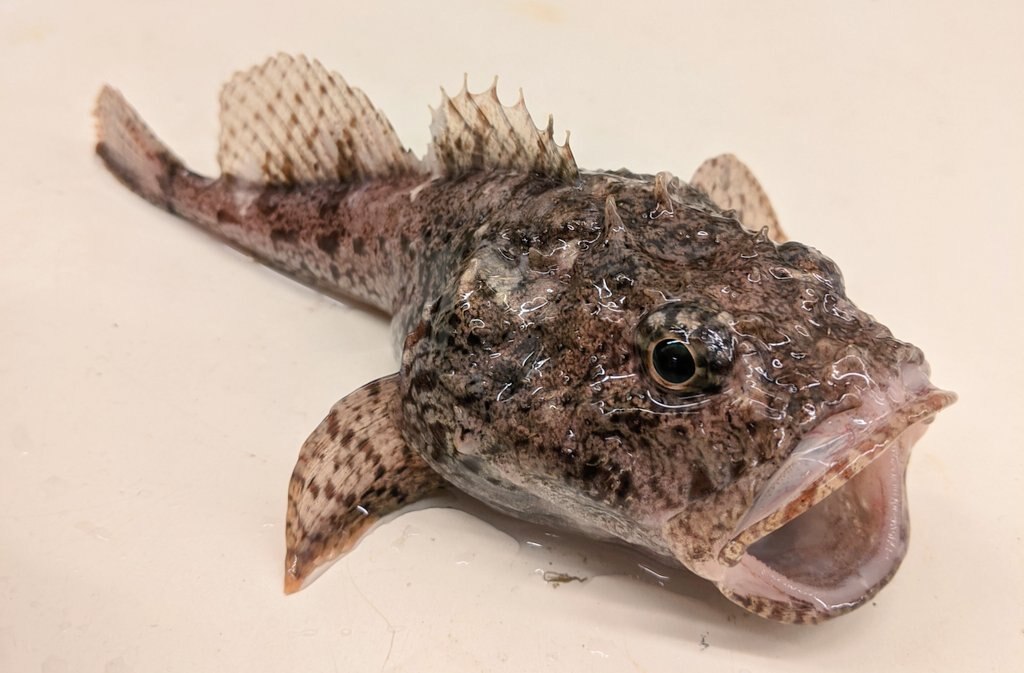
The blobfish lives in deep ocean water where the pressure is intense. Down there it looks relatively normal. But when it’s brought to the surface, the lack of pressure makes it look like a sad, melting face. It’s basically a blob of pink jelly with a miserable expression.
Photos of blobfish have become internet famous because they look so depressed and weird. But that droopy, melted appearance isn’t what it actually looks like in its natural habitat. At depth, it’s just a normal-looking fish. We’ve basically judged this animal on what it looks like when it’s dead and decompressed, which seems unfair.
Star-nosed moles have tentacles on their faces
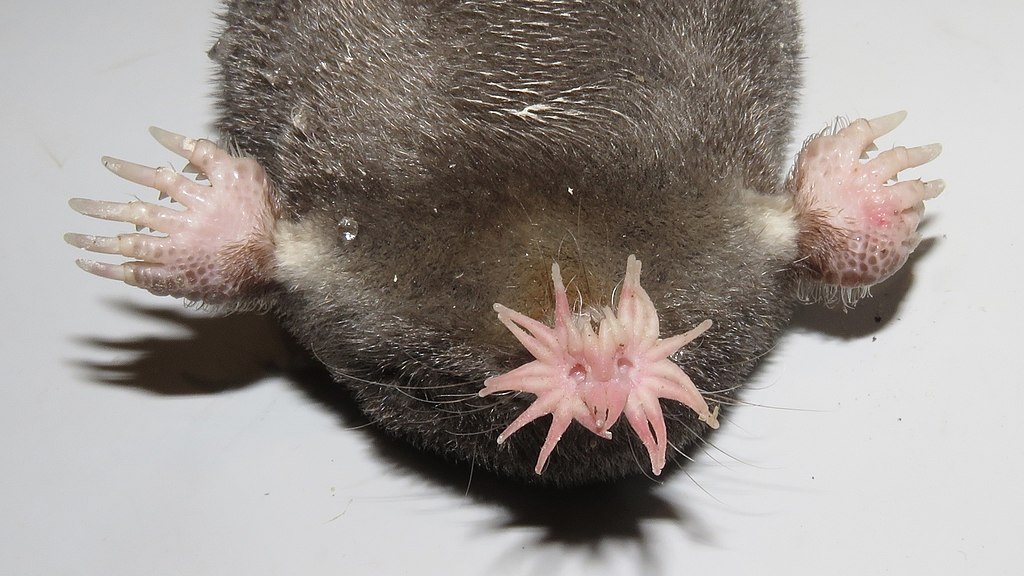
The star-nosed mole has 22 pink, fleshy tentacles radiating from its nose in a star pattern. It looks like something from a horror film. Those tentacles are incredibly sensitive touch organs that help it find prey underground in complete darkness.
It’s one of the fastest-eating mammals on Earth. It can identify and eat prey in less than a quarter of a second using those nose tentacles. The star is constantly moving and touching everything, which makes it even more unsettling to watch. Nature really said “let’s put a face full of worms on a mole” and called it a day.
The axolotl is a permanently smiling salamander with external gills.
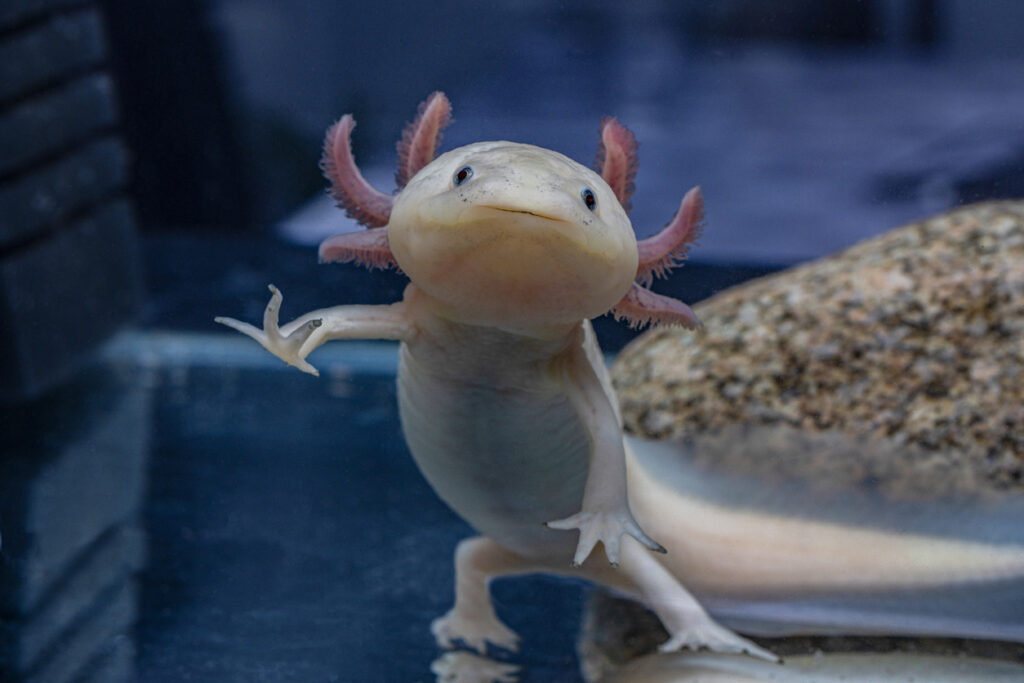
Axolotls look like cartoon characters that escaped into real life. They’ve got feathery external gills sticking out from their heads, tiny legs, and a permanent smile that makes them look dopey and friendly. They come in colours that don’t look natural, including bright pink and golden.
The really weird thing is they never grow up. They stay in their juvenile form their whole lives, keeping those external gills instead of developing lungs like other salamanders. They can also regrow limbs, organs, and even parts of their brain. They’re basically Pokémon that actually exist.
Mantis shrimp have eyes that see colours we can’t imagine.
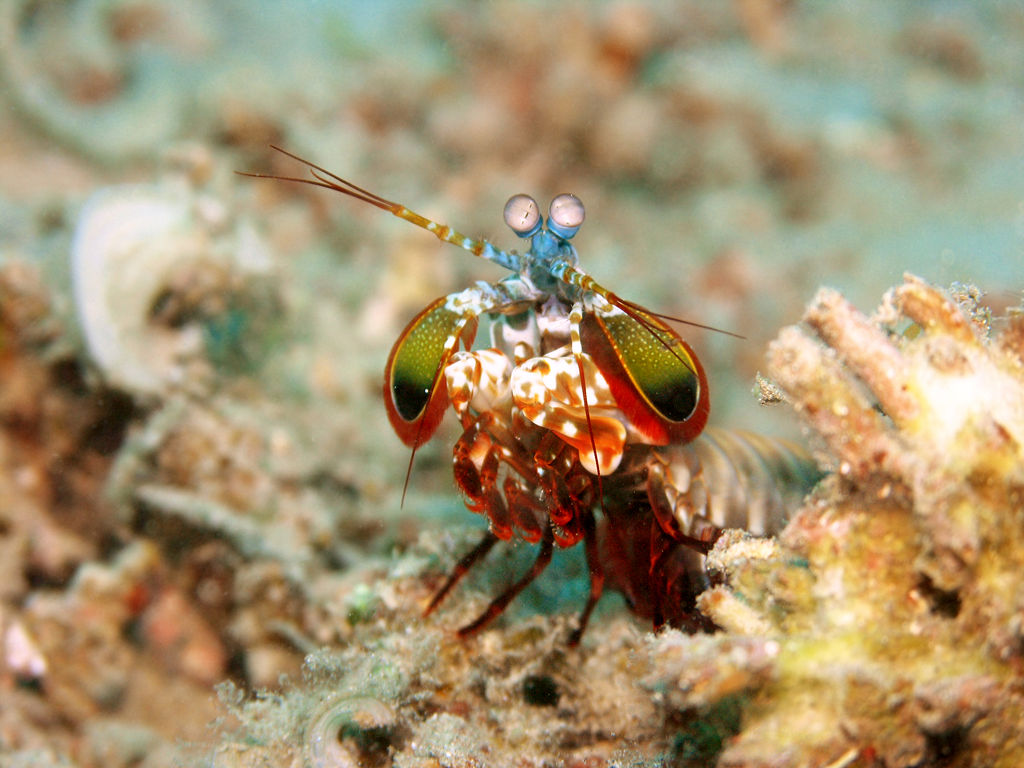
Mantis shrimps look like someone designed a shrimp but made it aggressive and psychedelic. They’ve got huge compound eyes on stalks that can see 16 types of colour receptors, compared to our three. Their front claws can punch with the force of a bullet.
Those punches are so fast, they create cavitation bubbles in the water that produce light and heat. They can smash through aquarium glass. They look like tiny rainbow-coloured boxing gloves attached to a shrimp body. The colour patterns are so bright and weird that they don’t look like a real animal, more like a child’s drawing of what a sea creature should be.
Saiga antelope have a trunk for a nose.
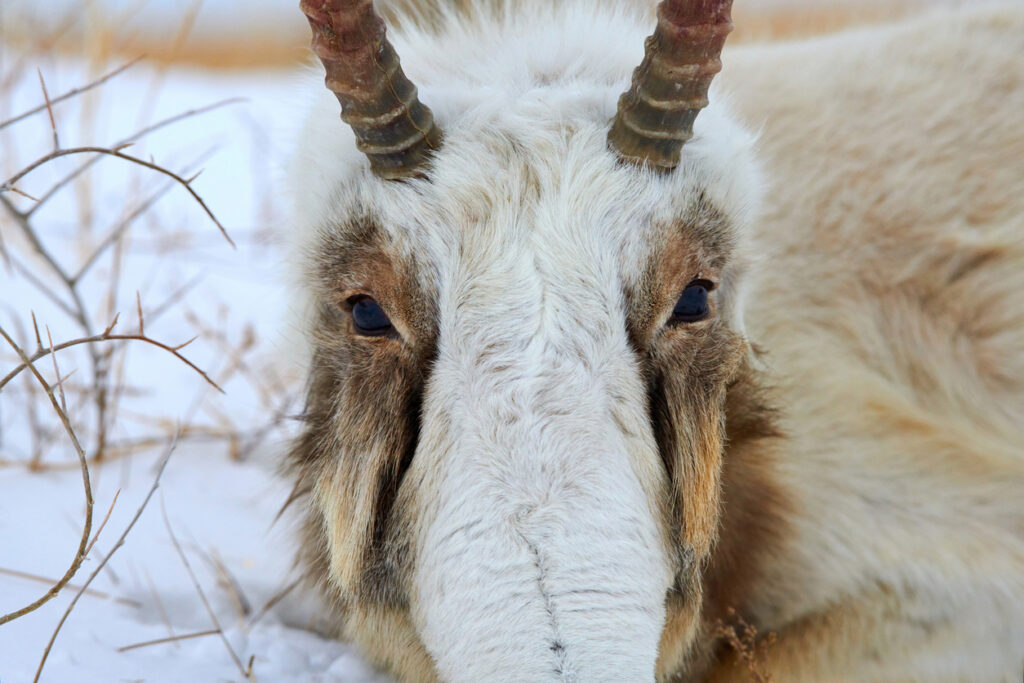
The saiga antelope looks normal until you see its face. It’s got a massive, droopy, trunk-like nose that hangs down over its mouth. It looks like someone started making an elephant, changed their mind halfway through, and stuck the trunk on an antelope instead.
That weird nose actually filters out dust in the dry steppes where it lives, and warms up freezing air before it hits the lungs in winter. But it still looks ridiculous. The whole face looks saggy and wrong, like the animal is melting. Baby saigas are born with that nose already oversized, so they look even more absurd.
The glass frog is see-through and you can watch its organs.
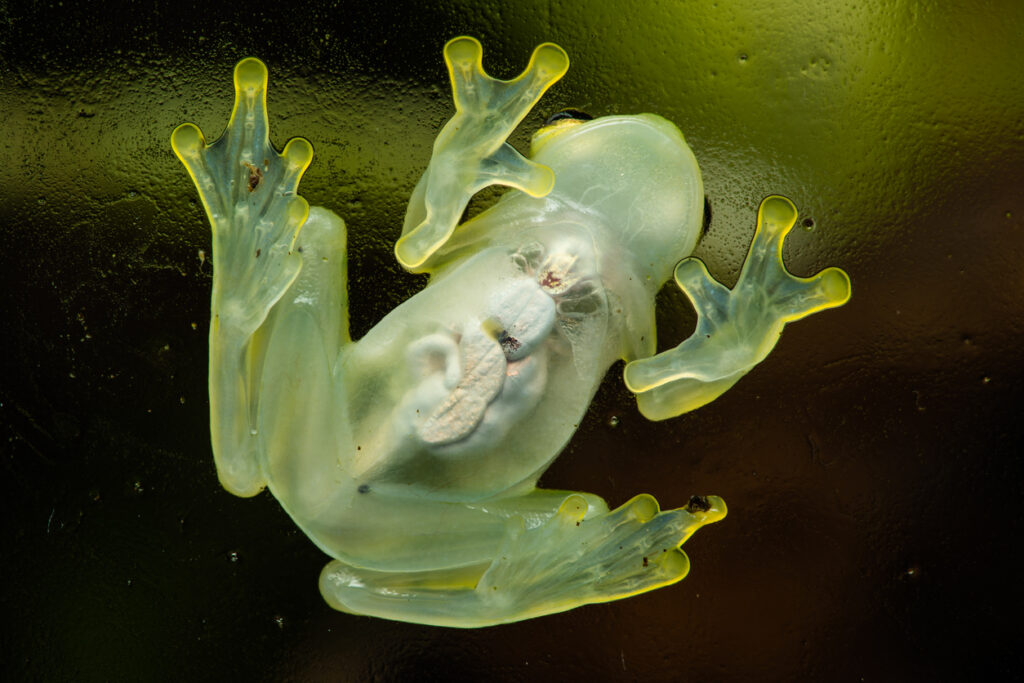
Glass frogs from Central and South America have transparent skin on their bellies. You can literally see their hearts beating, their organs working, and eggs developing inside females. It’s like having a live anatomy lesson sitting on a leaf.
From above, they look like normal little green frogs. From below, they look like something from a biology textbook that’s been skinned. It’s both fascinating and deeply unsettling. Evolution decided these frogs needed to be see-through, possibly for camouflage, but the result is something that looks like an AI glitch where the textures didn’t load properly.
The goblin shark has an extending jaw that shoots forward.
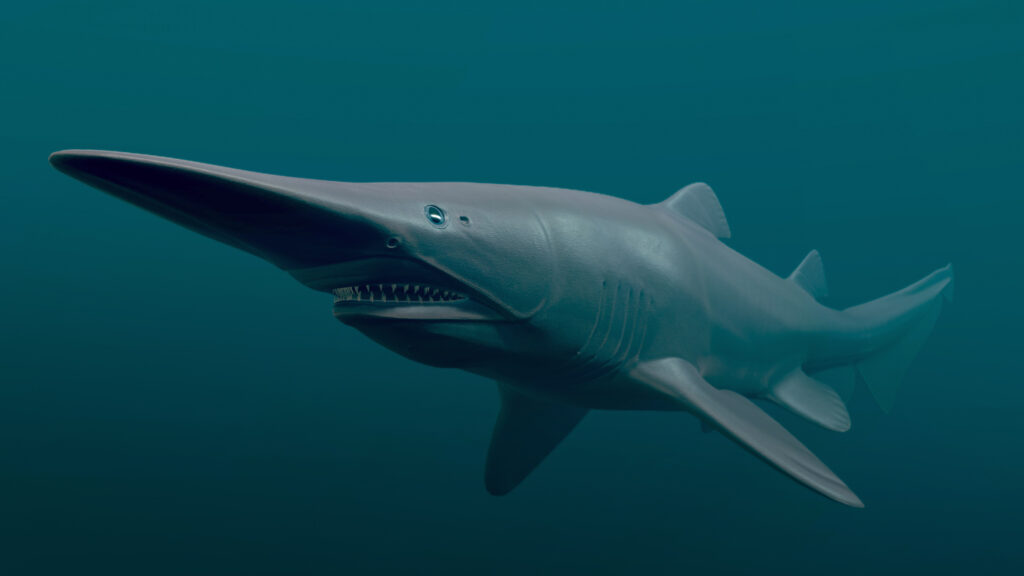
Goblin sharks live in the deep ocean and look prehistoric and wrong. They’ve got a long, flat snout like a blade sticking out of their head, and their jaw can extend forward like something from the Alien films to grab prey.
When they bite, the jaw shoots out of the mouth and grabs whatever they’re eating, then retracts back. It’s horrifying to watch. They’re also pink and flabby-looking because of their deep-water lifestyle. Everything about them looks like someone described a shark badly to an artist who’d never seen one.
The naked mole rat looks like a living sausage with teeth.
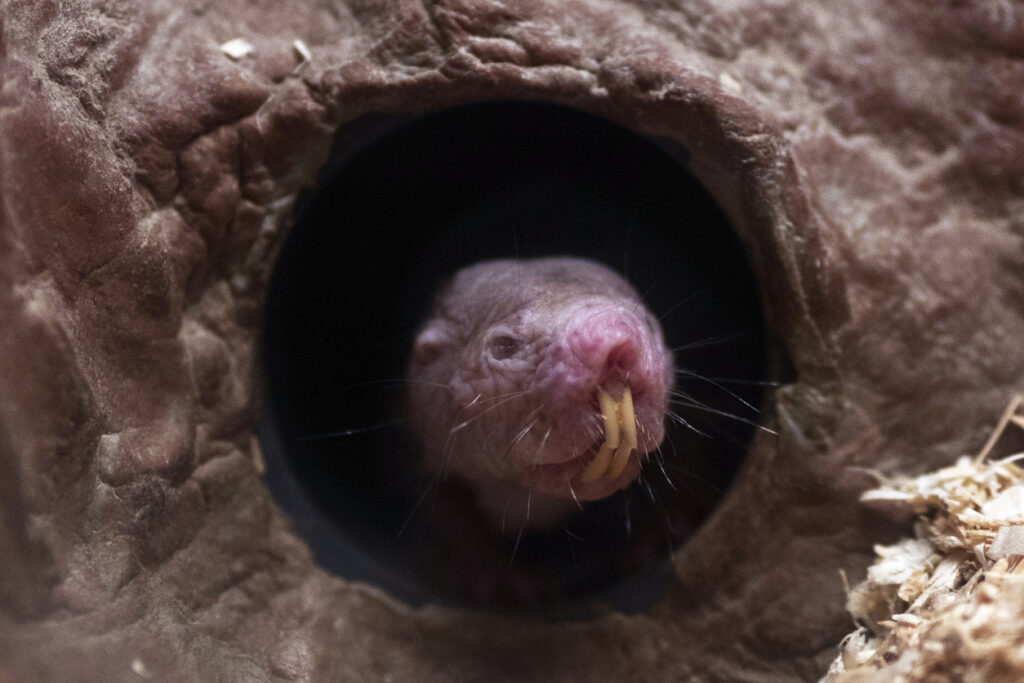
Naked mole rats are basically wrinkly pink tubes with four teeth sticking out the front. They’re completely hairless, nearly blind, and live in underground colonies like ants. They look unfinished, like someone forgot to add the fur texture.
The weirdest thing is they don’t age normally and are immune to cancer. They can also survive without oxygen for up to 18 minutes. So despite looking like rejected finger puppets, they’ve got superpowers. They’re proof that evolution doesn’t care about making things look good, just making them work.
Leafy sea dragons look like floating seaweed.
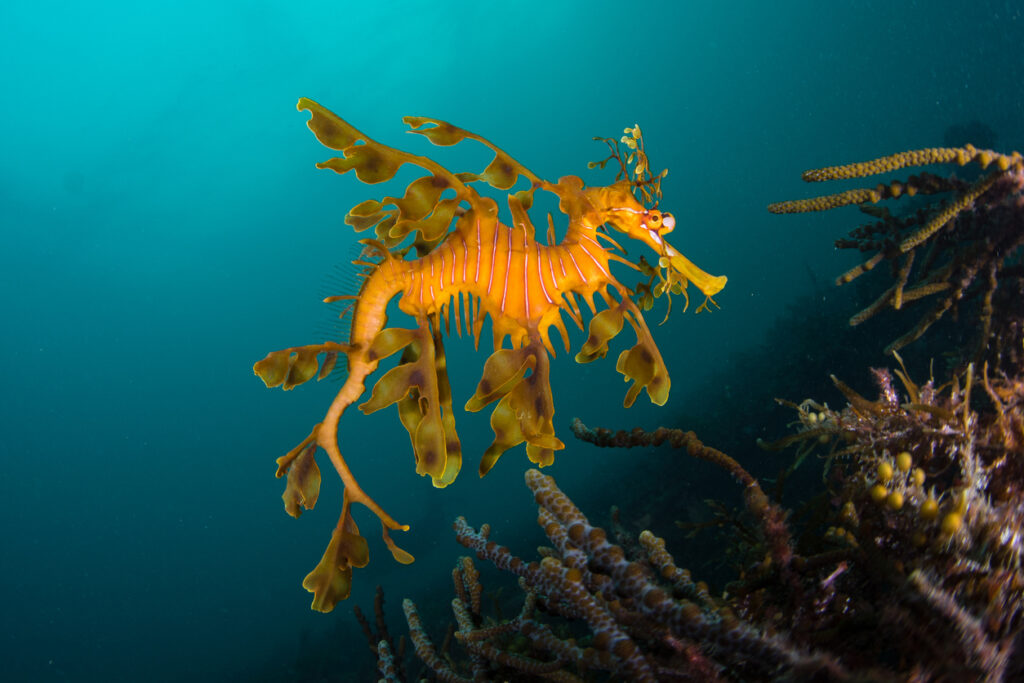
Leafy sea dragons are related to seahorses, but they’re covered in elaborate leaf-like appendages that make them look like drifting seaweed. They don’t look like animals at all. They look like someone made a creature out of salad and brought it to life.
Those leaf appendages aren’t for swimming. They’re purely for camouflage. The sea dragon just drifts along in the current, looking exactly like kelp. Every part of their body is covered in these flowing, translucent leaf shapes. In videos, they look like CGI that hasn’t been rendered properly. But they’re real, floating around waters off Australia, looking absolutely impossible.
The pangolin is a walking pinecone covered in armour.
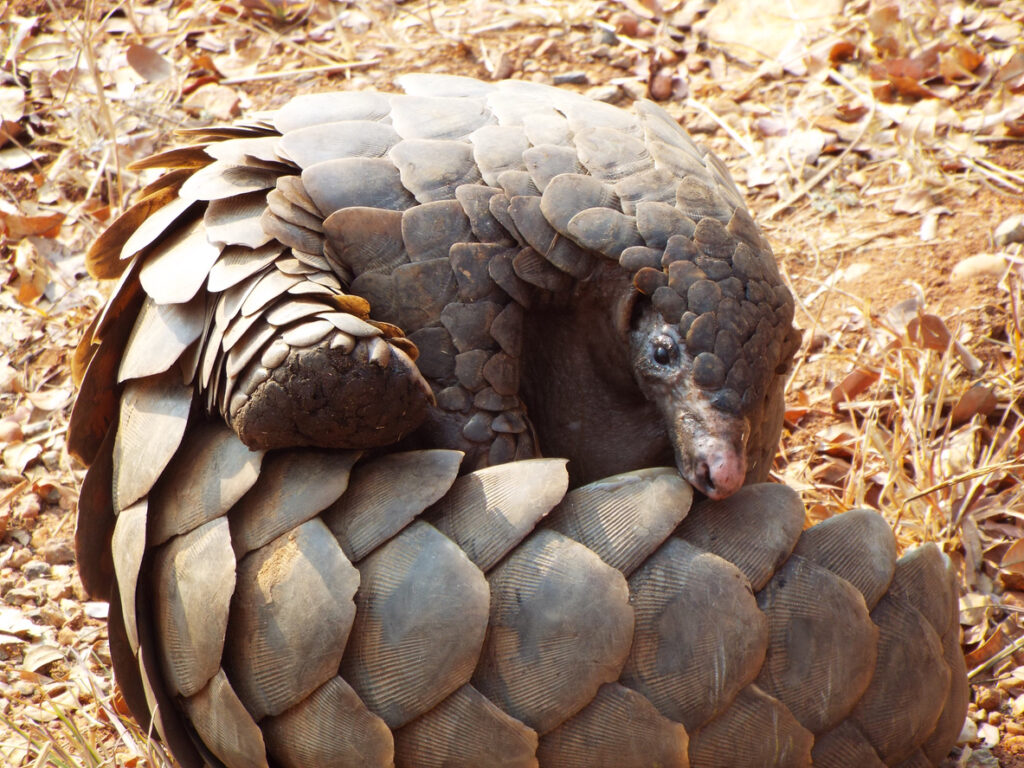
Pangolins look like someone took a pine cone, an artichoke, and an anteater and made them into one animal covered entirely in overlapping scales. When threatened, they curl into a perfect ball that looks more like a piece of medieval armour than a living creature.
Those scales are made of keratin, same as your fingernails, and they’re so tough that predators can’t bite through them. Pangolins are the most trafficked mammals on Earth because people think the scales have medicinal properties, which they don’t. They’re just bizarre-looking animals trying to exist while looking like fantasy game characters.
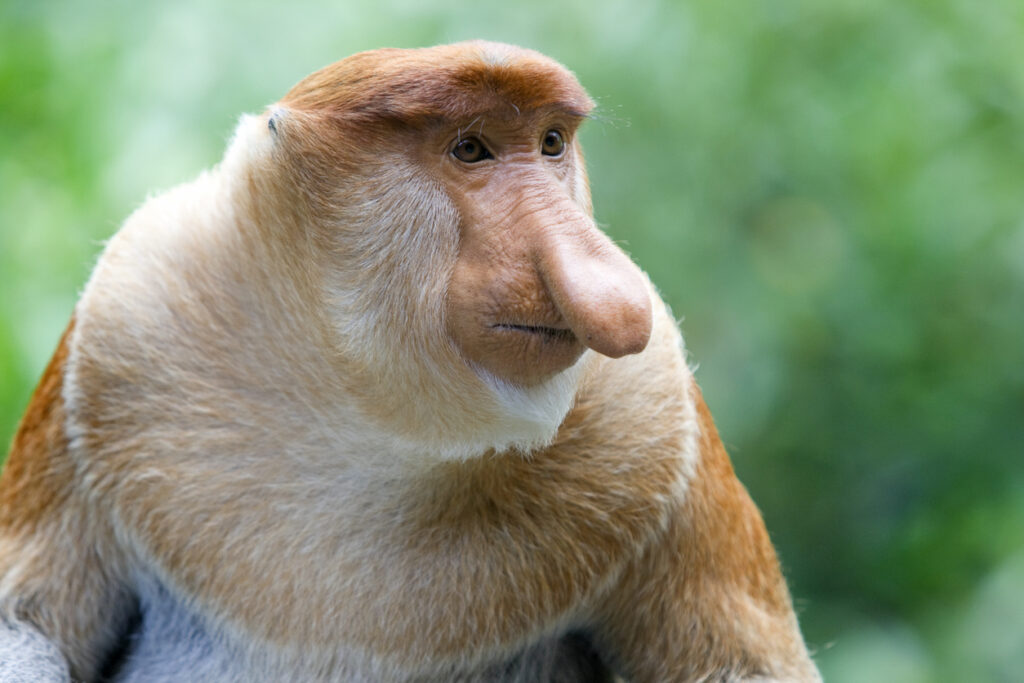
The proboscis monkey has a nose like a droopy balloon.
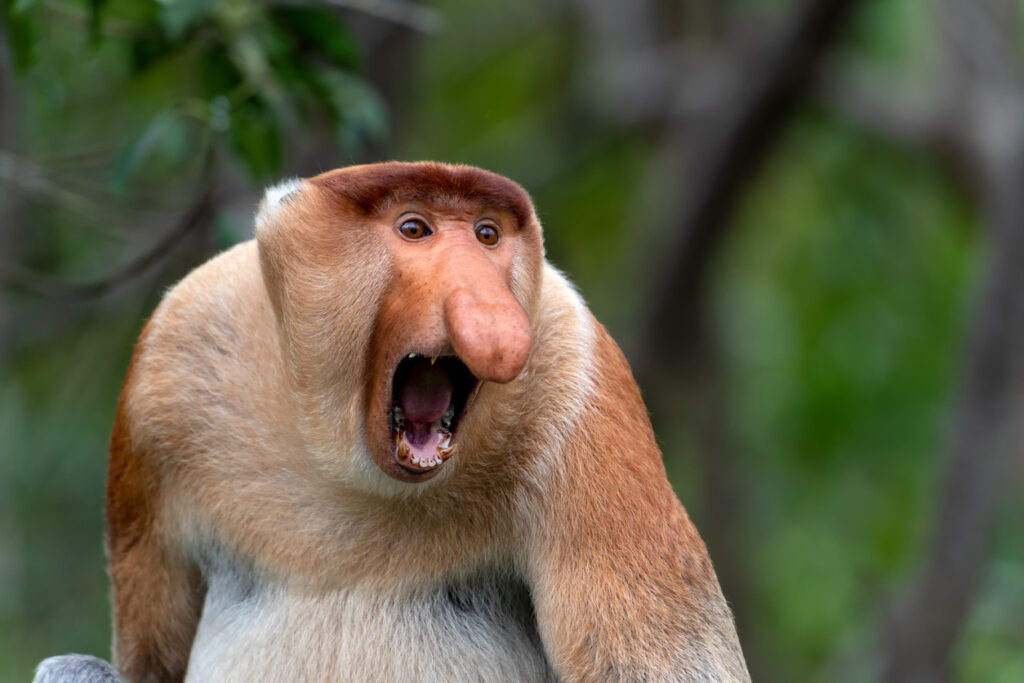
Male proboscis monkeys have enormous, bulbous noses that hang down past their chins. The bigger the nose, the more attractive they are to females. It looks like someone inflated their nose like a balloon and forgot to stop.
That massive nose amplifies their calls and makes them louder. When they’re alarmed, the nose straightens out. They’re also pot-bellied because they eat so much vegetation that their stomachs are constantly bloated. Everything about them looks like a caricature taken too far.
Shoebill storks look like muppets designed to be intimidating.
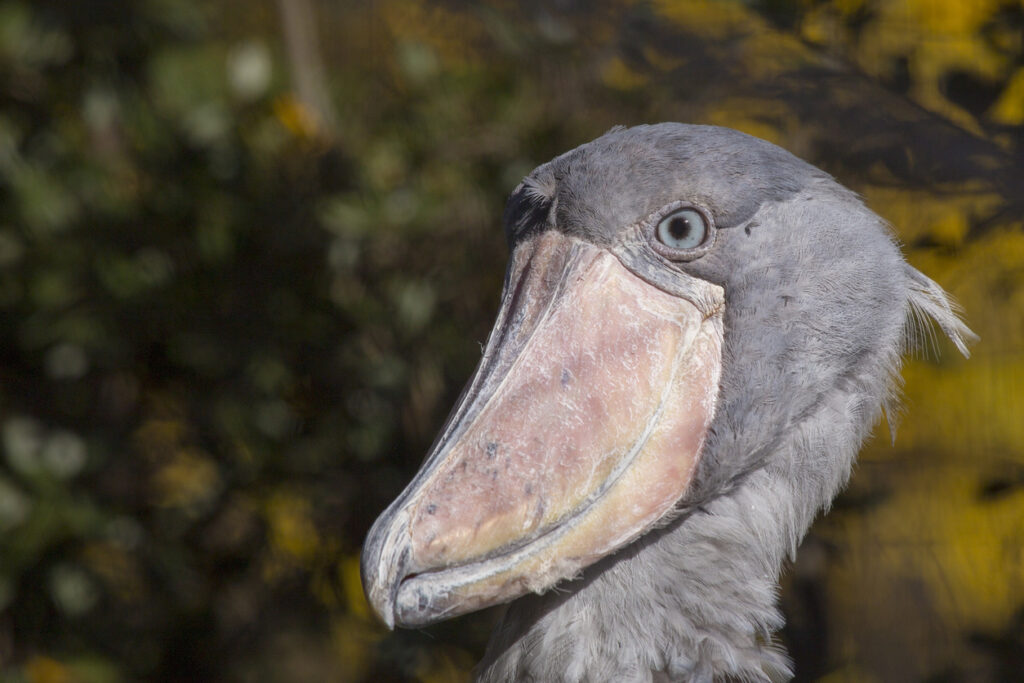
Shoebills are massive birds with prehistoric-looking faces and beaks that look exactly like Dutch clogs. They stand completely motionless for ages, staring at you with dead eyes, then suddenly explode into motion to grab prey.
Their beak makes a machine gun-like clattering sound. They’re so still and weird-looking that videos of them seem fake. They look like Jim Henson made a terrifying bird puppet, but they’re real, and they live in African swamps being creepy and prehistoric.
The platypus is evolution having a laugh.
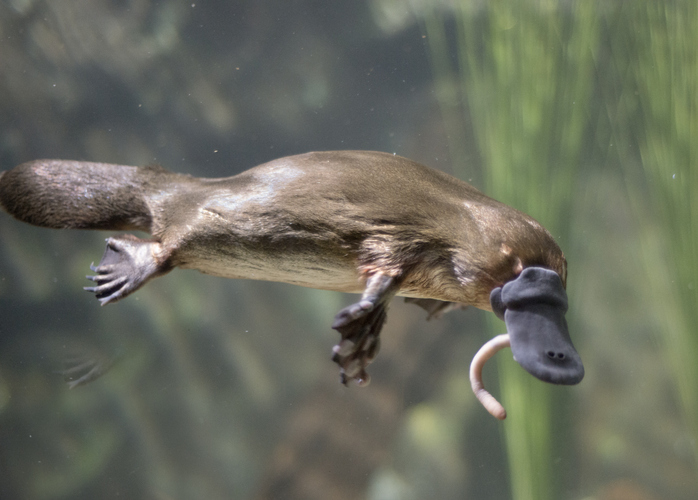
When scientists first saw a platypus specimen, they thought it was a hoax. It’s got a duck bill, a beaver tail, otter feet, lays eggs like a reptile, produces milk like a mammal but has no nipples, and males have venomous spurs on their back legs.
It’s like someone made an animal by randomly selecting features from completely different species. The bill isn’t hard like a duck’s, it’s soft and leathery and covered in electroreceptors for finding prey. Nothing about the platypus makes sense. It’s proof that nature just experiments randomly sometimes.
The blue dragon sea slug looks like a tiny alien spacecraft.
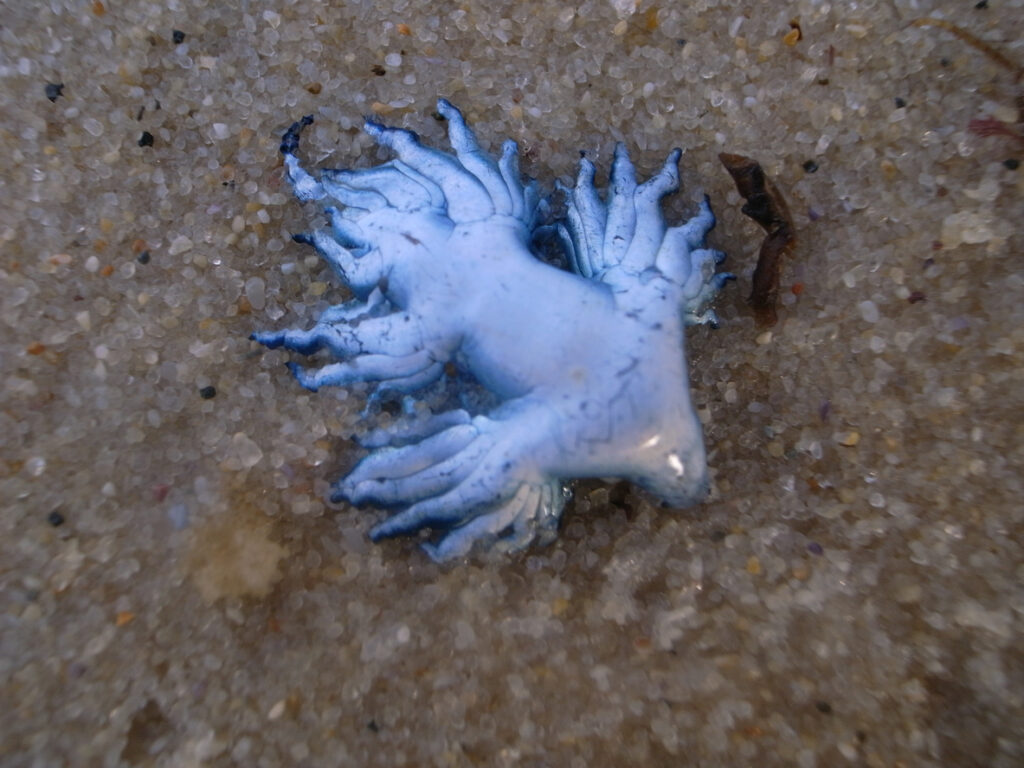
Blue dragons are tiny sea slugs that float upside down on the ocean surface. They’re electric blue and silver with wing-like appendages that make them look like miniature fantasy dragons or spaceships. They’re only a few centimetres long, but they look absolutely unreal.
They eat Portuguese man o’ wars, storing the venom in their own tissues to use as defence. Something that beautiful and delicate eats one of the ocean’s most dangerous creatures and steals its weapons. They wash up on beaches occasionally and people pick them up thinking they’re toys, then get stung because they’re more venomous than what they ate.
Coconut crabs are a nightmare spider the size of a bin.
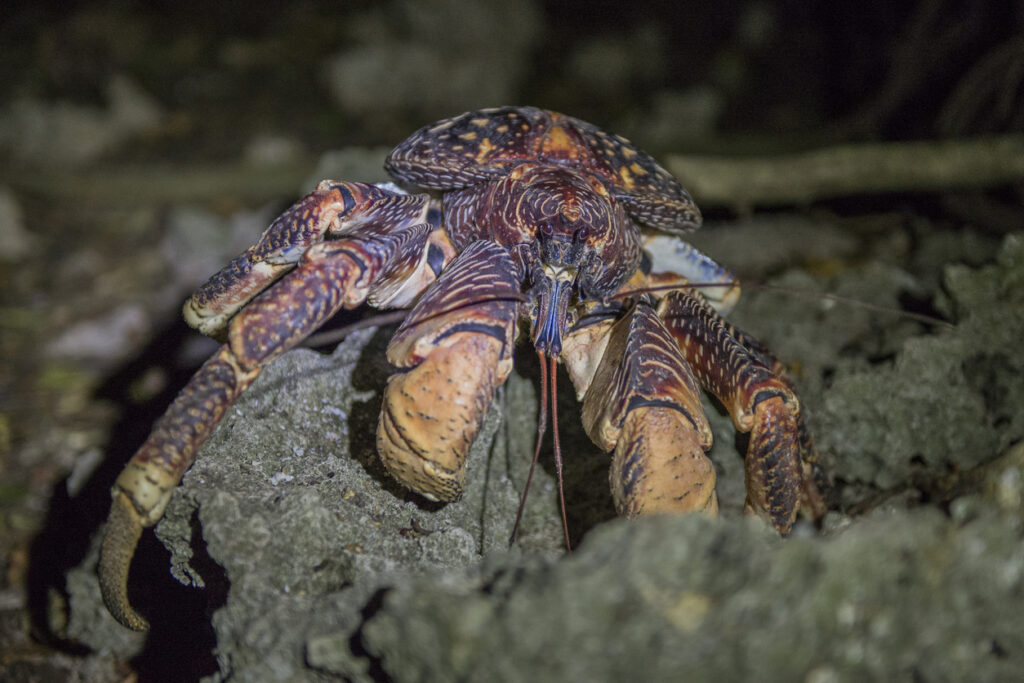
Coconut crabs are the largest land arthropods on Earth. They can grow up to a metre across and they climb trees. Their claws are strong enough to crack open coconuts, which is horrifying when you think about what they could do to your hand.
They’re basically giant hermit crabs that outgrew needing shells. They live on tropical islands, and they’ll climb trees to get food or just because they can. Videos of them look fake because nothing that big should be able to scuttle up a palm tree, but they absolutely can and they do.
The okapi looks like three different animals merged badly.
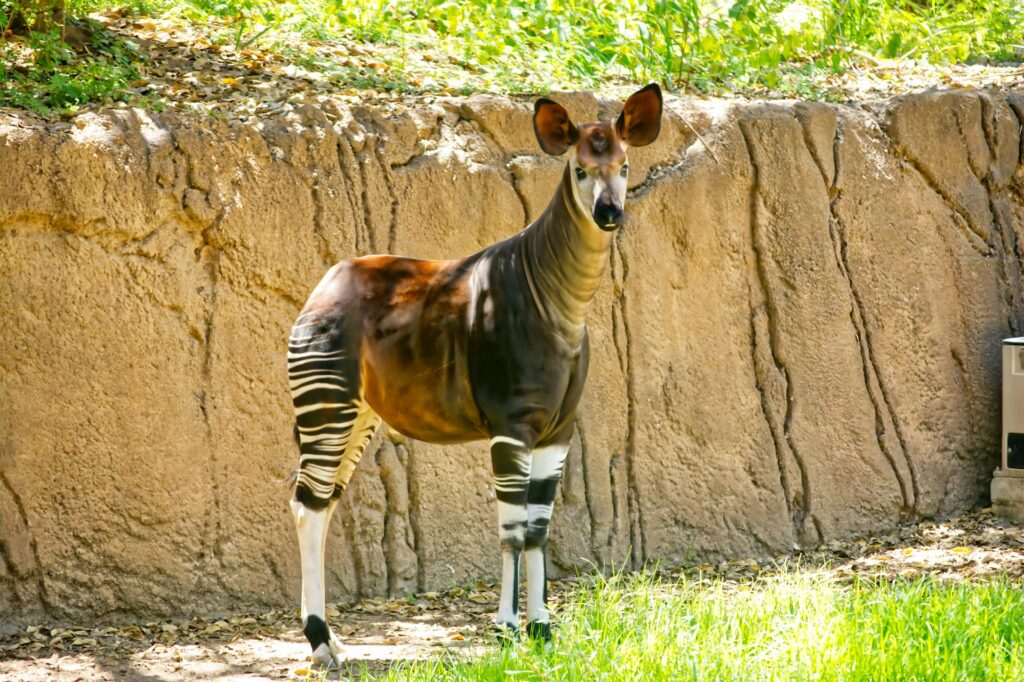
Okapis have zebra-striped legs, a chocolate brown body, a face like a giraffe, and a purple tongue that’s so long they can lick their own eyes. They look like someone couldn’t decide what animal to make so they used bits of several.
They’re actually related to giraffes, which explains the tongue and the face structure. However, those zebra legs make them look like a bad Photoshop job. They live in dense rainforest in the Congo, and they weren’t discovered by science until 1901 because they’re so rare and well-hidden.
The mata mata turtle has a head made of dead leaves.
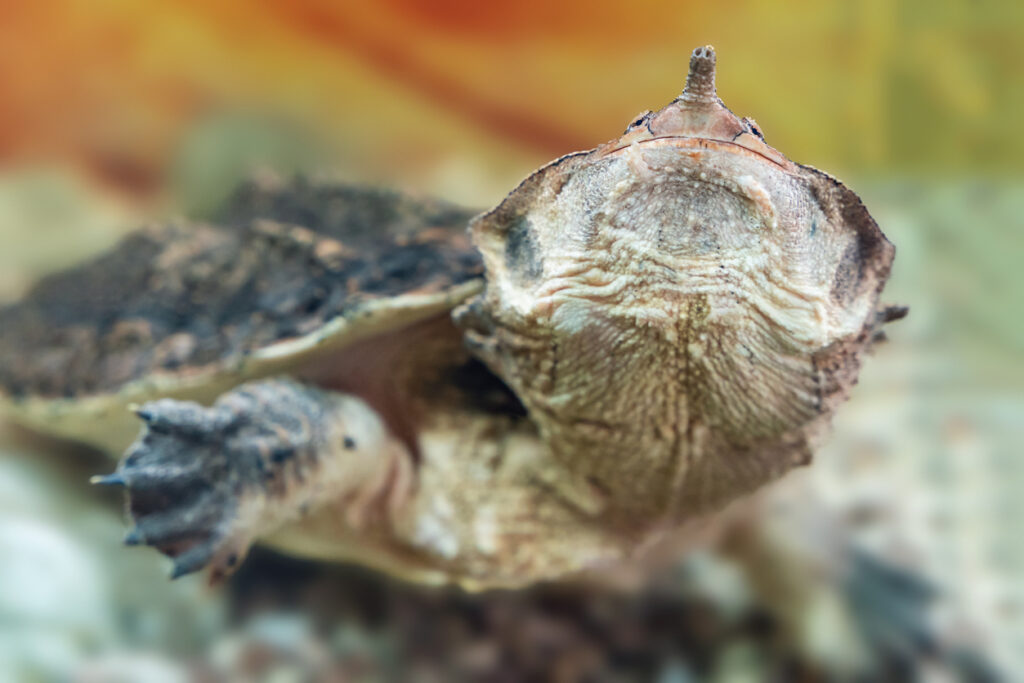
The mata mata turtle from South America has a completely triangular flat head covered in flaps and ridges that make it look exactly like fallen leaves and bark. Its shell is ridged and covered in algae. It’s perfect camouflage that makes it look like a pile of rubbish on the river bottom.
It doesn’t chase prey. It just sits there looking like debris until a fish swims close, then it opens its enormous mouth and creates a vacuum that sucks the fish in whole. The whole hunting strategy is “look like rubbish and wait.” And it works perfectly because the turtle genuinely looks like someone dropped a bunch of dead leaves in the water.
Red-lipped batfish wear lipstick and walk on fins.
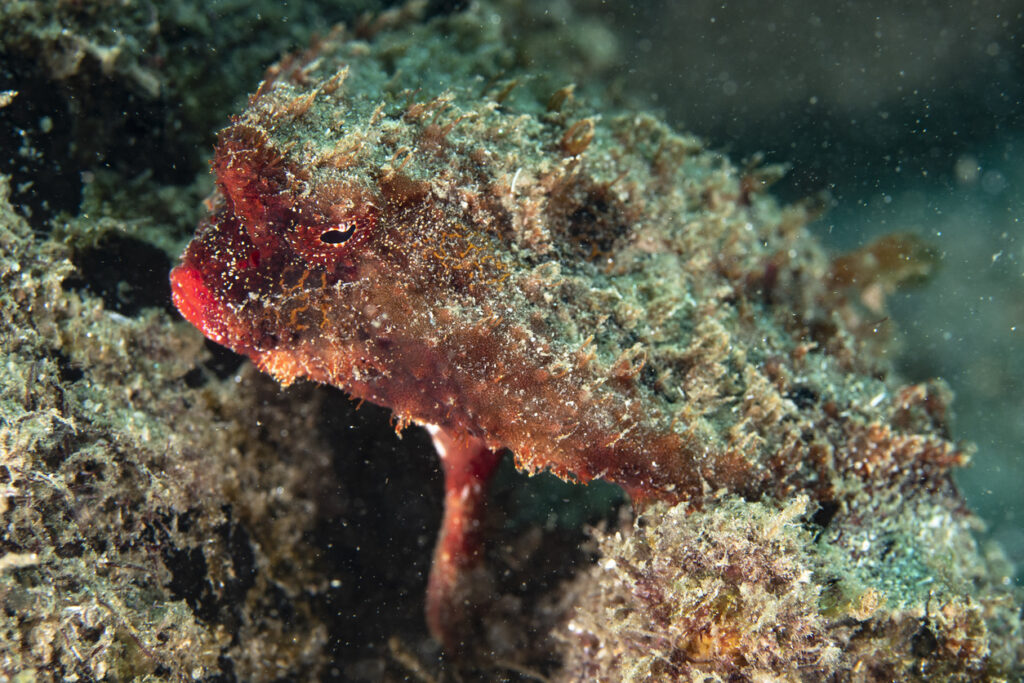
The red-lipped batfish looks like someone put bright red lipstick on a fish and then gave it legs. It doesn’t swim properly. Instead, it uses its pectoral fins to walk along the ocean floor like it’s strutting on a catwalk.
Those red lips are thought to help them recognise each other. But mainly they just make the fish look like it’s going to a party. Combined with the walking and the grumpy expression, they look like badly designed cartoon characters. They live around the Galapagos Islands being weird and judgemental-looking.
The hammerhead bat has a face that’s genuinely upsetting.

Hammerhead bats from Africa have faces that look like horses crossed with hammers crossed with nightmare fuel. Males have enormous heads with inflated nasal cavities that make them look like their face has been stretched sideways. They use these massive heads to amplify their honking calls.
They’re fruit bats, completely harmless, but they look like something from a horror film. The males’ faces are so swollen and weird that they barely look like mammals. Photos of them get shared constantly with people insisting they must be fake or AI-generated. But they’re absolutely real, hanging in African forests looking deeply unsettling while eating figs.