We often assume we’re the most advanced species because of our intelligence.
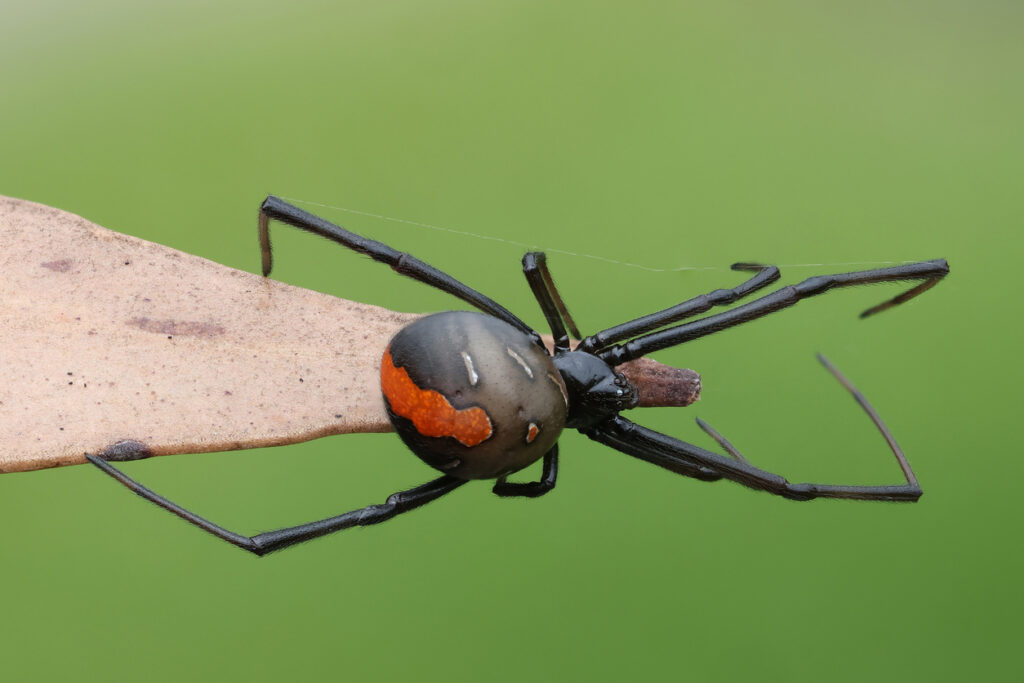
In many ways, that’s fair enough. However, when it comes to senses, humans are basically flying blind compared to some of the creatures we share the planet with. From electrical fields to magnetic maps, here are 13 animal senses that go way beyond human understanding.
1. Electroreception – Sharks and Rays
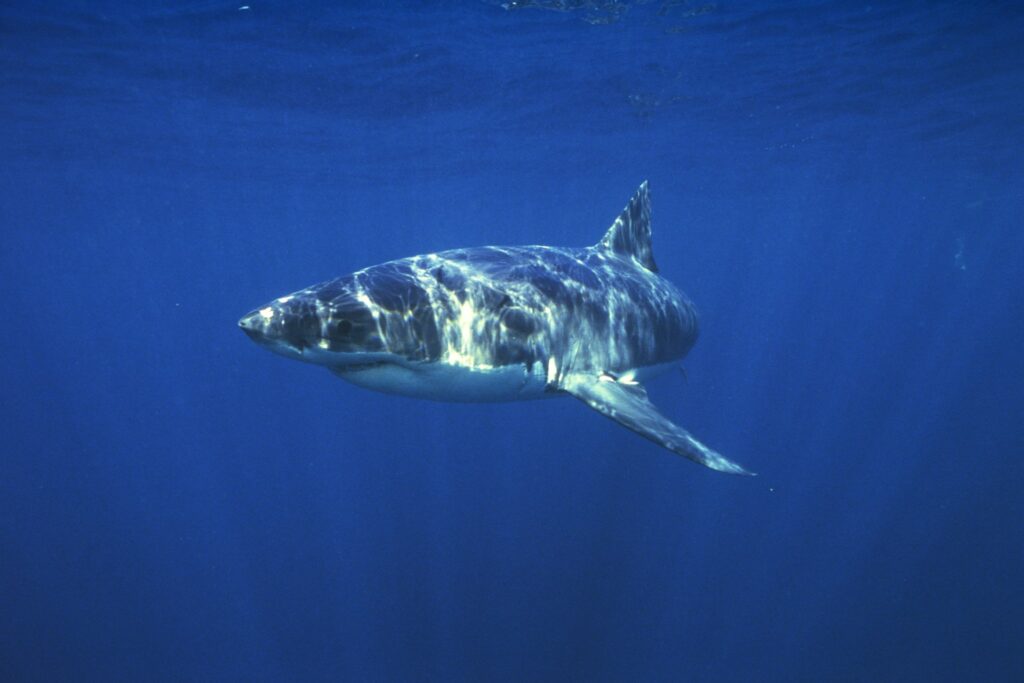
Sharks and rays can detect the faintest electric fields in the water using special organs called ampullae of Lorenzini. These jelly-filled pores allow them to sense the bioelectric signals given off by other animals, including heartbeats and muscle twitches—even if those animals are hidden under sand.
This means they’re not just seeing or smelling prey—they’re feeling its existence through invisible energy. It’s a sixth sense that lets them navigate and hunt with eerie precision, in ways we can’t even simulate, let alone experience.
2. Magnetoreception – Birds and Sea Turtles
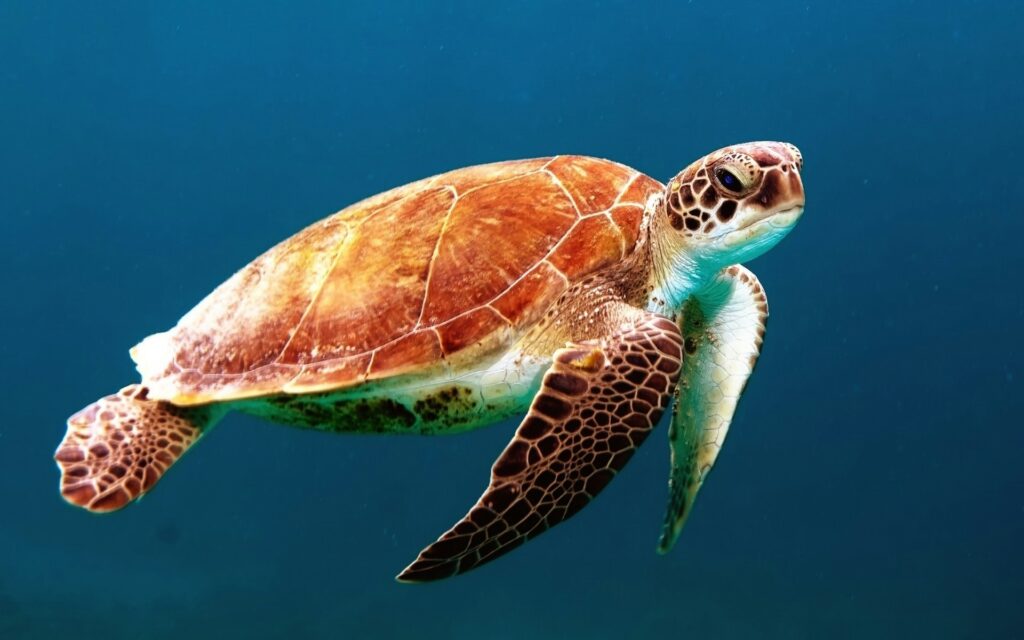
Many birds and sea turtles can detect the Earth’s magnetic field and use it like a built-in compass. Migratory species, like the Arctic tern or loggerhead turtle, follow invisible magnetic maps to travel thousands of miles with shocking accuracy.
Humans have no conscious sense for magnetic fields. We rely on GPS. But these animals can “feel” the pull of the planet, orienting themselves with something that might as well be witchcraft to us.
3. Echolocation – Bats and Dolphins
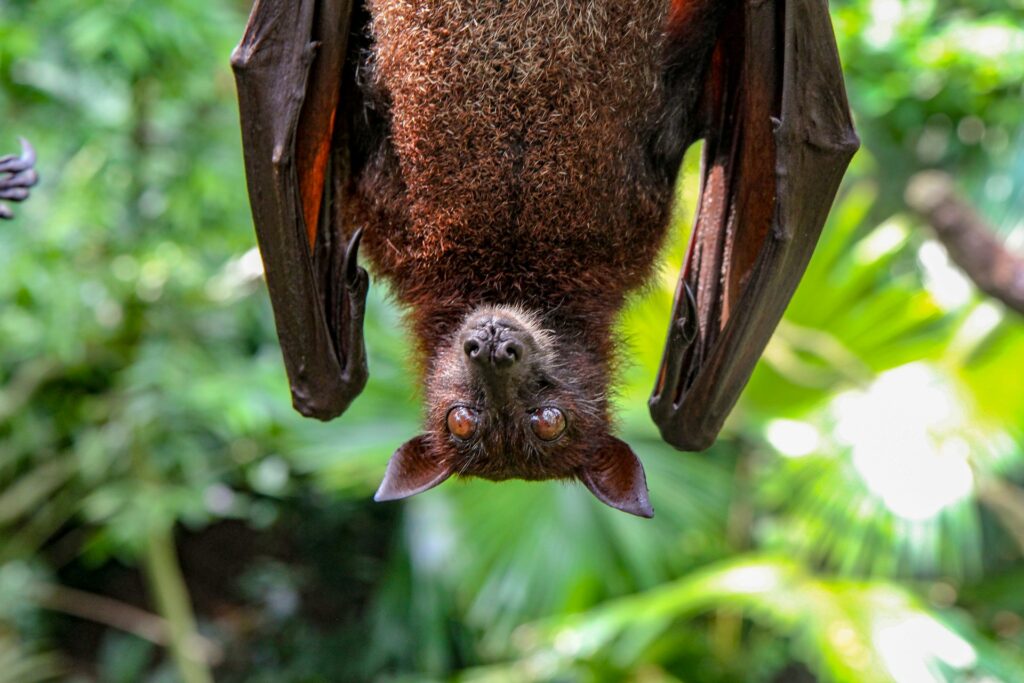
Bats and dolphins use echolocation to build detailed mental images of their surroundings—entirely through sound. By emitting clicks and listening to how those sounds bounce back, they can detect distance, size, shape, and even texture of objects around them.
Imagine being able to close your eyes and instantly picture the world in three-dimensional sound. That’s daily life for these creatures. Our best sonar and radar technology barely comes close to what their brains do naturally.
4. Infrared Detection – Pit Vipers
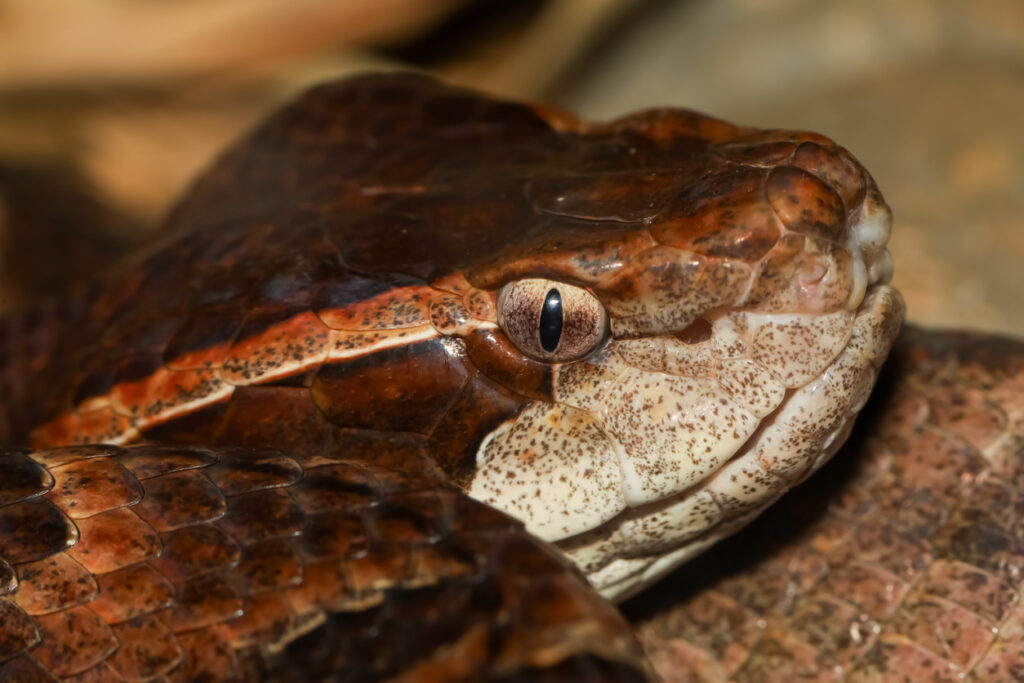
Pit vipers, like rattlesnakes, can “see” the heat given off by warm-blooded animals. They have heat-sensitive pits on their faces that allow them to hunt in complete darkness, locking onto prey with an infrared vision we only associate with military-grade goggles.
Humans can’t detect heat visually—we just feel it. But these snakes quite literally see warmth, giving them a sensory edge we can’t even begin to replicate in our bodies.
5. Ultraviolet Vision – Bees and Reindeer
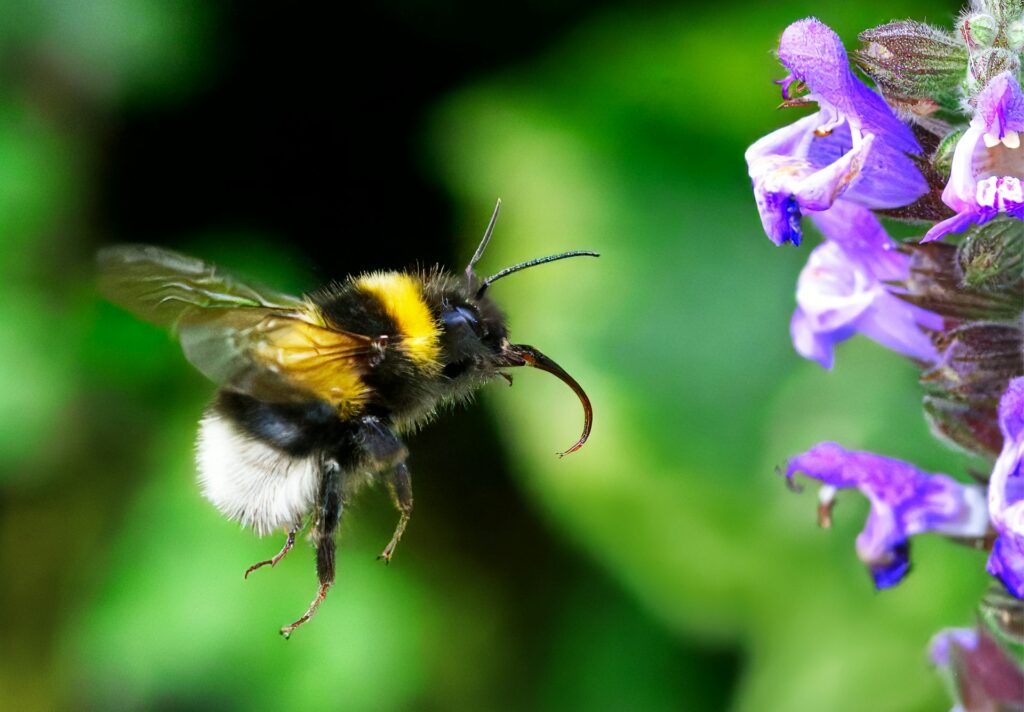
Bees see in ultraviolet, allowing them to spot floral patterns on petals that are completely invisible to us. These patterns act like landing strips that guide them to nectar, and entire colour palettes exist in this UV spectrum that humans simply don’t have the hardware to perceive.
Reindeer also use UV vision to spot urine trails in the snow or detect predators camouflaged against the arctic landscape. While we’re dazzled by snowy whiteness, they’re reading a completely different visual language layered on top of it.
6. Polarised Light Detection – Mantis Shrimp
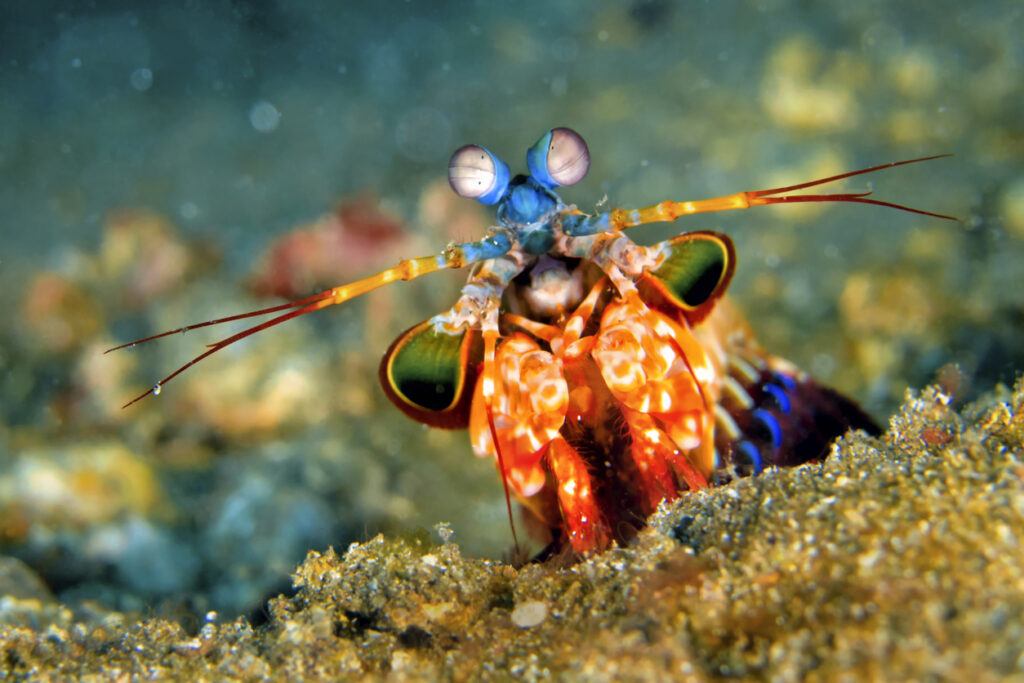
Mantis shrimp have some of the most complex eyes in the animal kingdom. Not only can they see ultraviolet and infrared, they can also detect polarised light—light waves that vibrate in specific directions. This helps them communicate, hunt, and see hidden details others miss.
To them, the world is painted in layers we can’t even imagine. What we call “seeing” is a diluted version of their reality. Even with advanced optics, scientists still don’t fully understand how mantis shrimp interpret what they see.
7. Substrate Vibration Sensitivity – Elephants
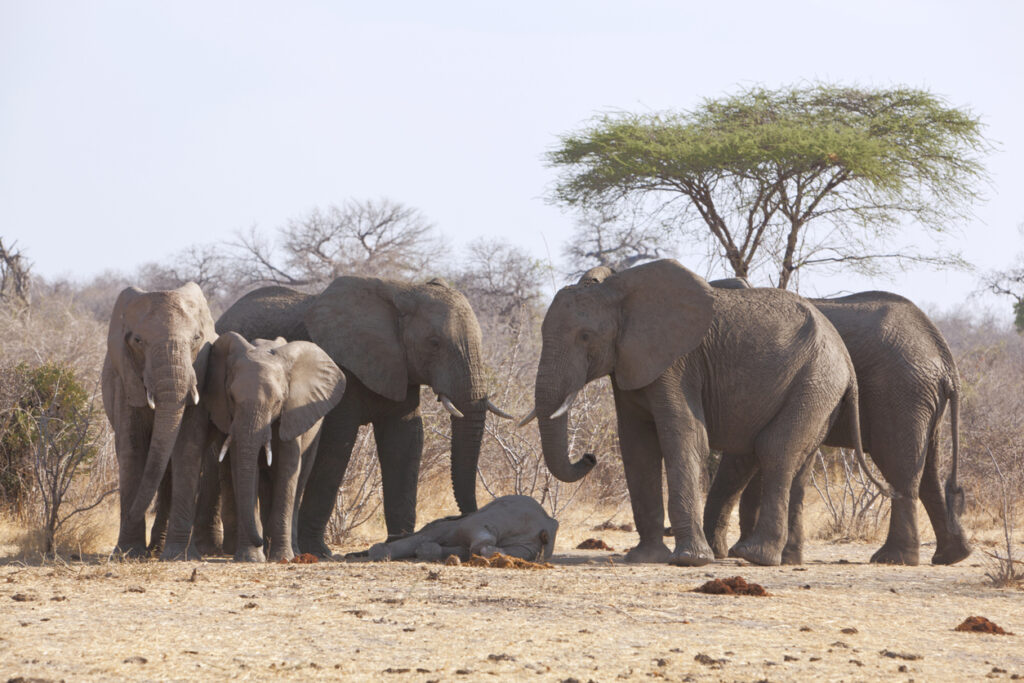
Elephants can detect deep, low-frequency rumbles—some of which travel through the ground instead of the air. They pick up these seismic signals through their feet and trunk, allowing them to communicate across vast distances without a sound in the air.
While we’re busy trying to listen, they’re feeling messages through the Earth. It’s like having an emotional connection to the land itself, sensing when a storm is coming or a herd is moving miles away.
8. Chemoreception – Salmon
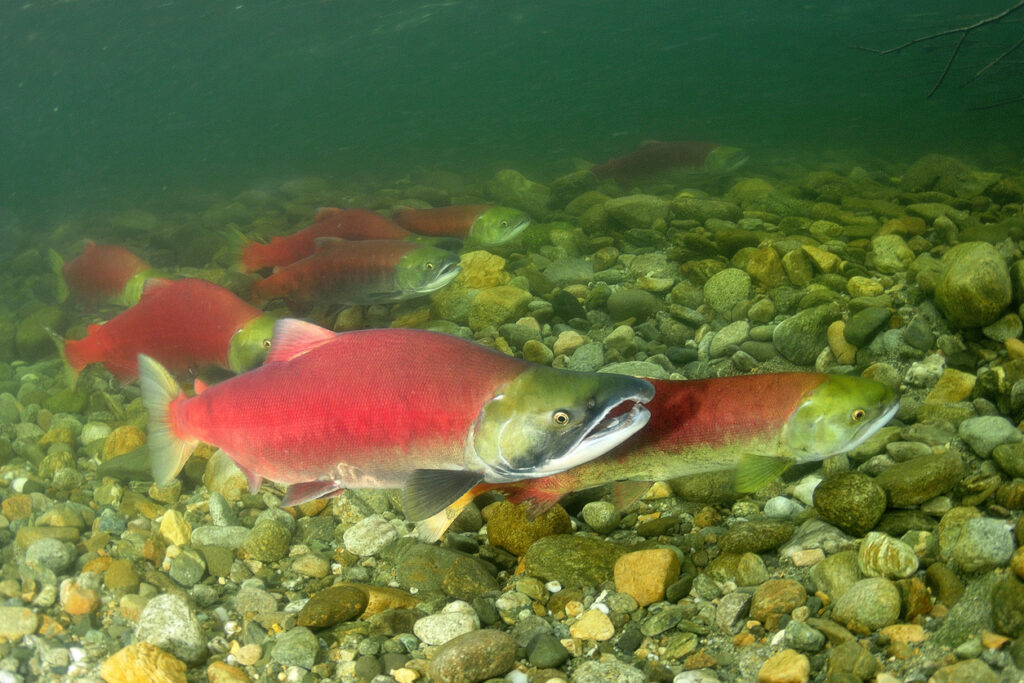
Salmon use an ultra-sensitive chemical memory to navigate from the ocean back to the exact stream where they were born. Their ability to “smell” trace chemicals in freshwater is so precise, they can detect one drop of scent in billions of gallons of water.
To us, it’s just water. To them, every molecule tells a story—of home, of journey, of survival. Their noses aren’t just sensors; they’re maps drawn in invisible ink.
9. Polarisation Compass – Cuttlefish
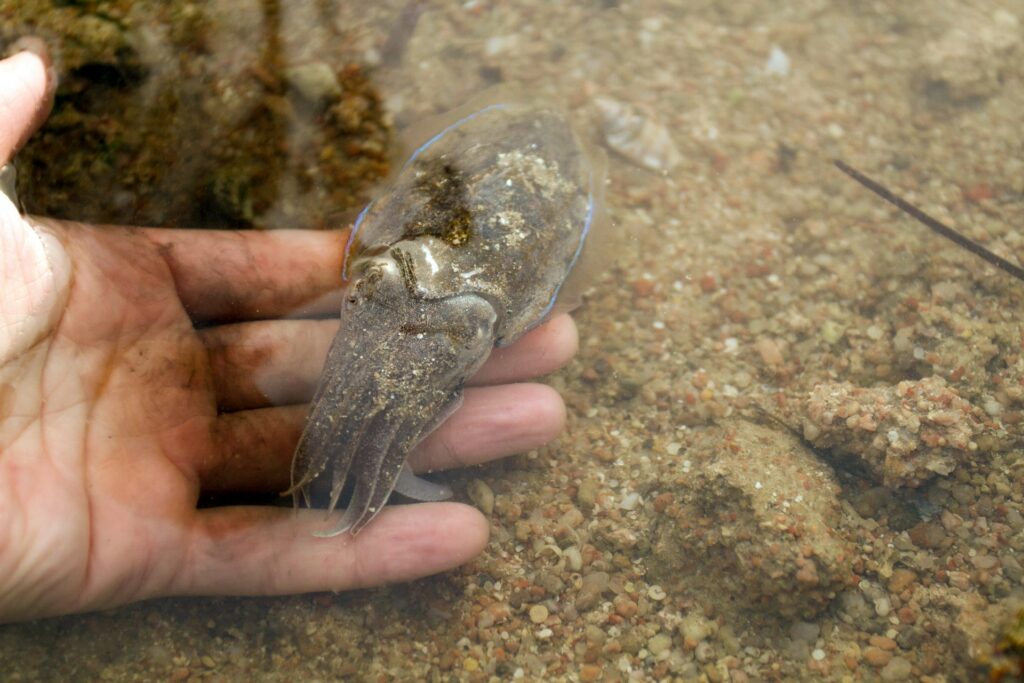
Like mantis shrimp, cuttlefish can detect polarised light. But they also use it for stealth communication. Their skin reflects polarised signals that they can see—but predators usually can’t. It’s like having a private channel of visual communication invisible to everyone else.
They blend into coral, flash warnings to each other, and coordinate movements without a sound. We see patterns and colours; they see encoded light with secret meaning.
10. Gravity Perception – Spiders
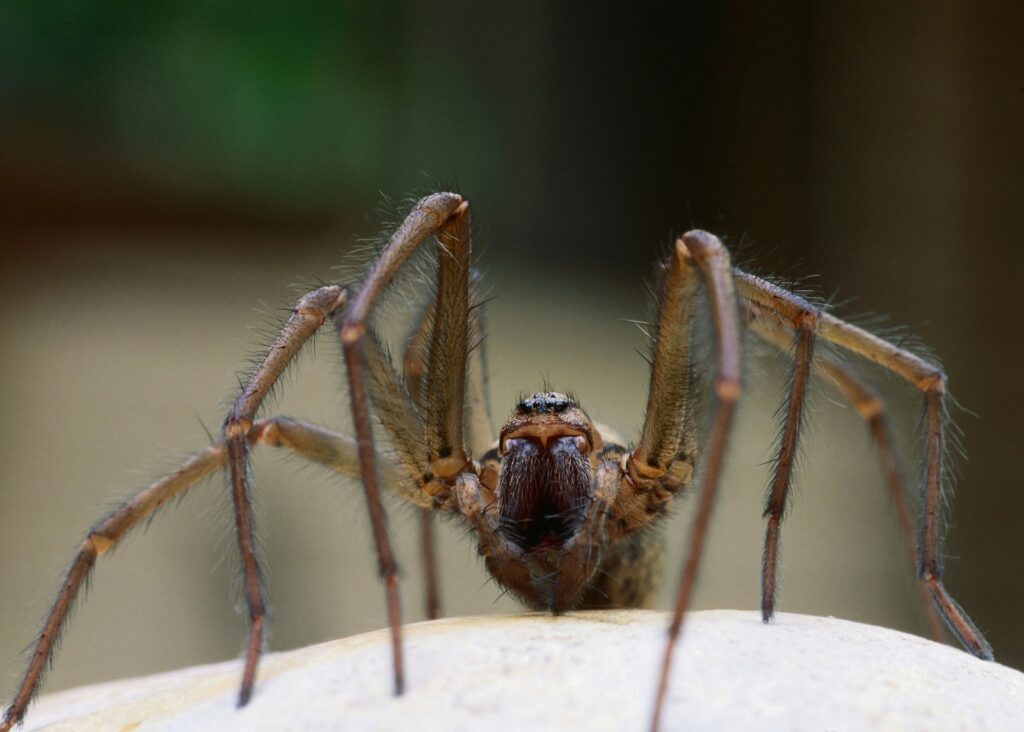
Spiders don’t rely on vision to know which way is up or down. They use their internal fluid pressure, combined with sensitive hairs and balance organs, to detect gravity and adjust their movements accordingly—even when building webs in the dark or upside-down.
They don’t need to see their environment to make sense of it. Gravity itself becomes part of their sensory system. It’s an internal compass far more fluid than any visual map we rely on.
11. Barometric Pressure Sensitivity – Frogs and Sharks
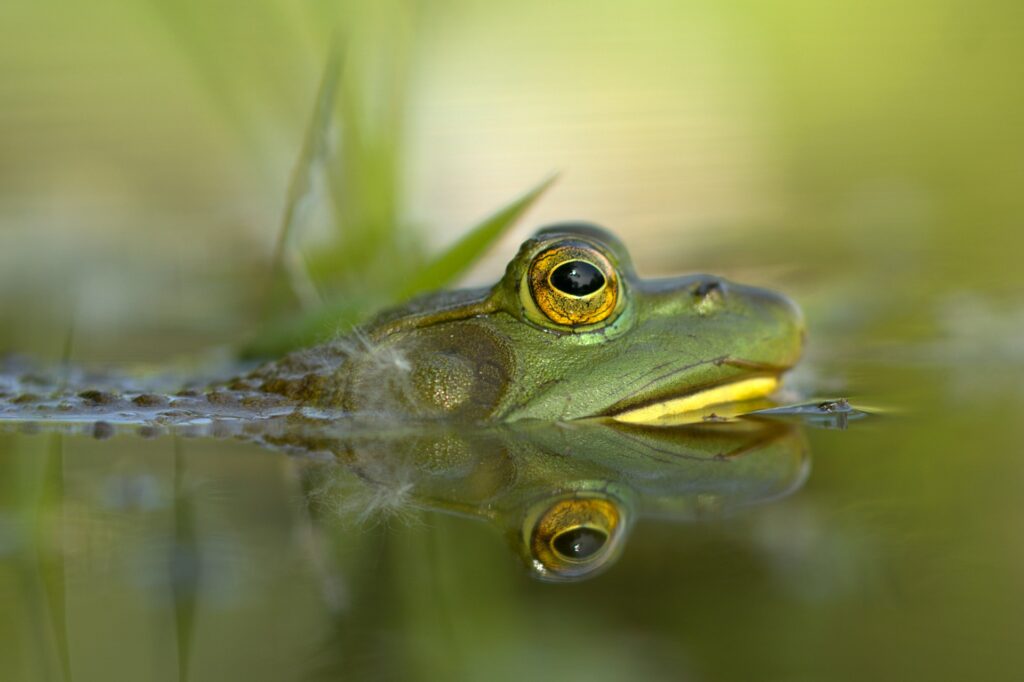
Some frogs and sharks can detect subtle shifts in barometric pressure, allowing them to sense approaching storms or changes in weather before anything seems unusual. This ability helps them adjust behaviour—seeking shelter, altering feeding patterns, or moving to safer waters.
It’s like having a sixth sense for atmospheric change, a weather instinct humans have tried to mimic with apps and forecasts. But these animals just know—and act on it in time.
12. Time Perception – Dogs and Ants

Dogs may not understand a calendar, but they have an uncanny sense of timing. They pick up on subtle environmental cues—like light, temperature, and scent changes—to predict routines. Similarly, ants use internal circadian rhythms combined with chemical cues to coordinate massive colony activity without clocks.
We rely on watches and alerts. But these animals move through time intuitively, reacting to subtle shifts we barely register. Their perception of “when” is embedded in their biology in ways we don’t fully understand.
13. Taste Sensitivity – Catfish
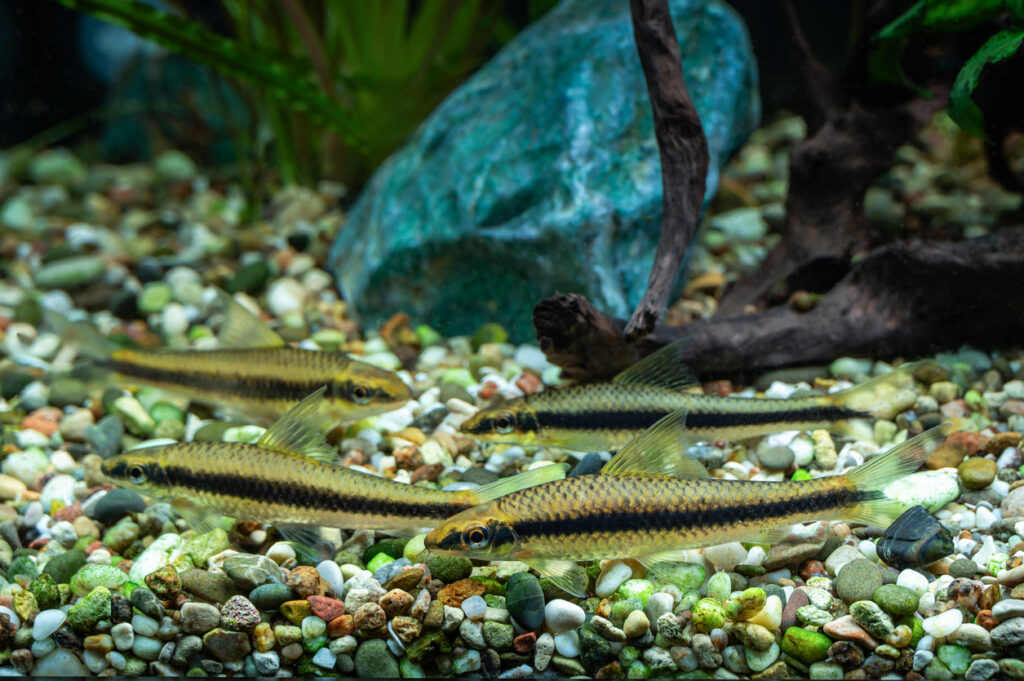
Catfish have taste buds not just in their mouths but all over their bodies—including their skin. This lets them “taste” the water as they move through it, detecting prey, predators, and chemical changes from every angle.
It’s a sense of environment so immersive, we have no equivalent. While we see or hear danger, they feel it with their whole body in real time. They’re essentially swimming tongues, living in a world of flavour and chemical messaging that’s far richer than anything we can imagine.