It’s easy to assume a wilted, yellowing, or leafless plant is beyond saving, but many houseplants are more resilient than they look.
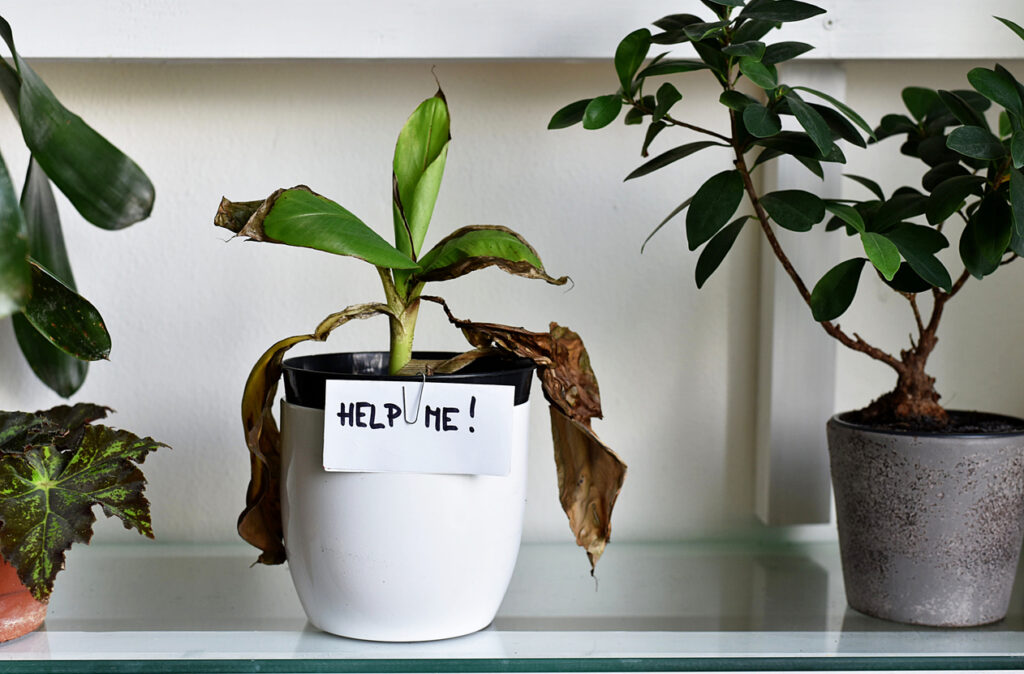
With the right approach, you can often bring them back from the brink and give them a second chance. Whether it’s overwatering, neglect, or a bad spot in the house, these 13 tips can help you figure out what went wrong and, more importantly, how to fix it. Don’t give up hope just yet!
1. Check if it’s actually dead.
Before you panic, give your plant a proper once-over. Scratch a little bark with your fingernail or gently bend a stem; if there’s green underneath, or it’s still flexible, there’s life. Even if the top’s gone crispy, the roots might still be active. Don’t give up just because it looks rough. Many plants die back as a survival response, especially after stress or extreme conditions. Look for signs of new growth or healthy roots before binning it completely.
2. Trim back dead growth.

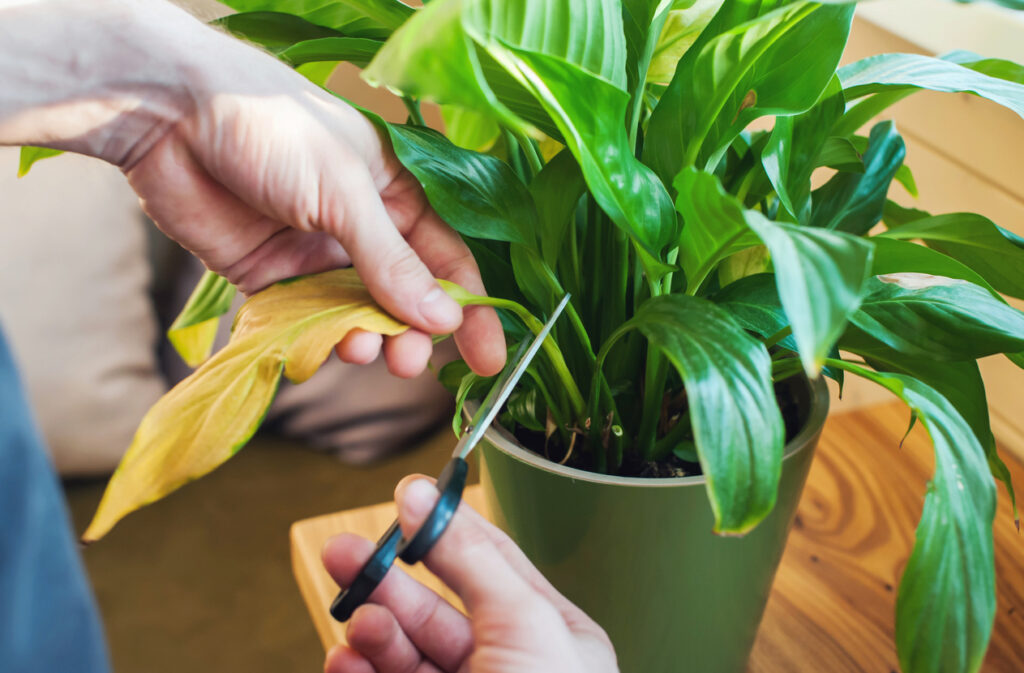
Dead leaves and stems aren’t doing your plant any favours. They drain energy and can lead to rot if left too long. Use clean scissors or secateurs to snip away anything brown, dry, or mushy. Be gentle but thorough. Trimming can also encourage new growth and make it easier for the plant to focus on recovery. If you’re unsure, start with the most obviously dead bits and observe how the rest reacts.
3. Repot it (if needed).

If the roots are cramped, rotting, or sitting in soggy compost, a new pot with fresh soil can make a big difference. Choose a slightly bigger pot with good drainage and gently tease out the roots before repotting. Try not to disturb the roots too much, especially if they’re fragile. Use a well-draining houseplant mix, and don’t water heavily straight away. Instead, let it settle in for a day or two before giving it a proper drink.
4. Give it the right amount of water.

Overwatering is a common killer. If the soil feels soggy or smells off, your plant might be drowning. Let it dry out completely before watering again, and in future, only water when the top inch of soil is dry. Underwatering is the other side of the coin. If the soil is bone dry and pulling away from the edges of the pot, give it a good soak. Place the pot in a sink or bowl of water and let it rehydrate from the bottom up.
5. Improve light conditions.
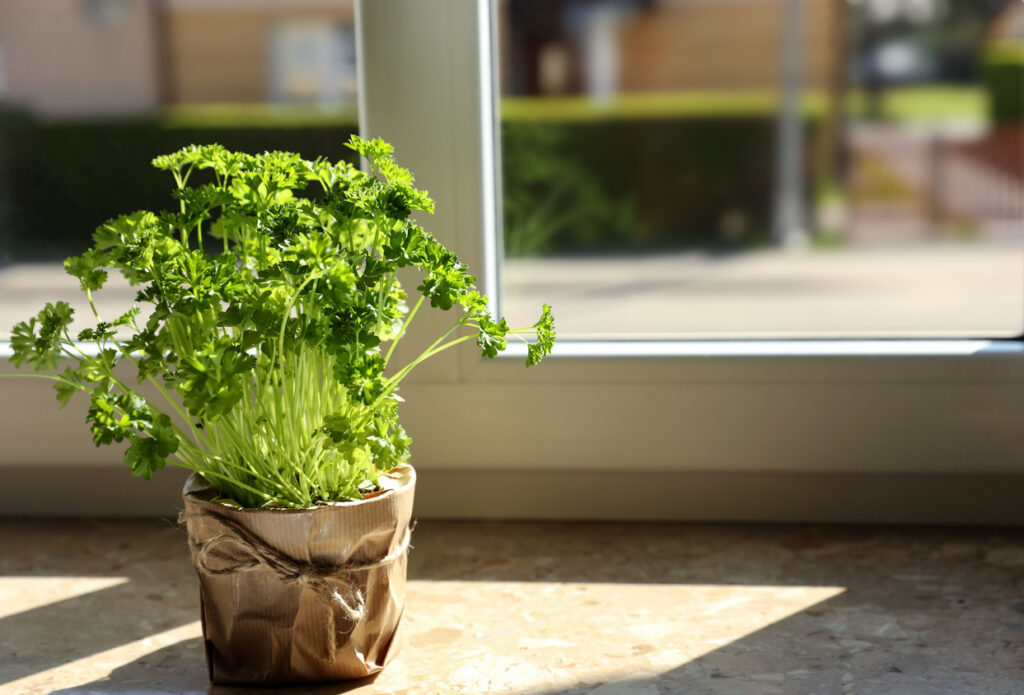
Too much or too little light can cause leaves to drop, fade, or scorch. If your plant’s been hidden in a dark corner or stuck on a sunny windowsill, try moving it somewhere with filtered, indirect light. Most houseplants prefer bright but indirect light. South-facing windows can be too intense without a sheer curtain, while north-facing spots might need a boost with a grow light. Watch how your plant responds over a few days.
6. Clean the leaves.
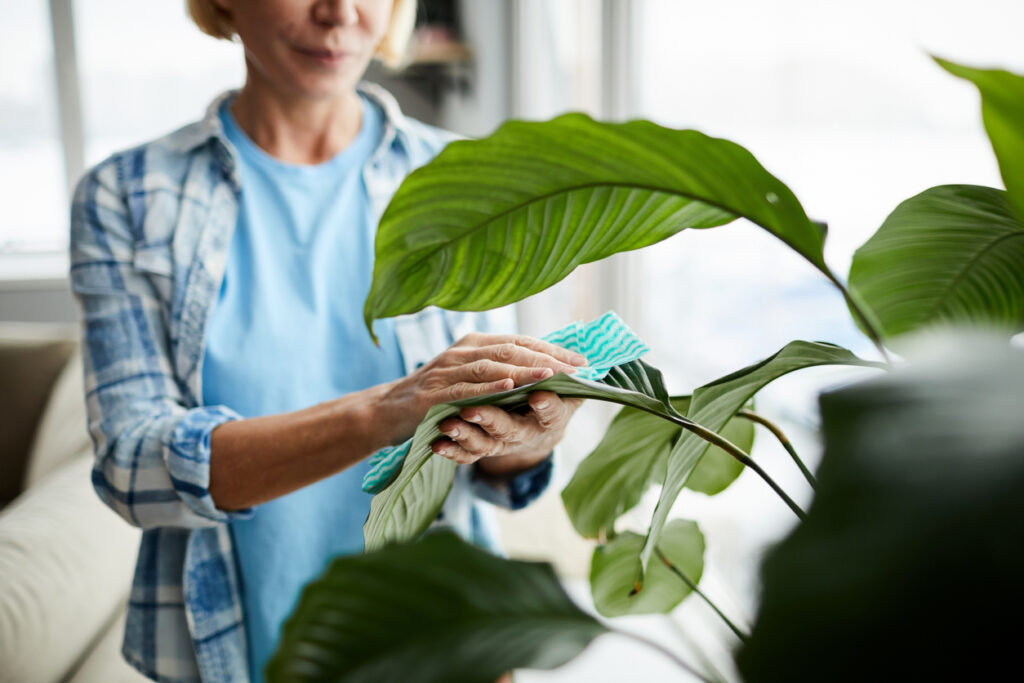
Dusty leaves can’t photosynthesise properly. If your plant’s leaves feel grimy or look dull, wipe them gently with a damp cloth. For smaller or delicate leaves, a soft paintbrush or quick shower under lukewarm water works well. This small act can boost your plant’s health surprisingly fast. Clean leaves absorb more light and breathe easier, especially in dry indoor environments. It also gives you a chance to spot any pests or early signs of disease.
7. Check for pests.

Tiny bugs can cause big problems. Look closely for spider mites, aphids, fungus gnats, or scale insects, especially on the undersides of leaves and around the stem. A magnifying glass can help spot early infestations. If you find pests, isolate the plant and treat it with insecticidal soap, neem oil, or a gentle wash under running water. Repeated treatments may be needed, and catching it early makes a huge difference in recovery.
8. Raise the humidity.

Central heating, radiators, and air conditioning can all dry out the air, which is something many tropical plants struggle with. If leaves are crispy, browning at the edges, or curling up, dry air might be the cause. Try grouping plants together, placing a tray of water nearby, or using a room humidifier. Some plants also appreciate a light daily misting, but be careful not to overdo it, especially in cooler rooms.
9. Feed it, but not too soon.

Fertiliser can help, but only once your plant shows signs of recovery. Feeding a sick or dormant plant can do more harm than good, especially if the roots are weak or damaged. Once it’s perked up a bit and has new growth, use a diluted liquid fertiliser suited to the plant type. A little boost every few weeks during active growth can help it rebuild strength steadily.
10. Rotate it regularly.

If your plant leans dramatically to one side or has bare patches, it’s probably been facing the same direction for too long. Regularly rotating it helps even out the light exposure and encourages balanced growth. Give it a gentle quarter-turn every week or so. This also helps you keep an eye on all sides of the plant, so you’ll spot problems earlier instead of letting them fester unnoticed at the back.
11. Let it rest.

Some plants go into a natural dormancy phase during colder months or after stress. If your plant’s not growing, it might just need time, especially if everything else looks okay, and you’ve ruled out major problems. Cut back on watering, don’t fertilise, and give it a bright, stable spot to rest. Once spring returns or conditions improve, you’ll usually start to see new signs of life without needing to intervene too much.
12. Be patient.

Recovery takes time. Even with the right conditions, most plants won’t bounce back overnight. It can take weeks, or even months, for new leaves to emerge or for roots to rebuild after shock or damage. Stick with your care routine, resist the urge to fiddle constantly, and give your plant space to recover. If it was healthy once, it can be healthy again, but only if it gets the chance to stabilise first.
13. Know when to let go.
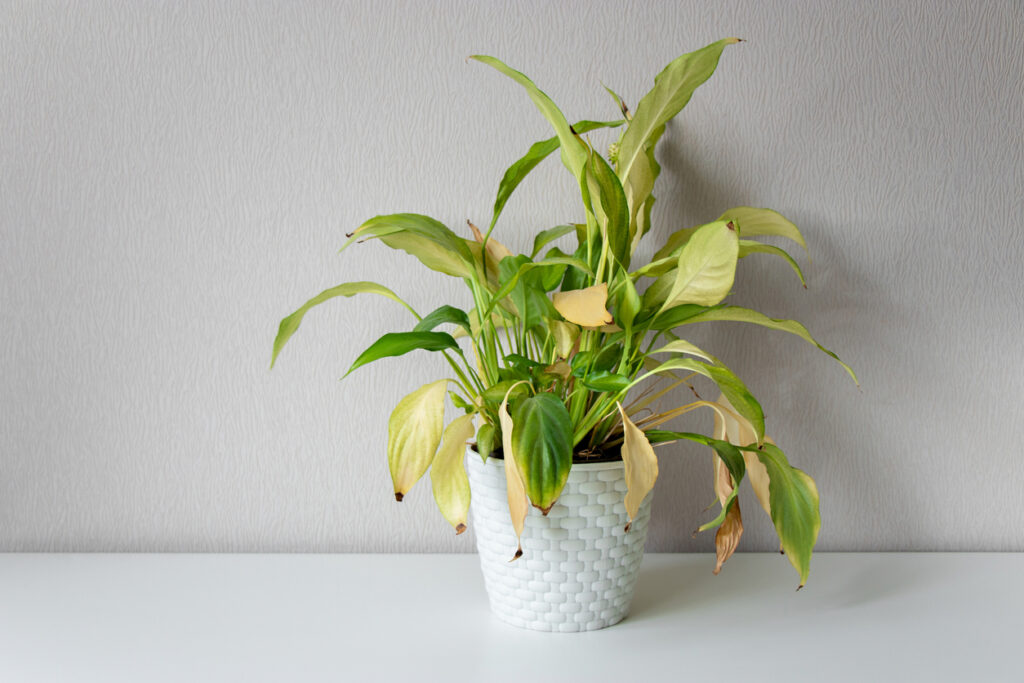
Sometimes, a plant really is past saving, especially if the roots are mushy, the stem is hollow, or there’s no sign of life after weeks of care. If you’ve tried everything, and it’s still declining, it might be time to compost and move on. Letting go doesn’t mean failure. Plants die. It’s part of the learning curve of indoor gardening, and every struggling plant teaches you something. Don’t be discouraged; just plant something new and carry what you’ve learned into the next one.