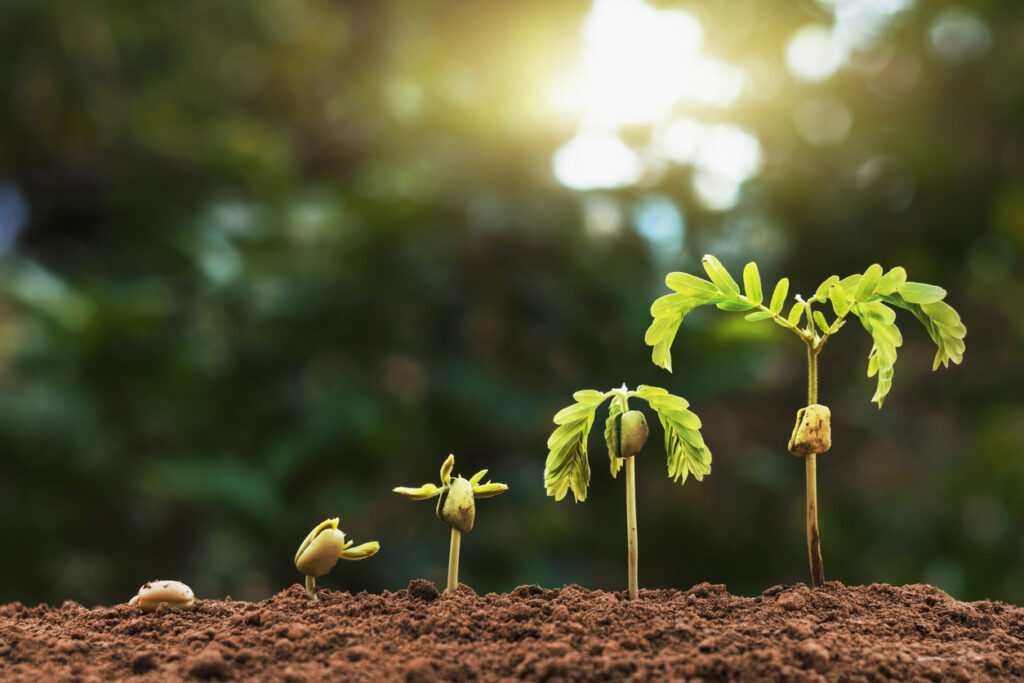
There’s nothing more disappointing than putting time, care, and hope into sowing seeds, only to be met with bare soil and zero sprouts. But if your seeds didn’t germinate, it’s rarely just bad luck. Most of the time, there’s a clear reason behind the no-show, and once you understand what went wrong, it’s much easier to fix it next time. Here are some of the most common causes of failed germination and what you can do to turn things around.
1. The seeds were too old.
Seeds don’t last forever. Over time, their ability to sprout drops significantly, even if they’ve been stored in a dry cupboard. Some varieties, like parsnips and onions, lose viability after just a year, while others, like beans, last longer. If your seeds were a few years old or the packet had been open a while, that could be your culprit. The solution is simple: buy fresh seed, especially for fussy plants, and store unopened packets in a cool, dry, and dark place for the best shelf life.
2. They were sown too deep
Small seeds need light to germinate, and burying them too far under the soil can stop them from ever emerging. Even larger seeds can struggle if they’re pressed too far down into heavy or compacted compost. Always follow the sowing instructions on the packet, as most include depth guidelines. As a general rule, seeds should be planted at a depth roughly twice their size. When in doubt, go shallower rather than deeper.
3. The soil was too cold
Most seeds need a certain level of warmth to get going. Sow too early in the season or in a cold propagator, and your seeds may simply sit there, dormant or slowly rotting away in damp compost. Use a heated propagator or wait until daytime temperatures are reliably above 10 °C. For heat-loving plants like tomatoes and chillies, warm indoor conditions are essential to trigger germination.
4. The compost wasn’t right.
Using heavy, lumpy, or nutrient-rich compost can suffocate seedlings or overwhelm them with salts and nutrients they’re not ready for. Seedlings need a light, fine, free-draining medium to start life in. If your compost was recycled from last year’s pots or straight from the garden, that could be a problem. Switch to a seed-starting compost that’s low in nutrients, and sieve it if needed to get a finer texture.
5. You overwatered (or underwatered).
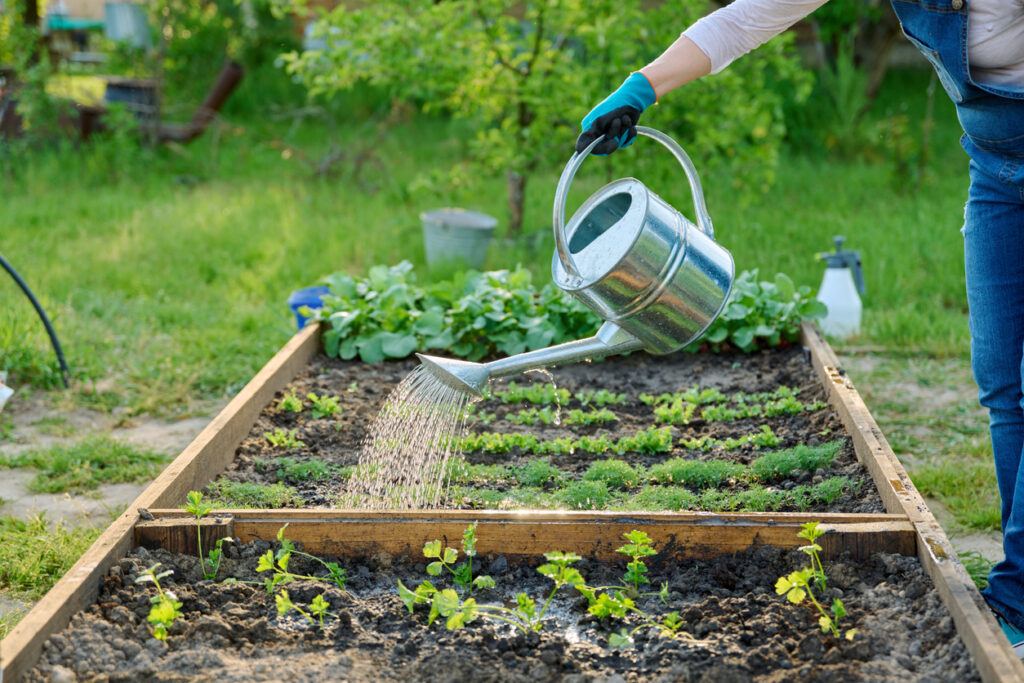
Too much water can rot seeds before they sprout, while too little means they dry out mid-germination. It’s a fine balance, especially in covered trays where moisture can’t escape easily. The trick is to keep the soil consistently damp, but not soggy. Use a spray bottle to mist the surface and check trays daily. If the compost feels wet to the touch or smells musty, cut back on watering and improve airflow.
6. The seeds needed light to germinate.
Some seeds, like lettuce or snapdragon, need light exposure to germinate properly. Covering them in compost, even lightly, can prevent sprouting altogether. This is a detail many people miss. Double-check your seed packet or look up the variety online. If light is required, simply press the seeds onto the surface of the compost and don’t cover them at all. A clear propagator lid will help hold in moisture while still allowing light through.
7. Pests or mould got to them.
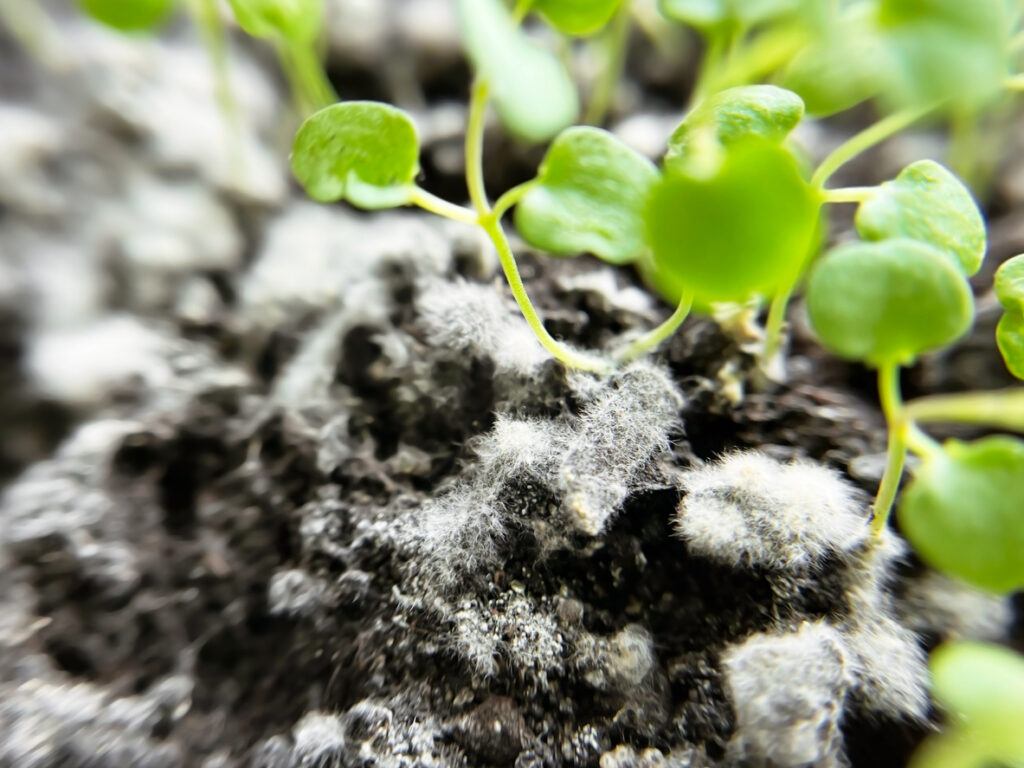
Fungus gnats, slugs, or even ants can interfere with germination. Meanwhile, damping off, a common fungal issue, can take out a whole tray of seedlings before they even get going. Use clean trays and tools, and consider adding a light dusting of cinnamon or vermiculite to the compost surface to deter fungal problems. Good air circulation and not overcrowding your trays will also help reduce risks.
8. The seeds weren’t viable to begin with.
Sometimes, it’s not something you did. Seeds that haven’t been properly dried, stored, or processed by the supplier might never have had a chance. Unfortunately, this does happen occasionally, even with store-bought seed. If you suspect this, try a germination test: place a few seeds in a damp paper towel inside a sealed plastic bag and leave them in a warm spot. If nothing happens after 7–10 days, it’s likely the seed quality is poor.
9. There wasn’t enough airflow.
Seeds need oxygen to germinate, and compost that’s too wet or compacted can cut off air supply to the seeds. Trays with no drainage holes or sealed lids with no ventilation make the issue worse. Use containers with drainage, avoid pressing down compost too firmly, and open propagator lids briefly each day to allow for fresh air. This helps keep mould at bay and gives the seeds what they need to breathe and grow.
10. You gave up too soon.
Some seeds take a while. Carrots, parsley, and chilli peppers can take several weeks to appear, depending on conditions. It’s easy to assume nothing’s happening and throw them out too early. Check germination times for each variety and give them the full window before giving up. Be patient. Sometimes all they need is a bit more time, warmth, and consistent moisture to finally push through.