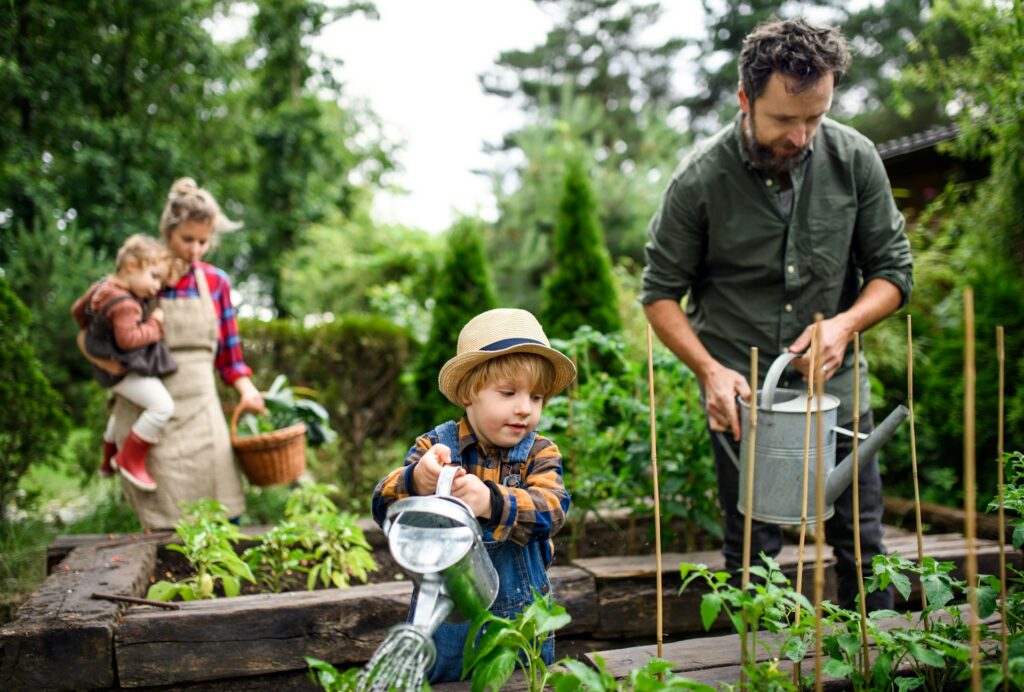
Getting your kids involved in gardening might start with muddy knees and a few lost seeds, but it can turn into something way more meaningful. Whether it’s planting strawberries, pulling up weeds, or just poking around with a watering can, gardening gives kids a hands-on connection to the world around them. And while it’s fun on the surface, it also packs in a surprising number of hidden benefits. Here are 15 perks of getting your kids stuck into the garden.
1. It gets them off screens without a fight.
When kids are digging, planting, or squashing soil between their fingers, they’re not staring at a tablet. And the best part? It doesn’t feel like a forced “screen break” because they’re too busy being curious about what’s growing. Gardening offers the kind of natural stimulation that makes them forget to ask for cartoons. It’s slow-paced in the best way, calming but full of little surprises that keep them engaged.
2. It teaches real patience (without lectures).
Gardening doesn’t offer instant results. Seeds take time. Plants grow slowly. And that’s exactly the kind of long-game lesson kids need, but rarely get elsewhere these days. Watching something grow over days and weeks helps kids get used to the idea that not everything happens right away. It builds patience through experience, not lectures or apps.
3. It connects them to where food actually comes from.
When kids grow their own fruit or veg, even if it’s just a few strawberries or carrots, they start to understand that food doesn’t just appear in a packet. There’s effort, time, and nature behind it. That connection can lead to more curiosity about meals, less waste, and even better eating habits. It’s harder to turn your nose up at a tomato you planted yourself.
4. It builds responsibility in a gentle way.
Looking after plants gives kids a job that matters. If they forget to water their seedlings, they see the result. If they care for them, they thrive. It’s natural cause and effect. Unlike tidying their room or doing chores, gardening feels like a “grown-up” task they actually want to do because the payoff is visible, exciting, and theirs to claim.
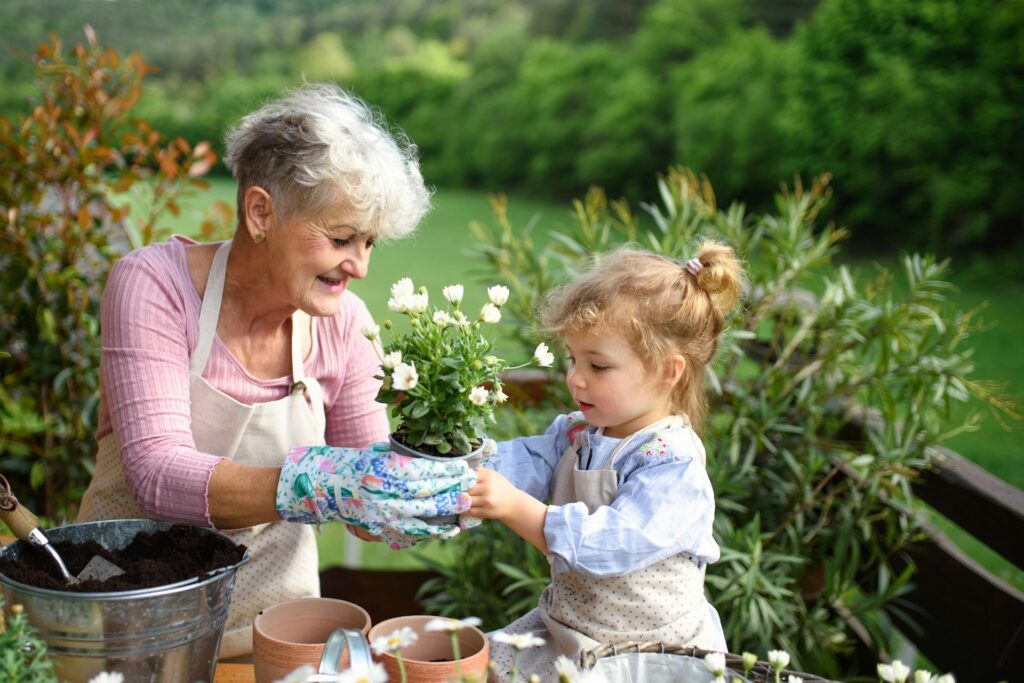
5. It boosts their mood (and yours).
Being outside, hands in the soil and sun on your back, does something good to your brain. For kids, it’s no different. Studies show that gardening reduces anxiety and boosts feelings of calm and happiness. Plus, let’s be honest, watching your child get excited about a sprouting seed or a worm they found has a way of lifting your mood too.
6. It sparks curiosity about bugs, weather, and the earth.
Gardening is a natural science lesson. Worms, pollinators, rain, roots are all there in real time. Kids start to ask questions, connect patterns, and notice things they might’ve ignored before. It’s hands-on, muddy learning, and they absorb way more than they would from a worksheet. Curiosity becomes second nature when it’s literally growing in front of them.
7. It encourages physical activity (without needing a sports team).
Not every child enjoys running laps or joining sports clubs. Gardening offers a gentler kind of movement—digging, lifting, watering, planting—that still gets them active and using their bodies. It’s movement with purpose, which feels different. They’re not exercising just to burn energy; they’re moving because there’s a job to do. That motivation tends to stick.
8. It improves focus and attention span.
There’s something about gardening that slows the brain down in the best way. Kids who struggle to sit still or stay focused often find it easier to stay engaged in the garden. It’s the mix of gentle rhythm, natural sights and sounds, and having a clear, simple goal. One seed. One patch. One task. It helps rewire their attention in a way that feels calm, not forced.
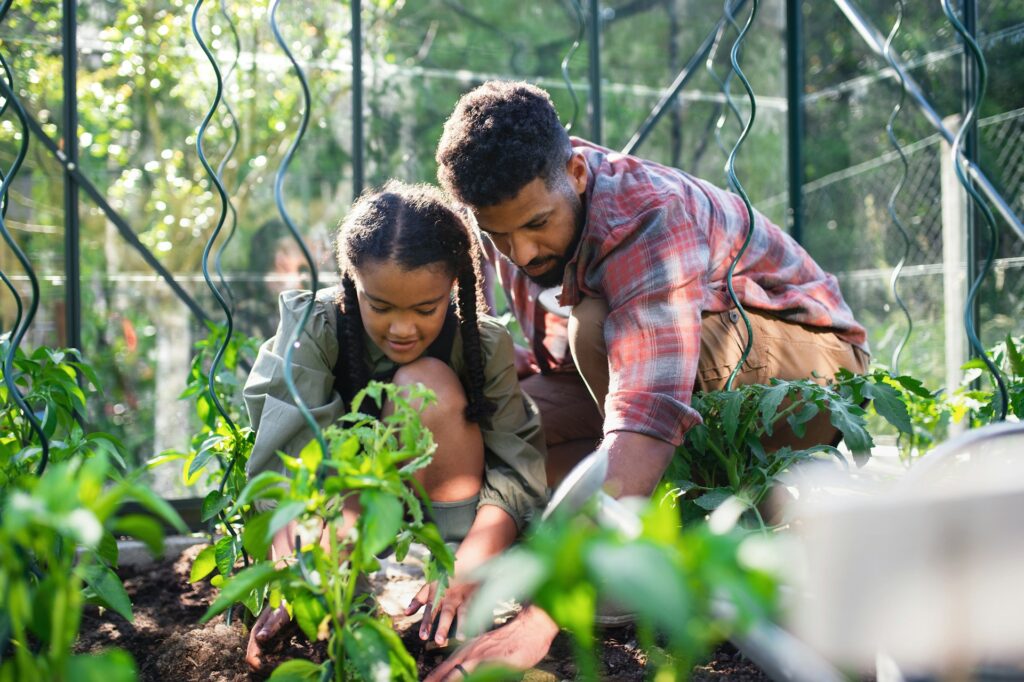
9. It helps with emotional regulation.
When kids are angry, overstimulated, or overwhelmed, getting them into the garden, even just to water something, can create a sense of calm and reset. Nature doesn’t rush, and that energy rubs off. Eventually, they start to connect the garden with peace and feel more grounded when they’re outside. It becomes a quiet coping tool they don’t even realise they’re using.
10. It boosts self-esteem through small wins.
When your child points to a flower they planted or eats a lettuce they grew themselves, the pride is real. It’s a concrete reminder that they *can* do something, from start to finish. It’s not just one win, either. It builds. With each season, they get better at it, try new things, and start taking the lead. That sense of “I did this” sticks with them long after the plant’s gone.
11. It teaches them not everything survives, and that’s okay.
Sometimes a seed doesn’t grow. Sometimes slugs get the lettuce. Gardening gently introduces the idea that failure happens, but it’s not the end of the world. You try again. It’s a non-scary way to learn resilience. They still get to feel disappointed, but they also learn to replant, adapt, and move forward without quitting completely.
12. It gives you quality time without distractions.
There’s something special about gardening together. You talk more, you laugh at silly things, and you share little wins. It’s low-pressure bonding time with no screens, no expectations. And the memories stick. Years from now, they might not remember every TV show you watched together, but they’ll remember the smell of compost, the colour of the blooms, and how proud you looked when they pulled their first carrot.
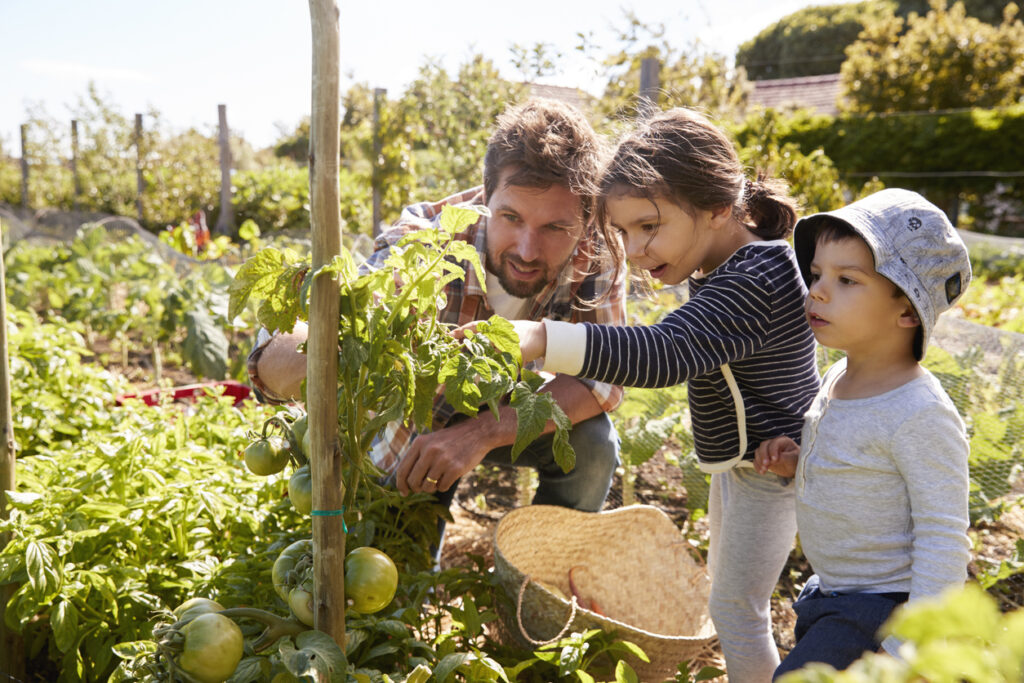
13. It introduces them to eco-awareness naturally.
Gardening puts kids in direct contact with the rhythms of nature. They see how seasons matter, how bugs play a role, and why healthy soil is a big deal. You don’t have to preach because they learn just by doing. This creates a quiet kind of environmental awareness. They become more likely to care about bees, waste less water, and understand the value of green spaces without needing a classroom lecture.
14. It encourages better eating habits.
Kids are way more likely to try food they’ve helped grow, even the veggies they used to hate. There’s something about seeing it go from seed to plate that makes it feel more exciting and less like “health food.” Even a few strawberries or tomatoes can be enough to spark a change in their attitude toward food. It becomes something they’ve built, not something they’re told to eat.
15. It’s just fun (even when it’s messy).
At the end of the day, gardening is genuinely fun for kids. It’s messy, unpredictable, and full of tiny wonders. They get to dig, splash, poke, plant, and explore, so what’s not to love? It doesn’t have to be big or perfect. A few pots, a patch of dirt, or even a windowsill garden is enough to get started. Once they’re in, they’ll want to keep growing, literally and figuratively.