If you’re lucky enough to have a garden pond, adding the right plants can take it from a muddy dip in the ground to a full-on wildlife haven.
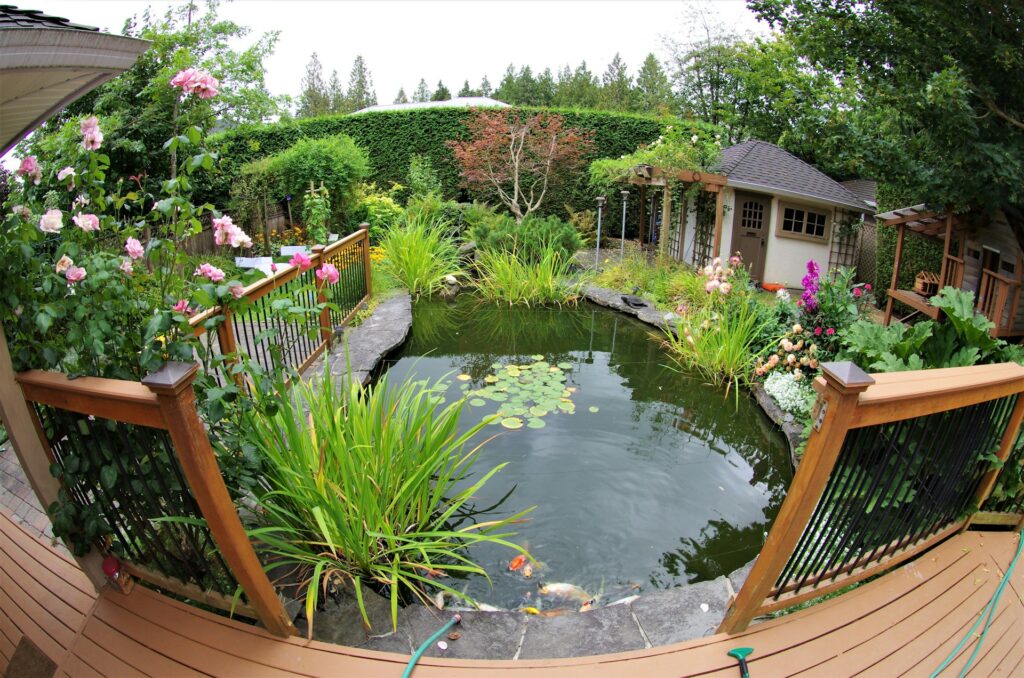
Water plants don’t just look good; they help keep the water clean, give shelter to frogs and insects, and even support pollinators. Whether you’re after bold lilies, floating greens, or something to soften the edges, these ten pond plants are all solid choices. They not only add a bit of colour, but they show off your personality in unique ways, as well.
1. Water lilies (Nymphaea)
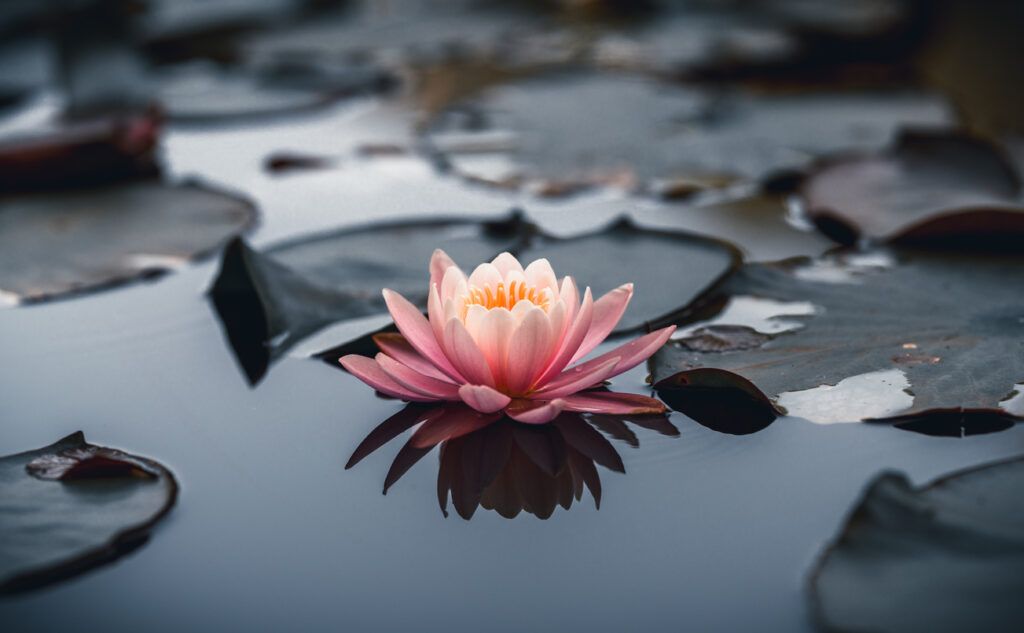
Water lilies are probably the most iconic pond plant, and for good reason. Their broad, floating leaves help shade the water, keeping it cooler and reducing algae. The flowers are stunning and can bloom for months, giving your pond that classic, peaceful look.
They also offer great shelter for aquatic life. Fish and frogs can hide beneath the pads, which makes your pond feel more alive. Just make sure to choose the right size lily for your pond, as some varieties can take over if they’re too large for the space.
2. Marsh marigold (Caltha palustris)
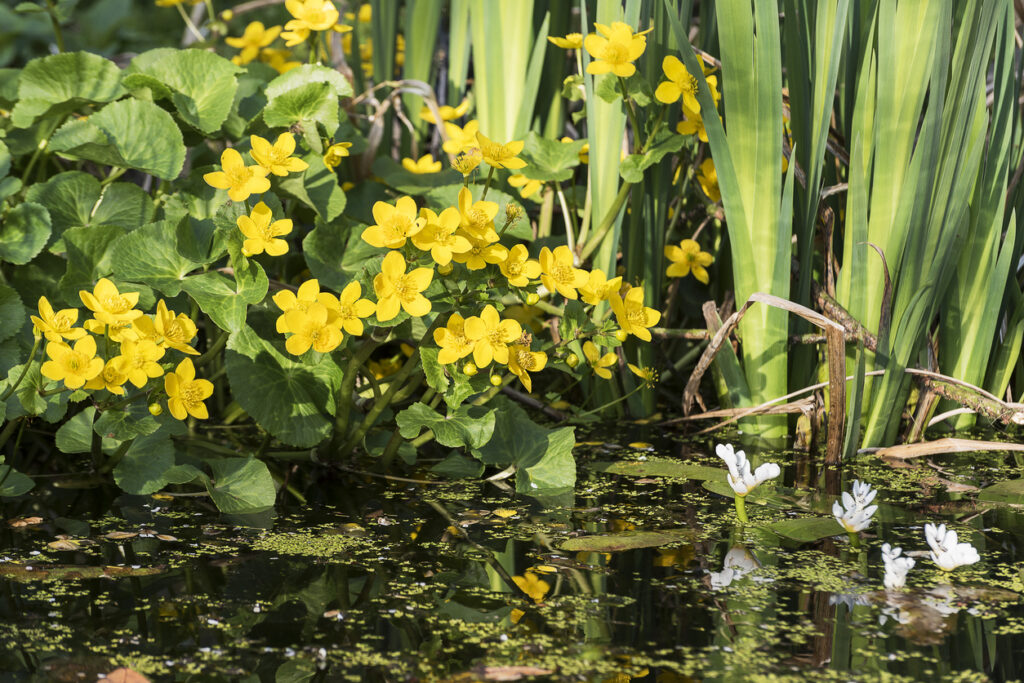
This cheerful little plant is one of the first to flower in spring, bringing a burst of bright yellow blooms to the pond’s edge. Marsh marigolds love damp soil and shallow margins, making them perfect for softening the transition between pond and garden. They’re also a great nectar source for early pollinators. Easy to grow and low maintenance, they’ll happily self-seed and come back every year without fuss. Just give them a bit of space to spread out.
3. Water forget-me-not (Myosotis scorpioides)
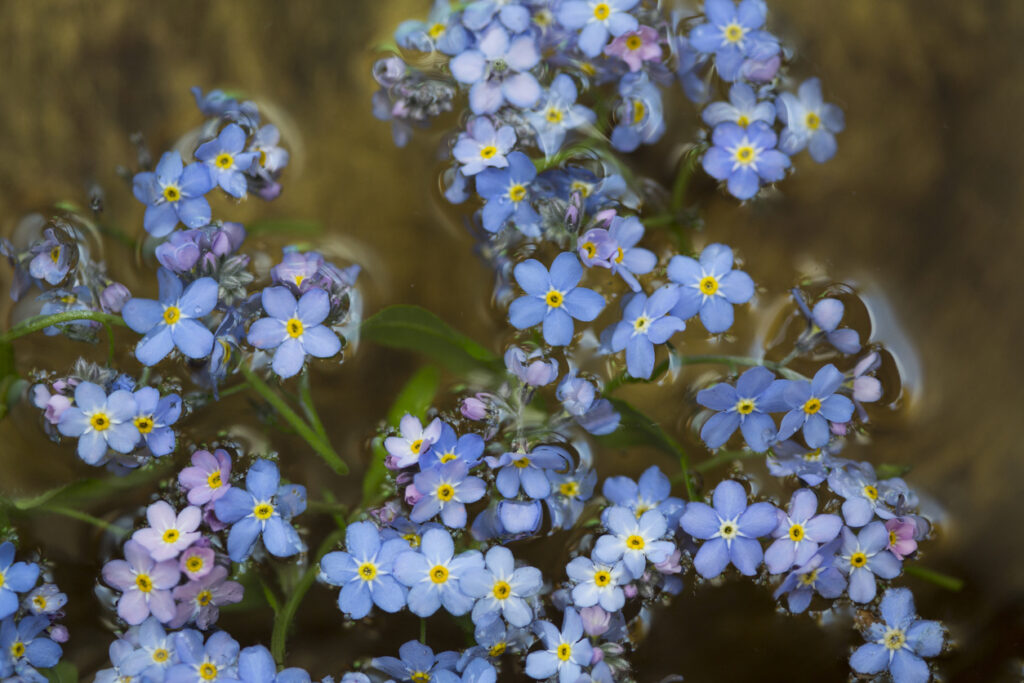
With delicate blue flowers and a soft, spreading habit, water forget-me-nots are a lovely way to add colour around the edges of your pond. They thrive in wet soil and can even grow partially submerged, so they blend beautifully into the waterline. They attract bees and hoverflies and make everything look just a bit more magical. You can let them ramble along the margins or trim them back to keep them tidy. It’s a flexible, forgiving plant.
4. Hornwort (Ceratophyllum demersum)
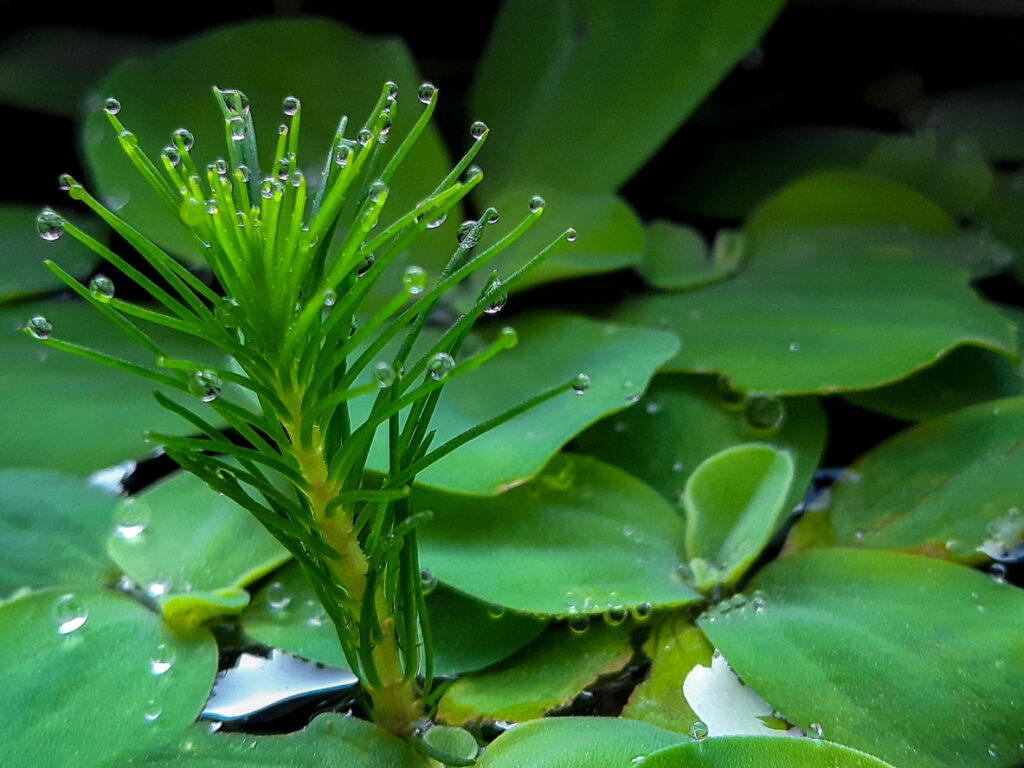
If your pond needs a bit of help staying clean and balanced, hornwort is one of the best oxygenating plants you can get. It grows entirely underwater, floating freely or anchored with a weight, and helps reduce algae by competing for nutrients. It’s also a great habitat for small aquatic creatures, providing cover for fish fry, tadpoles, and invertebrates. Hornwort grows quickly, so you may need to thin it out occasionally, but it’s a strong performer with very little effort.
5. Water mint (Mentha aquatica)
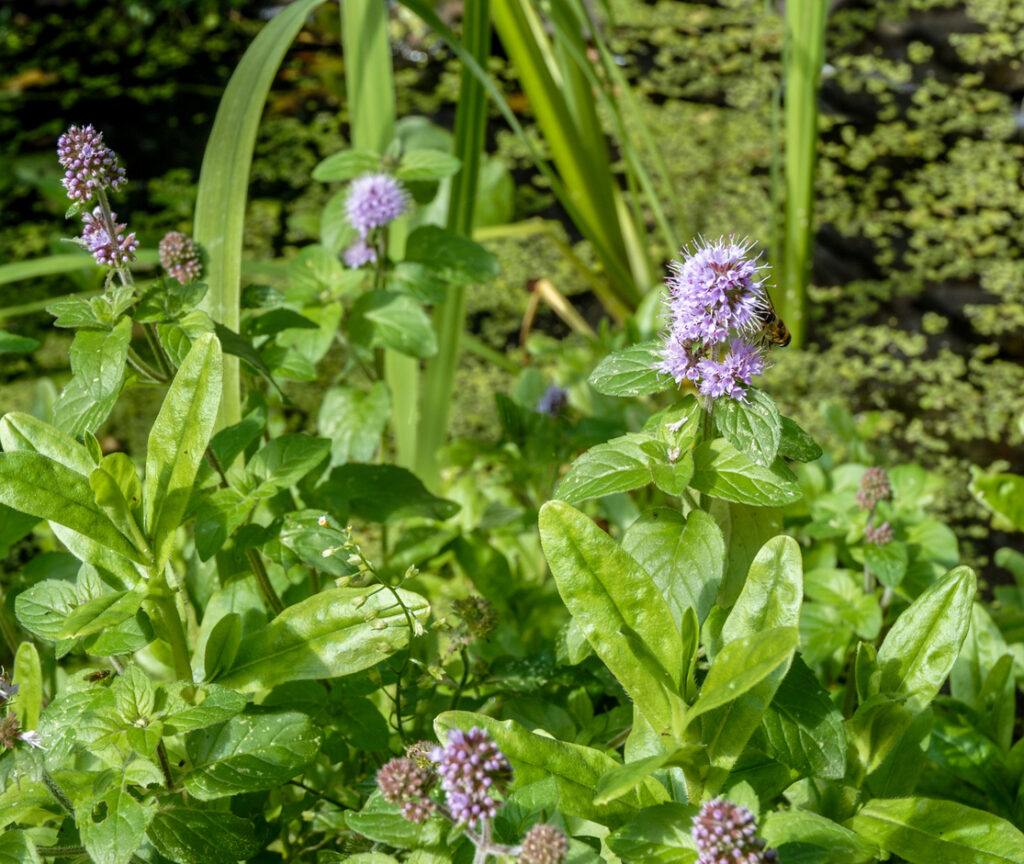
Water mint adds a splash of colour and scent to your pond edges. With its purplish flowers and fragrant leaves, it’s a magnet for bees, butterflies, and other pollinators in late summer. It likes damp soil and shallow water and will happily spread if left unchecked, so it’s best kept in a pot or contained area. That said, it’s easy to manage and adds a touch of wild beauty to your garden pond.
6. Floating pondweed (Potamogeton natans)
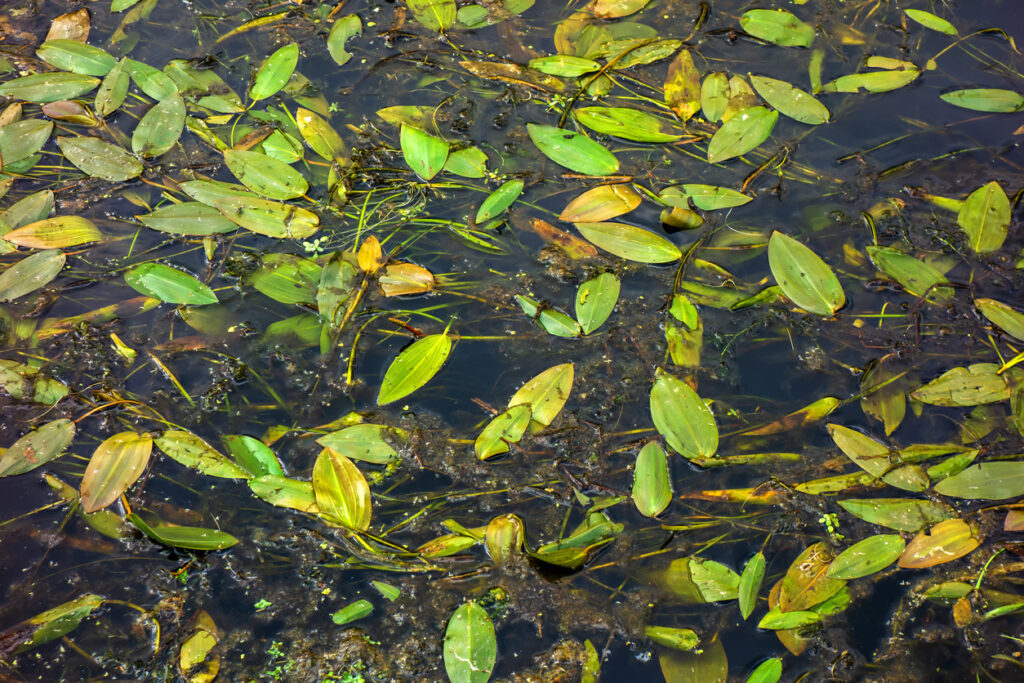
This native plant has oval-shaped floating leaves and can be a real asset in natural-style ponds. It helps shade the water and reduce algae, while offering spawning areas for fish and resting spots for insects. Floating pondweed grows well in still or slow-moving water and doesn’t need planting; it’ll anchor itself naturally. It’s subtle and not showy, but it plays an important role in supporting a healthy pond ecosystem.
7. Pickerel weed (Pontederia cordata)
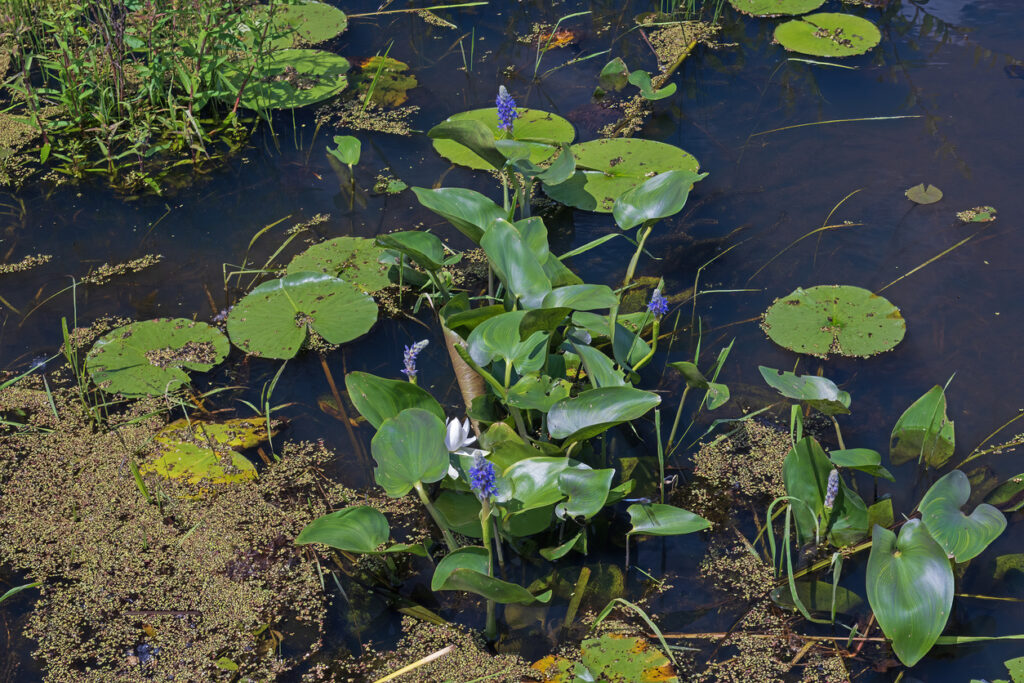
With striking purple-blue flower spikes, pickerel weed is both beautiful and beneficial. It grows in shallow water at the pond’s edge and adds vertical interest without being overpowering. Pollinators love it, and the thick stems provide great cover for pond wildlife. It’s best planted in baskets to control its spread, but once it’s settled, it’s fairly low maintenance and offers a nice mix of form and function.
8. Lesser spearwort (Ranunculus flammula)
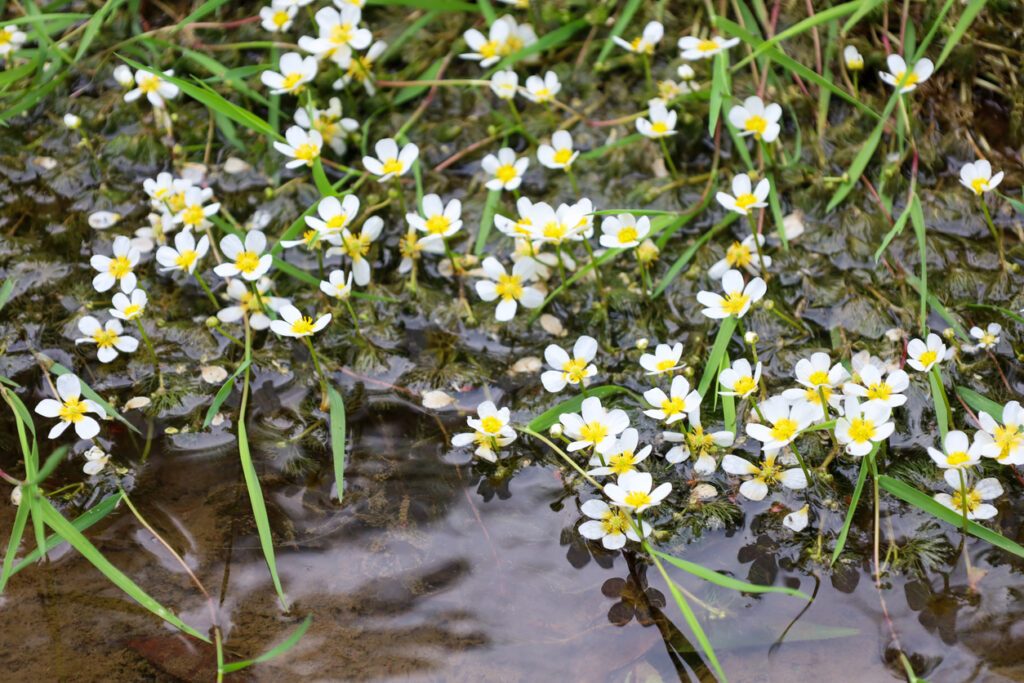
This delicate yellow-flowered native plant is ideal for pond margins and damp areas. It has a low, sprawling habit and tends to flower from late spring through summer, creating a soft, wild look around your pond. It’s a great choice for encouraging biodiversity, offering nectar for insects and shelter for small creatures. It blends especially well with other native pondside plants and helps create a natural, unforced look.
9. Water soldier (Stratiotes aloides)
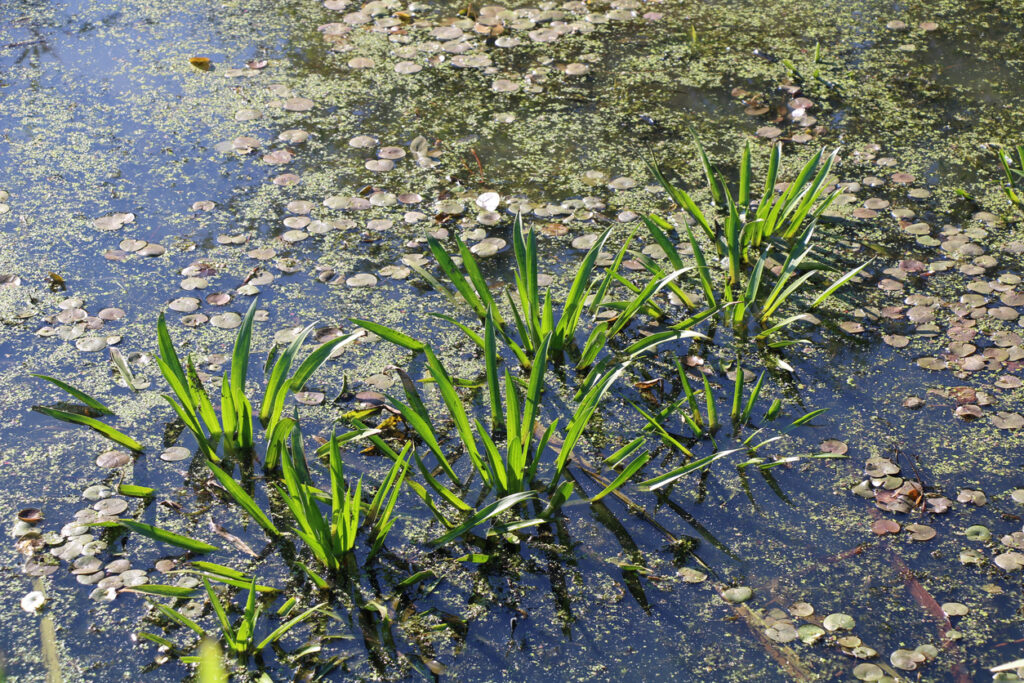
This unusual-looking plant floats in the summer and sinks to the bottom in winter, resurfacing again the next year. It looks a bit like a spiky aloe and adds a unique texture to your pond’s surface. It helps with oxygenation and can suppress algae by blocking out sunlight. Water soldier doesn’t flower often, but its changing behaviour across the seasons makes it an interesting talking point and a good functional plant, especially in wildlife-friendly ponds.
10. Brooklime (Veronica beccabunga)
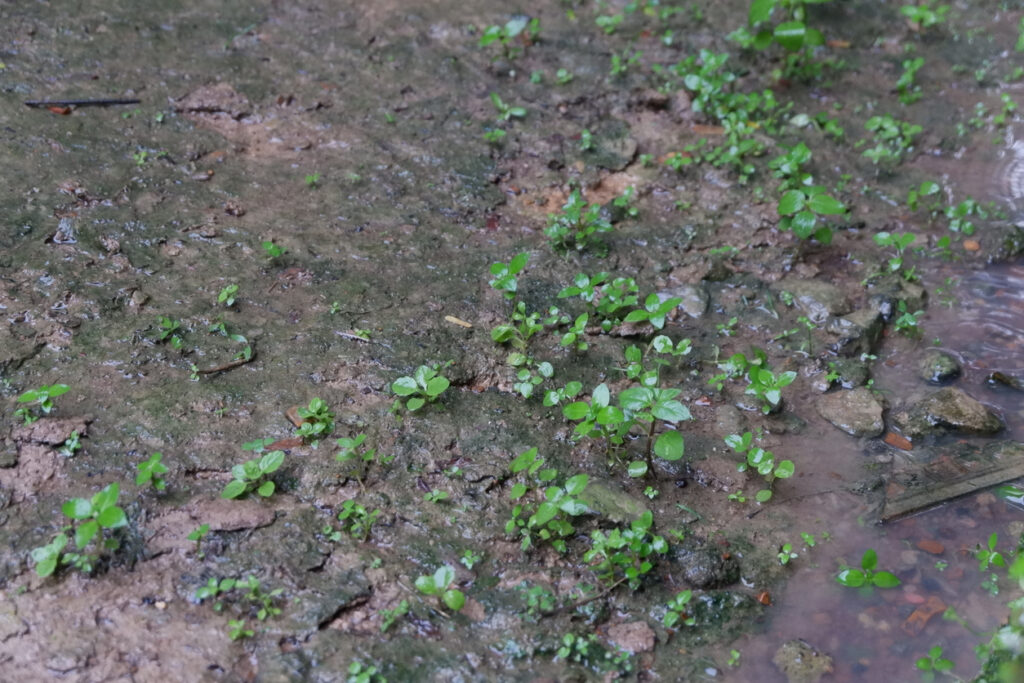
Brooklime is a humble but brilliant plant that grows well in damp soil and shallow margins. Its small blue flowers bloom through summer, and it gently trails around the pond edge, softening harsh lines and adding a natural feel. It spreads quickly, so it’s good for filling gaps, but you may want to keep it in check if you’re after a more formal look. It’s particularly popular with hoverflies and other beneficial insects, and adds a quiet, wild charm to your pond setup.